961 kr
Läs direkt efter köp
961 kr
Läs direkt efter köp
1 116 kr
Läs direkt efter köp
407 kr
Läs direkt efter köp
1 219 kr
Läs direkt efter köp
1 145 kr
Läs direkt efter köp
1 256 kr
Läs direkt efter köp
2 786 kr
Skickas inom 5-8 vardagar
1 739 kr
Skickas inom 3-6 vardagar
518 kr
Skickas inom 7-10 vardagar
1 756 kr
Skickas inom 3-6 vardagar
2 001 kr
Skickas inom 5-8 vardagar
2 093 kr
Skickas inom 5-8 vardagar
1 986 kr
Skickas inom 5-8 vardagar
1 218 kr
Skickas inom 3-6 vardagar
3 192 kr
Skickas inom 5-8 vardagar
2 780 kr
Skickas inom 10-15 vardagar
922 kr
Skickas inom 10-15 vardagar
2 780 kr
Skickas inom 10-15 vardagar
439 kr
Skickas inom 5-8 vardagar
761 kr
Skickas inom 10-15 vardagar
838 kr
Läs direkt efter köp
838 kr
Läs direkt efter köp
1 082 kr
Läs direkt efter köp
This book covers nine countries of ASEAN and the East Asian area, including major Asian countries, and compares their respective policies to attract Foreign Direct Investments (FDI). Through comparative study of FDI promotion policies, this book will give policy makers in the area of FDI promotion an overview and comparison of the FDI policies of other countries. In addition, researchers at graduate, post-graduate or professional level will gain from the econometric methodology and detailed definitions of various spillover effects (horizontal and vertical), which will be beneficial to their research.
In addition to FDI policy comparison, this book focuses on the various spillover effects of FDI. It separates it into categories: own productivity effects; intra-industry spillover effects; and inter-industry spillover effects (forward and backward linkage effects). While most other studies have only taken econometric tests on own-productivity and intra-industry spillovers, a key advantage to this book is that it also covers the separate effects of inter-industry linkages.
Through policy comparison and econometric tests on various spillover effects on economic growth, employment and exports, this book will give policy makers and researchers an innovative and constructive guide to FDI.
1 074 kr
Läs direkt efter köp
This book covers nine countries of ASEAN and the East Asian area, including major Asian countries, and compares their respective policies to attract Foreign Direct Investments (FDI). Through comparative study of FDI promotion policies, this book will give policy makers in the area of FDI promotion an overview and comparison of the FDI policies of other countries. In addition, researchers at graduate, post-graduate or professional level will gain from the econometric methodology and detailed definitions of various spillover effects (horizontal and vertical), which will be beneficial to their research.
In addition to FDI policy comparison, this book focuses on the various spillover effects of FDI. It separates it into categories: own productivity effects; intra-industry spillover effects; and inter-industry spillover effects (forward and backward linkage effects). While most other studies have only taken econometric tests on own-productivity and intra-industry spillovers, a key advantage to this book is that it also covers the separate effects of inter-industry linkages.
Through policy comparison and econometric tests on various spillover effects on economic growth, employment and exports, this book will give policy makers and researchers an innovative and constructive guide to FDI.
864 kr
Läs direkt efter köp
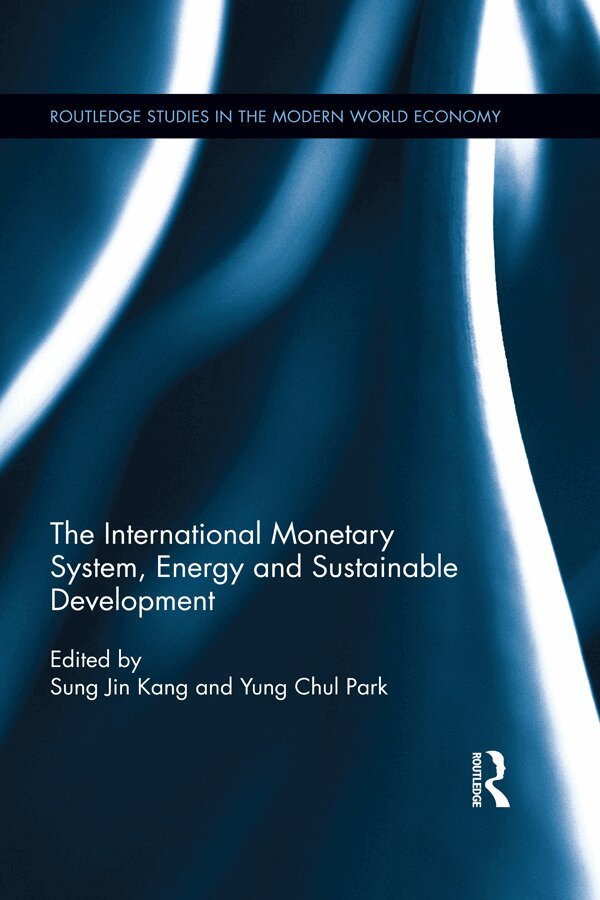
Korea was the first non-G7 member and Asian country to host the recent G20 Summit, acting as a bridge between advanced and developing nations. At the G20 Seoul Summit, green growth as well as development and a global financial safety net were on the agenda. Against this backdrop, the aim of this book is to comment on and suggest how to go about setting agendas and shaping further discussions of future summits.
The book consists of three major parts: the first part discusses the role of G20 in reforming international monetary system, the status of the IMF since the European sovereign debt crisis, the use of the yuan as the world’s reserve currency, and the establishment of a more resilient global financial system. The second part examines trade measures in times of volatile energy prices, the impact of merchandise price volatility on the G20 economies, the EU’s pricing policies and the world’s price volatility, high oil prices and Russia, and oil markets in South America. The third part reviews G20’s financing for green growth, green growth and sustainable development within the G20 framework, and G20’s role in addressing climate change and green growth.
This book offers an in-depth review of major issues discussed at the recent summits and will be of interest to policy makers.
864 kr
Läs direkt efter köp
Korea was the first non-G7 member and Asian country to host the recent G20 Summit, acting as a bridge between advanced and developing nations. At the G20 Seoul Summit, green growth as well as development and a global financial safety net were on the agenda. Against this backdrop, the aim of this book is to comment on and suggest how to go about setting agendas and shaping further discussions of future summits.
The book consists of three major parts: the first part discusses the role of G20 in reforming international monetary system, the status of the IMF since the European sovereign debt crisis, the use of the yuan as the world’s reserve currency, and the establishment of a more resilient global financial system. The second part examines trade measures in times of volatile energy prices, the impact of merchandise price volatility on the G20 economies, the EU’s pricing policies and the world’s price volatility, high oil prices and Russia, and oil markets in South America. The third part reviews G20’s financing for green growth, green growth and sustainable development within the G20 framework, and G20’s role in addressing climate change and green growth.
This book offers an in-depth review of major issues discussed at the recent summits and will be of interest to policy makers.
3 107 kr
Skickas inom 5-8 vardagar
1 345 kr
Skickas inom 5-8 vardagar