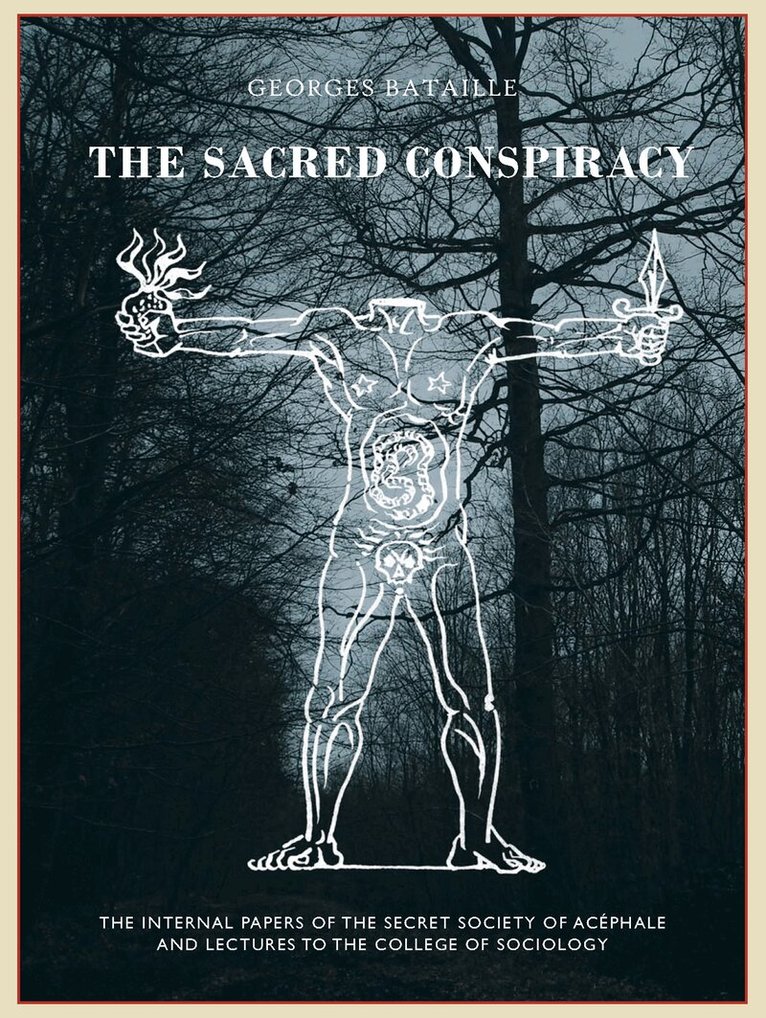
Having spent the early thirties in far-left groups opposing Fascism, in 1937 Georges Bataille abandoned this approach so as to transfer the struggle onto the mythological plane, founding two groups with this aim in mind. The College of Sociology gave lectures attended by major figures from the Parisian intelligentsia - intended to reveal the hidden undercurrents within a society that appeared to be bordering on collapse. The texts in this book comprise lectures given to the College; essays from the Acephale journal and a large cache of the internal papers of the secret society of Acephale.
Between 1928 and 1930, the Paris magazine Le Grand Jeu (The Great Game) ran to three issues. During its brief period of activity, however, Le Grand Jeu was more than a little magazine that vanished in the orbit of the Surrealist movement. The journal was the public face of a tightly-bound group of artists and writers who since adolescence had systematically attacked their perceptions of reality by means such as drugs and near-death experiences. The theory of Le Grand Jeu is presented in the group's own words, through the essays and articles which formed the magazine.
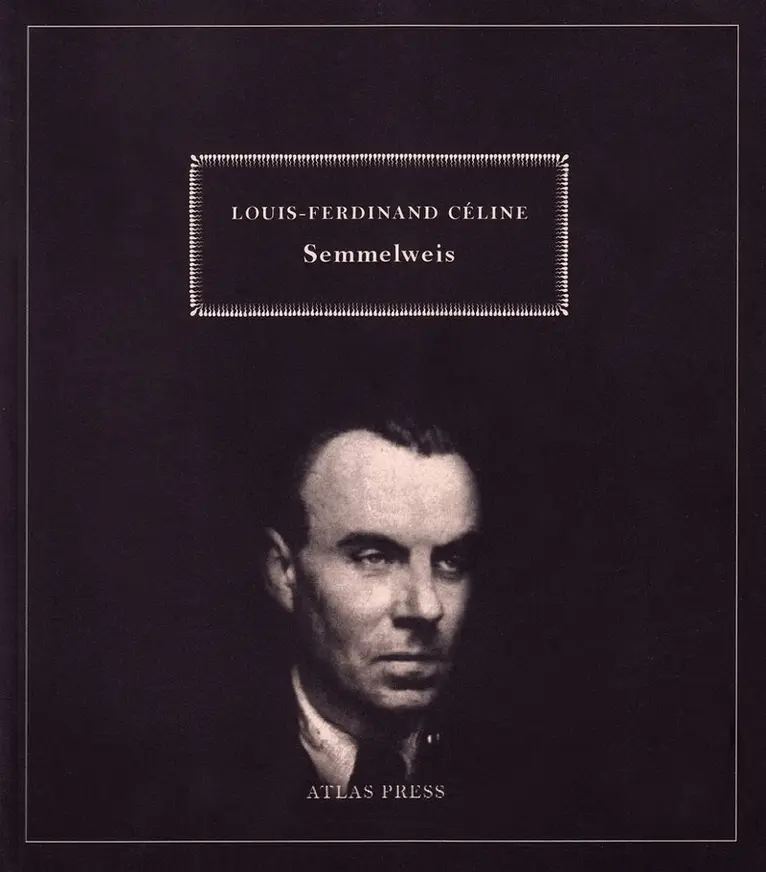
Celine is best known for his early novels Journey to the End of the Night (1932) and Death on the Instalment Plan (1936), but this delirious, fanatical and unreasonable account of the life of Semmelweiss predates them both. Ignacz Semmelweiss (1818-1865) was a doctor, now regarded as the father of the cure to antisepsis. His fellow doctors rejected both his reasoning and his methods, thereby causing many thousands of deaths in maternity wards across Europe. While originally written as a thesis towards his medical doctorate in 1924, it was not published until 1936.
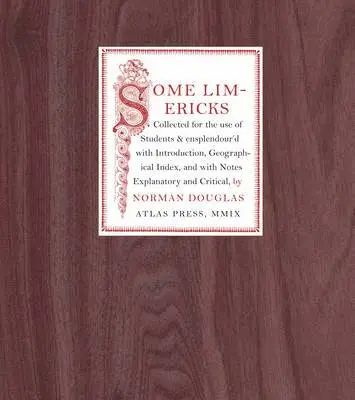
This collection has the dubious distinction of being one of the most pirated books of all time. Since its first appearance in 1928, illegal editions have appeared with remarkable regularity. The reason? Once considered obscene - it reprints a large number of the most savoury' limericks known - it is also very, very funny due in great part to the author's dead-pan commentaries and 'geographical index'. Douglas' erudition effortlessly traverses topics as diverse as the mudflats of Leigh-on-Sea, the dahlias of Central America and the habitat of the Silesian tapeworm.'
Illustrations by Andre Raffray A must for Duchamp devotees everywhere, this little introduction to the life and works of Marcel Duchamp was originally published to accompany a Duchamp retrospective at the Pompidou Centre. Modelled on a children's book, it contains 12 delicious dead-pan full-page colour illustrations of events in Duchamp's life with an equally tongue-in-cheek, but entirely accurate, biography.
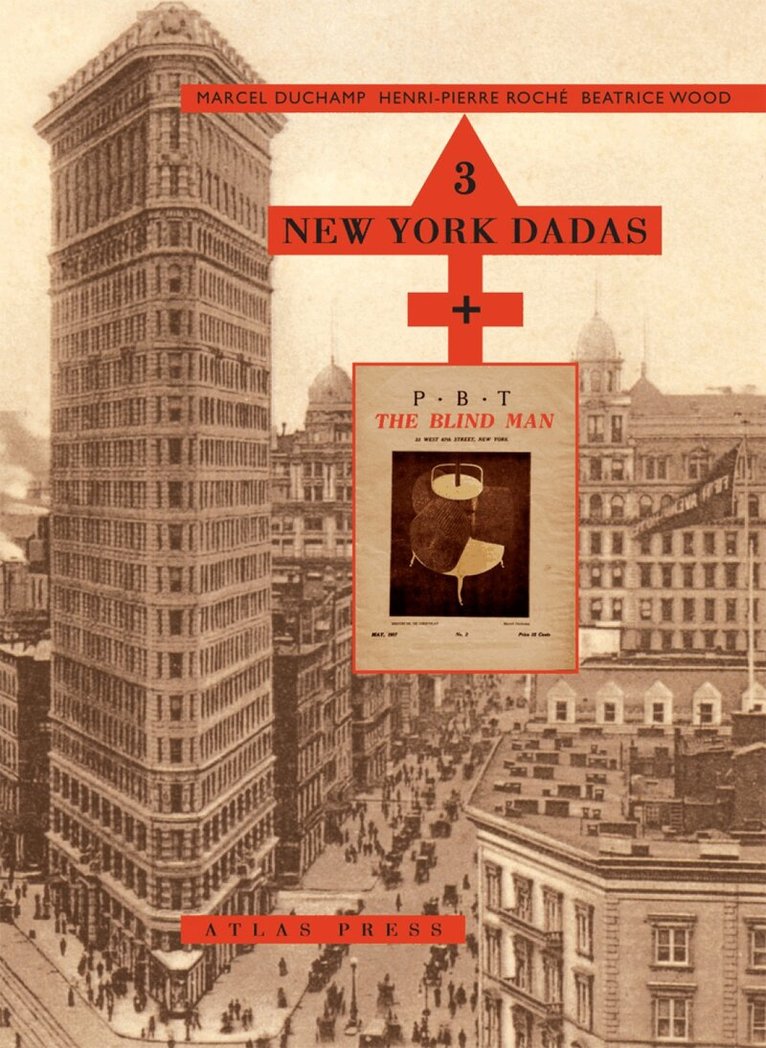
Collects together a novel and a memoir of a triangular relationship during the early days of the Dada movement in New York along with its creative progeny, two magazines: The Blindman and Rongwrong. Henri-Pierre Roche is best known for his novel Jules et Jim, based on the three-sided relationship between himself, the artist Marcel Duchamp and the actress Beatrice Wood. A unique first-hand evocation of the three friends and lovers within their milieu, which included extraordinary characters such as Francis Picabia, Isadora Duncan, Arthur Cravan and many more.
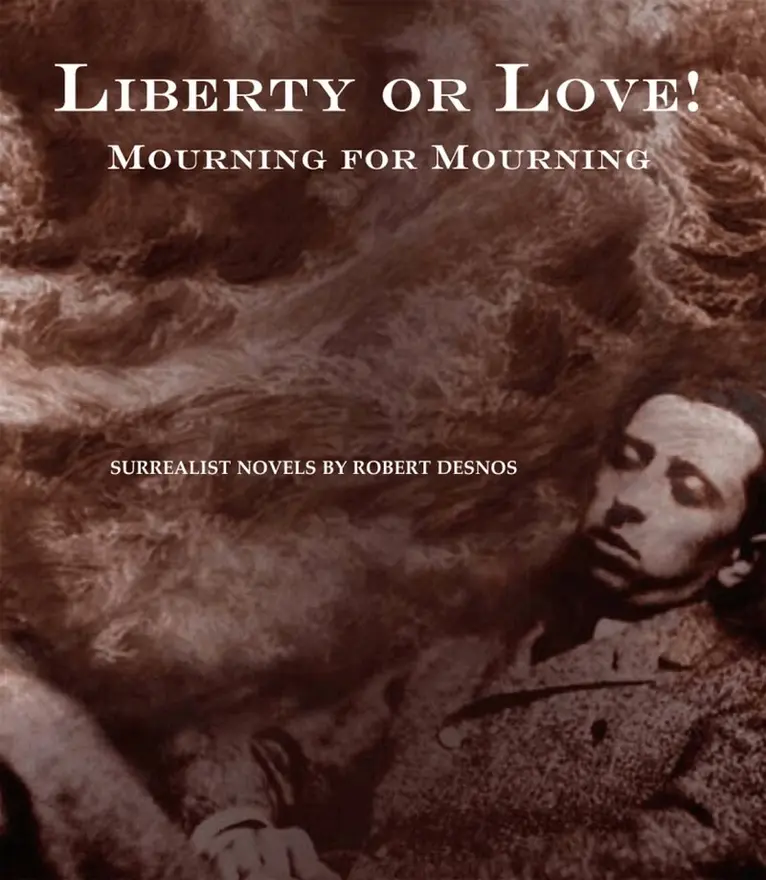
Originally published in 1924 to immediate and lasting acclaim, Liberty or Love! is the story of Sanglot the Corsair's pursuit of the siren Louise Lame. Written by one of the most important surrealist writers of all time, Robert Desnos, the novel is filled with virtue and bravura, mystery and the marvellous, adventure and the erotic. Characters appear and vanish according to whim and desire, they walk underwater, they nonchalantly accept astounding coincidences. Desnos's novel is the perfect embodiment of the Surrealist spirit: joyful, despairing and effortlessly scandalous.
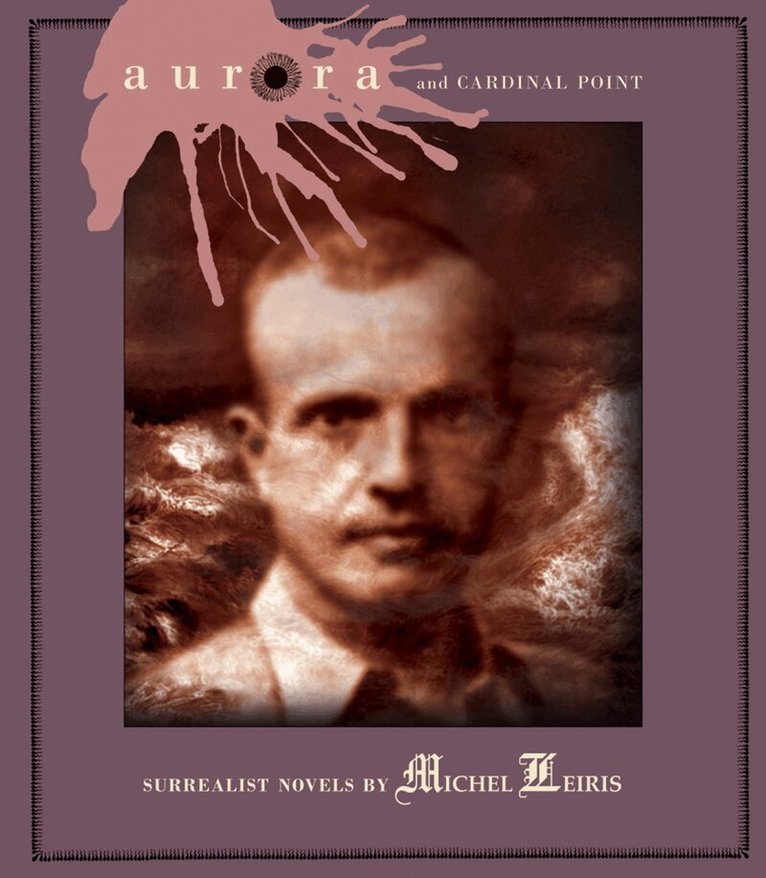
In this novel of extremes, whose author's distaste for 'things as they are' includes the whole idea of 'novels', Michel Leiris pursues his heroine, Aurora, through a visionary landscape shot through with catastrophe and disaster. His lucid and baroque language, with its incredible descriptions and ever more extravagant metaphors, is only just able to maintain the pursuit. Leiris participated in the most important French literary and cultural groups of his time. He was closely associated with the Surrealists, later with Georges Bataille and Jean-Paul Sartre.
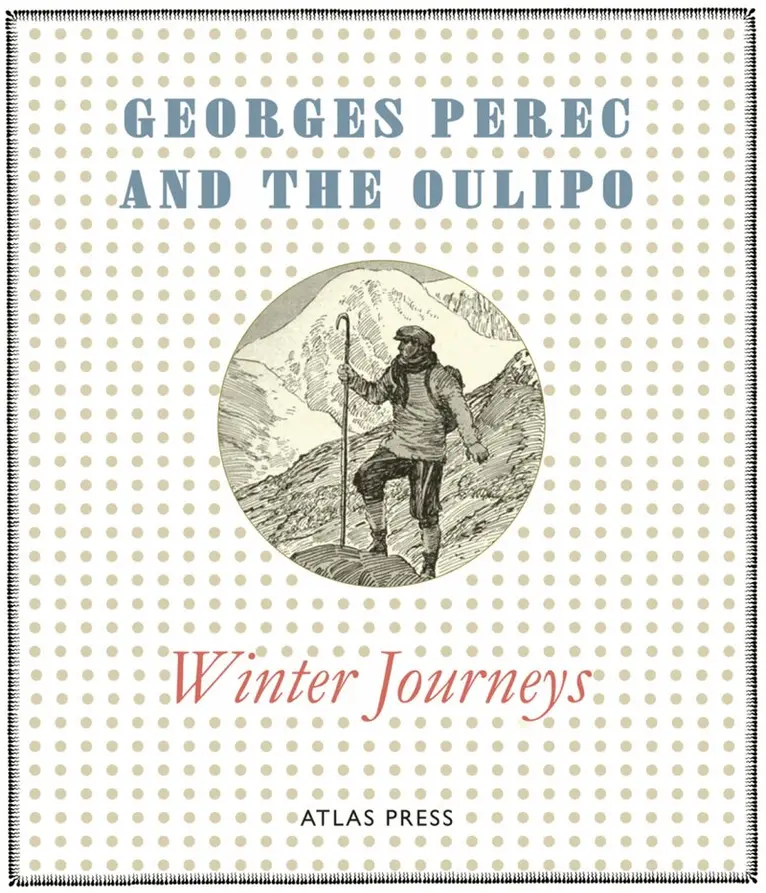
The Oulipo's members have included luminaries of the calibre of Italo Calvino, Marcel Duchamp and Georges Perec. In 1979 Georges Perec wrote a brief entertainment for a publisher's catalogue: The Winter Journey. It became his most reprinted text, and revealed an extraordinary literary discovery, a secret concealed at the heart of modern French literature. Following Perec's death, the group began writing sequels to this tale, and gradually this became a sort of initiation to the group: new members were encouraged to write a Winter Journey'. And so a loose narrative was born.'
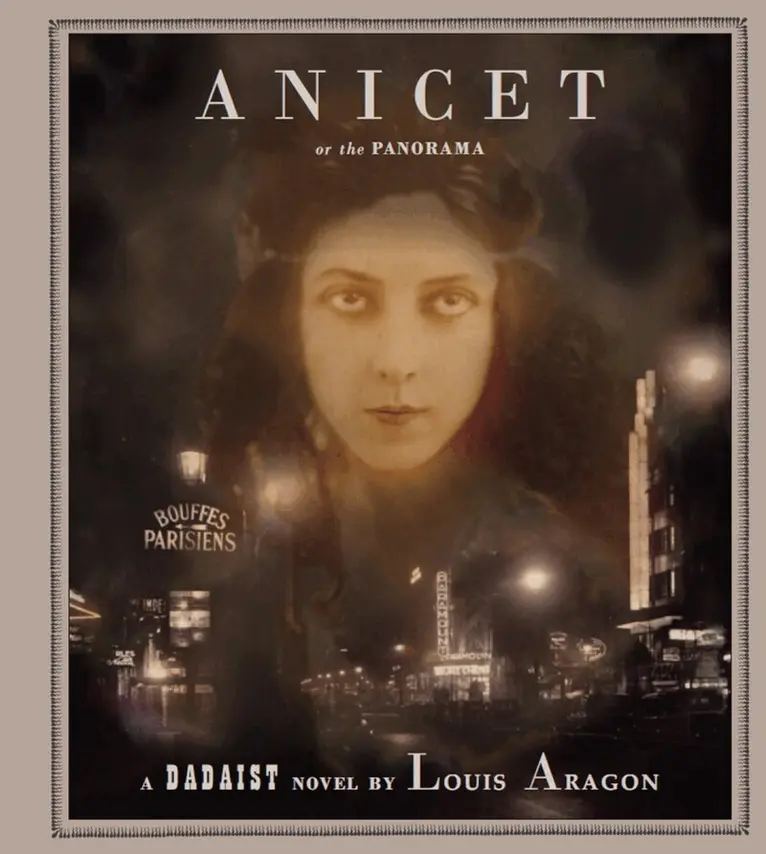
This novel, much of it written amidst the horror of the trenches when Aragon was a medical orderly during the First World War, demonstrates the chasm that separates the works of the artists and writers of what would become Dadaism and those, say, of the English War poets. Aragon's precisely crafted and sardonic prose reveals a world that is no more than a tragic puppet show, with every scene self-evidently staged. This furious tempest of a book launched Aragon's career and is one the cornerstones of the Paris Dada movement.
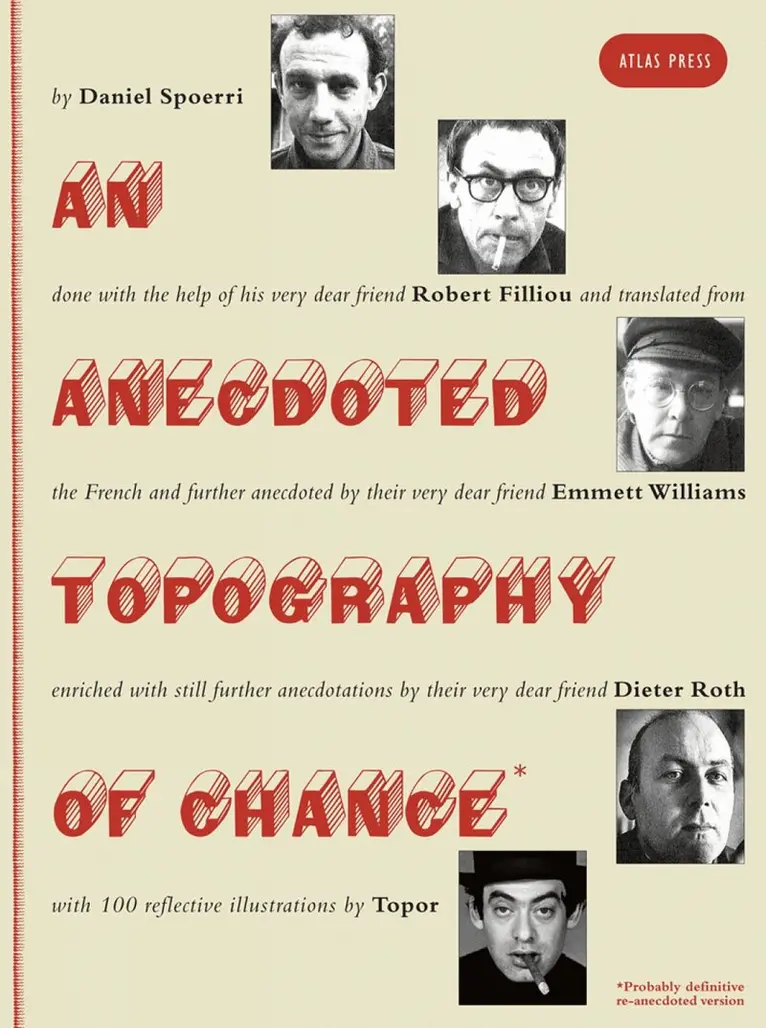
An Anecdoted Topography of Chance is now acknowledged as the most important, and most entertaining artists' book of the post-war period, and this edition is the definitive appearance of a unique collaborative work by four artists associated with various avant-garde art movements, including Fluxus and Nouveau Realisme. From out of the banal detritus of the everyday a virtual autobiography emerges: of four perceptive, eloquent and engaging members of the human species.
A collection of writings by Zurn who committed suicide by throwing herself from a window in 1970. Includes her most famous work and several other fictional texts whaich makes this a comprehensive survey of one of the great writers in the post-war Surrealist tradition.