126 kr
Läs direkt efter köp
126 kr
Läs direkt efter köp
56 kr
Läs direkt efter köp
63 kr
Läs direkt efter köp
109 kr
Läs direkt efter köp
112 kr
Läs direkt efter köp
82 kr
Läs direkt efter köp
62 kr
Läs direkt efter köp
168 kr
Läs direkt efter köp
126 kr
Läs direkt efter köp
49 kr
Läs direkt efter köp
182 kr
Läs direkt efter köp
95 kr
Läs direkt efter köp
190 kr
Skickas
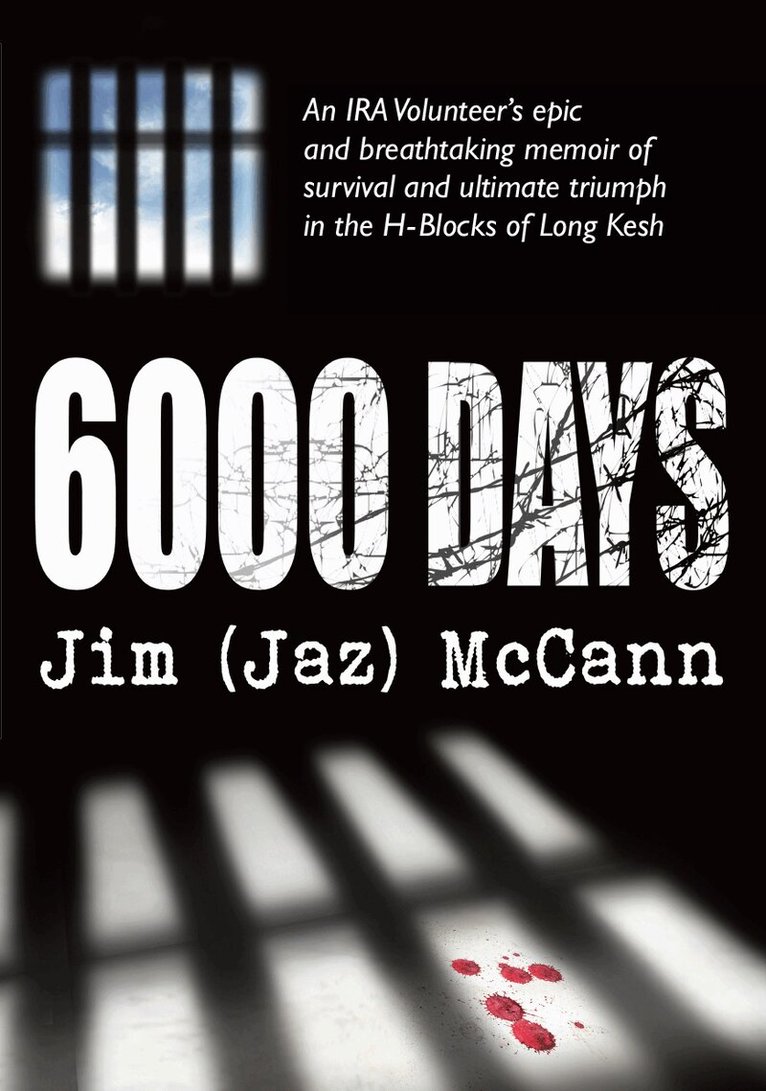
In 1981 ten prisoners died on hunger strike in a jail, ten miles west of Belfast. First called Long Kesh during internment (1971-1971), then the Maze Prison, then the H-Blocks, it was rarely out of the national and international news forty years ago, especially when one of the prisoners, Bobby Sands, was elected as an MP before he died after sixty-six days without food.
Jim (Jaz) McCann was an eyewitness to these events. Arrested at twenty after attempting to kill a police officer, he was sentenced to life imprisonment. He and hundreds of others refused to wear a prison uniform, protested that they were political prisoners, and were locked in their cells, where they wore only a blanket, for over four years in grim conditions.
Jaz McCann knew several of the hunger strikers and in this remarkable testimony he recalls his life in the IRA, the deprivation of seventeen years behind bars, his friends and comrades, including several of the hunger strikers, his participation in the mass prison breakout in 1983, and the electoral rise of Sinn Féin following these events which had a profound effect on the subsequent political complexion of Ireland.
It is an immensely honest and raw account, full of pathos and dark humour, from a former combatant and is an important contribution to Troubles’ literature.
210 kr
Läs direkt efter köp
203 kr
Läs direkt efter köp
279 kr
Läs direkt efter köp
164 kr
Läs direkt efter köp
83 kr
Läs direkt efter köp
83 kr
Läs direkt efter köp
116 kr
Läs direkt efter köp
270 kr
Läs direkt efter köp
182 kr
Läs direkt efter köp
244 kr
Läs direkt efter köp
178 kr
Läs direkt efter köp
209 kr
Läs direkt efter köp
196 kr
Läs direkt efter köp
168 kr
Läs direkt efter köp
123 kr
Läs direkt efter köp
202 kr
Skickas
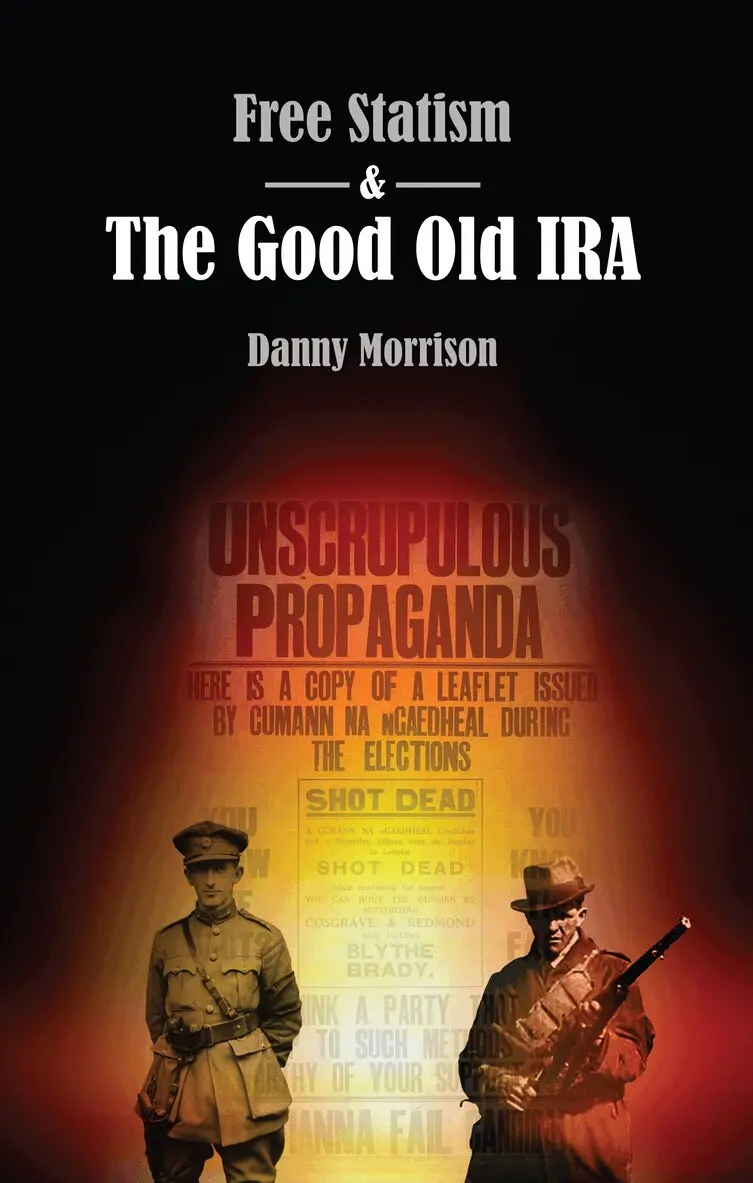
Writer and commentator Danny Morrison challenges Fianna Fáil, Fine Gael and the Irish establishment over their attitude to partition and how the closer Ireland gets to a border referendum—which could have a profound effect on the country’s constitutional future—the further they retreat from it.
He accuses them of having a ‘Free State’ mentality which he describes as promoting the idea that the Twenty-Six Counties, the Republic of Ireland, is Ireland, a notion they promulgate through their pronounced usage of the terms Ireland and Northern Ireland in recent years.
Morrison also challenges them on the hollowness of their argument that the IRA had an electoral mandate to wage the War of Independence. He argues that the real criteria for the justification of armed struggle were the actual social, economic and oppressive political conditions of the time; that the IRA was preparing for guerrilla warfare before the December 1918 general election, regardless of how well Sinn Féin in would do. Put crudely, in relation to what happened in the North during our most recent conflict, Fianna Fáil and Fine Gael’s fallacious attitude is, he says, ‘Our violence was good, yours bad.’
Acceptance and recognition of these facts, Morrison says, does not infer support for the actions of the IRA of modern mainstream republicanism, but does show that there are multiple parallels, down to the characteristically unseemly, quotidian side of small wars universally which are largely repugnant.
Partition, he says, was imposed on the majority of people in Ireland and northern nationalists were the main losers and victims. Had the monolithic Ulster Unionist Party tried to make nationalists/Catholics feel welcome they could have, but they didn’t. If they had, the narrative might have been different.
248 kr
Skickas
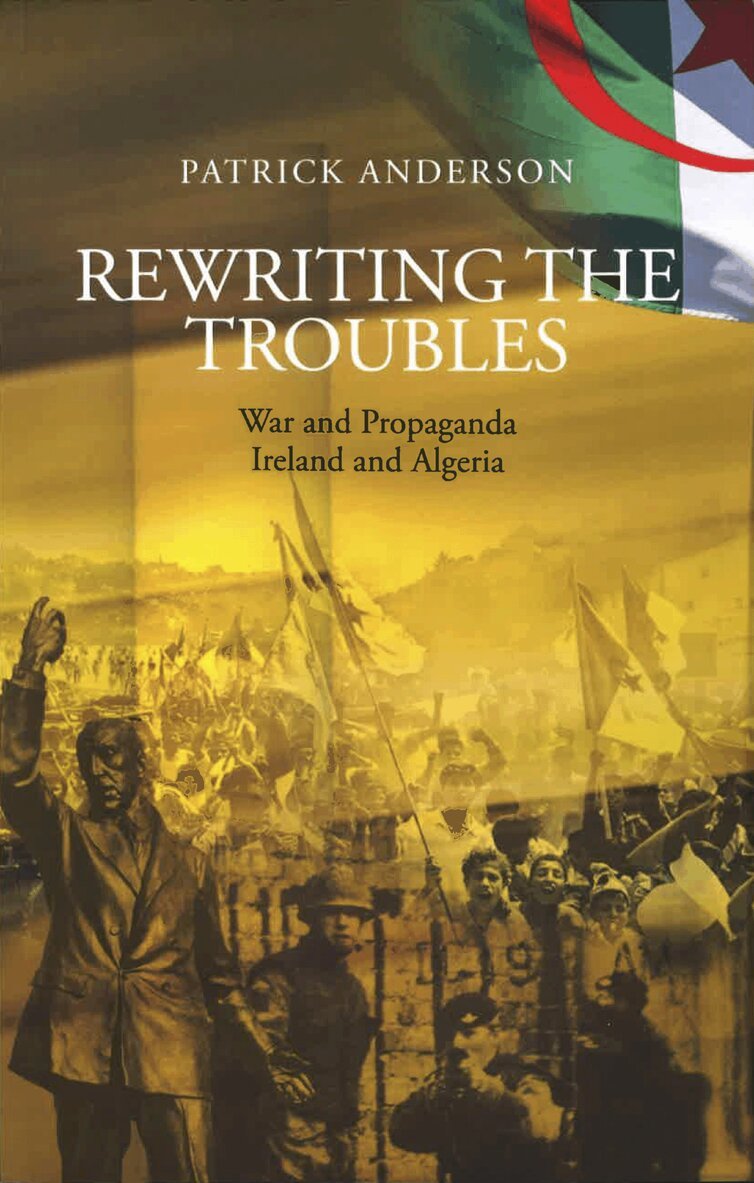
In this timely and meticulously researched book, Patrick Anderson compares and contrasts Algeria’s anti-colonial struggle for independence with the republican campaign to dismantle Britain’s colonial legacy. Comparing the French and British armies, the IRA and ALN, loyalists and OAS ‘counter-terrorists’, Anderson dissects, with devastating effect, the approach of ‘constitutional’ politicians and the respective media portrayals in an analogy that for critics will be too close for comfort.
About the book, historian Dr Brian Feeney, in the Irish News, said, ‘Unionists, including academics, have been aware of the striking analogies between Algeria and the north for decades: they all reject the uncanny similarities as dangerous… It’s easy to see why… Accepting any analogy or similarity means accepting that the north is illegal, a temporary arrangement, and that Britain will eventually leave Ireland as the French did Algeria.’