1 120 kr
Skickas
1 120 kr
Skickas
1 255 kr
Skickas inom 5-8 vardagar
1 337 kr
Skickas inom 5-8 vardagar
224 kr
Skickas inom 3-6 vardagar
1 180 kr
Läs direkt efter köp
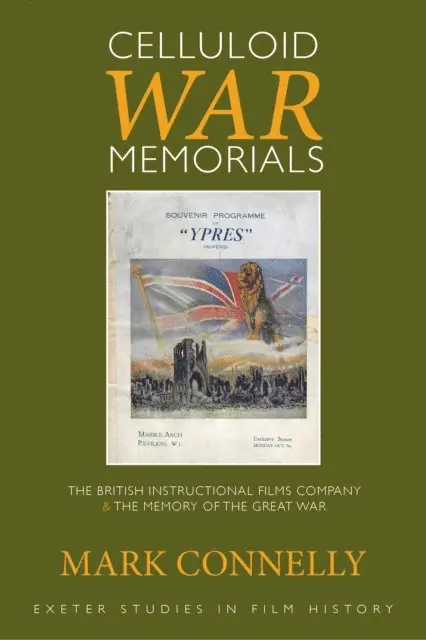
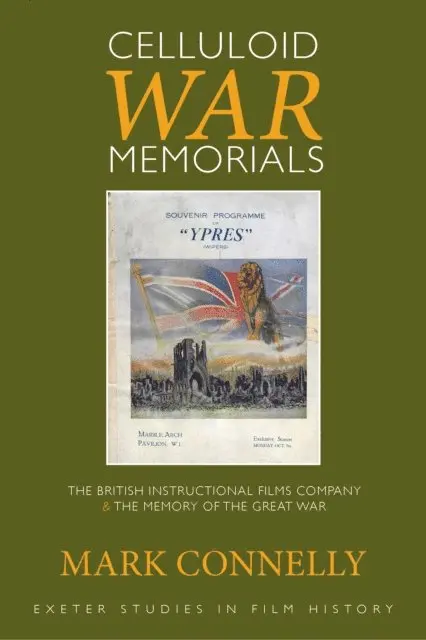
The films made by the British Instructional Films (BIF) company in the decade following the end of the First World War helped to shape the way in which that war was remembered. This is both a work of cinema history and a study of the public’s memory of WW1.
By the early twenties, the British film industry was struggling to cope with the power of Hollywood and government help was needed to guarantee its survival. The 1927 Cinematograph Films Act was intended to support the domestic film industry by requiring British cinemas to show a quota of domestically produced films each year. The Act was not the sole saviour of British cinema, but the government intervention did allow the domestic industry to exploit the talents of an emerging group of younger filmmakers including Michael Balcon, Walter Summers and Alfred Hitchcock, who directed the most influential of these BIF war constructions.This book shows that the films are micro-histories revealing huge amounts about perceptions of the Great War, national and imperial identities, the role of cinema as a shaper of attitudes and identities, power relations between Britain and the USA and the nature of popular culture as an international contest in its own right.
1 290 kr
Läs direkt efter köp
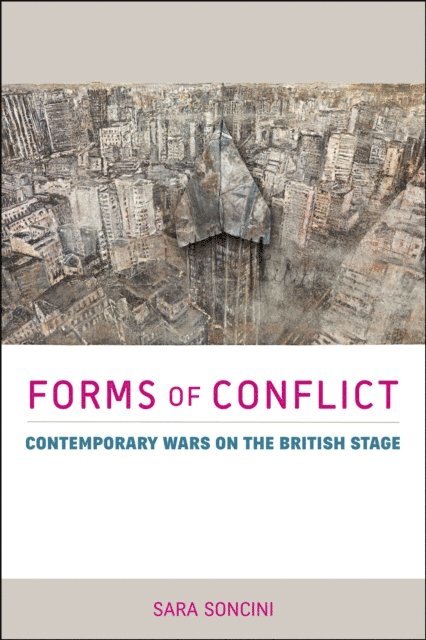
Forms of Conflict is a full-length study of the representation of contemporary warfare on the British stage and investigates the strategies deployed by theatre practitioners in Britain as they meet the representational challenges posed by the ‘new wars’ of the global era.It questions how dramatists have responded aesthetically to the changing nature of conflict, focusing on plays written and performed after the September 11 terrorist attacks. Soncini examines how the works of playwrights such as Caryl Churchill, David Hare, Martin Crimp and Simon Stephens have provided an interpretative means to enlarge our understanding of the new patterns of conflict, ensuring theatre’s continued cultural and political relevance.Forms of Conflict explores the relationship between new forms of warfare and new forms of drama, illustrating what dramatic form can reveal about the post-9/11 landscape and complementing a rapidly growing field of contemporary war studies.The appendix contains a complete list of war-related plays staged in Britain between 1990 and 2010, with a brief description of their topic and approach.
315 kr
Läs direkt efter köp
This book explores the history of Cornwall‘s picturing on screen, from the earliest days of the moving image to the recent BBC adaptation of Winston Graham’s Poldark books. Drawing on art history to illuminate the construction of Cornwall in films and television programmes, the book looks at amateur film, newsreels and contemporary film practice as well as drama.It argues that Cornwall‘s screen identity has been dominated by the romantic coastal edge, leaving the regional interior absent from representation. In turn, the emphasis on the coast in Cornwall‘s screen history has had a significant and ongoing economic impact on the area.New research with an innovative approach, looking at amateur film and newsreels alongside mainstream film and television. Will appeal to both the academic and the more general reader.
387 kr
Läs direkt efter köp
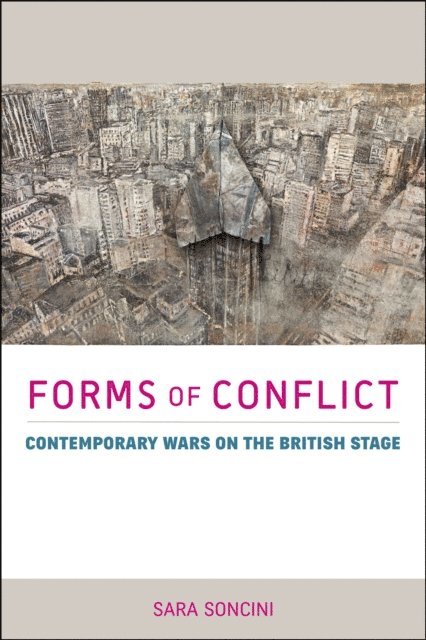
Forms of Conflict is a full-length study of the representation of contemporary warfare on the British stage and investigates the strategies deployed by theatre practitioners in Britain as they meet the representational challenges posed by the ‘new wars’ of the global era.It questions how dramatists have responded aesthetically to the changing nature of conflict, focusing on plays written and performed after the September 11 terrorist attacks. Soncini examines how the works of playwrights such as Caryl Churchill, David Hare, Martin Crimp and Simon Stephens have provided an interpretative means to enlarge our understanding of the new patterns of conflict, ensuring theatre’s continued cultural and political relevance.Forms of Conflict explores the relationship between new forms of warfare and new forms of drama, illustrating what dramatic form can reveal about the post-9/11 landscape and complementing a rapidly growing field of contemporary war studies.The appendix contains a complete list of war-related plays staged in Britain between 1990 and 2010, with a brief description of their topic and approach.
1 180 kr
Läs direkt efter köp
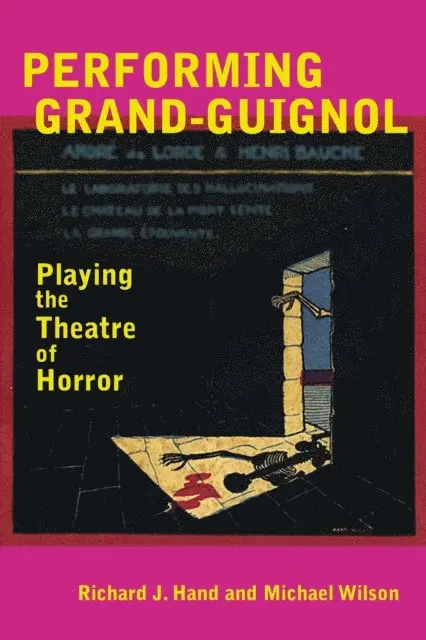
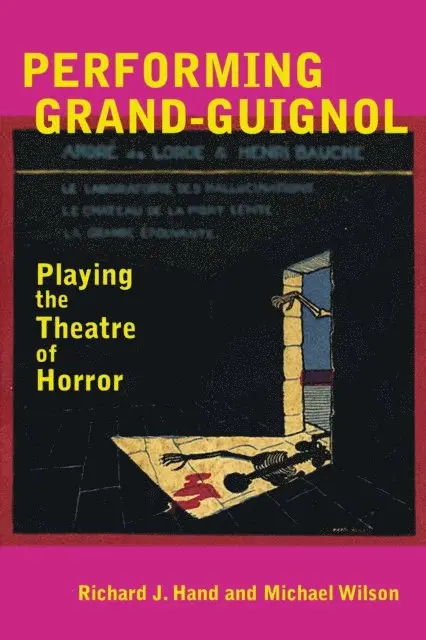
From the authors of the successful Grand-Guignol and London’s Grand Guignol - also published by UEP – this book includes translations of a further eleven plays, adding significantly to the repertoire of Grand-Guignol plays available in the English language. The emphasis in the translation and adaptation of these plays is once again to foreground the performability of the scripts within a modern context – making Performing Grand-Guignol an ideal acting guide.Hand and Wilson have acquired extremely rare acting copies of plays which have never been published and scripts that were published in the early years of the twentieth century but have not been published since – even in French. Includes plays written by, or adapted from, such notable writers as Octave Mirbeau, Gaston Leroux and St John Ervine as well as examples by Grand-Guignol stalwarts René Berton and André de Lorde. Also included is the 1920s London translation of Blind Man’s Buff written by Charles Hellem and Pol d’Estoc and banned by the Lord Chamberlain.A brief history of the Parisian theatre is also included, for the benefit of readers who have not read the previous books.
347 kr
Läs direkt efter köp
From the authors of the successful Grand-Guignol and London’s Grand Guignol - also published by UEP – this book includes translations of a further eleven plays, adding significantly to the repertoire of Grand-Guignol plays available in the English language. The emphasis in the translation and adaptation of these plays is once again to foreground the performability of the scripts within a modern context – making Performing Grand-Guignol an ideal acting guide.Hand and Wilson have acquired extremely rare acting copies of plays which have never been published and scripts that were published in the early years of the twentieth century but have not been published since – even in French. Includes plays written by, or adapted from, such notable writers as Octave Mirbeau, Gaston Leroux and St John Ervine as well as examples by Grand-Guignol stalwarts René Berton and André de Lorde. Also included is the 1920s London translation of Blind Man’s Buff written by Charles Hellem and Pol d’Estoc and banned by the Lord Chamberlain.A brief history of the Parisian theatre is also included, for the benefit of readers who have not read the previous books.
1 290 kr
Läs direkt efter köp
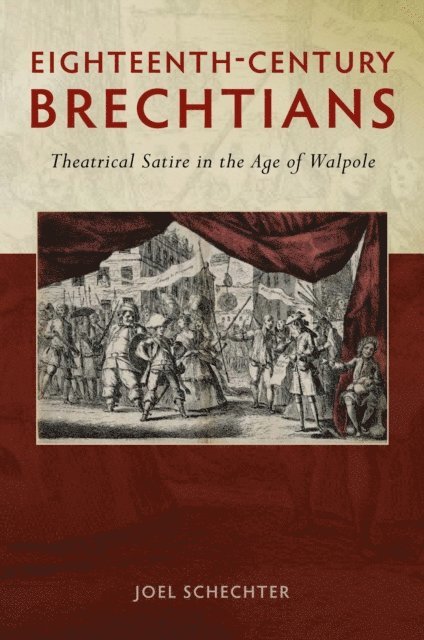
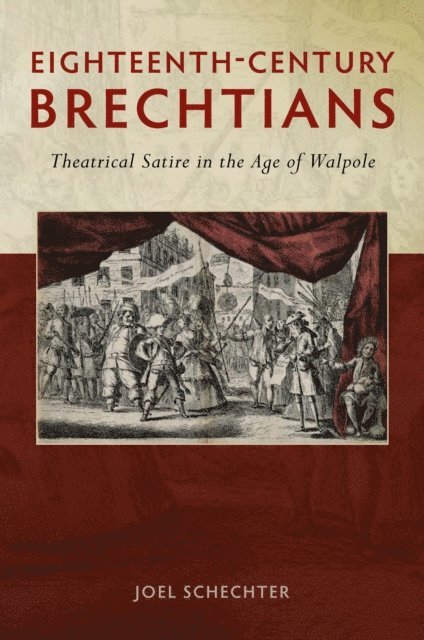
Discussing the actor mutiny of 1733, theatre censorship, controversial plays and Fielding’s forgery of an actor’s biography, the book contends that some subversive Augustan and Georgian artists were early Brechtians. Reconstructions of lost episodes in theatre history include a recounting of Fielding’s last days as a stage satirist before his Little Haymarket theatre was closed, Charlotte Charke’s performances as Macheath and Polly Peachum in The Beggar’s Opera and the 1740 staging of Jonathan Swift’s Polite Conversation on a double bill with Shakespeare’s Merry Wives . . .
Some documents in this collection offer another perspective on theatre history by employing fiction – speculative reconstructions of Georgian theatre events for which historical facts are scarce or missing. Brecht also employed fiction to reconsider history in short stories he wrote about Lucullus and Socrates, and a novel about Julius Caesar. The stories and several new letters attributed to Fielding delve into theatre history and keep some of its controversy alive in new ways, historicizing fiction and theatre somewhat as Brecht did.
It offers an unconventional, new reading of theatre history, Brecht’s tradition and stage satire.
387 kr
Läs direkt efter köp
Discussing the actor mutiny of 1733, theatre censorship, controversial plays and Fielding’s forgery of an actor’s biography, the book contends that some subversive Augustan and Georgian artists were early Brechtians. Reconstructions of lost episodes in theatre history include a recounting of Fielding’s last days as a stage satirist before his Little Haymarket theatre was closed, Charlotte Charke’s performances as Macheath and Polly Peachum in The Beggar’s Opera and the 1740 staging of Jonathan Swift’s Polite Conversation on a double bill with Shakespeare’s Merry Wives . . .
Some documents in this collection offer another perspective on theatre history by employing fiction – speculative reconstructions of Georgian theatre events for which historical facts are scarce or missing. Brecht also employed fiction to reconsider history in short stories he wrote about Lucullus and Socrates, and a novel about Julius Caesar. The stories and several new letters attributed to Fielding delve into theatre history and keep some of its controversy alive in new ways, historicizing fiction and theatre somewhat as Brecht did.
It offers an unconventional, new reading of theatre history, Brecht’s tradition and stage satire.
1 180 kr
Läs direkt efter köp
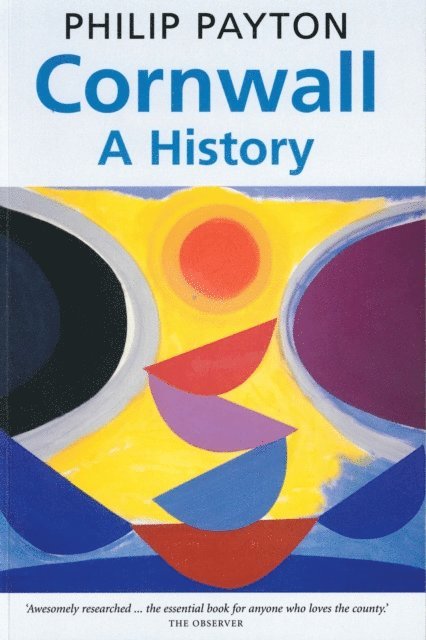
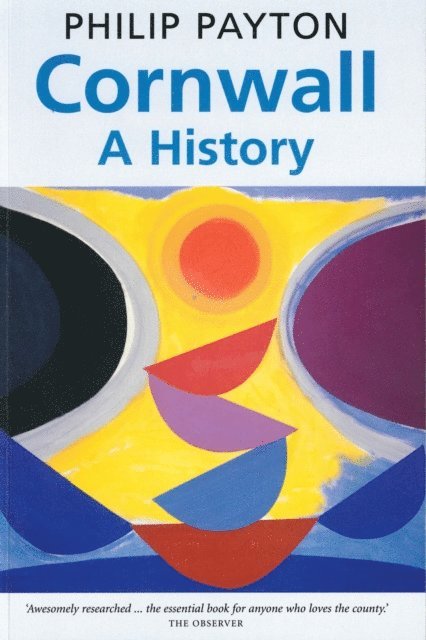
A new edition of Philip Payton’s modern classic Cornwall: A History, published now by University of Exeter Press, telling the story of Cornwall from earliest times to the present day.Drawing upon a wide range of original and secondary sources, it begins with Cornwall’s geology and prehistory, moving through Celtic times to the creation of the kingdom of Kernow and its relationship with neighbouring England. The political accommodation of medieval Cornwall by the expanding English state through the twin institutions of the Duchy and Stannaries is examined, as is the flowering in the middle ages of literature in the Cornish language. Resistance to English intrusion – in the rebellions of 1497 and 1549 and in the Civil War – is explored.So too is Cornwall’s role in the subsequent expansion of Britain’s global influence, and Cornwall as an early centre of the industrial revolution is also discussed.Mining and Methodism became twin strands of an assertive transnational identity which emigrant Cornish transplanted across the globe in the nineteenth-century. Thereafter, as the book shows, a vigorous Celtic revivalist movement championed the rebirth of the Cornish language and Cornwall’s status as a Celtic nation. At the same time, tourism, with its emphasis on Cornish distinctiveness, moved in the twentieth century to fill the gap left by the decline of mining.The book concludes by examining the nature of twenty-first century Cornwall, contrasting an apparent heightening of Cornish consciousness with the increasing threats to Cornwall’s environment and identity.
315 kr
Läs direkt efter köp
A new edition of Philip Payton’s modern classic Cornwall: A History, published now by University of Exeter Press, telling the story of Cornwall from earliest times to the present day.Drawing upon a wide range of original and secondary sources, it begins with Cornwall’s geology and prehistory, moving through Celtic times to the creation of the kingdom of Kernow and its relationship with neighbouring England. The political accommodation of medieval Cornwall by the expanding English state through the twin institutions of the Duchy and Stannaries is examined, as is the flowering in the middle ages of literature in the Cornish language. Resistance to English intrusion – in the rebellions of 1497 and 1549 and in the Civil War – is explored.So too is Cornwall’s role in the subsequent expansion of Britain’s global influence, and Cornwall as an early centre of the industrial revolution is also discussed.Mining and Methodism became twin strands of an assertive transnational identity which emigrant Cornish transplanted across the globe in the nineteenth-century. Thereafter, as the book shows, a vigorous Celtic revivalist movement championed the rebirth of the Cornish language and Cornwall’s status as a Celtic nation. At the same time, tourism, with its emphasis on Cornish distinctiveness, moved in the twentieth century to fill the gap left by the decline of mining.The book concludes by examining the nature of twenty-first century Cornwall, contrasting an apparent heightening of Cornish consciousness with the increasing threats to Cornwall’s environment and identity.
1 155 kr
Läs direkt efter köp
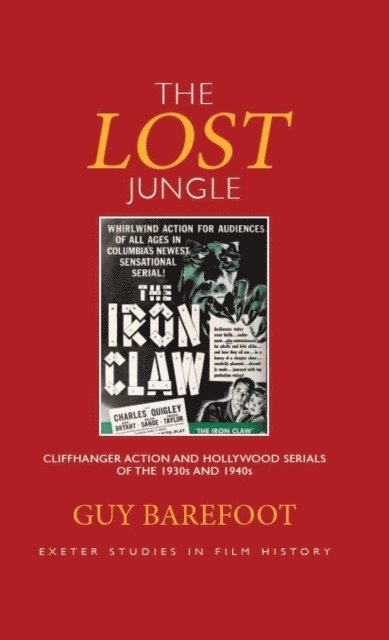
The main question addressed in this book: why has the Hollywood sound serial received so little scholarly attention? The sound serial was extremely popular in the 1930s and 1940s, with serials made by companies such as Universal and Columbia. At children’s matinees they were enthusiastically received, but were also part of a regular programme of neighbourhood cinemas in the United States. Eventually, this phenomenon went global and was a popular alternative to a feature film, regardless of whether they were screened individually or in a single sitting. Many works on the sound serial are written both by and for fans, with little more than a collection of image stills and brief summaries. Here, the author presents a thorough analysis based on detailed historical research, focusing on the period between 1930, when serials were born, and 1946, when Universal stopped their production.As well as exploring particular films, the author situates them in American film culture and societal practice of film viewing. The production of the serials is also considered, examining how it drew upon previous conventions such as silent cinema and melodrama.This book will be a vital component in the study of American film, as it explores a previously untouched niche in great detail, offering an accessible yet academic perspective on the growth and decline of Hollywood sound serials.
1 180 kr
Läs direkt efter köp
This book explores the history of Cornwall‘s picturing on screen, from the earliest days of the moving image to the recent BBC adaptation of Winston Graham’s Poldark books. Drawing on art history to illuminate the construction of Cornwall in films and television programmes, the book looks at amateur film, newsreels and contemporary film practice as well as drama.It argues that Cornwall‘s screen identity has been dominated by the romantic coastal edge, leaving the regional interior absent from representation. In turn, the emphasis on the coast in Cornwall‘s screen history has had a significant and ongoing economic impact on the area.New research with an innovative approach, looking at amateur film and newsreels alongside mainstream film and television. Will appeal to both the academic and the more general reader.
374 kr
Läs direkt efter köp
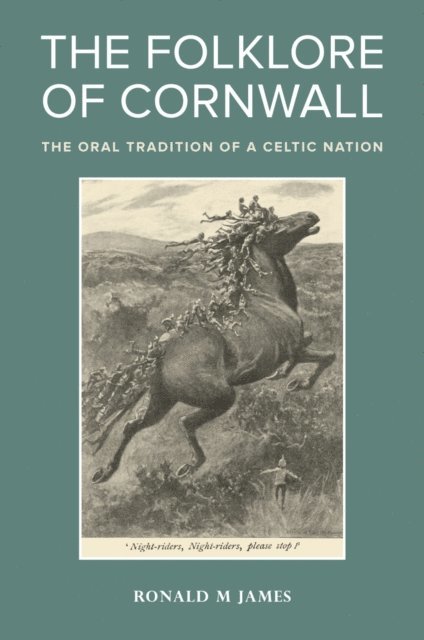
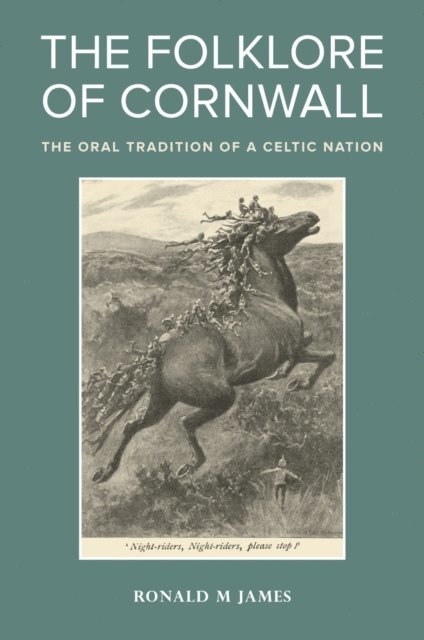
By considering the folklore of Cornwall in a Northern European context, this book casts light on a treasury of often-ignored traditions. Folklore studies internationally have long considered Celtic material, but scholars have tended to overlook Cornwall’s collections. The Folklore of Cornwall fills this gap, placing neglected stories on a par with those from other regions where Celtic languages have deep roots.
The Folklore of Cornwall demonstrates that Cornwall has a distinct body of oral tradition, even when examining legends and folktales that also appear elsewhere. The way in which Cornish droll tellers achieved this unique pattern is remarkable; with the publication of this book, it becomes possible for folklorists to look to the peninsula beyond the River Tamar for insight.
A very readable text with popular appeal, this book serves as an introduction to folklore studies for the novice while also offering an alternative means to consider Cornish studies for advanced scholars. The comparative analysis combined with an innovative method of The Folklore of Cornwall is not to be found in other treatments of the subject.
292 kr
Läs direkt efter köp
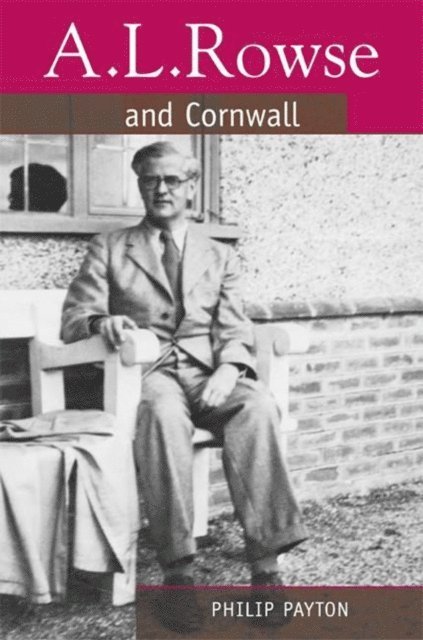
Winner of the Adult Non-Fiction section of the Holyer an Gof Awards 2006, and Overall Winner of the Holyer an Gof Trophy, this gripping biographical study, published here for the first time in paperback, explores the immensely complicated relationship that existed between A.L. Rowse and his native Cornwall.Rowse’s books, A Cornish Childhood and Tudor Cornwall, remain in strong demand and are essential reading for the general reader and historian alike, and for all those who know and love Cornwall. By shedding new light on this complex character, Payton invites a greater understanding of the broader issues of Cornish identity as well as assessing Rowse’s highly original contribution to the writing of British and Cornish history.
1 146 kr
Läs direkt efter köp
In the first book-length study to concentrate specifically on Britain, Jamie Sexton examines the rise of avant-garde and experimental film-making between the wars.The book provides a detailed view of how modernist and anti-mainstream currents emerged in the film industry in Britain.Alternative Film Culture in Inter-War Britain is the first book-length study of a number of currents which opposed mainstream filmmaking and which championed film as an intellectual, modern art. It traces the growth of new approaches to film through exhibition and writing on cinema, and looks at how this cultural formation shaped certain areas of filmmaking. As such, it takes an interdisciplinary approach in which a study of independent filmmaking in this era is firmly placed within a cultural context, linking the ways in which films were presented, received and produced.This is the first in-depth look at ''alternative film culture'' in Britain between the wars will excite many in the film, and film studies, worlds. It combines the history with analysis of the films themselves, and of their reception. It looks at the operations of a key contemporary institution, the original Film Society.
397 kr
Läs direkt efter köp
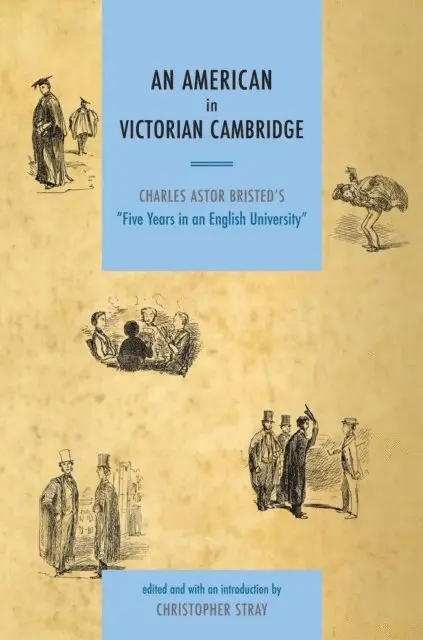
Charles Astor Bristed (1820-1874) was the favourite grandson of John Jacob Astor (the first American multi-millionaire, and the Astor of the Waldorf-Astoria). After gaining a degree at Yale, Bristed entered Trinity College, Cambridge in 1840, graduating in 1845. An American in Victorian Cambridge is a richly detailed account of student life in the Cambridge of the 1840s. The rationale for the book, which is as appealing today as it was then, is that this is pre-eminently a book about an American student at an English university. The book belongs to a fascinating nineteenth-century trans-Atlantic publishing genre: travel accounts designed to describe British culture to Americans and vice-versa.
In this new edition, some substantial additions have been made: the Foreword and Introduction both help to contextualise the work, and point to its significance as an important historical source and as a fascinating memoir of life in Victorian Cambridge; annotation helps to identify the individuals who appear in Bristed’s text; and an index allows full use to be made of the text for the first time.
430 kr
Läs direkt efter köp
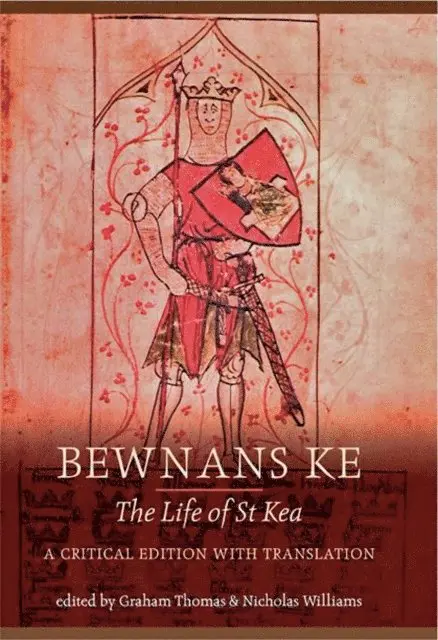
In 2000, a sixteenth-century manuscript containing a copy of a previously unknown play in Middle Cornish, probably composed in the second half of the fifteenth century, was discovered among papers bequeathed to the National Library of Wales, Aberystwyth.
This eagerly awaited edition of the play, published in association with the National Library of Wales, offers a conservatively edited text with a facing-page translation, and a reproduction of the original text at the foot of the page – vital for comparative purposes. Also included are a complete vocabulary, detailed linguistic notes, and a thorough introduction dealing with the language of the play, the hagiographic background of the St Kea material and the origins of other parts in the work of Geoffrey of Monmouth.The theme of the play is the contention between St Kea, patron of Kea parish in Cornwall, and Teudar, a local tyrant. This is combined with a long section dealing with the dispute over tribute payments between King Arthur and the Emperor Lucius Hiberius; Queen Guinevere’s adultery with Arthur’s nephew Modred; the latter’s invitation to Cheldric and his Saxon hordes to come to Britain to assist him in his conflict with his uncle; and Arthur’s battle with Modred.Winner of the 2008 Holyer An Gof Award for Cornish language publications.
1 155 kr
Läs direkt efter köp
The Big Show looks at the role played by cinema in British cultural life during World War One.In writing the definitive account of film exhibition and reception in Britain in the years 1914 to 1918, Michael Hammond shows how the British film industry and British audiences responded to the traumatic effects of the Great War.The author contends that the War’s significant effect was to expedite the cultural acceptance of cinema into the fabric of British social life. As a result, by 1918, cinema had emerged as the predominant leisure form in British social life. Through a consideration of the films, the audience, the industry and the various regulating and censoring bodies, the book explores the impact of the war on the newly established cinema culture. It also studies the contribution of the new medium to the public’s perception of the war.
1 290 kr
Läs direkt efter köp
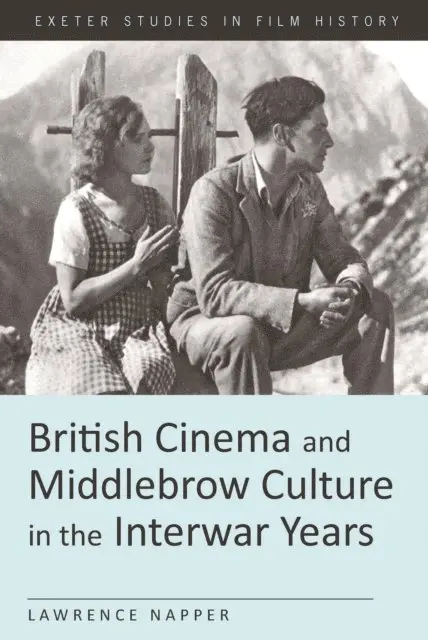
British Cinema and Middlebrow Culture in the Interwar Years offers an understanding of British Cinema between 1928 and 1939 through an analysis of the relationship between the British film industry and other ‘culture industries’ such as the radio, music recording, publishing and early television.
This relationship has been seen as a weakness of the British film-making tradition, but Lawrence Napper stages a re-appraisal of that tradition, arguing that it is part of a specific strategy of differentiation from Hollywood cinema, designed to appeal to the ‘middlebrow’ aesthetic of the most rapidly expanding audience of the period—the lower middle class.
Lawrence Napper argues that the ‘middlebrow’ reputation for aesthetic conservatism masks an audience and popular culture marked by dynamism. ‘Middlebrow’ texts addressed a British audience on the move, physically (into the new suburbs), socially (as upwardly mobile consumers), economically (employed in new and developing industries, and involved in new modes of living), and culturally (embracing new forms of mass cultural consumption, such as the cinema, the wireless and the best-selling novel). The ability of these audiences to adapt cultures of the past to the media of modern life (through stage or screen adaptations) ensured their negative reputation amongst Modernist commentators and intellectual elites.
1 180 kr
Läs direkt efter köp
This is the first volume in a new paperback edition of Steve Nicholson''s well-reviewed four-volume analysis of British theatre censorship from 1900-1968, based on previously undocumented material in the Lord Chamberlain''s Correspondence archives. It charts the period before 1932, when theatre was seen as a crucial medium with the power to shape society, determining what people believed and how they behaved. It uncovers the differing views and the disputes which occurred among and between the Lord Chamberlain and his Readers and Advisers, and discusses the extensive pressures exerted on him by bodies such as the Public Morality Council, the Church, the monarch, government departments, foreign embassies, newspapers, powerful individuals and those claiming to represent national or international opinion. The book explores the portrayal of a broad range of topics in relation to censorship, including the First World War, race and inter-racial relationships, contemporary and historical international conflicts, horror, sexual freedom and morality, class, the monarchy, and religion.
This new edition includes a contextualising timeline for those readers who are unfamiliar with the period, and a new preface.
DOI: https://doi.org/10.47788/LXOK1281
1 180 kr
Läs direkt efter köp
This is the second volume in a new paperback edition of Steve Nicholson’s well-reviewed four-volume analysis of British theatre censorship from 1900-1968, based on previously undocumented material in the Lord Chamberlain''s Correspondence Archives in the British Library and the Royal Archives at Windsor. It covers the period from 1933 to 1952, and focuses on theatre censorship during the period before the outbreak of the Second World War, during the war itself, and in the immediate post-war period. The focus is primarily on political and moral censorship. The book documents and analyses the control exercised by the Lord Chamberlain. It also reviews the pressures exerted on him and on the theatre by the government, the monarch, the Church, foreign embassies and by influential public figures and organisations.
This new edition includes a contextualising timeline for those readers who are unfamiliar with the period, and a new preface.
DOI: https://doi.org/10.47788/SGLU9228
1 180 kr
Läs direkt efter köp
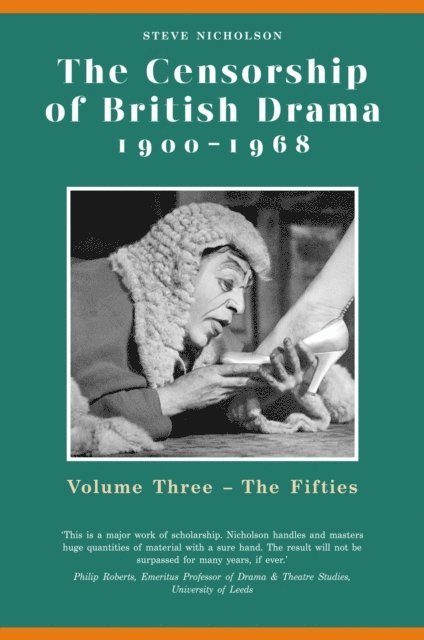
This is the third volume in a new paperback edition of Steve Nicholson’s comprehensive four-volume analysis of British theatre censorship from 1900-1968, based on previously undocumented material in the Lord Chamberlain''s Correspondence Archives in the British Library and the Royal Archives at Windsor. Focusing on plays we know, plays we have forgotten, and plays which were silenced for ever, Censorship of British Drama demonstrates the extent to which censorship shaped the theatre voices of this decade. The book charts the early struggles with Royal Court writers such as John Osborne and with Joan Littlewood and Theatre Workshop; the stand-offs with Samuel Beckett and with leading American dramatists; the Lord Chamberlain’s determination to keep homosexuality off the stage, which turned him into a laughing stock when he was unable to prevent a private theatre club in London''s West End from staging a series of American plays he had banned, including Arthur Miller''s A View from the Bridge and Tennessee Williams''s Cat on a Hot Tin Roof; and the Lord Chamberlain’s attempts to persuade the government to give him new powers and to rewrite the law.
This new edition includes a contextualising timeline for those readers who are unfamiliar with the period, and a new preface.
DOI: https://doi.org/10.47788/SEEA6021
1 178 kr
Läs direkt efter köp
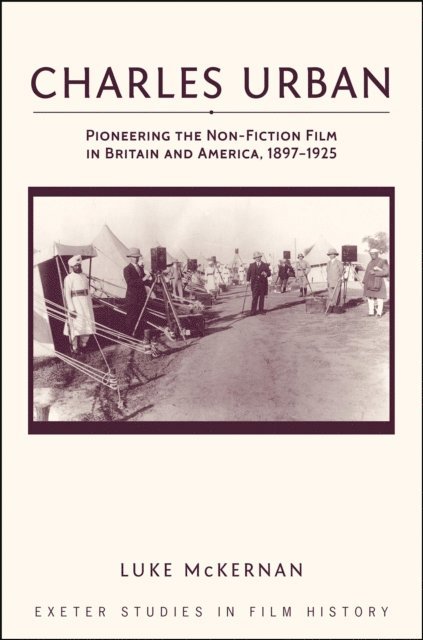
Charles Urban was a renowned figure in his time, and he has remained a name in film history chiefly for his development of Kinemacolor, the world’s first successful natural colour moving picture system. He was also a pioneer in the filming of war, science, travel, actuality and news, a fervent advocate of the value of film as an educative force, and a controversial but important innovator of film propaganda in wartime.
The book uses Urban’s story as a means of showing how the non-fiction film developed in the period 1897-1925, and the dilemmas that it faced within a cinema culture in which the entertainment fiction film was dominant. Urban’s solutions – some successful, some less so – illustrate the groundwork that led to the development of documentary film. The book considers the roles of film as informer, educator and generator of propaganda, and the social and aesthetic function of colour in the years when cinema was still working out what it was capable of and how best to reach audiences.
Luke McKernan also curates a web resource on Charles Urban at www.charlesurban.com