148 kr
Skickas inom 7-10 vardagar
148 kr
Skickas inom 7-10 vardagar
938 kr
Skickas inom 7-10 vardagar
400 kr
Skickas inom 7-10 vardagar
339 kr
Läs direkt efter köp
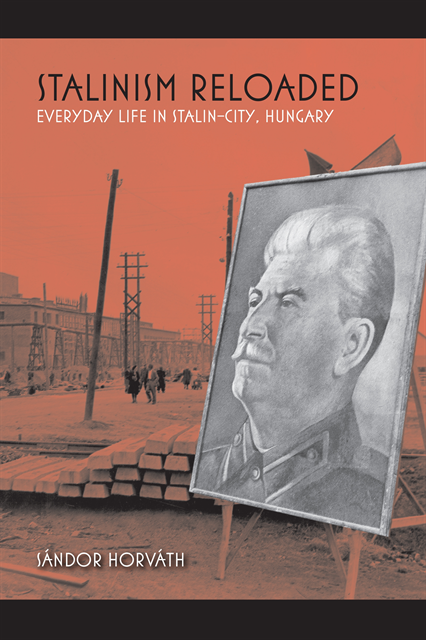
The Hungarian city of Sztálinváros, or "Stalin-City," was intended to be the paradigmatic urban community of the new communist society in the 1950s. In Stalinism Reloaded, Sándor Horváth explores how Stalin-City and the socialist regime were built and stabilized not only by the state but also by the people who came there with hope for a better future. By focusing on the everyday experiences of citizens, Horváth considers the contradictions in the Stalinist policies and the strategies these bricklayers, bureaucrats, shop girls, and even children put in place in order to cope with and shape the expectations of the state. Stalinism Reloaded reveals how the state influenced marriage patterns, family structure, and gender relations. While the devastating effects of this regime are considered, a convincing case is made that ordinary citizens had significant agency in shaping the political policies that governed them.
1 006 kr
Skickas inom 10-15 vardagar
359 kr
Skickas inom 10-15 vardagar
356 kr
Skickas inom 7-10 vardagar
996 kr
Skickas inom 7-10 vardagar
165 kr
Skickas inom 7-10 vardagar
534 kr
Skickas inom 3-6 vardagar
168 kr
Läs direkt efter köp
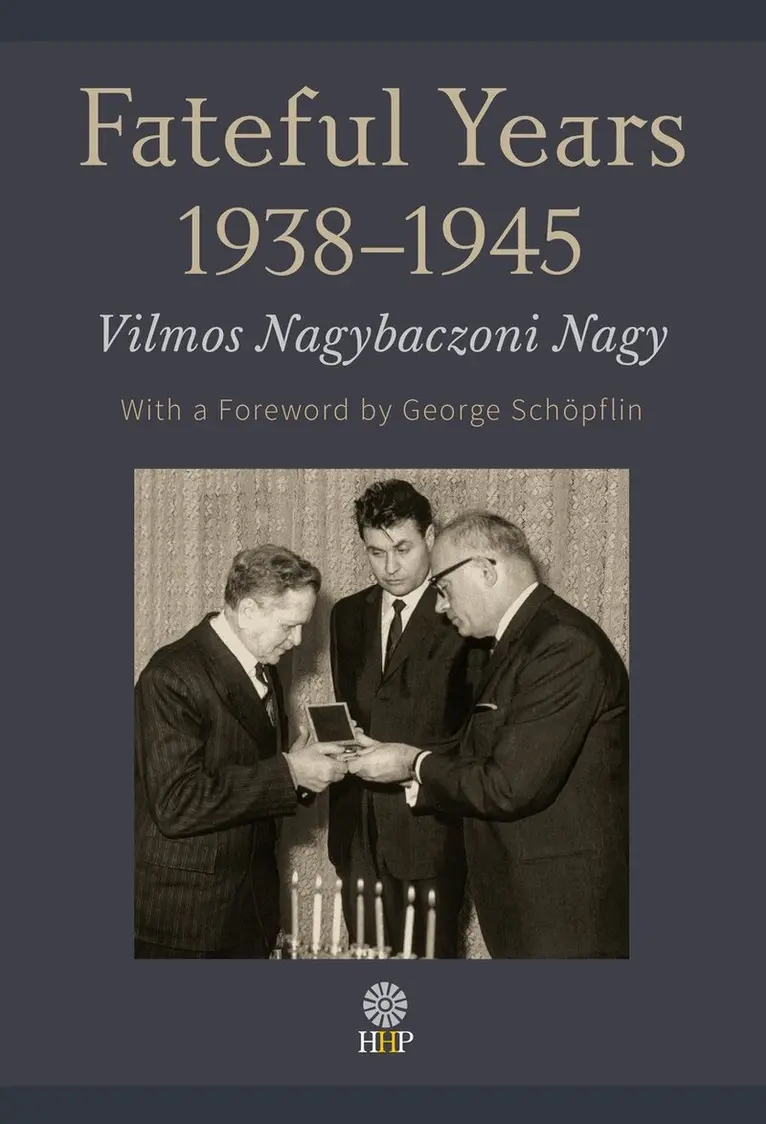
Little known outside of Hungary, Vilmos Nagybaczoni Nagy (30 May 1884-21 June 1976) was the first Hungarian to be named "Righteous Among The Nations" by Yad Vashem.
Born into a family of minor nobility of Székely ancestry in Parajd, Transylvania [now Praid, Harghita County, Romania], Nagy showed early promise. Following a distinguished early career, he rose to the rank of general in the Royal Hungarian Army. In a politically motivated move on 31 March 1941, he was retired with the rank of Lieutenant General.
In September 1942, the Hungarian Regent, Miklós Horthy, asked General Nagy to return from retirement and accept the portfolio of Minister of Defense. In this position Nagy attempted to keep the military out of politics, rein in the pro-Nazi faction of the Army, and struggled to modernize and preserve the military in order to prevent a repeat of the tragedy that befell it during World War I. His insistence on the humane treatment of all who served, including those serving in the labor companies, made Nagy a target of the Arrow Cross, which pressed for his removal from office. Under constant attack by the far right Nagy resigned on 8 June 1943.
Not satisfied with having Nagy removed as minister, after its government takeover in mid-October 1944, the fascist Arrow Cross, had the gendarmerie arrest him at his home on 16 November. After being held at a prison facility of the Arrow Cross, he was transferred to the prison in Sopronköhida. As the Red Army approached, the prisoners, were transported to Germany. Released on Sunday 28 April 1945. Nagy was in Zimmern when the US forces reached there on 1 May.
General Nagy returned to Hungary in 1946, and while a freely elected government was in place, he wrote his memoir of the critical period from 1938-1945 Végzetes esztendök ("Fateful Years") first published in 1947. After the Communist takeover of 1947, he was unjustly attacked, his apartment confiscated, and his pension revoked. He found employment as a gardener and caretaker at the tree nursery of the Pilis Park Forest, later he found employment as a metal smith.
In 1965 this decent man, who never abandoned his principles, was named the first Hungarian "Righteous Among The Nations" by the Yad Vashem Institute of Jerusalem. Vilmos Nagybaczoni Nagy remained active until his death by writing, editing, and reading. In 1964, he revised and updated his memoir, translated into English in this edition.
Vilmos Nagybaczoni Nagy died in Piliscsaba on 21 June 1976, shortly after his ninety-second birthday.
327 kr
Skickas inom 7-10 vardagar
461 kr
Skickas inom 7-10 vardagar
292 kr
Tillfälligt slut