Bioarchaeological Interpretations of the Human Past: Local, Regional, and Global – serie
Visar alla böcker i serien Bioarchaeological Interpretations of the Human Past: Local, Regional, and Global. Handla med fri frakt och snabb leverans.
10 produkter
10 produkter
216 kr
Skickas inom 10-15 vardagar
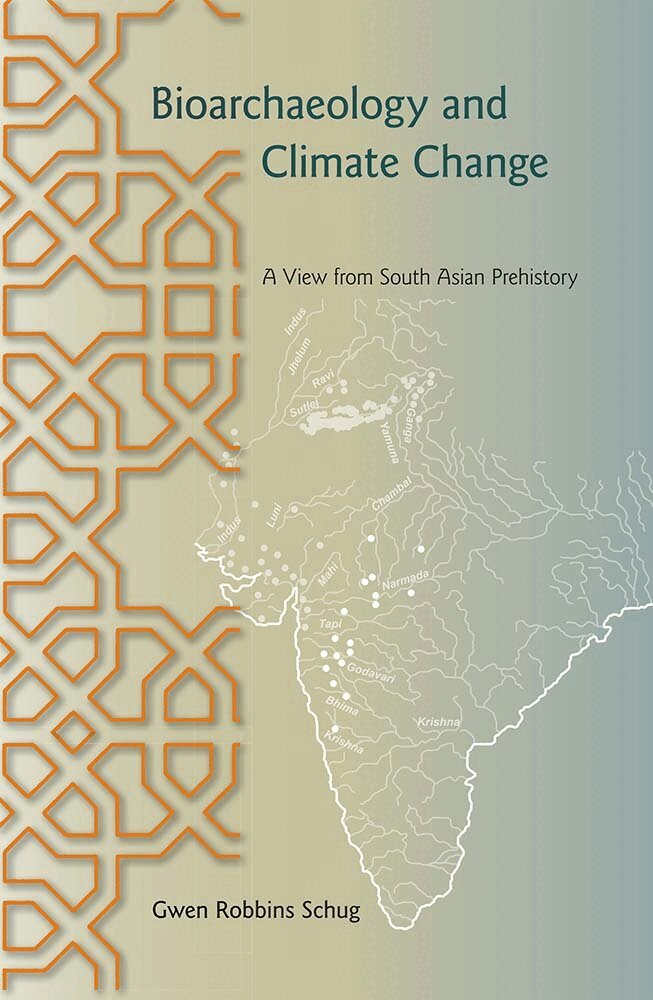
In the context of current debates about global warming, archaeology contributes important insights for understanding environmental changes in prehistory, and the consequences and responses of past populations to them.In Indian archaeology, climate change and monsoon variability are often invoked to explain major demographic transitions, cultural changes, and migrations of prehistoric populations. During the late Holocene (1400-700 B.C.), agricultural communities flourished in a semiarid region of the Indian subcontinent, until they precipitously collapsed. Gwen Robbins Schug integrates the most recent paleoclimate reconstructions with an innovative analysis of skeletal remains from one of the last abandoned villages to provide a new interpretation of the archaeological record of this period.Robbins Schug's biocultural synthesis provides us with a new way of looking at the adaptive, social, and cultural transformations that took place in this region during the first and second millennia B.C. Her work clearly and compellingly usurps the climate change paradigm, demonstrating the complexity of human-environmental transformations. This original and significant contribution to bioarchaeological research and methodology enriches our understanding of both global climate change and South Asian prehistory.
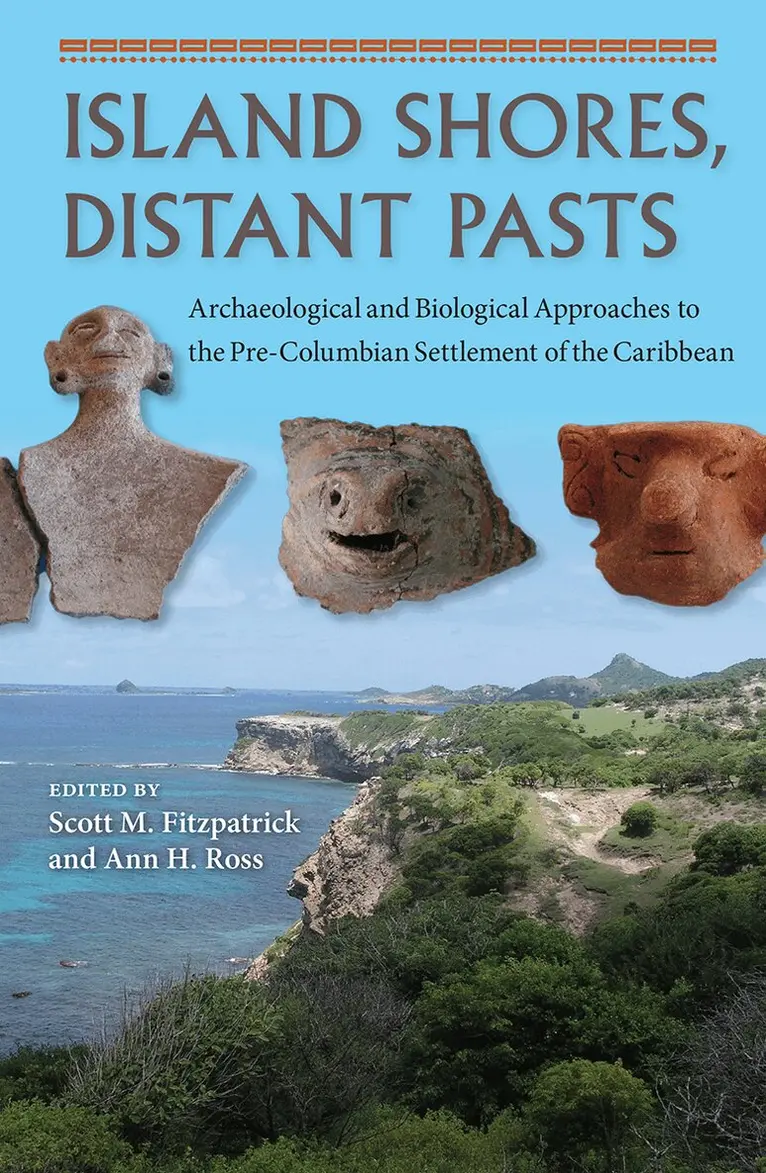
Island Shores, Distant Pasts
Archaeological and Biological Approaches to the Pre-Columbian Settlement of the Caribbean
Häftad, Engelska, 2017
285 kr
Skickas inom 10-15 vardagar
For more than a century, archaeologists and anthropologists have searched for evidence of when and how peoples first settled the Caribbean islands. Research on this area is pivotal for understanding the migration of peoples in the New World and how small and large populations develop biologically and culturally through time.This unique collection synthesizes our archaeological and biological knowledge about the pre-Columbian settlement of the Caribbean and highlights the various techniques we can use to analyze human migration and settlement patterns throughout history. Newer and well-established techniques, like computer simulations of seafaring, radiocarbon dating, three-dimensional and traditional craniometrics, stable isotopes, and ancient and modern DNA analysis, show great promise for helping us better understand pre-Columbian Caribbean population expansions, while demonstrating the utility of integrating and comparing biological markers with the archaeological record.Surprisingly little attention has been paid to migrations, population movements, and island colonization in the Caribbean islands. This volume fills that void.
1 176 kr
Skickas inom 10-15 vardagar
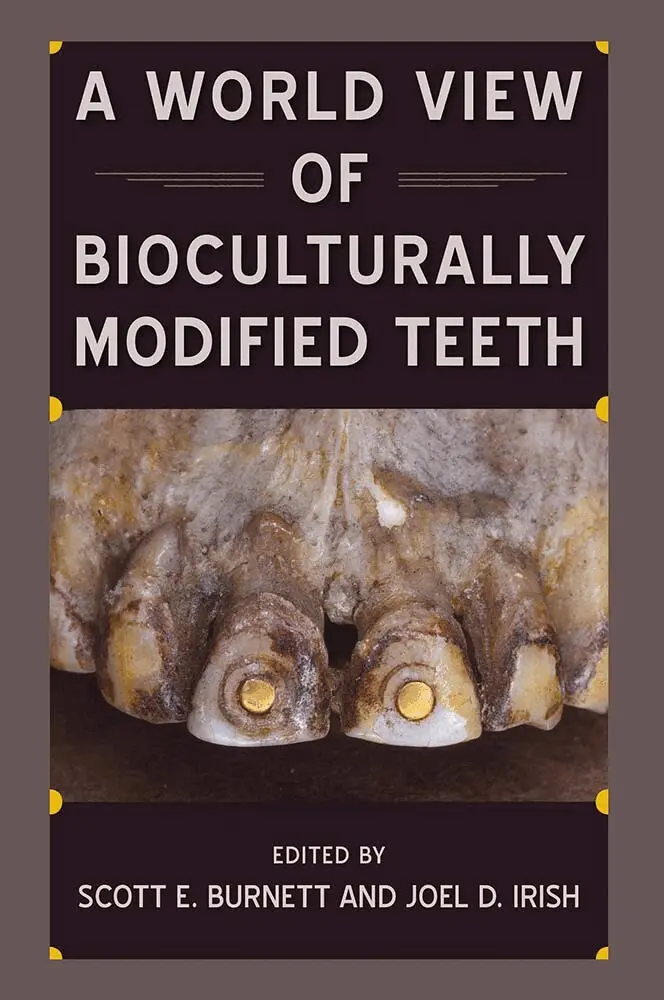
Tooth modification has been practiced throughout many time periods and places to convey information about individual people, their societies, and their relationships to others. This volume represents the wide spectrum of intentional dental modification in humans across the globe over the past 16,000 years.These essays draw on research from the Americas, Africa, Asia, Oceania, and Europe. Through archaeological studies, historical and ethnographic sources, and observations of contemporary people, they examine instances of tooth filing, inlays, dyeing, and removal. Contributors discuss how to distinguish between purposeful modifications of teeth and normal wear and tear or disease. This collection demonstrates what patterns of tooth modification can reveal about people and their cultures in the past and present.
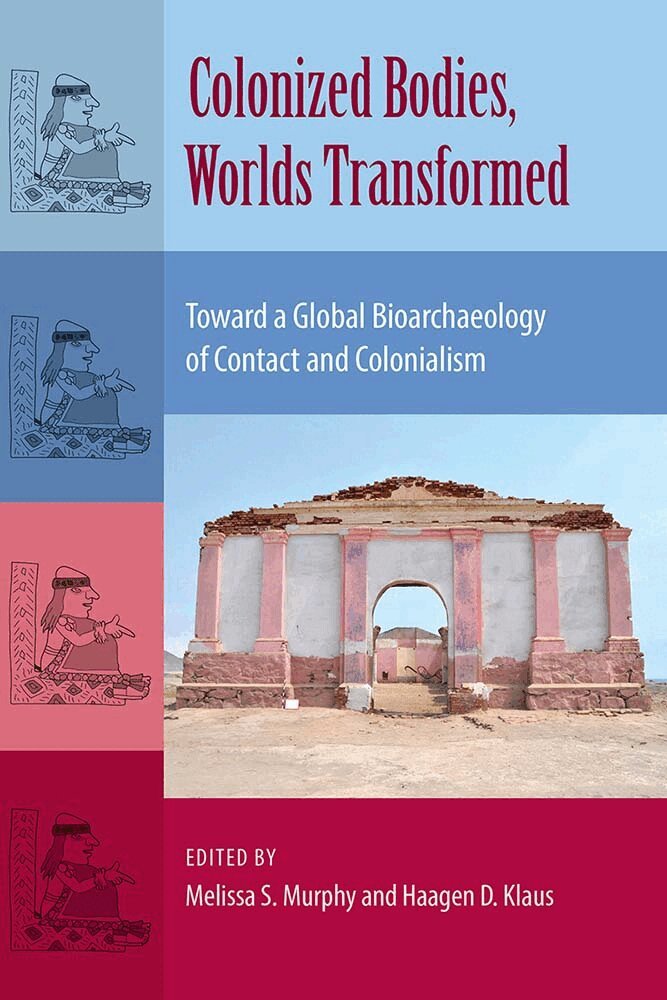
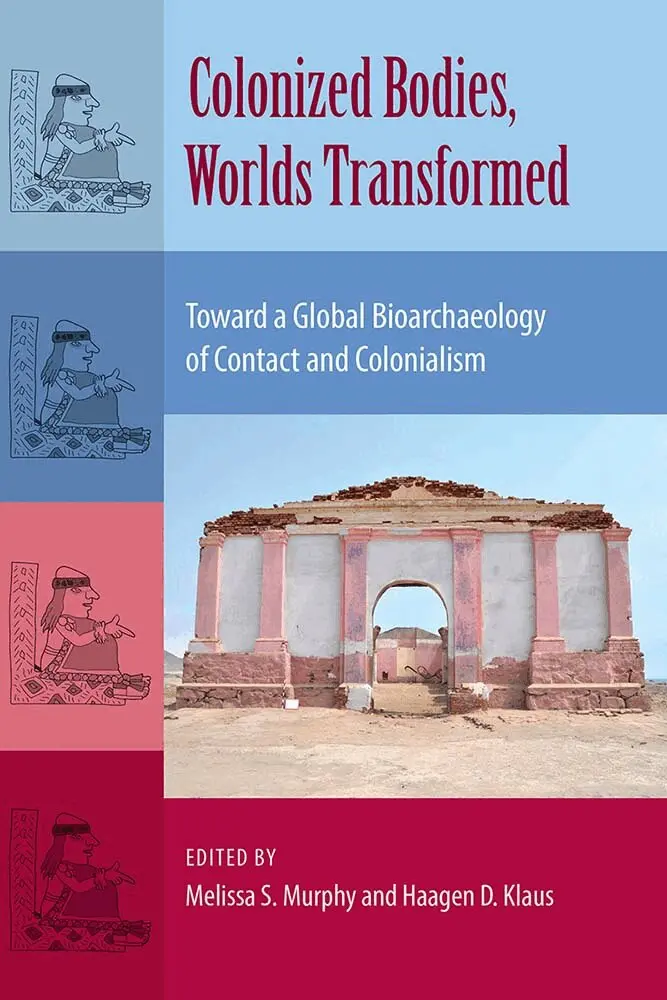
Colonized Bodies, Worlds Transformed
Toward a Global Bioarchaeology of Contact and Colonialism
Inbunden, Engelska, 2017
1 343 kr
Skickas inom 10-15 vardagar
Colonized Bodies, Worlds Transformed represents a new generation of contact and colonialism studies, expanding upon a traditional focus on the health of conquered peoples toward how extraordinary biological and political transformations are incorporated into the human body, reflecting behavior, identity, and adaptation. These globally diverse case studies demonstrate that the effects of conquest reach farther than was ever thought before—to both the colonized and the colonizers. Cultural exchange occurred between both groups, transforming social identities, foodways, and social structures at points of contact and beyond. Contributors to this volume analyze skeletal remains and burial patterns from never-before-studied regions in the Americas to the Middle East, Africa, and Europe, resulting in a new synthesis of historical archaeology and bioarchaeology.
954 kr
Skickas inom 10-15 vardagar
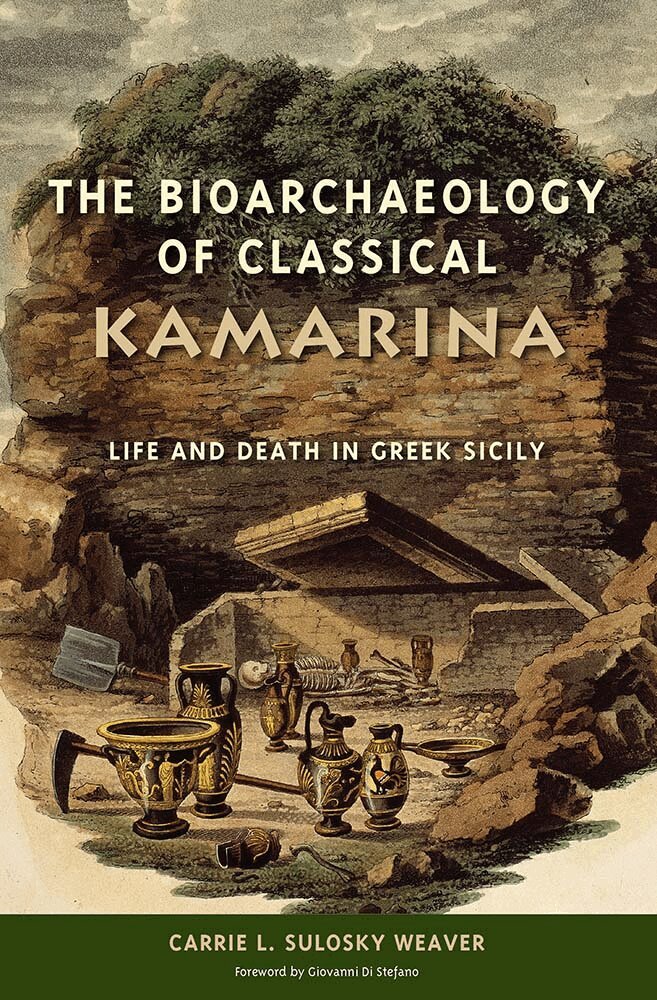
Human remains and burial customs are often considered separately in studies of ancient Greek populations. In this seminal work, Carrie Sulosky Weaver synthesizes skeletal, material, and ritual data to reconstruct the cultural practices of Kamarina, a city-state in Sicily.Using evidence from 258 recovered graves from the Passo Marinaro necropolis (circa the fifth to the third century BCE), Sulosky Weaver suggests that Kamarineans were closely linked to their counterparts in neighboring Greek cities. Evidence of violence, like head trauma and a high young adult mortality rate, indicate exposure to a series of catastrophic events. Other evidence at burial sites allude to Kamarina's mixed ancestry, ethnicity, and social hierarchy. Despite the tumultuous nature of the times, the resulting portrait reveals that Kamarina was a place where individuals of diverse ethnicities and ancestries were united in life and death by shared culture and funerary practices.
Victims of Ireland's Great Famine
The Bioarchaeology of Mass Burials at Kilkenny Union Workhouse
Inbunden, Engelska, 2015
954 kr
Skickas inom 10-15 vardagar
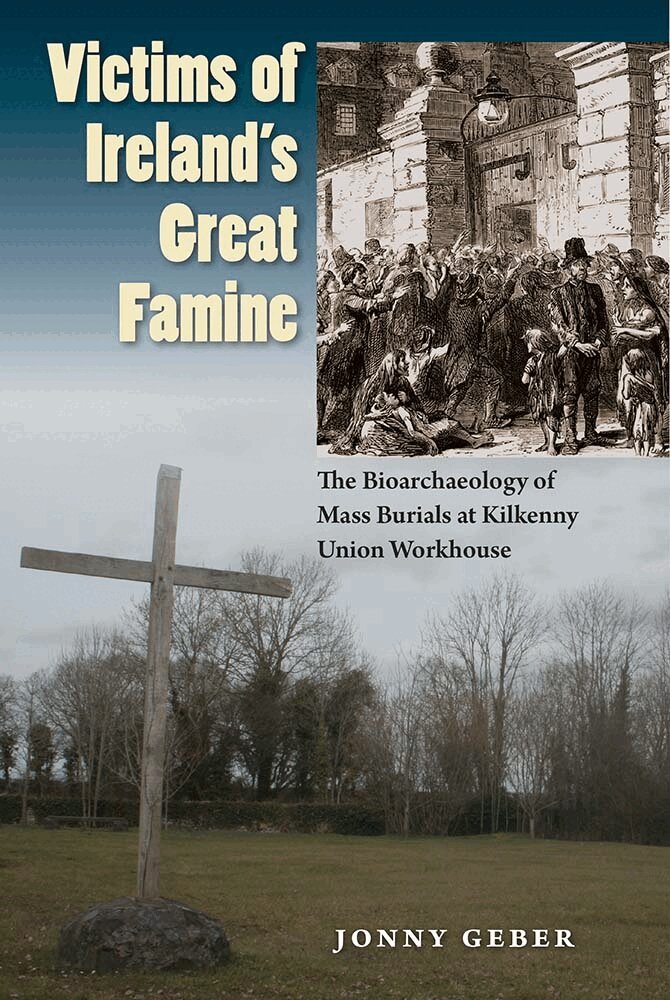
With one million dead, and just as many forced to emigrate, the Irish Famine (1845-52) is among the worst health calamities in history. In 2006, archaeologists discovered a mass burial containing the remains of nearly 1,000 Kilkenny Union workhouse inmates. In the first bioarchaeological study of Great Famine victims, Jonny Geber uses skeletal analysis to tell the story of how and why the Irish Famine decimated the lowest levels of nineteenth century society.By examining the physical conditions of the inmates that might have contributed to their institutionalization, as well as to the resulting health consequences, Geber sheds new and unprecedented light on Ireland’s Great Hunger.
Bones of Complexity
Bioarchaeological Case Studies of Social Organization and Skeletal Biology
Inbunden, Engelska, 2017
1 121 kr
Skickas inom 10-15 vardagar
Provides data and information that can be used for comparative analysis and as a foundation for further exploration. Inviting research from various geographic, cultural, and temporal locales from around the globe, the editors present a complex snapshot of the past.”—Anne L. Grauer, editor of A Companion to Paleopathology Drawing upon wide-ranging studies of prehistoric human remains from Europe, northern Africa, Asia, and the Americas, this groundbreaking volume unites physical anthropologists, archaeologists, and economists to explore how social structure can be reflected in the human skeleton. Contributors identify many ways in which social, political, and economic inequality have affected health, disease, metabolic insufficiency, growth, and well-being. The volume makes a strong case for a broader integration of bioarchaeology with mortuary archaeology as its distinctive approaches offer new ways to look at power, resources, social organization, and the shape of human lives over time and across cultures.
272 kr
Skickas inom 10-15 vardagar
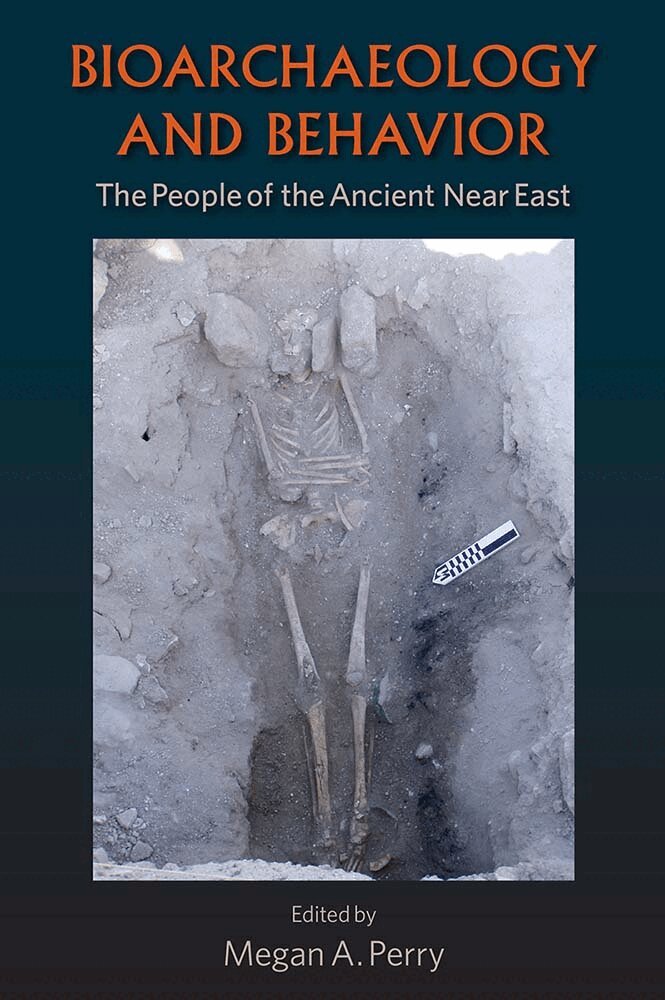
While mortuary ruins have long fascinated archaeologists and art historians interested in the cultures of the Near East and eastern Mediterranean, the human skeletal remains contained in the tombs of this region have garnered less attention. In Bioarchaeology and Behavior, Megan Perry presents a collection of essays that aim a spotlight on the investigation of the ancient inhabitants of the circum-Mediterranean area.Composed of eight diverse papers, this volume synthesizes recent research on human skeletal remains and their archaeological and historical contexts in this region. Utilizing an environmental, social, and political framework, the contributors present scholarly case studies on such topics as the region’s mortuary archaeology, genetic investigations of migration patterns, and the ancient populations’ health, disease, and diet.Other key anthropological issues addressed in this volume include the effects of the domestication of plants and animals, the rise of state-level formations, and the role of religion in society. Ultimately, this collection will provide anthropologists, archaeologists, and bioarchaeologists with an important foundation for future research in the Near East and eastern Mediterranean.
Colonized Bodies, Worlds Transformed
Toward a Global Bioarchaeology of Contact and Colonialism
Häftad, Engelska, 2021
453 kr
Skickas inom 10-15 vardagar
European expansion into the New World fundamentally altered Indigenous populations. The collision between East and West led to the most recent human adaptive transition that spread around the world. Paradoxically, these are some of the least scientifically understood processes of the human past. Representing a new generation of contact and colonialism studies, this volume expands on the traditional focus on the health of conquered peoples by considering how extraordinary biological and cultural transformations were incorporated into the human body and reflected in behavior, identity, and adaptation.By examining changes in diet, mortuary practices, and diseases, these globally diverse case studies demonstrate that the effects of conquest reach further than was ever thought before—to both the colonized and the colonizers. People on all sides of colonial contact became entangled in cultural and biological transformations of social identities, foodways, social structures, and gene pools at points of contact and beyond. Contributors to this volume illustrate previously unknown and variable effects of colonialism by analyzing skeletal remains and burial patterns from never-before-studied regions in the Americas to the Middle East, Africa, and Europe. The result is the first step toward a new synthesis of archaeology and bioarchaeology.Contributors: Rosabella Alvarez-Calderón, Elliot H. Blair, Maria Fernanda Boza, Michele R. Buzon, Romina Casali, Mark N. Cohen, Danielle N. Cook, Marie Elaine Danforth, J. Lynn Funkhouser, Catherine Gaither, Pamela García Laborde| Ricardo A. Guichón, Rocio Guichón Fernández, Heather Guzik, Amanda R. Harvey, Barbara T. Hester, Dale L. Hutchinson, Kristina Killgrove | Haagen D. Klaus | Clark Spencer Larsen | Alan G. Morris | Melissa S. Murphy, Alejandra Ortiz, Megan A. Perry, Emily S. Renschler, Isabelle Ribot, Melisa A. Salerno, Matthew C. Sanger, Paul W. Sciulli, Stuart Tyson Smith, Christopher M. Stojanowski, David Hurst Thomas, Victor D. Thompson, Vera Tiesler, Jason Toohey, Lauren A. Winkler, Pilar Zabala
439 kr
Skickas inom 10-15 vardagar
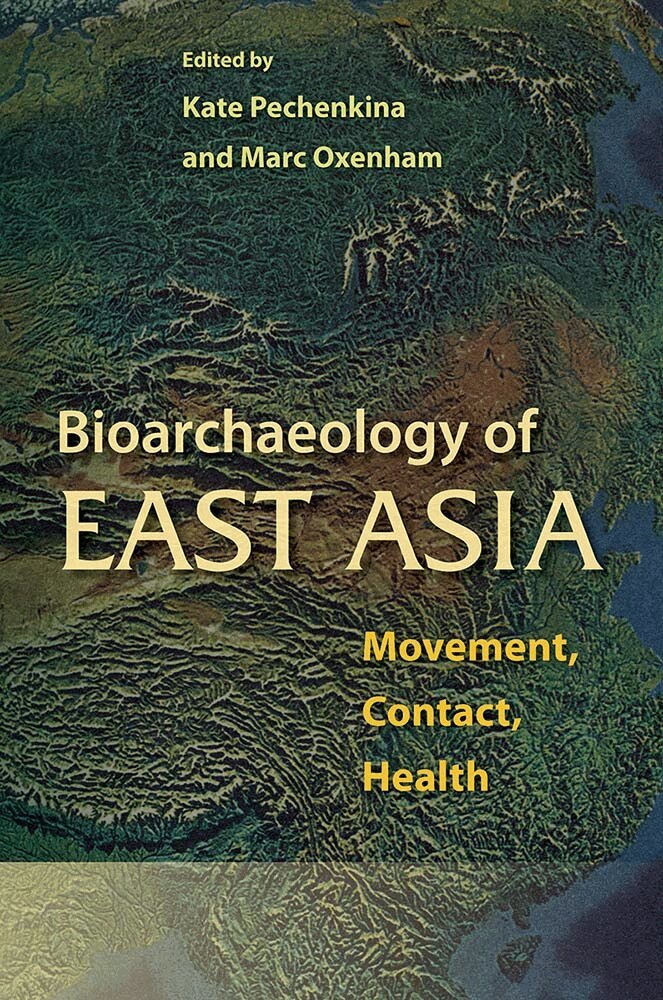
A collection of research on migration, diet, and health in the past across a culturally complex regionBioarchaeology of East Asia integrates studies on migration, diet, and diverse aspects of health through the study of human skeletal collections in a region that developed varying forms of agriculture. East Asia’s complex population movements and cultural practices provide biological markers that allow for the testing of multiple hypotheses about interactions in past communities.Exploring the interplay between humans and their environments, this volume considers millet agriculture, mobile pastoralism with limited cereal farming, and rice farming in combination with reliance on marine resources. Many of these rare subsistence strategies are more or less exclusive to East Asia. These advanced contributions will significantly boost collaborative work among bioarchaeologists and other scientists working in the region.A volume in the series Bioarchaeological Interpretations of the Human Past: Local, Regional, and Global Perspectives, edited by Clark Spencer Larsen.