Power, Politics, and the World – serie
Visar alla böcker i serien Power, Politics, and the World. Handla med fri frakt och snabb leverans.
14 produkter
14 produkter
Häftad, Engelska, 2022
378 kr
Skickas inom 5-8 vardagar
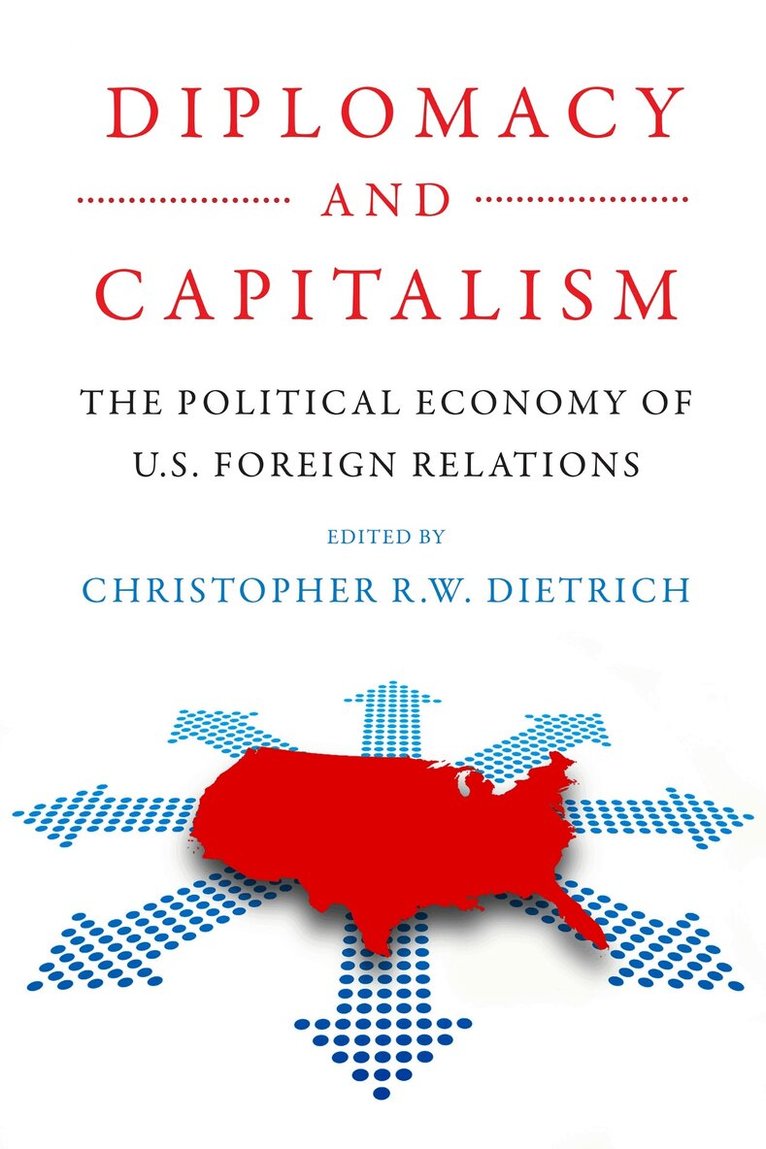
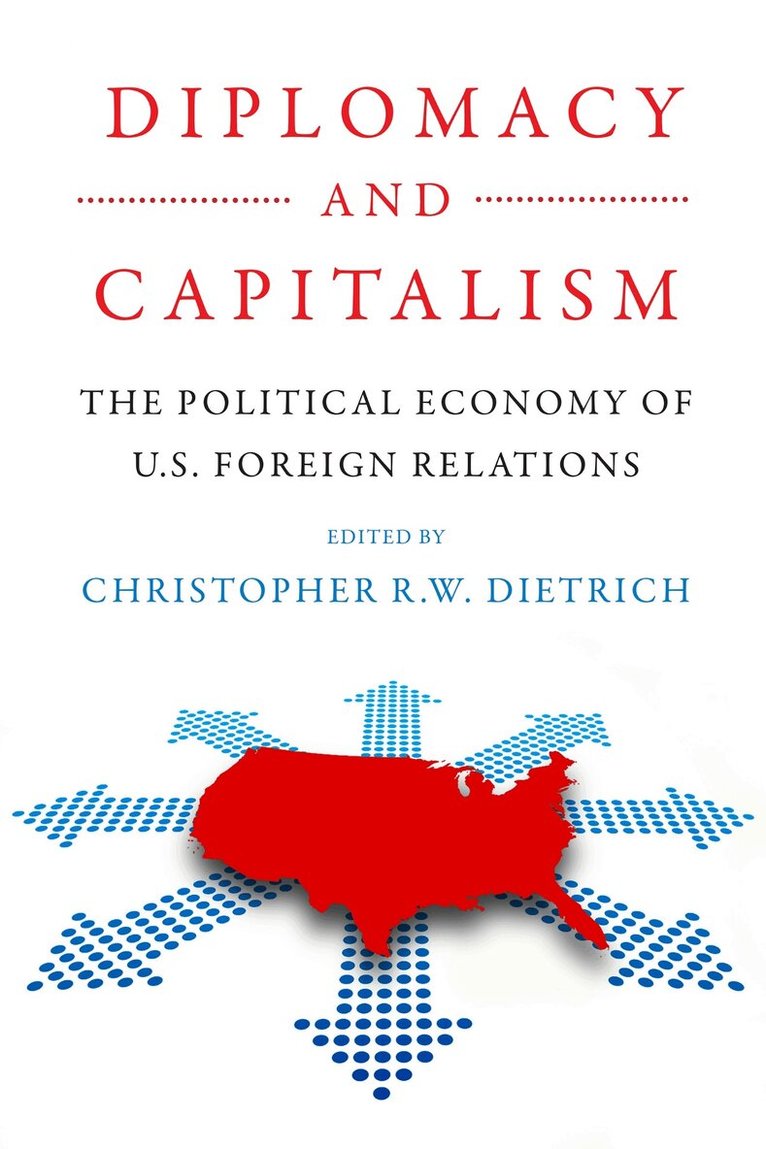
At the same time as modern capitalism became an engine of progress and a source of inequality, the United States rose to global power. Hence diplomacy and the forces of capitalism have continually evolved together and shaped each other at different levels of international, national, and local transformations. Diplomacy and Capitalism focuses on the crucial questions of wealth and power in the United States and the world in the twentieth century. Through a series of wide-ranging case studies on the history of international political economy and its array of state and non-state actors, the volume's authors analyze how material interests and foreign relations shaped each other. How did the rising and then disproportionate power of the United States and the actions of corporations, creditors, diplomats, and soldiers shape the twentieth-century world? How did officials in the United States and other nations understand the relationship between foreign investment and the state? How did people outside of the United States respond to and shape American diplomacy and political-economic policy? In detailed discussions of the exchanges and entanglements of capitalism and diplomacy, the authors answer these crucial questions. In doing so, they excavate how different combinations of material interest, geopolitical rivalry, and ideology helped create the world we live in today. The book thus analyzes competing and shared visions of international capitalism and U.S. diplomatic influence in chapters that bring the book's readers from the dawn of the twentieth century to its end, from Theodore Roosevelt to Ronald Reagan.Contributors: Abou Bamba, Giulia Crisanti, Christopher R. W. Dietrich, Max Paul Friedman, Joseph Fronczak, Alec Hickmott, Jennifer M. Miller, Alanna O'Malley, Nicole Sackley, Jayita Sarkar, Erum Sattar, Jason Scott Smith.
Inbunden, Engelska, 2021
656 kr
Skickas inom 10-15 vardagar
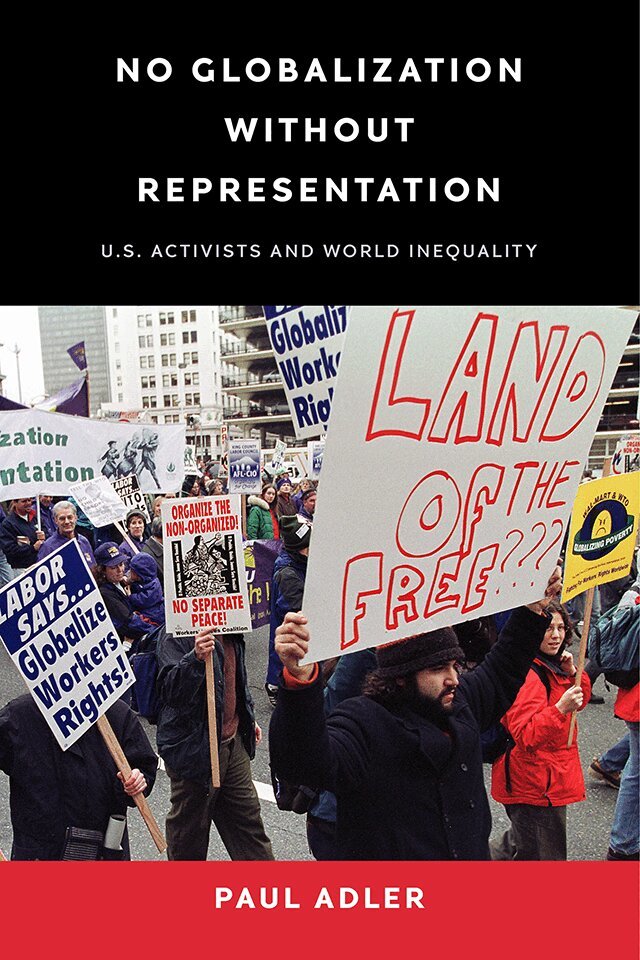
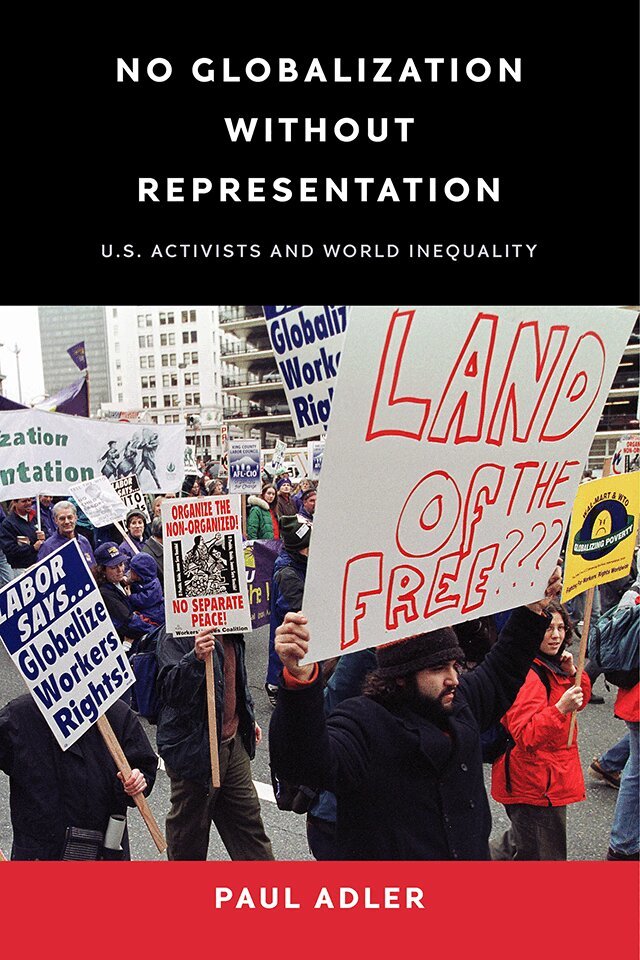
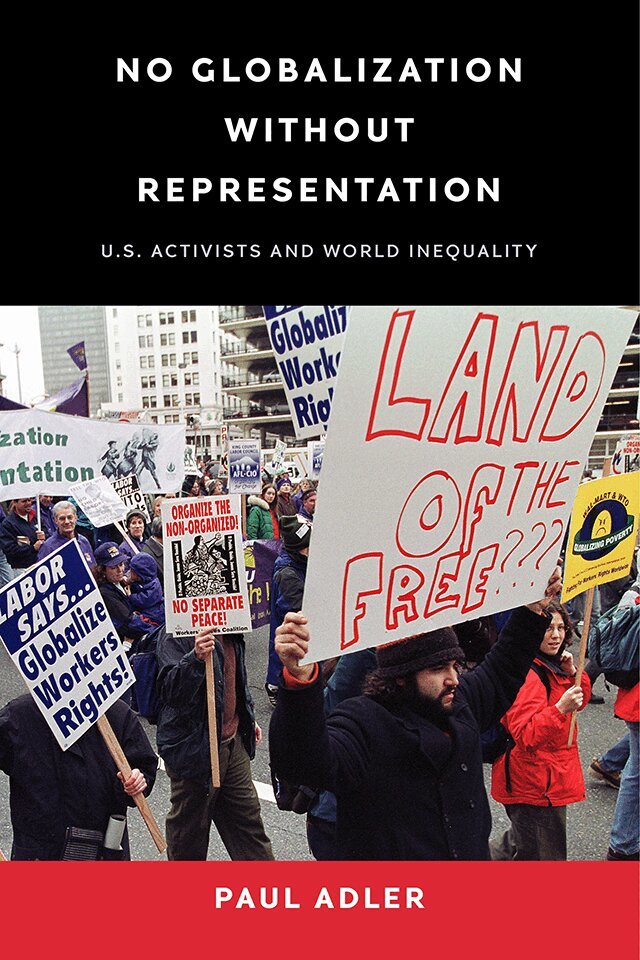
How consumer and environmental activists became significant players in U.S. and world politicsAmid the mass protests of the 1960s, another, less heralded political force arose: public interest progressivism. Led by activists like Ralph Nader, organizations of lawyers and experts worked "inside the system." They confronted corporate power and helped win major consumer and environmental protections. By the late 1970s, some public interest groups moved beyond U.S. borders to challenge multinational corporations. This happened at the same time that neoliberalism, a politics of empowerment for big business, gained strength in the U.S. and around the world.No Globalization Without Representation is the story of how consumer and environmental activists became significant players in U.S. and world politics at the twentieth century's close. NGOs like Friends of the Earth and Public Citizen helped forge a progressive coalition that lobbied against the emerging neoliberal world order and in favor of what they called "fair globalization." From boycotting Nestlé in the 1970s to lobbying against NAFTA to the "Battle of Seattle" protests against the World Trade Organization in the 1990s, these groups have made a profound mark.This book tells their stories while showing how public interest groups helped ensure that a version of liberalism willing to challenge corporate power did not vanish from U.S. politics. Public interest groups believed that preserving liberalism at home meant confronting attempts to perpetuate conservative policies through global economic rules. No Globalization Without Representation also illuminates how professionalized organizations became such a critical part of liberal activism—and how that has affected the course of U.S. politics to the present day.
Inbunden, Engelska, 2022
1 121 kr
Skickas inom 10-15 vardagar
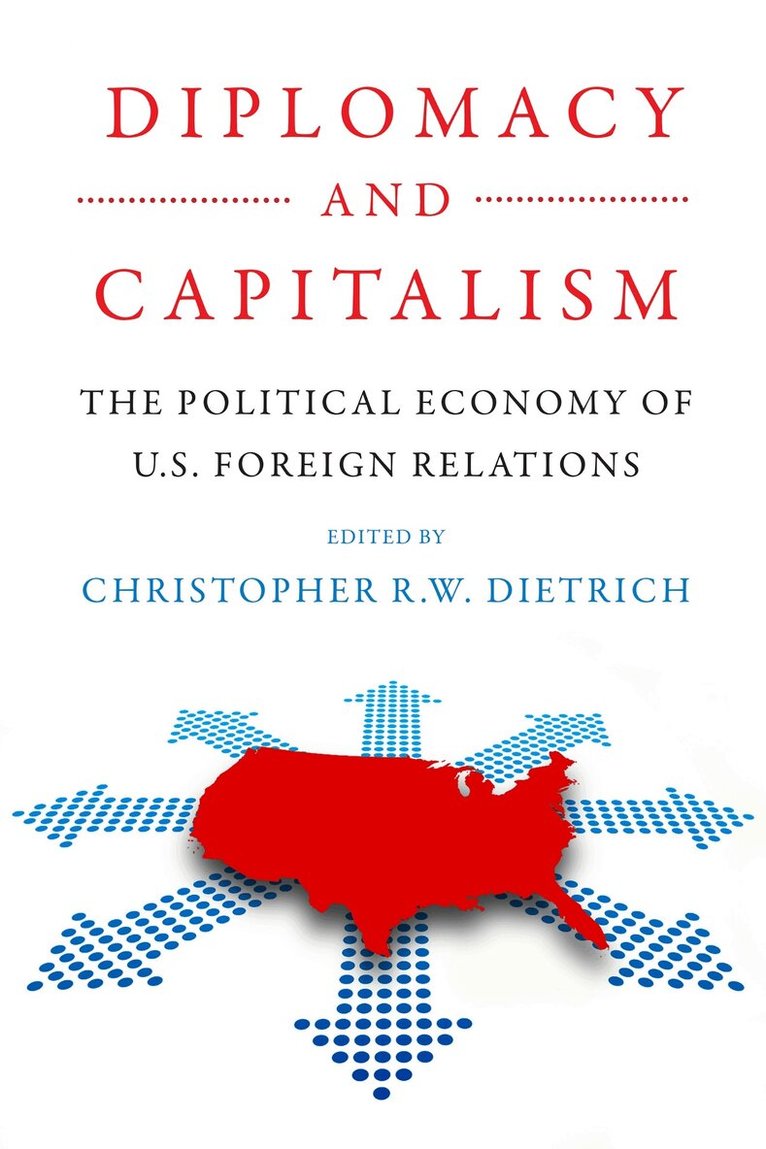
At the same time as modern capitalism became an engine of progress and a source of inequality, the United States rose to global power. Hence diplomacy and the forces of capitalism have continually evolved together and shaped each other at different levels of international, national, and local transformations. Diplomacy and Capitalism focuses on the crucial questions of wealth and power in the United States and the world in the twentieth century. Through a series of wide-ranging case studies on the history of international political economy and its array of state and non-state actors, the volume's authors analyze how material interests and foreign relations shaped each other. How did the rising and then disproportionate power of the United States and the actions of corporations, creditors, diplomats, and soldiers shape the twentieth-century world? How did officials in the United States and other nations understand the relationship between foreign investment and the state? How did people outside of the United States respond to and shape American diplomacy and political-economic policy? In detailed discussions of the exchanges and entanglements of capitalism and diplomacy, the authors answer these crucial questions. In doing so, they excavate how different combinations of material interest, geopolitical rivalry, and ideology helped create the world we live in today. The book thus analyzes competing and shared visions of international capitalism and U.S. diplomatic influence in chapters that bring the book's readers from the dawn of the twentieth century to its end, from Theodore Roosevelt to Ronald Reagan.Contributors: Abou Bamba, Giulia Crisanti, Christopher R. W. Dietrich, Max Paul Friedman, Joseph Fronczak, Alec Hickmott, Jennifer M. Miller, Alanna O'Malley, Nicole Sackley, Jayita Sarkar, Erum Sattar, Jason Scott Smith.
Inbunden, Engelska, 2022
440 kr
Skickas inom 10-15 vardagar
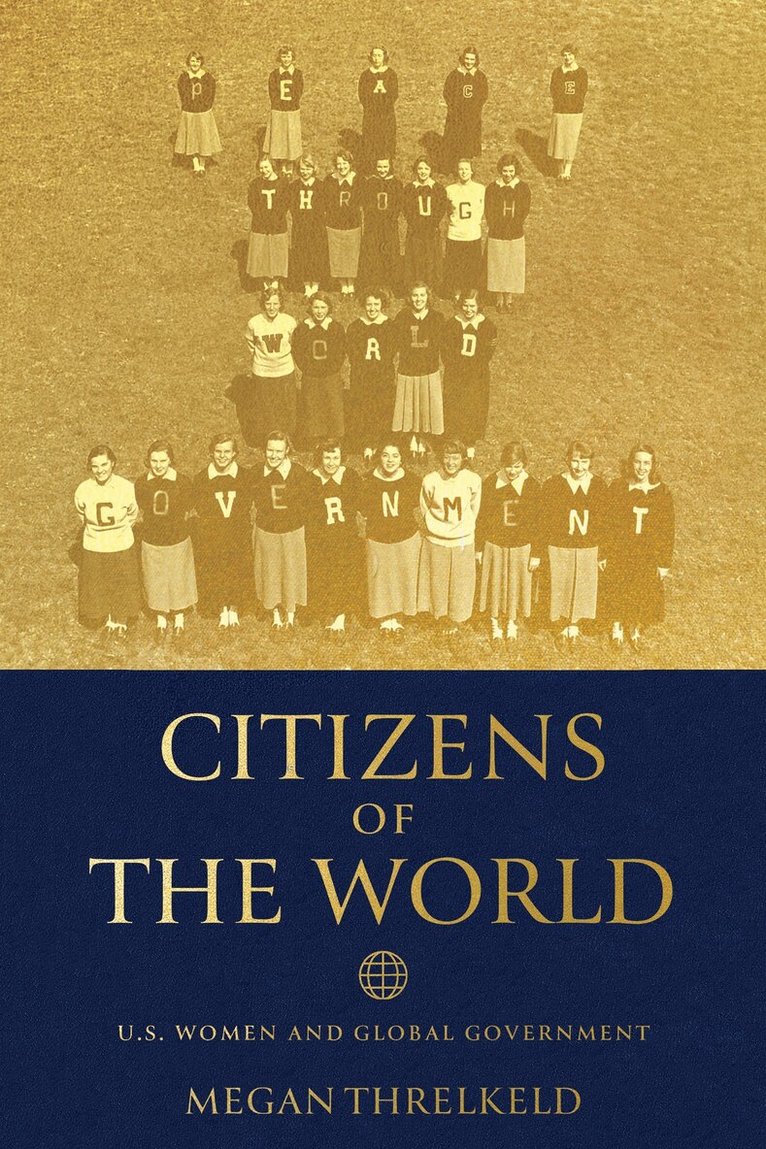
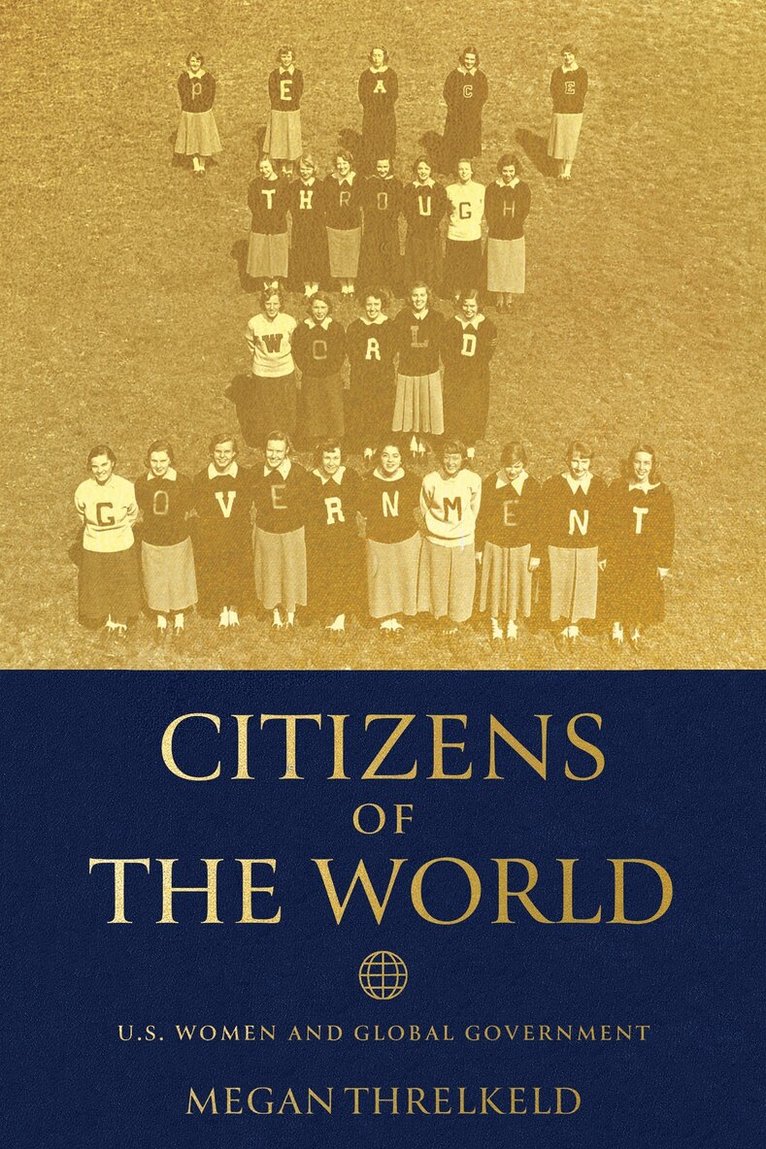
Between 1900 and 1950, many internationalist U.S. women referred to themselves as "citizens of the world." This book argues that the phrase was not simply a rhetorical flourish; it represented a demand to participate in shaping the global polity and an expression of women's obligation to work for peace and equality. The nine women profiled here invoked world citizenship as they promoted world government-a permanent machinery to end war, whether in the form of the League of Nations, the United Nations, or a full-fledged world federation.These women agreed neither on the best form for such a government nor on the best means to achieve it, and they had different definitions of peace and different levels of commitment to genuine equality. But they all saw themselves as part of a global effort to end war that required their participation in the international body politic. Excluded from full national citizenship, they saw in the world polity opportunities for engagement and equality as well as for peace. Claiming world citizenship empowered them on the world stage. It gave them a language with which to advocate for international cooperation.Citizens of the World not only provides a more complete understanding of the kind of world these women envisioned and the ways in which they claimed membership in the global community. It also draws attention to the ways in which they were excluded from international institution-building and to the critiques many of them leveled at those institutions. Women's arguments for world government and their practices of world citizenship represented an alternative reaction to the crises of the first half of the twentieth century, one predicated on cooperation and equality rather than competition and force.
Inbunden, Engelska, 2023
509 kr
Skickas inom 10-15 vardagar
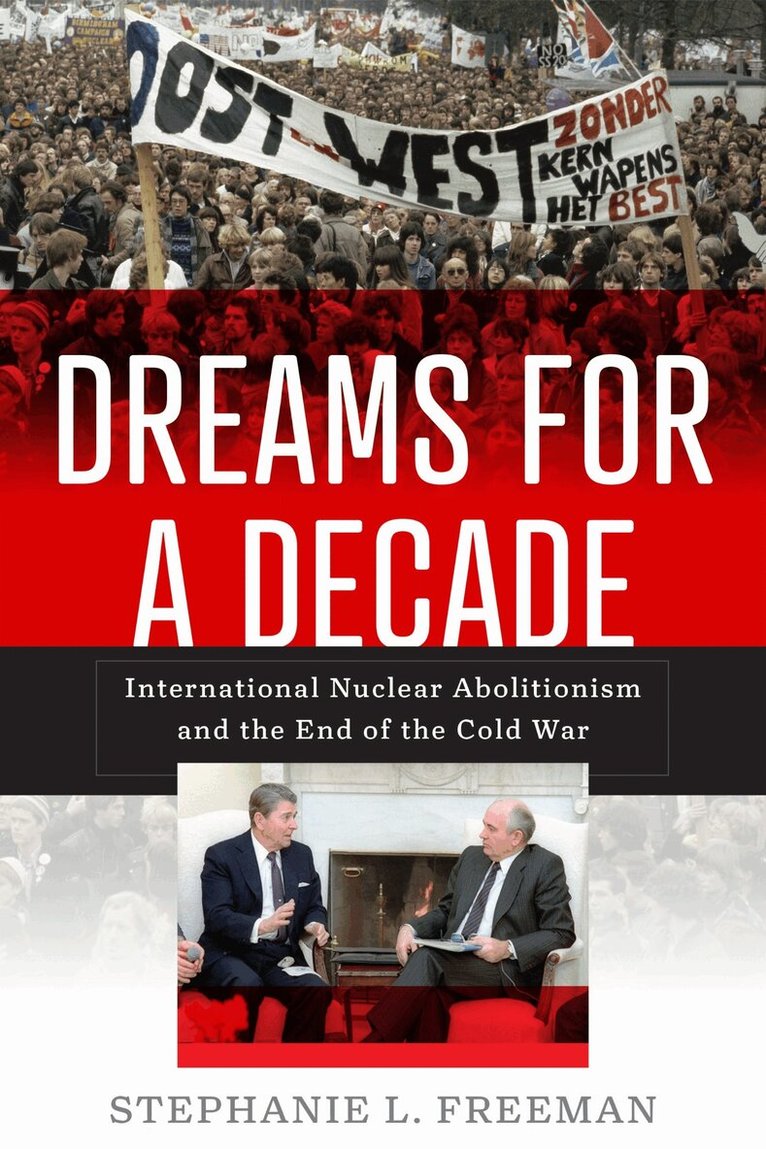
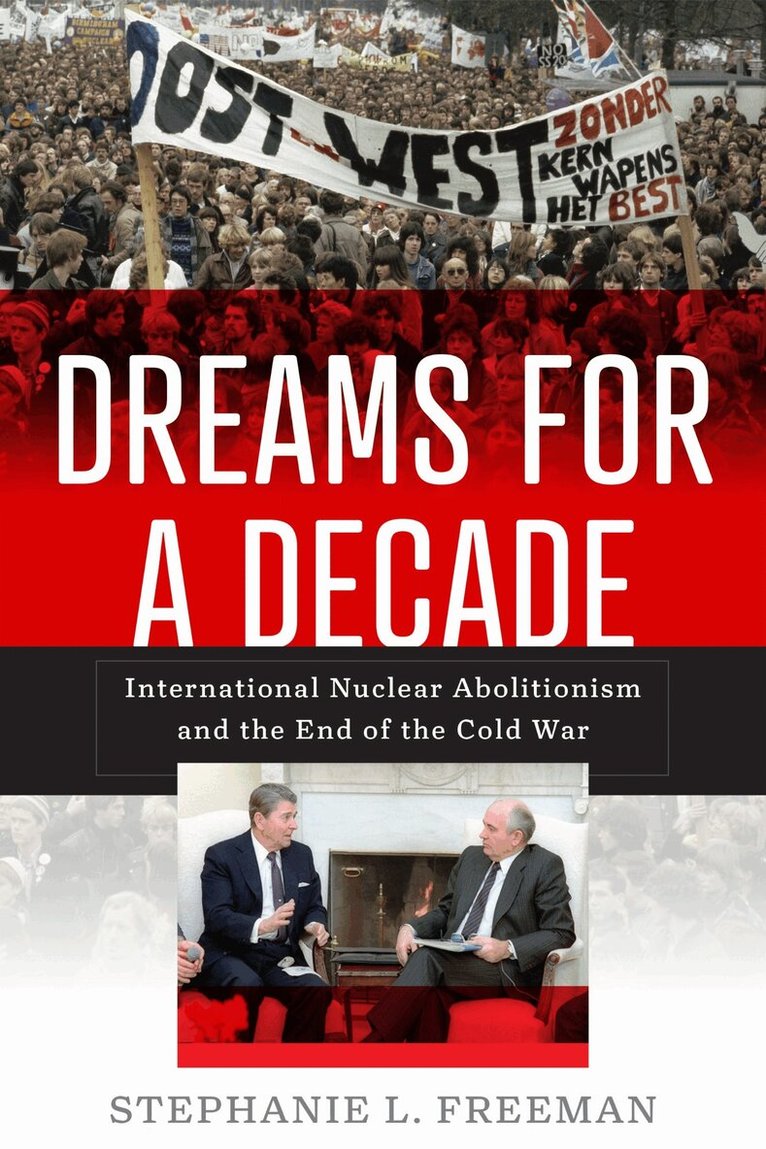
During the 1980s, millions of ordinary individuals around the world mobilized in support of nuclear disarmament. Although U.S. President Ronald Reagan and Soviet General Secretary Mikhail Gorbachev were not part of these grassroots movements, they too wanted to eliminate nuclear weapons. Nuclear abolitionism was a diverse and global phenomenon.In Dreams for a Decade, Stephanie L. Freeman draws on newly declassified material from multiple continents to examine nuclear abolitionists' influence on the trajectory of the Cold War's last decade. Freeman reveals that nuclear abolitionism played a significant yet unappreciated role in ending the Cold War. Grassroots and government nuclear abolitionists shifted U.S. and Soviet nuclear arms control paradigms from arms limitation to arms reduction. This paved the way for the reversal of the U.S.-Soviet nuclear arms race, which began with the landmark 1987 Intermediate-Range Nuclear Forces Treaty. European peace activists also influenced Gorbachev's "common European home" initiative and support for freedom of choice in Europe, which prevented the Soviet leader from intervening to stop the 1989 East European revolutions. These revolutions ripped the fabric of the Iron Curtain, which had divided Europe for more than four decades.Despite their inability to eliminate nuclear weapons, grassroots and government nuclear abolitionists deserve credit for playing a pivotal role in the Cold War's endgame. They also provide a model for enacting dramatic, positive change in a peaceful manner.
Inbunden, Engelska, 2023
502 kr
Skickas inom 5-8 vardagar
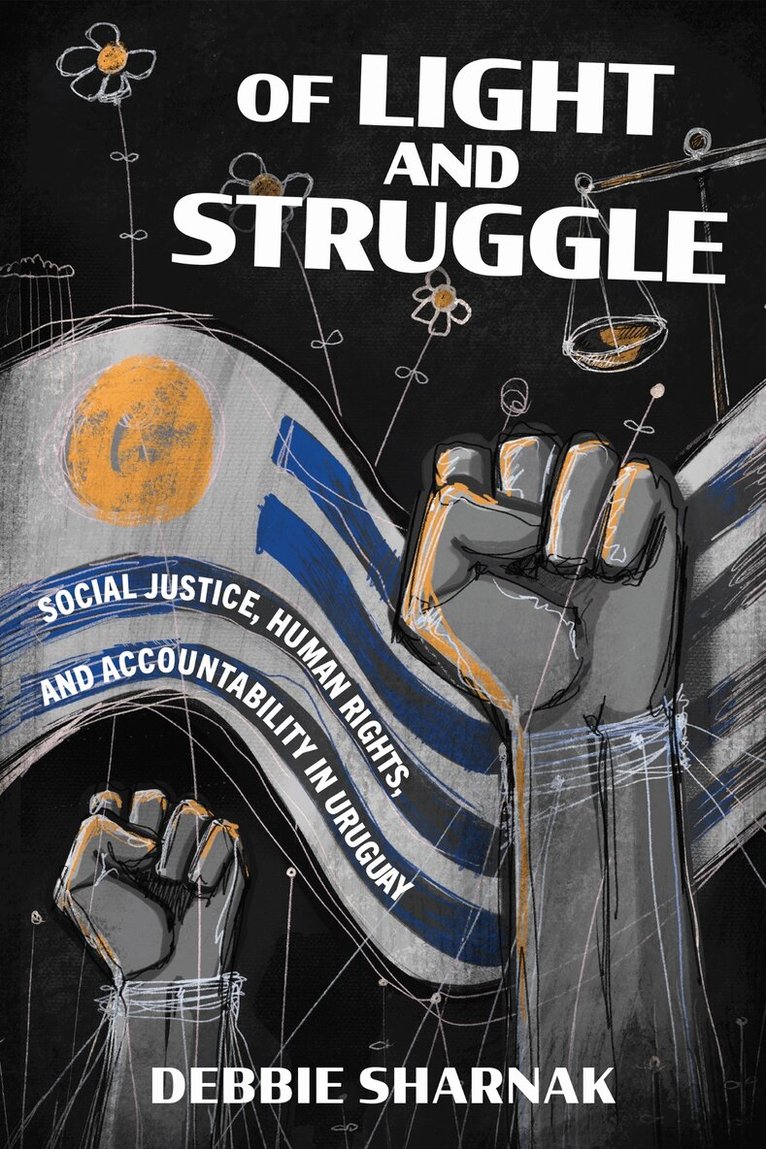
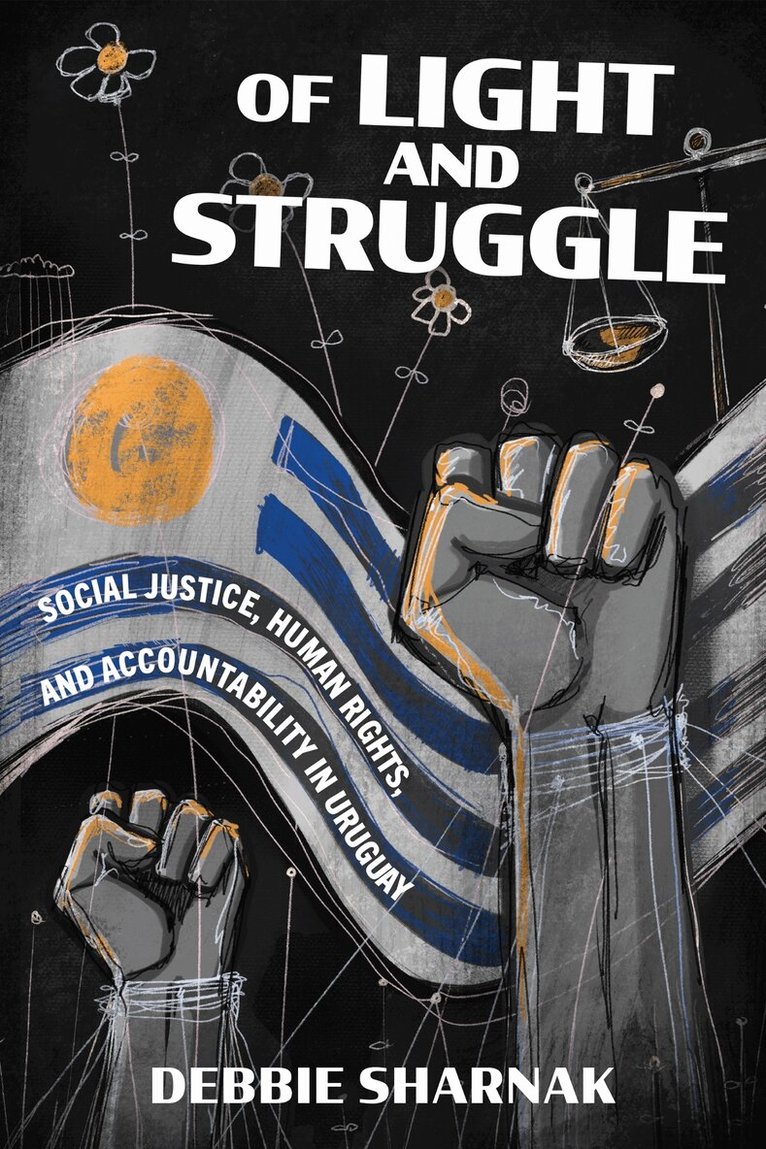
During the country's dictatorship from 1973 to 1985, Uruguayans suffered under crushing repression, which included the highest rate of political incarceration in the world. In Of Light and Struggle, Debbie Sharnak explores how activists, transnational social movements, and international policymakers collaborated and clashed in response to this era and during the country's transition back to democratic rule.At the heart of the book is an examination of how the language and politics of human rights shifted over time as a result of conflict and convergence between local, national, and global dynamics. Sharnak examines the utility and limits of human rights language used by international NGOs, such as Amnesty International, and foreign governments, such as the Carter administration. She does so by exploring tensions between their responses to the dictatorship's violations and the grassroots struggle for socioeconomic rights as well as new social movements around issues of race, gender, religion, and sexuality in Uruguay. Sharnak exposes how international activists used human rights language to combat repression in foreign countries, how local politicians, unionists, and students articulated more expansive social justice visions, how the military attempted to coopt human rights language for its own purposes, and how broader debates about human rights transformed the fight over citizenship in renewed democratic societies. By exploring the interplay between debates taking place in activists' living rooms, presidential administrations, and international halls of power, Sharnak uncovers the messy and contingent process through which human rights became a powerful discourse for social change, and thus contributes to a new method for exploring the history of human rights.By looking at this pivotal period in international history, Of Light and Struggle suggests that discussions around the small country on the Río de la Plata had global implications for the possibilities and constraints of human rights well beyond Uruguay's shores.
Inbunden, Engelska, 2024
612 kr
Skickas inom 5-8 vardagar
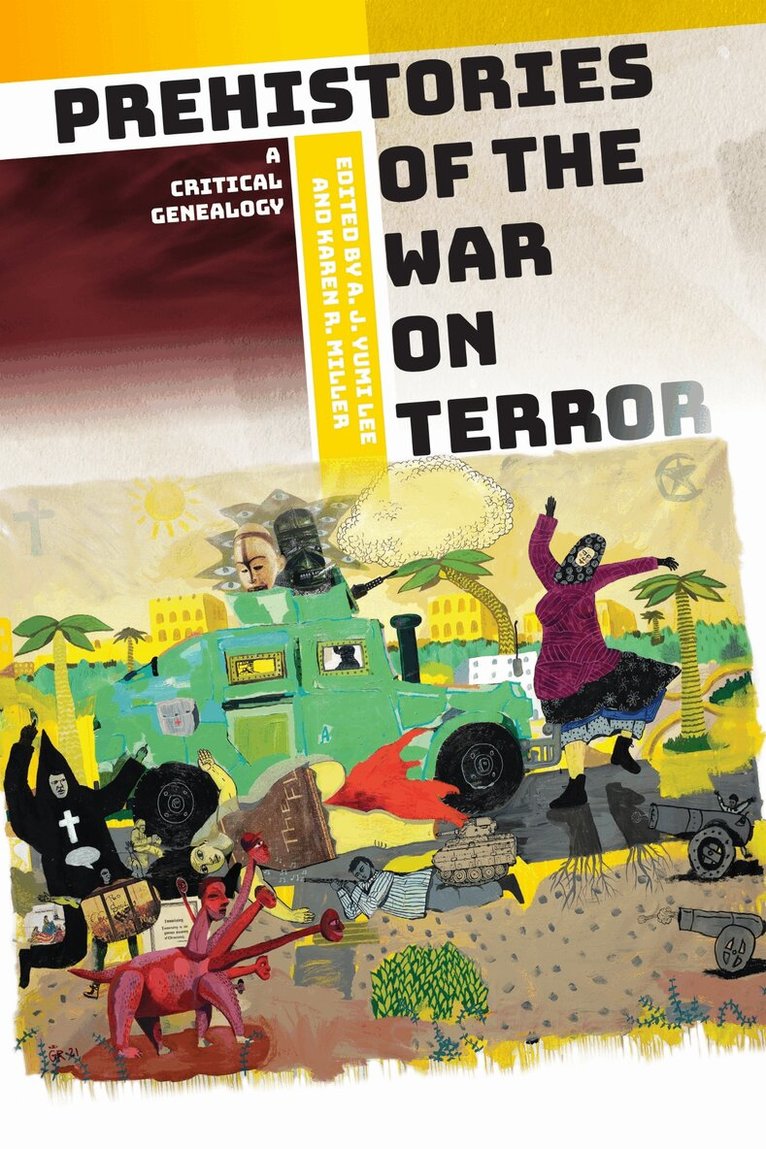
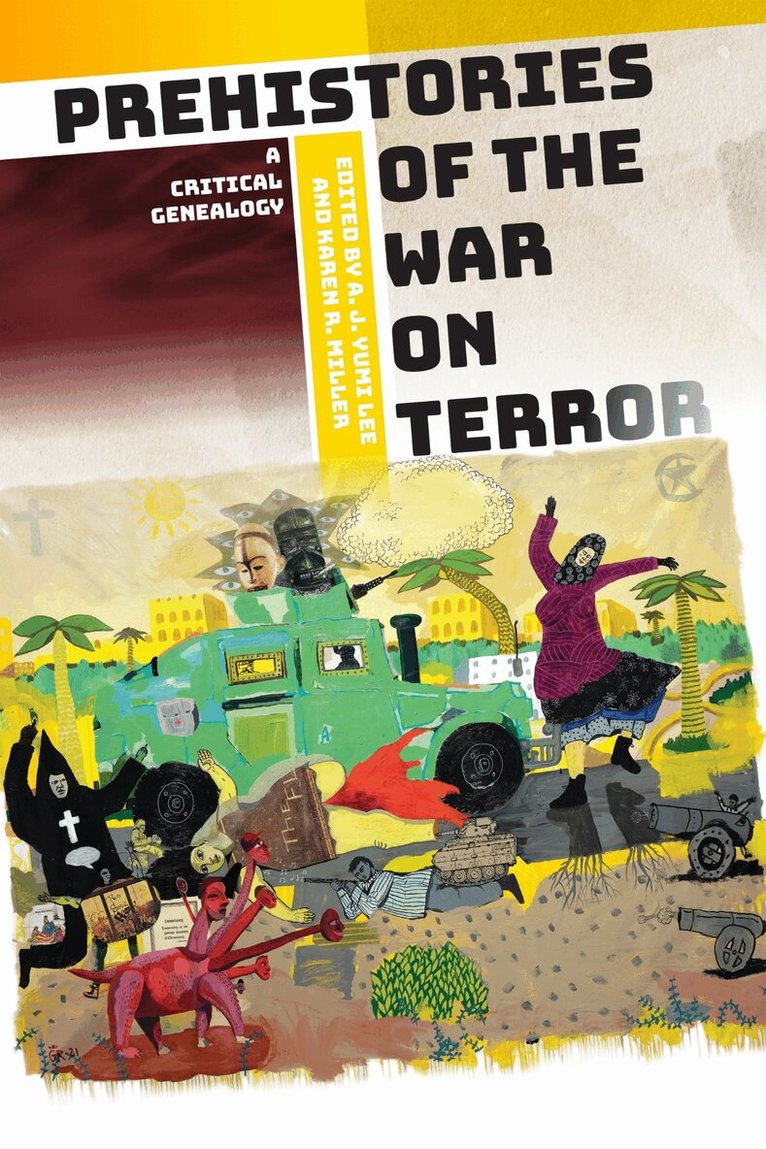
Reveals fundamental continuities between the contemporary War on Terror and earlier U.S. imperial conflictsPrehistories of the War on Terror examines the longstanding American project of classifying enemies who challenge U.S. power abroad as terrorists. To do so, the volume brings disparate episodes of U.S. military empire-building into dialogue across time and space. From settler colonial wars in the nineteenth-century American West to twentieth-century wars of conquest in Asia and the Pacific, the collection's essays argue that the United States has drawn both materially and ideologically on older systems of empire in the conflicts through which it has waged the present-day War on Terror.Attending to the local histories from which these conflicts emerged and examining the effects of U.S. intervention in these sites, contributors analyze the cultural frameworks for understanding and remembering past conflicts that confirm, challenge, or refigure the logics of the War on Terror. This volume reveals how contestations over sovereignty, extraction, and inequality must be suppressed and flattened in public discourse to maintain a coherent vision of a totalizing War on Terror. Together, the contributors illustrate that there was no single road that led to 9/11 or the War on Terror. Rather, they argue that we must follow multiple paths into the past to fully understand our present and to fight for a more just future.Contributors: Moustafa Bayoumi, Joo Ok Kim, Janne Lahti, A. J. Yumi Lee, Naveed Mansoori, Karen R. Miller, Kalyan Nadiminti, Tim Roberts, Colleen Woods.
Häftad, Engelska, 2025
314 kr
Skickas
How consumer and environmental activists became significant players in U.S. and world politicsAmid the mass protests of the 1960s, another, less heralded political force arose: public interest progressivism. Led by activists like Ralph Nader, organizations of lawyers and experts worked "inside the system." They confronted corporate power and helped win major consumer and environmental protections. By the late 1970s, some public interest groups moved beyond U.S. borders to challenge multinational corporations. This happened at the same time that neoliberalism, a politics of empowerment for big business, gained strength in the U.S. and around the world.No Globalization Without Representation is the story of how consumer and environmental activists became significant players in U.S. and world politics at the twentieth century's close. NGOs like Friends of the Earth and Public Citizen helped forge a progressive coalition that lobbied against the emerging neoliberal world order and in favor of what they called "fair globalization." From boycotting Nestlé in the 1970s to lobbying against NAFTA to the "Battle of Seattle" protests against the World Trade Organization in the 1990s, these groups have made a profound mark.This book tells their stories while showing how public interest groups helped ensure that a version of liberalism willing to challenge corporate power did not vanish from U.S. politics. Public interest groups believed that preserving liberalism at home meant confronting attempts to perpetuate conservative policies through global economic rules. No Globalization Without Representation also illuminates how professionalized organizations became such a critical part of liberal activism—and how that has affected the course of U.S. politics to the present day.
Inbunden, Engelska, 2025
509 kr
Skickas inom 10-15 vardagar
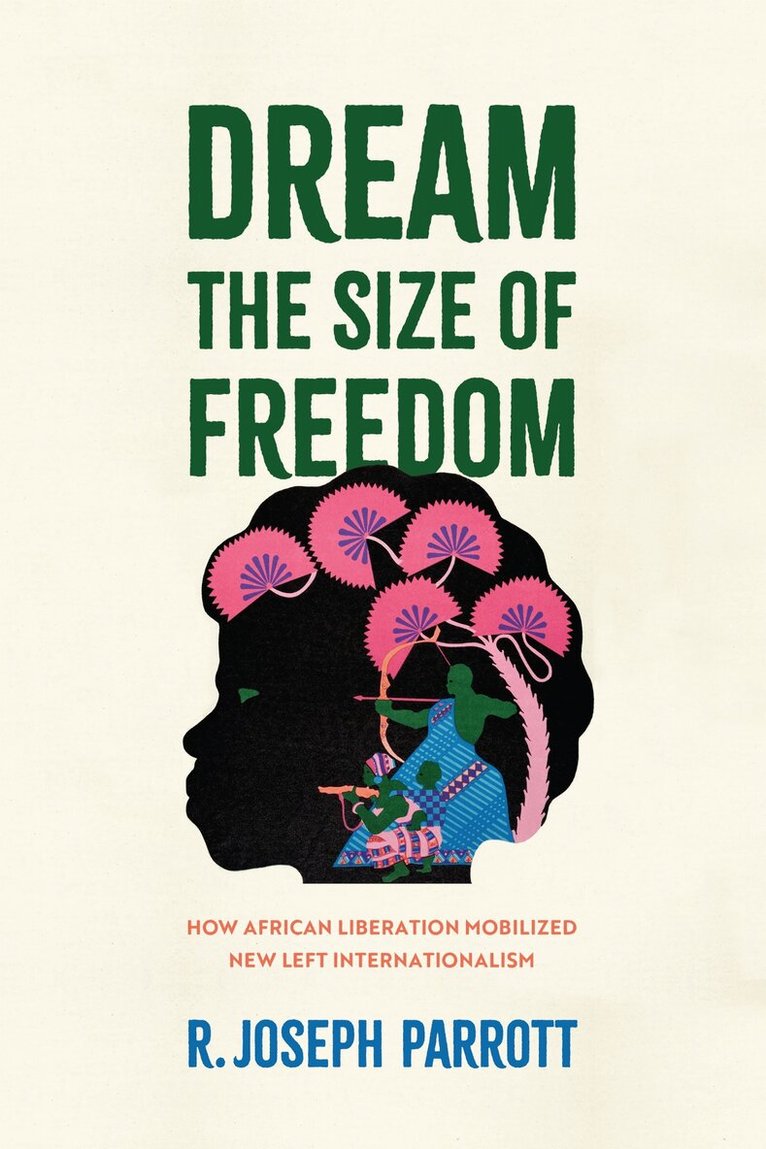
How anti-colonial movements in Angola, Mozambique, and Guinea-Bissau reshaped US activist engagement with the Global South from the 1960s through the 1970sDream the Size of Freedom explores how anti-colonial movements in Angola, Mozambique, and Guinea-Bissau reshaped US activist engagement with the Global South from the 1960s through the 1970s and influenced American foreign policy as the Vietnam War drew to a close. These Portuguese African liberation movements, led by nationalists like Eduardo Mondlane and Amílcar Cabral, built global solidarity networks to support their military and social challenges to empire while defending against Western intervention. US activists disillusioned with the Cold War came to see African self-determination as central to global campaigns for racial and economic justice. A broad coalition ranging from Black Power radicals to religious liberals mobilized against the North Atlantic alliance with Portugal. In the process, this grassroots movement helped define a New Left Internationalism that championed decentralized, multiracial organizing and a collaborative vision of US foreign policy to redress historic inequalities between Global North and South.Drawing on more than fifty oral histories and research in government and activist archives on three continents in English, Portuguese, French, and Afrikaans, R. Joseph Parrott reconstructs the transnational anti-imperial network that injected Global South priorities into US political debates. Popular protests and informational campaigns led to collaborations with legislators eager to constrain the powerful executive branch. In 1976, this grassroots-legislative alliance halted Gerald Ford's anti-communist intervention against the Soviet-backed government of newly independent Angola. This victory of New Left Internationalist ideas anticipated future anti-apartheid and Latin American peace movements while also fueling a conservative revival of Cold War containment. By exploring US engagement with the contested process of African decolonization, Dream the Size of Freedom highlights the origins of two contrasting visions of American foreign policy that defined debates over the country's proper role in the Global South into the 1990s.
Inbunden, Engelska, 2026
612 kr
Skickas inom 5-8 vardagar
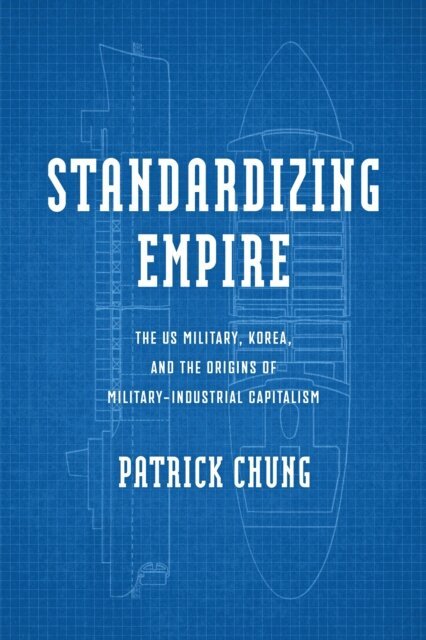
How the US military origins of global capitalism facilitated both South Korea's "economic miracle" and the decline of US industrial might The US military has become a ubiquitous part of modern economic life. The Cold War prompted the first permanent overseas deployment of US troops and the creation of a global network of US military bases. Today, US military facilities can be found in every US state and overseas territory, as well as in dozens of foreign countries. The creation of this empire of bases cost billions of dollars and required the cooperation of states, corporations, and workers from around the world. It also remade the US military into the world's most significant economic force.In Standardizing Empire, Patrick Chung examines the historical processes that led to the creation of the US military's astounding global footprint and reckons with the wide-ranging consequences of its globalization. Focusing on the Korean War and the subsequent militarization of South Korea, Chung traces how US military contracts came to influence the production of countless everyday items, such as cast-iron pipes and clothing, as well as a range of essential services, including transportation and construction. He deploys the term "military-industrial capitalism" to describe the new economic system centered on US military consumption.To illustrate the pervasive impact of military-industrial capitalism, Standardizing Empire charts the histories of three of the leading South Korean multinational corporations today: shipping company Hanjin, steelmaker POSCO, and car manufacturer Hyundai. These case studies depict the companies' early ties to the US military and explain how they came to produce, sell, and employ workers worldwide, including in the United States. Standardizing Empire explains not only how today's US-led capitalist world economy originated but also how the emergence of military-industrial capitalism facilitated both South Korea's "economic miracle" and the decline of US industrial might.
Inbunden, Engelska, 2026
612 kr
Skickas inom 5-8 vardagar
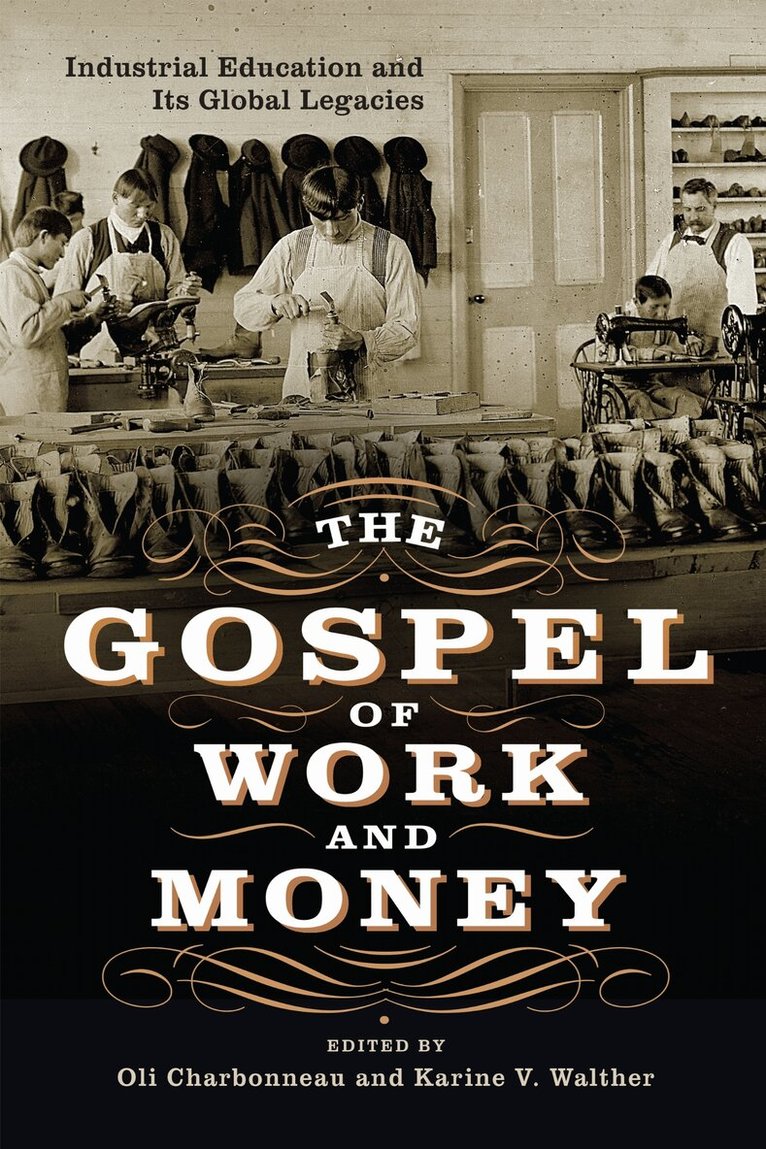
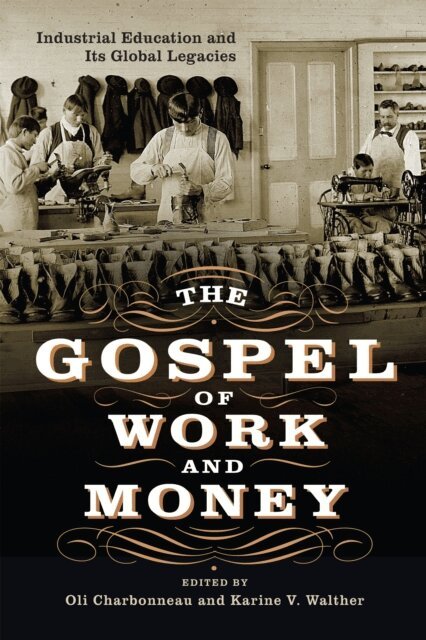
The first collection to explore forms of coercive labor education as connected global phenomena across modern history At its core, industrial education was a project of imperial modernity that sought to reform marginalized populations towards the extractive ends of empire and capital. Its architects and practitioners identified interlocked civilizational and financial benefits of these practices. Its classrooms were spaces where children and youth learned to labor in ways designed to transform them into pliant and mobile workers. Editors Oli Charbonneau and Karine V. Walther bring together scholars from multiple disciplines to explore the practices and legacies of industrial education across modern global history.The Gospel of Work and Money is the first collection to explore forms of coercive labor education as connected global phenomena across modern history and foreground the many ways that 'work' remains the primary pedagogical lens of capital in our present era. Contributors link practices of industrial and imperial modernity in the nineteenth and early twentieth centuries to a host of projects across an ostensibly decolonized world. A volume of critical histories, the book is a valuable resource for scholars and instructors of capitalism, empire, education, and labor.Contributors: Danya Al-Saleh, Lukas Allemann, Hossein Ayazi, Zahra Babar, Oli Charbonneau, Bronwen Everill, Mishal Khan, Arun Kumar, Janne Lahti, Dolf-Alexander Neuhaus, Sarah Steinbock-Pratt, Karine Walther, Helge Wendt, Christine Whyte.
Inbunden, Engelska, 2026
452 kr
Kommande
Inbunden, Engelska, 2026
613 kr
Kommande
Inbunden, Engelska, 2026
613 kr
Kommande