Anthropology of Kinship and the Family – serie
Visar alla böcker i serien Anthropology of Kinship and the Family. Handla med fri frakt och snabb leverans.
6 produkter
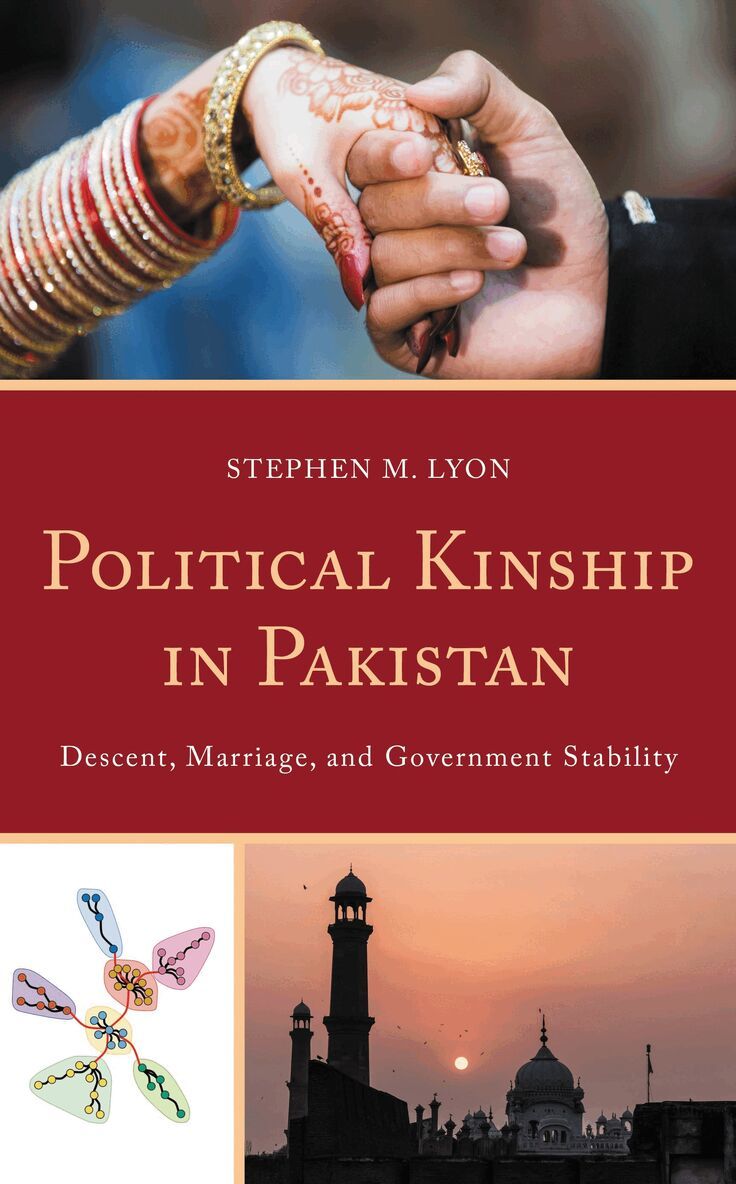
Political Kinship in Pakistan
Descent, Marriage, and Government Stability
Inbunden, 2019
1204 kr
Lägg i varukorg
In Political Kinship in Pakistan, Stephen M. Lyon illustrates how contemporary politics in Pakistan are built on complex kinship networks created through marriage and descent relations. Lyon points to kinship as a critical mechanism for understanding both Pakistan’s continued inability to develop …
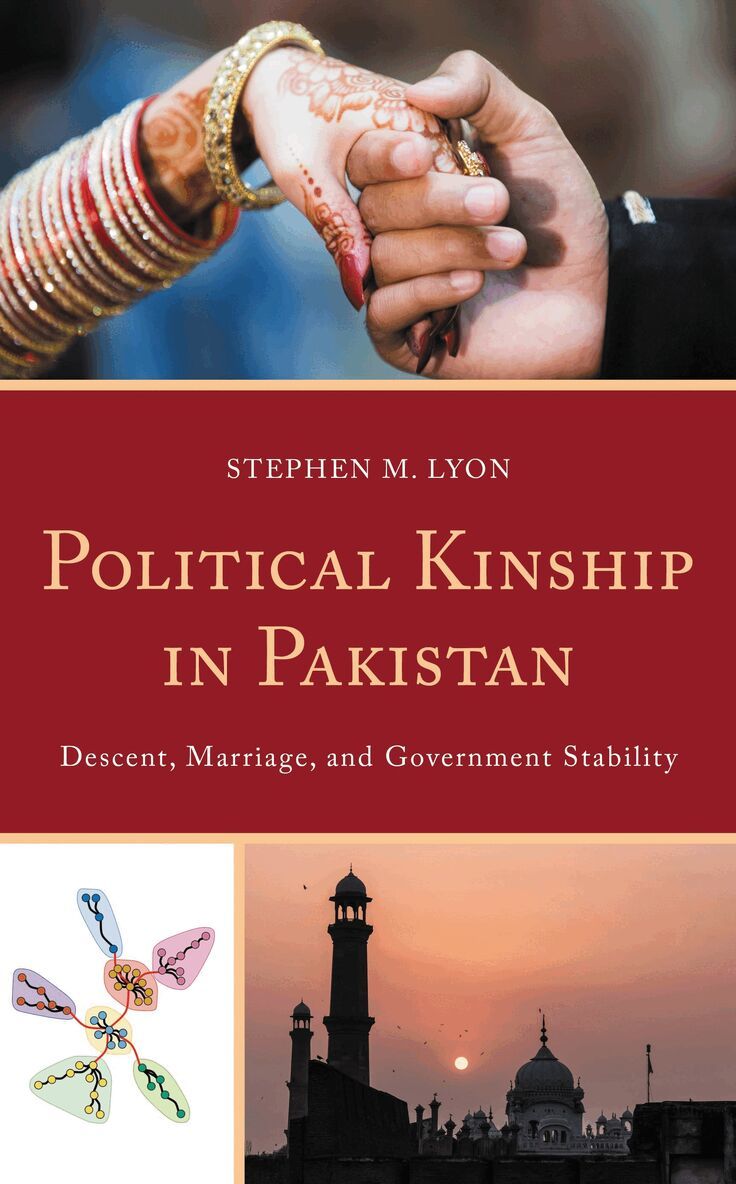
Political Kinship in Pakistan
Descent, Marriage, and Government Stability
Häftad, 2021
514 kr
Lägg i varukorg
In Political Kinship in Pakistan, Stephen M. Lyon illustrates how contemporary politics in Pakistan are built on complex kinship networks created through marriage and descent relations. Lyon points to kinship as a critical mechanism for understanding both Pakistan’s continued inability to develop …
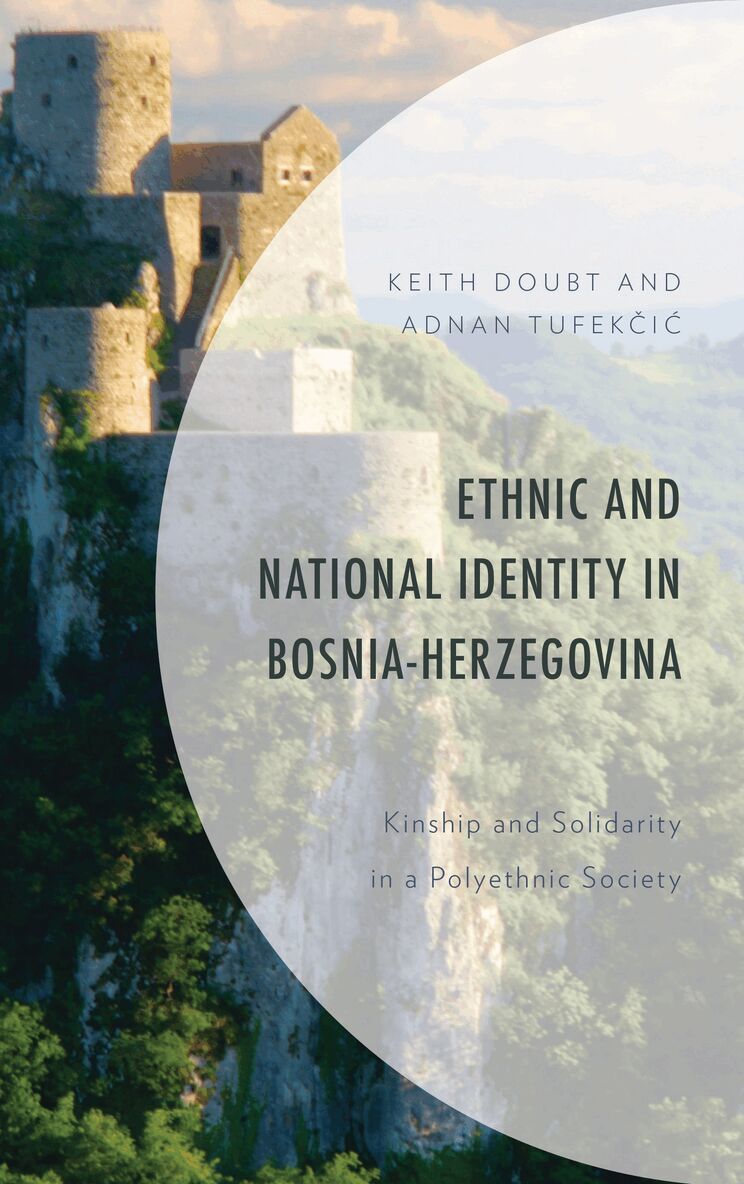
Ethnic and National Identity in Bosnia-Herzegovina
Kinship and Solidarity in a Polyethnic Society
Av Keith Doubt, Adnan Tufekcic
Inbunden, 2019
1134 kr
Lägg i varukorg
In Ethnic and National Identity in Bosnia-Herzegovina, Keith Doubt and Adnan Tufekcic analyze Bosnian social organization, cultural character, and boundary maintenance. Doubt and Tufekcic argue that modern Bosnians live in a polyethnic society, defined by a set of marriage and kinship practices …
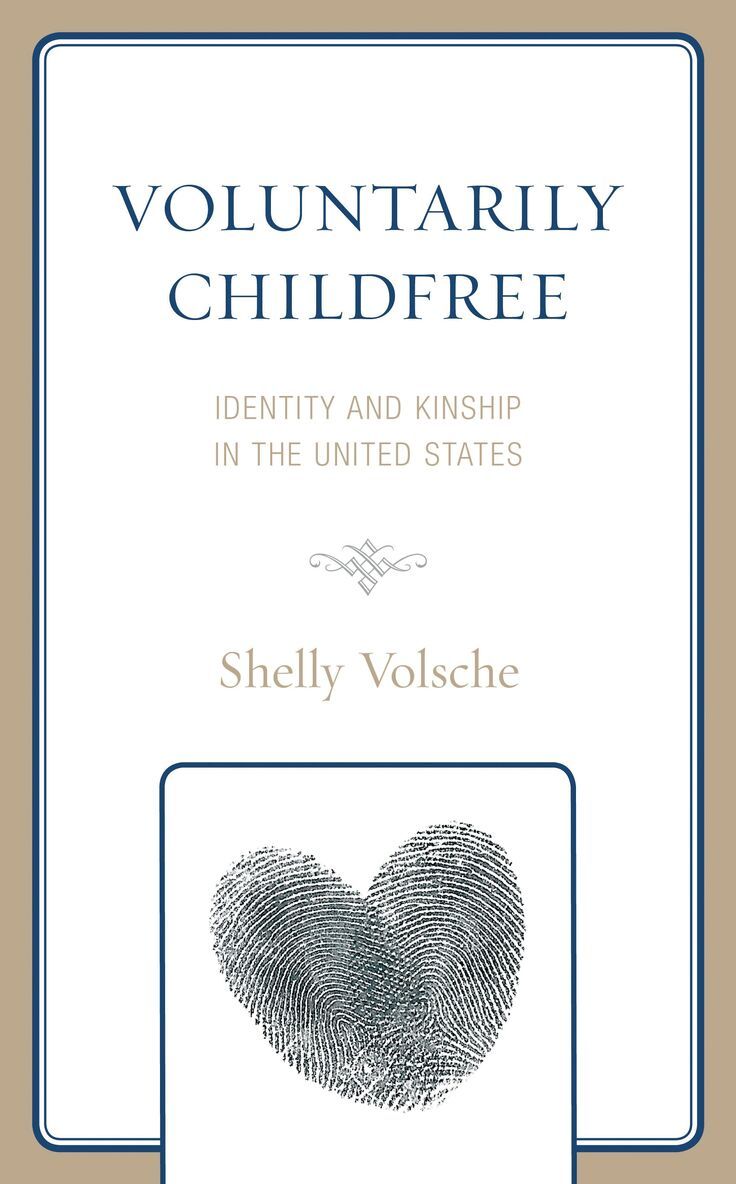
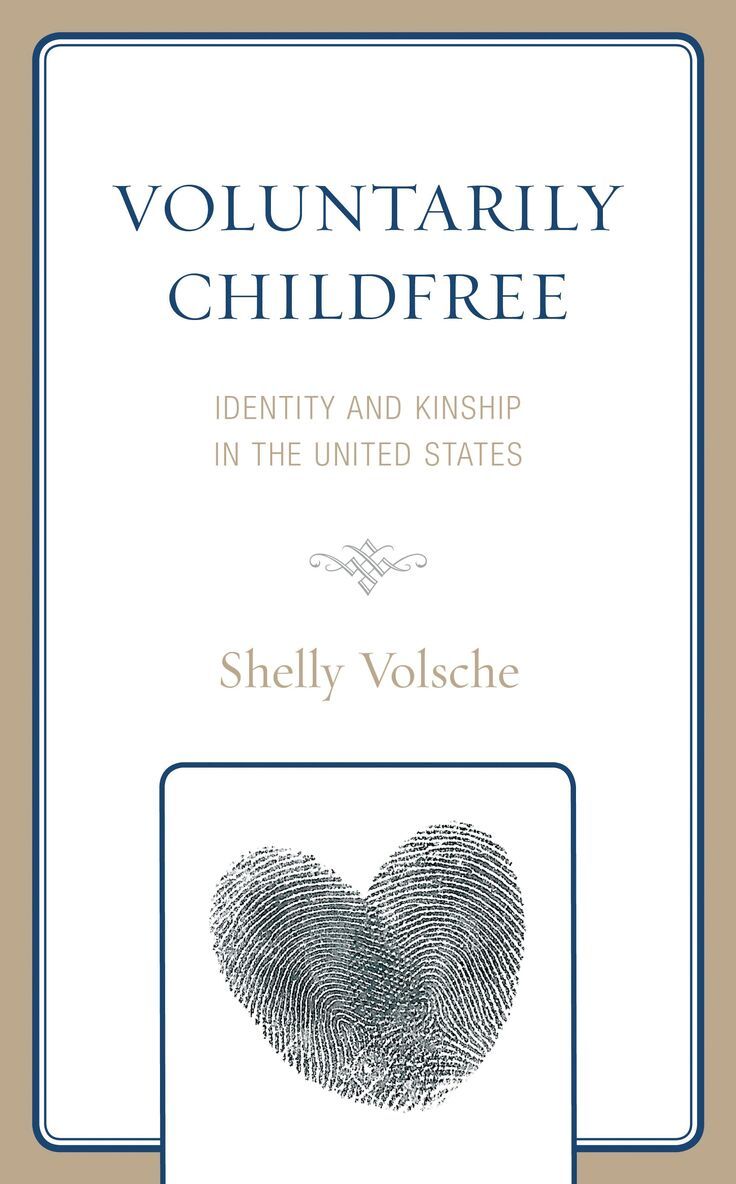
Voluntarily Childfree
Identity and Kinship in the United States
Inbunden, 2019
1204 kr
Lägg i varukorg
Voluntarily Childfree: Identity and Kinship in the United States discusses what it means to make a life worth living without traditional parenthood. Themes include authenticity and autonomy, partnership and support, fulfillment of the need to nurture, freedom of choice, and a desire to leave the …
Voluntarily Childfree
Identity and Kinship in the United States
Häftad, 2021
514 kr
Lägg i varukorg
Voluntarily Childfree: Identity and Kinship in the United States discusses what it means to make a life worth living without traditional parenthood. Themes include authenticity and autonomy, partnership and support, fulfillment of the need to nurture, freedom of choice, and a desire to leave the …
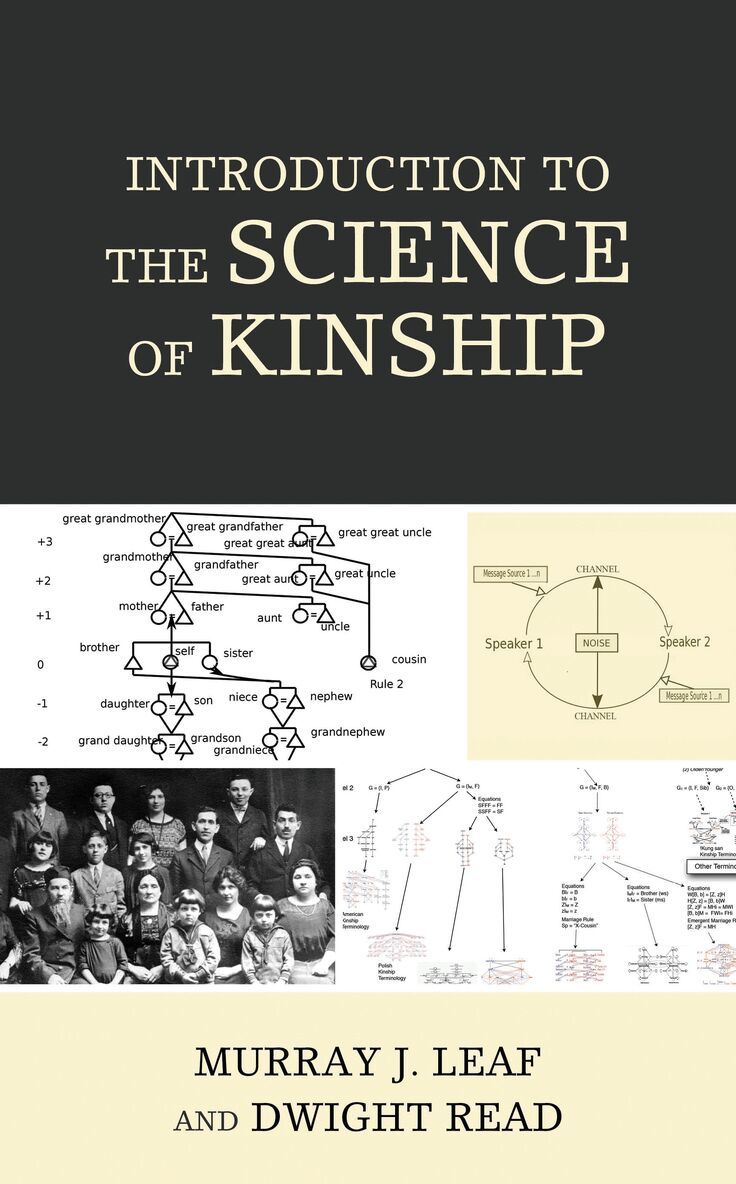
Introduction to the Science of Kinship
Av Murray J. Leaf, Dwight Read
Inbunden, 2020
1512 kr
Lägg i varukorg
In Introduction to the Science of Kinship, Murray J. Leaf and Dwight Read show how humans use specific systems of social ideas to organize their kinship relations and illustrate what this implies for the science of human social organization. Leaf and Read explain that every human society has …