Archaeology of Indigenous-Colonial Interactions in the Americas – serie
Visar alla böcker i serien Archaeology of Indigenous-Colonial Interactions in the Americas. Handla med fri frakt och snabb leverans.
12 produkter
12 produkter
Inbunden, Engelska, 2018
701 kr
Skickas inom 5-8 vardagar
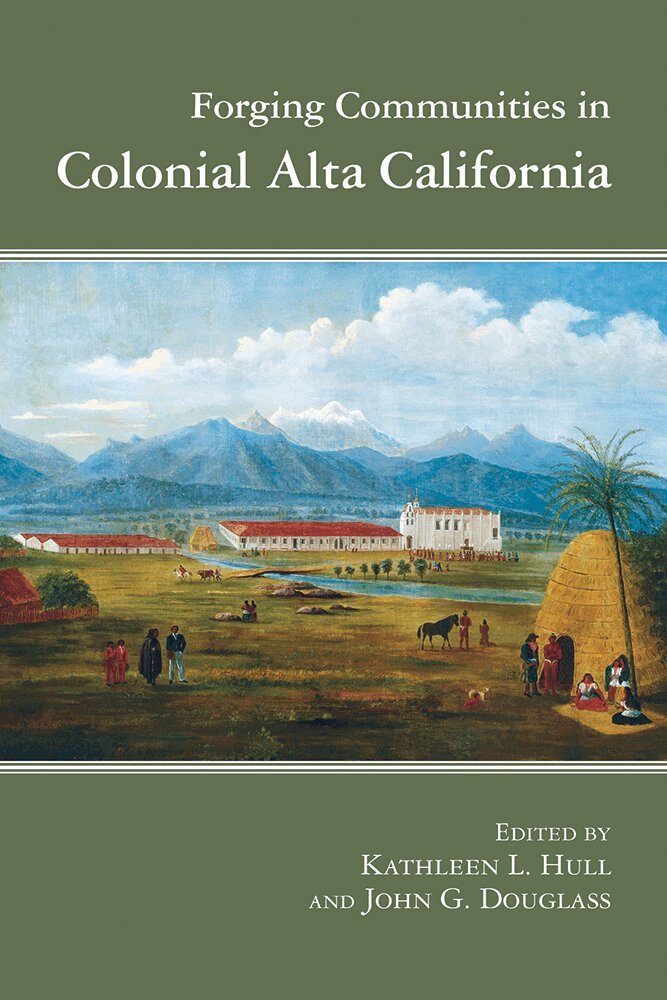
Between 1769 and 1834, an influx of Spanish, Russian, and then American colonists streamed into Alta California seeking new opportunities. Their arrival brought the imposition of foreign beliefs, practices, and constraints on Indigenous peoples. Forging Communities in Colonial Alta California reorients understandings of this dynamic period, which challenged both Native and non-Native people to reimagine communities not only in different places and spaces but also in novel forms and practices. The contributors draw on archaeological and historical archival sources to analyze the generative processes and nature of communities of belonging in the face of rapid demographic change and perceived or enforced difference. Contributors provide important historical background on the effects that colonialism, missions, and lives lived beyond mission walls had on Indigenous settlement, marriage patterns, trade, and interactions. They also show the agency with which Indigenous peoples make their own decisions as they construct and reconstruct their communities. With nine different case studies and an insightful epilogue, this book offers analyses that can be applied broadly across the Americas, deepening our understanding of colonialism and community.
Inbunden, Engelska, 2021
674 kr
Skickas inom 5-8 vardagar
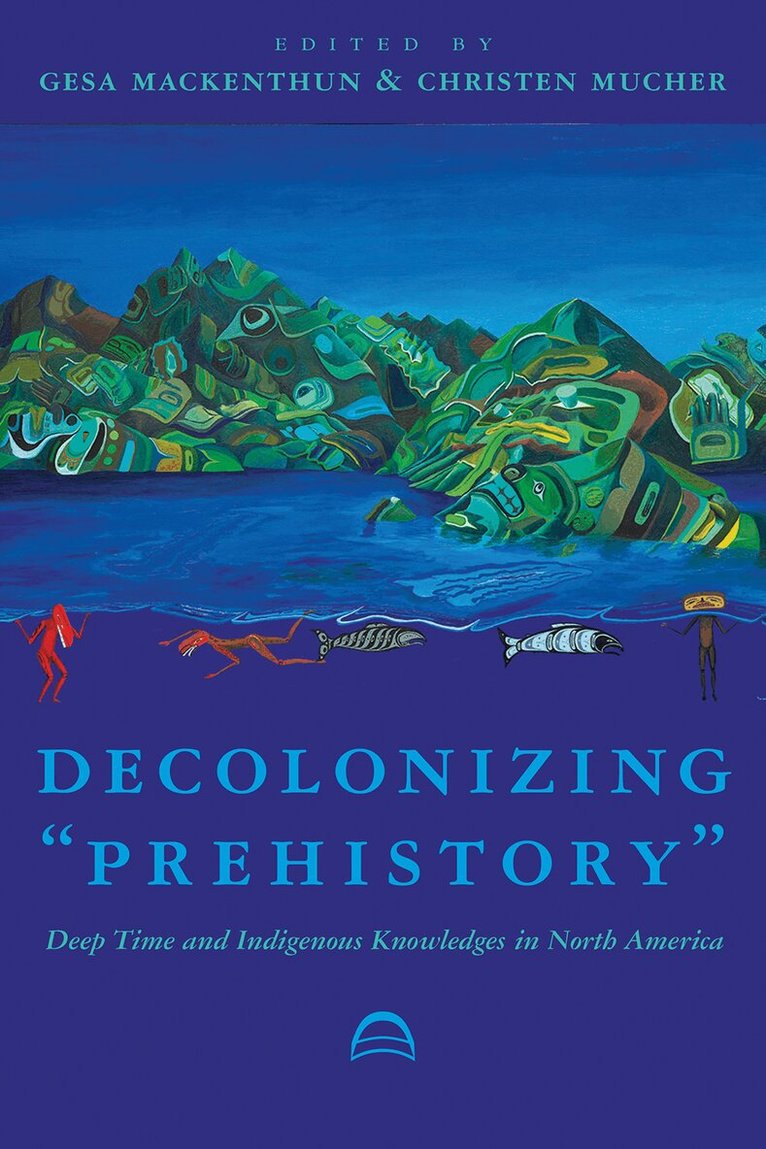
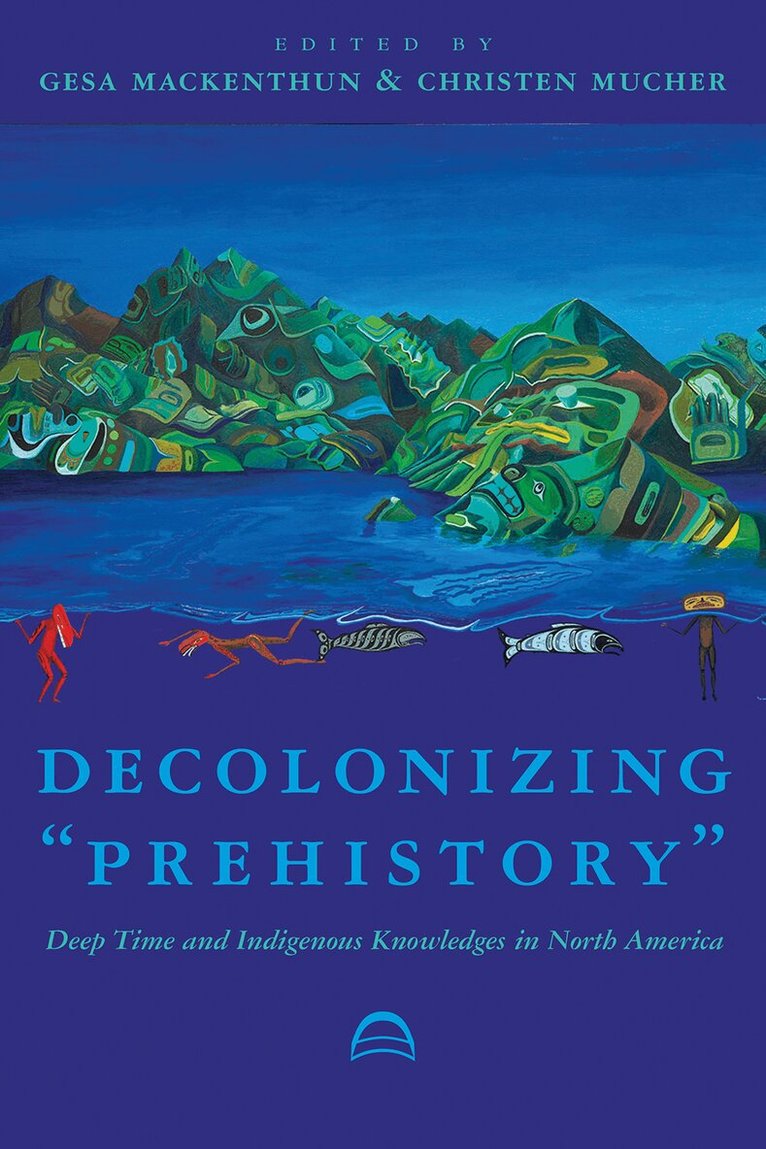
Decolonizing 'Prehistory' combines a critical investigation of the documentation of the American deep past with perspectives from Indigenous traditional knowledges and attention to ongoing systems of intellectual colonialism. Bringing together experts from American studies, archaeology, anthropology, legal studies, history, and literary studies, this interdisciplinary volume offers essential information about the complexity and ambivalence of colonial encounters with Indigenous peoples in North America, and their impact on American scientific discourse. The chapters in this book reveal how anthropology, archaeology, and cultural heritage have shaped the collective ideological construction of Indigenous cultures, while actively empowering the voices that disrupt conventional tropes and narratives of 'prehistory.'Constructions of America's ancient past - or the invention of American 'prehistory' - occur in national and international political frameworks, which are characterized by struggles over racial and ethnic identities, access to resources and environmental stewardship, the commodification of culture for touristic purposes, and the exploitation of Indigenous knowledges and histories by industries ranging from education to film and fashion. The past's ongoing appeal reveals the relevance of these narratives to current-day concerns about individual and collective identities and pursuits of sovereignty and self-determination, as well as to questions of the origin - and destiny - of humanity. Decolonizing 'Prehistory' critically examines and challenges the paradoxical role that modern scholarship plays in adding legitimacy to, but also delegitimizing, contemporary colonialist practices.Contributors: Rick Budhwa, Keith Thor Carlson, Kirsten Matoy Carlson, Jessica Christie, Philip J. Deloria, Melissa Gniadek, Annette Kolodny, Gesa Mackenthun, Christen Mucher, Naxaxalhts'i (aka Albert 'Sonny' McHalsie), Jeff Oliver, Mathieu Picas, Daniel Lord Smail, Coll Thrush
Häftad, Engelska, 2020
639 kr
Skickas inom 3-6 vardagar
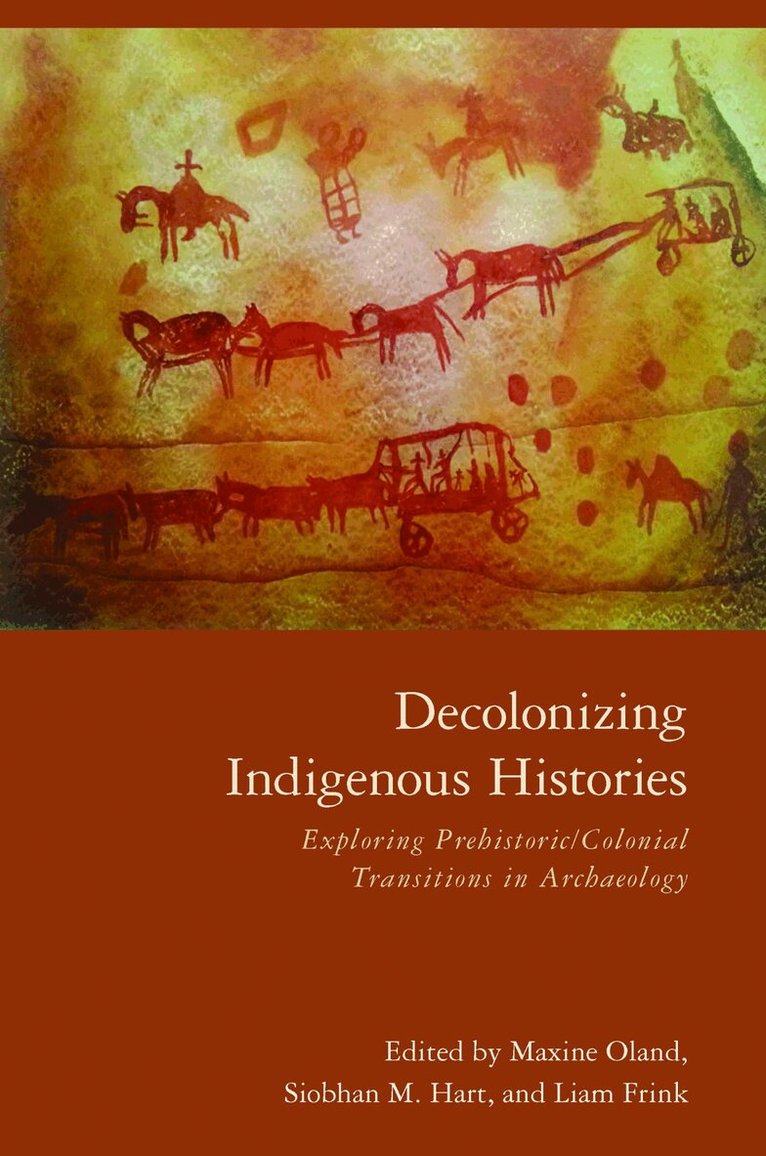
Decolonizing Indigenous Histories makes a vital contribution to the decolonization of archaeology by recasting colonialism within long-term indigenous histories. Showcasing case studies from Africa, Australia, Mesoamerica, and North and South America, this edited volume highlights the work of archaeologists who study indigenous peoples and histories at multiple scales.The contributors explore how the inclusion of indigenous histories, and collaboration with contemporary communities and scholars across the subfields of anthropology, can reframe archaeologies of colonialism. The cross-cultural case studies employ a broad range of methodological strategies-archaeology, ethnohistory, archival research, oral histories, and descendant perspectives-to better appreciate processes of colonialism. The authors argue that these more complicated histories of colonialism contribute not only to understandings of past contexts but also to contemporary social justice projects.In each chapter, authors move beyond an academic artifice of 'prehistoric' and 'colonial' and instead focus on longer sequences of indigenous histories to better understand colonial contexts. Throughout, each author explores and clarifies the complexities of indigenous daily practices that shape, and are shaped by, long-term indigenous and local histories by employing an array of theoretical tools, including theories of practice, agency, materiality, and temporality.Included are larger integrative chapters by Kent Lightfoot and Patricia Rubertone, foremost North American colonialism scholars who argue that an expanded global perspective is essential to understanding processes of indigenous-colonial interactions and transitions.
Häftad, Engelska, 2021
352 kr
Skickas inom 11-20 vardagar
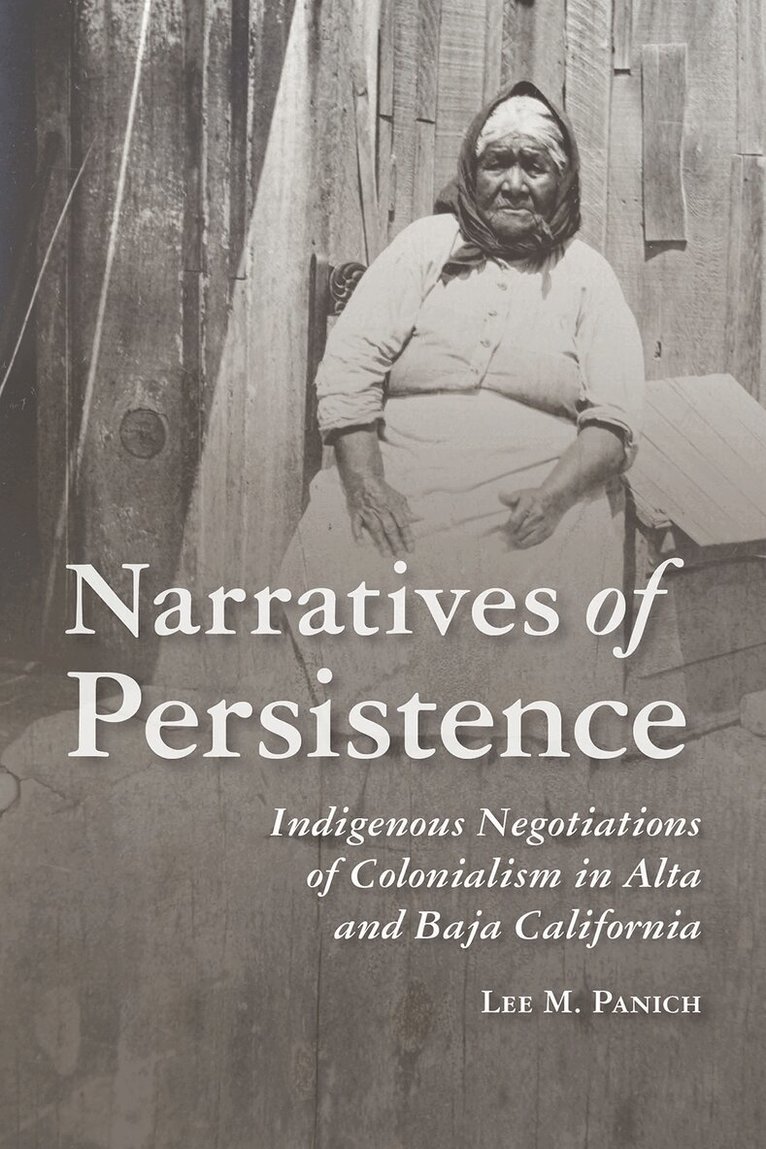
The Ohlone of the San Francisco Bay area and the Paipai of northern Baja California occupy opposite ends of the spectrum of Native Californian identities. Or so it would appear. While the Ohlone lack popular recognition and official acknowledgement from the United States government, the Paipai occupy a large reserve and celebrate their ongoing cultural traditions throughout Baja California and southern California. Yet the two groups share a similar colonial history: entanglements with early European explorers, labor and enculturation at Spanish missions, and sustained interactions with American and Mexican settler colonialism.Based on fifteen years of archaeological and historical research in the two regions, Narratives of Persistence charts the remarkable persistence of the Ohlone and Paipai alongside a synthesis of Native Californian endurance over the past five centuries. As the case studies demonstrate, Ohlone and Paipai people made intelligent and culturally appropriate choices to cope with the impact of colonialism on their communities, even as they took different pathways to the present day.Lee M. Panich illustrates how changes in Native identity and practice within these colonial contexts were made to best conduct the groups’ lives within shifting sets of colonial constraints. He draws connections between the events and processes of the deeper past and the way the Ohlone and Paipai today understand their own histories and identities, offering a model for how scholars of Indigenous histories may think about the connections between the past and the present.
Häftad, Engelska, 2021
396 kr
Skickas inom 5-8 vardagar
Decolonizing “Prehistory” combines a critical investigation of the documentation of the American deep past with perspectives from Indigenous traditional knowledges and attention to ongoing systems of intellectual colonialism. Bringing together experts from American studies, archaeology, anthropology, legal studies, history, and literary studies, this interdisciplinary volume offers essential information about the complexity and ambivalence of colonial encounters with Indigenous peoples in North America, and their impact on American scientific discourse. The chapters in this book reveal how anthropology, archaeology, and cultural heritage have shaped the collective ideological construction of Indigenous cultures, while actively empowering the voices that disrupt conventional tropes and narratives of “prehistory.”Constructions of America’s ancient past—or the invention of American “prehistory”—occur in national and international political frameworks, which are characterized by struggles over racial and ethnic identities, access to resources and environmental stewardship, the commodification of culture for touristic purposes, and the exploitation of Indigenous knowledges and histories by industries ranging from education to film and fashion. The past’s ongoing appeal reveals the relevance of these narratives to current-day concerns about individual and collective identities and pursuits of sovereignty and self-determination, as well as to questions of the origin—and destiny—of humanity. Decolonizing “Prehistory” critically examines and challenges the paradoxical role that modern scholarship plays in adding legitimacy to, but also delegitimizing, contemporary colonialist practices.Contributors: Rick Budhwa, Keith Thor Carlson, Kirsten Matoy Carlson, Jessica Christie, Philip J. Deloria, Melissa Gniadek, Annette Kolodny, Gesa Mackenthun, Christen Mucher, Naxaxalhts’i (aka Sonny McHalsie), Jeff Oliver, Mathieu Picas, Daniel Lord Smail, Coll Thrush
Häftad, Engelska, 2022
314 kr
Skickas inom 11-20 vardagar
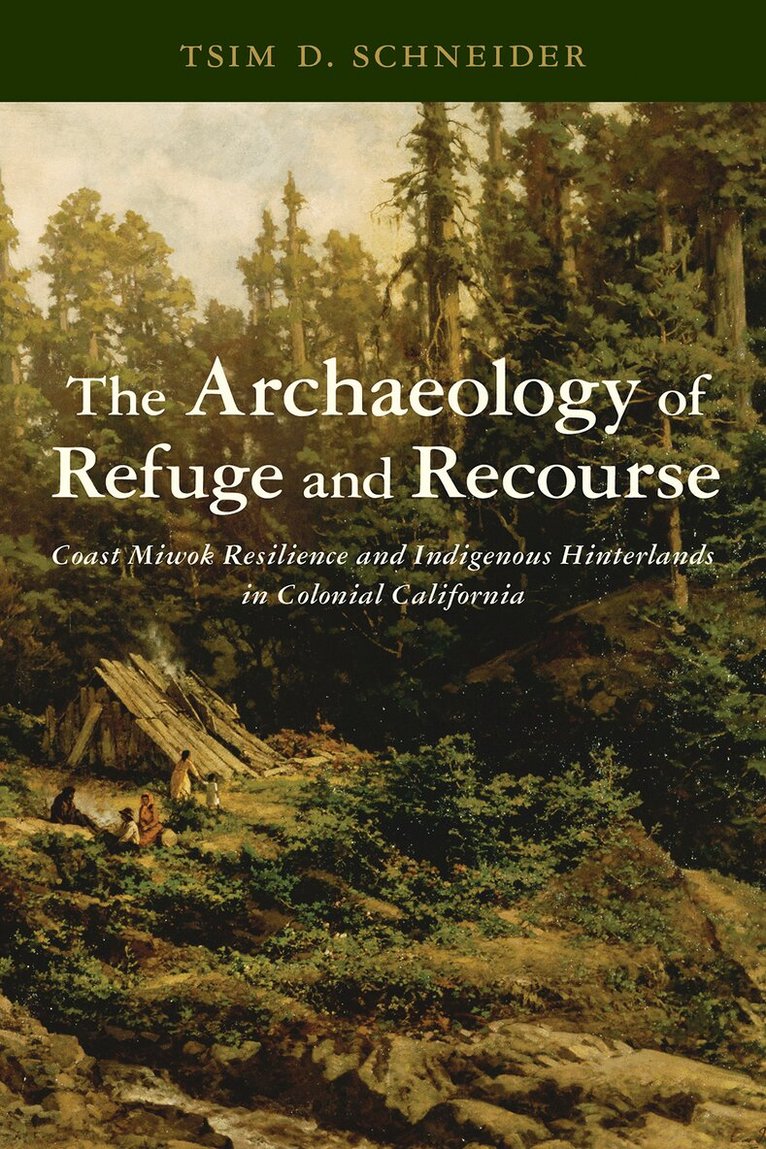
The Archaeology of Refuge and Recourse explores the dual practices of refuge and recourse among Indigenous peoples of California. From the eighteenth to the twentieth century, Indigenous Coast Miwok communities in California persisted throughout multiple waves of colonial intrusion. But to what ends?Applying theories of place and landscape, social memory, and mobility to the analysis of six archaeological sites, Tsim D. Schneider argues for a new direction in the archaeology of colonialism. This book offers insight about the critical and ongoing relationships Indigenous people maintained to their homelands despite colonization and systematic destruction of their cultural sites.Schneider is a citizen of the Federated Indians of Graton Rancheria, the sovereign and federally recognized tribe of Coast Miwok and Southern Pomo people whose ancestral homelands and homewaters are the central focus of The Archaeology of Refuge and Recourse. Viewing this colonial narrative from an Indigenous perspective, Schneider focuses on the nearly one quarter of Coast Miwok people who survived the missions and created outlets within and beyond colonial settlements to resist and endure colonialism.Fleeing these colonial missions and other establishments and taking refuge around the San Francisco Bay Area, Coast Miwok people sought to protect their identities by remaining connected to culturally and historically significant places. Mobility and a sense of place further enabled Coast Miwok people to find recourse and make decisions about their future through selective participation in colonial projects. In this book, Tsim D. Schneider argues that these distancing and familiarizing efforts contribute to the resilience of Coast Miwok communities and a sense of relevance and belonging to stolen lands and waters. Facing death, violence, and the pervading uncertainty of change, Indigenous people of the Marin Peninsula balanced the pull and persistence of place against the unknown possibilities of a dynamic colonial landscape and the forward-thinking required to survive. History, change, and the future can be read in the story of Coast Miwok people.
Inbunden, Engelska, 2026
833 kr
Skickas
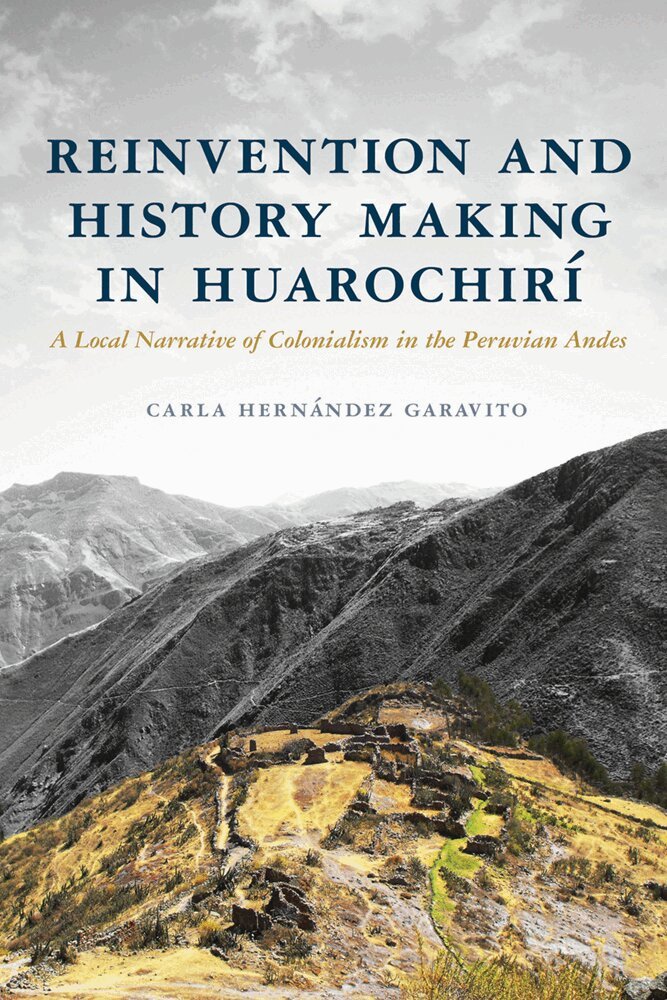
Within just two generations, communities in the Peruvian Andes experienced conquest by the Indigenous Inka Empire (1450–1532 CE) and the European Spanish (1532–1821 CE), leading to three centuries of colonial subjugation. Reinvention and History Making in Huarochirí is an archaeological and historical rendering of the experience of the people of Huarochirí (Lima, Peru) and their interactions with successive waves of colonialism. Using archaeological and historical datasets and spatial modeling, this book centers on local memory and experience throughout colonized landscapes as the thread that connects the long history of Indigenous engagement with expanding colonial empires and the emergent Peruvian nation. The author builds on Andean epistemological frameworks to argue that in the face of drastic sociopolitical changes, the people of HuarochirÍ turned to their own history. They created analogies and shared spaces between local and Inka landscapes and materiality and incorporated written representations and ideas of settled lives to validate their claims. This exciting new work moves the field of Andean archaeology into conversations with decolonial and decolonizing methodologies and shows how Indigenous communities captured and made sense of their long history, reframing colonialism as a local experience.
Inbunden, Engelska, 2024
840 kr
Skickas inom 5-8 vardagar
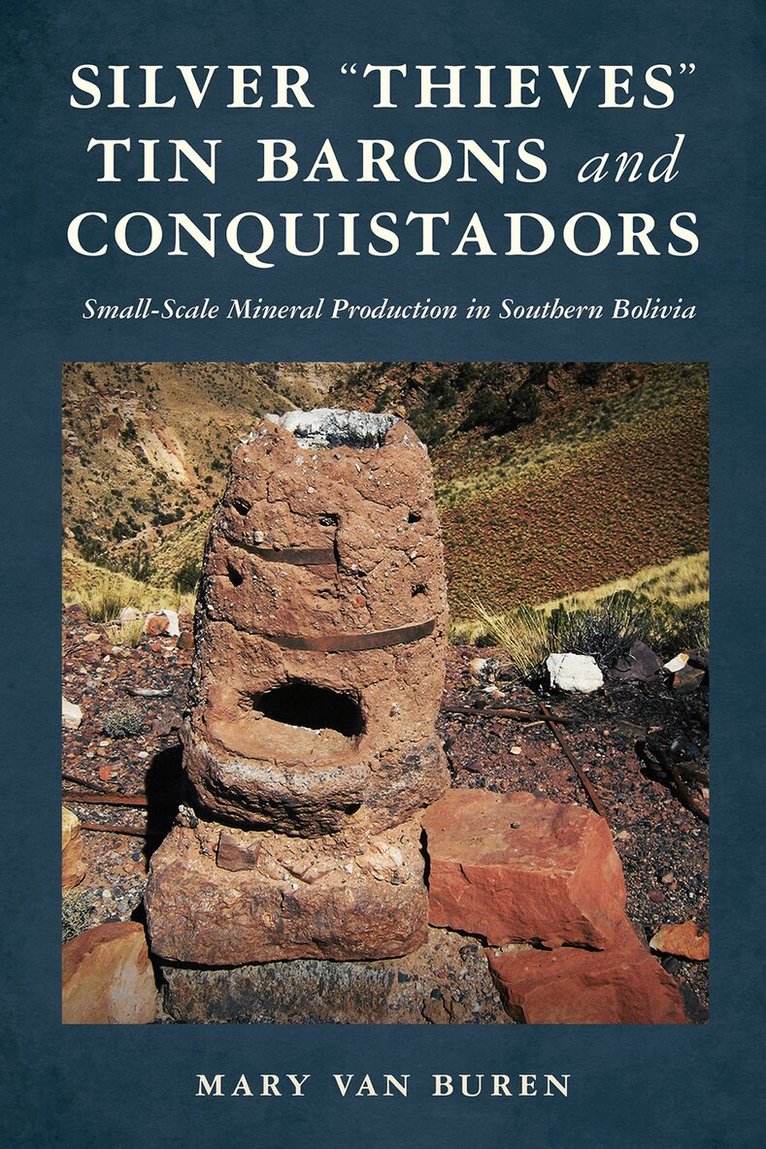
The Spanish conquest of Peru was motivated by the quest for precious metals, a search that resulted in the discovery of massive silver deposits in what is now southern Bolivia. The enormous flow of specie into the world economy is usually attributed to the Spanish imposition of a forced labor system on the Indigenous population as well as the introduction of European technology. This narrative omits the role played by thousands of independent miners, often working illegally, who at different points in history generated up to 30 percent of the silver produced in the region. In this work, Mary Van Buren examines the long-term history of these workers, the technology they used, and their relationship to successive large-scale mining.The methods of historian Bertell Ollman, particularly a dialectical approach and “doing history backwards,” are used to examine small-scale mineral production in Porco, Bolivia. The research is based on nine seasons of archaeological fieldwork and historical research, with a particular focus on labor and technology. Van Buren argues that artisanal mineral production must be understood in relation to large-scale mining rather than as a traditional practice and that the Bolivian case is a culturally specific instantiation of a broader economic phenomenon that began under colonial regimes.
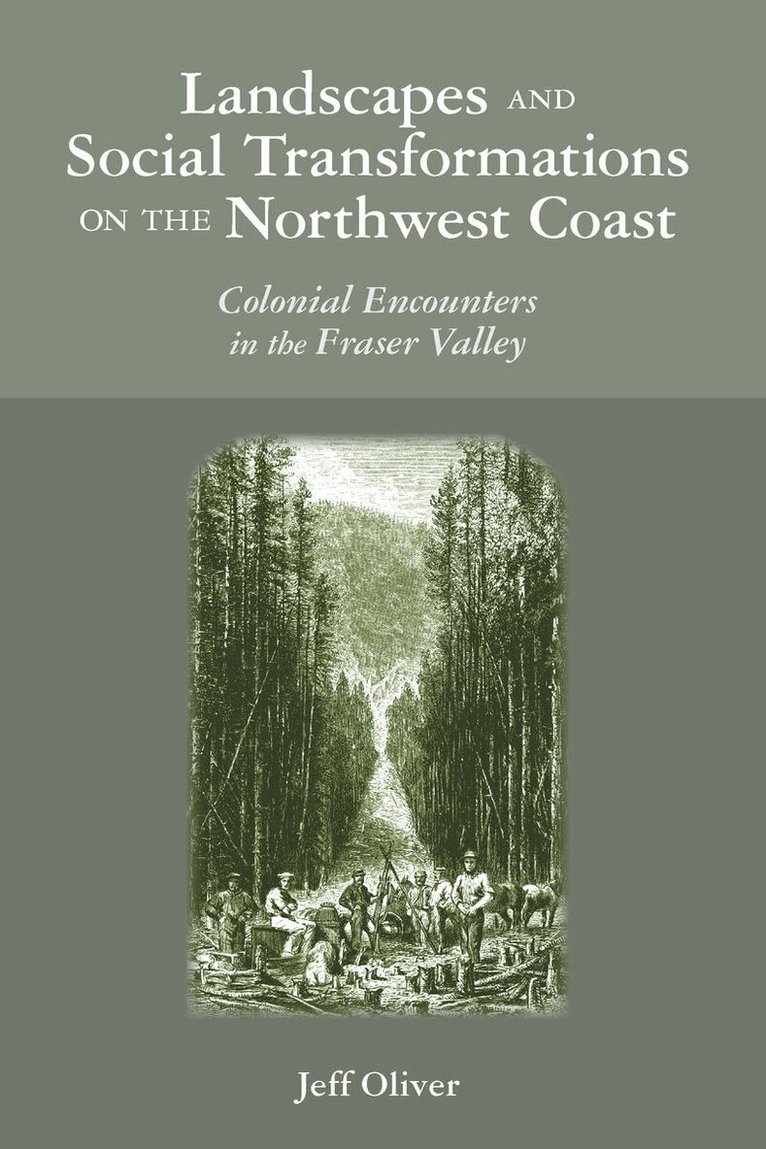
Landscapes and Social Transformations on the Northwest Coast
Colonial Encounters in the Fraser Valley
Häftad, Engelska, 2023
396 kr
Skickas inom 5-8 vardagar
The Fraser Valley in British Columbia has been viewed historically as a typical setting of Indigenous-white interaction. Jeff Oliver now reexamines the social history of this region from pre-contact to the violent upheavals of nineteenth and early twentieth century colonialism to argue that the dominant discourses of progress and colonialism often mask the real social and physical process of change that occurred here—change that can be more meaningfully tied to transformations in the land.The Fraser Valley has long been a scene of natural resource appropriation—furs and fish, timber and agriculture—with settlement patterns and land claims centering on the use of these materials. Oliver demonstrates how social change and cultural understanding are tied to the way that people use and remake the landscape. Drawing on ethnographic texts, archaeological evidence, cartography, and historical writing, he has created a deep history of the valley that enables us to view how human entanglements with landscape were creative of a variety of contentious issues. By capturing the multiple dynamics that were operating in the past, Oliver shows us not only how landscape transformations were implicated in constructing different perceptions of place but also how such changes influenced peoples’ understanding of history and identity.This groundbreaking work examines engagement between people and the environment across a variety of themes, from aboriginal appropriation of nature to colonists’ reworking of physical and conceptual geographies, demonstrating the consequences of these interactions as they permeated various social and cultural spheres. It offers a new lens for viewing a region as it provides fresh insight into such topics as landscape change, perceptions of place, and Indigenous-white relations.
Häftad, Engelska, 2025
299 kr
Skickas inom 5-8 vardagar
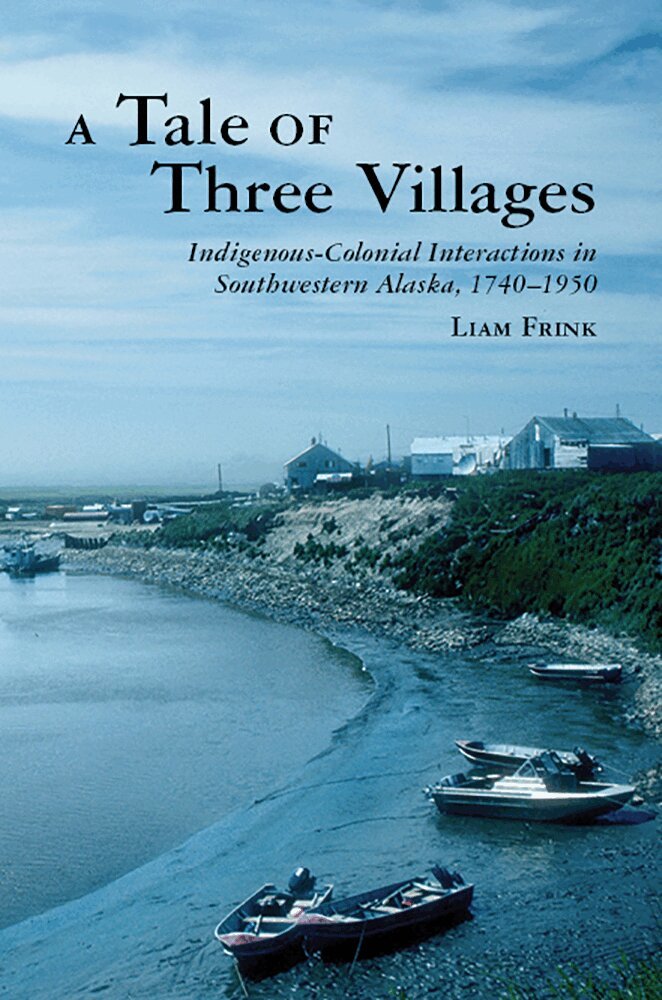
People are often able to identify change agents. They can estimate possible economic and social transitions, and they are often in an economic or social position to make calculated- sometimes risky- choices. Exploring this dynamic, A Tale of Three Villages is an investigation of culture change among the Yup'ik Eskimo people of the southwestern Alaskan coast from just prior to the time of Russian and Euro-North American contact to the mid-twentieth century.Liam Frink focuses on three indigenous-colonial events along the southwestern Alaskan coast: the late precolonial end of warfare and raiding, the commodification of subsistence that followed, and, finally, the engagement with institutional religion. Frink's innovative interdisciplinary methodology respectfully and creatively investigates the spatial and material past, using archaeological, ethnoecological, and archival sources.The author's narrative journey tracks the histories of three villages ancestrally linked to Chevak, a contemporary Alaskan Native community: Qavinaq, a prehistoric village at the precipice of colonial interactions and devastated by regional warfare Kashunak, where people lived during the infancy and growth of the commercial market and colonial religion and Old Chevak, a briefly occupied 'stepping-stone' village inhabited just prior to modern Chevak. The archaeological spatial data from the sites are blended with ethnohistoric documents, local oral histories, eyewitness accounts of people who lived at two of the villages, and Frink's nearly two decades of participant-observation in the region.Frink provides a model for work that examines interfaces among indigenous women and men, old and young, demonstrating that it is as important as understanding their interactions with colonizers. He demonstrates that in order to understand colonial history, we must actively incorporate indigenous people as actors, not merely as reactors.
Häftad, Engelska, 2025
382 kr
Skickas inom 5-8 vardagar
The Spanish conquest of Peru was motivated by the quest for precious metals, a search that resulted in the discovery of massive silver deposits in what is now southern Bolivia. The enormous flow of specie into the world economy is usually attributed to the Spanish imposition of a forced labor system on the Indigenous population as well as the introduction of European technology. This narrative omits the role played by thousands of independent miners, often working illegally, who at different points in history generated up to 30 percent of the silver produced in the region. In this work, Mary Van Buren examines the long-term history of these workers, the technology they used, and their relationship to successive large-scale mining. The methods of historian Bertell Ollman, particularly a dialectical approach and “doing history backwards,” are used to examine small-scale mineral production in Porco, Bolivia. The research is based on nine seasons of archaeological fieldwork and historical research, with a particular focus on labor and technology. Van Buren argues that artisanal mineral production must be understood in relation to large-scale mining rather than as a traditional practice and that the Bolivian case is a culturally specific instantiation of a broader economic phenomenon that began under colonial regimes.
Häftad, Engelska, 2026
378 kr
Kommande
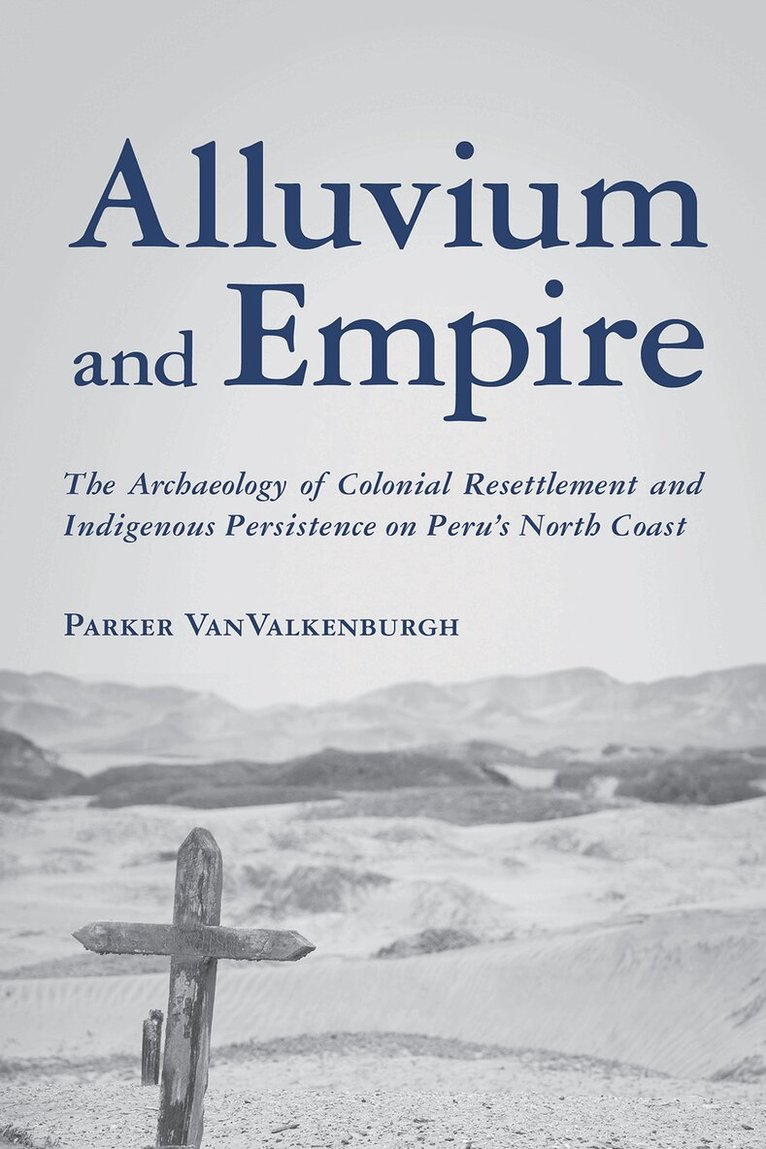
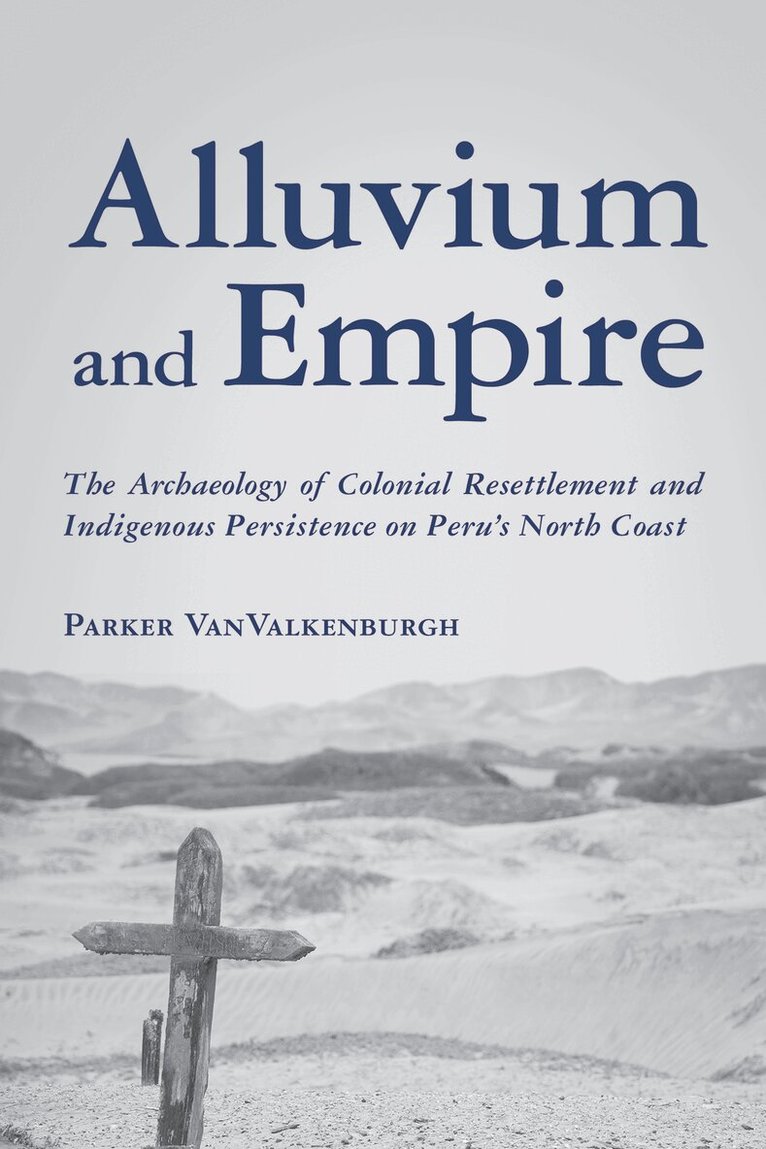
Alluvium and Empire uncovers the stories of Indigenous people who were subject to one of the largest waves of forced resettlement in human history, the ReducciÓn General. In 1569, Spanish administrators attempted to move at least 1.4 million Indigenous people into a series of planned towns called reducciones, with the goal of reshaping their households, communities, and religious practices. However, in northern Peru’s Zaña Valley, this process failed to go as the Spanish had planned. In Alluvium and Empire, Parker VanValkenburgh explores both the short-term processes and long-term legacies of Indigenous resettlement in this region, drawing particular attention to the formation of complex relationships between Indigenous communities, imperial institutions, and the dynamic environments of Peru’s north coast. The volume draws on nearly ten years of field and archival research to craft a nuanced account of the ReducciÓn General and its aftermath. Written at the intersections of history and archaeology, Alluvium and Empire at once bears witness to the violence of Spanish colonization and highlights Indigenous resilience in the aftermath of resettlement. In the process, VanValkenburgh critiques previous approaches to the study of empire and models a genealogical approach that attends to the open-ended—and often unpredictable—ways in which empires take shape.