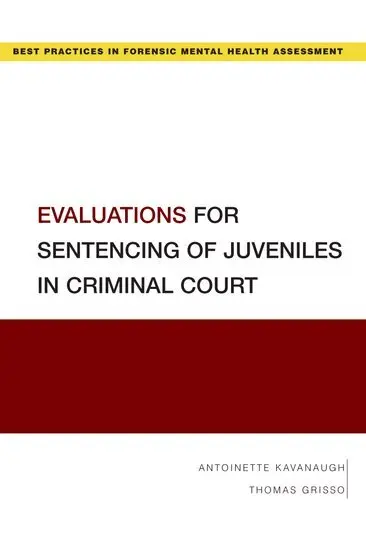
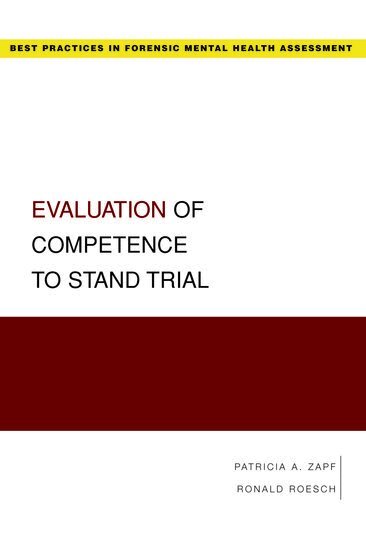
Best Practices in Forensic Mental Health Assessments – Serie
Visar alla böcker i serien Best Practices in Forensic Mental Health Assessments. Handla med fri frakt och snabb leverans.
6 produkter
6 produkter
543 kr
Skickas inom 5-8 vardagar
Forensic mental health assessment (FMHA) has grown into a specialization informed by research and professional guidelines. This series presents up-to-date information on the most important and frequently conducted forms of FMHA. The 21 topical volumes address best approaches to practice for particular types of evaluation in the criminal, civil and juvenile/family areas. Each volume contains a thorough discussion of the relevant legal and psychological concepts, followed by a step-by-step description of the assessment process from preparing for the evaluation to writing the report and testifying in court.Volumes include the following helpful features:- Boxes that zero in on important information for use in evaluations- Tips for best practice and cautions against common pitfalls- Highlighting of relevant case law and statutes- Separate list of assessment tools for easy reference- Helpful glossary of key terms for the particular topicIn making recommendations for best practice, authors consider empirical support, legal relevance, and consistency with ethical and professional standards. These volumes offer invaluable guidance for anyone involved in conducting or using forensic evaluations.
624 kr
Skickas inom 5-8 vardagar
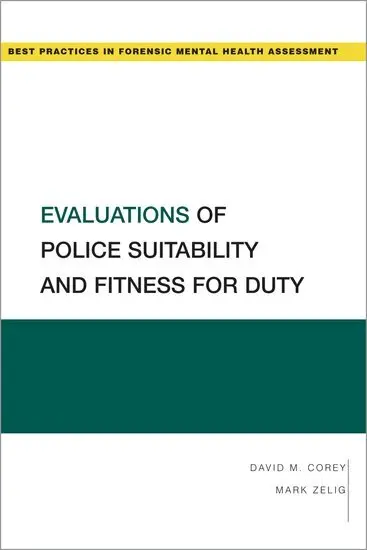
Forensic mental health assessment (FMHA) has grown into a specialization informed by research and professional guidelines. This series presents up-to-date information on the most important and frequently conducted forms of FMHA. The 20 topical volumes address best approaches to practice for particular types of evaluation in the criminal, civil and juvenile/family areas. Each volume contains a thorough discussion of the relevant legal and psychological concepts, followed by a step-by-step description of the assessment process from preparing for the evaluation to writing the report and testifying in court.Volumes include the following helpful features:- Boxes that zero in on important information for use in evaluations- Tips for best practice and cautions against common pitfalls- Highlighting of relevant case law and statutes- Separate list of assessment tools for easy reference- Helpful glossary of key terms for the particular topicIn making recommendations for best practice, authors consider empirical support, legal relevance, and consistency with ethical and professional standards. These volumes offer invaluable guidance for anyone involved in conducting or using forensic evaluations.A majority of police departments across the country conduct psychological evaluations of their police applicants and many also conduct periodic evaluations of incumbent police officers. With a small percentage of psychologists conducting these evaluations, and an even smaller number who have passed through board certification in forensic psychology or police and public safety psychology, there is a pressing need for education and training resources for practitioners seeking to develop competency in this area of practice. Evaluations of Police Suitability and Fitness for Duty, fills a gap in the literature, and explains the legal, procedural, ethical, and clinical foundations for these types of evaluations untethered to any single assessment instrument. Throughout the text, authors David M. Corey and Mark Zelig distinguish between enforceable, standards-based requirements and aspirational best practices. The book starts with a review of the most prominent federal laws and regulations, professional practice guidelines, and ethical standards pertinent to these evaluations. From there, applied chapters provide detailed procedural guidance, including advice for obtaining informed consent, providing disclosure to the involved parties, conducting clinical and collateral interviews, selecting written assessment instruments, integrating assessment findings to reach determinations of suitability and fitness, and preparing written reports and testimony for various audiences and uses.
580 kr
Skickas inom 5-8 vardagar
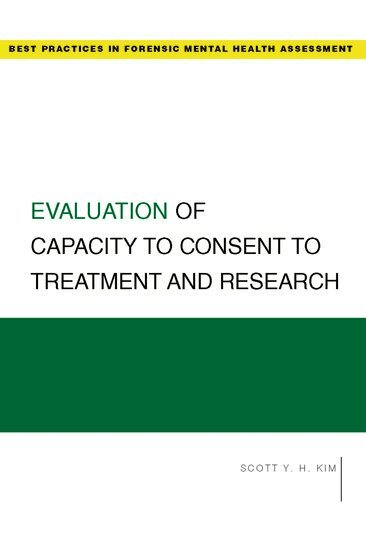
Forensic mental health assessment (FMHA) has grown into a specialization informed by research and professional guidelines. This series presents up-to-date information on the most important and frequently conducted forms of FMHA. The 19 topical volumes address best approaches to practice for particular types of evaluation in the criminal, civil, and juvenile/family areas. Each volume contains a thorough discussion of the relevant legal and psychological concepts, followed by a step-by-step description of the assessment process from preparing for the evaluation to writing the report and testifying in court.Volumes include the following helpful features:BL Boxes that zero in on important information for use in evaluationsBL Tips for best practice and cautions against common pitfallsBL Highlighting of relevant case law and statutesBL Separate list of assessment tools for easy referenceBL Helpful glossary of key terms for the particular topicIn making recommendations for best practice, authors consider empirical support, legal relevance, and consistency with ethical and professional standards. These volumes offer invaluable guidance for anyone involved in conducting or using forensic evaluations. Patients provide valid informed consent to a treatment or a diagnostic procedure if they have sufficient capacity, have been given appropriate information, and give consent freely without coercion or undue influence. When a patient's capacity for treatment consent is in doubt, a clinician must determine whether the patient indeed has the capacity. This book provides clear, step-by-step information on the evaluation procedure for capacity to consent to both treatment and research.
488 kr
Skickas inom 5-8 vardagar
Forensic mental health assessment (FMHA) has grown into a specialization informed by research and professional guidelines. This series presents up-to-date information on the most important and frequently conducted forms of FMHA. The 19 topical volumes address best approaches to practice for particular types of evaluation in the criminal, civil, and juvenile/family areas. Each volume contains a thorough discussion of the relevant legal and psychological concepts, followed by a step-by-step description of the assessment process from preparing for the evaluation to writing the report and testifying in court. Volumes include the following helpful features: - Boxes that zero in on important information for use in evaluations - Tips for best practice and cautions against common pitfalls - Highlighting of relevant case law and statutes - Separate list of assessment tools for easy reference - Helpful glossary of key terms for the particular topic In making recommendations for best practice, authors consider empirical support, legal relevance, and consistency with ethical and professional standards. These volumes offer invaluable guidance for anyone involved in conducting or using forensic evaluations.
548 kr
Skickas inom 5-8 vardagar
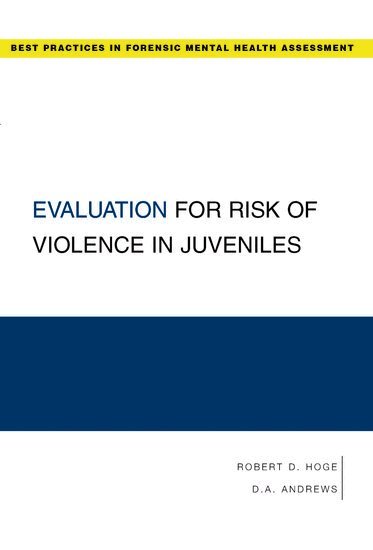
Forensic mental health assessment (FMHA) has grown into a specialization informed by research and professional guidelines. This series presents up-to-date information on the most important and frequently conducted forms of FMHA. The 19 topical volumes address best approaches to practice for particular types of evaluation in the criminal, civil, and juvenile/family areas. Each volume contains a thorough discussion of the relevant legal and psychological concepts, followed by a step-by-step description of the assessment process from preparing for the evaluation to writing the report and testifying in court.Volumes include the following helpful features:BL Boxes that zero in on important information for use in evaluationsBL Tips for best practice and cautions against common pitfallsBL Highlighting of relevant case law and statutesBL Separate list of assessment tools for easy referenceBL Helpful glossary of key terms for the particular topicIn making recommendations for best practice, authors consider empirical support, legal relevance, and consistency with ethical and professional standards. These volumes offer invaluable guidance for anyone involved in conducting or using forensic evaluations. This book places juvenile risk assessment within the context of FMHA for juveniles, so those using it will find it particularly useful to incorporate into their evaluations of risk and needs for adolescents in the juvenile justice system.
616 kr
Skickas inom 5-8 vardagar
Forensic mental health assessment (FMHA) has grown into a specialization informed by research and professional guidelines. This series presents up-to-date information on the most important and frequently conducted forms of FMHA. The 19 topical volumes address best approaches to practice for particular types of evaluation in the criminal, civil, and juvenile/family areas. Each volume contains a thorough discussion of the relevant legal and psychological concepts, followed by a step-by-step description of the assessment process from preparing for the evaluation to writing the report and testifying in court. Volumes include the following helpful features:BL Boxes that zero in on important information for use in evaluationsBL Tips for best practice and cautions against common pitfallsBL Highlighting of relevant case law and statutesBL Separate list of assessment tools for easy referenceBL Helpful glossary of key terms for the particular topicIn making recommendations for best practice, authors consider empirical support, legal relevance, and consistency with ethical and professional standards. These volumes offer invaluable guidance for anyone involved in conducting or using forensic evaluations.