Brill Research Perspectives in Latinity and Classical Reception in the Early Modern Period – serie
Visar alla böcker i serien Brill Research Perspectives in Latinity and Classical Reception in the Early Modern Period. Handla med fri frakt och snabb leverans.
8 produkter
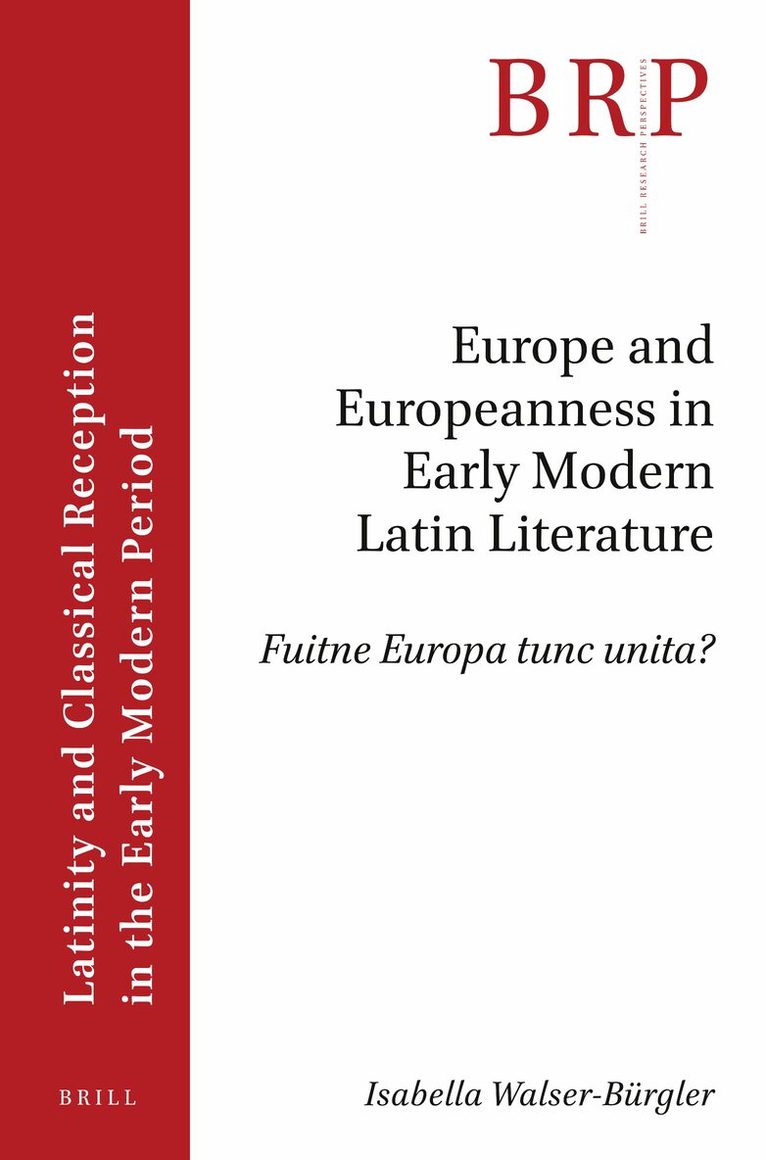
Europe and Europeanness in Early Modern Latin Literature
Fuitne Europa tunc unita?
Häftad, 2021
1250 kr
Lägg i varukorg
The history of European integration goes back to the early modern centuries (c. 1400–1800), when Europeans tried to set themselves apart as a continental community with distinct political, religious, cultural, and social values in the face of hitherto unseen societal change and global awakening. …
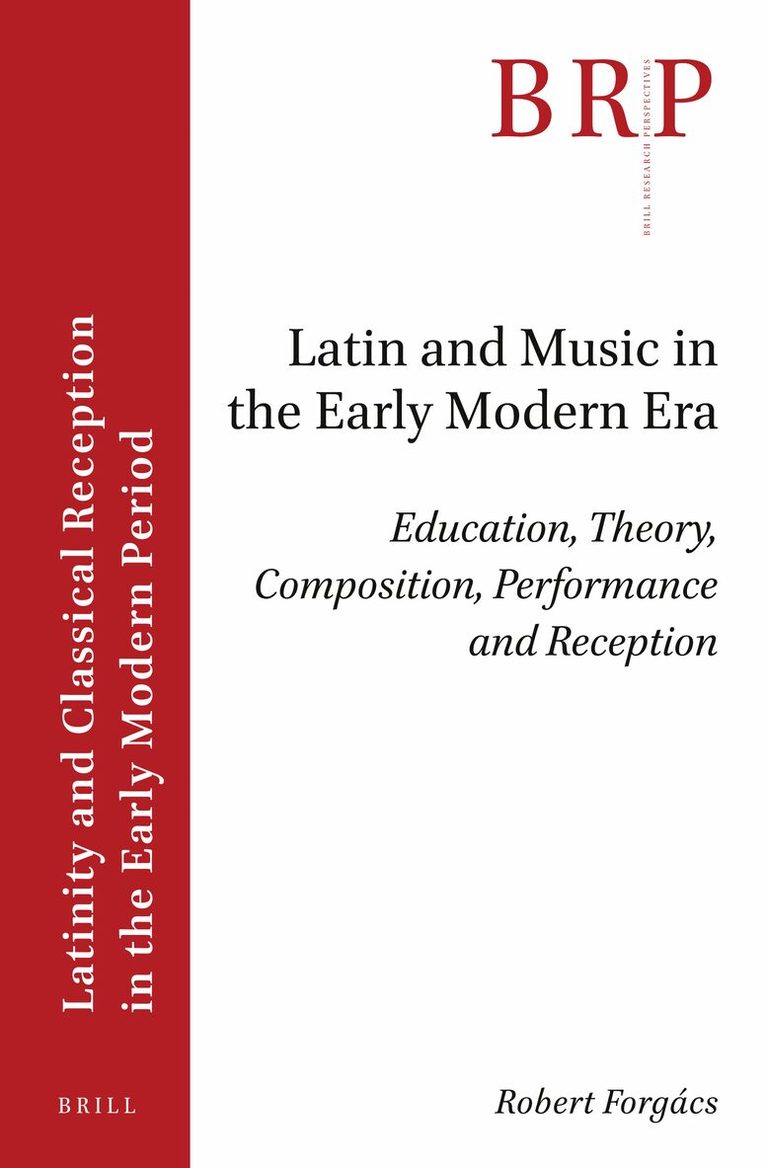
Latin and Music in the Early Modern Era
Education, Theory, Composition, Performance and Reception
Häftad, 2021
1277 kr
Lägg i varukorg
Situating the close relationship between Latin and music within its historical context, this volume presents an overview of Latin and music in the educational system of the time – schools, choir schools and universities – and the development and pervasive influence of musical humanism. This …
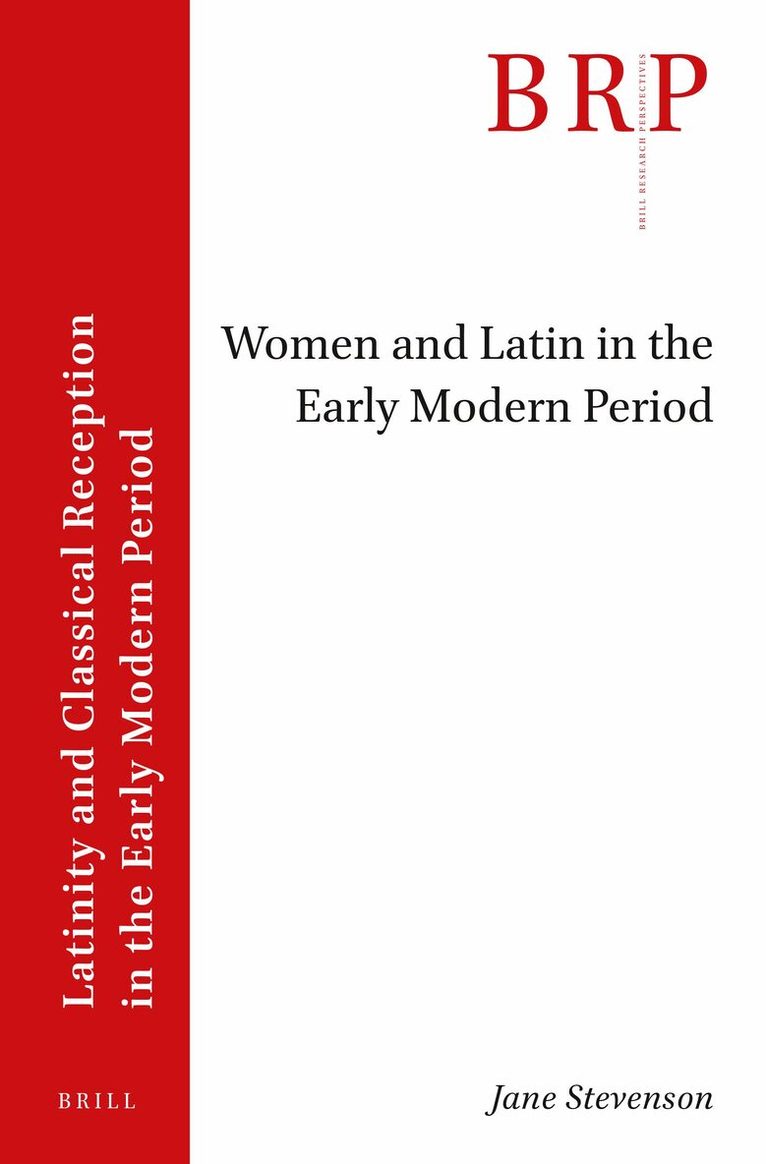
Women and Latin in the Early Modern Period
Häftad, 2022
1143 kr
Lägg i varukorg
The first early modern women Latinists lived in mid-fourteenth century Italy, and were educated as diplomats. By the fifteenth century, other upper-class women were educated in order to perform as prodigies on behalf of their city. Both strands of education for women spread to other European …
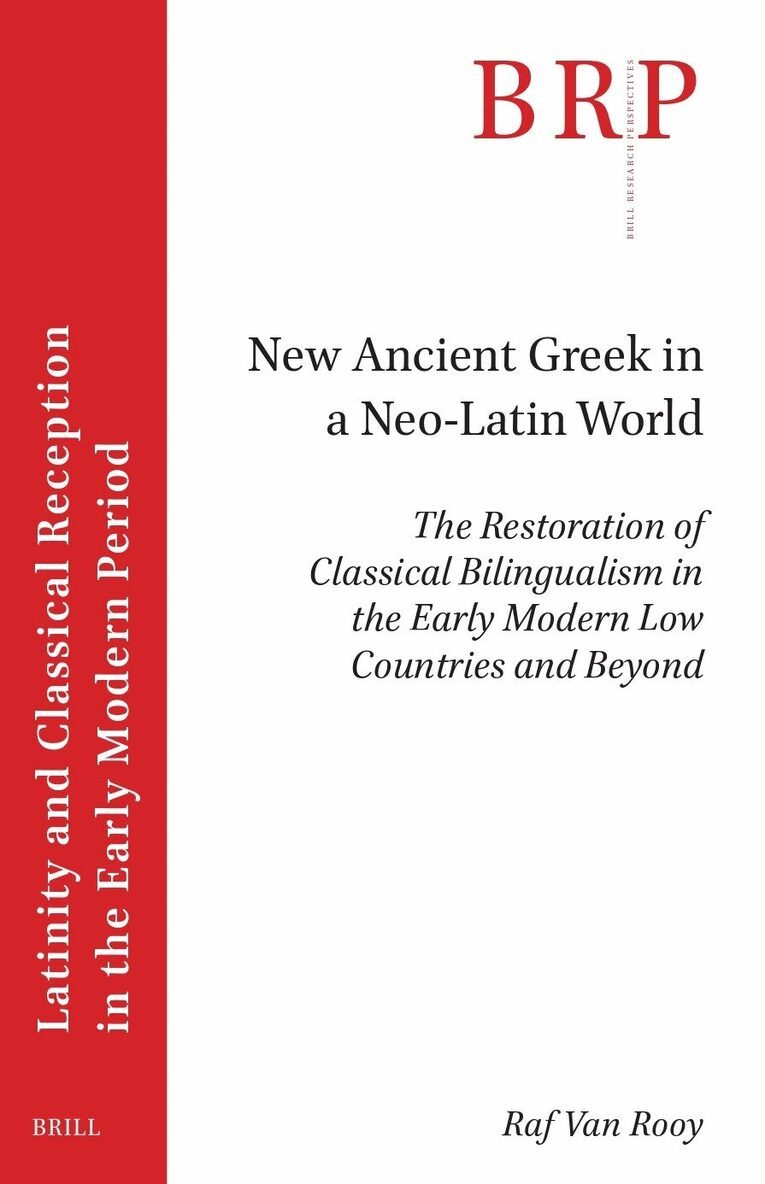
New Ancient Greek in a Neo-Latin World
The Restoration of Classical Bilingualism in the Early Modern Low Countries and Beyond
Av Raf Van Rooy
Häftad, 2023
1216 kr
Lägg i varukorg
Did you know that many reputed Neo-Latin authors like Erasmus of Rotterdam also wrote in forms of Ancient Greek? Erasmus used this New Ancient Greek language to celebrate a royal return from Spain to Brussels, to honor deceded friends like Johann Froben, to pray while on a pilgrimage, and to …
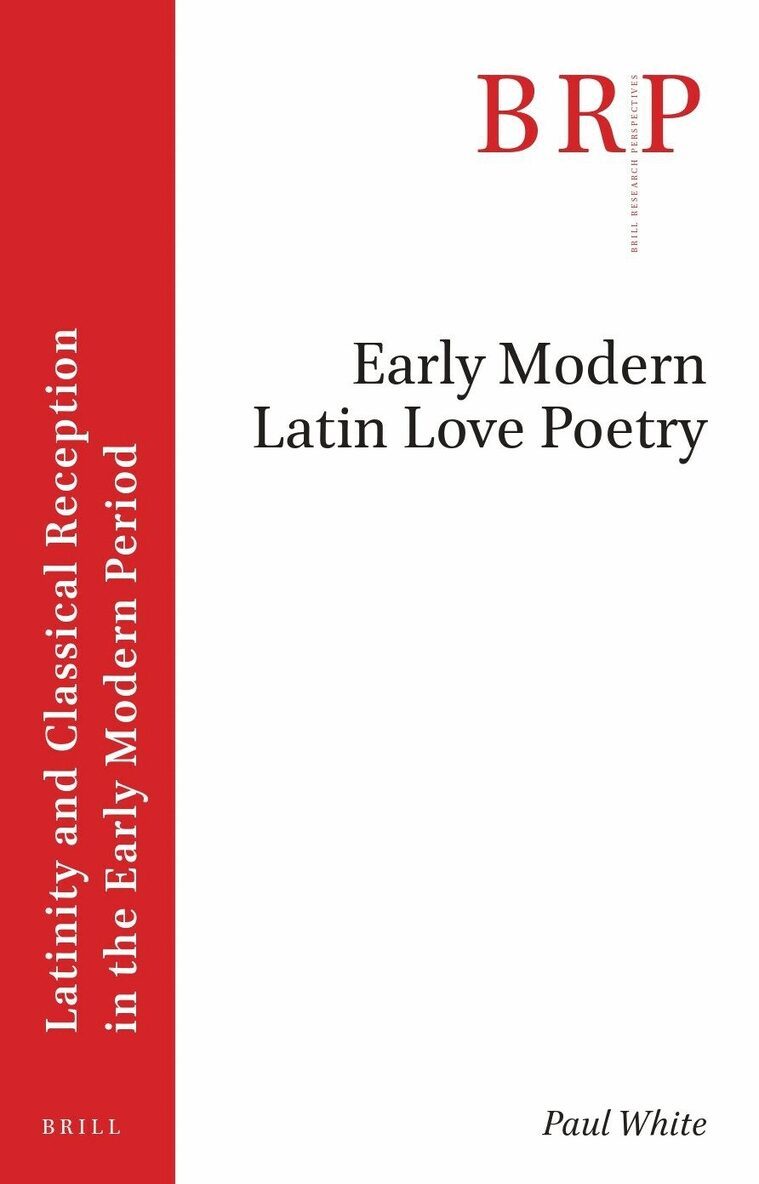
Early Modern Latin Love Poetry
Av Paul White
Häftad, 2023
1190 kr
Lägg i varukorg
This volume sheds new light on the extraordinary richness and variety of love poetry written in Latin from the fifteenth to the eighteenth century. It shows how Latin love poets reworked classical Roman and Greek models, and engaged in dialogue with mediaeval and contemporary vernacular traditions …
Neo-Latin and Japan
Häftad, 2025
1210 kr
Lägg i varukorg
When did the first Latin texts describing Japan emerge? When, how and why did some Japanese people began to actively communicate in the Latin language as early as the 1580s? How did Latin, the language of the ancient Romans and a hallmark of the West (the ‘European sign’), change through contact …
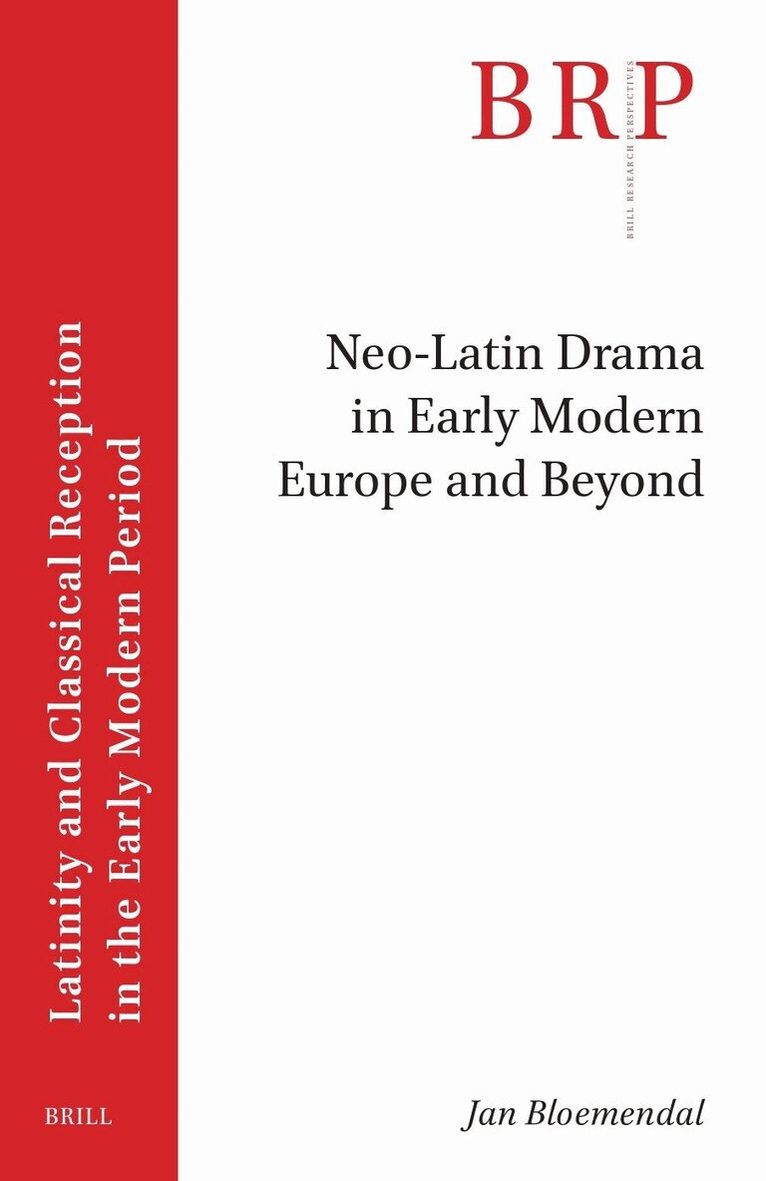
Neo-Latin Drama in Early Modern Europe and Beyond
Häftad, 2025
1287 kr
Lägg i varukorg
Neo-Latin Drama in Early Modern Europe and Beyond addresses the development and transnational circulation of Neo-Latin drama, as well as its interaction with vernacular drama and the role of classical reception. It also suggests ways to further explore the corpus using digital tools. By providing …
Writing in the Mind, Thinking on the Paper
Commonplacing in Neo-Latin Learning
Häftad, 2026
994 kr
Lägg i varukorg
No matter the time period, it is difficult to remember what one has read without a system of writing, and early modernity is no exception. Humanist commonplacing was developed to help students and scholars overcome this hardship. Although those trained in this technique could rely on keywords to …