Collins New Naturalist Library – serie
Visar alla böcker i serien Collins New Naturalist Library. Handla med fri frakt och snabb leverans.
27 produkter
27 produkter
697 kr
Skickas
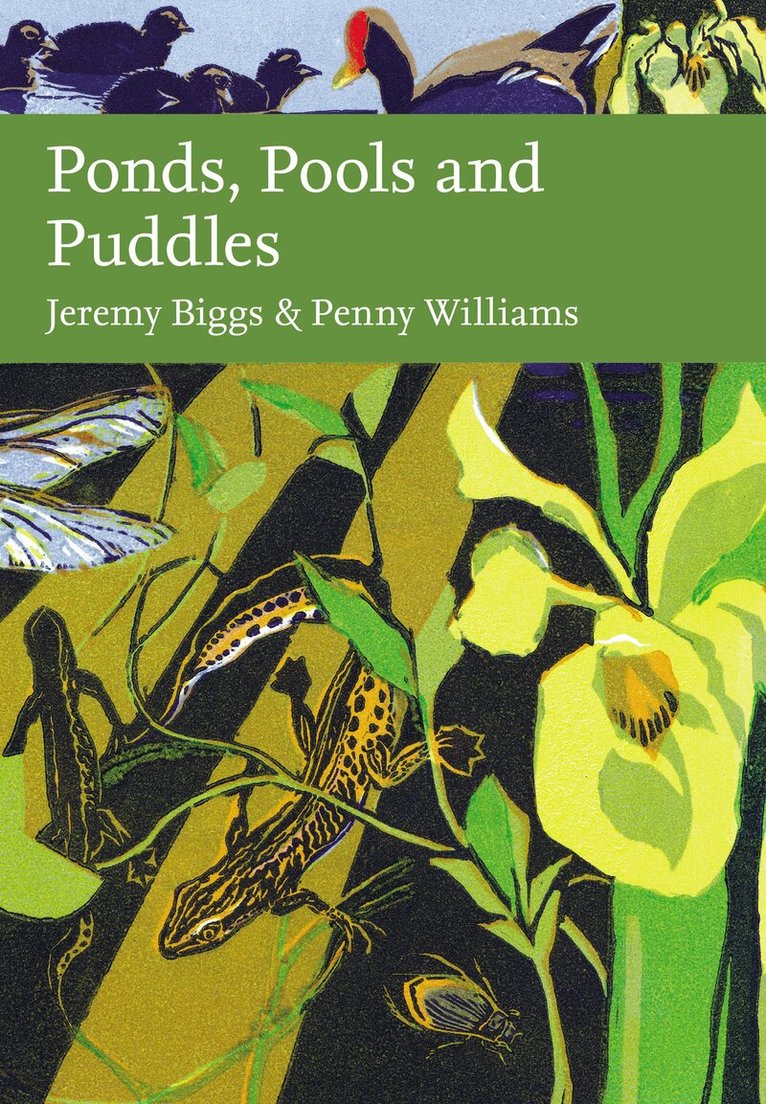
Ponds and pools are a common feature of our landscape – there are at least ten times as many ponds as lakes in the UK – and they are also important wildlife habitats. This book provides a comprehensive and detailed account of these freshwater habitats.The first chapter discusses what ponds, pools and puddles are, how they differ from rivers and lakes, their origin – natural or man-made, the different types of ponds and their abundance and distribution in Britain.A second chapter looks at ponds as ancient natural habitats that have existed for millennia on the earth’s surface. Ancient pond communities, as preserved in inter- and post-glacial sediments, are compared with modern pond communities. This chapter also examines the physical and chemical environment of ponds, covering aspects such as size, shape and depth, hydrology, oxygen and temperature.Ponds, pools and puddles are important wildlife habitats; they are as rich in species as rivers, and support rare and uncommon taxa including about half of Britain’s Red Data Book wetland plant and animal species. The authors give a comprehensive survey of the variety of plant and animal life for which ponds, pools and puddles are a habitat, with a chapter each on plants, invertebrates, amphibians, and fish, birds and mammals. The book discusses the importance of ponds to each of these groups and the ways in which the organisms exploit ponds, describing their habitats and major variations in life cycles.The pond ecosystem and colonisation and succession are discussed in two further chapters, before the final chapter, which is devoted to the subject of conservation and how best to protect and manage ponds and pond wildlife in Britain today.In spite of their evident importance, ponds have been largely ignored by freshwater biologists during this century. Ponds, Pools and Puddles makes an invaluable contribution to raising awareness of these popular, yet frequently underrated freshwater habitats, giving them the attention they rightly deserve.
629 kr
Tillfälligt slut
Owls have always featured prominently in the mythology and folklore of a variety of cultures. These mysterious nocturnal creatures are thought to be symbols of wisdom, omens of death, and bringers of prophecy. In fact, owls are one of the oldest species of vertebrate animal, with fossils dating back 60 million years.Owls have been a source of inspiration to writers, artists, historians and naturalists alike. In a much-anticipated volume on one of Britain’s most fascinating group of birds, Mike Toms draws on a wealth of experience and research, providing a comprehensive natural history of British owls.The first part of the book covers various aspects of owl taxonomy, origins, anatomy, behaviour and ecology and looks across the British owl species, drawing comparisons and highlighting differences. The second part takes each species in turn to provide a more detailed perspective, fleshing out relevant conservation issues, behaviour and status.Toms explores Britain’s beloved Barn Owl, Tawny Owl and Snowy Owl amongst several others. He uses the vast database and latest research from his work with the British Trust for Ornithology (BTO) to focus particularly on the specifics of owls’ breeding ecology, their dispersal patterns, diet, vocalisations, description, population changes and mortality. He addresses conservation issues, changes in legislation and potential changes in the status of one of Britain’s most iconic birds, providing a fascinating overview of the biology and history of British owls.
402 kr
Tillfälligt slut
Owls have always featured prominently in the mythology and folklore of a variety of cultures. These mysterious nocturnal creatures are thought to be symbols of wisdom, omens of death, and bringers of prophecy. In fact, owls are one of the oldest species of vertebrate animal, with fossils dating back 60 million years.Owls have been a source of inspiration to writers, artists, historians and naturalists alike. In a much-anticipated volume on one of Britain’s most fascinating group of birds, Mike Toms draws on a wealth of experience and research, providing a comprehensive natural history of British owls.The first part of the book covers various aspects of owl taxonomy, origins, anatomy, behaviour and ecology and looks across the British owl species, drawing comparisons and highlighting differences. The second part takes each species in turn to provide a more detailed perspective, fleshing out relevant conservation issues, behaviour and status.Toms explores Britain’s beloved Barn Owl, Tawny Owl and Snowy Owl amongst several others. He uses the vast database and latest research from his work with the British Trust for Ornithology (BTO) to focus particularly on the specifics of owls’ breeding ecology, their dispersal patterns, diet, vocalisations, description, population changes and mortality. He addresses conservation issues, changes in legislation and potential changes in the status of one of Britain’s most iconic birds, providing a fascinating overview of the biology and history of British owls.
402 kr
Tillfälligt slut
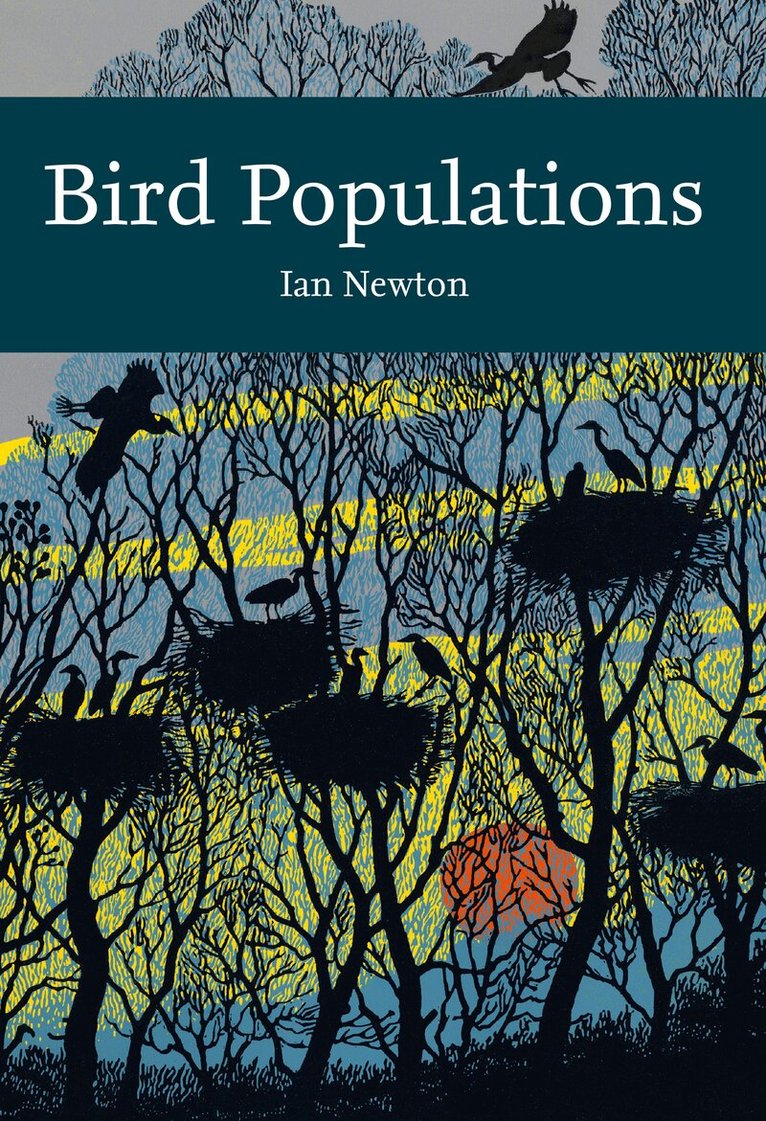
Earlier naturalists formed the impression that bird numbers remained more or less stable through time. In the years since these words were written, however, changes have occurred in the landscapes of the British Isles and in the seas around our coasts, causing bird populations to fluctuate in an unprecedented way.In Ian Newton’s latest New Naturalist volume, he explores bird populations and why their numbers vary in the way they do, from year to year or from place to place. He addresses the various factors that we know limit bird numbers – food supplies and other resources, competitors, predators, parasites and pathogens, and various human impacts.The combination of a rapidly expanding human population, a predominantly utilitarian attitude to land, central government policy on land use, and increasing mechanisation have combined to promote more massive changes in land use – and hence in bird habitats – in recent decades than at any comparable period previously. These developments have in turn brought huge changes in bird populations, as some species dependent on the old landscapes declined, and others benefiting from the changes increased. Over the same period, changing public attitudes to wildlife, protective legislation and a growing network of nature reserves allowed previously scarce bird species to recover from past onslaughts, while climate warming has promoted further changes.In this seminal new work, Ian Newton sets out to explain why different bird species are distributed in the numbers that they are, and have changed over the years in the way that they have. He emphasises the factors that influence bird numbers, rather than the numbers themselves, thus providing a much-needed overview which is necessary if we are to successfully manage bird populations, whether for conservation reasons, for sustainable hunting or for crop protection. The continued monitoring of bird numbers can also alert us to impending environmental problems. In addition, the regular watching and study of birds now provides a source of recreation and pleasure for very large numbers of people, who would find a world with fewer birds a poorer place.
651 kr
Skickas
This lushly illustrated and fully comprehensive book about the wildlife, landscapes and history of Pembrokeshire is a much-anticipated addition to the New Naturalist series, and reveals the incredible wealth of biodiversity present in the region.Surrounded by sea on three sides, Pembrokeshire is the only national park in the UK designated mainly for its coastline. In addition to idyllic beaches, the park includes deep wooded valleys and tranquil estuaries, as well as a marine nature reserve. There is greater variety of geological and landform scenery in the park than in any other area of the same size in the British Isles, and it is an essential sanctuary for many of Britain’s seabird species. There are also important archaeological sites in the park, from Iron Age hill forts and standing stones to the spectacular cathedral of St Davids, as Pembrokeshire has been consistently inhabited by humans since the Neolithic period.Jonathan Mullard explores the evolving landscape and observes its effects on its native species and habitats. He provides a detailed examination of the geology of the region and the integration of the archaeological and historic landscape with the natural landscape and its fauna. Covering the vast diversity of Pembrokeshire’s beaches and forests, rivers and waterfalls, moorland and farmland, caves and cathedrals, he provides an overview of man’s influence on the natural environment over the centuries and the ongoing conservation of the area. The culmination of years of research, New Naturalist Pembrokeshire is an inspiring exploration of this diverse and fascinating area.
368 kr
Skickas
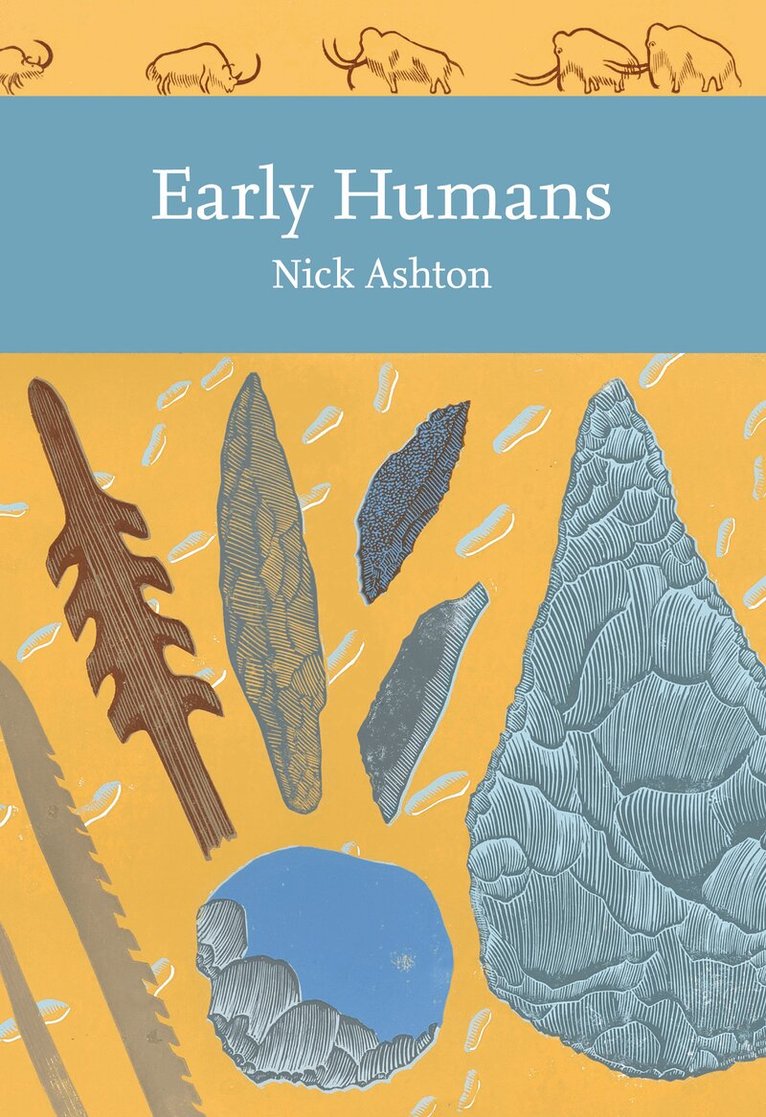
Our understanding of the British Palaeolithic and Mesolithic has changed dramatically over the last three decades, and yet not since H. J. Fleure’s A Natural History of Man in Britain (1951) has the New Naturalist Library included a volume focused on the study of early humans and their environment. In this long overdue new book, distinguished archaeologist Nick Ashton uncovers the most recent findings, following the remarkable survival and discovery of bones, stone tools and footprints which allow us to paint a picture of the first human visitors to this remote peninsula of north-west Europe.As part of the Ancient Human Occupation of Britain project and subsequent research, Ashton is involved in an unrivalled collaborative effort involving archaeologists, palaeontologists, and earth scientists at different British institutes, including the Natural History Museum and the British Museum. Using an interdisciplinary approach, the book explores the latest discoveries such as footprints at Happisburgh, Norfolk that are thought to be nearly one million years old, flint artefacts at Pakefield in Suffolk and mammoth remains at West Runton, among others. These remarkable remnants help our quest to unravel the interactions between the changing environments and their ancient human occupants, as well as their lifestyles and migrations.Early humans colonised our remote corner of the European mainland time and again, despite being faced with ice age climates with far-reaching consequences. Setting the scene on the Norfolk coast almost a million years ago, Ashton tells the story of the fauna, flora and developing geography of Britain against the backdrop of an ever-changing climate. Above all, he explores how early people began as brief visitors to this wild remote land, but over time through better ways of acquiring food and developing new technologies, they began to tame, shape and dominate the countryside we see today.
691 kr
Kommande
A cormorant holding its wings out to dry makes an ominous silhouette. There's something reptilian about these birds – almost prehistoric.
691 kr
Skickas inom 11-20 vardagar
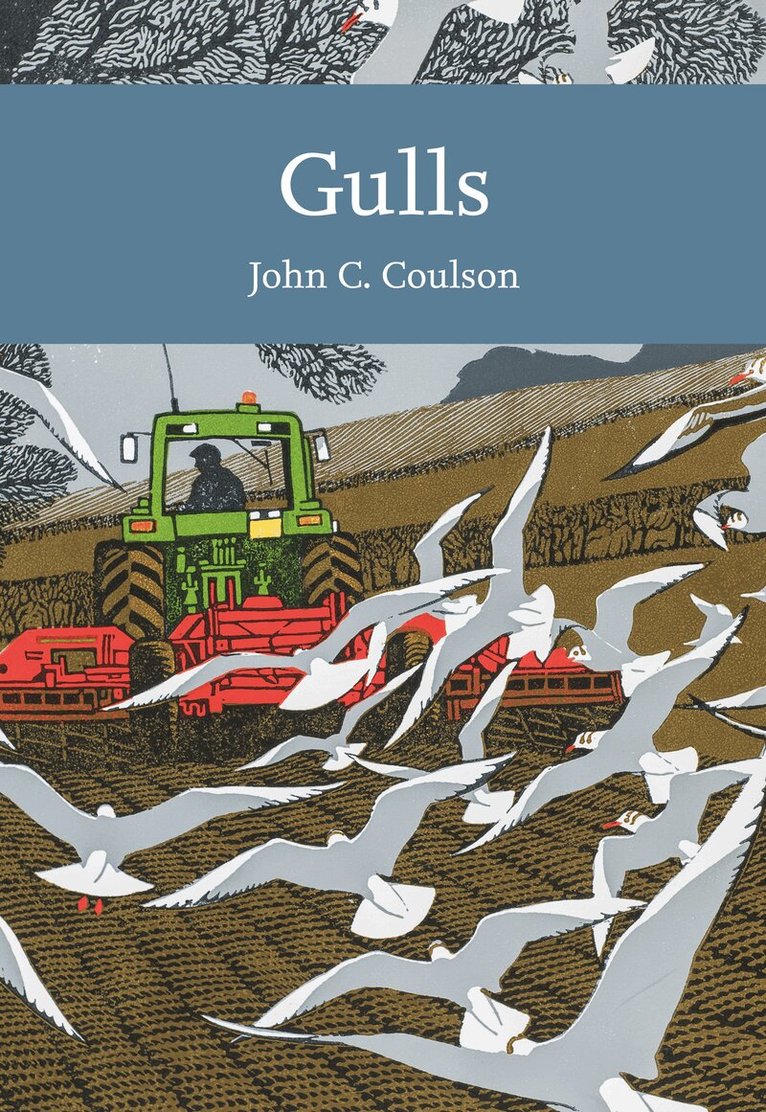
The gull is a familiar sight by the seaside, and one of the most recognisable bird species, but most people know surprisingly little about the lives and habits of these seafaring birds. John C. Coulson remedies this with a comprehensive overview of the gull. There are more than 50 known species of gulls, and many of these are well-adapted to living in urban areas and in close proximity to humans. But there are also less familiar species to discover, which keep their distance from beachgoers. This long-overdue addition to the New Naturalist library explains the thorny issues of gull taxonomy and classification, then introduces readers to what it means to be a gull, physically and genetically. Chapters are divided by larger gull groups, and within these, distribution, lifecyles and behaviours are examined, as well as acclimation to the human world. Colour photography throughout offers ample opportunity to get a sense of the variation within the gull group, and makes this book a pleasure to look through.
524 kr
Tillfälligt slut
The gull is a familiar sight by the seaside, and one of the most recognisable bird species, but most people know surprisingly little about the lives and habits of these seafaring birds. John C. Coulson remedies this with a comprehensive overview of the gull. There are more than 50 known species of gulls, and many of these are well-adapted to living in urban areas and in close proximity to humans. But there are also less familiar species to discover, which keep their distance from beachgoers. This long-overdue addition to the New Naturalist library explains the thorny issues of gull taxonomy and classification, then introduces readers to what it means to be a gull, physically and genetically. Chapters are divided by larger gull groups, and within these, distribution, lifecyles and behaviours are examined, as well as acclimation to the human world. Colour photography throughout offers ample opportunity to get a sense of the variation within the gull group, and makes this book a pleasure to look through.
385 kr
Skickas
The Peak District, Britain’s first national park, is a land of great natural beauty, visited by millions of people every year. This New Naturalist volume on the region highlights the wonder and magic of its windswept vistas, rock formations, storied history and fantastic wildlife, revealing its ecological foundations, showing how it has fared over the centuries and projecting what the future might hold.As a botanist and ecologist who has spent her working life in the Peak District, Penny Anderson brings an ecological perspective, viewing the habitats and their species as an interconnected whole linked to the development of the landscape through its geology and geomorphological processes, while simultaneously weaving in human history and local myths and legends to bring to life the evolution of the area. The Peak District is a special place at an ecological crossroads where many northern and southern species meet. It has splendidly rich wildlife, varied ecosystems and a long history of human interaction with the land, and this book gives a flavour of its diversity and value.
651 kr
Skickas
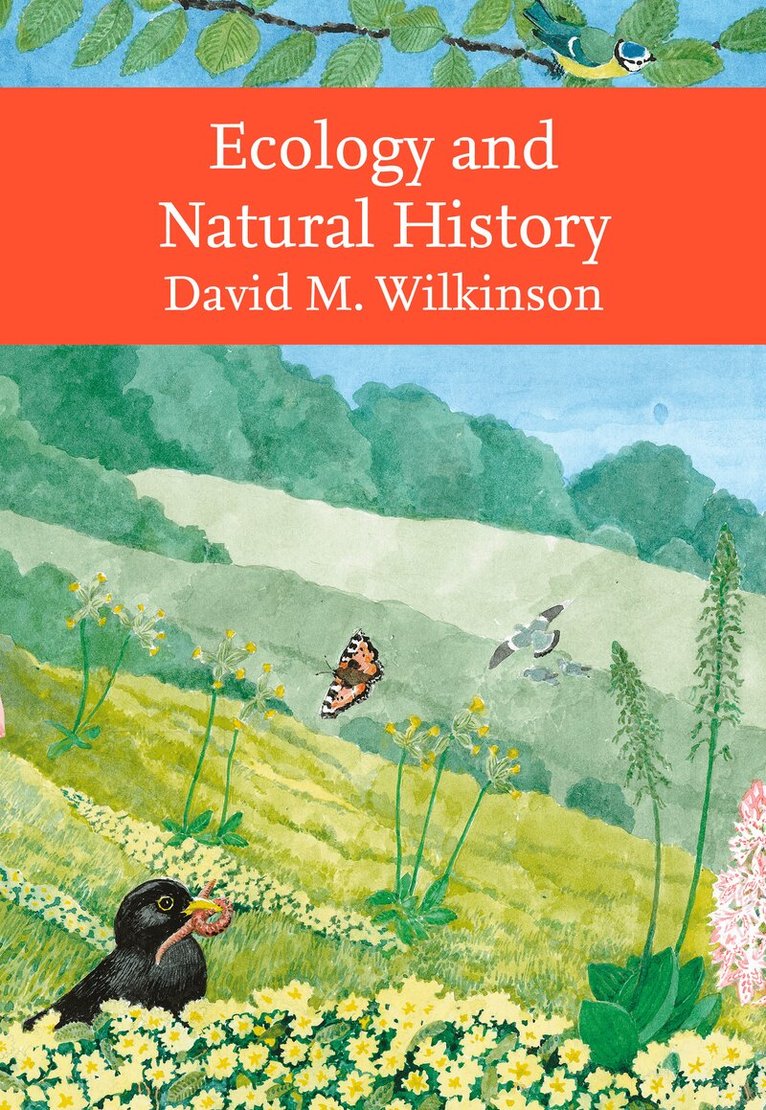
Ecology is the science of ecosystems, of habitats, of our world and its future. In the latest New Naturalist, ecologist David M. Wilkinson explains key ideas of this crucial branch of science, using Britain’s ecosystems to illustrate each point.The science of ecology underlies most of the key issues facing humanity, from the loss of biodiversity to sustainable agriculture, to the effects of climate change and the spread of pandemics. In this accessible and timely addition to the New Naturalist series, ecologist David M. Wilkinson introduces some of the key ideas of this science, using examples from British natural history. Extensively illustrated with photographs of the species and habitats that can be seen in the British countryside, this book shows how the observations of field naturalists link into our wider understanding of the working of the natural world.Investigating ecosystems across the British Isles, from the Scottish and Welsh mountains to the woodlands of southern England and the fens of East Anglia, Wilkinson describes the relationships between organisms and their environments. Factors such as climate and chemistry influence populations of every kind of organism, and the interactions between these organisms determine the makeup of ecological communities. Using examples from the full range of organisms on Earth – from bacteria to badgers – Wilkinson introduces the crucial ecological processes that support life, addressing how theseideas can be applied to understand our effect on the environment not just of Britain, but of the whole planet.
357 kr
Skickas
Ecology is the science of ecosystems, of habitats, of our world and its future. In the latest New Naturalist, ecologist David M. Wilkinson explains key ideas of this crucial branch of science, using Britain’s ecosystems to illustrate each point.The science of ecology underlies most of the key issues facing humanity, from the loss of biodiversity to sustainable agriculture, to the effects of climate change and the spread of pandemics. In this accessible and timely addition to the New Naturalist series, ecologist David M. Wilkinson introduces some of the key ideas of this science, using examples from British natural history. Extensively illustrated with photographs of the species and habitats that can be seen in the British countryside, this book shows how the observations of field naturalists link into our wider understanding of the working of the natural world.Investigating ecosystems across the British Isles, from the Scottish and Welsh mountains to the woodlands of southern England and the fens of East Anglia, Wilkinson describes the relationships between organisms and their environments. Factors such as climate and chemistry influence populations of every kind of organism, and the interactions between these organisms determine the makeup of ecological communities. Using examples from the full range of organisms on Earth – from bacteria to badgers – Wilkinson introduces the crucial ecological processes that support life, addressing how theseideas can be applied to understand our effect on the environment not just of Britain, but of the whole planet.
657 kr
Skickas inom 11-20 vardagar
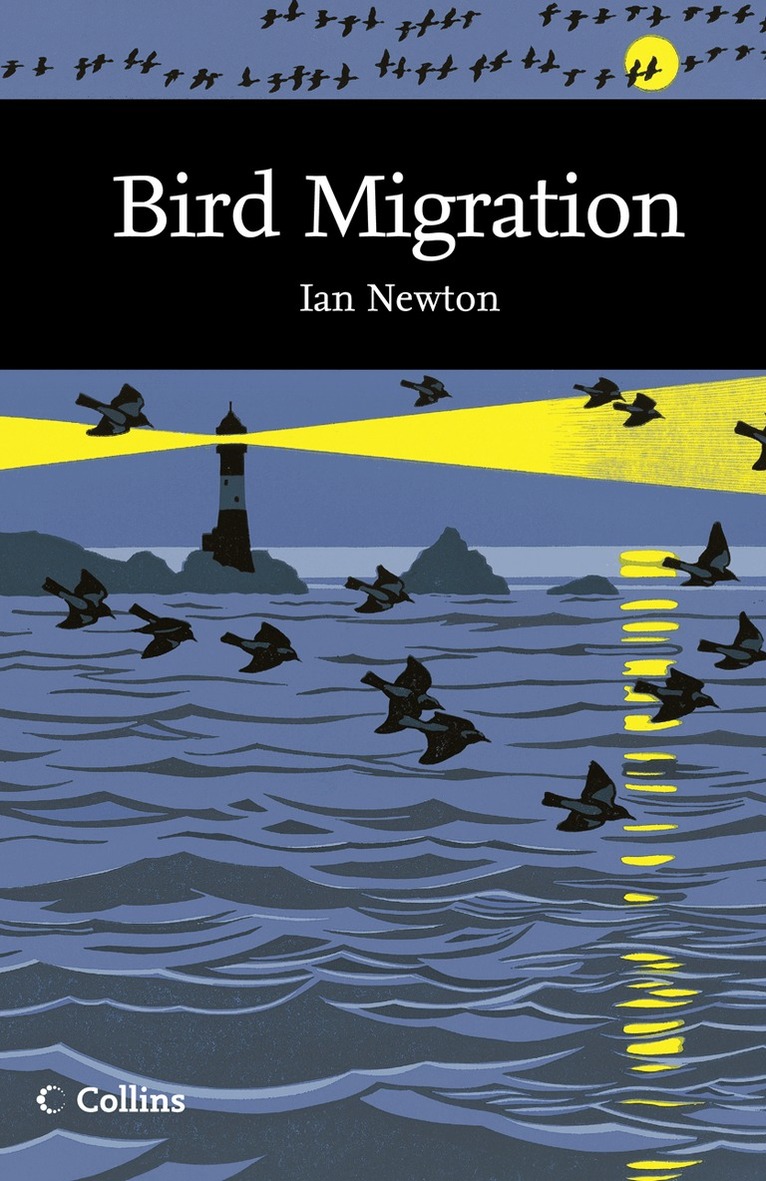
Ian Newton, author of Farming and Birds and Bird Migration returns to the New Naturalist series with a long awaited look at the uplands and its birds.The uplands of Britain are unique landscapes created by grazing animals, primarily livestock. The soils and blanket bogs of the uplands are also the largest stores of carbon in the UK, and 70% of the country’s drinking water comes from the uplands. It’s a significant region, not least to the multitudes of bird species that hunt, forage and nest there.Once again, Ian Newton demonstrates his mastery of the subject matter at hand, in this beautifully illustrated, authoritative addition to the New Naturalist series.
357 kr
Skickas
Ian Newton, author of Farming and Birds and Bird Migration returns to the New Naturalist series with a long awaited look at the uplands and its birds.The uplands of Britain are unique landscapes created by grazing animals, primarily livestock. The soils and blanket bogs of the uplands are also the largest stores of carbon in the UK, and 70% of the country’s drinking water comes from the uplands. It’s a significant region, not least to the multitudes of bird species that hunt, forage and nest there.Once again, Ian Newton demonstrates his mastery of the subject matter at hand, in this beautifully illustrated, authoritative addition to the New Naturalist series.
651 kr
Skickas
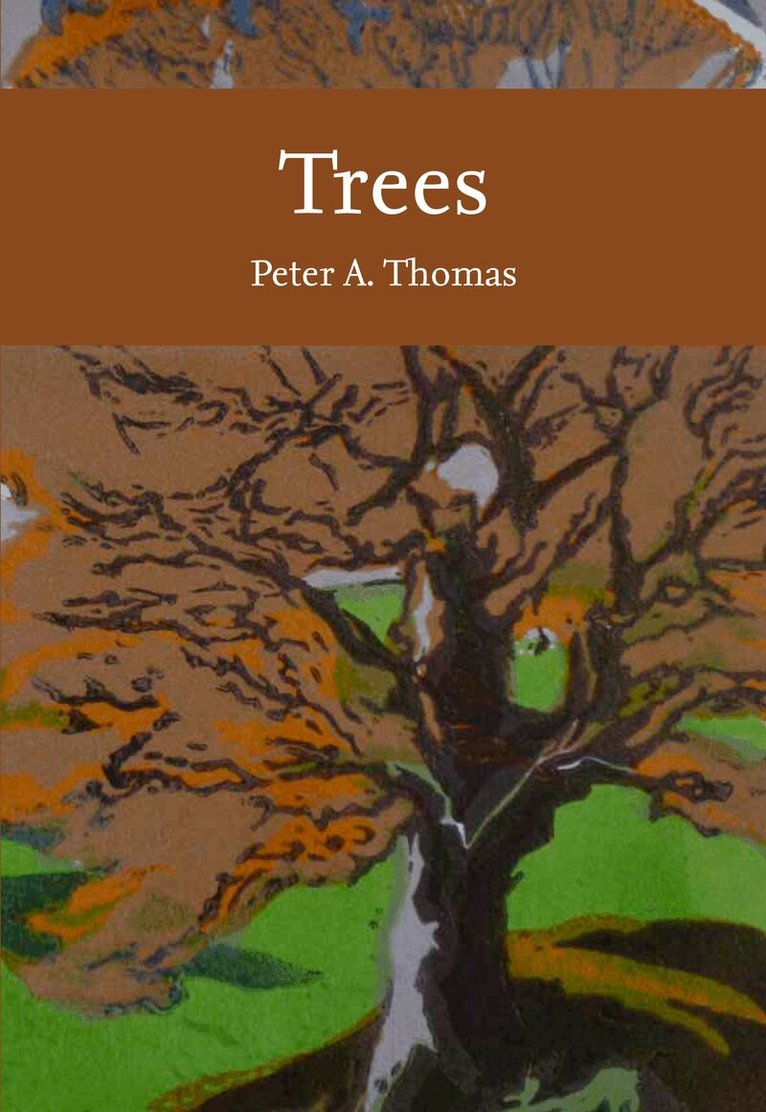
Winner of the 2022 Marsh Book of the Year AwardA long-awaited volume in the New Naturalist series examining the trees of Britain.Trees are immensely valuable. They give shape to our lives with wood, the material that makes our homes, our books, our belongings; they nourish us with the air we breathe and the fruits we eat; and they sustain us, with their shade and the comfort of their presence. They are also fascinating – they are the biggest and oldest living organisms on the planet and are essential components of many of the landscapes of Britain. Trees have been vital in determining the ecology of our planet as well as the development of human cultures and communities, yet how much do we really understand about them?How do trees live? How do they fit into their environments? Why are they so important to ecosystems on earth, and to us? And what does the future hold for trees? Can they solve the problems of climate change by absorbing enough carbon dioxide, and would we run out of oxygen if all the world’s trees disappeared? Do trees really talk to each other? There is much to learn about these silent giants.Ecologist Peter Thomas explores all these questions and many more, delving into the often hidden life of trees, using examples from around the world, from common trees to the unusual and bizarre. This comprehensive introduction to all aspects of tree biology and ecology presents the latest scientific and botanical discoveries and explores the wonders and mysteries of trees.
357 kr
Skickas
Winner of the 2022 Marsh Book of the Year AwardA long-awaited volume in the New Naturalist series examining the trees of Britain.Trees are immensely valuable. They give shape to our lives with wood, the material that makes our homes, our books, our belongings; they nourish us with the air we breathe and the fruits we eat; and they sustain us, with their shade and the comfort of their presence. They are also fascinating – they are the biggest and oldest living organisms on the planet and are essential components of many of the landscapes of Britain. Trees have been vital in determining the ecology of our planet as well as the development of human cultures and communities, yet how much do we really understand about them?How do trees live? How do they fit into their environments? Why are they so important to ecosystems on earth, and to us? And what does the future hold for trees? Can they solve the problems of climate change by absorbing enough carbon dioxide, and would we run out of oxygen if all the world’s trees disappeared? Do trees really talk to each other? There is much to learn about these silent giants.Ecologist Peter Thomas explores all these questions and many more, delving into the often hidden life of trees, using examples from around the world, from common trees to the unusual and bizarre. This comprehensive introduction to all aspects of tree biology and ecology presents the latest scientific and botanical discoveries and explores the wonders and mysteries of trees.
657 kr
Skickas
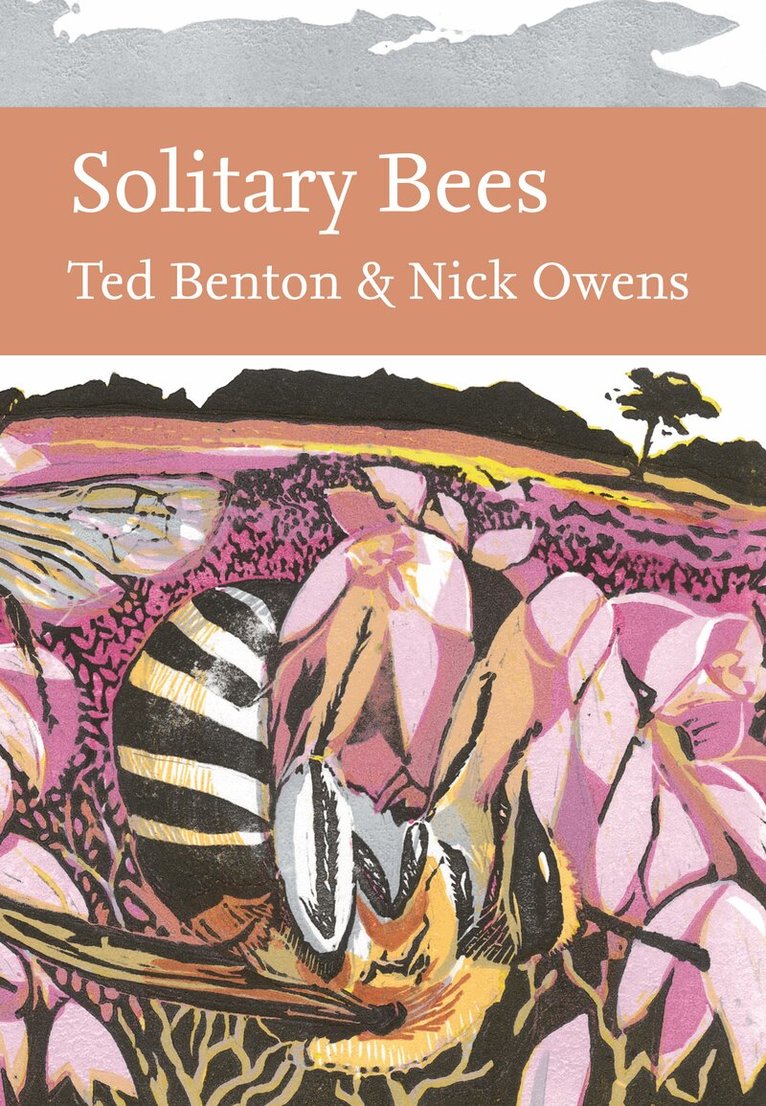
A completely up-to-date introduction to the most common group of bees in Britain. Bees, for most people, mean honey or bumble bees, but in fact these social species make up only a small proportion of the species that live in Britain. Open your eyes to the so-called ‘solitary’ bees, and discover a wonderfully diverse population – miners, leafcutters, carpenters and masons – many of which can be found in your own back garden.Solitary bees come in a variety of colours and sizes, with some as large as bumblebees and some only a few millimetres long, and many are key pollinators for our crops and wildflowers. This comprehensive book will tell the story of how these bees live, reproduce and thrive: discover the numerous strategies used by male bees to find females and persuade them to mate; follow the females as they build their nests – or in the case of ‘cuckoo’ species, sneak into the nests of their neighbours – and watch as the new generation appears. Explore the interactions between flowering plants and their bee visitors, asking what the plants get from the relationship, as well as how the bees select the plants they visit, and the ingenuity required to extract pollen, nectar and other rewards. Finally, learn places where bees flourish and what can be done to encourage them and ensure they continue to pollinate our flowers and crops.Drawing on all the latest research as well as the authors’ own observations in the field, this timely New Naturalist gives a wonderful insight into the complicated lives of solitary bees, and the complexity of the behaviour and ecology of this remarkable group of insects.
651 kr
Skickas
An eagerly anticipated addition to the New Naturalist series.The shieldbug is an amazing and beautiful species, rich with diversity in shape, form, size, life history, ecology, physiology and behaviour. But they are not commonly known, outside of specialist circles.Richard Jones’ groundbreaking New Naturalist volume on shieldbugs encourages those enthusiasts who would otherwise be put off by the, to date, rather technical literature that has dominated the field, providing a comprehensive natural history of this fascinating and beautiful group of insects.
357 kr
Skickas
An eagerly anticipated addition to the New Naturalist series.The shieldbug is an amazing and beautiful species, rich with diversity in shape, form, size, life history, ecology, physiology and behaviour. But they are not commonly known, outside of specialist circles.Richard Jones’ groundbreaking New Naturalist volume on shieldbugs encourages those enthusiasts who would otherwise be put off by the, to date, rather technical literature that has dominated the field, providing a comprehensive natural history of this fascinating and beautiful group of insects.
Del 149 - Collins New Naturalist Library
Stoats, Weasels, Martens and Polecats
Inbunden, Engelska, 2024
657 kr
Skickas
A definitive account of the bright-eyed assassins of the British countryside. Stoats, weasels, martens and polecats belong to the mustelid family, along with badgers and otters, and feral American mink, which are a recent addition to the UK countryside, following escapes and releases from fur farms.This new volume in the New Naturalist Library focuses on the four ‘small mustelids’, all highly specialised predators, ubiquitous assassins to be marvelled at. There is a family likeness, the rather pointed snout, powerful jaws and sharp fangs and the long sinuous slender body with short legs. These small mustelids are also possessed of dense fur, which once led to their being hunted nearly to extinction. Some can kill prey larger than themselves, in some cases much larger, and they are uniquely adapted to hunt their rodent prey. They also have extraordinary lives – some in total seclusion, some in large, related groups – now brought into the light by one of the UK’s leading small mustelid experts.Dr Jenny MacPherson, who managed the Pine Marten Recovery Project for England and Wales, introduces readers to Britain’s small mustelid species in delightfully rich text, covering the animals’ physiology, daily lives and distribution, as well as their significance in UK history and folklore. And she shares her experiences from the forefront of the work to conserve these amazing animals.
697 kr
Skickas
Exmoor is one of only three large moorlands in southern England. Together with Dartmoor and Bodmin Moor, they have long been an inspiration for field naturalists of all descriptions. It seems appropriate, therefore, that this volume should bring the inspiration and the particularities of place together and allow the landscape of Exmoor to shine.Exmoor’s landscape shares many qualities with moorlands elsewhere and large parts may not be particularly distinctive. As much as two-fifths of Exmoor is moorland, eciduous woodland or unfarmable coastal slopes, but the majority is pastoral farmland. However, it is in the juxtaposition of these habitats, and the edge-zones and transitions, that there is both charm and scientific interest to be derived. Exmoor’s pattern and combination of vegetation types give it significance, with a disposition of low- and higher-altitude communities. And in hidden corners and combes off the main plateau, on the steepest slopes and on very wet ground, a diverse ancient landscape survives, and we find rich hedges providing some linear habitats. In addition are the stunning coastal woods. Its position as an upland massif on the western seaboard also gives it a distinctiveness.As someone actively involved with the environment of the southwest, Flemming Ulf-Hansen now provides us with a scholarly yet accessible volume on this fabulous area.The new volume in acclaimed New Naturalist Library
755 kr
Kommande
697 kr
Kommande
697 kr
Kommande
Joining the authoritative New Naturalist library is this definitive natural history of a beloved quiet space: the churchyard.In this much-anticipated addition to the New Naturalist library, Stefan Buczacki and George Peterken delve into the natural haven provided by churchyards, their flora and faun and their importance in the natural history of urban and rural environments alike.
657 kr
Kommande
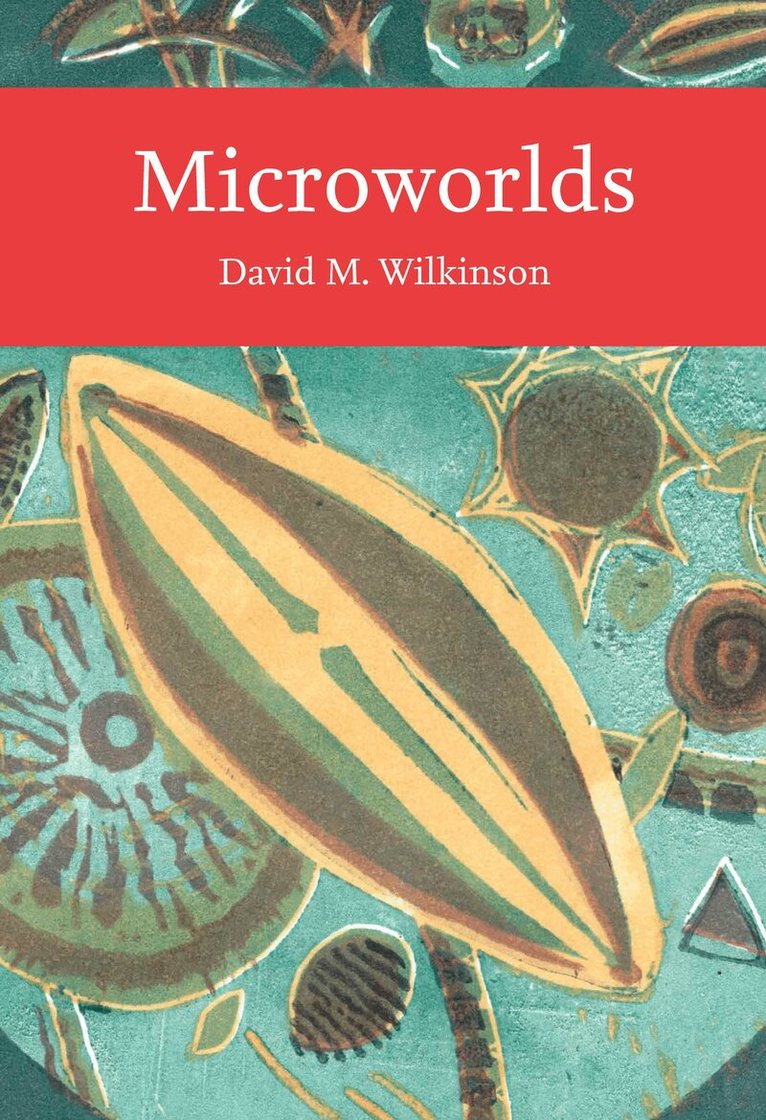
Microworlds brings to life a whole new ecosystem populated by a bewildering array of forms living extraordinary lives. It is a remarkable eyeopener for all naturalists.For most of the history of life on Earth all life was microscopic, and even today most of biodiversity is still microscopic. Until the invention of the microscope in the seventeenth century all this diverse microworld was completely unknown. As well as dominating Earth for eons, microbes are still vital to the health of the planet. Microworlds, the new volume in the New Naturalist Library, reveals the incredible life forms that lie beyond our everyday perception. It focuses on protists, organisms an earlier generation of biologists called algae and protozoa, rather than the often much smaller bacteria and viruses. Concentrating on the extraordinary range that can be seen with at most a relatively basic microscope, the book reveals the biology of these miniscule life forms. Some of them – notably Amoeba proteus and Paramecium – are widely known to anyone who has peered down a microscope in a school science class. But the microworld is an extraordinary assemblage of a vast range of different species – some of which have life-styles that seem very familiar to the larger life forms that they live amongst, while some of their lifestyles simply seem like science fiction.In describing this enthralling world, Microworlds brings to life a whole new ecosystem populated by a bewildering array of forms living extraordinary lives. It is a remarkable eyeopener for all naturalists.
376 kr
Kommande
Joining the authoritative New Naturalist library is this definitive natural history of a beloved quiet space: the churchyard.In this much-anticipated addition to the New Naturalist library, Stefan Buczacki and George Peterken delve into the natural haven provided by churchyards, their flora and faun and their importance in the natural history of urban and rural environments alike.
354 kr
Kommande
Microworlds brings to life a whole new ecosystem populated by a bewildering array of forms living extraordinary lives. It is a remarkable eyeopener for all naturalists.For most of the history of life on Earth all life was microscopic, and even today most of biodiversity is still microscopic. Until the invention of the microscope in the seventeenth century all this diverse microworld was completely unknown. As well as dominating Earth for eons, microbes are still vital to the health of the planet. Microworlds, the new volume in the New Naturalist Library, reveals the incredible life forms that lie beyond our everyday perception. It focuses on protists, organisms an earlier generation of biologists called algae and protozoa, rather than the often much smaller bacteria and viruses. Concentrating on the extraordinary range that can be seen with at most a relatively basic microscope, the book reveals the biology of these miniscule life forms. Some of them – notably Amoeba proteus and Paramecium – are widely known to anyone who has peered down a microscope in a school science class. But the microworld is an extraordinary assemblage of a vast range of different species – some of which have life-styles that seem very familiar to the larger life forms that they live amongst, while some of their lifestyles simply seem like science fiction.In describing this enthralling world, Microworlds brings to life a whole new ecosystem populated by a bewildering array of forms living extraordinary lives. It is a remarkable eyeopener for all naturalists.