Colour Library - Böcker
Visar alla böcker i serien Colour Library. Handla med fri frakt och snabb leverans.
9 produkter
9 produkter
186 kr
Skickas
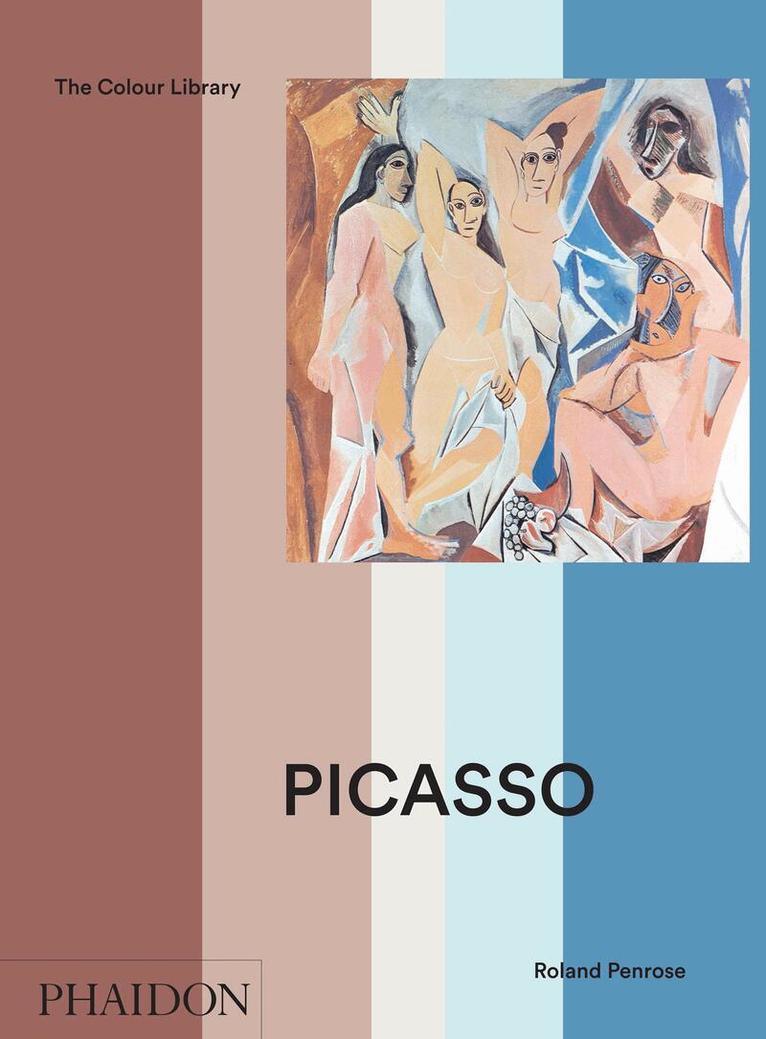
The name which predominates in the development of art throughout the twentieth century, and to which many of the revolutionary changes are ascribed, is that of Pablo Picasso (1881-1973). Not only was he one of the most influential artists, he was also one of the most versatile. This beautifully produced book surveys the whole range of his paintings, from the haunting works of the Blue Period, to the brute power of Les Demoiselles d’Avignon, the lyrical sweetness of his family portraits, the revolutionary developments of Cubism and the later manifold experimentations with form and colour.Roland Penrose’s introductory essay on Picasso was first published in 1971, when the great master was still alive. Penrose was acclaimed in his own right as a painter, and his long friendship with Picasso gave him unique insight into his life and work. David Lomas has written a preface introducing us to the friendship between these two artists. He has also written notes to each full-page colour plate, discussing the picture in detail, making this a perfect introduction to the twentieth century’s most famous artist.
186 kr
Skickas
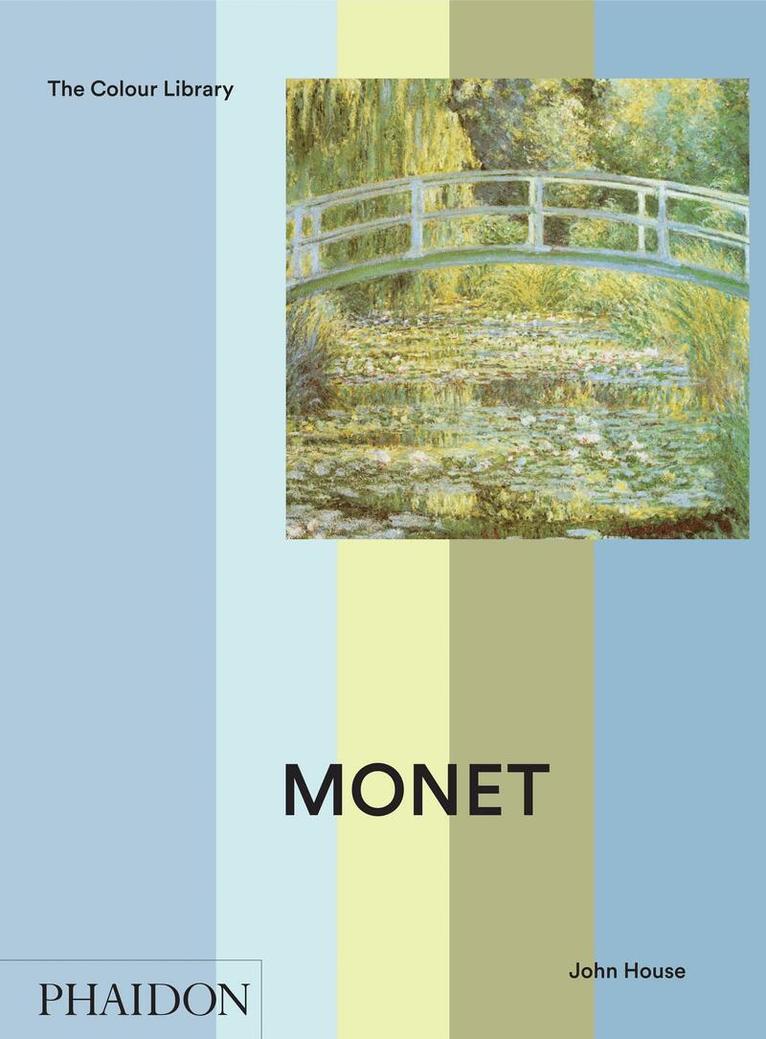
Impressionism took its name from the title of a painting that Claude Monet (1840-1926) exhibited in 1874. More than any other artist, Monet was the creator of the Impressionist vision, which has so forcefully shaped the way in which he habitually see nature today. For sixty years he continuously explored ways of translating his experiences into paint, in pictures that take us from the bustling life of Paris in the 1860s to the seclusion of his own water-garden, which he painted in his last years.John House’s introduction to Monet’s life and work presents a sequence of dazzling illustrations that chart the artist’s progress as he became increasingly preoccupied with colour and atmospheric effect, and the direct studies of nature gave way to paintings of greater richness and harmony, in which the play of varied colours replaced the conventional drawing and modelling of forms.
201 kr
Skickas inom 7-10 vardagar
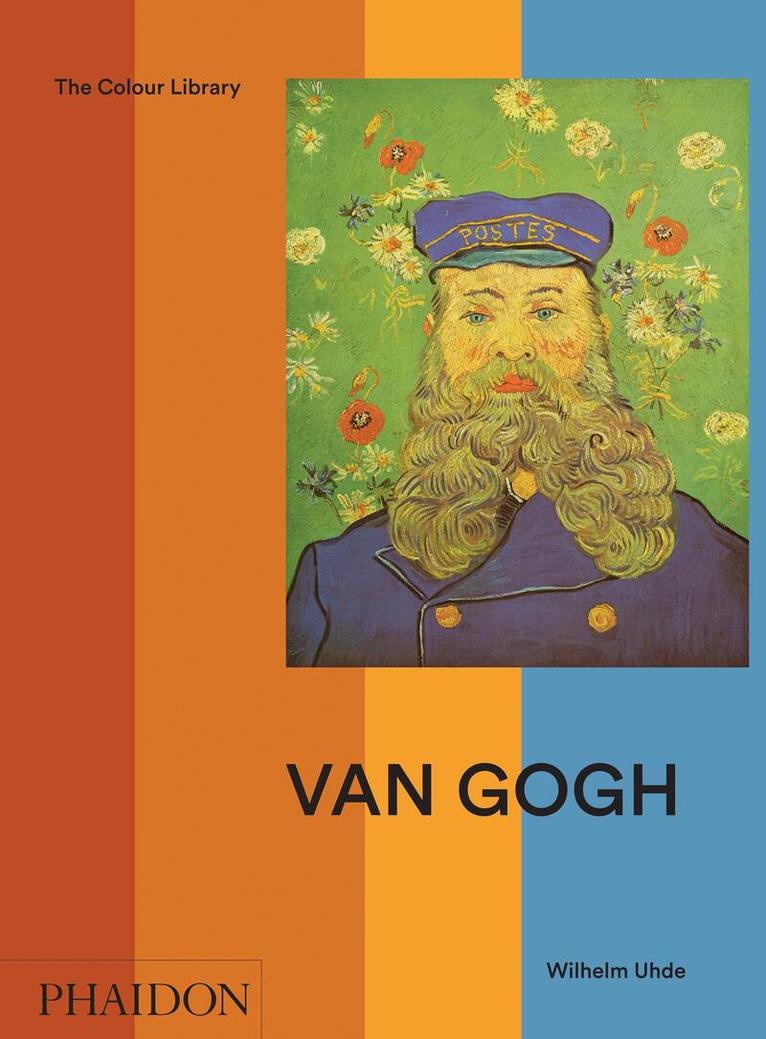
The career of Vincent Van Gogh (1853-90) as a painter was short, but his paintings revolutionized artistic practice and styles. The intensity of his vision, his wonderful sense of colour and the extraordinary boldness of his technique created masterpieces that exercised a profound influence on the art of the twentieth century. There are also enormously popular, and paintings such as The Yellow Chair, The Drawbridge and The Sower are among the most the best-loved images of our time.Wilhelm Uhde was an outstanding art critic and dealer who was born during Van Gogh’s lifetime and witnessed at first hand his rise to fame at the beginning of the twentieth century. His masterly essay was first published in 1937 and remains one of the best introductions to Van Gogh’s work. For this revised and expanded edition, the notes to the plates were added by Griselda Pollock, Professor of Social and Critical Histories of Art at the University of Leeds.
91 kr
Skickas
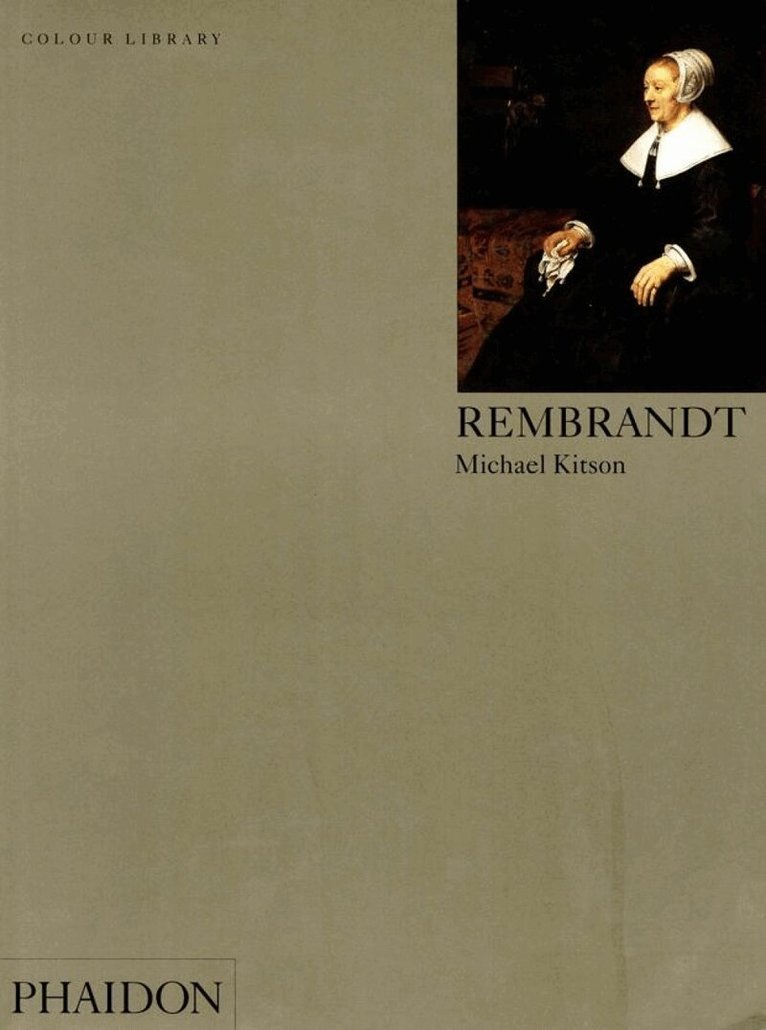
Rembrandt van Rijn (1606-69) transcends any period or social milieu: he is one of the world’s great masters and though his works reflect the confidence of newly independent Holland, his vision extends far beyond these narrow confines. A deeply perceptive artist (his many self-portraits show his continued interest in the study of human nature), he sought to go beyond superficialities, to endow his biblical paintings, historical narratives, genre scenes and portraits with psychological depths hitherto unknown in Dutch painting. Impatient with conventionally stiffly posed group portraits, he produced such masterpieces as The Night Watch, The Anatomy Lesson of Dr Tulp and the Staal Meesters, while his studies of Saskia, his wife, and his mistress Hendrickje Stoffels reveal his deeply sensuous, compassionate nature.Michael Kitson has revised his highly successful book in the light of the most recent scholarship on Rembrandt, making this the ideal survey of the career of a much-loved genius.
91 kr
Skickas
Edouard Manet (1832-83) was one of the greatest, as well as one of the most interesting, of nineteenth century French painters. Acute observation, an extraordinary skilful handling of paint and a feeling for exquisite harmonies of colour makes his work both vivid and enchanting. It is also of great significance in the story of European painting, since Manet, a pioneer in depicting modern life in a modern style, was a formative influence on the whole impressionist movement. Olympia and The Picnic are among the key works of the nineteenth century.These, and many other crucial points – among them Manet’s personality, with its many contradictions - are fully discussed by John Richardson in his introductory essay, an abridged version of the brilliant text which was widely admired when it was first published in 1958 and which started a full-scale revival of Manet studies.Richardson's classic text was first revised in 1982, with notes to the forty-eight colour plates by Kathleen Adler and comparative illustrations to emphasize the quality, variety and character of Manet’s work. This perfect introduction to the work of such an influential painter is now reissued in an attractive new design.
91 kr
Skickas
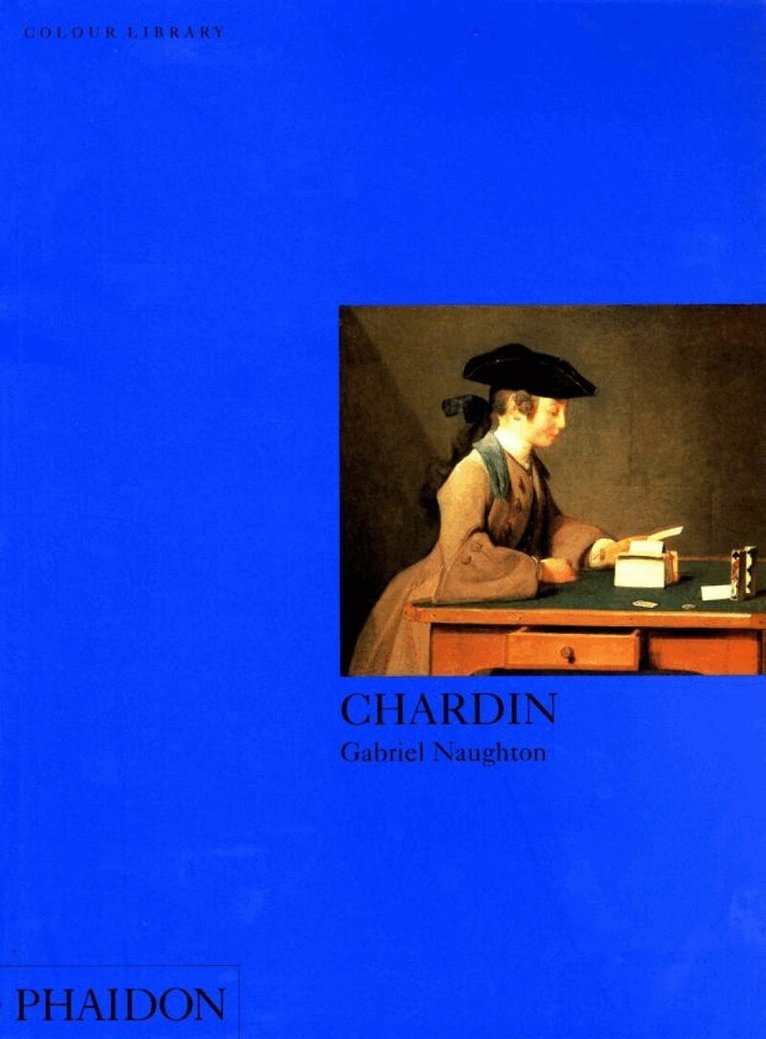
Jean Siméon Chardin (1699–1779) was arguably the most talented French painter of the eighteenth century, best known for his original still lifes. Composed of simple, everyday objects, these works glow with warmth and magic, from the dull iron of the kitchen pans, to the glaze of the green earthenware jug or the shining copper of the cauldron. There is no superfluous detail or search for decorative effect; the beauty of his paintings lies in their minimalism. His contemporary, the philosopher Diderot, looking at The Olive Jar exclaimed: ‘All you have to do is take these biscuits and eat them … pick up the glass of wine and drink it … O Chardin! It’s not white, red or black pigment that you crush on your palette: it’s the very substance of the objects.’Chardin received early recognition for his work, becoming an Associate of the Royal Academy of Painting and Sculpture and full Academician in 1728 at the age of almost 29. Following the success of his early still lifes and inspired by Dutch seventeenth-century artists, whose work was very much in vogue in Paris at the time, Chardin went on to paint some exquisite genre scenes and portraits, remarkable for their realism and honesty as well as for their skilful technique. His works had a tremendous influence on subsequent artists, inspiring painters as diverse as Manet and Cézanne.
201 kr
Skickas inom 7-10 vardagar
Salvador Dalí (1904-89) was one of the most controversial and paradoxical artists of the twentieth century. A painter of considerable virtuosity, he used a traditional illusionistic style to create disturbing images filled with references to violence, death, cannibalism and bizarre sexual practices, from the extraordinary limp watches in The Persistence of Memory to the gruesome monster in Soft Construction with Boiled Beans: Premonition of Civil War and the fetishistic lobster in the famous Lobster Telephone. Born in Figueras, Spain, Dalí was initially influenced by Impressionism and Cubism, but subsquently became involved with the Surrealists, the most revolutionary artists of the time. They regarded his paintings as revealing the normally hidden world of the unconscious. Indeed the Surrealists’ leader, André Breton, remarked: “It is perhaps with Dalí that for the first time the windows of the mind are opened fully wide”. However, Breton later expelled him from the grou
201 kr
Skickas inom 7-10 vardagar
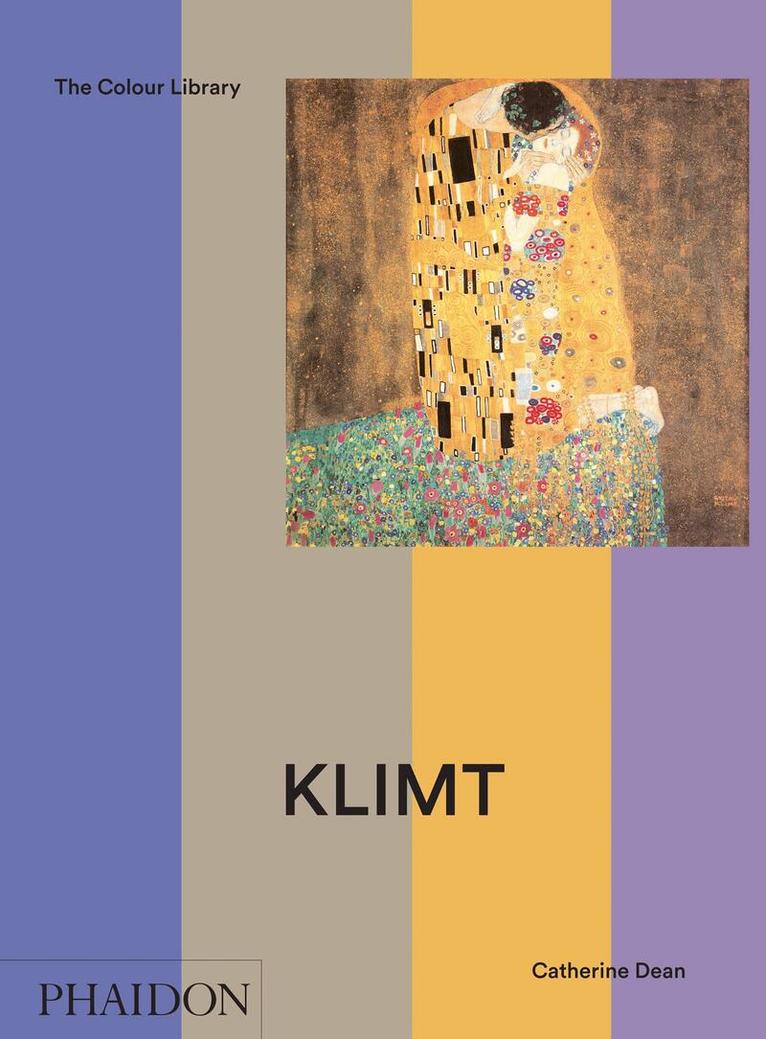
Gustave Klimt (1862-1918) was one of the most brilliant artists of the Austrian avant-garde. Admired for his sensual images of women and for his powerful and original vision, he produced some of the most haunting and evocative images of all time, including The Kiss, Love and The Three Ages of Woman, all of which are included in this perfect introduction to the artist’s work.Klimt started out as a decorator, opening a studio with his brother Ernst. Some of his most famous commissions were for murals, including the magnificent Beethoven Frieze, painted for the exhibition of Max Klinger’s statue of Beethoven, and the monumental ceiling paintings for the auditorium of Vienna University, which shocked a conservative public. A founder of Vienna Secession, the band of artists who resigned from the established art bodies to form their own group, Klimt became the principal painter of the Art Nouveau movement, painting glittering portraits of fashionable Viennese society as well as
97 kr
Skickas inom 7-10 vardagar
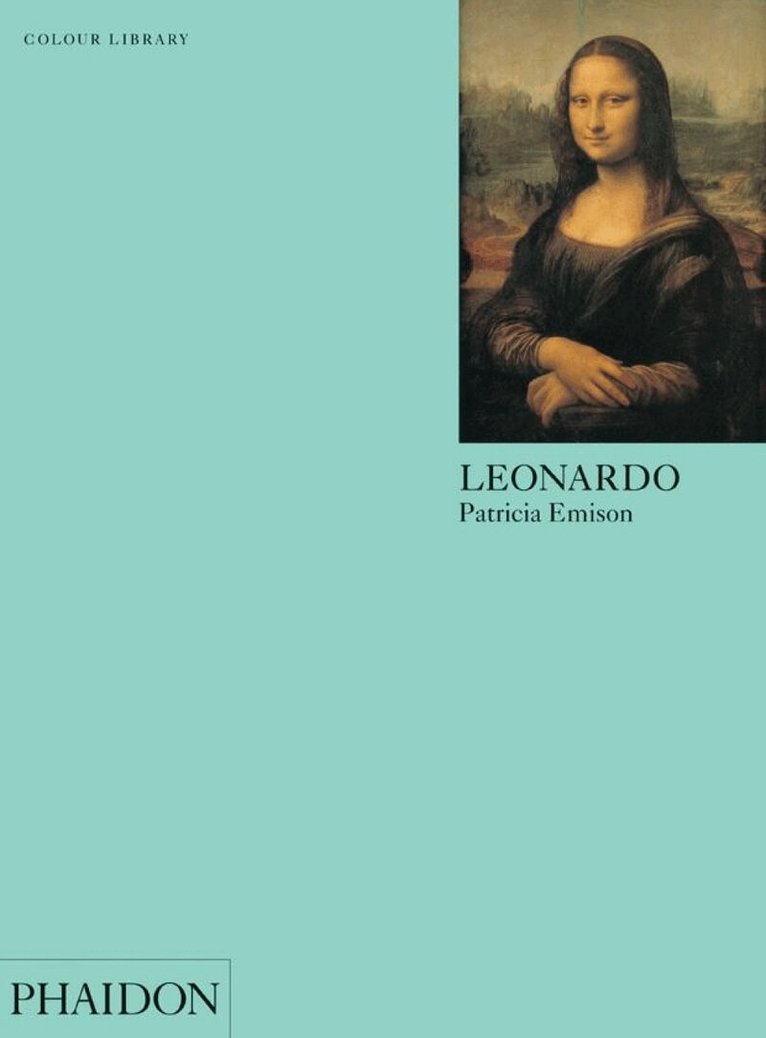
The latest addition to the best-selling Colour Library series of introductory books on the great masters and movements in art features all Leonardo's painted works and a detailed illustrated introduction.