Corpus Juris: the Humanities in Politics and Law – serie
Visar alla böcker i serien Corpus Juris: the Humanities in Politics and Law. Handla med fri frakt och snabb leverans.
14 produkter
14 produkter
Inbunden, Engelska, 2019
1 620 kr
Skickas inom 10-15 vardagar
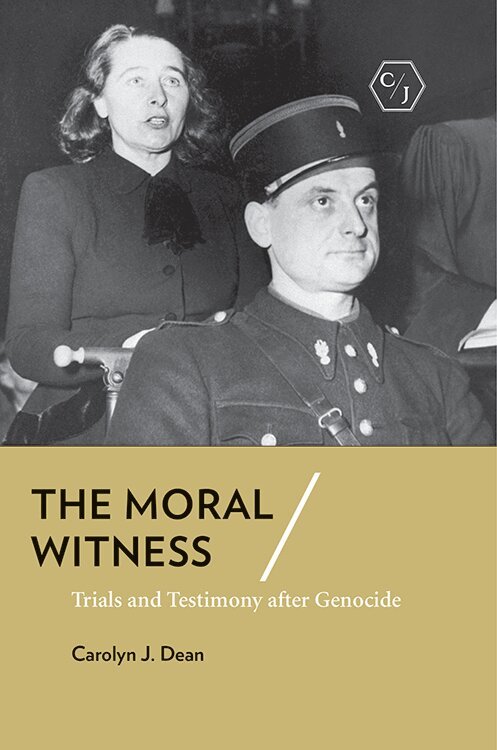
The Moral Witness is the first cultural history of the "witness to genocide" in the West. Carolyn J. Dean shows how the witness became a protagonist of twentieth-century moral culture by tracing the emergence of this figure in courtroom battles from the 1920s to the 1960s—covering the Armenian genocide, the Ukrainian pogroms, the Soviet Gulag, and the trial of Adolf Eichmann. In these trials, witness testimonies differentiated the crime of genocide from war crimes and began to form our understanding of modern political and cultural murder.By the turn of the twentieth century, the "witness to genocide" became a pervasive icon of suffering humanity and a symbol of western moral conscience. Dean sheds new light on the recent global focus on survivors' trauma. Only by placing the moral witness in a longer historical trajectory, she demonstrates, can we understand how the stories we tell about survivor testimony have shaped both our past and contemporary moral culture.
Häftad, Engelska, 2019
355 kr
Skickas inom 10-15 vardagar
The Moral Witness is the first cultural history of the "witness to genocide" in the West. Carolyn J. Dean shows how the witness became a protagonist of twentieth-century moral culture by tracing the emergence of this figure in courtroom battles from the 1920s to the 1960s—covering the Armenian genocide, the Ukrainian pogroms, the Soviet Gulag, and the trial of Adolf Eichmann. In these trials, witness testimonies differentiated the crime of genocide from war crimes and began to form our understanding of modern political and cultural murder.By the turn of the twentieth century, the "witness to genocide" became a pervasive icon of suffering humanity and a symbol of western moral conscience. Dean sheds new light on the recent global focus on survivors' trauma. Only by placing the moral witness in a longer historical trajectory, she demonstrates, can we understand how the stories we tell about survivor testimony have shaped both our past and contemporary moral culture.
Inbunden, Engelska, 2019
1 809 kr
Skickas inom 10-15 vardagar
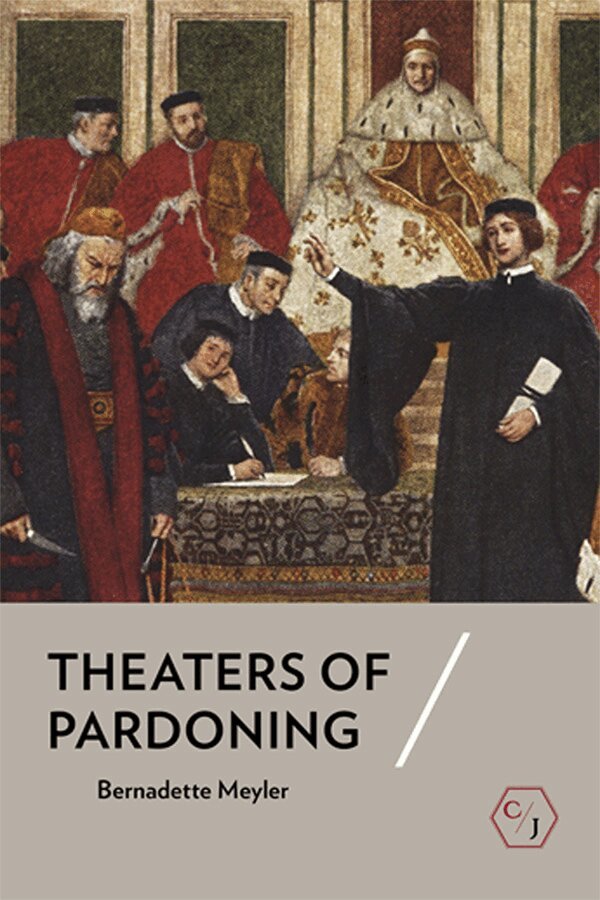
From Gerald Ford's preemptive pardon of Richard Nixon and Donald Trump's claims that as president he could pardon himself to the posthumous royal pardon of Alan Turing, the power of the pardon has a powerful hold on the political and cultural imagination. In Theaters of Pardoning, Bernadette Meyler traces the roots of contemporary understandings of pardoning to tragicomic "theaters of pardoning" in the drama and politics of seventeenth-century England. Shifts in how pardoning was represented on the stage and discussed in political tracts and in Parliament reflected the transition from a more monarchical and judgment-focused form of the concept to an increasingly parliamentary and legislative vision of sovereignty.Meyler shows that on the English stage, individual pardons of revenge subtly transformed into more sweeping pardons of revolution, from Shakespeare's Measure for Measure, where a series of final pardons interrupts what might otherwise have been a cycle of revenge, to later works like John Ford's The Laws of Candy and Philip Massinger's The Bondman, in which the exercise of mercy prevents the overturn of the state itself. In the political arena, the pardon as a right of kingship evolved into a legal concept, culminating in the idea of a general amnesty, the "Act of Oblivion," for actions taken during the English Civil War. Reconceiving pardoning as law-giving effectively displaced sovereignty from king to legislature, a shift that continues to attract suspicion about the exercise of pardoning. Only by breaking the connection between pardoning and sovereignty that was cemented in seventeenth-century England, Meyler concludes, can we reinvigorate the pardon as a democratic practice.
Häftad, Engelska, 2019
500 kr
Skickas
From Gerald Ford's preemptive pardon of Richard Nixon and Donald Trump's claims that as president he could pardon himself to the posthumous royal pardon of Alan Turing, the power of the pardon has a powerful hold on the political and cultural imagination. In Theaters of Pardoning, Bernadette Meyler traces the roots of contemporary understandings of pardoning to tragicomic "theaters of pardoning" in the drama and politics of seventeenth-century England. Shifts in how pardoning was represented on the stage and discussed in political tracts and in Parliament reflected the transition from a more monarchical and judgment-focused form of the concept to an increasingly parliamentary and legislative vision of sovereignty.Meyler shows that on the English stage, individual pardons of revenge subtly transformed into more sweeping pardons of revolution, from Shakespeare's Measure for Measure, where a series of final pardons interrupts what might otherwise have been a cycle of revenge, to later works like John Ford's The Laws of Candy and Philip Massinger's The Bondman, in which the exercise of mercy prevents the overturn of the state itself. In the political arena, the pardon as a right of kingship evolved into a legal concept, culminating in the idea of a general amnesty, the "Act of Oblivion," for actions taken during the English Civil War. Reconceiving pardoning as law-giving effectively displaced sovereignty from king to legislature, a shift that continues to attract suspicion about the exercise of pardoning. Only by breaking the connection between pardoning and sovereignty that was cemented in seventeenth-century England, Meyler concludes, can we reinvigorate the pardon as a democratic practice.
Inbunden, Engelska, 2019
1 620 kr
Skickas inom 10-15 vardagar
This is a masterful study of the ways in which sex and law were inextricably intertwined in the elaboration of French rule in Algeria. Its great virtue is to demonstrate in careful detail, with an impressive range of material (from court records to novels), exactly how the conquest of Algeria repeatedly challenged the very ideals of the secular universalism in whose name colonization was carried out.â• Joan Wallach Scott, author of Sex and SecularismDuring more than a century of colonial rule over Algeria, the French state shaped and reshaped the meaning and practice of Muslim law by regulating it and circumscribing it to the domain of family law, while applying the French Civil Code to appropriate the property of Algerians. In Sex, Law, and Sovereignty in French Algeria, 1830–1930, Judith Surkis traces how colonial authorities constructed Muslim legal difference and used it to deny Algerian Muslims full citizenship. In disconnecting Muslim law from property rights, French officials increasingly attached it to the bodies, beliefs, and personhood.Surkis argues that powerful affective attachments to the intimate life of the family and fantasies about Algerian women and the sexual prerogatives of Muslim men, supposedly codified in the practices of polygamy and child marriage, shaped French theories and regulatory practices of Muslim law in fundamental and lasting ways. Women's legal status in particular came to represent the dense relationship between sex and sovereignty in the colony. This book also highlights the ways in which Algerians interacted with and responded to colonial law. Ultimately, this sweeping legal genealogy of French Algeria elucidates how "the Muslim question" in France became-and remains-a question of sex.
Häftad, Engelska, 2019
328 kr
Skickas inom 10-15 vardagar
This is a masterful study of the ways in which sex and law were inextricably intertwined in the elaboration of French rule in Algeria. Its great virtue is to demonstrate in careful detail, with an impressive range of material (from court records to novels), exactly how the conquest of Algeria repeatedly challenged the very ideals of the secular universalism in whose name colonization was carried out.â• Joan Wallach Scott, author of Sex and SecularismDuring more than a century of colonial rule over Algeria, the French state shaped and reshaped the meaning and practice of Muslim law by regulating it and circumscribing it to the domain of family law, while applying the French Civil Code to appropriate the property of Algerians. In Sex, Law, and Sovereignty in French Algeria, 1830–1930, Judith Surkis traces how colonial authorities constructed Muslim legal difference and used it to deny Algerian Muslims full citizenship. In disconnecting Muslim law from property rights, French officials increasingly attached it to the bodies, beliefs, and personhood.Surkis argues that powerful affective attachments to the intimate life of the family and fantasies about Algerian women and the sexual prerogatives of Muslim men, supposedly codified in the practices of polygamy and child marriage, shaped French theories and regulatory practices of Muslim law in fundamental and lasting ways. Women's legal status in particular came to represent the dense relationship between sex and sovereignty in the colony. This book also highlights the ways in which Algerians interacted with and responded to colonial law. Ultimately, this sweeping legal genealogy of French Algeria elucidates how "the Muslim question" in France became-and remains-a question of sex.
Inbunden, Engelska, 2021
1 620 kr
Skickas inom 10-15 vardagar
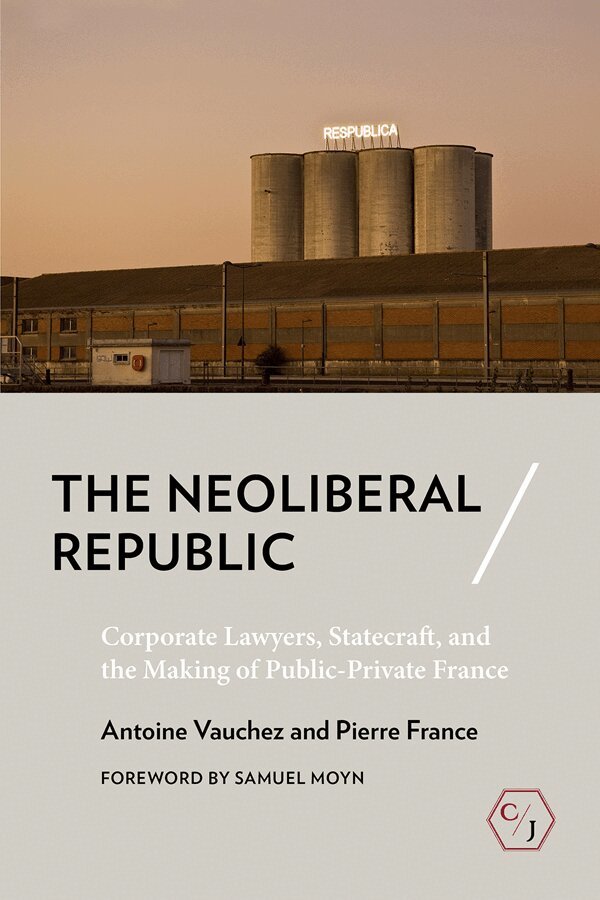
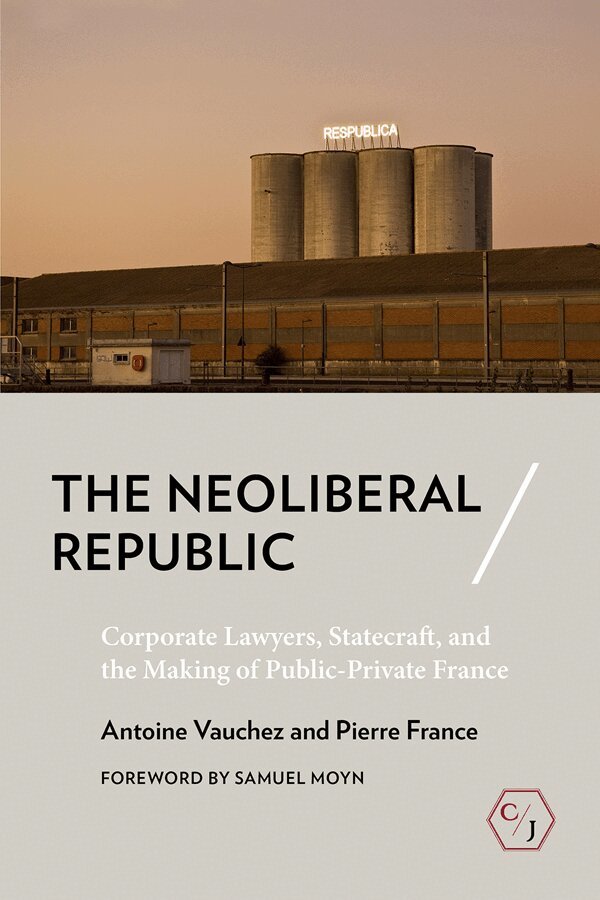
The Neoliberal Republic traces the corrosive effects of the revolving door between public service and private enrichment on the French state and its ability to govern and regulate the private sector. Casting a piercing light on this circulation of influence among corporate lawyers and others in the French power elite, Antoine Vauchez and Pierre France analyze how this dynamic, a feature of all Western democracies, has developed in concert with the rise of neoliberalism over the past three decades. Based on interviews with dozens of public officials in France and a unique biographical database of more than 200 civil-servants-turned-corporate-lawyers, The Neoliberal Republic explores how the always-blurred boundary between public service and private interests has been critically compromised, enabling the transformation of the regulatory state into either an ineffectual bystander or an active collaborator in the privatization of public welfare. The cumulative effect of these developments, the authors reveal, undermines democratic citizenship and the capacity to imagine the public good.
Häftad, Engelska, 2021
272 kr
Skickas inom 10-15 vardagar
The Neoliberal Republic traces the corrosive effects of the revolving door between public service and private enrichment on the French state and its ability to govern and regulate the private sector. Casting a piercing light on this circulation of influence among corporate lawyers and others in the French power elite, Antoine Vauchez and Pierre France analyze how this dynamic, a feature of all Western democracies, has developed in concert with the rise of neoliberalism over the past three decades. Based on interviews with dozens of public officials in France and a unique biographical database of more than 200 civil-servants-turned-corporate-lawyers, The Neoliberal Republic explores how the always-blurred boundary between public service and private interests has been critically compromised, enabling the transformation of the regulatory state into either an ineffectual bystander or an active collaborator in the privatization of public welfare. The cumulative effect of these developments, the authors reveal, undermines democratic citizenship and the capacity to imagine the public good.
Inbunden, Engelska, 2021
1 809 kr
Skickas inom 10-15 vardagar
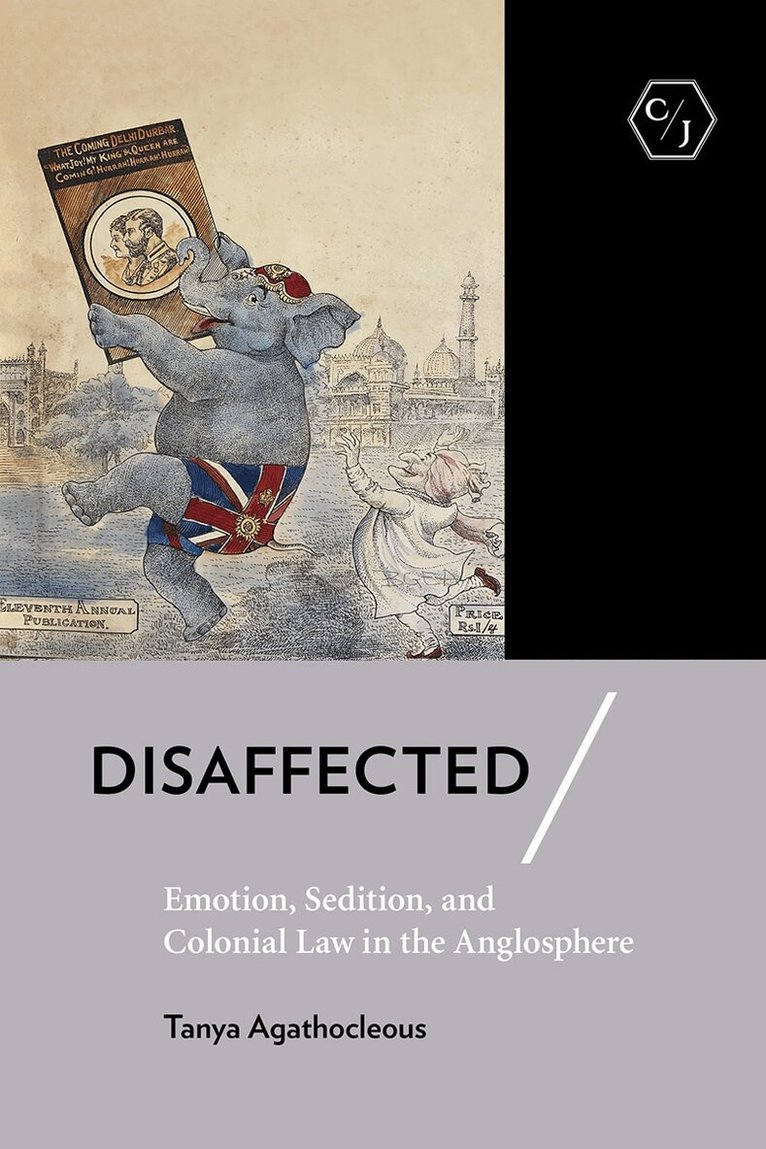
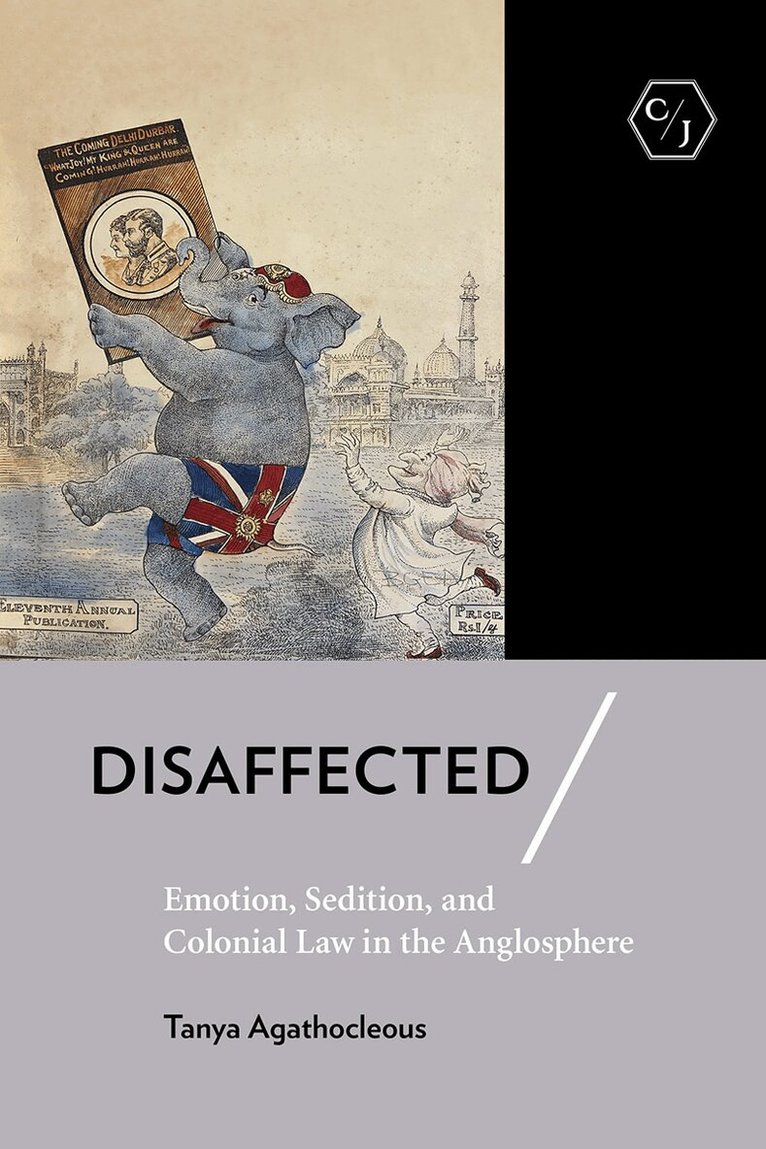
Disaffected examines the effects of antisedition law on the overlapping public spheres of India and Britain under empire. After 1857, the British government began censoring the press in India, culminating in 1870 with the passage of Section 124a, a law that used the term "disaffection" to target the emotional tenor of writing deemed threatening to imperial rule. As a result, Tanya Agathocleous shows, Indian journalists adopted modes of writing that appeared to mimic properly British styles of prose even as they wrote against empire. Agathocleous argues that Section 124a, which is still used to quell political dissent in present-day India, both irrevocably shaped conversations and critiques in the colonial public sphere and continues to influence anticolonialism and postcolonial relationships between the state and the public. Disaffected draws out the coercive and emotional subtexts of law, literature, and cultural relationships, demonstrating how the criminalization of political alienation and dissent has shaped literary form and the political imagination.
Häftad, Engelska, 2021
366 kr
Skickas inom 10-15 vardagar
Disaffected examines the effects of antisedition law on the overlapping public spheres of India and Britain under empire. After 1857, the British government began censoring the press in India, culminating in 1870 with the passage of Section 124a, a law that used the term "disaffection" to target the emotional tenor of writing deemed threatening to imperial rule. As a result, Tanya Agathocleous shows, Indian journalists adopted modes of writing that appeared to mimic properly British styles of prose even as they wrote against empire. Agathocleous argues that Section 124a, which is still used to quell political dissent in present-day India, both irrevocably shaped conversations and critiques in the colonial public sphere and continues to influence anticolonialism and postcolonial relationships between the state and the public. Disaffected draws out the coercive and emotional subtexts of law, literature, and cultural relationships, demonstrating how the criminalization of political alienation and dissent has shaped literary form and the political imagination.
Inbunden, Engelska, 2023
1 447 kr
Skickas inom 10-15 vardagar
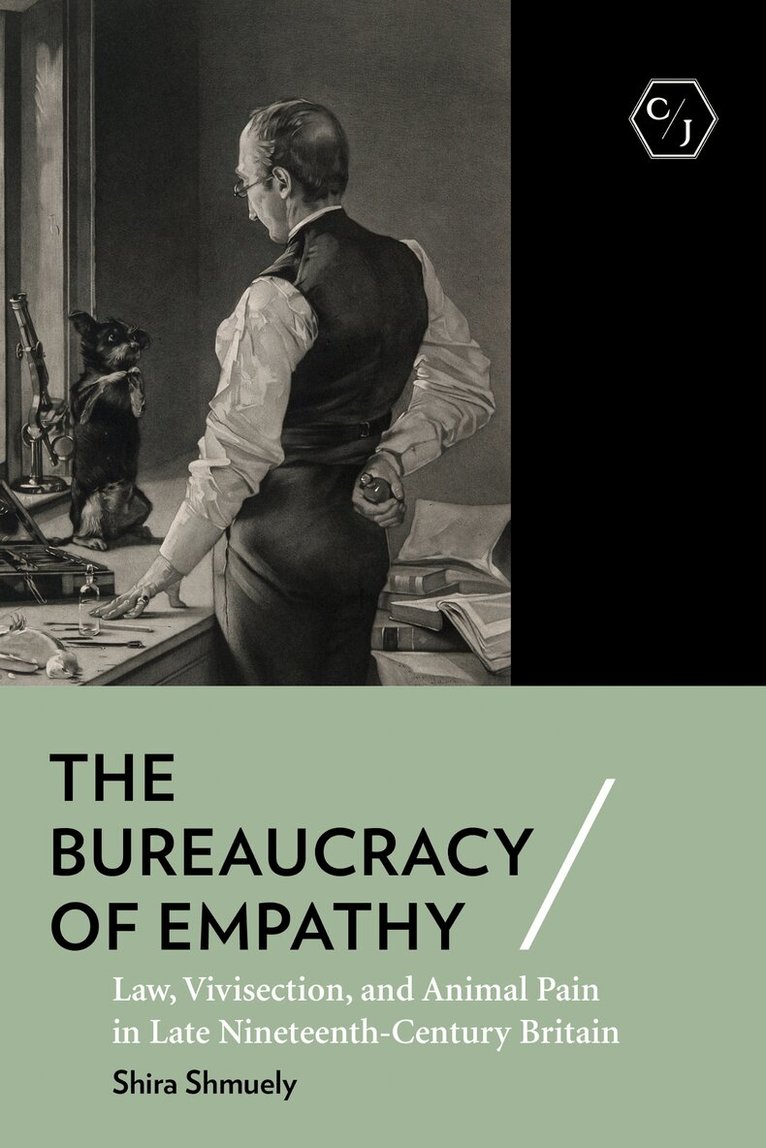
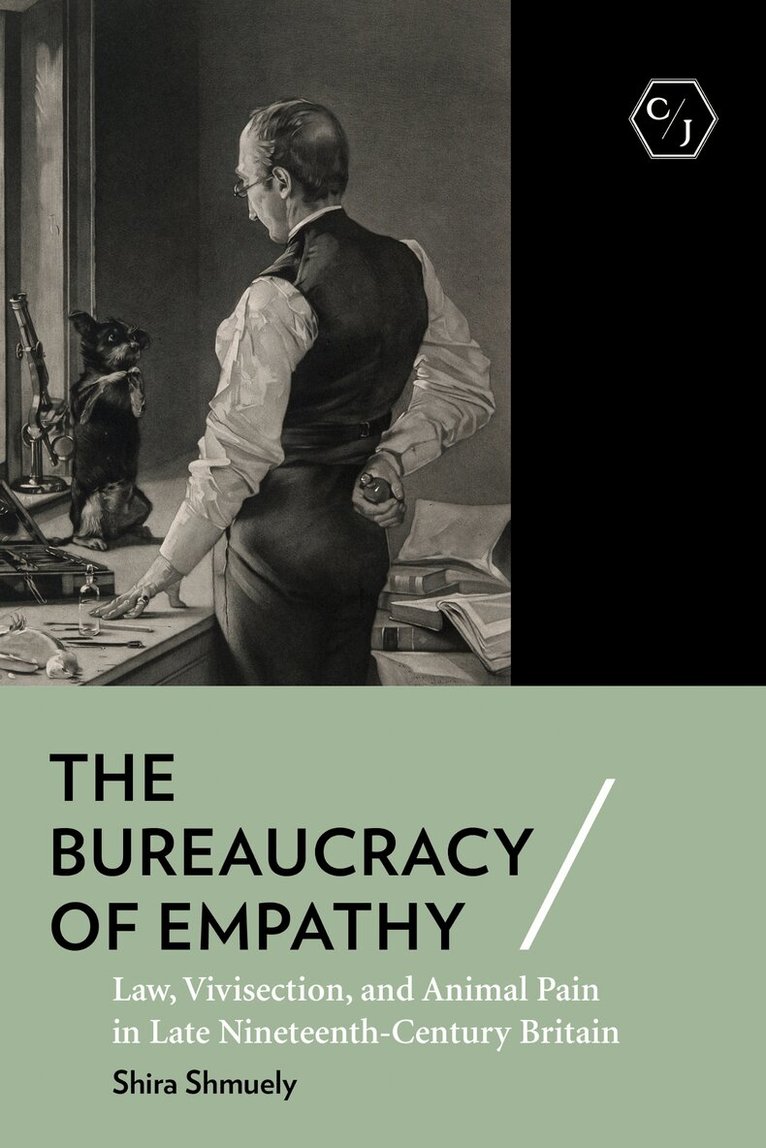
The Bureaucracy of Empathy revolves around two central questions: What is pain? And how do we recognize, understand, and ameliorate the pain of nonhuman animals? Shira Shmuely investigates these ethical issues through a close and careful history of the origins, implementation, and enforcement of the 1876 Cruelty to Animals Act of Parliament, which for the first time imposed legal restrictions on animal experimentation and mandated official supervision of procedures "calculated to give pain" to animal subjects.Exploring how scientists, bureaucrats, and lawyers wrestled with the problem of animal pain and its perception, Shmuely traces in depth and detail how the Act was enforced, the medical establishment's initial resistance and then embrace of regulation, and the challenges from anti-vivisection advocates who deemed it insufficient protection against animal suffering. She shows how a "bureaucracy of empathy" emerged to support and administer the legislation, navigating incongruent interpretations of pain. This crucial moment in animal law and ethics continues to inform laws regulating the treatment of nonhuman animals in laboratories, farms, and homes around the worlds to the present.
Häftad, Engelska, 2023
342 kr
Skickas inom 10-15 vardagar
The Bureaucracy of Empathy revolves around two central questions: What is pain? And how do we recognize, understand, and ameliorate the pain of nonhuman animals? Shira Shmuely investigates these ethical issues through a close and careful history of the origins, implementation, and enforcement of the 1876 Cruelty to Animals Act of Parliament, which for the first time imposed legal restrictions on animal experimentation and mandated official supervision of procedures "calculated to give pain" to animal subjects.Exploring how scientists, bureaucrats, and lawyers wrestled with the problem of animal pain and its perception, Shmuely traces in depth and detail how the Act was enforced, the medical establishment's initial resistance and then embrace of regulation, and the challenges from anti-vivisection advocates who deemed it insufficient protection against animal suffering. She shows how a "bureaucracy of empathy" emerged to support and administer the legislation, navigating incongruent interpretations of pain. This crucial moment in animal law and ethics continues to inform laws regulating the treatment of nonhuman animals in laboratories, farms, and homes around the worlds to the present.
Inbunden, Engelska, 2026
1 620 kr
Skickas inom 10-15 vardagar
Fear of the False uncovers colonial South Asia's critical role in the development of forensic science. Around 1900, the government of British India created a web of institutions for the scientific detection of crime. Driven by anxieties about "native mendacity," newly minted forensic analysts focused on uncovering faked evidence planted by South Asians. These experts, joining toxicologists known as "chemical examiners," were supposed to extract objective, scientific truth in the service of British justice. But in trying to counteract the presumed tendency of colonized peoples to lie, the system enabled widespread misconduct by state experts, increasing the risk of wrongful convictions of South Asian defendants. Through scrupulously documented legal cases, Mitra Sharafi reveals that colonial dynamics put special pressure on the relationship between truth and justice. Examining falsity on both sides of the law through the use of testing to (mis)identify poisons, blood, and spermatozoa, as well as debates over adversarialism and inquisitorialism in the colonial courtroom, Fear of the False explores advances in forensic science and shortcuts in criminal procedure against the backdrop of colonial mistrust.Thanks to generous funding from the University of Wisconsin Law School, the ebook editions of this book are available as open access volumes through the Cornell Open initiative.
Häftad, Engelska, 2026
276 kr
Skickas
Fear of the False uncovers colonial South Asia's critical role in the development of forensic science. Around 1900, the government of British India created a web of institutions for the scientific detection of crime. Driven by anxieties about "native mendacity," newly minted forensic analysts focused on uncovering faked evidence planted by South Asians. These experts, joining toxicologists known as "chemical examiners," were supposed to extract objective, scientific truth in the service of British justice. But in trying to counteract the presumed tendency of colonized peoples to lie, the system enabled widespread misconduct by state experts, increasing the risk of wrongful convictions of South Asian defendants. Through scrupulously documented legal cases, Mitra Sharafi reveals that colonial dynamics put special pressure on the relationship between truth and justice. Examining falsity on both sides of the law through the use of testing to (mis)identify poisons, blood, and spermatozoa, as well as debates over adversarialism and inquisitorialism in the colonial courtroom, Fear of the False explores advances in forensic science and shortcuts in criminal procedure against the backdrop of colonial mistrust.Thanks to generous funding from the University of Wisconsin Law School, the ebook editions of this book are available as open access volumes through the Cornell Open initiative.