Cultures and Practice of Violence - Böcker
Visar alla böcker i serien . Handla med fri frakt och snabb leverans.
15 produkter
15 produkter
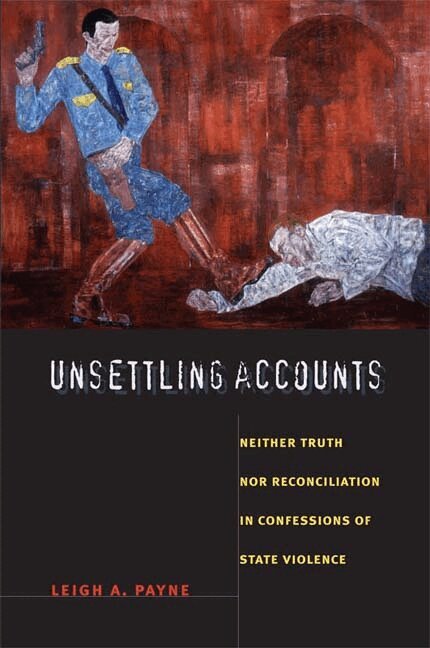
Unsettling Accounts
Neither Truth nor Reconciliation in Confessions of State Violence
Häftad, Engelska, 2008
416 kr
Skickas inom 7-10 vardagar
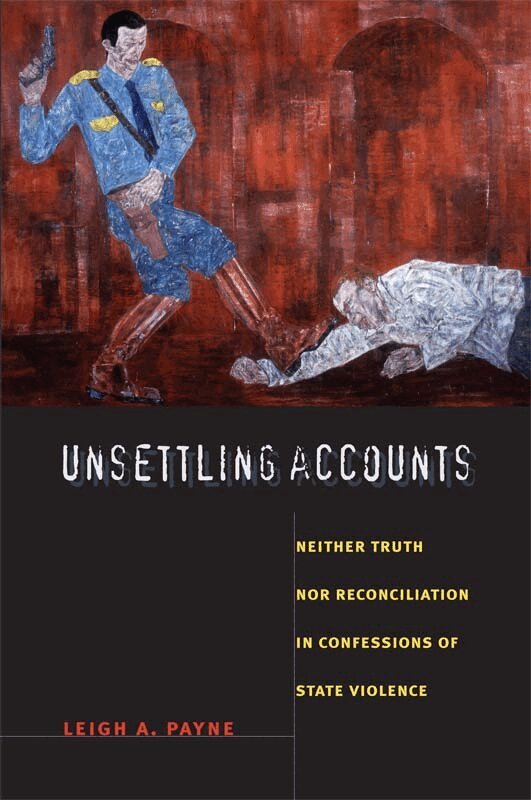
An Argentine naval officer remorsefully admits that he killed thirty people during Argentina’s Dirty War. A member of General Augusto Pinochet’s intelligence service reveals on a television show that he took sadistic pleasure in the sexual torture of women in clandestine prisons. A Brazilian military officer draws on his own experiences to write a novel describing the military’s involvement in a massacre during the 1970s. The head of a police death squad refuses to become the scapegoat for apartheid-era violence in South Africa; he begins to name names and provide details of past atrocities to the Truth Commission. Focusing on these and other confessions to acts of authoritarian state violence, Leigh A. Payne asks what happens when perpetrators publicly admit or discuss their actions. While mechanisms such as South Africa’s Truth and Reconciliation Commission are touted as means of settling accounts with the past, Payne contends that public confessions do not settle the past. They are unsettling by nature. Rather than reconcile past violence, they catalyze contentious debate. She argues that this debate-and the public confessions that trigger it-are healthy for democratic processes of political participation, freedom of expression, and the contestation of political ideas.Payne draws on interviews, unedited television film, newspaper archives, and books written by perpetrators to analyze confessions of state violence in Argentina, Chile, Brazil, and South Africa. Each of these four countries addressed its past through a different institutional form-from blanket amnesty, to conditional amnesty based on confessions, to judicial trials. Payne considers perpetrators’ confessions as performance, examining what they say and what they communicate nonverbally; the timing, setting, and reception of their confessions; and the different ways that they portray their pasts, whether in terms of remorse, heroism, denial, or sadism, or through lies or betrayal.
284 kr
Skickas inom 7-10 vardagar
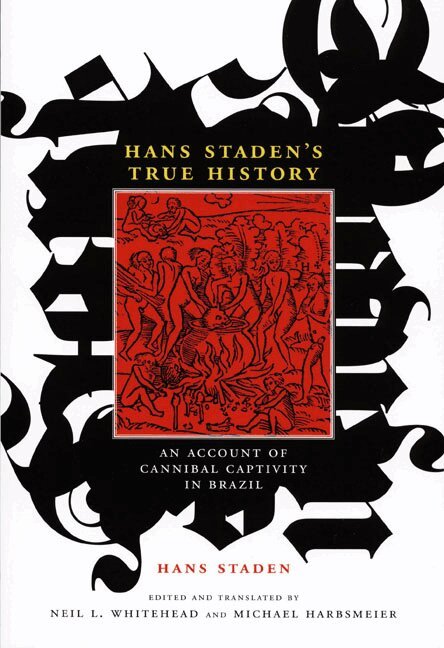
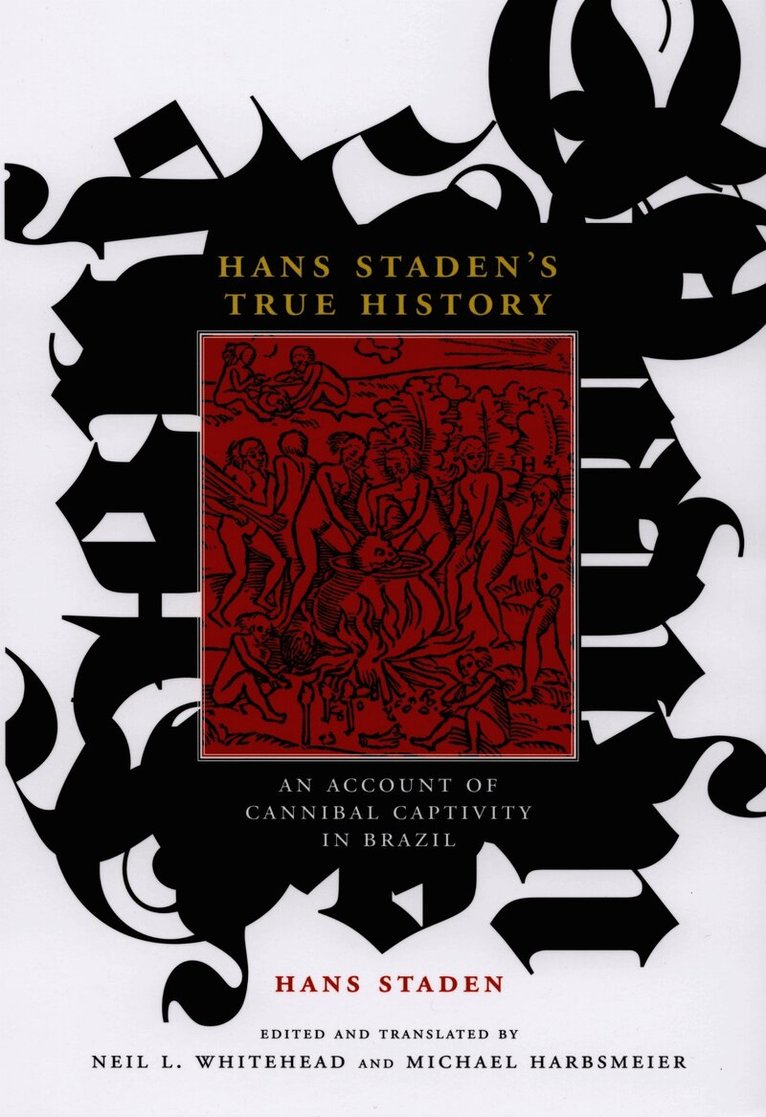
In 1550 the German adventurer Hans Staden was serving as a gunner in a Portuguese fort on the Brazilian coast. While out hunting, he was captured by the TupinambÁ, an indigenous people who had a reputation for engaging in ritual cannibalism and who, as allies of the French, were hostile to the Portuguese. Staden’s True History, first published in Germany in 1557, tells the story of his nine months among the Tupi Indians. It is a dramatic first-person account of his capture, captivity, and eventual escape. Staden’s narrative is a foundational text in the history and European “discovery” of Brazil, the earliest European account of the Tupi Indians, and a touchstone in the debates on cannibalism. Yet the last English-language edition of Staden’s True History was published in 1929. This new critical edition features a new translation from the sixteenth-century German along with annotations and an extensive introduction. It restores to the text the fifty-six woodcut illustrations of Staden’s adventures and final escape that appeared in the original 1557 edition.In the introduction, Neil L. Whitehead discusses the circumstances surrounding the production of Staden’s narrative and its ethnological significance, paying particular attention to contemporary debates about cannibalism. Whitehead illuminates the value of Staden’s True History as an eyewitness account of Tupi society on the eve before its collapse, of ritual war and sacrifice among Native peoples, and of colonial rivalries in the region of Rio de Janeiro. He chronicles the history of the various editions of Staden’s narrative and their reception from 1557 until the present. Staden’s work continues to engage a wide range of readers, not least within Brazil, where it has recently been the subject of two films and a graphic novel.
624 kr
Skickas inom 3-6 vardagar
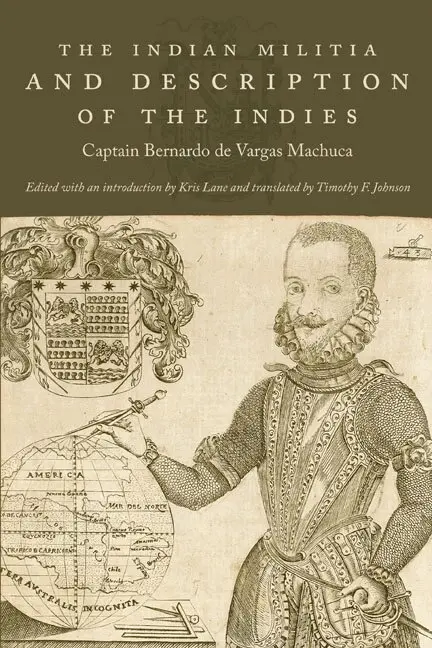
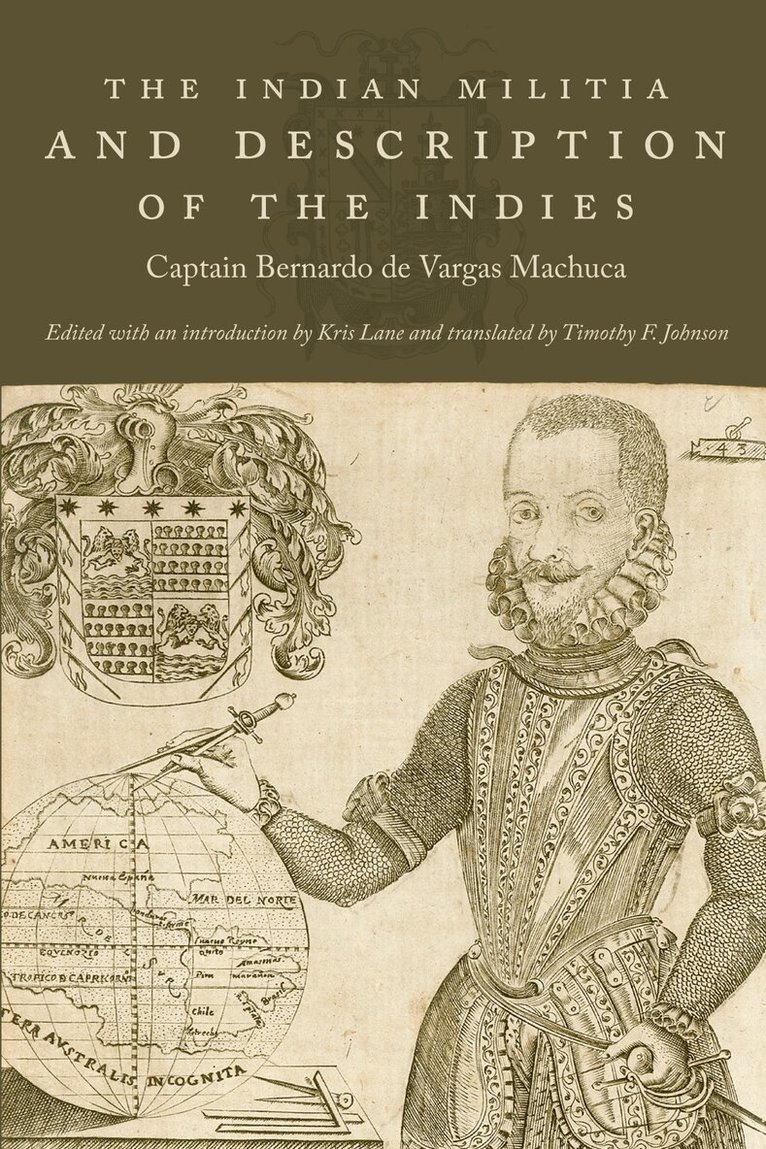
Sometimes referred to as the first published manual of guerrilla warfare, Bernardo de Vargas Machuca’s Indian Militia and Description of the Indies is actually the first known manual of counterinsurgency, or anti-guerrilla warfare. Published in Madrid in 1599 by a Spanish-born soldier of fortune with long experience in the Americas, the book is a training manual for conquistadors. The Aztec and Inca Empires had long since fallen by 1599, but Vargas Machuca argued that many more Native American peoples remained to be conquered and converted to Roman Catholicism. What makes his often shrill and self-righteous treatise surprising is his consistent praise of indigenous resistance techniques and medicinal practices.Containing advice on curing rattlesnake bites with amethysts and making saltpeter for gunpowder from concentrated human urine, The Indian Militia is a manual in four parts, the first of which outlines the ideal qualities of the militia commander. Addressing the organization and outfitting of conquest expeditions, Book Two includes extended discussions of arms and medicine. Book Three covers the proper behavior of soldiers, providing advice on marching through peaceful and bellicose territories, crossing rivers, bivouacking in foul weather, and carrying out night raids and ambushes. Book Four deals with peacemaking, town-founding, and the proper treatment of conquered peoples. Appended to these four sections is a brief geographical description of all of Spanish America, with special emphasis on the indigenous peoples of New Granada (roughly modern-day Colombia), followed by a short guide to the southern coasts and heavens. This first English-language edition of The Indian Militia includes an extensive introduction, a posthumous report on Vargas Machuca’s military service, and a selection from his unpublished attack on the writings of Fray BartolomÉ de Las Casas.
416 kr
Skickas inom 7-10 vardagar
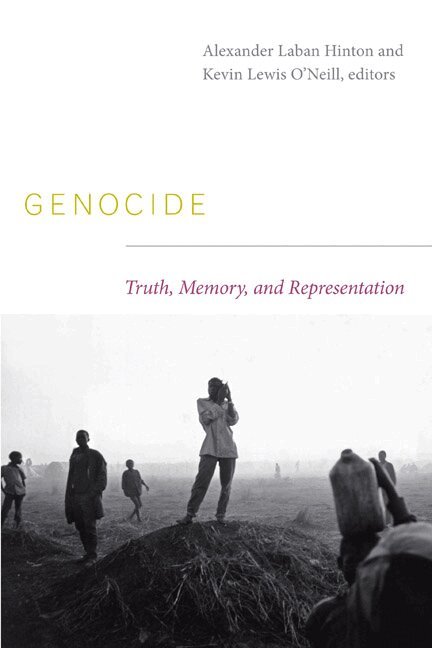
What happens to people and the societies in which they live after genocide? How are the devastating events remembered on the individual and collective levels, and how do these memories intersect and diverge as the rulers of postgenocidal states attempt to produce a monolithic “truth” about the past? In this important volume, leading anthropologists consider such questions about the relationship of genocide, truth, memory, and representation in the Balkans, East Timor, Germany, Guatemala, Indonesia, Nigeria, Rwanda, Sudan, and other locales.Specialists on the societies about which they write, these anthropologists draw on ethnographic research to provide on-the-ground analyses of communities in the wake of mass brutality. They investigate how mass violence is described or remembered, and how those representations are altered by the attempts of others, from NGOs to governments, to assert “the truth” about outbreaks of violence. One contributor questions the neutrality of an international group monitoring violence in Sudan and the assumption that such groups are, at worst, benign. Another examines the consequences of how events, victims, and perpetrators are portrayed by the Rwandan government during the annual commemoration of that country’s genocide in 1994. Still another explores the silence around the deaths of between eighty and one hundred thousand people on Bali during Indonesia’s state-sponsored anticommunist violence of 1965–1966, a genocidal period that until recently was rarely referenced in tourist guidebooks, anthropological studies on Bali, or even among the Balinese themselves. Other contributors consider issues of political identity and legitimacy, coping, the media, and “ethnic cleansing.” Genocide: Truth, Memory, and Representation reveals the major contribution that cultural anthropologists can make to the study of genocide.Contributors. Pamela Ballinger, Jennie E. Burnet, Conerly Casey, Elizabeth Drexler, Leslie Dwyer, Alexander Laban Hinton, Sharon E. Hutchinson, Uli Linke, Kevin Lewis O’Neill, Antonius C. G. M. Robben, Debra Rodman, Victoria Sanford
363 kr
Skickas inom 7-10 vardagar
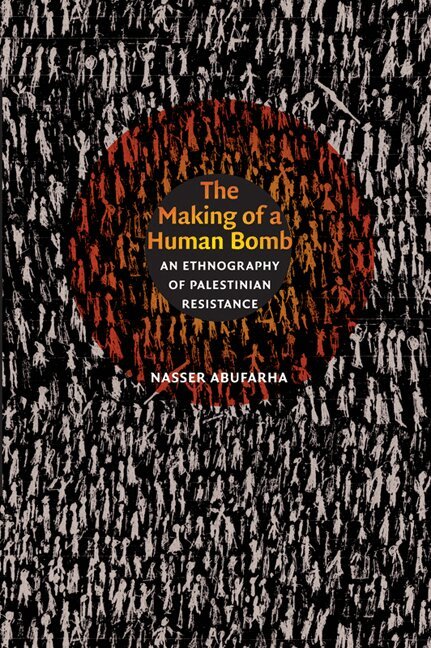
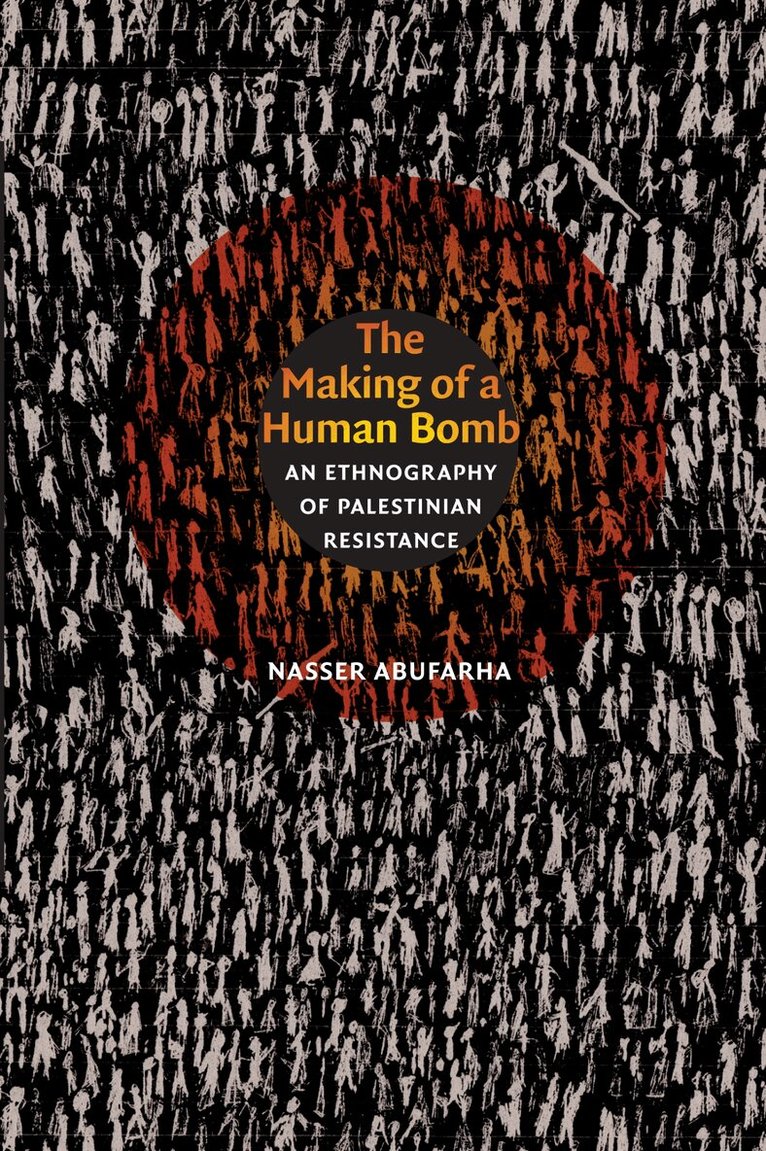
In The Making of a Human Bomb, Nasser Abufarha, a Palestinian anthropologist, explains the cultural logic underlying Palestinian martyrdom operations (suicide attacks) launched against Israel during the Al-Aqsa Intifada (2000–06). In so doing, he sheds much-needed light on how Palestinians have experienced and perceived the broader conflict. During the Intifada, many of the martyrdom operations against Israeli targets were initiated in the West Bank town of Jenin and surrounding villages. Abufarha was born and raised in Jenin. His personal connections to the area enabled him to conduct ethnographic research there during the Intifada, while he was a student at a U.S. university. Abufarha draws on the life histories of martyrs, interviews he conducted with their families and members of the groups that sponsored their operations, and examinations of Palestinian literature, art, performance, news stories, and political commentaries. He also assesses data-about the bombers, targets, and fatalities caused-from more than two hundred martyrdom operations carried out by Palestinian groups between 2001 and 2004. Some involved the use of explosive belts or the detonation of cars; others entailed armed attacks against Israeli targets (military and civilian) undertaken with the intent of fighting until death. In addition, he scrutinized suicide attacks executed by Hamas and Islamic Jihad between 1994 and 2000. In his analysis of Palestinian political violence, Abufarha takes into account Palestinians’ understanding of the history of the conflict with Israel, the effects of containment on Palestinians’ everyday lives, the disillusionment created by the Oslo peace process, and reactions to specific forms of Israeli state violence. The Making of a Human Bomb illuminates the Palestinians’ perspective on the conflict with Israel and provides a model for ethnographers seeking to make sense of political violence.
416 kr
Skickas inom 7-10 vardagar
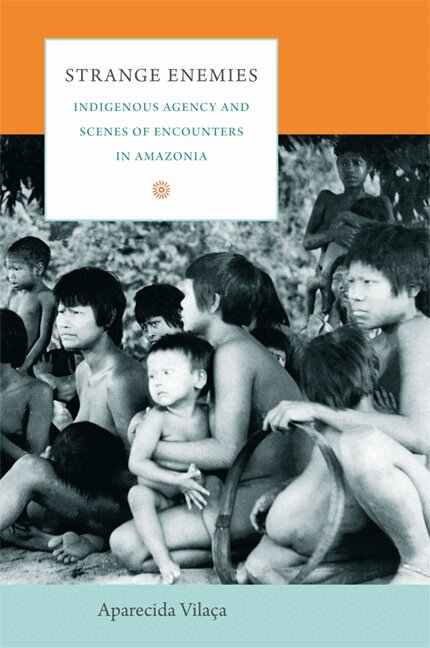
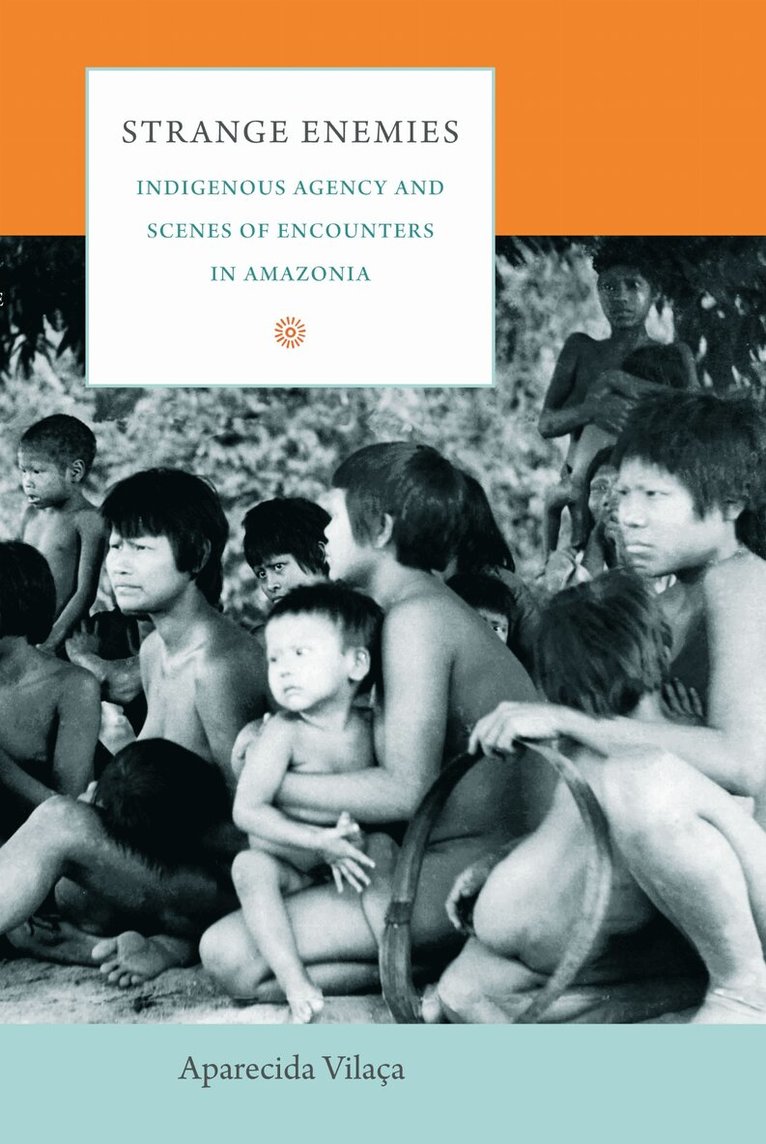
In 1956, in the Brazilian state of RondÔnia, a group of Wari’ Indians had their first peaceful contact with whites: Protestant missionaries and officers from the national Indian Protection Service. On returning to their villages, the Wari’ announced, “We touched their bodies!” Meanwhile the whites reported to their own people that “the region’s most warlike tribe has entered the pacification phase!” Initially published in Brazil, Strange Enemies is an ethnographic narrative of the first encounters between these peoples with radically different worldviews.During the 1940s and 1950s, white rubber tappers invading the Wari’ lands raided the native villages, shooting and killing their victims as they slept. These massacres prompted the Wari’ to initiate a period of intense retaliatory warfare. The national government and religious organizations subsequently intervened, seeking to “pacify” the Indians. Aparecida VilaÇa was able to interview both Wari’ and non-Wari’ participants in these encounters, and here she shares their firsthand narratives of the dramatic events. Taking the Wari’ perspective as its starting point, Strange Enemies combines a detailed examination of these cross-cultural encounters with analyses of classic ethnological themes such as kinship, shamanism, cannibalism, warfare, and mythology.
363 kr
Skickas inom 7-10 vardagar
Despite recent political movements to establish democratic rule in Latin American countries, much of the region still suffers from pervasive violence. From vigilantism, to human rights violations, to police corruption, violence persists. It is perpetrated by state-sanctioned armies, guerillas, gangs, drug traffickers, and local community groups seeking self-protection. The everyday presence of violence contrasts starkly with governmental efforts to extend civil, political, and legal rights to all citizens, and it is invoked as evidence of the failure of Latin American countries to achieve true democracy. The contributors to this collection take the more nuanced view that violence is not a social aberration or the result of institutional failure; instead, it is intimately linked to the institutions and policies of economic liberalization and democratization.The contributors-anthropologists, political scientists, sociologists, and historians-explore how individuals and institutions in Latin American democracies, from the rural regions of Colombia and the Dominican Republic to the urban centers of Brazil and Mexico, use violence to impose and contest notions of order, rights, citizenship, and justice. They describe the lived realities of citizens and reveal the historical foundations of the violence that Latin America suffers today. One contributor examines the tightly woven relationship between violent individuals and state officials in Colombia, while another contextualizes violence in Rio de Janeiro within the transnational political economy of drug trafficking. By advancing the discussion of democratic Latin American regimes beyond the usual binary of success and failure, this collection suggests more sophisticated ways of understanding the challenges posed by violence, and of developing new frameworks for guaranteeing human rights in Latin America.Contributors: Enrique Desmond Arias, Javier Auyero, Lilian Bobea, Diane E. Davis, Robert Gay, Daniel M. Goldstein, Mary RoldÁn, Todd Landman, Ruth Stanley, MarÍa Clemencia RamÍrez
1 554 kr
Skickas inom 7-10 vardagar
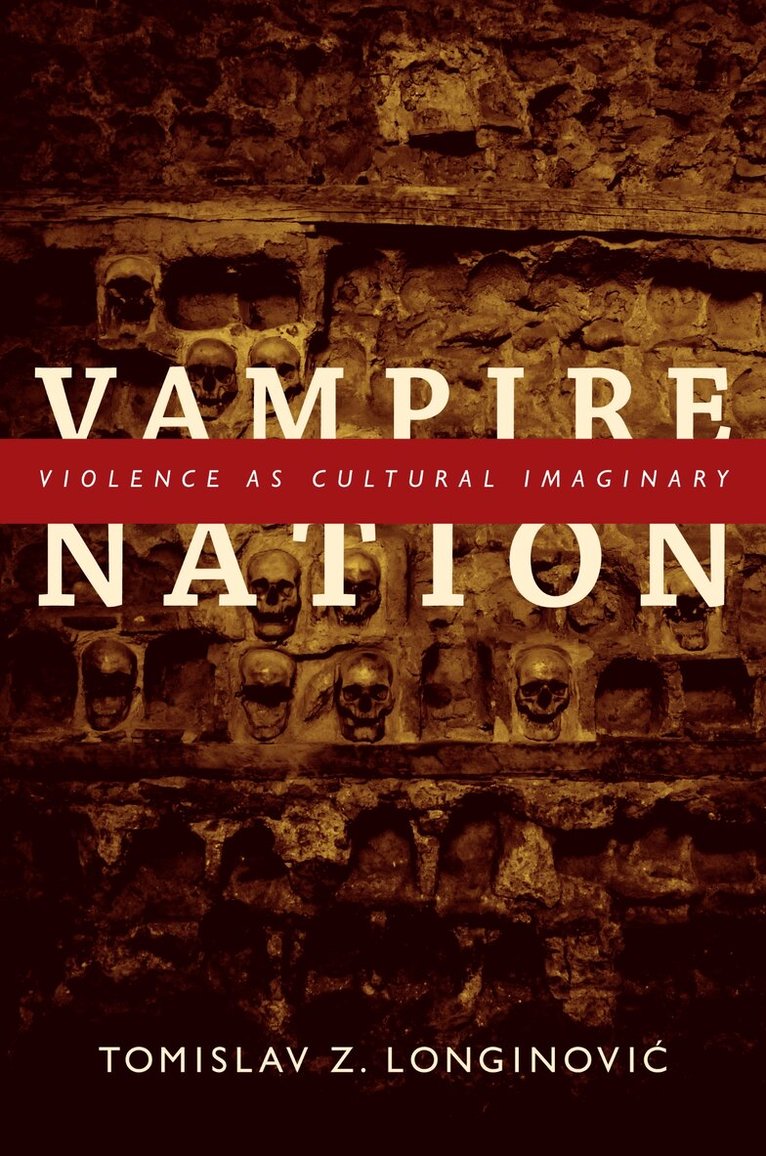
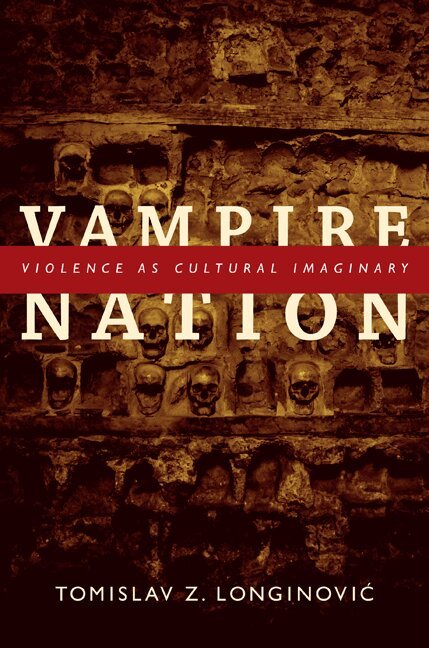
Vampire Nation is a nuanced analysis of the cultural and political rhetoric framing ‘the serbs’ as metaphorical vampires in the last decades of the twentieth century, as well as the cultural imaginaries and rhetorical mechanisms that inform nationalist discourses more broadly. Tomislav Z. Longinović points to the Gothic associations of violence, blood, and soil in the writings of many intellectuals and politicians during the 1990s, especially in portrayals by the U.S.-led Western media of ‘the serbs’ as a vampire nation, a bloodsucking parasite on the edge of European civilization.Interpreting oral and written narratives and visual culture, Longinović traces the early modern invention of ‘the serbs’ and the category’s twentieth-century transformations. He describes the influence of Bram Stoker’s nineteenth-century novel Dracula on perceptions of the Balkan region and reflects on representations of hybrid identities and their violent destruction in the works of the region’s most prominent twentieth-century writers. Concluding on a hopeful note, Longinović considers efforts to imagine a new collective identity in non-nationalist terms. These endeavors include the emigrant Yugoslav writer David Albahari’s Canadian Trilogy and Cyber-Yugoslavia, a mock nation-state with “citizens” in more than thirty countries.
372 kr
Skickas inom 7-10 vardagar
Vampire Nation is a nuanced analysis of the cultural and political rhetoric framing ‘the serbs’ as metaphorical vampires in the last decades of the twentieth century, as well as the cultural imaginaries and rhetorical mechanisms that inform nationalist discourses more broadly. Tomislav Z. Longinović points to the Gothic associations of violence, blood, and soil in the writings of many intellectuals and politicians during the 1990s, especially in portrayals by the U.S.-led Western media of ‘the serbs’ as a vampire nation, a bloodsucking parasite on the edge of European civilization.Interpreting oral and written narratives and visual culture, Longinović traces the early modern invention of ‘the serbs’ and the category’s twentieth-century transformations. He describes the influence of Bram Stoker’s nineteenth-century novel Dracula on perceptions of the Balkan region and reflects on representations of hybrid identities and their violent destruction in the works of the region’s most prominent twentieth-century writers. Concluding on a hopeful note, Longinović considers efforts to imagine a new collective identity in non-nationalist terms. These endeavors include the emigrant Yugoslav writer David Albahari’s Canadian Trilogy and Cyber-Yugoslavia, a mock nation-state with “citizens” in more than thirty countries.
416 kr
Skickas inom 7-10 vardagar
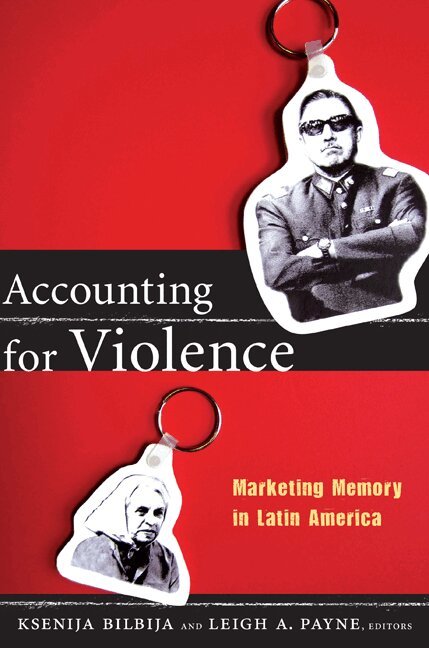
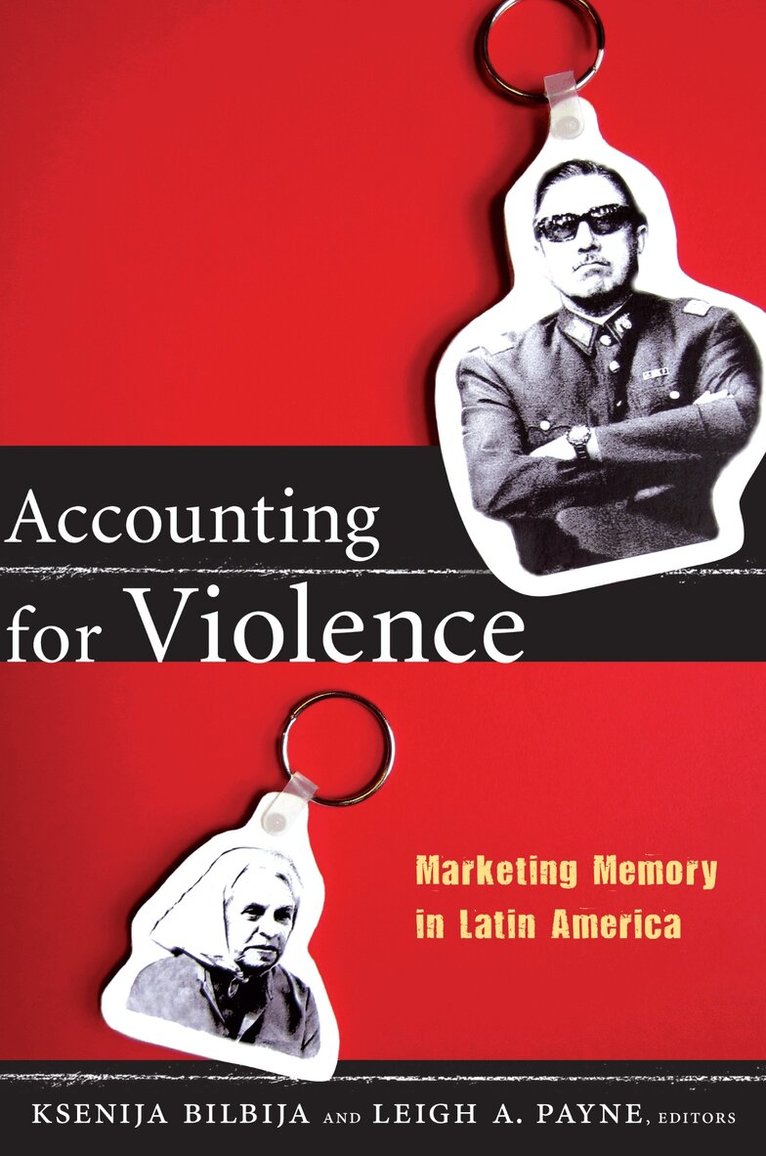
Accounting for Violence offers bold new perspectives on the politics of memory in Latin America. Scholars from across the humanities and social sciences provide in-depth analyses of the political economy of memory in Argentina, Brazil, Chile, Mexico, Peru, and Uruguay, countries that emerged from authoritarian rule in the 1980s and 1990s. The contributors take up issues of authenticity and commodification, as well as the “never again” imperative implicit in memory goods and memorial sites. They describe how bookstores, cinemas, theaters, the music industry, and television shows (and their commercial sponsors) trade in testimonial and fictional accounts of the authoritarian past; how tourist itineraries have come to include trauma sites and memorial museums; and how memory studies has emerged as a distinct academic field profiting from its own journals, conferences, book series, and courses. The memory market, described in terms of goods, sites, producers, marketers, consumers, and patrons, presents a paradoxical situation. On the one hand, commodifying memory potentially cheapens it. On the other hand, too little public exposure may limit awareness of past human-rights atrocities; such awareness may help to prevent their recurring.Contributors. Rebecca J. Atencio, Ksenija Bilbija, Jo-Marie Burt, Laurie Beth Clark, Cath Collins, Susana Draper, Nancy Gates-Madsen, Susana Kaiser, Cynthia E. Milton, Alice A. Nelson, Carmen Oquendo Villar, Leigh A. Payne, JosÉ RamÓn RuisÁnchez Serra, Maria Eugenia Ulfe
1 246 kr
Skickas inom 7-10 vardagar
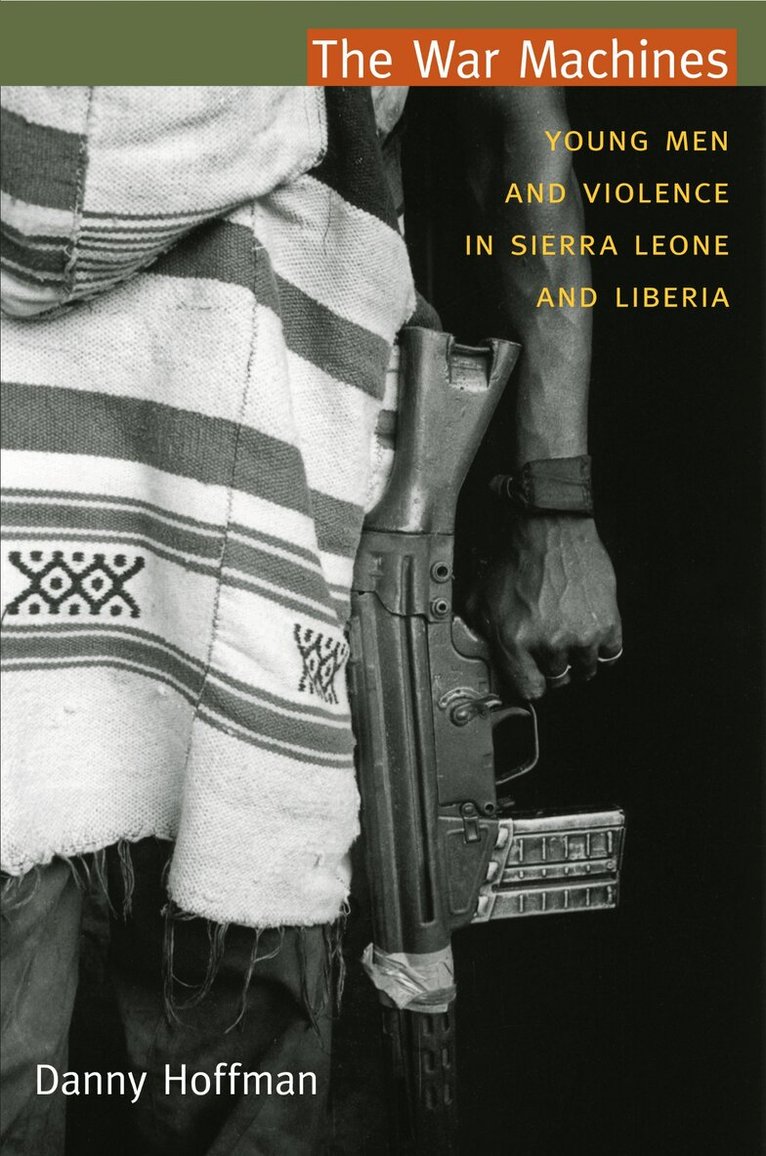
In The War Machines, Danny Hoffman considers how young men are made available for violent labor both on the battlefields and in the diamond mines, rubber plantations, and other unregulated industries of West Africa. Based on his ethnographic research with militia groups in Sierra Leone and Liberia during those countries’ recent civil wars, Hoffman traces the path of young fighters who moved from grassroots community-defense organizations in Sierra Leone during the mid-1990s into a large pool of mercenary labor. Hoffman argues that in contemporary West Africa, space, sociality, and life itself are organized around making young men available for all manner of dangerous work. Drawing on his ethnographic research over the past nine years, as well as the anthropology of violence, interdisciplinary security studies, and contemporary critical theory, he maintains that the mobilization of West African men exemplifies a global trend in the outsourcing of warfare and security operations. A similar dynamic underlies the political economy of violence in Iraq, Afghanistan, and a growing number of postcolonial spaces. An experienced photojournalist, Hoffman integrates more than fifty of his photographs of young West Africans into The War Machines.
363 kr
Skickas inom 7-10 vardagar
In The War Machines, Danny Hoffman considers how young men are made available for violent labor both on the battlefields and in the diamond mines, rubber plantations, and other unregulated industries of West Africa. Based on his ethnographic research with militia groups in Sierra Leone and Liberia during those countries’ recent civil wars, Hoffman traces the path of young fighters who moved from grassroots community-defense organizations in Sierra Leone during the mid-1990s into a large pool of mercenary labor. Hoffman argues that in contemporary West Africa, space, sociality, and life itself are organized around making young men available for all manner of dangerous work. Drawing on his ethnographic research over the past nine years, as well as the anthropology of violence, interdisciplinary security studies, and contemporary critical theory, he maintains that the mobilization of West African men exemplifies a global trend in the outsourcing of warfare and security operations. A similar dynamic underlies the political economy of violence in Iraq, Afghanistan, and a growing number of postcolonial spaces. An experienced photojournalist, Hoffman integrates more than fifty of his photographs of young West Africans into The War Machines.
363 kr
Skickas inom 7-10 vardagar
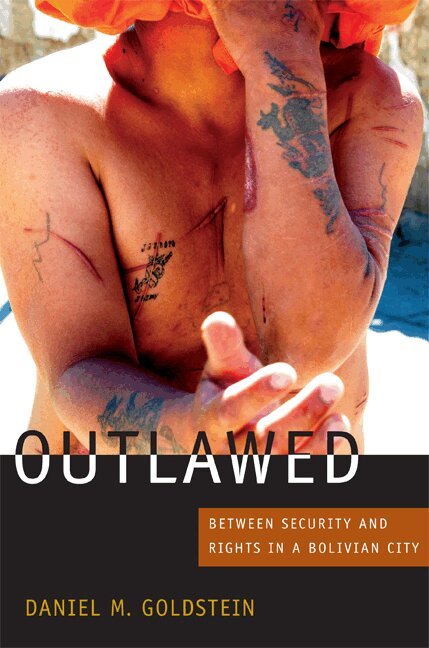
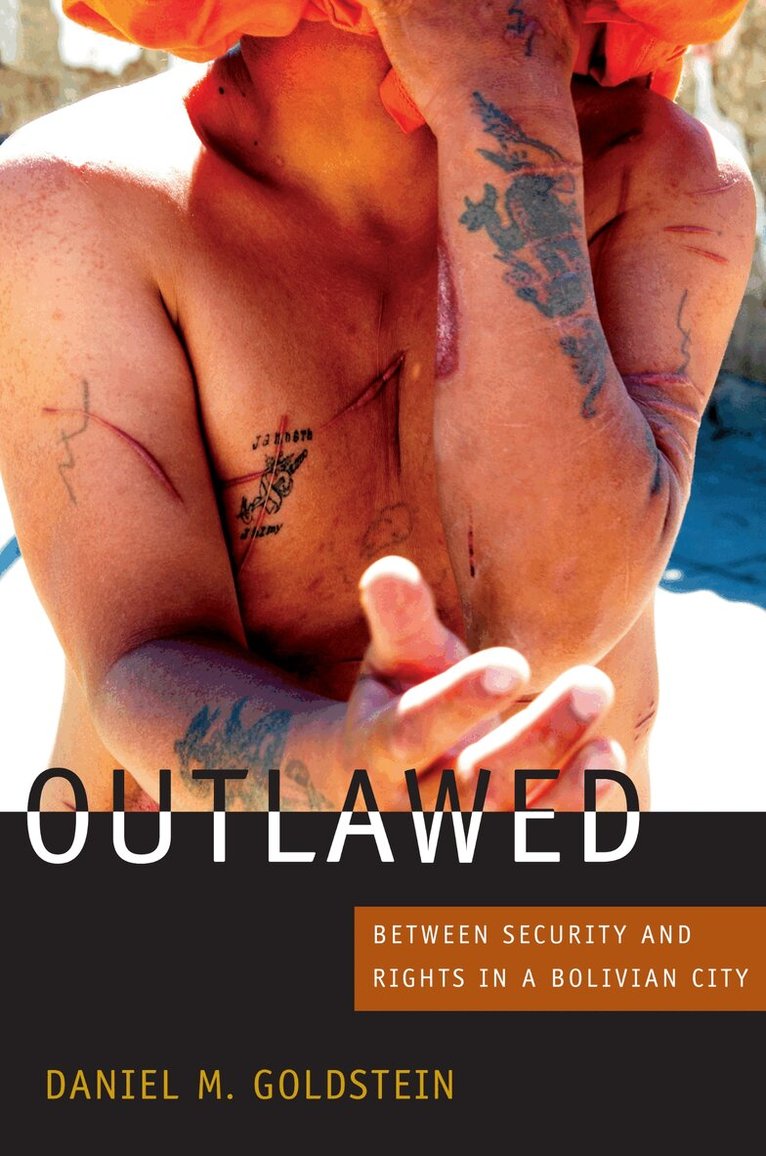
In Outlawed, Daniel M. Goldstein reveals how indigenous residents of marginal neighborhoods in Cochabamba, Bolivia, struggle to balance security with rights. Feeling abandoned to the crime and violence that grip their communities, they sometimes turn to vigilante practices, including lynching, to apprehend and punish suspected criminals. Goldstein describes those in this precarious position as "outlawed": not protected from crime by the law but forced to comply with legal measures in other areas of their lives, their solutions to protection criminalized while their needs for security are ignored. He chronicles the complications of the government's attempts to provide greater rights to indigenous peoples, including a new constitution that recognizes "community justice." He also examines how state definitions of indigeneity ignore the existence of marginal neighborhoods, continuing long-standing exclusionary practices. The insecurity felt by the impoverished residents of Cochabamba-and, more broadly, by the urban poor throughout Bolivia and Latin America-remains. Outlawed illuminates the complex interconnections between differing definitions of security and human rights at the local, national, and global levels.
Virtual War and Magical Death
Technologies and Imaginaries for Terror and Killing
Inbunden, Engelska, 2013
1 246 kr
Skickas inom 7-10 vardagar
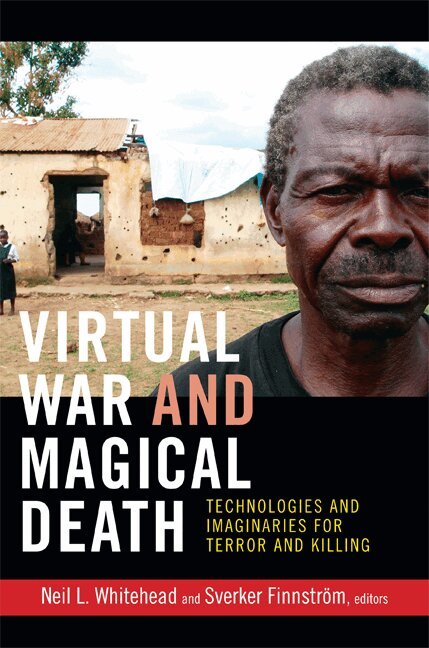
Virtual War and Magical Death is a provocative examination of the relations between anthropology and contemporary global war. Several arguments unite the collected essays, which are based on ethnographic research in varied locations, including Guatemala, Uganda, and Tanzania, as well as Afghanistan, Pakistan, Iraq, and the United States. Foremost is the contention that modern high-tech warfare-as it is practiced and represented by the military, the media, and civilians-is analogous to rituals of magic and sorcery. Technologies of "virtual warfare," such as high-altitude bombing, remote drone attacks, night-vision goggles, and even music videoes and computer games that simulate battle, reproduce the imaginative worlds and subjective experiences of witchcraft, magic, and assault sorcery long studied by cultural anthropologists. Another significant focus of the collection is the U.S. military's exploitation of ethnographic research, particularly through its controversial Human Terrain Systems (HTS) Program, which embeds anthropologists as cultural experts in military units. Several pieces address the ethical dilemmas that HTS and other counterinsurgency projects pose for anthropologists. Other essays reveal the relatively small scale of those programs in relation to the military's broader use of, and ambitions for, social scientific data.Contributors. Robertson Allen, Brian Ferguson, Sverker FinnstrÖm, Roberto J. GonzÁlez, David H. Price, Antonius Robben, Victoria Sanford, Jeffrey Sluka, Koen Stroeken, Matthew Sumera, Neil L. Whitehead
Virtual War and Magical Death
Technologies and Imaginaries for Terror and Killing
Häftad, Engelska, 2013
363 kr
Skickas inom 7-10 vardagar
Virtual War and Magical Death is a provocative examination of the relations between anthropology and contemporary global war. Several arguments unite the collected essays, which are based on ethnographic research in varied locations, including Guatemala, Uganda, and Tanzania, as well as Afghanistan, Pakistan, Iraq, and the United States. Foremost is the contention that modern high-tech warfare-as it is practiced and represented by the military, the media, and civilians-is analogous to rituals of magic and sorcery. Technologies of "virtual warfare," such as high-altitude bombing, remote drone attacks, night-vision goggles, and even music videoes and computer games that simulate battle, reproduce the imaginative worlds and subjective experiences of witchcraft, magic, and assault sorcery long studied by cultural anthropologists. Another significant focus of the collection is the U.S. military's exploitation of ethnographic research, particularly through its controversial Human Terrain Systems (HTS) Program, which embeds anthropologists as cultural experts in military units. Several pieces address the ethical dilemmas that HTS and other counterinsurgency projects pose for anthropologists. Other essays reveal the relatively small scale of those programs in relation to the military's broader use of, and ambitions for, social scientific data.Contributors. Robertson Allen, Brian Ferguson, Sverker FinnstrÖm, Roberto J. GonzÁlez, David H. Price, Antonius Robben, Victoria Sanford, Jeffrey Sluka, Koen Stroeken, Matthew Sumera, Neil L. Whitehead