Current Issues in Memory - Böcker
Visar alla böcker i serien Current Issues in Memory. Handla med fri frakt och snabb leverans.
17 produkter
17 produkter
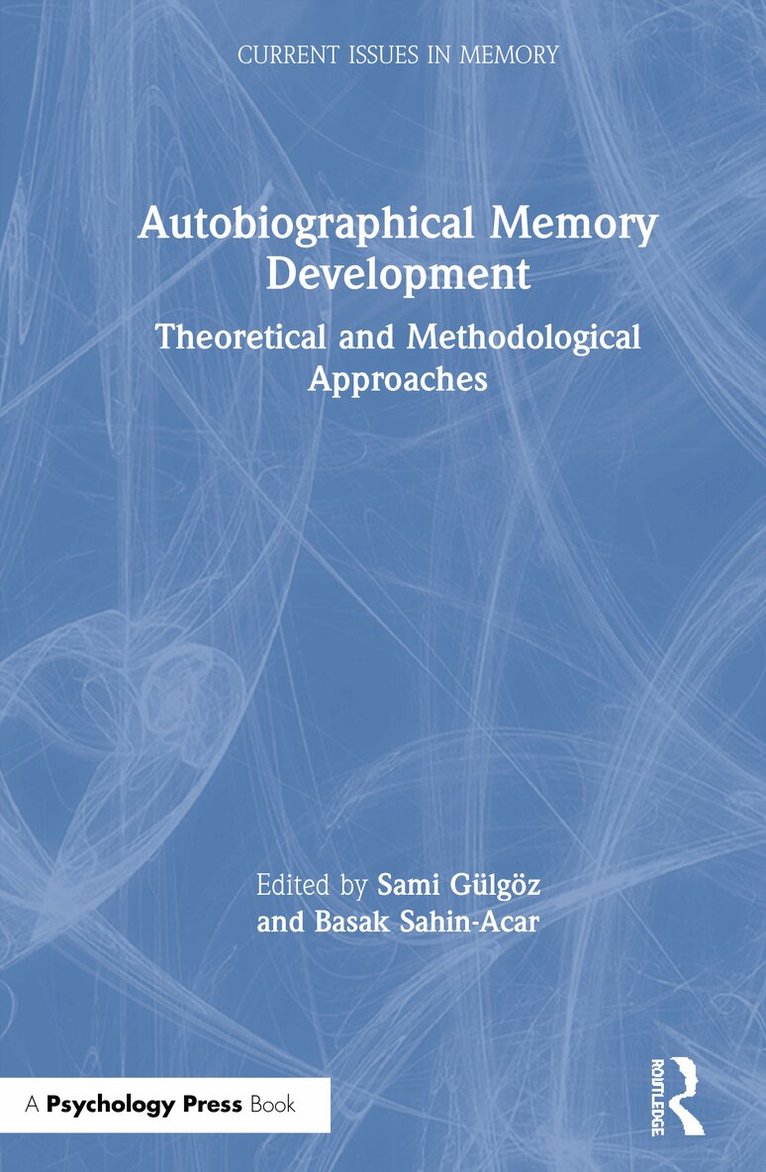
Autobiographical Memory Development
Theoretical and Methodological Approaches
Inbunden, Engelska, 2020
2 044 kr
Skickas inom 10-15 vardagar
Autobiographical memory is constituted from the integration of several memory skills, as well as the ability to narrate. This all helps in understanding our relation to self, family contexts, culture, brain development, and traumatic experiences. The present volume discusses contemporary approaches to childhood memories and examines cutting-edge research on the development of autobiographical memory. The chapters in this book written by a group of leading authors, each make a unique contribution by describing a specific developmental domain. In providing a multinational and multicultural perspective on autobiographical memory development—and by covering a variety of theoretical and methodological approaches, this state-of-the-book is essential reading on the autobiographical memory system for memory researchers and graduate students. It is also of interest to scholars and students working more broadly in the fields of cognitive, developmental, and social psychology, and to academics who are conducting interdisciplinary research on neuroscience, family relationships, narrative methods, culture, and oral history.
670 kr
Skickas inom 10-15 vardagar
Autobiographical memory is constituted from the integration of several memory skills, as well as the ability to narrate. This all helps in understanding our relation to self, family contexts, culture, brain development, and traumatic experiences. The present volume discusses contemporary approaches to childhood memories and examines cutting-edge research on the development of autobiographical memory. The chapters in this book written by a group of leading authors, each make a unique contribution by describing a specific developmental domain. In providing a multinational and multicultural perspective on autobiographical memory development—and by covering a variety of theoretical and methodological approaches, this state-of-the-book is essential reading on the autobiographical memory system for memory researchers and graduate students. It is also of interest to scholars and students working more broadly in the fields of cognitive, developmental, and social psychology, and to academics who are conducting interdisciplinary research on neuroscience, family relationships, narrative methods, culture, and oral history.
867 kr
Skickas inom 10-15 vardagar
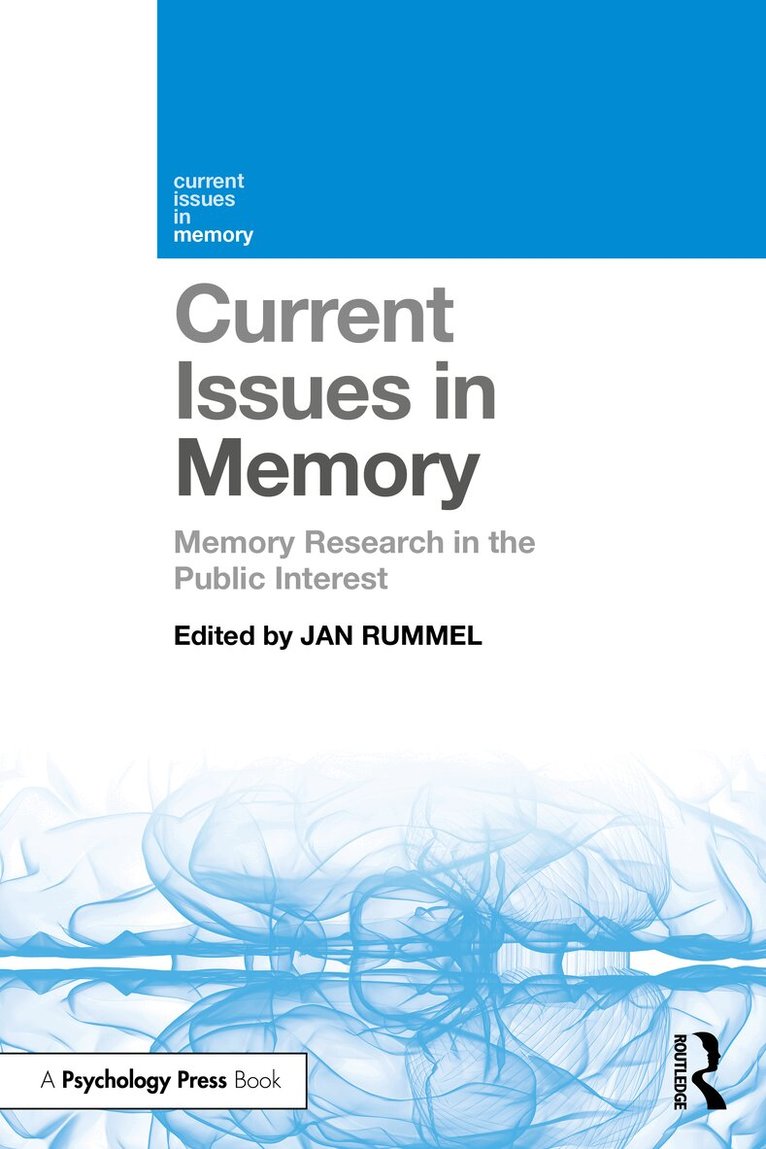
Current Issues in Memory is a series of edited books that reflect the state-of-the-art areas of current and emerging interest in the psychological study of Memory. For the first time, this book offers a comprehensive new collection which gathers together some of the most influential chapters from the series into one essential volume. Featuring 17 chapters by many of the leading researchers in the field, the volume seeks to illustrate how memory research may be informative to the general public—either because it speaks to questions of personal or societal importance or because it changes traditional ways of thinking within society. Topics range from working memory to false fabrication and autobiographical forgetting, showcasing the breadth of memory research in the public sphere. With an introduction and conclusion by Professor Jan Rummel, this is the ideal companion for any student or practitioner looking for an insightful overview of the most researched topics in the field.
2 103 kr
Skickas inom 10-15 vardagar
Current Issues in Memory is a series of edited books that reflect the state-of-the-art areas of current and emerging interest in the psychological study of Memory. For the first time, this book offers a comprehensive new collection which gathers together some of the most influential chapters from the series into one essential volume. Featuring 17 chapters by many of the leading researchers in the field, the volume seeks to illustrate how memory research may be informative to the general public—either because it speaks to questions of personal or societal importance or because it changes traditional ways of thinking within society. Topics range from working memory to false fabrication and autobiographical forgetting, showcasing the breadth of memory research in the public sphere. With an introduction and conclusion by Professor Jan Rummel, this is the ideal companion for any student or practitioner looking for an insightful overview of the most researched topics in the field.
736 kr
Skickas inom 10-15 vardagar
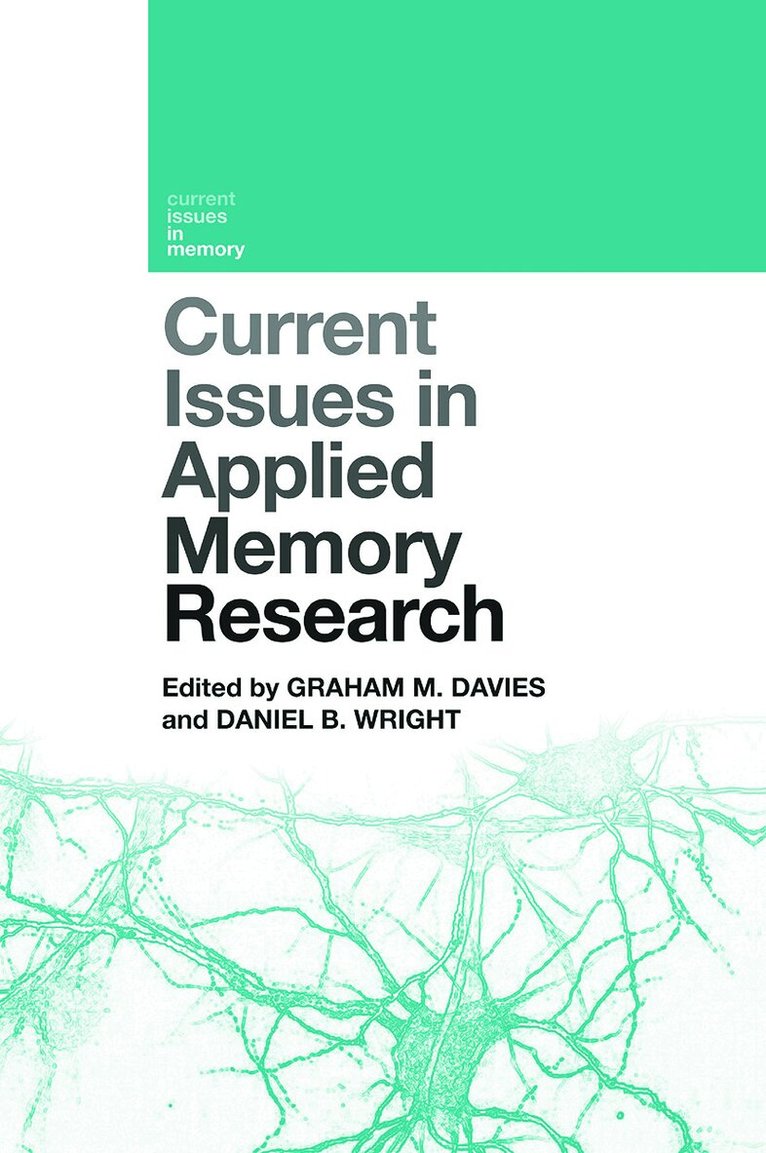
Research on applied memory is one of the most active, interesting and vibrant areas in experimental psychology today. This book provides descriptions of cutting-edge research and applies them to three key areas of contemporary investigation: education, the law and neuroscience.In the area of education, findings from the study of memory are described which could have a major impact on testing practice, revision techniques for examinations and teaching basic literacy and numeracy. In applications to the law, recent findings shed new light on the dynamics of child abuse investigations, the status of traumatic memories recovered after long delays and a further challenge for the eyewitness: change blindness. Finally, in neuroscience, contributions cover the frightening question of whether patients can remember incidents during surgical operations under anaesthetic, the unexpected impact of handedness and rapid eye movements on memory proficiency and the status of déjà vu: mystical experience or memory error? These accounts of recent research on applied memory have been written by leading experts in the field from both Europe and America, with the non-specialist in mind. They will interest students who wish to extend their reading beyond core material in cognitive psychology, graduates on more specialised courses in education, forensics and neuropsychology, and all those who wish to enrich their knowledge of the contemporary frontiers of applied memory research.
789 kr
Skickas inom 10-15 vardagar
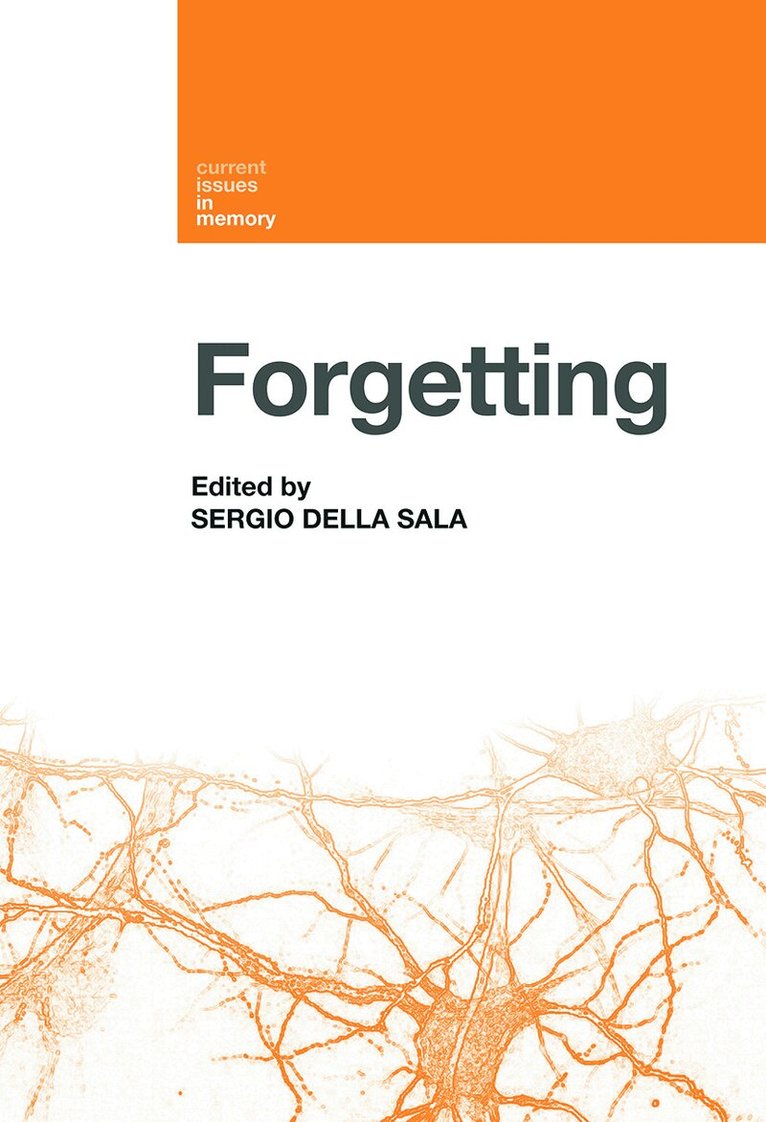
Memory and forgetting are inextricably intertwined. In order to understand how memory works we need to understand how and why we forget. The topic of forgetting is therefore hugely important, despite the fact that it has often been neglected in comparison with other features of memory. This volume addresses various aspects of forgetting, drawing from several disciplines, including experimental and cognitive psychology, cognitive and clinical neuropsychology, behavioural neuroscience, neuroimaging, clinical neurology, and computational modeling. The first chapters of the book discuss the history of forgetting, its theories and accounts, the difference between short-term and long-term forgetting as well as the relevance of forgetting within each of the numerous components of memory taxonomy. The central part summarizes and discusses what we have learned about forgetting from animal work, from computational modeling, and from neuroimaging. Further chapters discuss pathological forgetting in patients with amnesia and epilepsy, as well as psychogenic forgetting. The book concludes by focusing on the difference between forgetting of autobiographical memories versus collective memory forgetting. This book is the first to address the issue of forgetting from an interdisciplinary point of view, but with a particular emphasis on psychology. The book is scientific and yet accessible in tone, and as such is suitable for advanced undergraduate and postgraduate students of psychology and related subjects, such as science and neuroscience.
431 kr
Skickas inom 10-15 vardagar
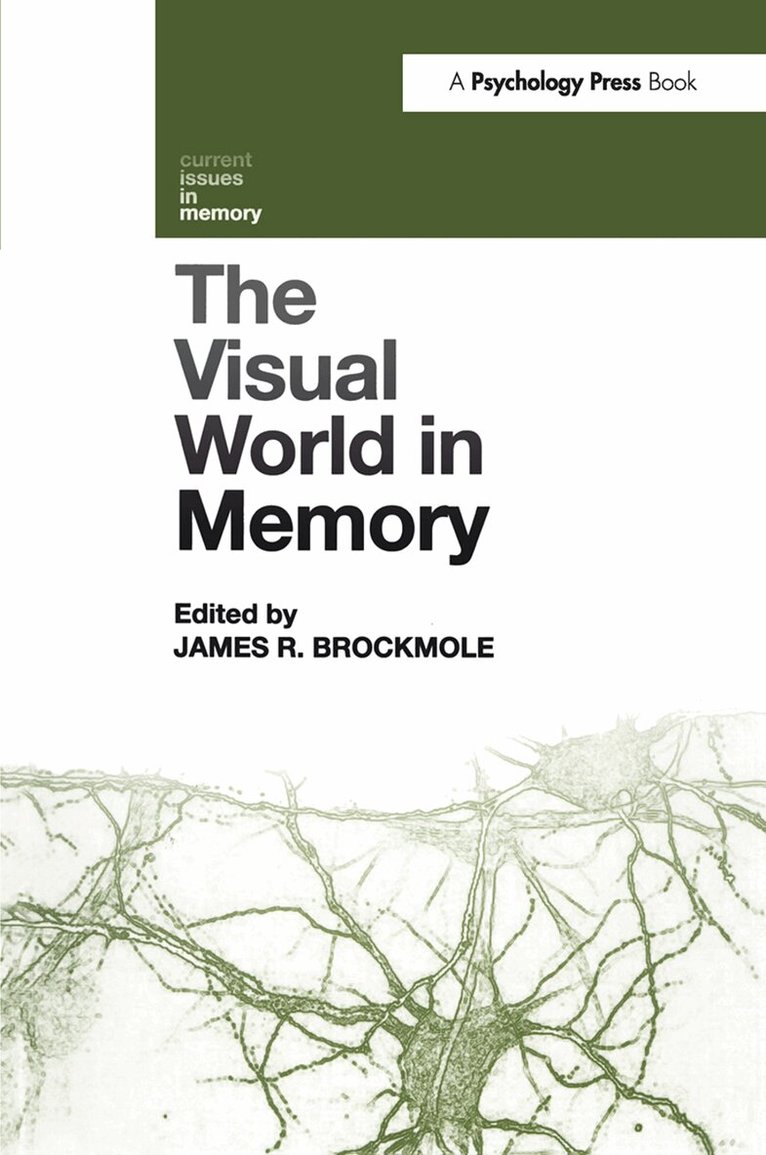
The book examines how well we remember what we see. Research in human memory for visual material varies tremendously across the time scales, stimuli, and scenarios of interest. Because of these distinct pursuits, research in the field of 'visual memory' is in practice rather compartmentalized and as such is disseminated across a range of literatures. The Visual World in Memory pulls together this disparate field with a series of chapters, each written by a leading expert, that concisely present the state-of-the-science in all the areas of research. The result is a single source of information that bridges the divides that separate the field as a whole. Each chapter reviews and analyzes current theories and controversies regarding such issues as visual and spatial working memory, memory for visual features, conjunctions, objects, and locations, memory for faces, memory for real-world scenes, memory for visual events, the role of visual memory in motor planning and action, the relationship between visual memory, reference frames, and navigation, and visual imagery. The rigorous discussion and analysis included in each chapter will appeal to established researchers and vision scientists whilst the breadth of the book will make it an ideal companion for students learning about memory.
2 103 kr
Skickas inom 10-15 vardagar
Featuring contributions from world-leading experts, this book presents a timely overview of current theoretical, methodological, and applied issues in the field of prospective memory. The authors explore how prospective memories are formed, how they are maintained over time, and how they are retrieved. This volume integrates our understanding of prospective memory and how it functions with related cognitive processes and themes, such as context memory, metamemory, working memory, and cognitive control. Considering recent methodological advances in the field, such as the use of cognitive modeling, the book also covers individual differences in prospective memory abilities, their development across the life span, and their manifestations in naturalistic settings. The book also illustrates how the understanding of prospective memory can be integrated with other related research areas.Prospective Memory is an invaluable resource for students and researchers of human memory.
662 kr
Skickas inom 10-15 vardagar
Featuring contributions from world-leading experts, this book presents a timely overview of current theoretical, methodological, and applied issues in the field of prospective memory. The authors explore how prospective memories are formed, how they are maintained over time, and how they are retrieved. This volume integrates our understanding of prospective memory and how it functions with related cognitive processes and themes, such as context memory, metamemory, working memory, and cognitive control. Considering recent methodological advances in the field, such as the use of cognitive modeling, the book also covers individual differences in prospective memory abilities, their development across the life span, and their manifestations in naturalistic settings. The book also illustrates how the understanding of prospective memory can be integrated with other related research areas.Prospective Memory is an invaluable resource for students and researchers of human memory.
2 238 kr
Skickas inom 10-15 vardagar
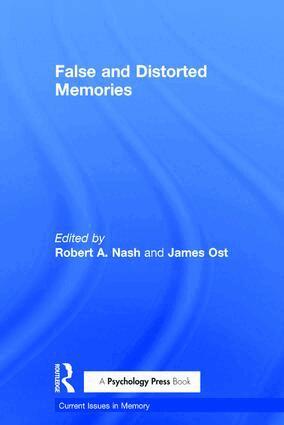
Our memories shape how we think about the past, how we plan for the future, and how we think about ourselves. Yet our memories are also constantly being reinvented: we often remember our experiences differently from how they truly happened, and can even remember experiences that never happened at all.False and Distorted Memories provides an overview of recent and ongoing developments in the science of false memory. World-leading researchers unpick questions about flawed recollections, discussing issues as varied as the reliability of highly emotional memories, why we sometimes begin to remember fictional experiences that we have deliberately fabricated, and what happens when we stop believing our memories. Each chapter demonstrates how memory science has furthered our understanding of these important questions, by exploring theoretical ideas and psychological research methods that underpin their investigations.Edited by Robert Nash and James Ost, this volume offers an international and up-to-date perspective on false and distorted memories. The volume also draws attention to the broad range of real-life contexts in which such distortions might arise and their potential consequences. False and Distorted Memories illustrates the ease with which memory can be contaminated and the power of the resulting memory errors, providing an integral text for researchers and students interested in the psychology of memory.
826 kr
Skickas inom 10-15 vardagar
Our memories shape how we think about the past, how we plan for the future, and how we think about ourselves. Yet our memories are also constantly being reinvented: we often remember our experiences differently from how they truly happened, and can even remember experiences that never happened at all.False and Distorted Memories provides an overview of recent and ongoing developments in the science of false memory. World-leading researchers unpick questions about flawed recollections, discussing issues as varied as the reliability of highly emotional memories, why we sometimes begin to remember fictional experiences that we have deliberately fabricated, and what happens when we stop believing our memories. Each chapter demonstrates how memory science has furthered our understanding of these important questions, by exploring theoretical ideas and psychological research methods that underpin their investigations.Edited by Robert Nash and James Ost, this volume offers an international and up-to-date perspective on false and distorted memories. The volume also draws attention to the broad range of real-life contexts in which such distortions might arise and their potential consequences. False and Distorted Memories illustrates the ease with which memory can be contaminated and the power of the resulting memory errors, providing an integral text for researchers and students interested in the psychology of memory.
1 071 kr
Tillfälligt slut
The book examines how well we remember what we see. Research in human memory for visual material varies tremendously across the time scales, stimuli, and scenarios of interest. Because of these distinct pursuits, research in the field of 'visual memory' is in practice rather compartmentalized and as such is disseminated across a range of literatures. The Visual World in Memory pulls together this disparate field with a series of chapters, each written by a leading expert, that concisely present the state-of-the-science in all the areas of research. The result is a single source of information that bridges the divides that separate the field as a whole. Each chapter reviews and analyzes current theories and controversies regarding such issues as visual and spatial working memory, memory for visual features, conjunctions, objects, and locations, memory for faces, memory for real-world scenes, memory for visual events, the role of visual memory in motor planning and action, the relationship between visual memory, reference frames, and navigation, and visual imagery. The rigorous discussion and analysis included in each chapter will appeal to established researchers and vision scientists whilst the breadth of the book will make it an ideal companion for students learning about memory.
2 044 kr
Skickas inom 10-15 vardagar
Research on applied memory is one of the most active, interesting and vibrant areas in experimental psychology today. This book provides descriptions of cutting-edge research and applies them to three key areas of contemporary investigation: education, the law and neuroscience.In the area of education, findings from the study of memory are described which could have a major impact on testing practice, revision techniques for examinations and teaching basic literacy and numeracy. In applications to the law, recent findings shed new light on the dynamics of child abuse investigations, the status of traumatic memories recovered after long delays and a further challenge for the eyewitness: change blindness. Finally, in neuroscience, contributions cover the frightening question of whether patients can remember incidents during surgical operations under anaesthetic, the unexpected impact of handedness and rapid eye movements on memory proficiency and the status of déjà vu: mystical experience or memory error? These accounts of recent research on applied memory have been written by leading experts in the field from both Europe and America, with the non-specialist in mind. They will interest students who wish to extend their reading beyond core material in cognitive psychology, graduates on more specialised courses in education, forensics and neuropsychology, and all those who wish to enrich their knowledge of the contemporary frontiers of applied memory research.
2 044 kr
Skickas inom 10-15 vardagar
Memory and forgetting are inextricably intertwined. In order to understand how memory works we need to understand how and why we forget. The topic of forgetting is therefore hugely important, despite the fact that it has often been neglected in comparison with other features of memory. This volume addresses various aspects of forgetting, drawing from several disciplines, including experimental and cognitive psychology, cognitive and clinical neuropsychology, behavioural neuroscience, neuroimaging, clinical neurology, and computational modeling. The first chapters of the book discuss the history of forgetting, its theories and accounts, the difference between short-term and long-term forgetting as well as the relevance of forgetting within each of the numerous components of memory taxonomy. The central part summarizes and discusses what we have learned about forgetting from animal work, from computational modeling, and from neuroimaging. Further chapters discuss pathological forgetting in patients with amnesia and epilepsy, as well as psychogenic forgetting. The book concludes by focusing on the difference between forgetting of autobiographical memories versus collective memory forgetting. This book is the first to address the issue of forgetting from an interdisciplinary point of view, but with a particular emphasis on psychology. The book is scientific and yet accessible in tone, and as such is suitable for advanced undergraduate and postgraduate students of psychology and related subjects, such as science and neuroscience.
2 044 kr
Skickas inom 10-15 vardagar
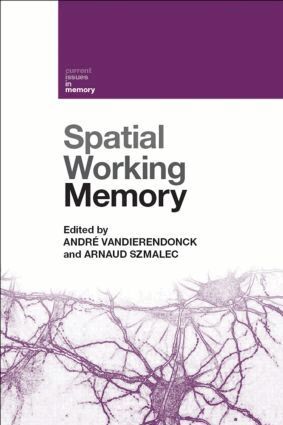
Spatial working memory is the ability to remember the location in which something is perceived, and in addition, the ability to recall a series of visited locations. In this book, top researchers in the domain of spatial working memory review and discuss findings about the processes and memory structures which underlie the ability to store and use spatial information.The first part of the book provides an examination of the working memory system, looking at the behavioural and neural processes involved in working with (visuo-) spatial information and how these can constrain the hypotheses that are generated. It also addresses methodological questions, for example looking at how the use of the appropriate method can ensure that the observed data are as informative as possible about the underlying structures. The remaining chapters focus on specific problems to do with spatial working memory such as how the working memory system can handle individual differences in representing spatial interactions, how the visuospatial system can support and interact with the environment and the verbal system, and how understanding these systems can shed light on the development of particular skills in children with developmental disorders.With contributions from leading international figures in the field, this book is the first to address the topic of spatial working memory from a range of theoretical and methodological perspectives. As such, it will serve as an indispensible tool for students and researchers interested in working memory.
2 044 kr
Skickas inom 10-15 vardagar
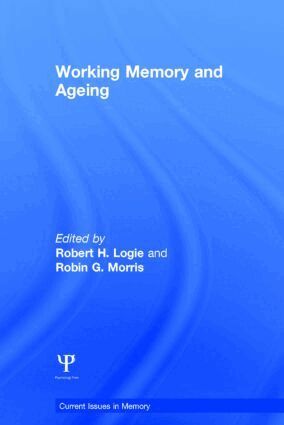
The rapid growth in the numbers of older people worldwide has led to an equally rapid growth in research on the changes across age in cognitive function, including the processes of moment to moment cognition known as working memory. This book brings together international research leaders who address major questions about how age affects working memory: Why is working memory function much better preserved in some people than others? In all healthy adults, which aspects of working memory are retained in later years and which aspects start declining in early adulthood? Can cognitive training help slow cognitive decline with age? How are changes in brain structures, connectivity and activation patterns related to important changes in working memory function?Impairments of cognition, and particularly of working memory, can be major barriers to independent living. The chapters of this book dispel some popular myths about cognitive ageing, while presenting the state of the science on how and why working memory functions as it does throughout the adult lifespan.Working Memory and Aging is the first volume to provide an overview of the burgeoning literature on changes in working memory function across healthy and pathological ageing, and it will be of great interest to advanced undergraduates, postgraduates and researchers in psychology and related subject areas concerned with the effects of human ageing, including several areas of medicine.
789 kr
Skickas inom 10-15 vardagar
The rapid growth in the numbers of older people worldwide has led to an equally rapid growth in research on the changes across age in cognitive function, including the processes of moment to moment cognition known as working memory. This book brings together international research leaders who address major questions about how age affects working memory: Why is working memory function much better preserved in some people than others? In all healthy adults, which aspects of working memory are retained in later years and which aspects start declining in early adulthood? Can cognitive training help slow cognitive decline with age? How are changes in brain structures, connectivity and activation patterns related to important changes in working memory function?Impairments of cognition, and particularly of working memory, can be major barriers to independent living. The chapters of this book dispel some popular myths about cognitive ageing, while presenting the state of the science on how and why working memory functions as it does throughout the adult lifespan.Working Memory and Aging is the first volume to provide an overview of the burgeoning literature on changes in working memory function across healthy and pathological ageing, and it will be of great interest to advanced undergraduates, postgraduates and researchers in psychology and related subject areas concerned with the effects of human ageing, including several areas of medicine.