Cushwa Center Studies of Catholicism in Twentieth-Century America – serie
Visar alla böcker i serien Cushwa Center Studies of Catholicism in Twentieth-Century America. Handla med fri frakt och snabb leverans.
16 produkter
16 produkter
Inbunden, Engelska, 2001
683 kr
Skickas inom 10-15 vardagar
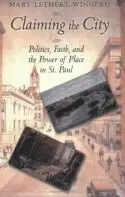
Are Minneapolis and St. Paul "Twin Cities" in proximity only? How can two cities, spoken of so often in one breath, differ so greatly in their histories and characteristics? Claiming the City traces the contours of St. Paul's "civic identity" to show how personal identities and political structures of power are fundamentally informed by the social geography of place. St. Paul proves a particularly fruitful site for such analysis because it has developed along a divergent path from that of Minneapolis, its sister city just across the Mississippi river. While Minneapolis in the last part of the nineteenth century bore the stamp of Scandinavians, Protestants, and Republican Yankee progressives, St. Paul emerged as an Irish, Catholic, Democratic stronghold. Increasingly overshadowed by the economic might of Minneapolis, out of necessity St. Paul evolved complex alliances among business, labor, and the Catholic Church that cut across class and ethnic lines—a culture of compromise that sharply contrasted with Minneapolis' more strident labor politics.Mary Lethert Wingerd brings together the voices of citizens and workers and the power dynamics of civic leaders including James J. Hill and Archbishop John Ireland. She crafts a portrait of St. Paul remarkable for its specificity as well as its relevance to broader interpretations of place-based culture and politics. Wingerd's rich and lively history of St. Paul is a clear demonstration that place—the lived experience and memory located in a specific spatial context—is a constitutive element of all other aspects of identity.
Inbunden, Engelska, 2004
629 kr
Skickas inom 3-6 vardagar
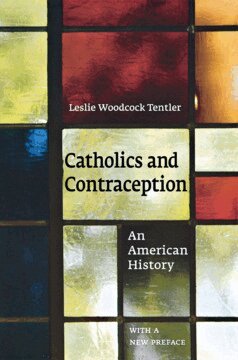
As Americans rethought sex in the twentieth century, the Catholic Church's teachings on the divisive issue of contraception in marriage were in many ways central. In a fascinating history, Leslie Woodcock Tentler traces changing attitudes: from the late nineteenth century, when religious leaders of every variety were largely united in their opposition to contraception; to the 1920s, when distillations of Freud and the works of family planning reformers like Margaret Sanger began to reach a popular audience; to the Depression years, during which even conservative Protestant denominations quietly dropped prohibitions against marital birth control.Catholics and Contraception carefully examines the intimate dilemmas of pastoral counseling in matters of sexual conduct. Tentler makes it clear that uneasy negotiations were always necessary between clerical and lay authority. As the Catholic Church found itself isolated in its strictures against contraception—and the object of damaging rhetoric in the public debate over legal birth control—support of the Church's teachings on contraception became a mark of Catholic identity, for better and for worse.Tentler draws on evidence from pastoral literature, sermons, lay writings, private correspondence, and interviews with fifty-six priests ordained between 1938 and 1968, concluding, "the recent history of American Catholicism... can only be understood by taking birth control into account." The paperback edition includes a new preface by the author.
Inbunden, Engelska, 2002
1 576 kr
Skickas inom 10-15 vardagar
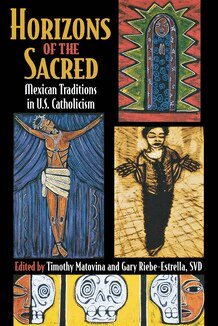
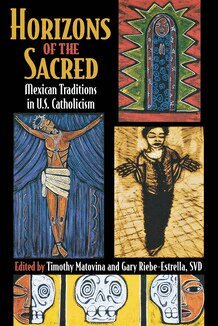
Horizons of the Sacred explores the distinctive worldview underlying the faith and lived religion of Catholics of Mexican descent living in the United States. Religious practices, including devotion to Our Lady of Guadalupe, celebration of the Day of the Dead, the healing tradition of curanderismo, and Good Friday devotions such as the Way of the Cross (Via Crucis), reflect the increasing influence of Mexican traditions in U.S. Catholicism, especially since Mexicans and Mexican Americans are a growing group in most Roman Catholic congregations.In their introduction, Timothy Matovina and Gary Riebe-Estrella analyze the ways Mexican rituals and beliefs pose significant challenges and opportunities for Catholicism in the United States. Original essays by theologians, historians, and ethnographers provide a rich interdisciplinary dialogue on how religious traditions function for Mexican American Catholics, revealing the symbolic world at the heart of their spirituality. The authors speak to the diverse meanings behind these ceremonies, explaining that Mexican American (and other Latino) Catholics use them to express not only religious devotion, but also ethnic identity and patriotism, solidarity, and, in some cases, their condition as exiles. The result is a multilayered vision of Mexican American religion, which touches as well on issues of racism and discrimination, poverty, and the role of women.
Inbunden, Engelska, 2003
778 kr
Skickas inom 10-15 vardagar
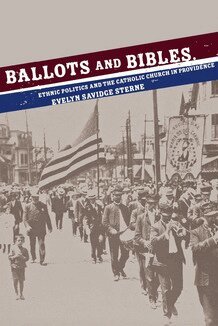
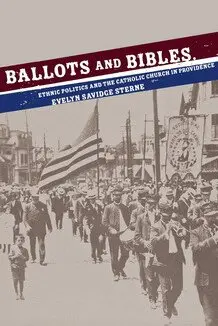
By the mid-nineteenth century, Providence, Rhode Island, an early industrial center, became a magnet for Catholic immigrants seeking jobs. The city created as a haven for Protestant dissenters was transformed by the arrival of Italian, Irish, and French-Canadian workers. By 1905, more than half of its population was Catholic—Rhode Island was the first state in the nation to have a Catholic majority. Civic leaders, for whom Protestantism was an essential component of American identity, systematically sought to exclude the city's Catholic immigrants from participation in public life, most flagrantly by restricting voting rights. Through her account of the newcomers' fight for political inclusion, Evelyn Savidge Sterne offers a fresh perspective on the nationwide struggle to define American identity at the turn of the twentieth century.In a departure from standard histories of immigrants and workers in the United States, Ballots and Bibles views religion as a critical tool for new Americans seeking to influence public affairs. In Providence, this book demonstrates, Catholics used their parishes as political organizing spaces. Here they learned to be speakers and leaders, eventually orchestrating a successful response to Rhode Island's Americanization campaigns and claiming full membership in the nation. The Catholic Church must, Sterne concludes, be considered as powerful an engine for ethnic working-class activism from the 1880s until the 1930s as the labor union or the political machine.
Inbunden, Engelska, 2004
683 kr
Skickas inom 10-15 vardagar
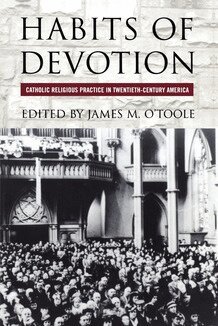
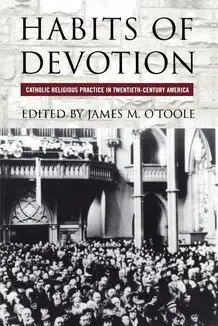
"For generations, American Catholics... lived out their faith through countless unremarkable routines. Deep questions of theology usually meant little to them, but parishioners clung to deeply ingrained habits of devotion, both public and private. Particular devotions changed over time, waxing or waning in popularity, but the habits endured: going to mass on Sunday, saying prayers privately and teaching their children to do the same, filling their homes with crucifixes and other religious images, participating in special services, blending the church's calendar of feast and fast days with the secular cycles of work and citizenship, negotiating their conformity (or not) to the church's demands regarding sexual behavior and even diet.... It was religious practice, carried out in daily and weekly observance, that embodied their faith, more than any abstract set of dogmas."—from the IntroductionIn Habits of Devotion, four senior scholars take the measure of the central religious practices and devotions that by the middle of the twentieth century defined the "ordinary, week-to-week religion" of the majority of American Catholics. Their essays investigate prayer, devotion to Mary, confession, and the Eucharist as practiced by Catholics in the United States before and shortly after the Second Vatican Council.Contributors: Joseph P. Chinnic, O.F.M., Franciscan School of Theology; Paula M. Kane, University of Pittsburgh; Margaret M. McGuinness, Cabrini College; James M. O'Toole, Boston College
Inbunden, Engelska, 2009
425 kr
Skickas inom 10-15 vardagar
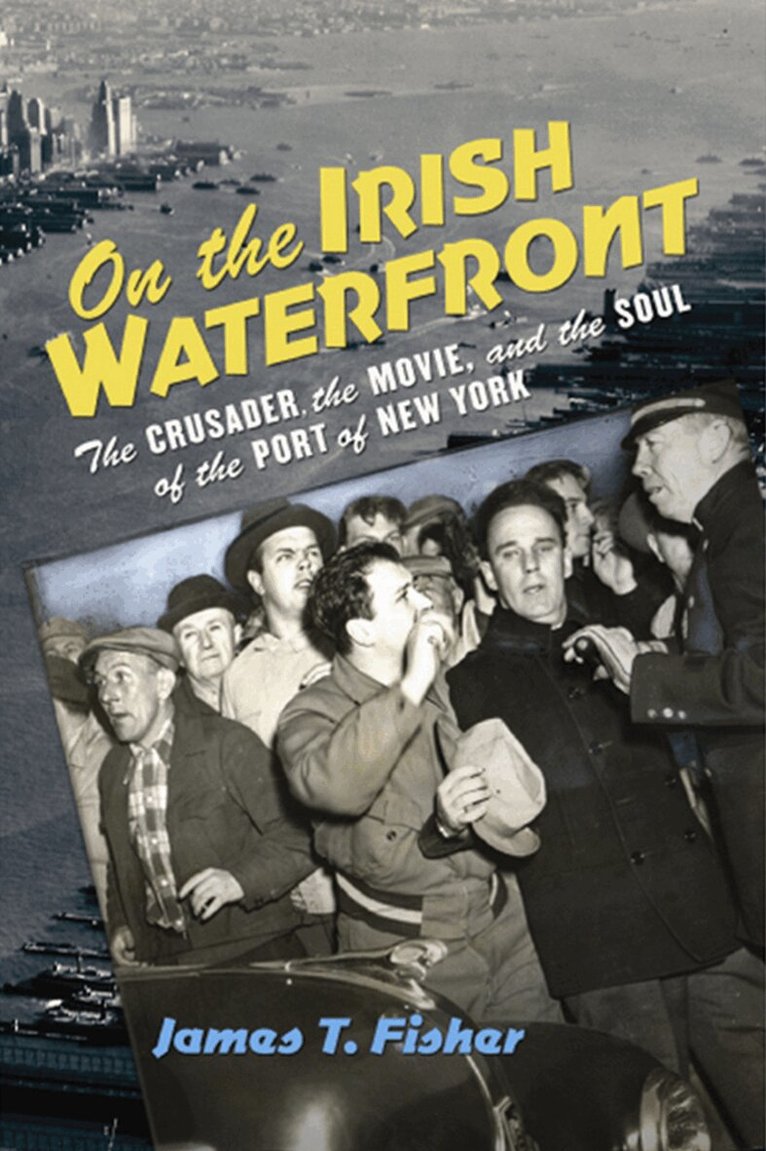
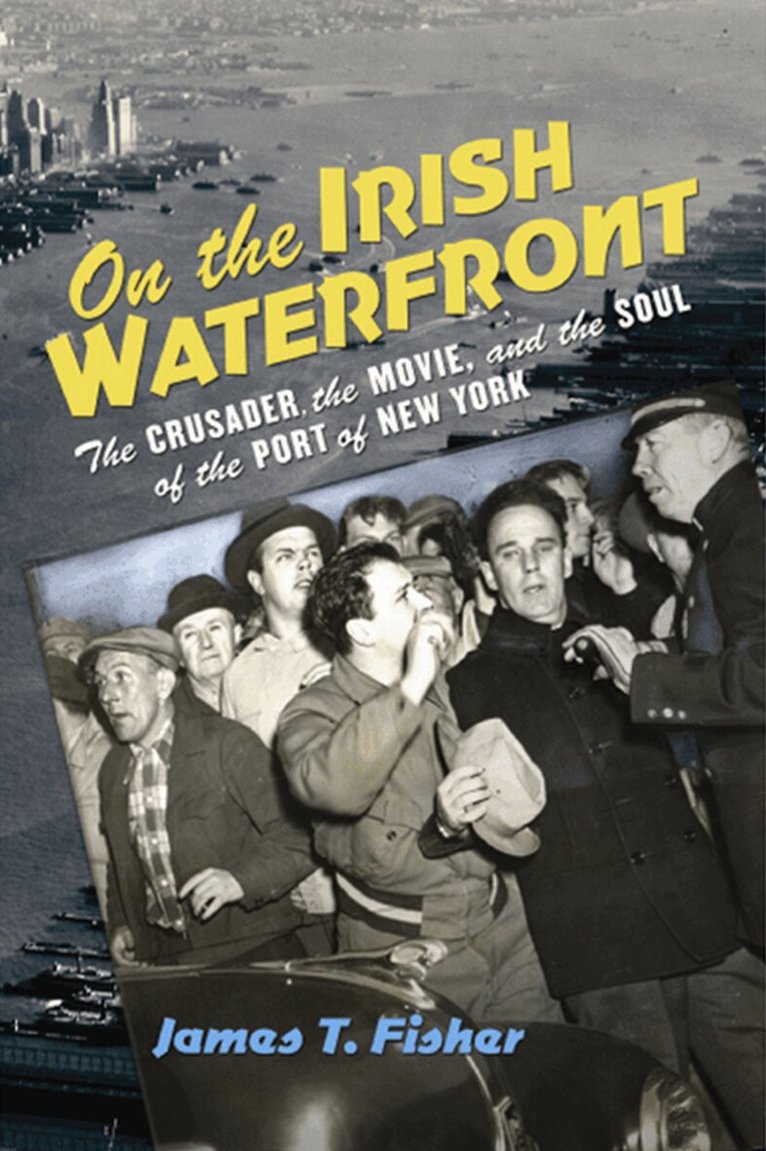
Site of the world's busiest and most lucrative harbor throughout the first half of the twentieth century, the Port of New York was also the historic preserve of Irish American gangsters, politicians, longshoremen's union leaders, and powerful Roman Catholic pastors. This is the demimonde depicted to stunning effect in Elia Kazan's On the Waterfront (1954) and into which James T. Fisher takes readers in this remarkable and engaging historical account of the classic film's backstory.Fisher introduces readers to the real "Father Pete Barry" featured in On the Waterfront, John M. "Pete" Corridan, a crusading priest committed to winning union democracy and social justice for the port's dockworkers and their families. A Jesuit labor school instructor, not a parish priest, Corridan was on but not of Manhattan's West Side Irish waterfront. His ferocious advocacy was resisted by the very men he sought to rescue from the violence and criminality that rendered the port "a jungle, an outlaw frontier," in the words of investigative reporter Malcolm Johnson. Driven off the waterfront, Corridan forged creative and spiritual alliances with men like Johnson and Budd Schulberg, the screenwriter who worked with Corridan for five years to turn Johnson's Pulitzer Prize-winning 1948 newspaper exposé into a movie. Fisher's detailed account of the waterfront priest's central role in the film's creation challenges standard views of the film as a post facto justification for Kazan and Schulberg's testimony as ex-communists before the House Committee on Un-American Activities. On the Irish Waterfront is also a detailed social history of the New York/New Jersey waterfront, from the rise of Irish American entrepreneurs and political bosses during the World War I era to the mid-1950s, when the emergence of a revolutionary new mode of cargo-shipping signaled a radical reorganization of the port. This book explores the conflicts experienced and accommodations made by an insular Irish-Catholic community forced to adapt its economic, political, and religious lives to powerful forces of change both local and global in scope.
Inbunden, Engelska, 2013
630 kr
Skickas inom 10-15 vardagar
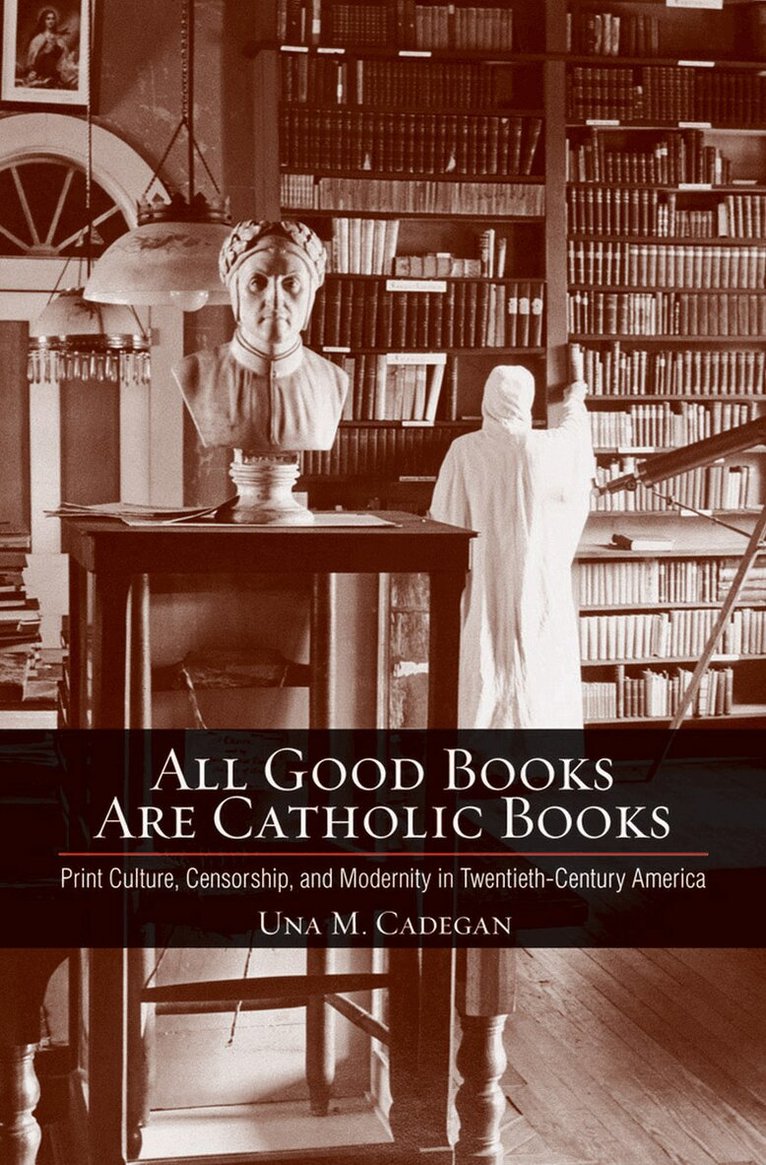
Until the close of the Second Vatican Council in 1965, the stance of the Roman Catholic Church toward the social, cultural, economic, and political developments of the twentieth century was largely antagonistic. Naturally opposed to secularization, skeptical of capitalist markets indifferent to questions of justice, confused and appalled by new forms of high and low culture, and resistant to the social and economic freedom of women—in all of these ways the Catholic Church set itself up as a thoroughly anti-modern institution. Yet, in and through the period from World War I to Vatican II, the Church did engage with, react to, and even accommodate various aspects of modernity. In All Good Books Are Catholic Books, Una M. Cadegan shows how the Church's official position on literary culture developed over this crucial period. The Catholic Church in the United States maintained an Index of Prohibited Books and the National Legion of Decency (founded in 1933) lobbied Hollywood to edit or ban movies, pulp magazines, and comic books that were morally suspect. These regulations posed an obstacle for the self-understanding of Catholic American readers, writers, and scholars. But as Cadegan finds, Catholics developed a rationale by which they could both respect the laws of the Church as it sought to protect the integrity of doctrine and also engage the culture of artistic and commercial freedom in which they operated as Americans. Catholic literary figures including Flannery O'Connor and Thomas Merton are important to Cadegan's argument, particularly as their careers and the reception of their work demonstrate shifts in the relationship between Catholicism and literary culture. Cadegan trains her attention on American critics, editors, and university professors and administrators who mediated the relationship among the Church, parishioners, and the culture at large.
Inbunden, Engelska, 2012
1 576 kr
Skickas inom 10-15 vardagar
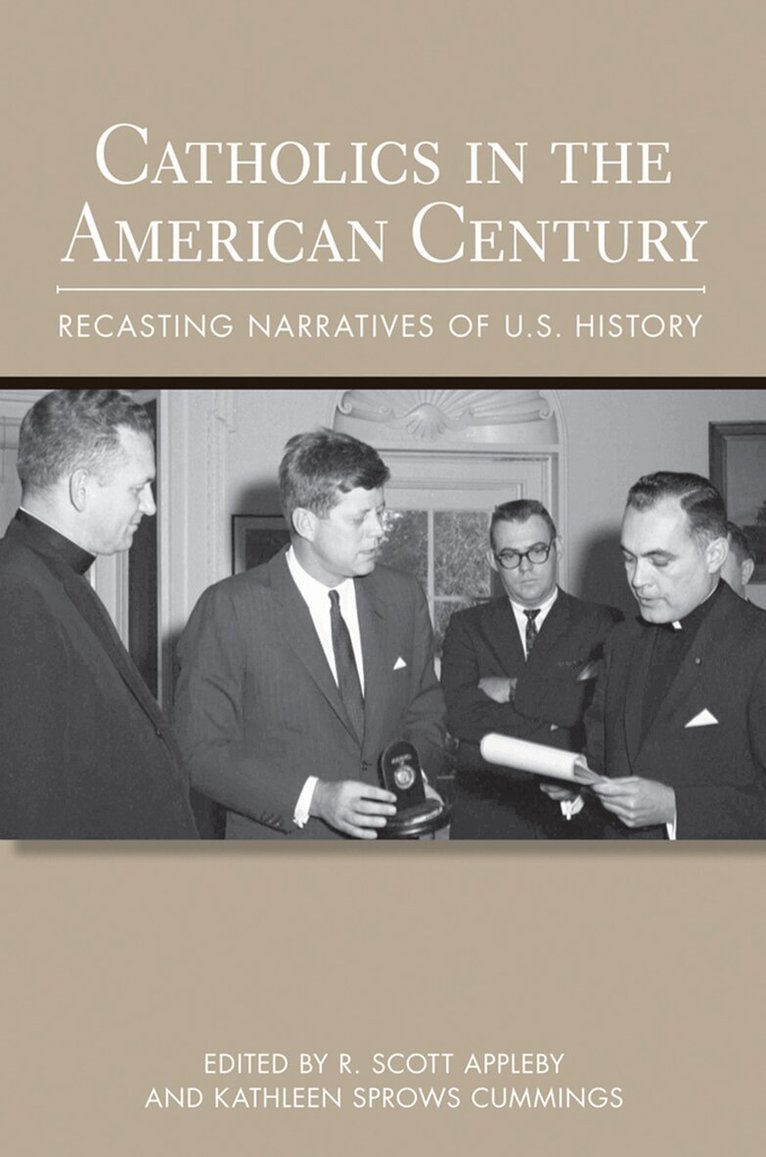
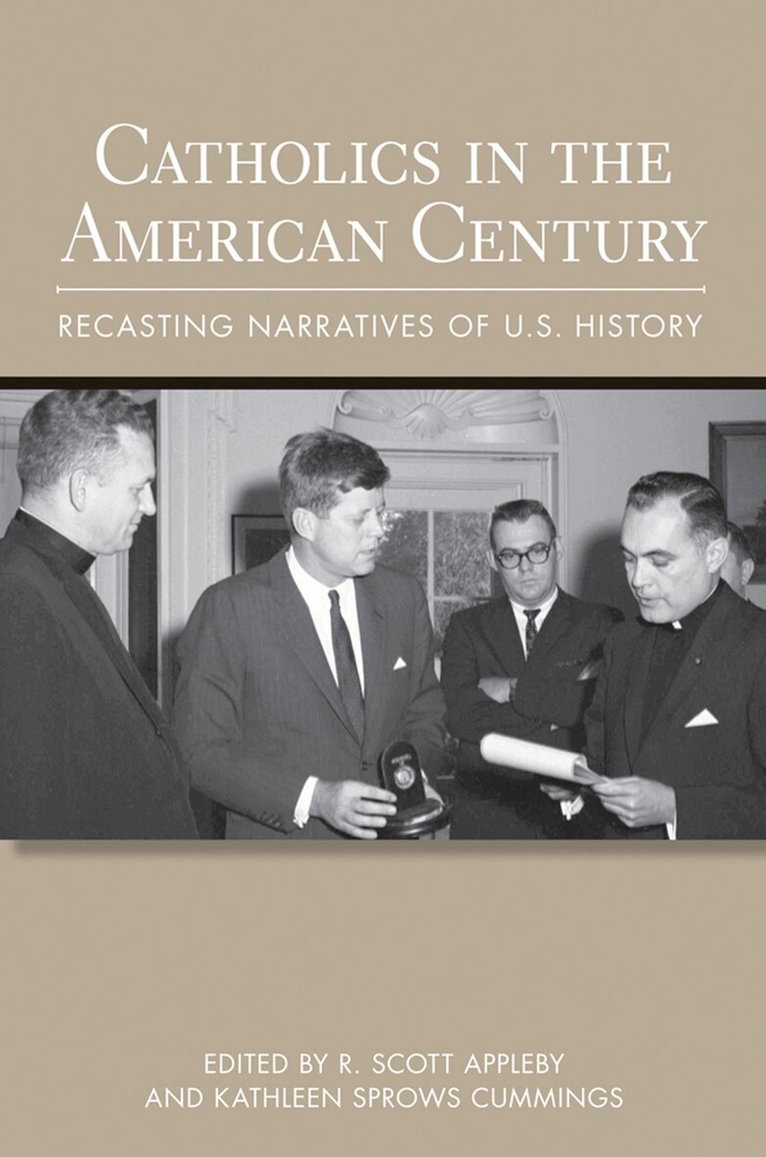
Over the course of the twentieth century, Catholics, who make up a quarter of the population of the United States, made significant contributions to American culture, politics, and society. They built powerful political machines in Chicago, Boston, and New York; led influential labor unions; created the largest private school system in the nation; and established a vast network of hospitals, orphanages, and charitable organizations. Yet in both scholarly and popular works of history, the distinctive presence and agency of Catholics as Catholics is almost entirely absent. In this book, R. Scott Appleby and Kathleen Sprows Cummings bring together American historians of race, politics, social theory, labor, and gender to address this lacuna, detailing in cogent and wide-ranging essays how Catholics negotiated gender relations, raised children, thought about war and peace, navigated the workplace and the marketplace, and imagined their place in the national myth of origins and ends. A long overdue corrective, Catholics in the American Century restores Catholicism to its rightful place in the American story.
Häftad, Engelska, 2005
426 kr
Skickas inom 10-15 vardagar
"For generations, American Catholics... lived out their faith through countless unremarkable routines. Deep questions of theology usually meant little to them, but parishioners clung to deeply ingrained habits of devotion, both public and private. Particular devotions changed over time, waxing or waning in popularity, but the habits endured: going to mass on Sunday, saying prayers privately and teaching their children to do the same, filling their homes with crucifixes and other religious images, participating in special services, blending the church's calendar of feast and fast days with the secular cycles of work and citizenship, negotiating their conformity (or not) to the church's demands regarding sexual behavior and even diet.... It was religious practice, carried out in daily and weekly observance, that embodied their faith, more than any abstract set of dogmas."—from the IntroductionIn Habits of Devotion, four senior scholars take the measure of the central religious practices and devotions that by the middle of the twentieth century defined the "ordinary, week-to-week religion" of the majority of American Catholics. Their essays investigate prayer, devotion to Mary, confession, and the Eucharist as practiced by Catholics in the United States before and shortly after the Second Vatican Council.Contributors: Joseph P. Chinnic, O.F.M., Franciscan School of Theology; Paula M. Kane, University of Pittsburgh; Margaret M. McGuinness, Cabrini College; James M. O'Toole, Boston College
Häftad, Engelska, 2009
304 kr
Skickas inom 10-15 vardagar
As Americans rethought sex in the twentieth century, the Catholic Church's teachings on the divisive issue of contraception in marriage were in many ways central. In a fascinating history, Leslie Woodcock Tentler traces changing attitudes: from the late nineteenth century, when religious leaders of every variety were largely united in their opposition to contraception; to the 1920s, when distillations of Freud and the works of family planning reformers like Margaret Sanger began to reach a popular audience; to the Depression years, during which even conservative Protestant denominations quietly dropped prohibitions against marital birth control.Catholics and Contraception carefully examines the intimate dilemmas of pastoral counseling in matters of sexual conduct. Tentler makes it clear that uneasy negotiations were always necessary between clerical and lay authority. As the Catholic Church found itself isolated in its strictures against contraception—and the object of damaging rhetoric in the public debate over legal birth control—support of the Church's teachings on contraception became a mark of Catholic identity, for better and for worse.Tentler draws on evidence from pastoral literature, sermons, lay writings, private correspondence, and interviews with fifty-six priests ordained between 1938 and 1968, concluding, "the recent history of American Catholicism... can only be understood by taking birth control into account." The paperback edition includes a new preface by the author.
Häftad, Engelska, 2008
413 kr
Skickas inom 10-15 vardagar
By the mid-nineteenth century, Providence, Rhode Island, an early industrial center, became a magnet for Catholic immigrants seeking jobs. The city created as a haven for Protestant dissenters was transformed by the arrival of Italian, Irish, and French-Canadian workers. By 1905, more than half of its population was Catholic—Rhode Island was the first state in the nation to have a Catholic majority. Civic leaders, for whom Protestantism was an essential component of American identity, systematically sought to exclude the city's Catholic immigrants from participation in public life, most flagrantly by restricting voting rights. Through her account of the newcomers' fight for political inclusion, Evelyn Savidge Sterne offers a fresh perspective on the nationwide struggle to define American identity at the turn of the twentieth century.In a departure from standard histories of immigrants and workers in the United States, Ballots and Bibles views religion as a critical tool for new Americans seeking to influence public affairs. In Providence, this book demonstrates, Catholics used their parishes as political organizing spaces. Here they learned to be speakers and leaders, eventually orchestrating a successful response to Rhode Island's Americanization campaigns and claiming full membership in the nation. The Catholic Church must, Sterne concludes, be considered as powerful an engine for ethnic working-class activism from the 1880s until the 1930s as the labor union or the political machine.
Häftad, Engelska, 2010
202 kr
Skickas inom 10-15 vardagar
Site of the world's busiest and most lucrative harbor throughout the first half of the twentieth century, the Port of New York was also the historic preserve of Irish American gangsters, politicians, longshoremen's union leaders, and powerful Roman Catholic pastors. This is the demimonde depicted to stunning effect in Elia Kazan's On the Waterfront (1954) and into which James T. Fisher takes readers in this remarkable and engaging historical account of the classic film's backstory.Fisher introduces readers to the real "Father Pete Barry" featured in On the Waterfront, John M. "Pete" Corridan, a crusading priest committed to winning union democracy and social justice for the port's dockworkers and their families. A Jesuit labor school instructor, not a parish priest, Corridan was on but not of Manhattan's West Side Irish waterfront. His ferocious advocacy was resisted by the very men he sought to rescue from the violence and criminality that rendered the port "a jungle, an outlaw frontier," in the words of investigative reporter Malcolm Johnson. Driven off the waterfront, Corridan forged creative and spiritual alliances with men like Johnson and Budd Schulberg, the screenwriter who worked with Corridan for five years to turn Johnson's Pulitzer Prize-winning 1948 newspaper exposé into a movie. Fisher's detailed account of the waterfront priest's central role in the film's creation challenges standard views of the film as a post facto justification for Kazan and Schulberg's testimony as ex-communists before the House Committee on Un-American Activities. On the Irish Waterfront is also a detailed social history of the New York/New Jersey waterfront, from the rise of Irish American entrepreneurs and political bosses during the World War I era to the mid-1950s, when the emergence of a revolutionary new mode of cargo-shipping signaled a radical reorganization of the port. This book explores the conflicts experienced and accommodations made by an insular Irish-Catholic community forced to adapt its economic, political, and religious lives to powerful forces of change both local and global in scope.
Häftad, Engelska, 2012
372 kr
Skickas inom 10-15 vardagar
Over the course of the twentieth century, Catholics, who make up a quarter of the population of the United States, made significant contributions to American culture, politics, and society. They built powerful political machines in Chicago, Boston, and New York; led influential labor unions; created the largest private school system in the nation; and established a vast network of hospitals, orphanages, and charitable organizations. Yet in both scholarly and popular works of history, the distinctive presence and agency of Catholics as Catholics is almost entirely absent. In this book, R. Scott Appleby and Kathleen Sprows Cummings bring together American historians of race, politics, social theory, labor, and gender to address this lacuna, detailing in cogent and wide-ranging essays how Catholics negotiated gender relations, raised children, thought about war and peace, navigated the workplace and the marketplace, and imagined their place in the national myth of origins and ends. A long overdue corrective, Catholics in the American Century restores Catholicism to its rightful place in the American story.
Häftad, Engelska, 2002
372 kr
Skickas inom 10-15 vardagar
Horizons of the Sacred explores the distinctive worldview underlying the faith and lived religion of Catholics of Mexican descent living in the United States. Religious practices, including devotion to Our Lady of Guadalupe, celebration of the Day of the Dead, the healing tradition of curanderismo, and Good Friday devotions such as the Way of the Cross (Via Crucis), reflect the increasing influence of Mexican traditions in U.S. Catholicism, especially since Mexicans and Mexican Americans are a growing group in most Roman Catholic congregations.In their introduction, Timothy Matovina and Gary Riebe-Estrella analyze the ways Mexican rituals and beliefs pose significant challenges and opportunities for Catholicism in the United States. Original essays by theologians, historians, and ethnographers provide a rich interdisciplinary dialogue on how religious traditions function for Mexican American Catholics, revealing the symbolic world at the heart of their spirituality. The authors speak to the diverse meanings behind these ceremonies, explaining that Mexican American (and other Latino) Catholics use them to express not only religious devotion, but also ethnic identity and patriotism, solidarity, and, in some cases, their condition as exiles. The result is a multilayered vision of Mexican American religion, which touches as well on issues of racism and discrimination, poverty, and the role of women.
Häftad, Engelska, 2003
386 kr
Skickas inom 10-15 vardagar
Are Minneapolis and St. Paul "Twin Cities" in proximity only? How can two cities, spoken of so often in one breath, differ so greatly in their histories and characteristics? Claiming the City traces the contours of St. Paul's "civic identity" to show how personal identities and political structures of power are fundamentally informed by the social geography of place. St. Paul proves a particularly fruitful site for such analysis because it has developed along a divergent path from that of Minneapolis, its sister city just across the Mississippi river. While Minneapolis in the last part of the nineteenth century bore the stamp of Scandinavians, Protestants, and Republican Yankee progressives, St. Paul emerged as an Irish, Catholic, Democratic stronghold. Increasingly overshadowed by the economic might of Minneapolis, out of necessity St. Paul evolved complex alliances among business, labor, and the Catholic Church that cut across class and ethnic lines—a culture of compromise that sharply contrasted with Minneapolis' more strident labor politics.Mary Lethert Wingerd brings together the voices of citizens and workers and the power dynamics of civic leaders including James J. Hill and Archbishop John Ireland. She crafts a portrait of St. Paul remarkable for its specificity as well as its relevance to broader interpretations of place-based culture and politics. Wingerd's rich and lively history of St. Paul is a clear demonstration that place—the lived experience and memory located in a specific spatial context—is a constitutive element of all other aspects of identity.
Häftad, Engelska, 2021
300 kr
Skickas inom 10-15 vardagar
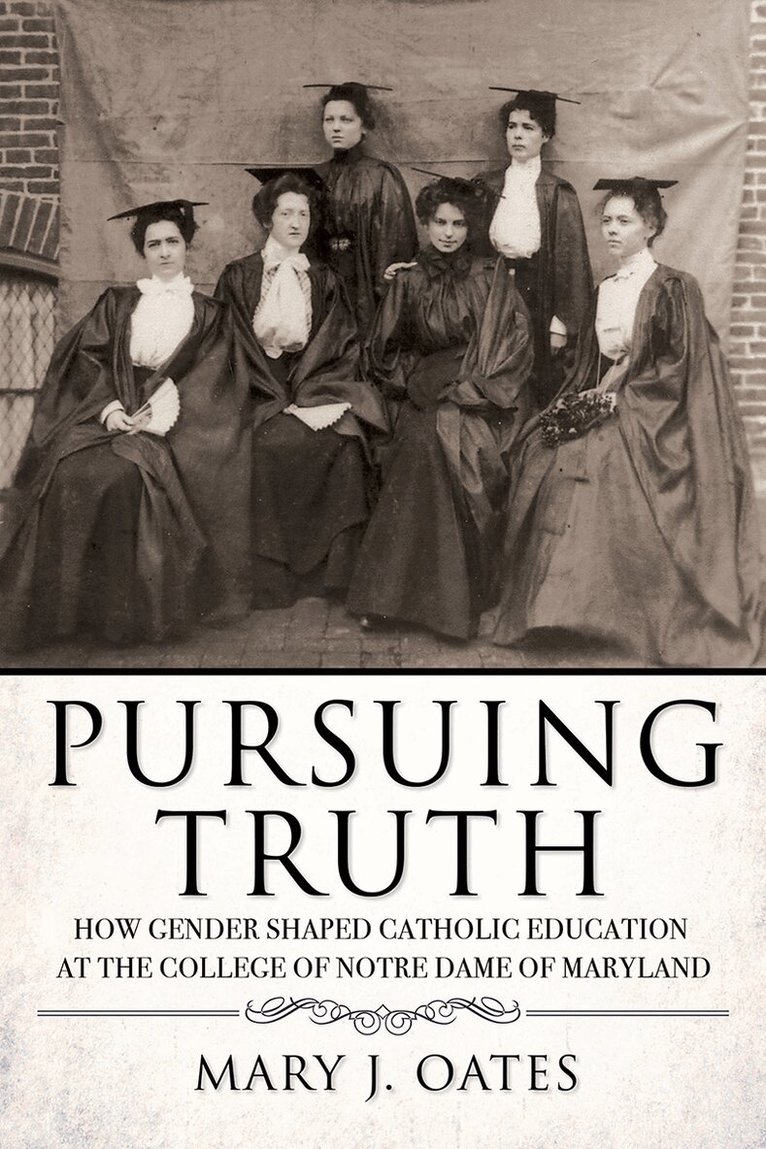
In Pursuing Truth, Mary J. Oates explores the roles that religious women played in teaching generations of college and university students amid slow societal change that brought the grudging acceptance of Catholics in public life. Across the twentieth century, Catholic women's colleges modeled themselves on, and sometimes positioned themselves against, elite secular colleges. Oates describes these critical pedagogical practices by focusing on Notre Dame of Maryland University, formerly known as the College of Notre Dame of Maryland, the first Catholic college in the United States to award female students four-year degrees.The sisters and laywomen on the faculty and in the administration at Notre Dame of Maryland persevered in their work while facing challenges from the establishment of the Catholic Church, mainline Protestant churches, and secular institutions. Pursuing Truth presents the stories of the institution's female founders, administrators, and professors whose labors led it through phases of diversification. The pattern of institutional development regarding the place of religious identity, gender and sexuality, and race that Oates finds at Notre Dame of Maryland is a paradigmatic story of change in US higher education. Similarly representative is her account of the school's effort, from the late 1960s to the present, to maintain its identity as a women's liberal arts college.Thanks to generous funding from the Cushwa Center at the University of Notre Dame, the ebook editions of this book are available as Open Access (OA) volumes from Cornell Open (cornellpress.cornell.edu/cornell-open) and other Open Access repositories.