Edinburgh Critical Guides to Nietzsche - Böcker
Visar alla böcker i serien Edinburgh Critical Guides to Nietzsche. Handla med fri frakt och snabb leverans.
14 produkter
14 produkter
1 454 kr
Skickas inom 7-10 vardagar
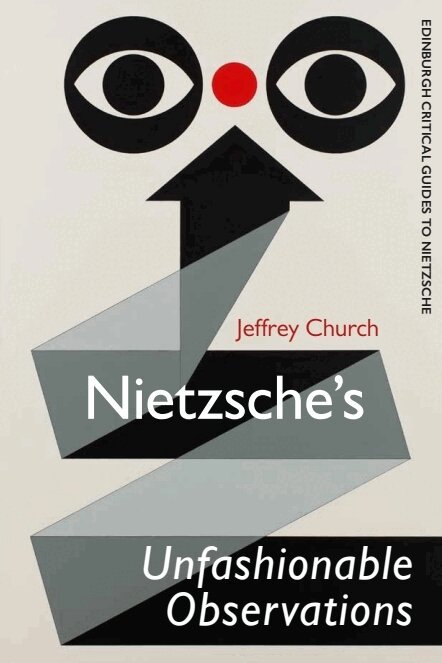
Nietzsche's Unfashionable Observations – often translated as the Untimely Meditations or Thoughts Out of Season – is made up of four independent essays written between 1873 and 1876. The book remains a puzzle: what structure, principles and arguments underlie the essays? Presupposing no prior knowledge of Nietzsche or the text, Jeffrey Church sets the essays in historical and philosophical context, guides you through the text section-by-section and develops a structural overview of each essay. He reveals how the common themes of freedom, culture and genius unify the book.
309 kr
Skickas
Nietzsche's Unfashionable Observations – often translated as the Untimely Meditations or Thoughts Out of Season – is made up of four independent essays written between 1873 and 1876. The book remains a puzzle: what structure, principles and arguments underlie the essays? Presupposing no prior knowledge of Nietzsche or the text, Jeffrey Church sets the essays in historical and philosophical context, guides you through the text section-by-section and develops a structural overview of each essay. He reveals how the common themes of freedom, culture and genius unify the book.
2 095 kr
Skickas inom 3-6 vardagar
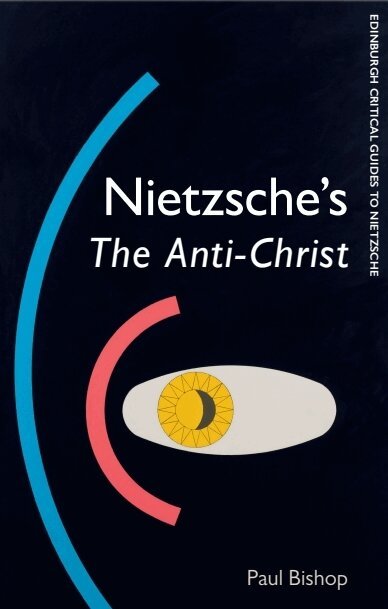
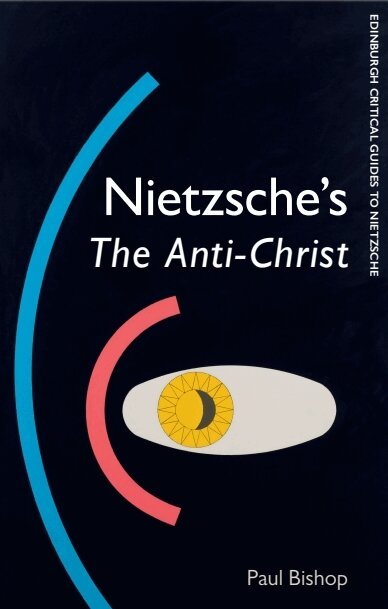
The Anti-Christ, although written in 1888, was not published until 1895. It is one of the most notorious, if not the most notorious, books by Nietzsche and one of his most frequently misrepresented. The main cause for scandal has been its expression of a virulent anti-religious and specifically anti-Christian stance. Precisely this aspect makes a reconsideration of this work timely, not to say urgent.Presupposing no prior knowledge of Nietzsche or the text, nor assuming you are familiar with Christian beliefs or doctrines, Paul Bishop contextualises The Anti-Christ within Nietzsche's work as a whole and carefully guides you through some of the difficulties dealing with Nietzsche's rhetoric.
274 kr
Skickas
The Anti-Christ, although written in 1888, was not published until 1895. It is one of the most notorious, if not the most notorious, books by Nietzsche and one of his most frequently misrepresented. The main cause for scandal has been its expression of a virulent anti-religious and specifically anti-Christian stance. Precisely this aspect makes a reconsideration of this work timely, not to say urgent.Presupposing no prior knowledge of Nietzsche or the text, nor assuming you are familiar with Christian beliefs or doctrines, Paul Bishop contextualises The Anti-Christ within Nietzsche's work as a whole and carefully guides you through some of the difficulties dealing with Nietzsche's rhetoric.
2 095 kr
Skickas inom 3-6 vardagar
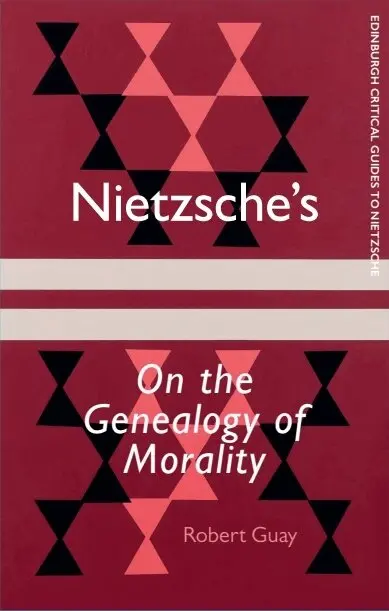
On the Genealogy of Morality has become the most common point of entry into Nietzsche’s thought. It offers relatively straightforward, sustained explanatory narratives addressing many of the main ideas of Nietzsche’s mature thought, such as will to power, nihilism, perspectivism, the value of truth and the critique of morality. At the same time, it is challenging to understand because Nietzsche intended it as an expansion and elaboration of his existing ideas. Robert Guay provides the interpretive and philosophical context to help new readers of Nietzsche understand both the book and Nietzsche's thought more widely. He shows how Nietzsche’s narratives engage with philosophical issues about agency, self-knowledge, historical explanation and the critique of morality.
274 kr
Skickas
On the Genealogy of Morality has become the most common point of entry into Nietzsche's thought. It offers relatively straightforward, sustained explanatory narratives addressing many of the main ideas of Nietzsche's mature thought, such as 'will to power,' 'nihilism,' 'perspectivism,' and the 'value of truth'. It also directs its attention to what is widely taken to be Nietzsche's important philosophical contribution, the critique of morality. Yet it is challenging to understand because Nietzsche intended it as an expansion and elaboration of his ideas developed elsewhere.Presupposing no prior knowledge of Nietzsche or the text Robert Guay provides the interpretive and philosophical context to make Nietzsche's thought more accessible and shows how Nietzsche's narratives engage with philosophical issues about agency, self-knowledge, historical explanation and the critique of morality.
2 164 kr
Skickas inom 3-6 vardagar
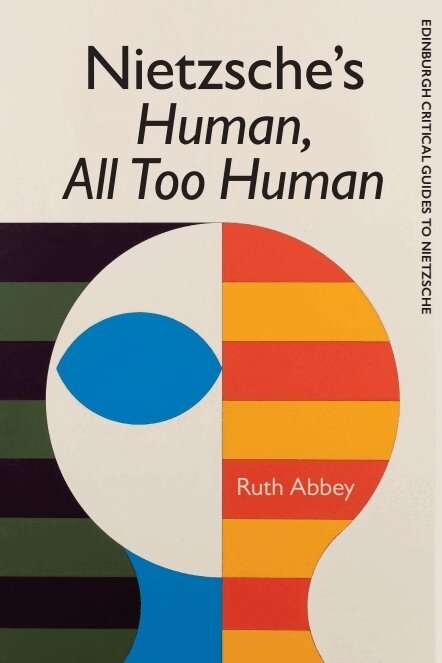
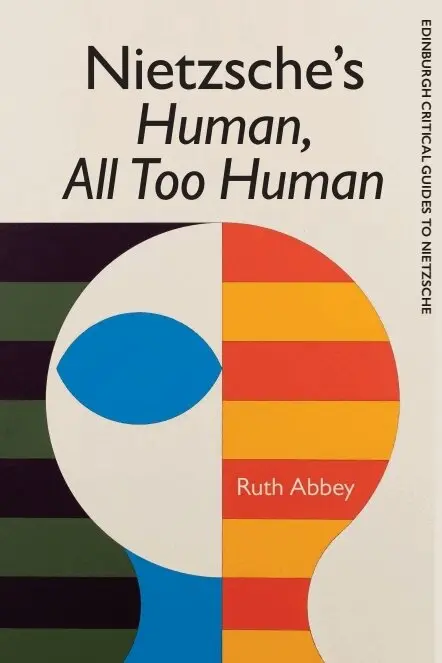
Human, All Too Human marks the beginning of what is often called Nietzsche’s middle or positivist period (which ends with the conclusion of Book IV of The Gay Science). It initiates some important features that become permanent in his work, such as his experiments in multiple writing styles within one work, his self-representation as a psychologist, his genealogical excavations of morality and his appeal to fellow Europeans to overcome the parochialism and antagonism of nationalism. Ruth Abbey shows Nietzsche to be more receptive to the Enlightenment tradition than he is typically taken to be. She assumes no knowledge of the text or of Nietzsche. She maps her chapters onto those of Nietzsche’s text, allowing you to read the guide alongside the book. Altogether, she opens up Human, All Too Human for new readers, while more experienced Nietzsche scholars will appreciate the new perspective.
309 kr
Skickas
Human, All Too Human marks the beginning of what is often called Nietzsche’s middle or positivist period (which ends with the conclusion of Book IV of The Gay Science). It initiates some important features that become permanent in his work, such as his experiments in multiple writing styles within one work, his self-representation as a psychologist, his genealogical excavations of morality and his appeal to fellow Europeans to overcome the parochialism and antagonism of nationalism. Ruth Abbey shows Nietzsche to be more receptive to the Enlightenment tradition than he is typically taken to be. She assumes no knowledge of the text or of Nietzsche. She maps her chapters onto those of Nietzsche’s text, allowing you to read the guide alongside the book. Altogether, she opens up Human, All Too Human for new readers, while more experienced Nietzsche scholars will appreciate the new perspective.
1 886 kr
Skickas inom 3-6 vardagar
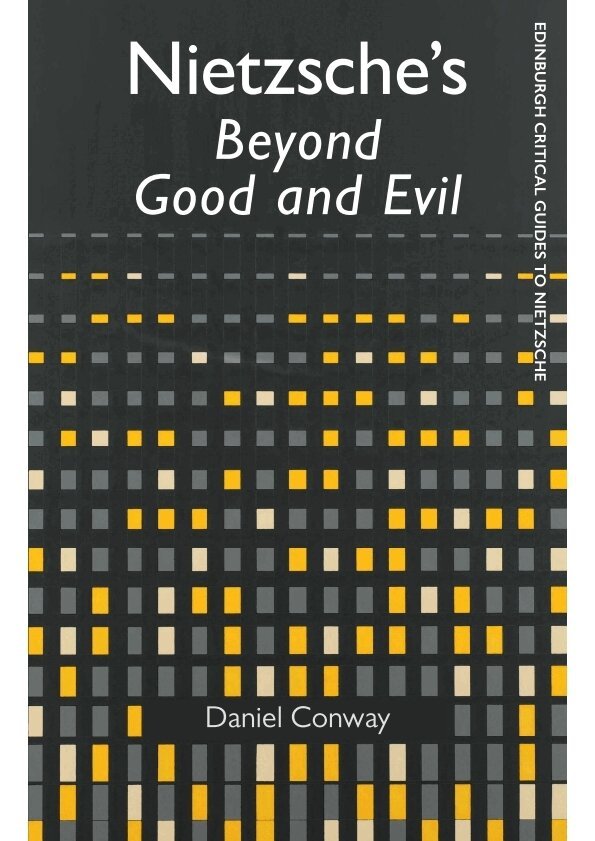
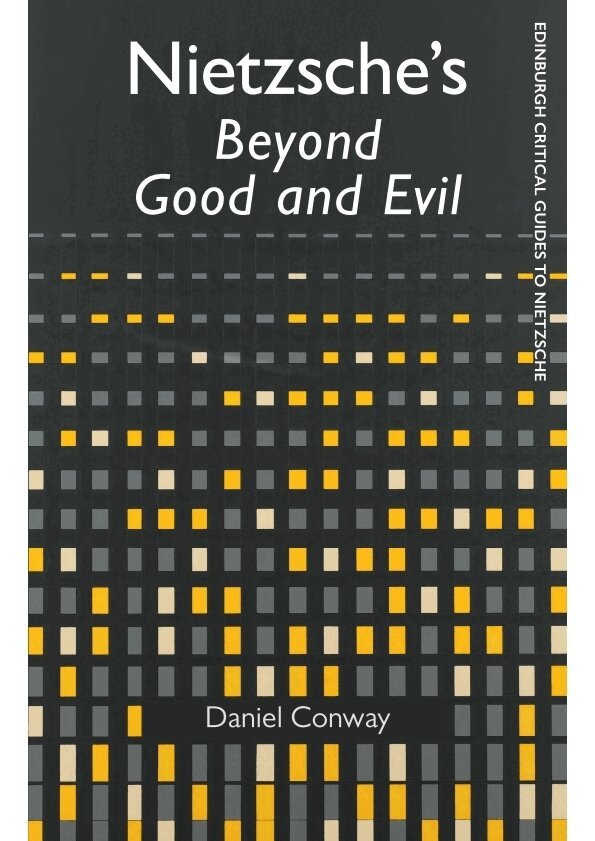
Daniel Conway guides you through one of the most clearly developed statements of Nietzsche's mature philosophy, section by section. Adopting an interpretative approach throughout, Daniel Conway treats Beyond Good and Evil as a coherent, unified and carefully crafted complete text. When treated this way, the text reveals itself as a guide to the education that Nietzsche prescribes for his best readers, at the brink of the new post-moral era. Conway makes sense of the overarching aims and structure of the book at the same time as providing a broader context for the arguments Nietzsche makes and the positions he stakes out. Requiring no prior knowledge of the text or of Nietzsche, he guides you through the text with the reward of a more developed reading of the distinctly political agenda that emerges in the second half.
271 kr
Skickas inom 7-10 vardagar
Daniel Conway guides you through one of the most clearly developed statements of Nietzsche's mature philosophy, section by section. Adopting an interpretative approach throughout, Daniel Conway treats Beyond Good and Evil as a coherent, unified and carefully crafted complete text. When treated this way, the text reveals itself as a guide to the education that Nietzsche prescribes for his best readers, at the brink of the new post-moral era. Conway makes sense of the overarching aims and structure of the book at the same time as providing a broader context for the arguments Nietzsche makes and the positions he stakes out. Requiring no prior knowledge of the text or of Nietzsche, he guides you through the text with the reward of a more developed reading of the distinctly political agenda that emerges in the second half.
2 095 kr
Skickas inom 3-6 vardagar
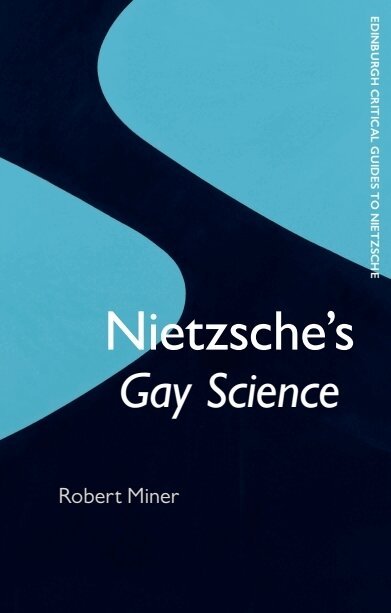
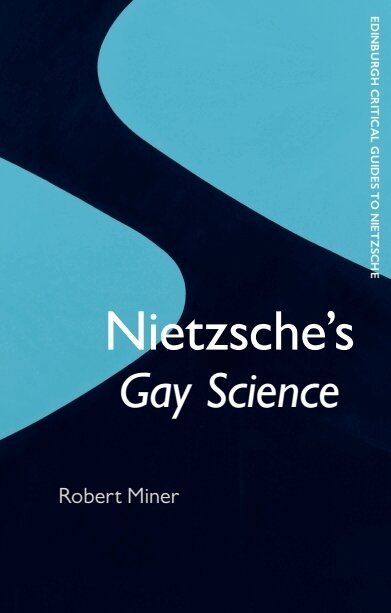
Robert Miner attends closely to the rhymes and aphorisms that comprise Nietzsche's Gay Science a text more often quoted than understood. Tracking Nietzsche's mixture of subtle argumentation, memorable images and provocative rhetoric, Miner opens up multiple ways of interpreting the text and applying it to our own circumstances. Presupposing no prior knowledge of Nietzsche, Miner begins with the 1882 edition the first to announce the 'death of God', amor fati and eternal recurrence. He also illuminates the significance of Nietzsche's decision to publish in 1887 a second edition of Gay Science with a fifth Book, 40 aphorisms composed after Zarathustra, a new Preface and an Appendix of Songs.While the primary text is emphasised, you'll also become familiar with scholarly debates about Nietzsche's intentions in the Gay Science. New and seasoned readers alike will benefit from the book.
274 kr
Skickas
Robert Miner attends closely to the rhymes and aphorisms that comprise Nietzsche's Gay Science a text more often quoted than understood. Tracking Nietzsche's mixture of subtle argumentation, memorable images and provocative rhetoric, Miner opens up multiple ways of interpreting the text and applying it to our own circumstances. Presupposing no prior knowledge of Nietzsche, Miner begins with the 1882 edition the first to announce the 'death of God', amor fati and eternal recurrence. He also illuminates the significance of Nietzsche's decision to publish in 1887 a second edition of Gay Science with a fifth Book, 40 aphorisms composed after Zarathustra, a new Preface and an Appendix of Songs.While the primary text is emphasised, you'll also become familiar with scholarly debates about Nietzsche's intentions in the Gay Science. New and seasoned readers alike will benefit from the book.
2 095 kr
Skickas inom 3-6 vardagar
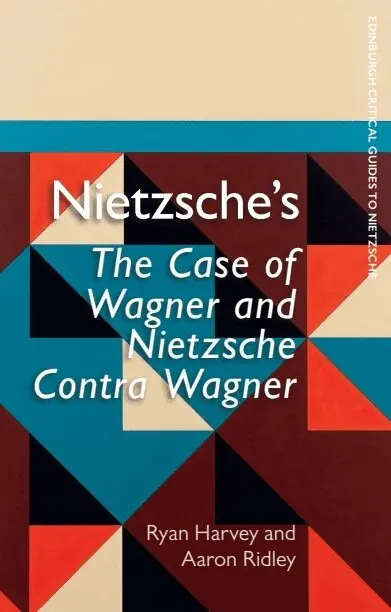
Ryan Harvey and Aaron Ridley put Wagner centre-stage to show why he mattered so much to Nietzsche. Looking at both The Case of Wagner and Nietzsche Contra Wagner, they identify and define the trajectory of a number of overarching themes modernity, decadence and Wagner as the sign of decline within Nietzsche's work as a whole and then demonstrate how they crystallise into Nietzsche's final and most substantial discussion of Wagner in The Case of Wagner.Assuming no prior knowledge of Nietzsche or the texts, they offer a chapter-by-chapter interpretation of The Case of Wagner addressing especially why Wagner is a 'case' for Nietzsche.
274 kr
Skickas
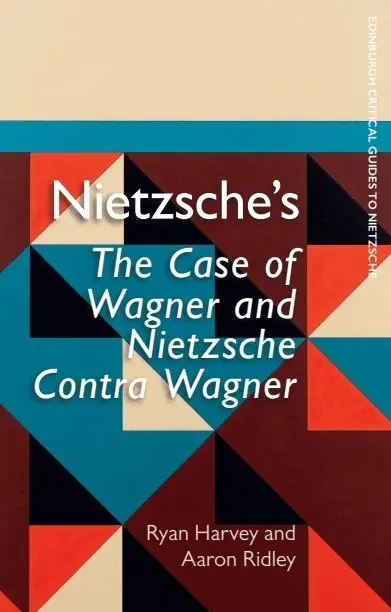
Ryan Harvey and Aaron Ridley put Wagner centre-stage to show why he mattered so much to Nietzsche. Looking at both The Case of Wagner and Nietzsche Contra Wagner, they identify and define the trajectory of a number of overarching themes modernity, decadence and Wagner as the sign of decline within Nietzsche's work as a whole and then demonstrate how they crystallise into Nietzsche's final and most substantial discussion of Wagner in The Case of Wagner.Assuming no prior knowledge of Nietzsche or the texts, they offer a chapter-by-chapter interpretation of The Case of Wagner addressing especially why Wagner is a 'case' for Nietzsche.