Environmental History and the American South Series – serie
Visar alla böcker i serien Environmental History and the American South Series. Handla med fri frakt och snabb leverans.
7 produkter
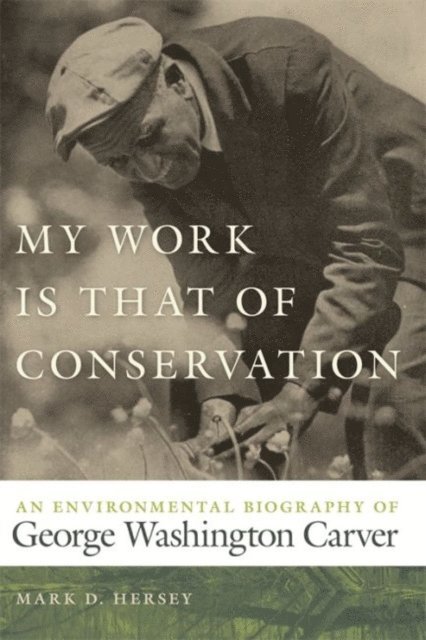
My Work Is That of Conservation
An Environmental Biography of George Washington Carver
E-bok, 2011
600 kr
Lägg i varukorg
George Washington Carver (ca. 1864-1943) is at once one of the most familiar and misunderstood figures in American history. In My Work Is That of Conservation, Mark D. Hersey reveals the life and work of this fascinating man who is widely-and reductively-known as the African American scientist who …
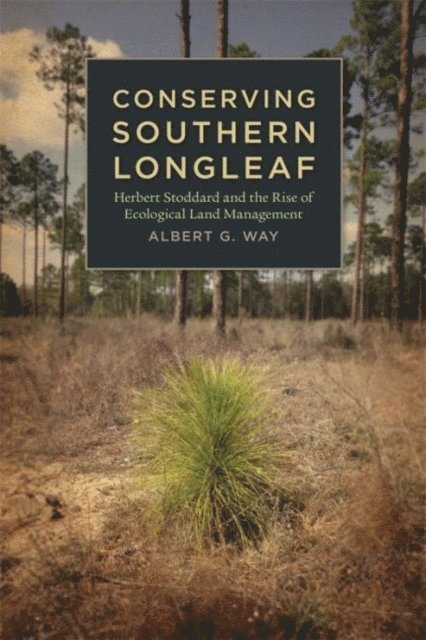
Conserving Southern Longleaf
Herbert Stoddard and the Rise of Ecological Land Management
E-bok, 2011
565 kr
Lägg i varukorg
The Red Hills region of south Georgia and north Florida contains one of the most biologically diverse ecosystems in North America, with longleaf pine trees that are up to four hundred years old and an understory of unparalleled plant life. At first glance, the longleaf woodlands at plantations like …
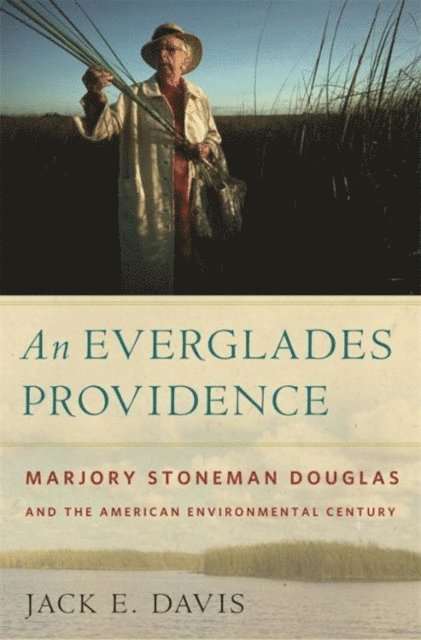
Everglades Providence
Marjory Stoneman Douglas and the American Environmental Century
E-bok, 2013
587 kr
Lägg i varukorg
No one did more than Marjory Stoneman Douglas to transform the Everglades from the country's most maligned swamp into its most beloved wetland. By the late twentieth century, her name and her classic The Everglades: River of Grass had become synonymous with Everglades protection. The crusading …
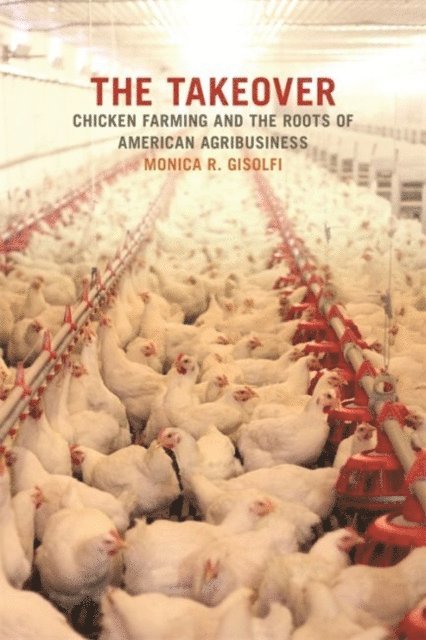
Takeover
Chicken Farming and the Roots of American Agribusiness
E-bok, 2017
424 kr
Lägg i varukorg
Economists have described the upcountry Georgia poultry industry as the quintessential agribusiness. Following a trajectory from Reconstruction through the Great Depression to the present day, Monica R. Gisolfi shows how the poultry farming model of semivertical integration perfected a number of …
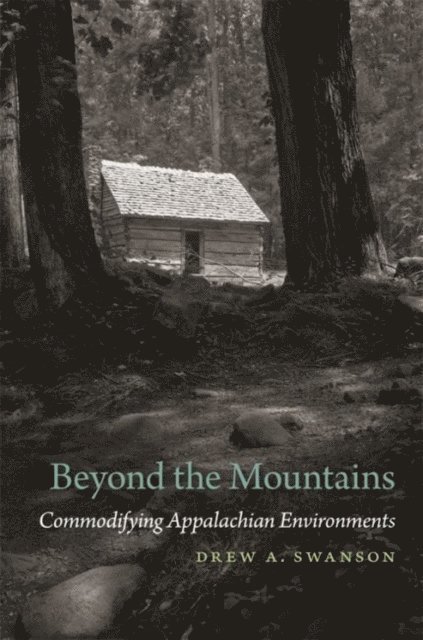
Beyond the Mountains
Commodifying Appalachian Environments
E-bok, 2018
1730 kr
Lägg i varukorg
Beyond the Mountains explores the ways in which Appalachia often served as a laboratory for the exploration and practice of American conceptions of nature. The region operated alternately as frontier, wilderness, rural hinterland, region of subsistence agriculture, bastion of yeoman farmers, and …
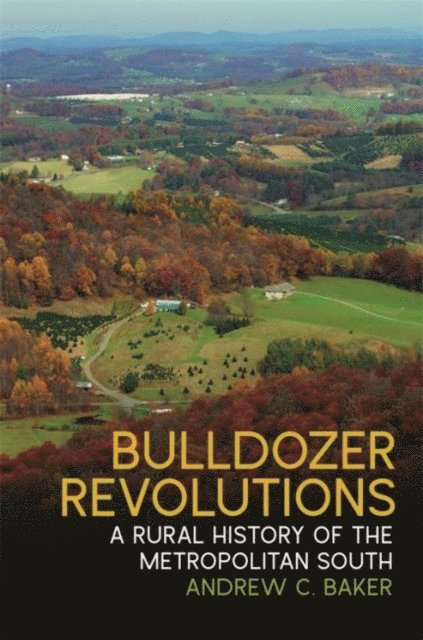
Bulldozer Revolutions
A Rural History of the Metropolitan South
E-bok, 2018
1016 kr
Lägg i varukorg
By examining the metropolitan fringes of Houston in Montgomery County, Texas, and Washington, D.C., in Loudoun County, Virginia, this book combines rural, environmental, and agricultural history to disrupt our view of the southern metropolis. Andrew C. Baker examines the local boosters, gentlemen …
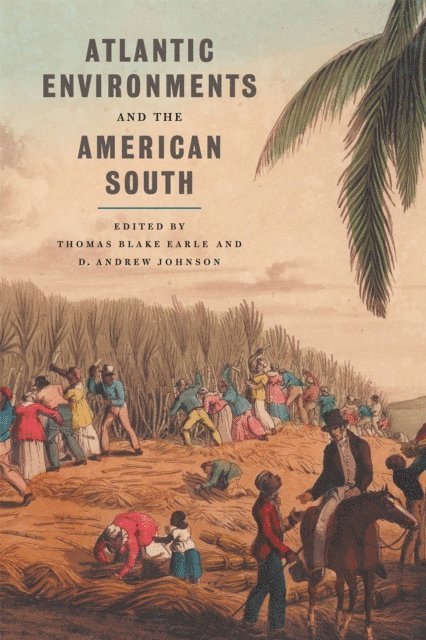
Atlantic Environments and the American South
Av Thomas Blake Earle, D. Andrew Johnson
E-bok, 2020
1730 kr
Lägg i varukorg
There is clear overlap in interests and influences for the fields of Atlantic, environmental, and southern history, but scholarship in them has often advanced on parallel tracks. This anthology places itself at the intersection, pushing for a new confluence. Editors Thomas Blake Earle and D. Andrew …