Environmental History of the Northeast – serie
Visar alla böcker i serien Environmental History of the Northeast. Handla med fri frakt och snabb leverans.
17 produkter
17 produkter
Häftad, Engelska, 2018
395 kr
Skickas inom 5-8 vardagar
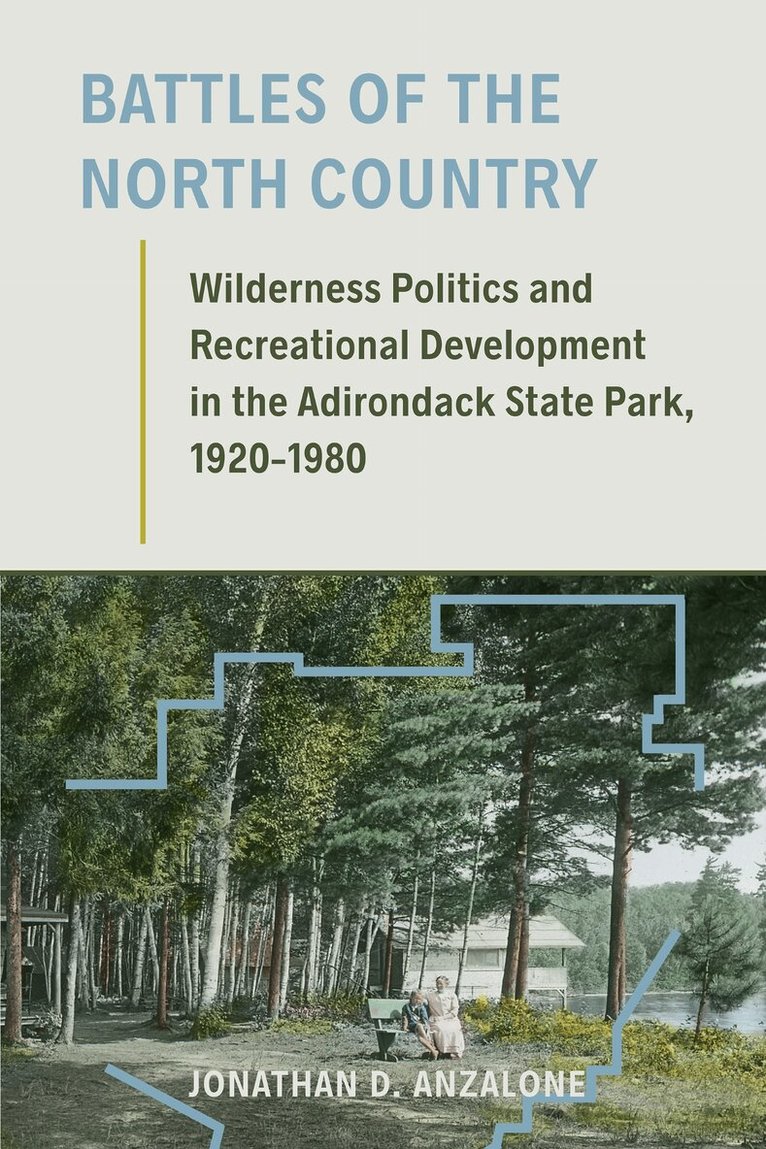
The Adirondack region is trapped in a cycle of conflict. Nature lovers advocate for the preservation of wilderness, while sports enthusiasts demand infrastructure for recreation. Local residents seek economic opportunities, while environmentalists fight industrial or real estate growth. These clashes have played out over the course of the twentieth century and continue into the twenty-first.Through a series of case studies, historian Jonathan D. Anzalone highlights the role of public and private interests in the region and shows how partnerships frayed and realigned in the course of several key developments: the rise of camping in the 1920s and 1930s; the 1932 Lake Placid Olympics; the construction of a highway to the top of Whiteface Mountain; the postwar rise of downhill skiing; the completion of I-87 and the resulting demand for second homes; and the 1980 Lake Placid Olympics. Battles of the North Country reveals how class, economic self-interest, state power, and a wide range of environmental concerns have shaped modern politics in the Adirondacks and beyond.
Häftad, Engelska, 2018
370 kr
Skickas inom 5-8 vardagar
With skillful storytelling, Matthew McKenzie weaves together the industrial, cultural, political, and ecological history of New England's fisheries through the story of how the Boston haddock fleet - one of the region's largest and most heavily industrialized - rose, flourished, and then fished itself into near oblivion before the arrival of foreign competition in 1961. This fleet also embodied the industry's change during this period, as it shucked its sail-and-oar, hook-and-line origins to embrace mechanized power and propulsion, more sophisticated business practices, and political engagement.Books, films, and the media have long portrayed the Yankee fisherman's hard-scrabble existence, as he faced brutal weather on the open seas and unnecessary governmental restrictions. As McKenzie contends, this simplistic view has long betrayed commercial fisheries' sophisticated legislative campaigns in Washington, DC, as they sought federal subsidies and relief and, eventually, fewer constricting regulations. This clash between fisheries' representation and their reality still grips fishing communities today as they struggle to navigate age-old trends of fleet consolidation, stock decline, and intense competition.
Häftad, Engelska, 2019
565 kr
Skickas inom 3-6 vardagar
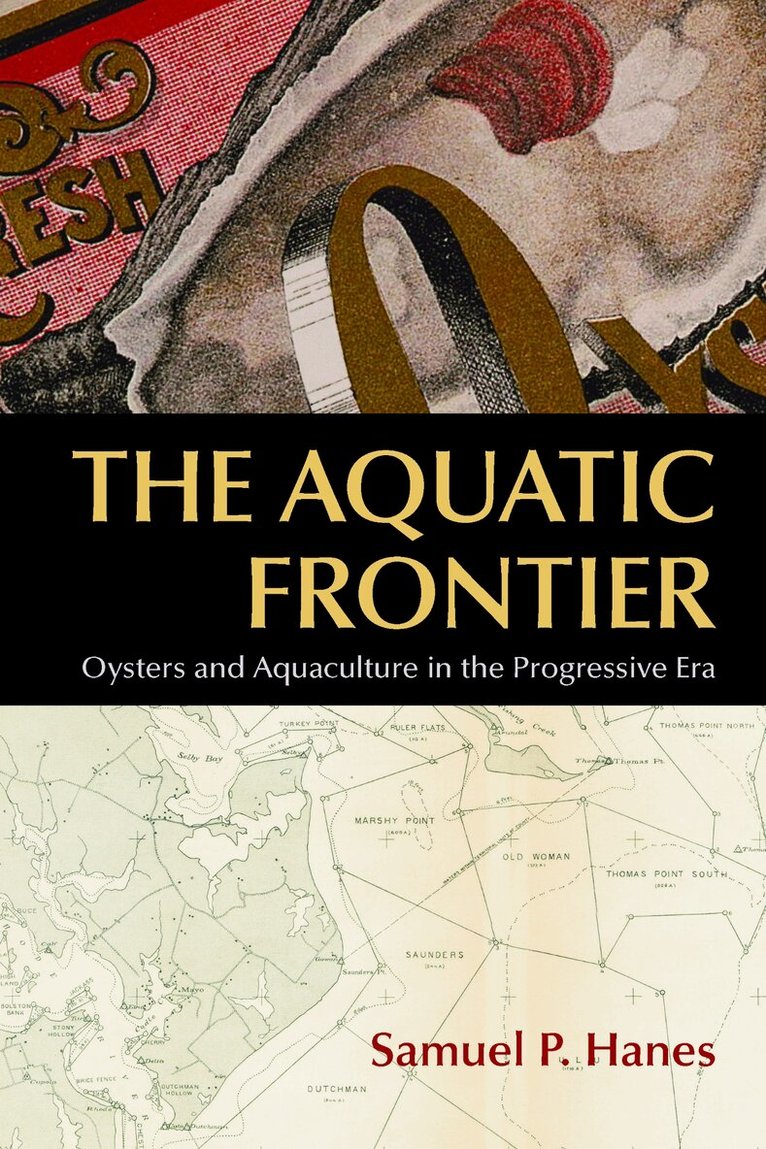
Although few remember their former significance, oysters were one of the largest U.S. fisheries at their peak in the late nineteenth century. As the fishery industrialized on-and offshore, oyster farms and canning factories spread along the Eastern Seaboard, with overharvesting becoming increasingly common. During the Progressive Era, state governments founded new agencies to cope with this problem and control this expanding economy. Regulators faced a choice: keep elaborate conservation systems based on common property rights or develop new ones with private, hatchery-stocked aquaculture farms. The tradition-preserving solution won, laying the groundwork for modern oyster management.The Aquatic Frontier explores the forms this debate took between 1870 and 1920 in law enforcement, legislative advising, natural science, and oyster cartography. Samuel P. Hanes argues that the effort to centralize and privatize the industry failed due to a lack of understanding of the complex social-ecological systems in place - a common dilemma for environmental managers in this time period and for fisheries management confronting dangers from dwindling populations today.
Häftad, Engelska, 2020
354 kr
Skickas inom 5-8 vardagar
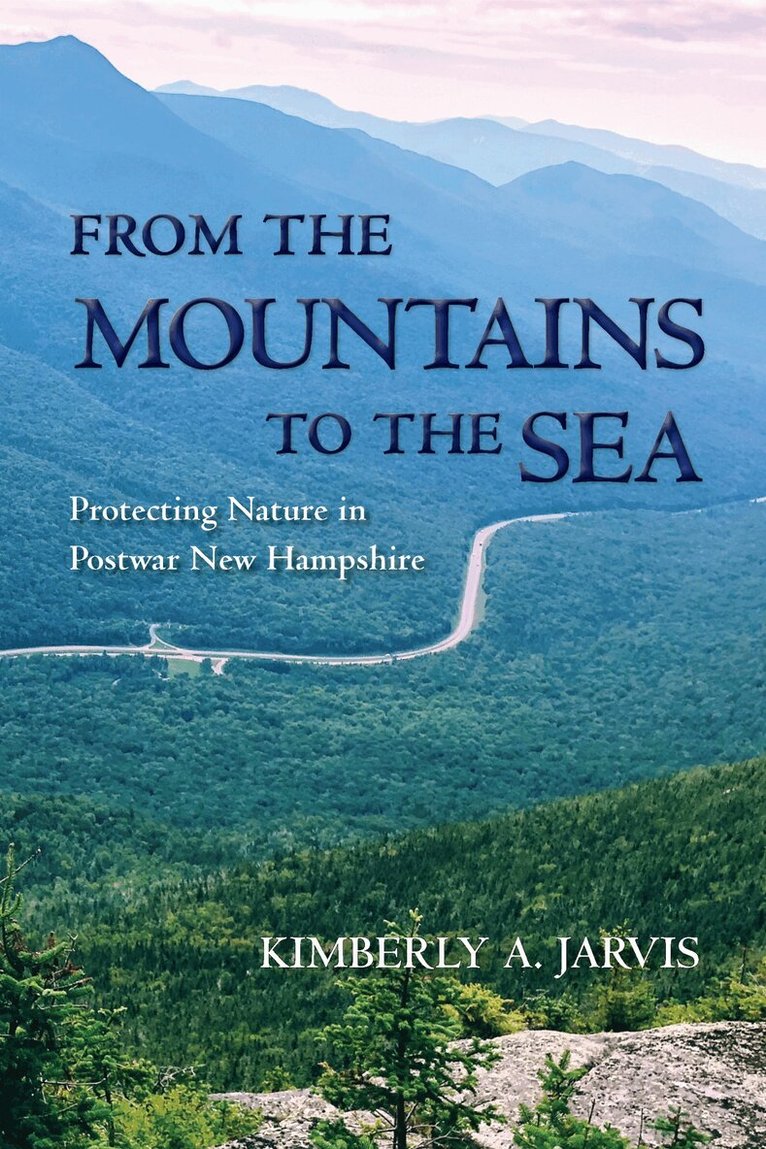
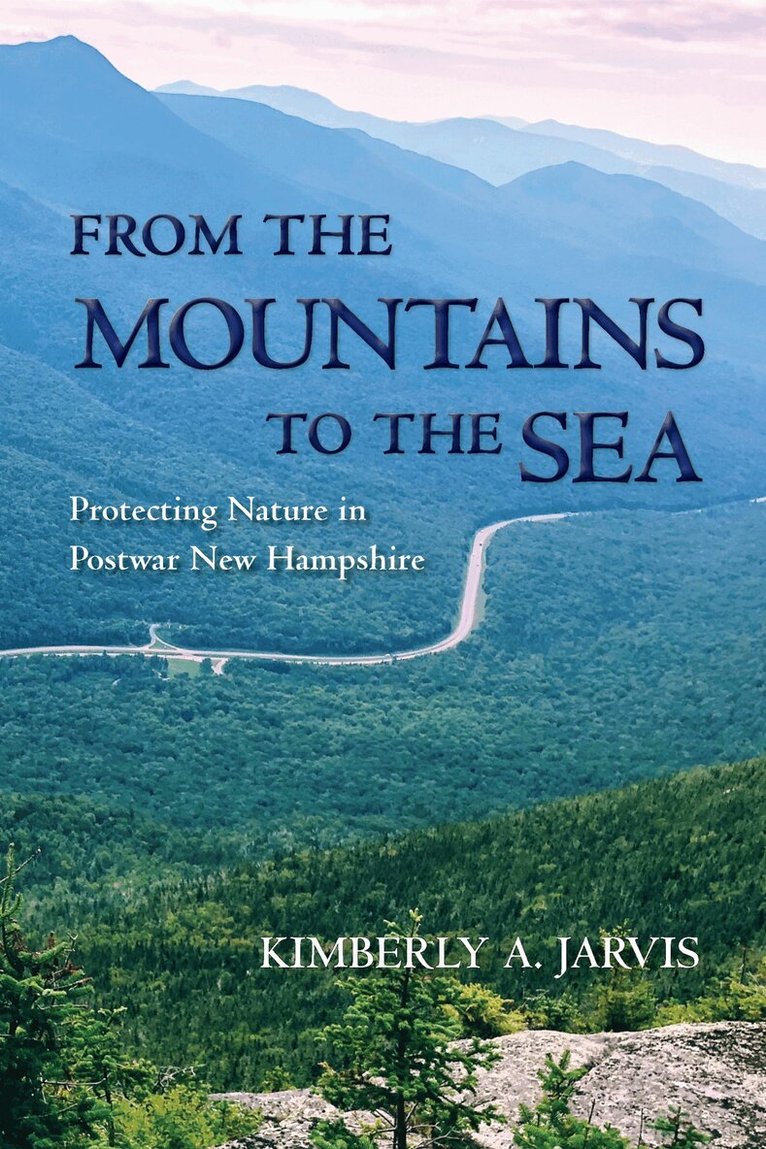
In the face of increasing pressures from business and government in the decades following World War II, New Hampshire residents banded together to preserve their most prized natural areas and defining geological features. From the Mountains to the Sea explores how history, memory, and tradition created a strong sense of place in the state that led citizen activists to protect Franconia Notch, Sandwich Notch, and the town of Durham on New Hampshire's seacoast from development in the last half of the twentieth century. These efforts led to the construction of a parkway instead of an interstate highway, prevented the building of an oil refinery, and saved Sandwich Notch from becoming a vacation community.Shaped by New Hampshire's unique conservation focus on both resource use and preservation that developed during the first years of the twentieth century, as well as on the tradition of home rule in the state, the outcome of each campaign relied on the insight into, appreciation for, and dedication to protecting the historic and aesthetic values of these three places.
Inbunden, Engelska, 2020
1 005 kr
Skickas inom 5-8 vardagar
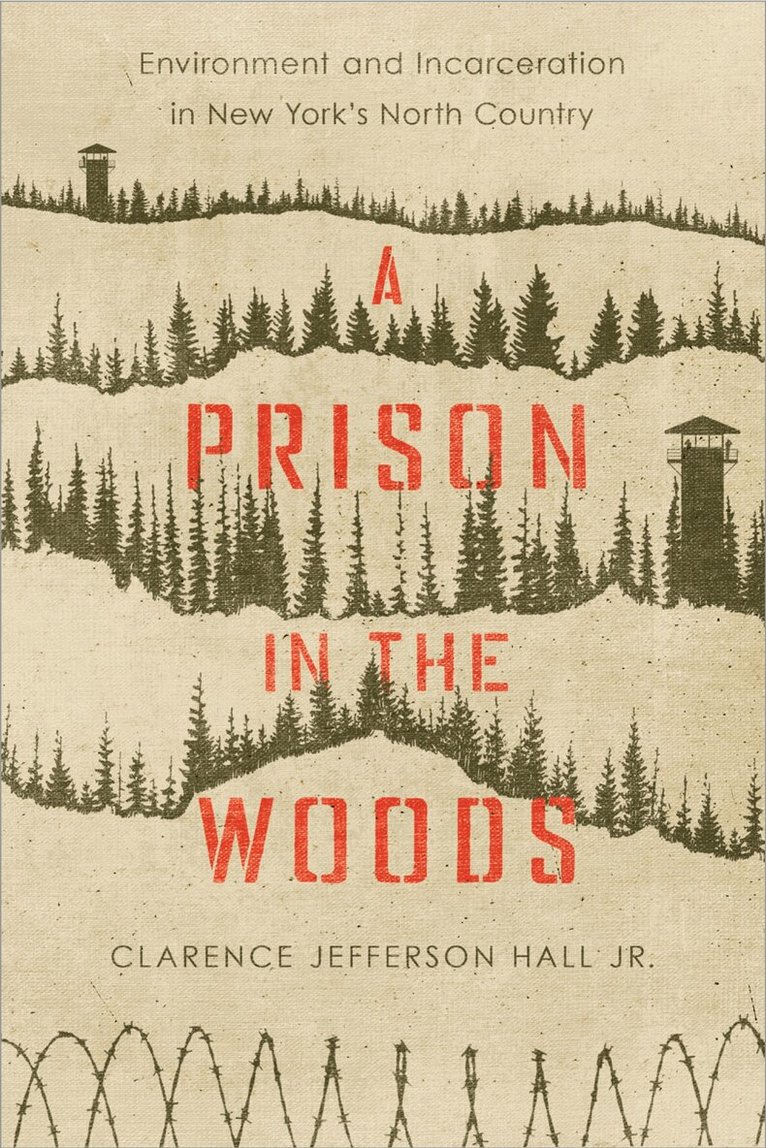
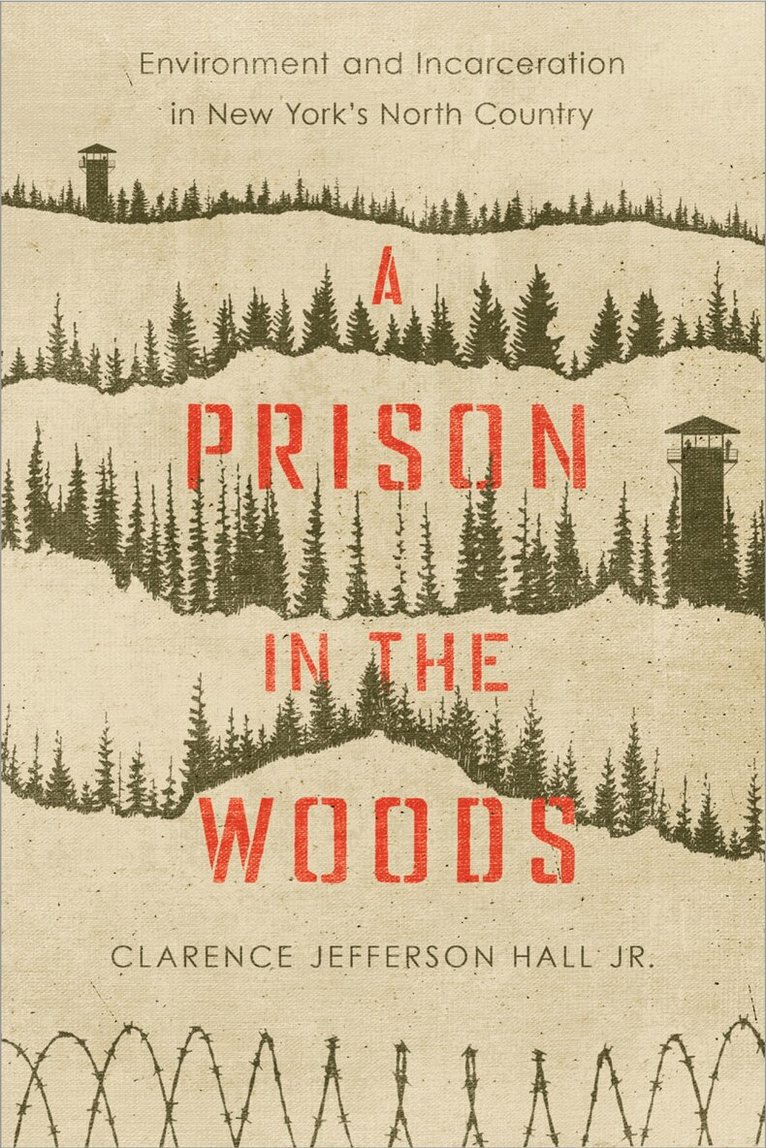
Since the mid-nineteenth century, Americans have known the Adirondack Mountains of upstate New York as a site of industrial production, a place to heal from disease, and a sprawling outdoor playground that must be preserved in its wild state. Less well known, however, has been the area's role in hosting a network of state and federal prisons. A Prison in the Woods traces the planning, construction, and operation of penitentiaries in five Adirondack Park communities from the 1840s through the early 2000s to demonstrate that the histories of mass incarceration and environmental consciousness are interconnected.Clarence Jefferson Hall Jr. reveals that the introduction of correctional facilities -- especially in the last three decades of the twentieth century -- unearthed long-standing conflicts over the proper uses of Adirondack nature, particularly since these sites have contributed to deforestation, pollution, and habitat decline, even as they've provided jobs and spurred economic growth. Additionally, prison plans have challenged individuals' commitment to environmental protection, tested the strength of environmental regulations, endangered environmental and public health, and exposed tensions around race, class, place, and belonging in the isolated prison towns of America's largest state park.
Häftad, Engelska, 2020
381 kr
Skickas inom 5-8 vardagar
Since the mid-nineteenth century, Americans have known the Adirondack Mountains of upstate New York as a site of industrial production, a place to heal from disease, and a sprawling outdoor playground that must be preserved in its wild state. Less well known, however, has been the area's role in hosting a network of state and federal prisons. A Prison in the Woods traces the planning, construction, and operation of penitentiaries in five Adirondack Park communities from the 1840s through the early 2000s to demonstrate that the histories of mass incarceration and environmental consciousness are interconnected.Clarence Jefferson Hall Jr. reveals that the introduction of correctional facilities -- especially in the last three decades of the twentieth century -- unearthed long-standing conflicts over the proper uses of Adirondack nature, particularly since these sites have contributed to deforestation, pollution, and habitat decline, even as they've provided jobs and spurred economic growth. Additionally, prison plans have challenged individuals' commitment to environmental protection, tested the strength of environmental regulations, endangered environmental and public health, and exposed tensions around race, class, place, and belonging in the isolated prison towns of America's largest state park.
Häftad, Engelska, 2021
343 kr
Skickas inom 5-8 vardagar
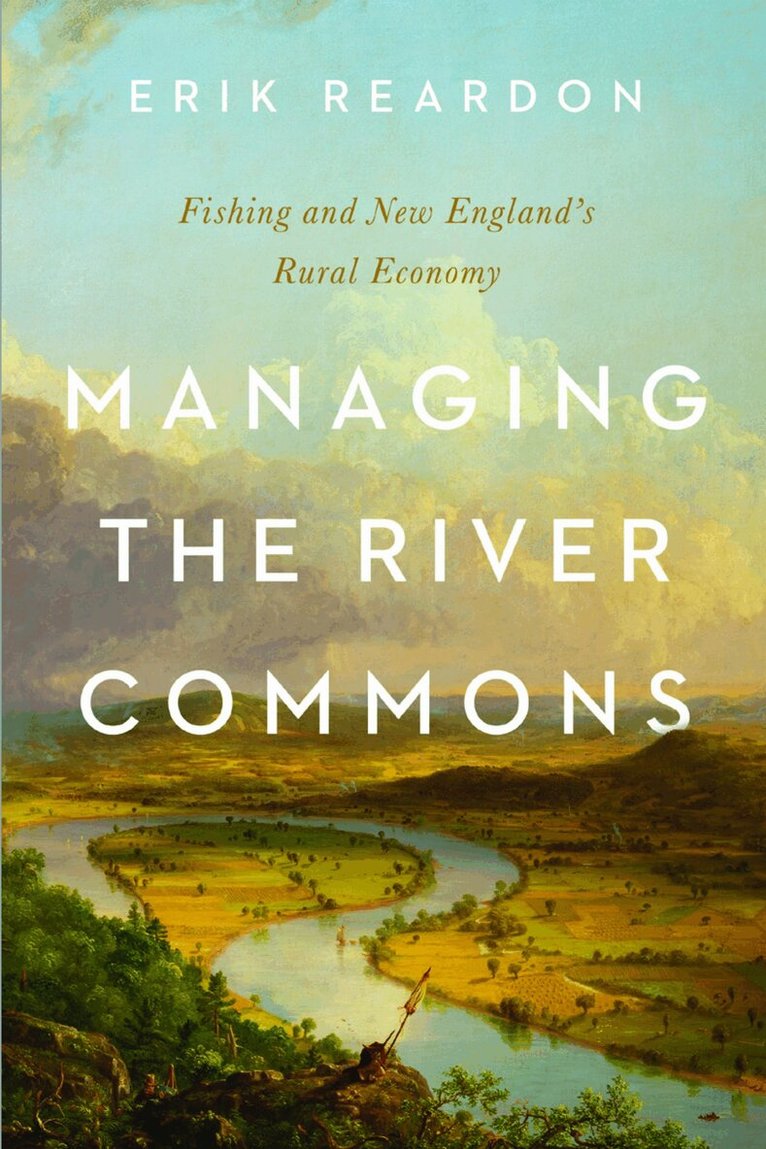
New England once hosted large numbers of anadromous fish, which migrate between rivers and the sea. Salmon, shad, and alewives served a variety of functions within the region's preindustrial landscape, furnishing not only maritime areas but also agricultural communities with an important source of nutrition and a valued article of rural exchange. Historian Erik Reardon argues that to protect these fish, New England's farmer-fishermen pushed for conservation measures to limit commercial fishing and industrial uses of the river. Beginning in the colonial period and continuing to the mid-nineteenth century, they advocated for fishing regulations to promote sustainable returns, compelled local millers to open their dams during seasonal fish runs, and defeated corporate proposals to erect large-scale dams. As environmentalists work to restore rivers in New England and beyond in the present day, Managing the River Commons offers important lessons about historical conservation efforts that can help guide current campaigns to remove dams and allow anadromous fish to reclaim these waters.
Inbunden, Engelska, 2021
1 005 kr
Skickas inom 5-8 vardagar
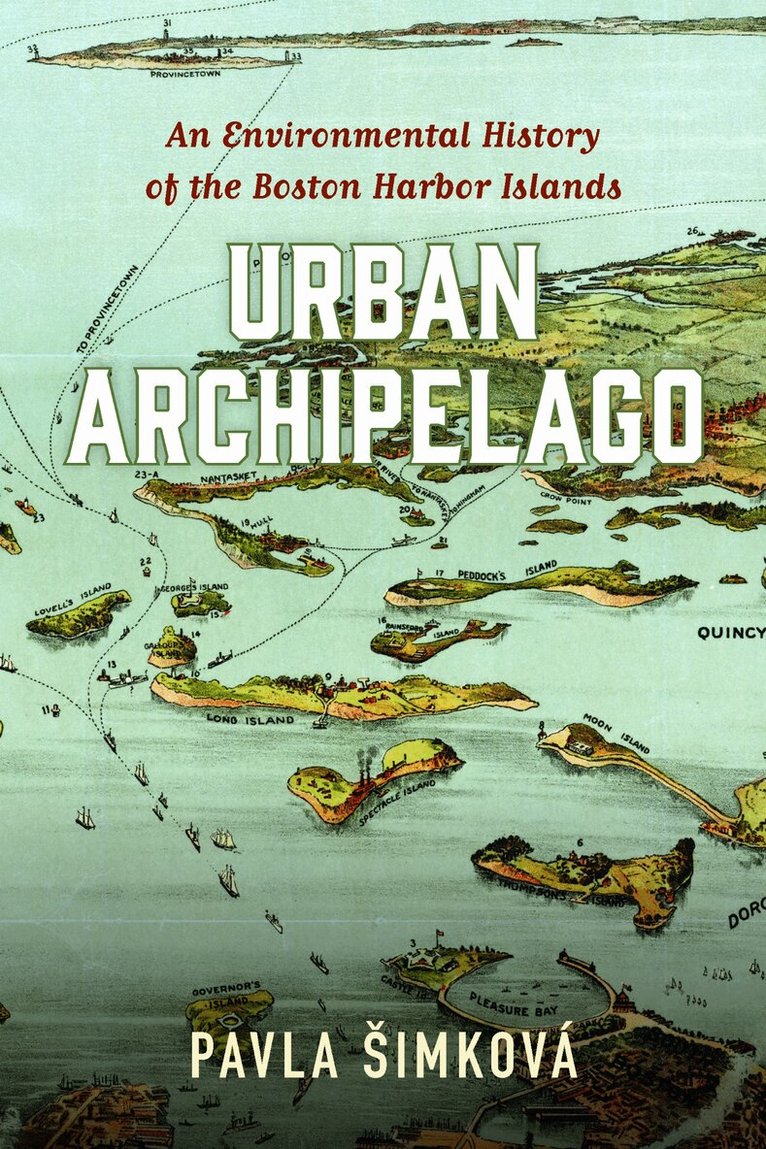
The Boston Harbor Islands have been called Boston's "hidden shores." While some are ragged rocks teeming with coastal wildlife, such as oystercatchers and harbor seals, others resemble manicured parks or have the appearance of wooded hills rising gently out of the water. Largely ignored by historians and previously home to prisons, asylums, and sewage treatment plants, this surprisingly diverse ensemble of islands has existed quietly on the urban fringe over the last four centuries. Even their latest incarnation as a national park and recreational hub has emphasized their separation from, rather than their connection to, the city.In this book, Pavla Šimková reinterprets the Boston Harbor Islands as an urban archipelago, arguing that they have been an integral part of Boston since colonial days, transformed by the city's changing values and catering to its current needs. Drawing on archival sources, historic maps and photographs, and diaries from island residents, this absorbing study attests that the harbor islands' story is central to understanding the ways in which Boston has both shaped and been shaped by its environment over time.
Häftad, Engelska, 2021
354 kr
Skickas inom 5-8 vardagar
The Boston Harbor Islands have been called Boston's "hidden shores." While some are ragged rocks teeming with coastal wildlife, such as oystercatchers and harbor seals, others resemble manicured parks or have the appearance of wooded hills rising gently out of the water. Largely ignored by historians and previously home to prisons, asylums, and sewage treatment plants, this surprisingly diverse ensemble of islands has existed quietly on the urban fringe over the last four centuries. Even their latest incarnation as a national park and recreational hub has emphasized their separation from, rather than their connection to, the city.In this book, Pavla Šimková reinterprets the Boston Harbor Islands as an urban archipelago, arguing that they have been an integral part of Boston since colonial days, transformed by the city's changing values and catering to its current needs. Drawing on archival sources, historic maps and photographs, and diaries from island residents, this absorbing study attests that the harbor islands' story is central to understanding the ways in which Boston has both shaped and been shaped by its environment over time.
Häftad, Engelska, 2023
354 kr
Skickas inom 5-8 vardagar
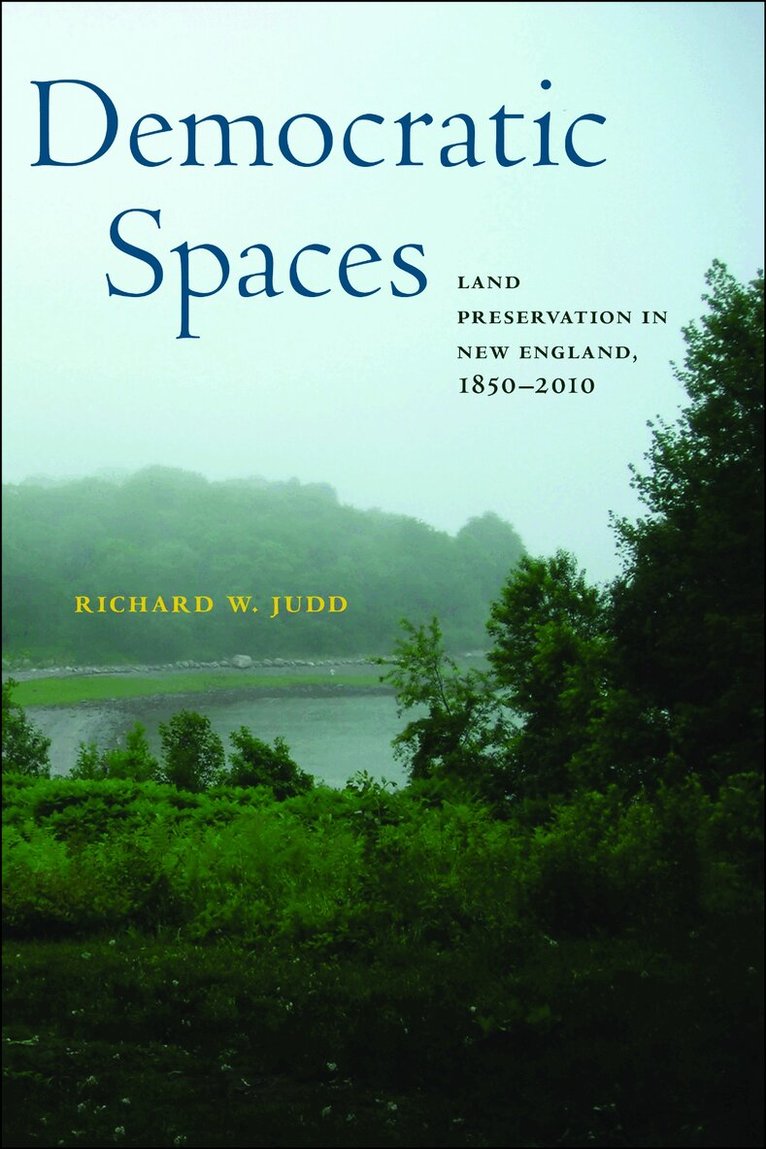
A contemporary map of New England, scaled to the township level, brings to light a dense pattern of protected areas ringing almost every town and city in the region. Big and small, rural and urban, these green spaces represent more than a century of preservation efforts on the part of philanthropic foundations, planning professionals, state agencies, and most importantly, community-based conservation organizations. Taken together, they highlight one of the most significant advances in land stewardship in US history. Democratic Spaces explains how these protected places came into being and what they represent for New Englanders and the nation at large. While early New Englanders worked to save local fish, timber, and game resources from outside exploitation, no land-stewardship organizations existed before the founding of the Trustees of Public Reservations in Boston in 1891. Across a century of dramatic change, New England preservationists through this and other, smaller community-based land trusts preserved open spaces for an ever-widening circle of citizens.
Inbunden, Engelska, 2023
1 102 kr
Skickas inom 5-8 vardagar
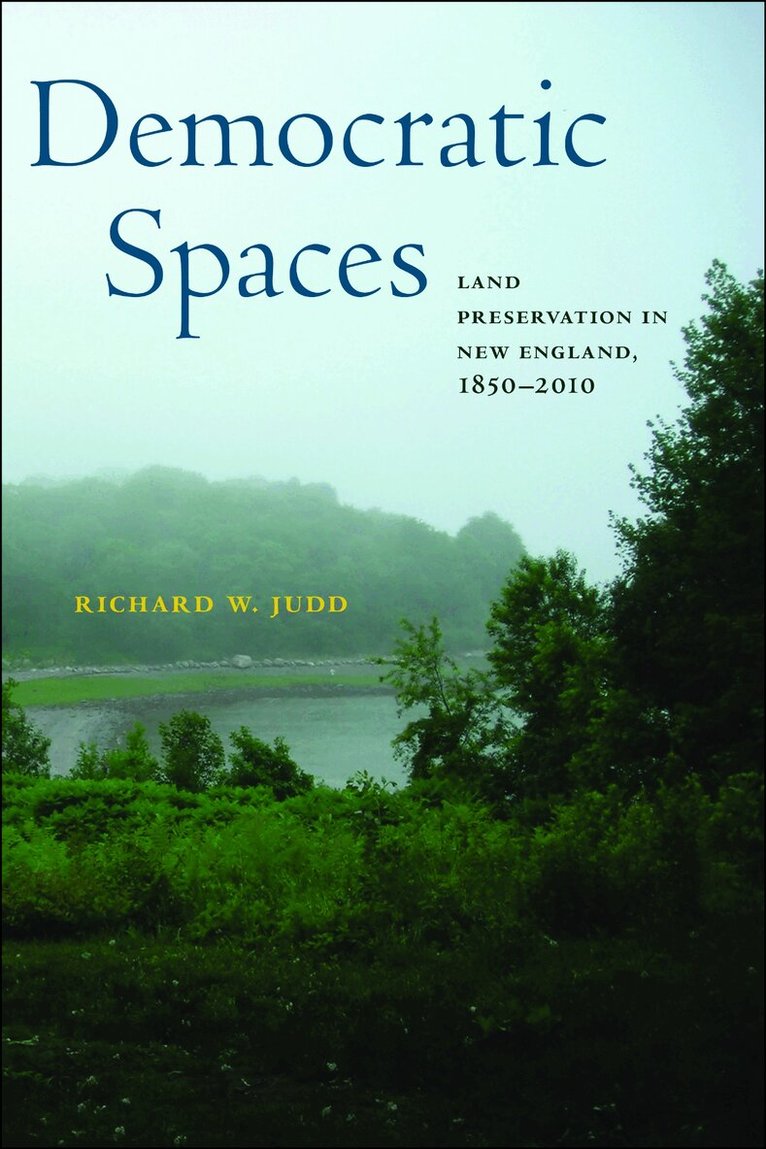
A contemporary map of New England, scaled to the township level, brings to light a dense pattern of protected areas ringing almost every town and city in the region. Big and small, rural and urban, these green spaces represent more than a century of preservation efforts on the part of philanthropic foundations, planning professionals, state agencies, and most importantly, community-based conservation organizations. Taken together, they highlight one of the most significant advances in land stewardship in US history. Democratic Spaces explains how these protected places came into being and what they represent for New Englanders and the nation at large. While early New Englanders worked to save local fish, timber, and game resources from outside exploitation, no land-stewardship organizations existed before the founding of the Trustees of Public Reservations in Boston in 1891. Across a century of dramatic change, New England preservationists through this and other, smaller community-based land trusts preserved open spaces for an ever-widening circle of citizens.
Häftad, Engelska, 2025
381 kr
Skickas inom 5-8 vardagar
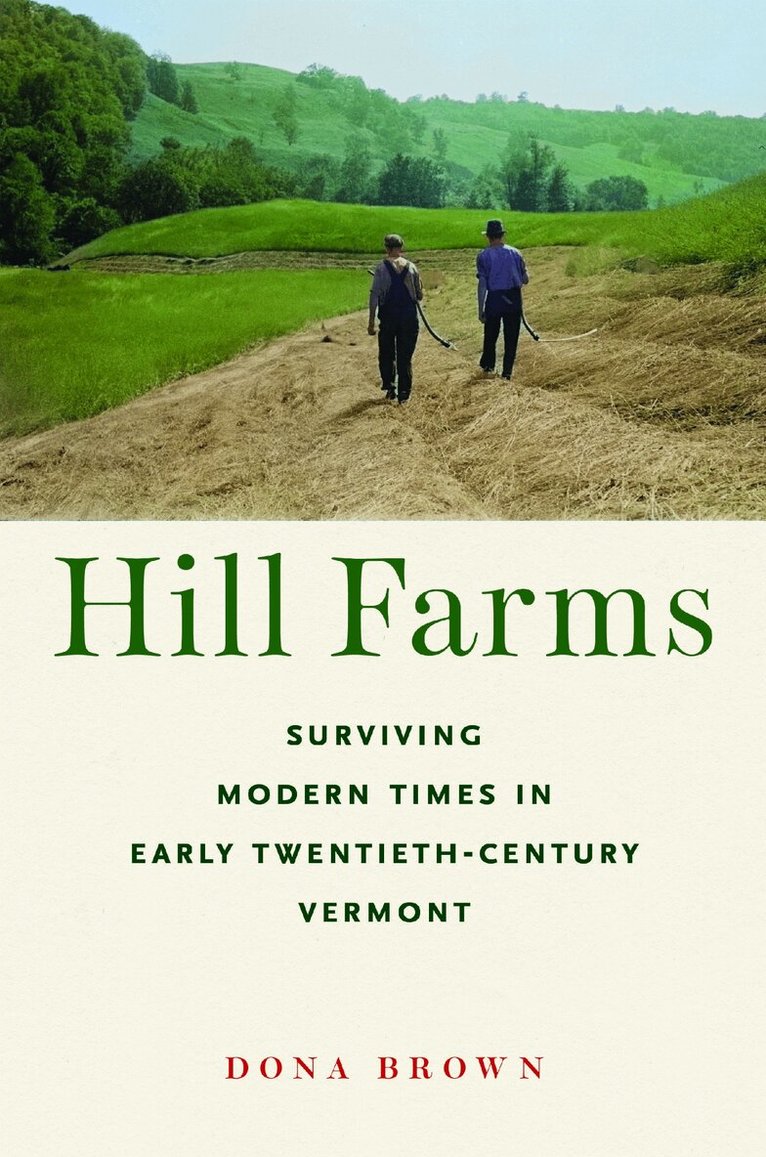
There is a stubborn myth that has persisted for almost two centuries: the narrative of the abandoned farm in the rural American northeast. In Hill Farms, historian Dona Brown confronts this myth of rural decline with a focus on Jamaica, Vermont, a small town in the hills west of Brattleboro. Through this town’s history, she reveals a more complex economic and environmental narrative, a story of the continued use of traditional farm methods despite the growing power of modernization and demands for increased efficiencies. Brown examines the records of a 1930 study by the University of Vermont’s now infamous Eugenics Survey, part of a flood of problematic investigations of Vermont rural life at the time, wherein eugenicists interviewed residents in every Jamaica household about crops, incomes, and housing conditions. These researchers from various disciplines saw in Jamaica and towns like it poverty and ignorance rather than a commitment to farming as a modest but sustainable way of life. Extensive handwritten notes from the Eugenics Survey provide a remarkable glimpse into the daily lives and practices of these upland farmers, revealing the value in maintaining older, less intensive farming practices and shedding new light on the social and environmental history of the time. As debates around farming and rural life intensified during the Great Depression, advocates beyond Vermont rose to the defense of traditional farms. Though industrialized agriculture ultimately prevailed, the old farming strategies cultivated by these upcountry residents continue to attract adherents in the face of new challenges to traditional farming in our own times.
Inbunden, Engelska, 2025
1 102 kr
Skickas inom 5-8 vardagar
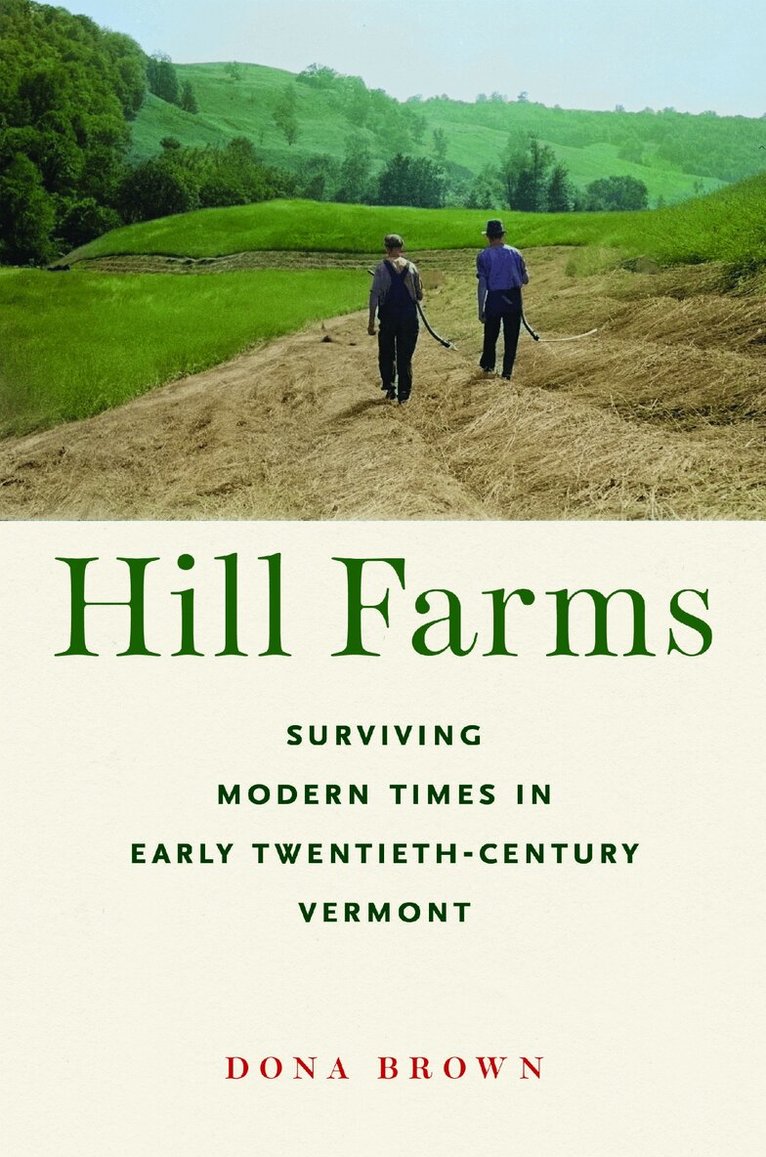
There is a stubborn myth that has persisted for almost two centuries: the narrative of the abandoned farm in the rural American northeast. In Hill Farms, historian Dona Brown confronts this myth of rural decline with a focus on Jamaica, Vermont, a small town in the hills west of Brattleboro. Through this town’s history, she reveals a more complex economic and environmental narrative, a story of the continued use of traditional farm methods despite the growing power of modernization and demands for increased efficiencies. Brown examines the records of a 1930 study by the University of Vermont’s now infamous Eugenics Survey, part of a flood of problematic investigations of Vermont rural life at the time, wherein eugenicists interviewed residents in every Jamaica household about crops, incomes, and housing conditions. These researchers from various disciplines saw in Jamaica and towns like it poverty and ignorance rather than a commitment to farming as a modest but sustainable way of life. Extensive handwritten notes from the Eugenics Survey provide a remarkable glimpse into the daily lives and practices of these upland farmers, revealing the value in maintaining older, less intensive farming practices and shedding new light on the social and environmental history of the time. As debates around farming and rural life intensified during the Great Depression, advocates beyond Vermont rose to the defense of traditional farms. Though industrialized agriculture ultimately prevailed, the old farming strategies cultivated by these upcountry residents continue to attract adherents in the face of new challenges to traditional farming in our own times.
Häftad, Engelska, 2026
381 kr
Skickas inom 5-8 vardagar
Tracing grassroots activism in response to a devastating transnational oil spill On the morning of June 23, 1976, the NEPCO 140 barge, carrying 8.7 million gallons of thick crude oil, ruptured twice while plying the swift straits of the St. Lawrence River’s Thousand Islands region. Before the spill was halted, 300,000 gallons of oil had leaked, polluting eighty miles of the river and ruining shorelines on both the New York and Canadian sides. It was the largest inland oil spill in United States history to that date, and the clean-up took 122 days and cost around $8 million. The disaster also prompted concerned citizens to form Save the River, one of the most enduring environmental organizations in North America.In Defending a Borderland, environmental historian Neil Forkey examines environmental activism along the St. Lawrence River from both sides of the international border. He focuses on the period from the 1970s to the 1990s, when numerous citizen groups activated to protect the natural environment against pollution, development, and other perceived threats. Along with reacting to the “Slick of ’76,” their actions included stopping low-level military flights, preventing government land acquisition to create an extended park, and blocking new power lines through the countryside.By considering the St. Lawrence Valley—a shared space between Canada, the United States, and Mohawk territory—Forkey brings a rare transnational approach to environmental analysis. He also highlights rural, local, and conservative perspectives, all of which are understudied. Using deep archival research and oral histories, Forkey reveals the myriad ways US and Canadian citizens organized before social media, gathering around kitchen tables, and in school auditoriums, to determine ways to reach government officials and neighbors and make lasting changes to protect the natural areas around them for future generations.
Inbunden, Engelska, 2026
1 102 kr
Skickas inom 5-8 vardagar
Tracing grassroots activism in response to a devastating transnational oil spillOn the morning of June 23, 1976, the NEPCO 140 barge, carrying 8.7 million gallons of thick crude oil, ruptured twice while plying the swift straits of the St. Lawrence River’s Thousand Islands region. Before the spill was halted, 300,000 gallons of oil had leaked, polluting eighty miles of the river and ruining shorelines on both the New York and Canadian sides. It was the largest inland oil spill in United States history to that date, and the clean-up took 122 days and cost around $8 million. The disaster also prompted concerned citizens to form Save the River, one of the most enduring environmental organizations in North America.In Defending a Borderland, environmental historian Neil Forkey examines environmental activism along the St. Lawrence River from both sides of the international border. He focuses on the period from the 1970s to the 1990s, when numerous citizen groups activated to protect the natural environment against pollution, development, and other perceived threats. Along with reacting to the “Slick of ’76,” their actions included stopping low-level military flights, preventing government land acquisition to create an extended park, and blocking new power lines through the countryside.By considering the St. Lawrence Valley—a shared space between Canada, the United States, and Mohawk territory—Forkey brings a rare transnational approach to environmental analysis. He also highlights rural, local, and conservative perspectives, all of which are understudied. Using deep archival research and oral histories, Forkey reveals the myriad ways US and Canadian citizens organized before social media, gathering around kitchen tables, and in school auditoriums, to determine ways to reach government officials and neighbors and make lasting changes to protect the natural areas around them for future generations.
Häftad, Engelska, 2026
327 kr
Kommande
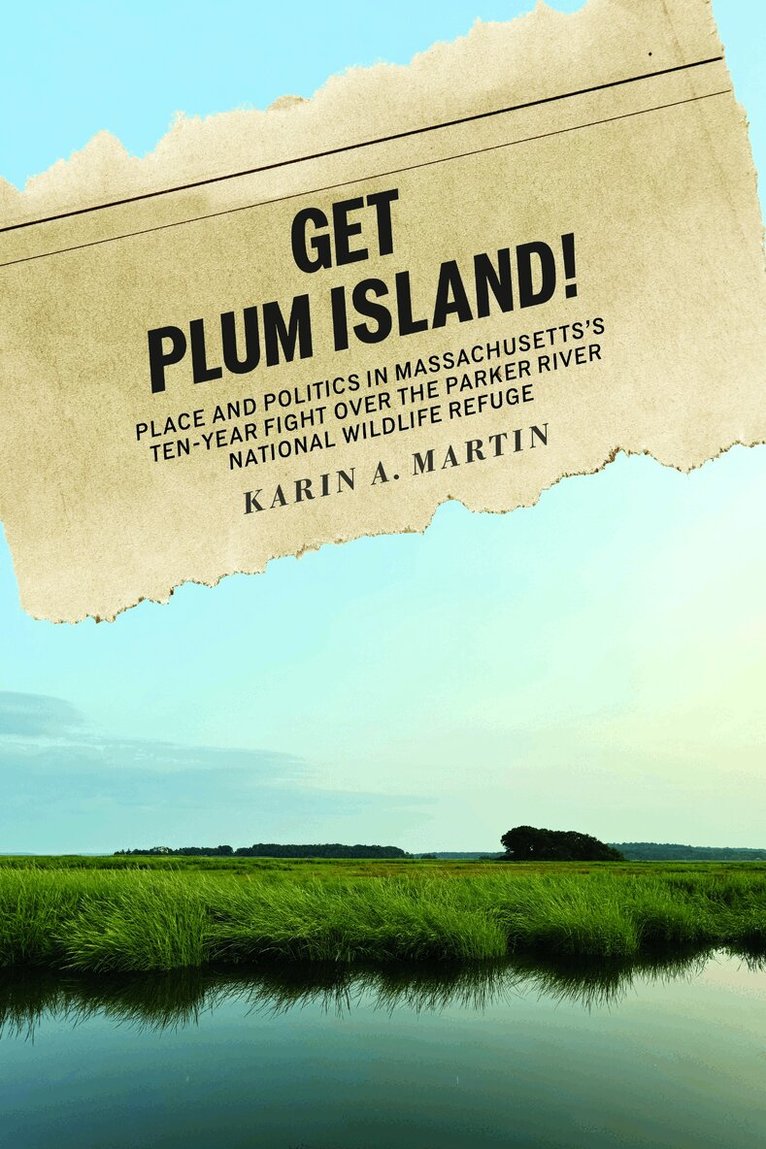
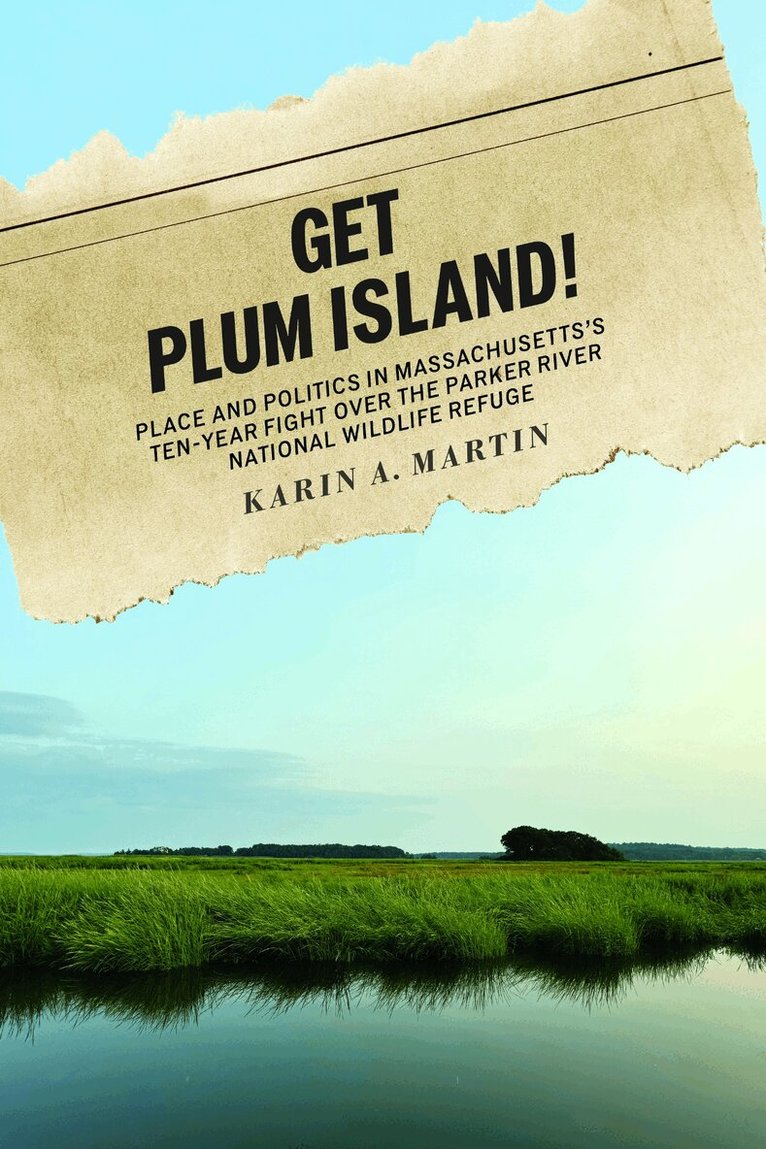
An environmental history of resistance, negotiation, and conservation on the Massachusetts coastAn hour north of Boston, Parker River National Wildlife Refuge occupies the southern three-quarters of Plum Island, a barrier island off the Massachusetts coast. Parker River is a nationally renowned birding destination and the second most-visited wildlife refuge in the Northeast, drawing over 300,000 visitors annually. Today, environmentally minded Massachusetts barely remembers the decade-long fight that reduced the refuge to half its original size. Get Plum Island! tells the forgotten story of how six small towns in Essex County (Newbury, West Newbury, Rowley, Ipswich, Groveland, and Georgetown) fought the establishment of the refuge in the 1940s. Through political organizing across local, state, and federal levels, the opposition nearly abolished the refuge and ultimately succeeded in making it smaller.The conflict was deeply shaped by class, geography, and competing visions of land use. On one side were elite conservationists—sportsmen, ornithologists, and preservation advocates from Boston, Cambridge, and Newton—who envisioned a federally protected habitat. On the other side of the conflict, a group of mostly middle- and working-class men, farmers, and local hunters organized a resistance to the establishment of a refuge. Through protests, public hearings, and even aggression toward visiting federal officials, local opposition made the case that their communities had clammed, farmed, and hunted the disputed lands before there even was a United States government. They recounted a version of their history as founders of the nation that made them, in their view, entitled to the land that was given to them by the English Crown. In telling this story, Get Plum Island! reveals how ordinary citizens can challenge—and reshape—federal authority, and offers a timely case study in the politics of land, class, and conservation.
Inbunden, Engelska, 2026
1 102 kr
Skickas inom 5-8 vardagar
An environmental history of resistance, negotiation, and conservation on the Massachusetts coastAn hour north of Boston, Parker River National Wildlife Refuge occupies the southern three-quarters of Plum Island, a barrier island off the Massachusetts coast. Parker River is a nationally renowned birding destination and the second most-visited wildlife refuge in the Northeast, drawing over 300,000 visitors annually. Today, environmentally minded Massachusetts barely remembers the decade-long fight that reduced the refuge to half its original size. Get Plum Island! tells the forgotten story of how six small towns in Essex County (Newbury, West Newbury, Rowley, Ipswich, Groveland, and Georgetown) fought the establishment of the refuge in the 1940s. Through political organizing across local, state, and federal levels, the opposition nearly abolished the refuge and ultimately succeeded in making it smaller.The conflict was deeply shaped by class, geography, and competing visions of land use. On one side were elite conservationists—sportsmen, ornithologists, and preservation advocates from Boston, Cambridge, and Newton—who envisioned a federally protected habitat. On the other side of the conflict, a group of mostly middle- and working-class men, farmers, and local hunters organized a resistance to the establishment of a refuge. Through protests, public hearings, and even aggression toward visiting federal officials, local opposition made the case that their communities had clammed, farmed, and hunted the disputed lands before there even was a United States government. They recounted a version of their history as founders of the nation that made them, in their view, entitled to the land that was given to them by the English Crown. In telling this story, Get Plum Island! reveals how ordinary citizens can challenge—and reshape—federal authority, and offers a timely case study in the politics of land, class, and conservation.