Europa Perspectives on the EU Single Market - Böcker
Visar alla böcker i serien Europa Perspectives on the EU Single Market. Handla med fri frakt och snabb leverans.
12 produkter
12 produkter
1 977 kr
Skickas inom 10-15 vardagar
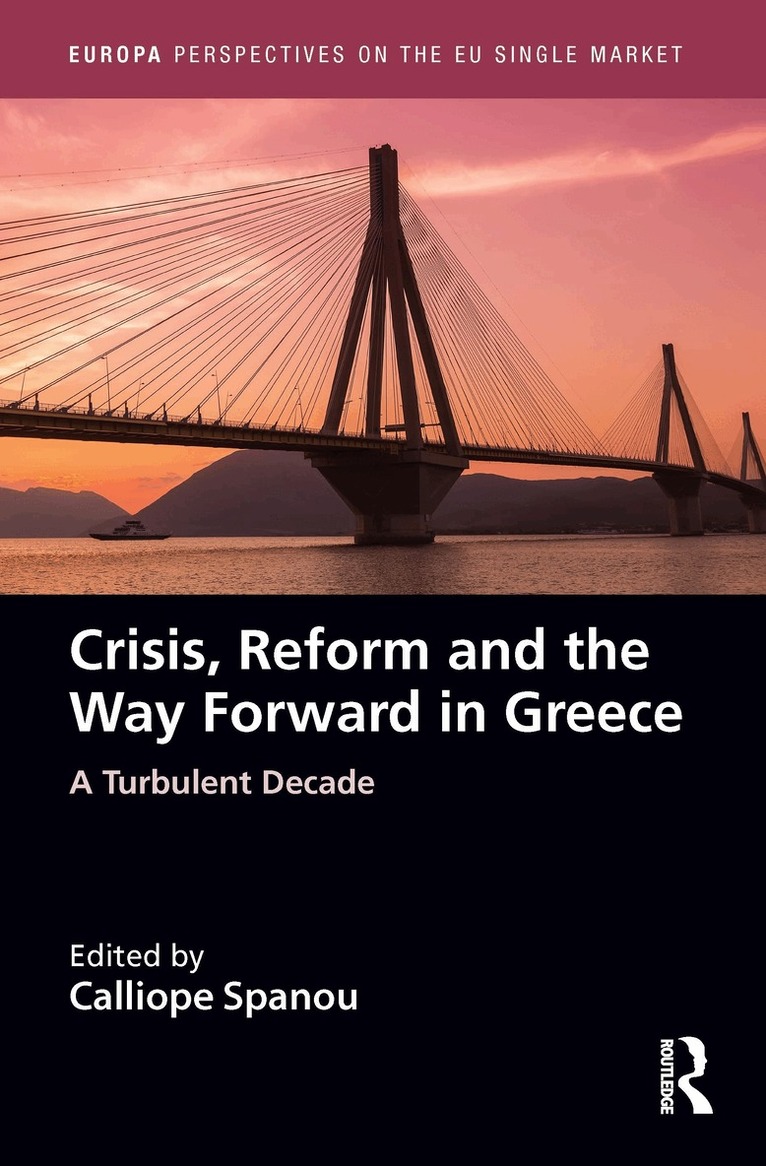
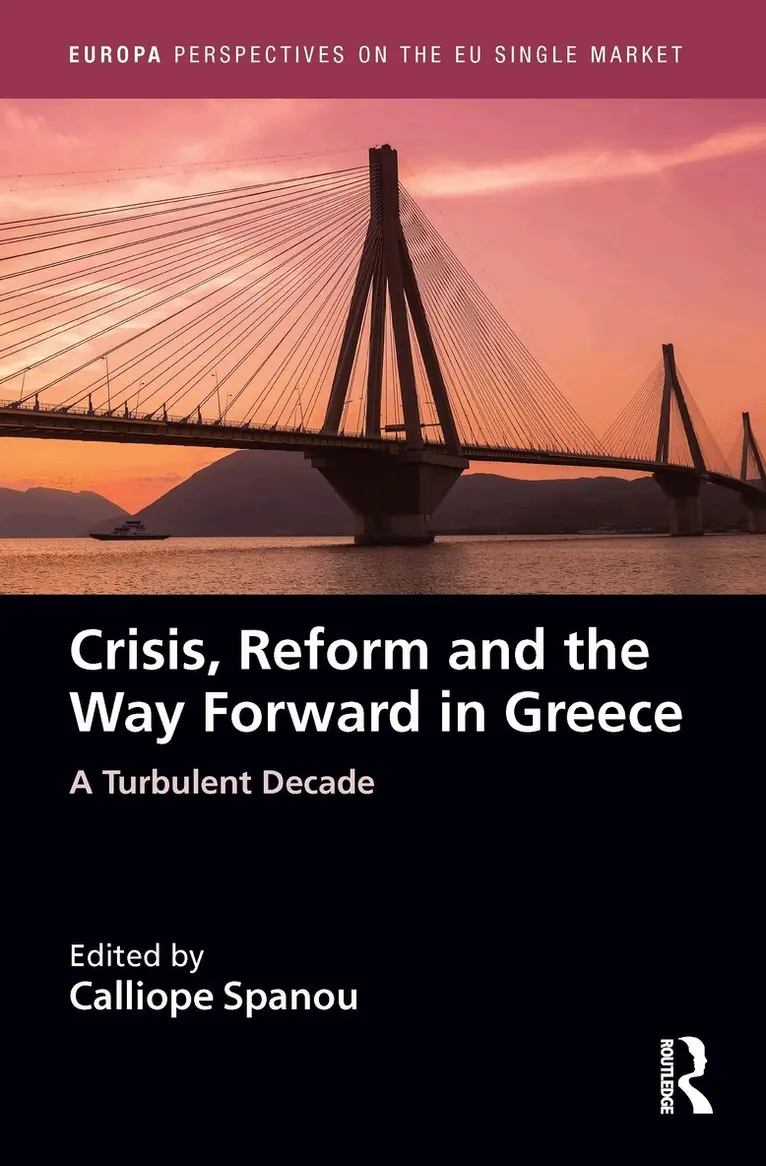
This volume discusses different aspects of Greece’s political economy during the past decade and reflects on the country’s path ahead, examining the major question: did this challenging period succeed in providing a window of opportunity for deeper institutional and societal change? The authors seek to contribute to the discussion of the dynamics of stability and change, of the nexus between external pressure and domestic agency.Greece offers a most interesting case study, as much in analytical as in empirical terms. Never before did a euro area member require three macroeconomic adjustment programmes under stringent policy conditionality and external supervision. This experience shattered past certainties and reshaped the political landscape. A decade later Greece was starting to recover and received international recognition for its reform efforts. However, the COVID-19 pandemic provided an external shock that risks derailing such achievements.The volume includes chapters by academics and researchers from different professional backgrounds: history, economics, public law, political science, public administration and political economy. Their diverse experience and viewpoints contribute to multidimensional analyses in subject areas such as Greece’s constitutional structure, public sector reforms, labour market developments, China’s expanding investment footprint and product market reforms.
Political Economy of the Eurozone in Central and Eastern Europe
Why In, Why Out?
Inbunden, Engelska, 2021
1 909 kr
Skickas inom 10-15 vardagar
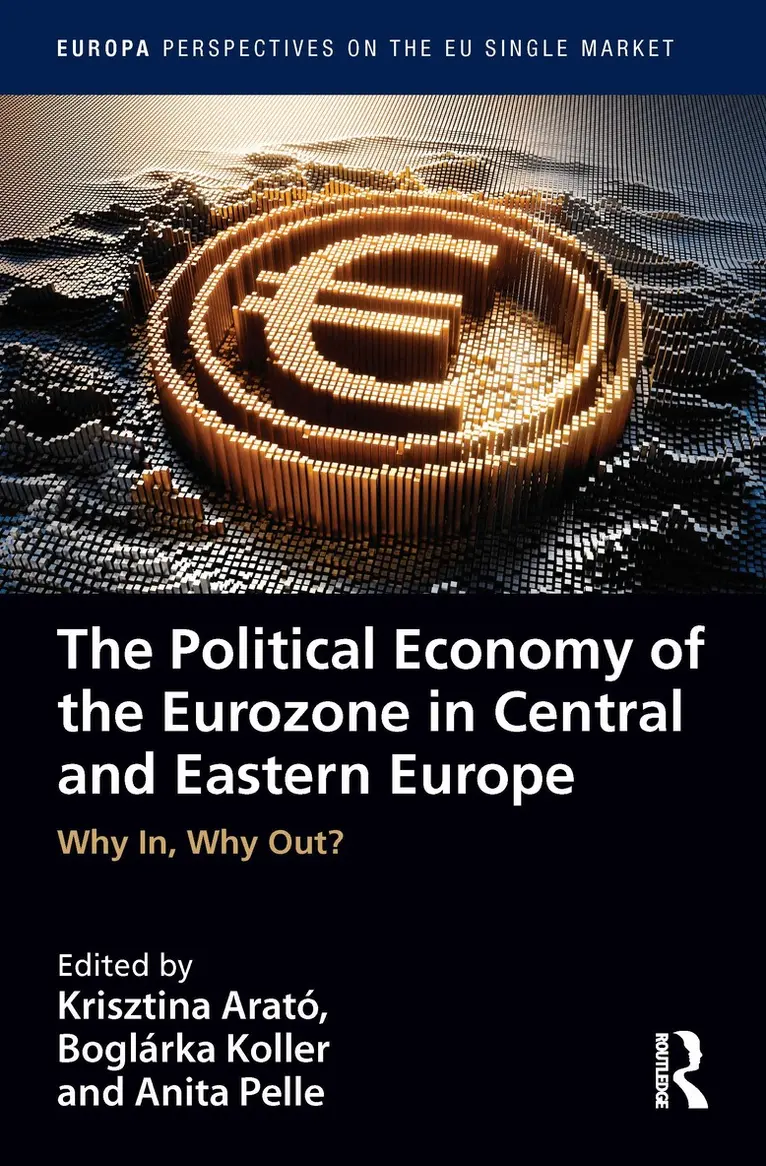
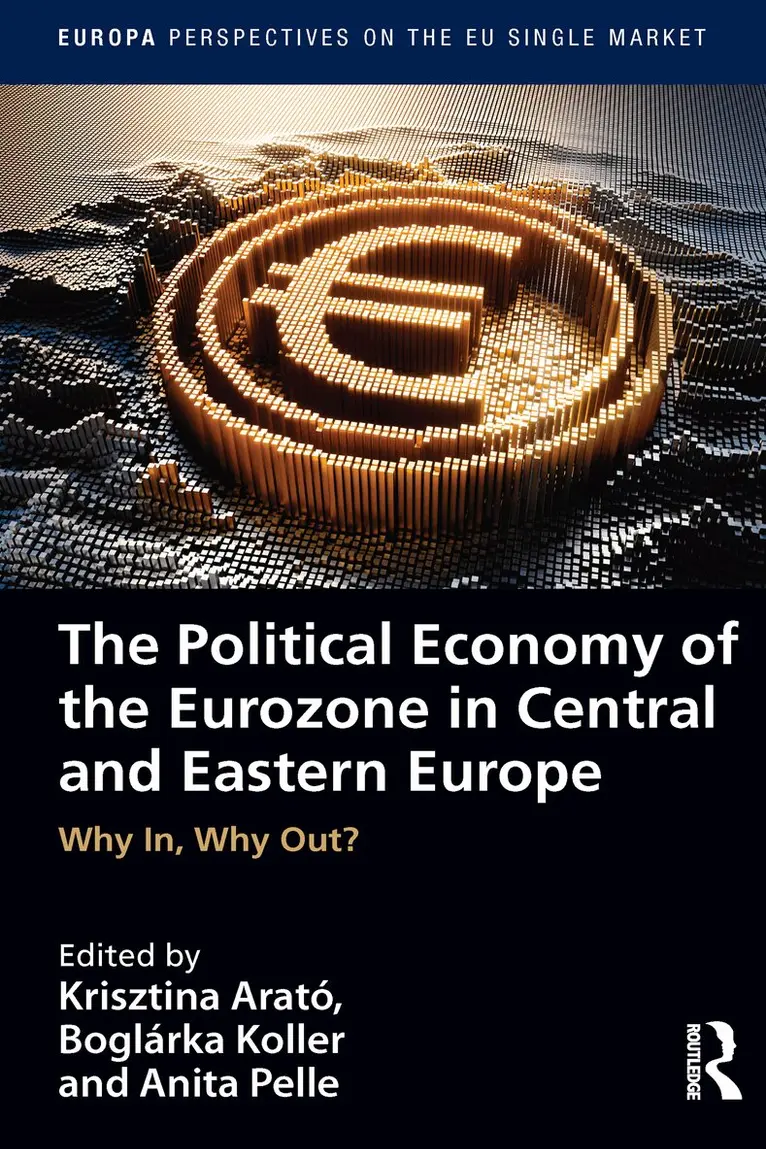
The idea for this volume came from the enigma that some Central and Eastern European (CEE) European Union (EU) member states have been keen to join the Eurozone while others have shown persistent reluctance. Moreover, the attitudes towards joining have seemingly not correlated with either the level of economic development or the time spent as part of the EU, nor with any other rational reason such as the level of integration into the EU real economy, or the level of trust in the EU on the part of the public. Therefore, at first sight, the answer to the question ‘why in, why out?’ remains rather unclear.The attractiveness of the currency union has nevertheless not disappeared for the CEE countries. Despite the Eurozone crisis of 2010–13, it was during that time that the Baltic states introduced the euro. Then, after a few years of inactivity, Croatia and Bulgaria successfully applied for membership of the exchange rate mechanism in July 2020, amid the economic crisis caused by the coronavirus (COVID-19) pandemic. At the same time, the three Visegrad countries still using their national currencies – Poland, Czechia and Hungary – no longer have a target date to join the monetary union. This volume aims to discuss these issues from horizontal aspects and through country studies, with contributions from expert authors from, or closely related to, the CEE region.
1 909 kr
Skickas inom 10-15 vardagar
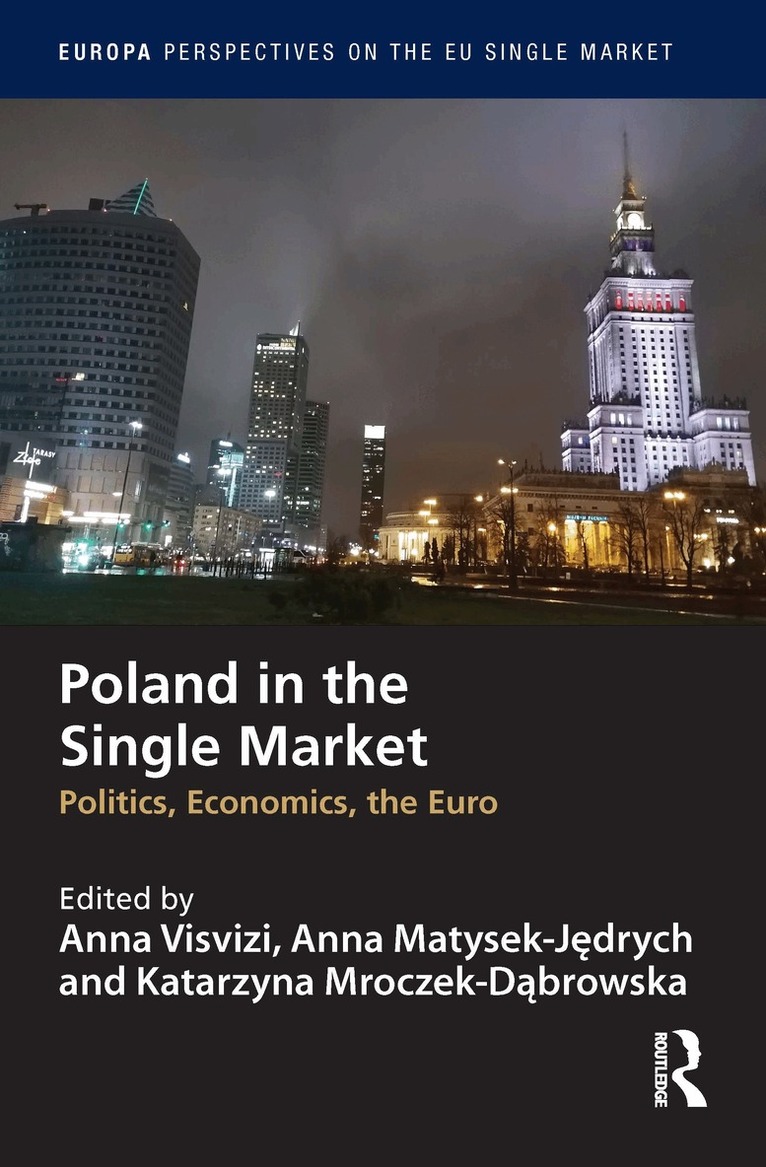
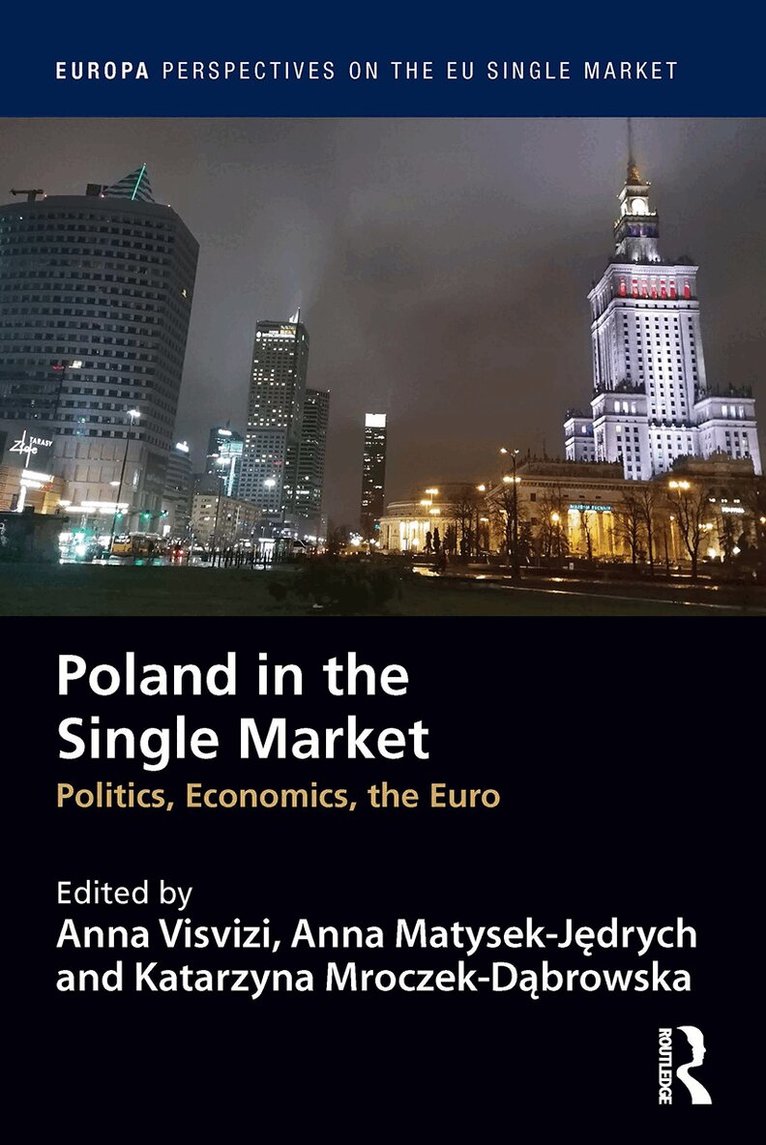
By all accounts, the case of Poland and its segue to market economy and democracy is a success story: 30 years of uninterrupted growth and development, infrastructure expansion, and modernization of the economy and society. Epochal changes have unfolded in a timespan of merely three decades. Change has taken place so fast that children born in late 1980s and onwards cannot remember what life in Poland under communism was like and cannot relate to it. Also, many elderly people, easy victims of romanticizing their own youth, tend to forget. As a result, the uniqueness of Polish transition and transformation, the boldness and efficiency of reforms, and the success that Polish society mastered together, tend to be undermined today both domestically and internationally. Poland has now been a member of the EU for more than 15 years. During that time, Poland’s image on the EU scene evolved from newcomer, through ‘model child’, champion of growth, to – in some respects – a maverick. This volume’s objective is to remind society, old and young, researchers, scholars and practitioners, that Poland’s success is an outcome of well-thought out and bold structural reforms implemented in a swift and timely manner, of society’s support for these reforms, and of third actors’ benign assistance. Looking back on the 30 years since the collapse of communism, and at the over 15 years of EU membership, this book offers an interdisciplinary, comprehensive and critical insight into factors and processes that have led to today’s Poland.
`Social Turn’ in the European Union?
New trends and ideas about social convergence in Europe
Inbunden, Engelska, 2020
2 113 kr
Skickas inom 10-15 vardagar
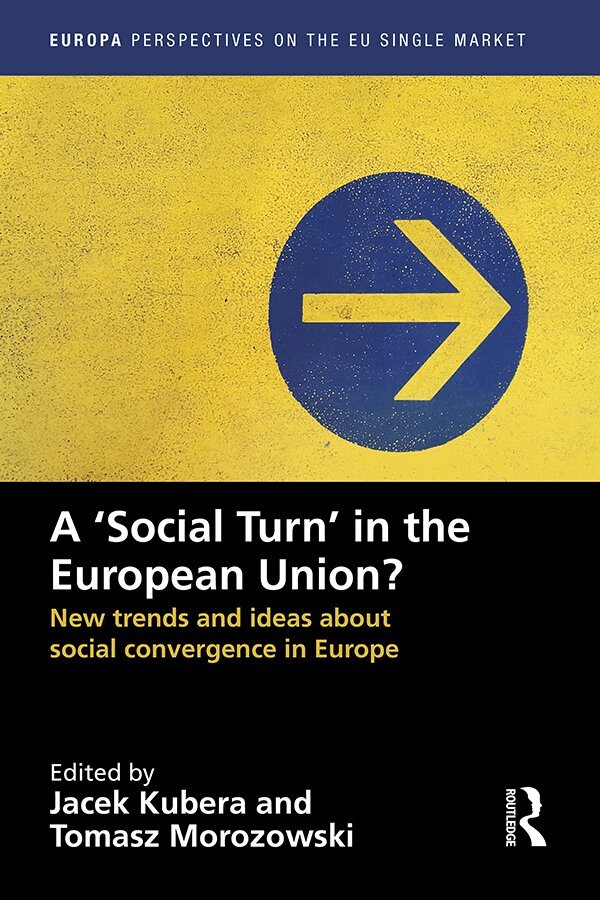
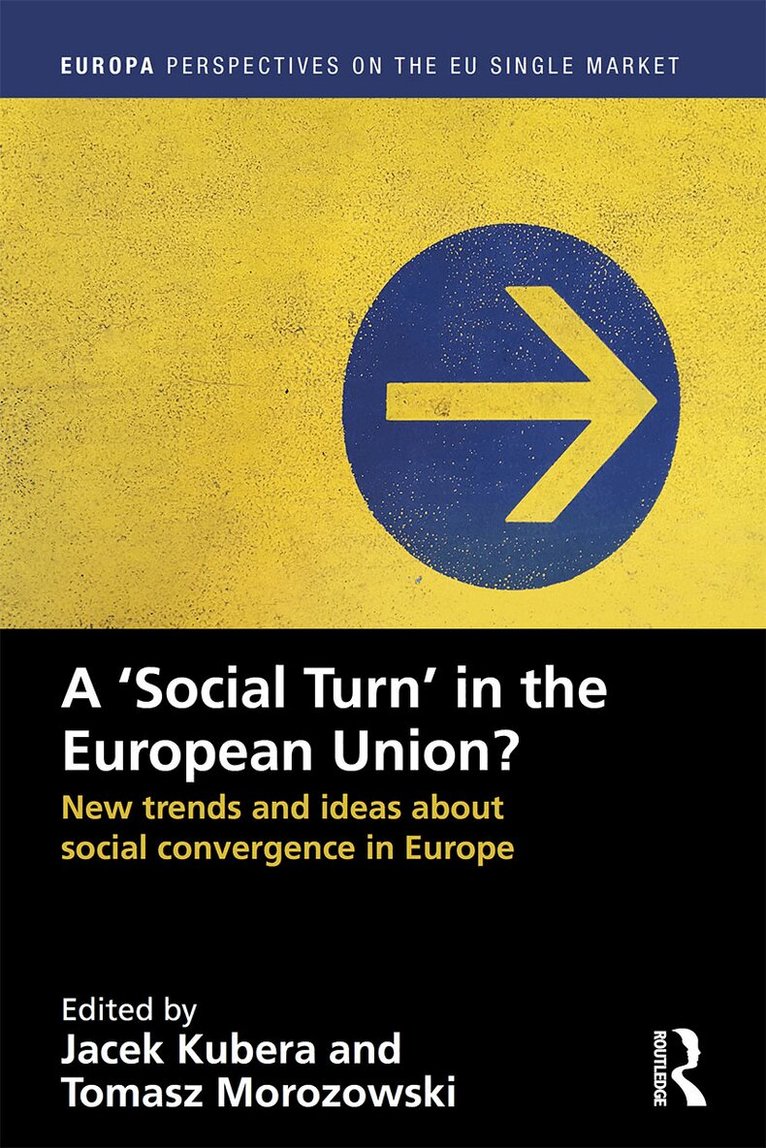
Social Europe is a key topic in the construction of the EU and its institutions. This volume examines the current state of, and perspectives for, Social Europe, as well as key issues in European social policy, including the posting of workers, the impact of the free market and regulations on social convergence, work automation, digitalisation, taxation and democracy in the workplace. The aim of this volume is to identify a course to be followed in integrating the EU’s social policies and point to areas in which co-operation between member states is likely to produce best results.While a Social Europe was previously seen to be a natural consequence of political and economic integration, it is now viewed as a separate area that requires active policies to preserve the European project. The EU’s big question today concerns the level at which this policy should be pursued: the volume’s contributors outline difficulties with harmonising social policies across the Union, but they nevertheless argue that, owing to the common challenges faced by Europe, the idea of a Social Europe must not be abandoned and requires specific action.The volume consists of 11 chapters written by a variety of expert authors, analysing the idea of a Social Europe and proposing ways in which it could be put into practice. Social policy can no longer be seen as derived from economic policy but rather as a separate driver of development that could be of interest to the northern, southern and eastern states of the EU.Jacek Kubera, PhD, Assistant Professor, Faculty of Sociology, Adam Mickiewicz University in Poznań.Tomasz Morozowski, PhD candidate, Faculty of Political Science and Journalism, Adam Mickiewicz University in Poznań, and analyst at the Poznań Institute for Western Affairs.
713 kr
Skickas inom 10-15 vardagar
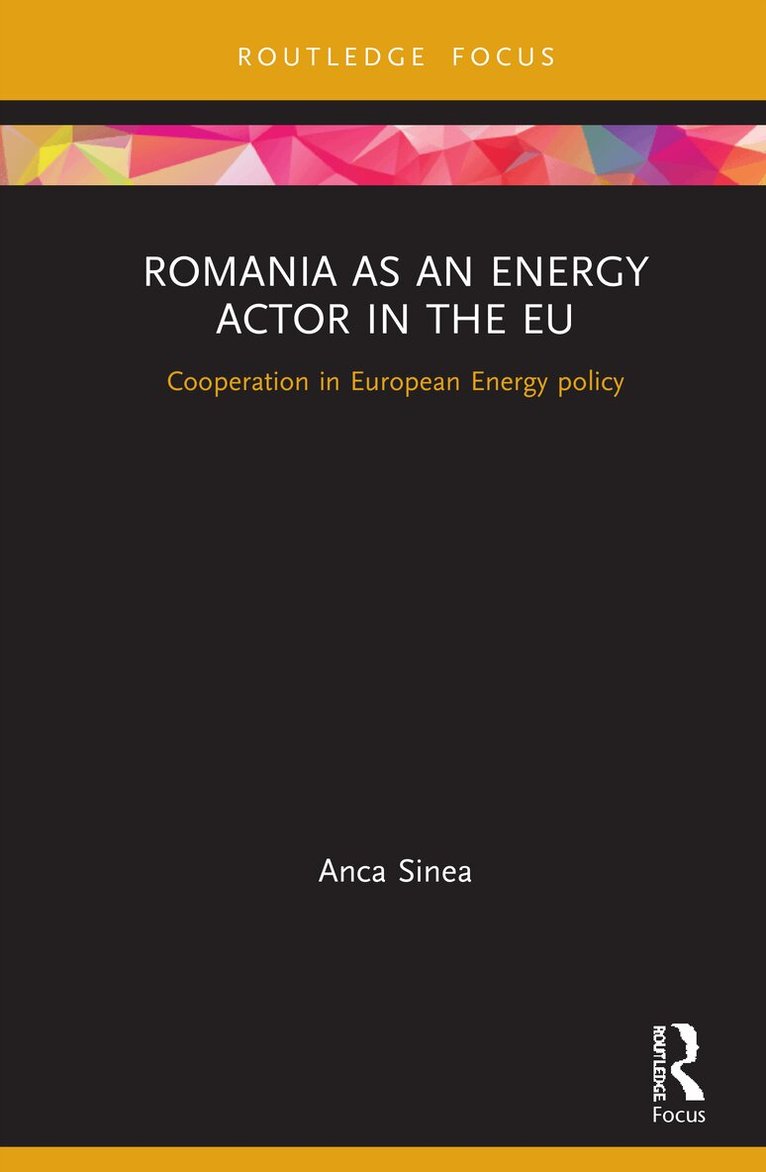
The purpose of this book is twofold. First, it aims to explain the general framework for cooperation in the energy sector in Europe, with a conceptual basis that allows for a better understanding of the dynamics that led to its existence. Second, the volume deals with Romania both as a representative case for the region, given the commonalities raised by the transition process in the last three decades, and also as a country with a specific energy agenda, with implications for internal and foreign policy that can only be perceived and understood in the Romanian context.
Political Economy of the Eurozone in Central and Eastern Europe
Why In, Why Out?
Häftad, Engelska, 2021
564 kr
Skickas inom 10-15 vardagar
The idea for this volume came from the enigma that some Central and Eastern European (CEE) European Union (EU) member states have been keen to join the Eurozone while others have shown persistent reluctance. Moreover, the attitudes towards joining have seemingly not correlated with either the level of economic development or the time spent as part of the EU, nor with any other rational reason such as the level of integration into the EU real economy, or the level of trust in the EU on the part of the public. Therefore, at first sight, the answer to the question ‘why in, why out?’ remains rather unclear.The attractiveness of the currency union has nevertheless not disappeared for the CEE countries. Despite the Eurozone crisis of 2010–13, it was during that time that the Baltic states introduced the euro. Then, after a few years of inactivity, Croatia and Bulgaria successfully applied for membership of the exchange rate mechanism in July 2020, amid the economic crisis caused by the coronavirus (COVID-19) pandemic. At the same time, the three Visegrad countries still using their national currencies – Poland, Czechia and Hungary – no longer have a target date to join the monetary union. This volume aims to discuss these issues from horizontal aspects and through country studies, with contributions from expert authors from, or closely related to, the CEE region.
578 kr
Skickas inom 10-15 vardagar
This volume discusses different aspects of Greece’s political economy during the past decade and reflects on the country’s path ahead, examining the major question: did this challenging period succeed in providing a window of opportunity for deeper institutional and societal change? The authors seek to contribute to the discussion of the dynamics of stability and change, of the nexus between external pressure and domestic agency.Greece offers a most interesting case study, as much in analytical as in empirical terms. Never before did a euro area member require three macroeconomic adjustment programmes under stringent policy conditionality and external supervision. This experience shattered past certainties and reshaped the political landscape. A decade later Greece was starting to recover and received international recognition for its reform efforts. However, the COVID-19 pandemic provided an external shock that risks derailing such achievements.The volume includes chapters by academics and researchers from different professional backgrounds: history, economics, public law, political science, public administration and political economy. Their diverse experience and viewpoints contribute to multidimensional analyses in subject areas such as Greece’s constitutional structure, public sector reforms, labour market developments, China’s expanding investment footprint and product market reforms.
292 kr
Skickas inom 10-15 vardagar
The purpose of this book is twofold. First, it aims to explain the general framework for cooperation in the energy sector in Europe, with a conceptual basis that allows for a better understanding of the dynamics that led to its existence. Second, the volume deals with Romania both as a representative case for the region, given the commonalities raised by the transition process in the last three decades, and also as a country with a specific energy agenda, with implications for internal and foreign policy that can only be perceived and understood in the Romanian context.
`Social Turn’ in the European Union?
New trends and ideas about social convergence in Europe
Häftad, Engelska, 2021
564 kr
Skickas inom 10-15 vardagar
Social Europe is a key topic in the construction of the EU and its institutions. This volume examines the current state of, and perspectives for, Social Europe, as well as key issues in European social policy, including the posting of workers, the impact of the free market and regulations on social convergence, work automation, digitalisation, taxation and democracy in the workplace. The aim of this volume is to identify a course to be followed in integrating the EU’s social policies and point to areas in which co-operation between member states is likely to produce best results.While a Social Europe was previously seen to be a natural consequence of political and economic integration, it is now viewed as a separate area that requires active policies to preserve the European project. The EU’s big question today concerns the level at which this policy should be pursued: the volume’s contributors outline difficulties with harmonising social policies across the Union, but they nevertheless argue that, owing to the common challenges faced by Europe, the idea of a Social Europe must not be abandoned and requires specific action.The volume consists of 11 chapters written by a variety of expert authors, analysing the idea of a Social Europe and proposing ways in which it could be put into practice. Social policy can no longer be seen as derived from economic policy but rather as a separate driver of development that could be of interest to the northern, southern and eastern states of the EU.Jacek Kubera, PhD, Assistant Professor, Faculty of Sociology, Adam Mickiewicz University in Poznan.Tomasz Morozowski, PhD candidate, Faculty of Political Science and Journalism, Adam Mickiewicz University in Poznan, and analyst at the Poznan Institute for Western Affairs.
564 kr
Skickas inom 10-15 vardagar
By all accounts, the case of Poland and its segue to market economy and democracy is a success story: 30 years of uninterrupted growth and development, infrastructure expansion, and modernization of the economy and society. Epochal changes have unfolded in a timespan of merely three decades. Change has taken place so fast that children born in late 1980s and onwards cannot remember what life in Poland under communism was like and cannot relate to it. Also, many elderly people, easy victims of romanticizing their own youth, tend to forget. As a result, the uniqueness of Polish transition and transformation, the boldness and efficiency of reforms, and the success that Polish society mastered together, tend to be undermined today both domestically and internationally. Poland has now been a member of the EU for more than 15 years. During that time, Poland’s image on the EU scene evolved from newcomer, through ‘model child’, champion of growth, to – in some respects – a maverick. This volume’s objective is to remind society, old and young, researchers, scholars and practitioners, that Poland’s success is an outcome of well-thought out and bold structural reforms implemented in a swift and timely manner, of society’s support for these reforms, and of third actors’ benign assistance. Looking back on the 30 years since the collapse of communism, and at the over 15 years of EU membership, this book offers an interdisciplinary, comprehensive and critical insight into factors and processes that have led to today’s Poland.
1 977 kr
Skickas inom 10-15 vardagar
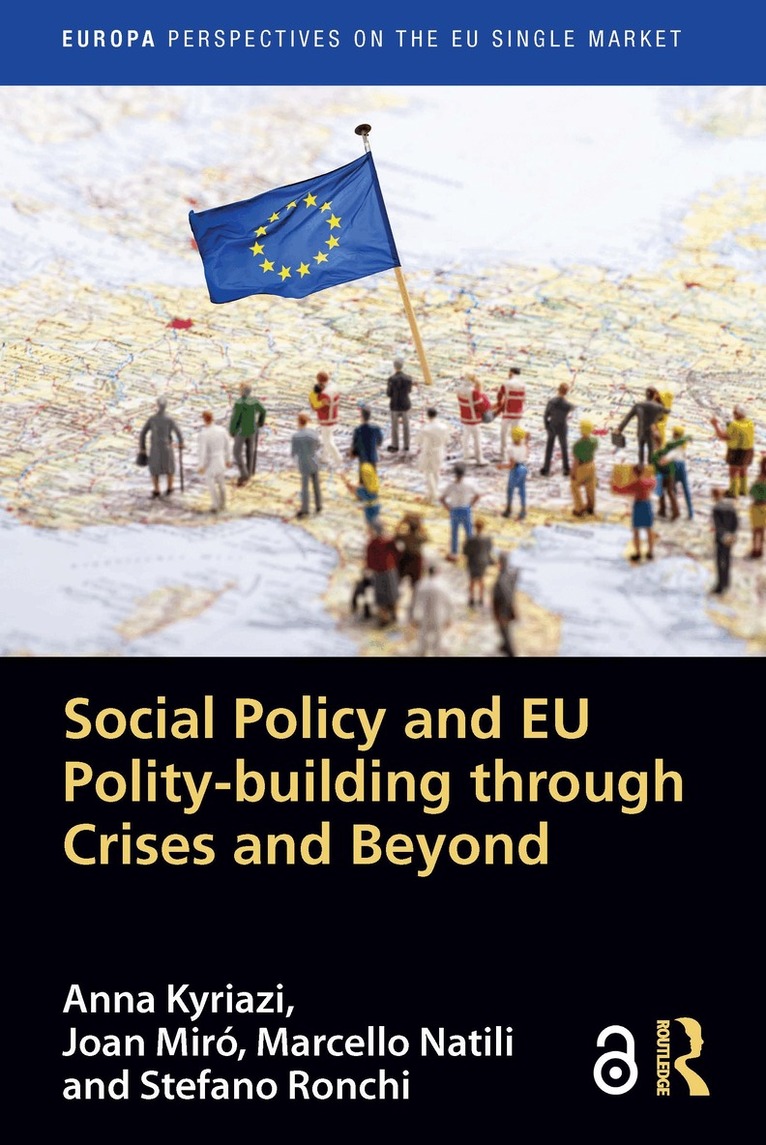
This volume sets out to explain the conditions that have favoured the expansion of the European social dimension during the turbulent decade of 2010–20, when Europe was confronting strong countervailing pressures, including the euro crisis, the refugee crisis and the COVID-19 pandemic.The study begins by diagnosing a widespread, although slow-burning, crisis across the European Union (EU) resulting from the cumulation of social problems and the systemic tension between EU market integration on the one hand and nationally bounded welfare states and the other. Eight in-depth case studies analyse the political dynamics behind a variety of EU social initiatives aimed at addressing the consequences of free movement of workers, youth unemployment, poverty, eroding wages, environment and climate change, and the COVID-19 pandemic. To identify the specific drivers of EU social policymaking empirically, the authors have reconstructed the struggles over concrete policy proposals as they unfolded in the European multilevel setting.The volume introduces a novel analytical framework for interpreting the transformation of the EU social dimension in times of crisis, when some degree of social co-ordination becomes crucial to bond deeply different (welfare) states together. This in-depth study offers an invaluable analysis for researchers, academics and professionals interested in the functioning of the European polity.The Open Access version of this book, available at www.taylorfrancis.com, has been made available under a Creative Commons [Attribution-Non Commercial-No Derivatives (CC-BY-NC-ND)] 4.0 license.
591 kr
Skickas inom 10-15 vardagar
This volume sets out to explain the conditions that have favoured the expansion of the European social dimension during the turbulent decade of 2010–20, when Europe was confronting strong countervailing pressures, including the euro crisis, the refugee crisis and the COVID-19 pandemic.The study begins by diagnosing a widespread, although slow-burning, crisis across the European Union (EU) resulting from the cumulation of social problems and the systemic tension between EU market integration on the one hand and nationally bounded welfare states and the other. Eight in-depth case studies analyse the political dynamics behind a variety of EU social initiatives aimed at addressing the consequences of free movement of workers, youth unemployment, poverty, eroding wages, environment and climate change, and the COVID-19 pandemic. To identify the specific drivers of EU social policymaking empirically, the authors have reconstructed the struggles over concrete policy proposals as they unfolded in the European multilevel setting.The volume introduces a novel analytical framework for interpreting the transformation of the EU social dimension in times of crisis, when some degree of social co-ordination becomes crucial to bond deeply different (welfare) states together. This in-depth study offers an invaluable analysis for researchers, academics and professionals interested in the functioning of the European polity.The Open Access version of this book, available at www.taylorfrancis.com, has been made available under a Creative Commons [Attribution-Non Commercial-No Derivatives (CC-BY-NC-ND)] 4.0 license.