Europe Today - Böcker
Visar alla böcker i serien Europe Today. Handla med fri frakt och snabb leverans.
14 produkter
14 produkter
808 kr
Skickas inom 10-15 vardagar
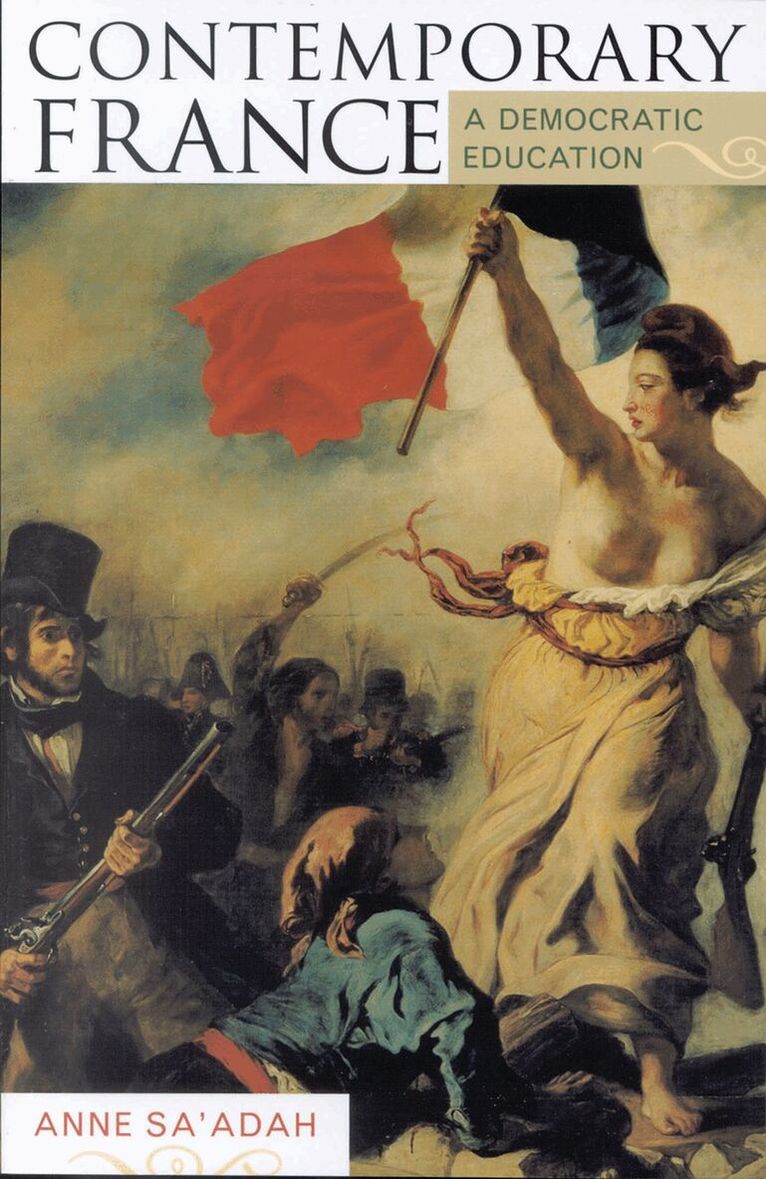
This dynamic introduction to contemporary France analyzes the problems and possibilities of democracy in a globalizing world. France was present at the creation of modern democratic politics in the eighteenth century, yet democratic stability has often eluded the country. Now, as established and new democracies everywhere confront the challenges of globalization—cultural diversity, economic change, the erosion of state sovereignty—France's rich and varied experience contains valuable lessons about what works (democratically speaking) and what does not. Anne Sa'adah describes actors, beliefs, institutions, and policies; she also interprets democratic politics in France in general and explores why and with what political consequences so many people in France experience globalization as a harbinger of national decline. The author is especially attentive to the importance of historical legacies, especially of the centralizing logic of the Old Regime, the Revolution and the expansionary dynamic and internal instability it spawned, World War II, and decolonization. Pivotal chapters focus on France's often dysfunctional system of representation, state-society relations, group politics, social policy, and France's role in Europe and the world.
528 kr
Skickas inom 10-15 vardagar
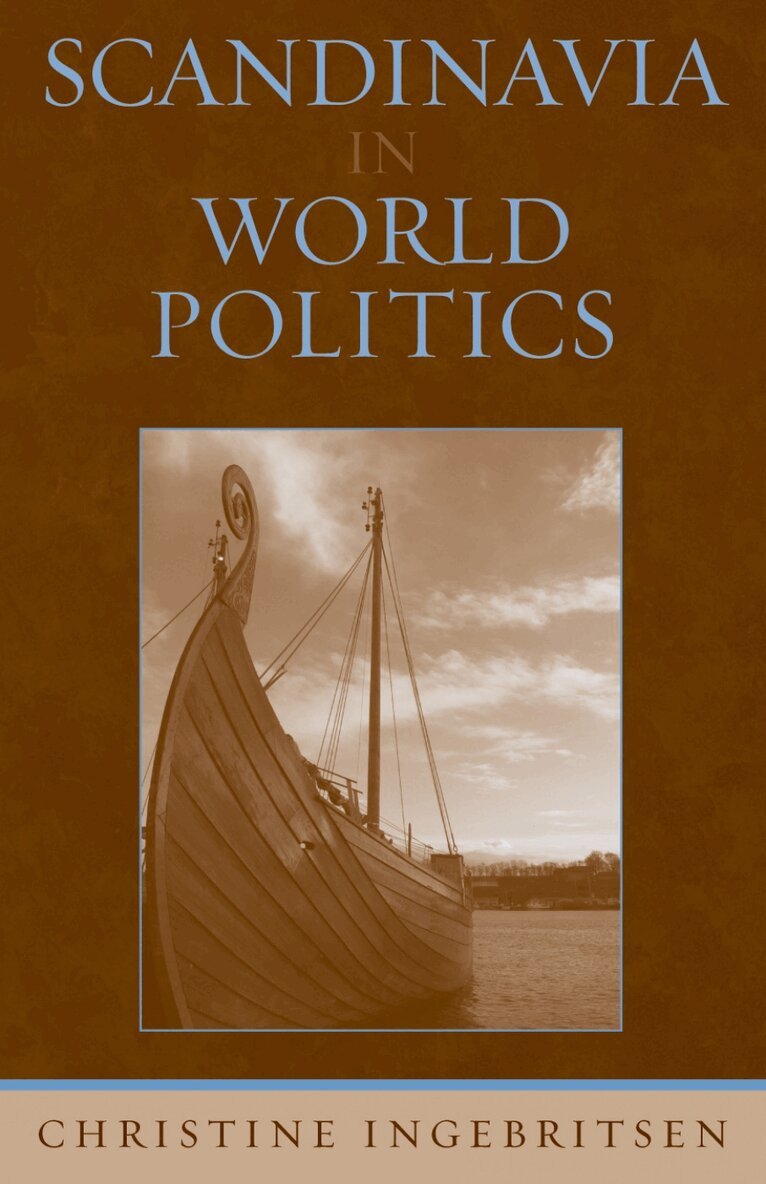
This clear and engaging text offers a sustained appraisal of Scandinavia's foreign policy and role in the global economy in the post-Cold War period. In an era when good citizenship in the global community has become a diplomatic priority for many states, Christine Ingebritsen argues that Scandinavia has both the legitimacy and the domestic political attributes to be an important international player. She examines how social innovators such as Sweden and Finland seek to influence European integration and how Norway has cultivated a unique and innovative niche in its foreign relations. Scandinavia, she convincingly shows, has become a 'norm entrepreneur,' exercising its influence abroad through moral leadership-from sponsoring the Nobel Prize and participating in global peacekeeping efforts to providing generous foreign aid and monitoring human rights abuses in the international community. Demonstrating how Scandinavia has made its model of the good society viable on a global scale, this text offers a fascinating case of small-state success and individuality in an increasingly globalized world.
675 kr
Skickas inom 10-15 vardagar
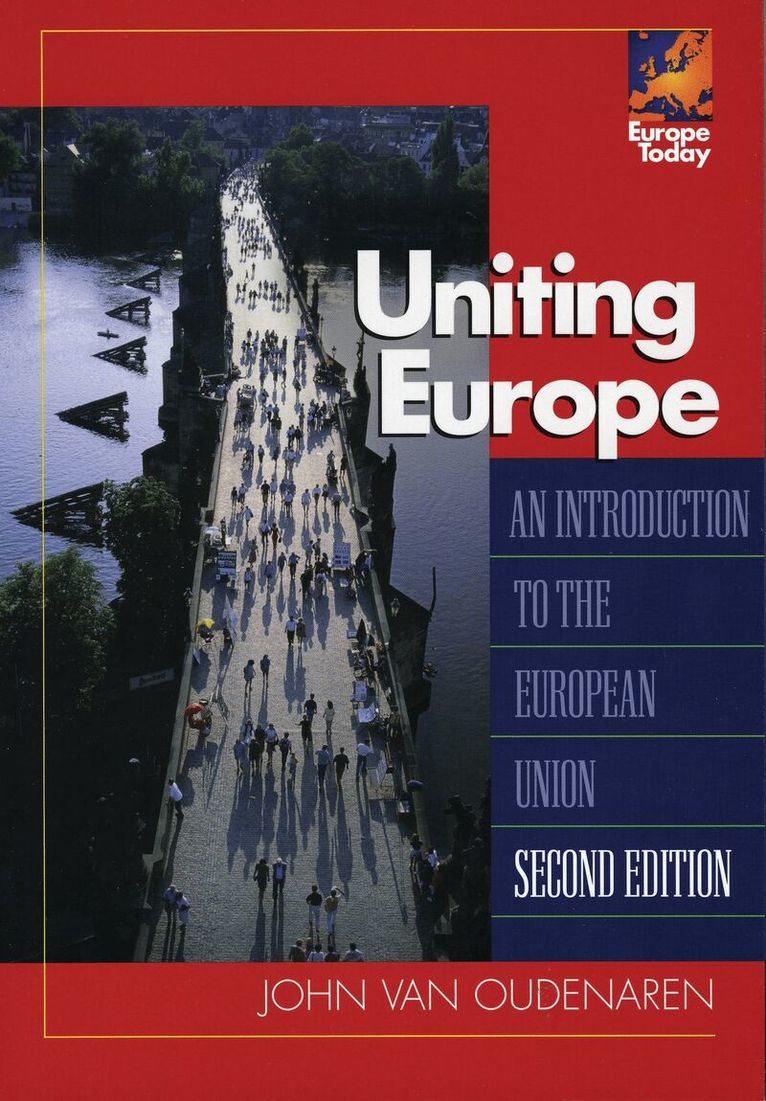
With the 2004 enlargement, the European Union (EU) has expanded to twenty-five member states and a total population of 450 million. The new Union faces a daunting policy agenda that includes finalizing the controversial European Constitution, managing further enlargement to countries in southeastern Europe, deciding whether to offer membership to Turkey, overcoming strains over trade, environmental issues, and policy toward the Middle East to build a new, post Cold War relationship with the United States, and making sure that the enlargement itself is a success. In this timely and accessible text, John Van Oudenaren explores how a political and economic union this large and diverse can hold together and accomplish the policy tasks that matter to its citizens: sustaining economic growth, dealing with aging populations and the costs of pensions and health care, raising living standards in poorer regions, preserving the environment, coping with the problems of immigration and political instability on Europe's borders, and facing the challenges of globalization. To reach these goals, the author argues that the EU must build on its existing achievements: the single market, the common currency, and harmonized policies. At the same time, the Union must reform its decision-making processes and find ways to balance the needs of its member states and the competing demands of different interest groups. How the EU will evolve is still unclear; there is no precise blueprint for its future. But the historic attempt to unite Europe will have enormous implications not only for Europe itself, but for the United States as a key ally, trading partner, and, on occasion, rival. By providing an overview of the Union's institutions, laws, and policies, Van Oudenaren provides a solid foundation for understanding its history and emergence as a global economic and political power.
875 kr
Skickas inom 10-15 vardagar
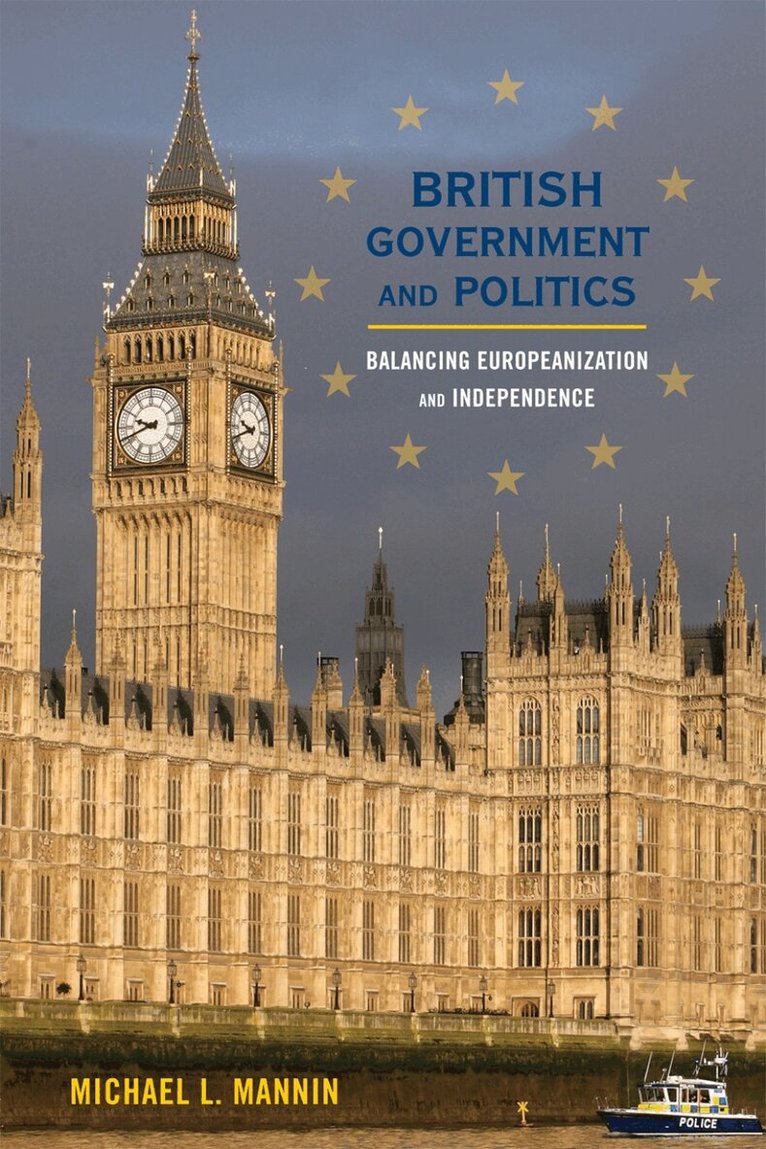
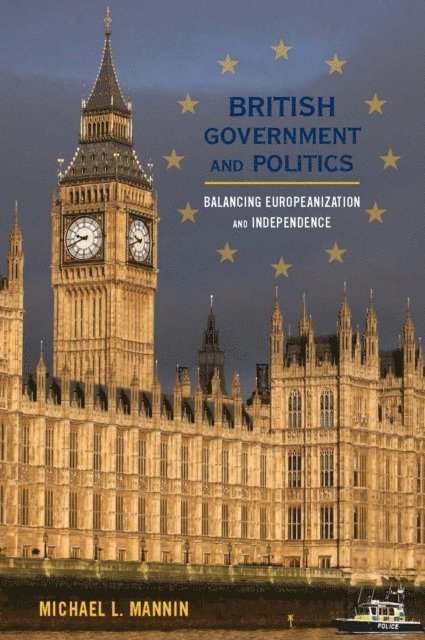
This deeply informed text sets the government and politics of Britain firmly in the context of Britain's enduring membership in the European Union. Michael L. Mannin thoroughly applies the concept of "Europeanization" across the political system to explore how far change is a product of Britain's interdependent relationship with the EU. He shows how the EU's treaty relationships present new challenges to sovereign states, especially Britain, whose psyche has long revolved around iconic notions of Parliamentary sovereignty, imperial power, national independence, and an assumed cultural homogeneity. Examining the cultural, economic, and social background to Britain's twenty-first century politics, Mannin challenges some of the historical myths on which Britain's exceptionalism is founded. He then analyzes contemporary political institutions and processes in the context of Europeanization, as well as the impact of the EU on policy and policy making. Ideal for courses in British and European politics, this book breaks new ground in exploring the complex interdependence that the EU should bring to the study of European political systems.
1 476 kr
Skickas inom 10-15 vardagar
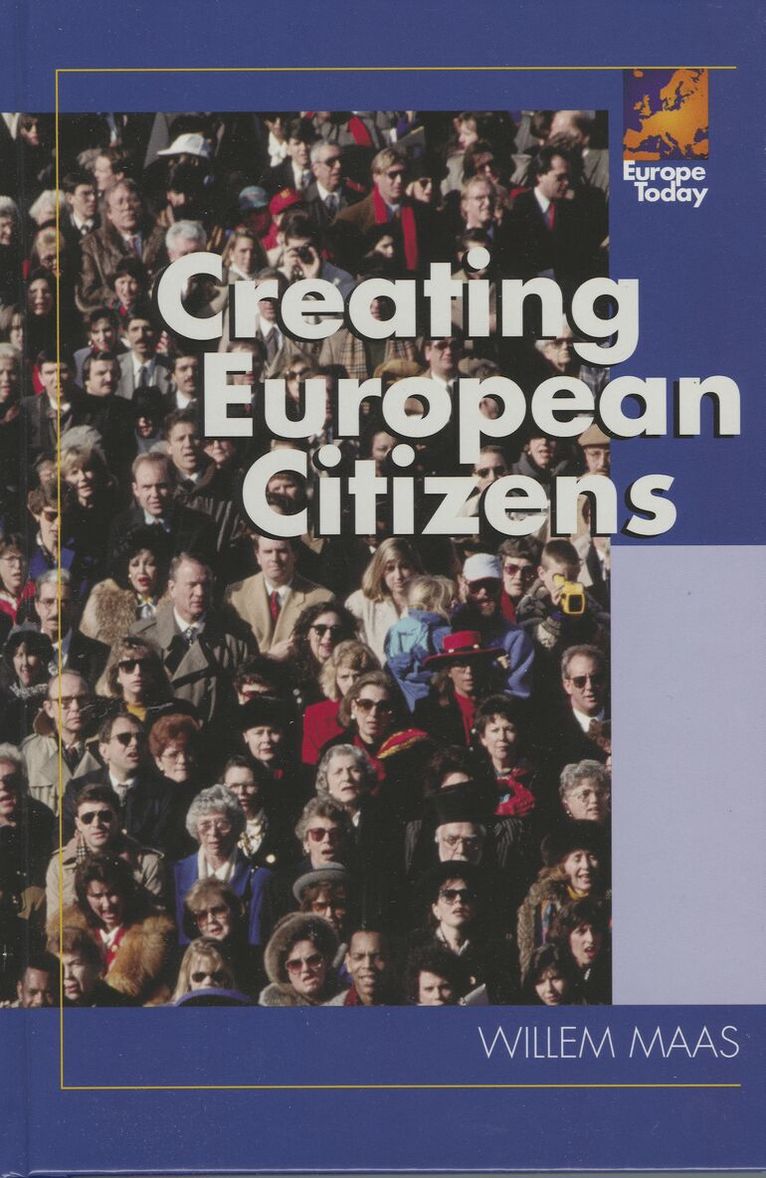
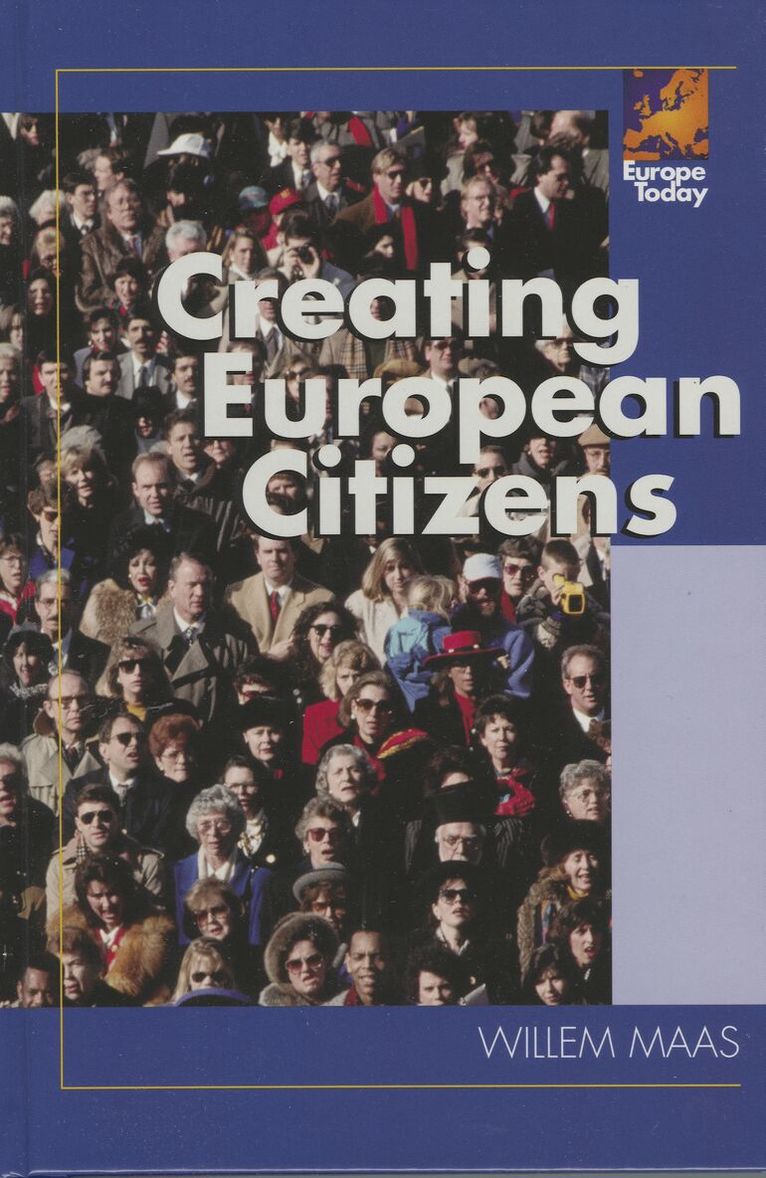
Exploring a key aspect of European integration, this clear and thoughtful book considers the remarkable experiment with common rights and citizenship in the EU. Governments around the world traditionally distinguish insiders (citizens) from outsiders (foreigners). Yet over the past half-century, an extensive set of supranational rights has been created in Europe that removes member governments' authority to privilege their own citizens, a hallmark of sovereignty. The culmination of supranational rights, European citizenship not only provides individuals with choices about where to live and work but also forces governments to respect those choices. Explaining this innovation—why states cede their sovereignty and eradicate or redefine the boundaries of the political community by including "foreigners"—Willem Maas analyzes the development of European citizenship within the larger context of the evolution of rights. Imagining more than simply a free trade market, the goal of building a "broader and deeper community among peoples" with a "destiny henceforward shared"—creating European citizens—has informed European integration since its origins. The author argues that its success or failure will not only determine the future of Europe but will also provide lessons for political integration elsewhere.
488 kr
Skickas inom 10-15 vardagar
Exploring a key aspect of European integration, this clear and thoughtful book considers the remarkable experiment with common rights and citizenship in the EU. Governments around the world traditionally distinguish insiders (citizens) from outsiders (foreigners). Yet over the past half-century, an extensive set of supranational rights has been created in Europe that removes member governments' authority to privilege their own citizens, a hallmark of sovereignty. The culmination of supranational rights, European citizenship not only provides individuals with choices about where to live and work but also forces governments to respect those choices. Explaining this innovation—why states cede their sovereignty and eradicate or redefine the boundaries of the political community by including "foreigners"—Willem Maas analyzes the development of European citizenship within the larger context of the evolution of rights. Imagining more than simply a free trade market, the goal of building a "broader and deeper community among peoples" with a "destiny henceforward shared"—creating European citizens—has informed European integration since its origins. The author argues that its success or failure will not only determine the future of Europe but will also provide lessons for political integration elsewhere.
742 kr
Skickas inom 10-15 vardagar
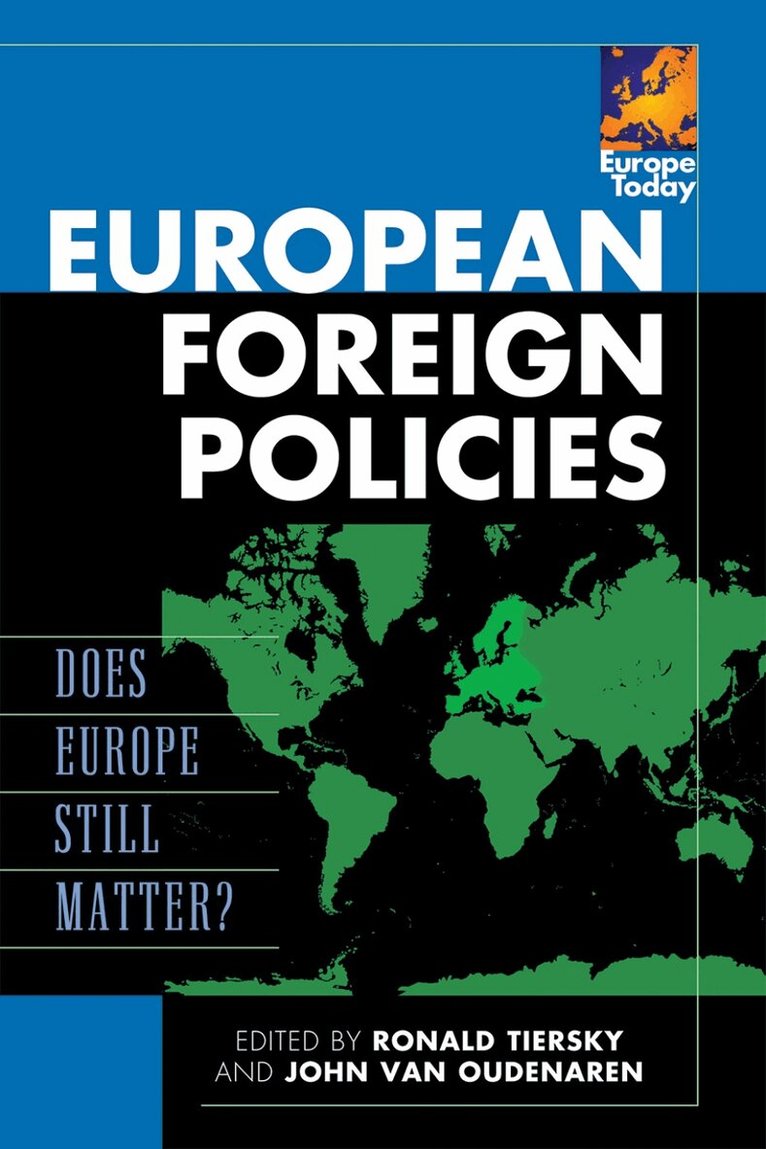
The extent of Europe's influence in the twenty-first century is one of the fundamental questions in a rapidly changing world order. How much does Europe still matter in geostrategic affairs? Will the Europeans seek more international clout and be willing to pay the price for it? Above all, will the European-American partnership prosper or weaken? In the only comprehensive study available on the subject, leading international experts explore these vital questions for global peace and security. The book includes authoritative chapters on the foreign policies of the major European countries, of the European Union, and of Europe toward key regions and countries—especially the United States, Russia, China, and the Middle East.Contributions by: Krzysztof Bobinski, Mark Gilbert, David Shambaugh, Philip Stephens, Paul Taylor, Ronald Tiersky, Nathalie Tocci, John Van Oudenaren, Benedetta Voltolini, and Helga A. Welsh.
1 009 kr
Skickas inom 10-15 vardagar
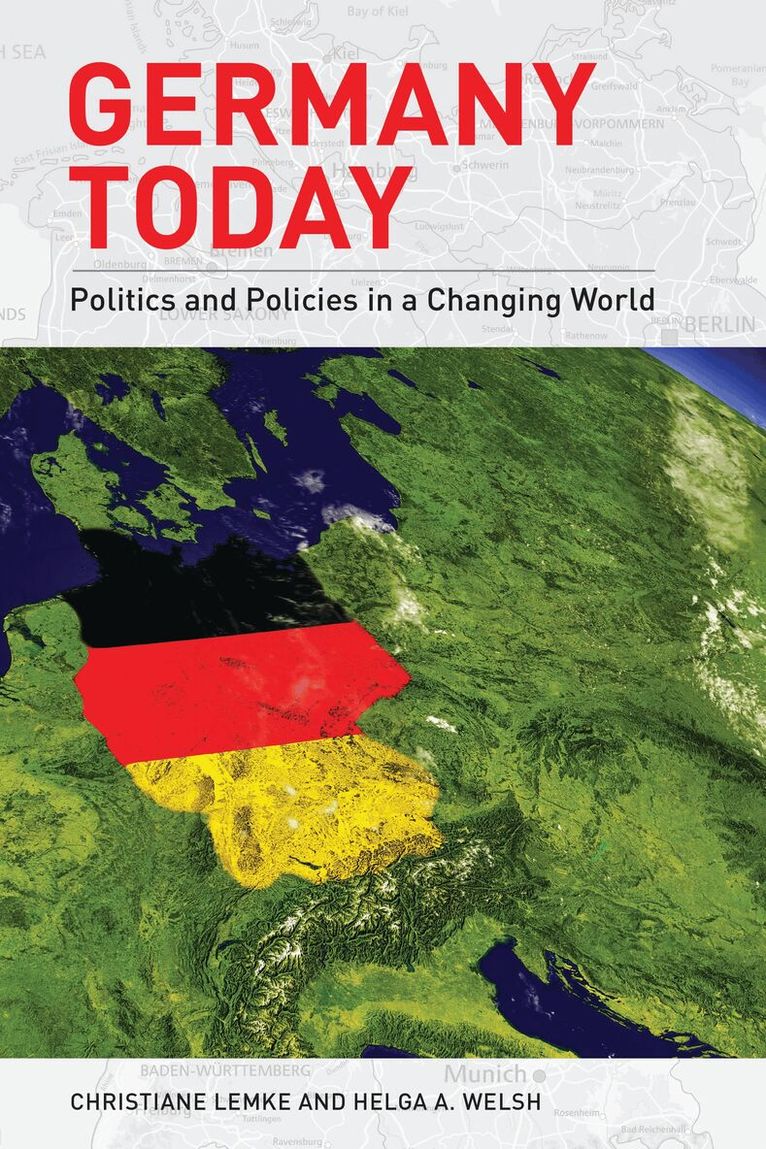
This book analyzes the major post-unification developments that have tested and shaped the “new Germany” from a multilevel perspective. The authors argue that domestic transformation and a heightened role in international politics are consequences, often unintended, of unification, Europeanization, and globalization. Informed by the authors’ intimate knowledge of Germany, this book offers a comprehensive, in-depth analysis of a pivotal global player at a critical economic, political, social, and environmental juncture.
488 kr
Skickas inom 10-15 vardagar
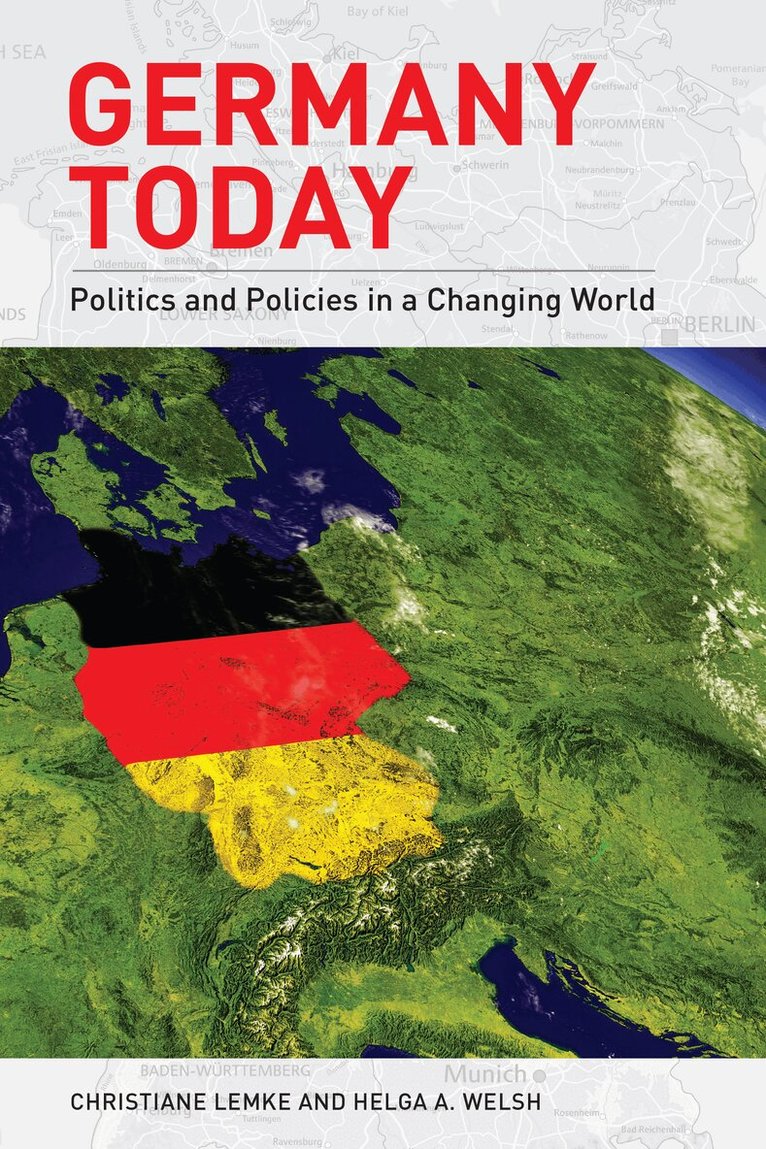
This book analyzes the major post-unification developments that have tested and shaped the “new Germany” from a multilevel perspective. The authors argue that domestic transformation and a heightened role in international politics are consequences, often unintended, of unification, Europeanization, and globalization. Informed by the authors’ intimate knowledge of Germany, this book offers a comprehensive, in-depth analysis of a pivotal global player at a critical economic, political, social, and environmental juncture.
1 076 kr
Skickas inom 10-15 vardagar
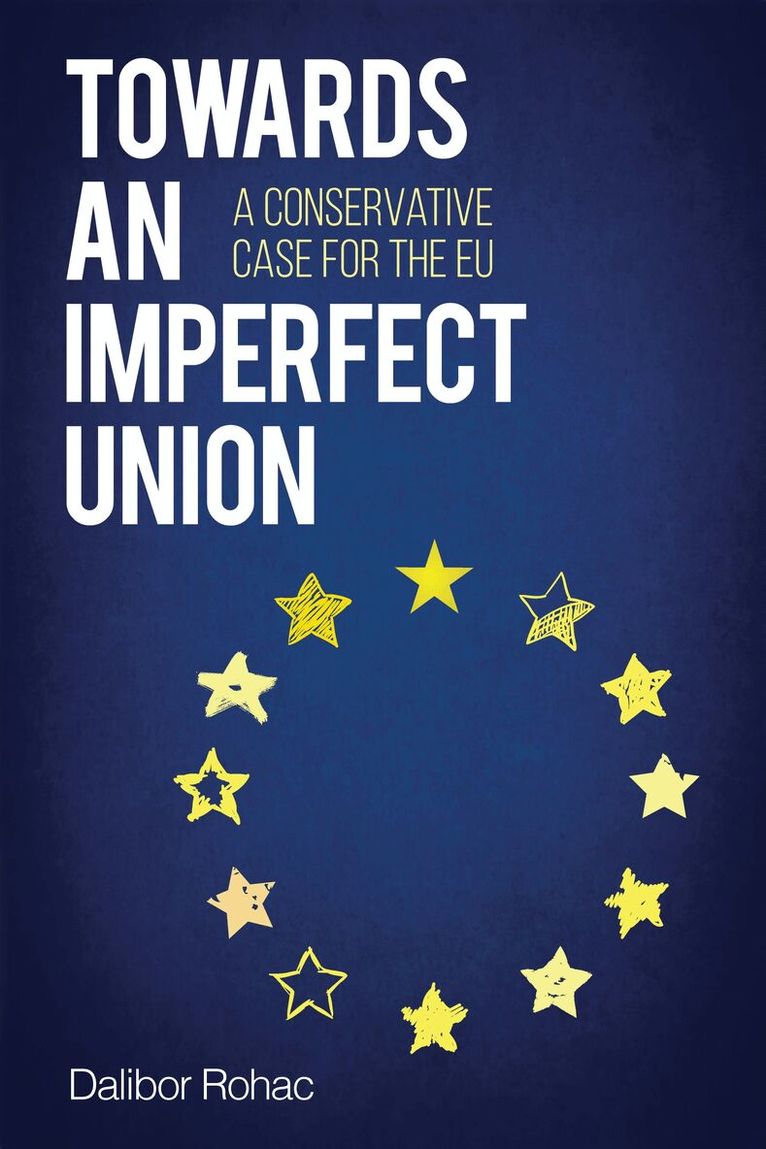
In today’s Europe, deep cracks are showing in the system of political cooperation that was designed to prevent the geopolitical catastrophes that ravaged the continent in the first half of the twentieth century. Europeans are haunted, once again, by the specters of nationalism, fascism, and economic protectionism. Instead of sounding the alarm, many conservatives have become cheerleaders for the demise of the European Union (EU). This compelling book represents the first systematic attempt to justify the European project from a free-market, conservative viewpoint. Although many of their criticisms are justified, Dalibor Rohac contends that Euroskeptics are playing a dangerous game. Their rejection of European integration places them in the unsavory company of nationalists, left-wing radicals, and Putin apologists. Their defense of the nation-state against Brussels, furthermore, is ahistorical. He convincingly shows that the flourishing of democracy and free markets in Europe has gone hand in hand with the integration project. Europe’s pre-EU past, in contrast, was marked by a series of geopolitical calamities. When British voters make their decision in June, they should remember that while Brexit would not be a political or economic disaster for the United Kingdom, it would not solve any of the problems that the “Leavers” associate with EU membership. Worse yet, its departure from the European Union would strengthen the centrifugal forces that are already undermining Europe's ability to solve the multitude of political, economic, and security challenges plaguing the continent today. Instead of advocating for the end of the EU, Rohac argues that conservatives must come to the rescue of the integration project by helping to reduce the EU’s democratic deficit and turning it into an engine of economic dynamism and prosperity.For the author’s video on Brexit, see https://www.youtube.com/watch?v=cFReUnO05Fo
434 kr
Skickas inom 10-15 vardagar
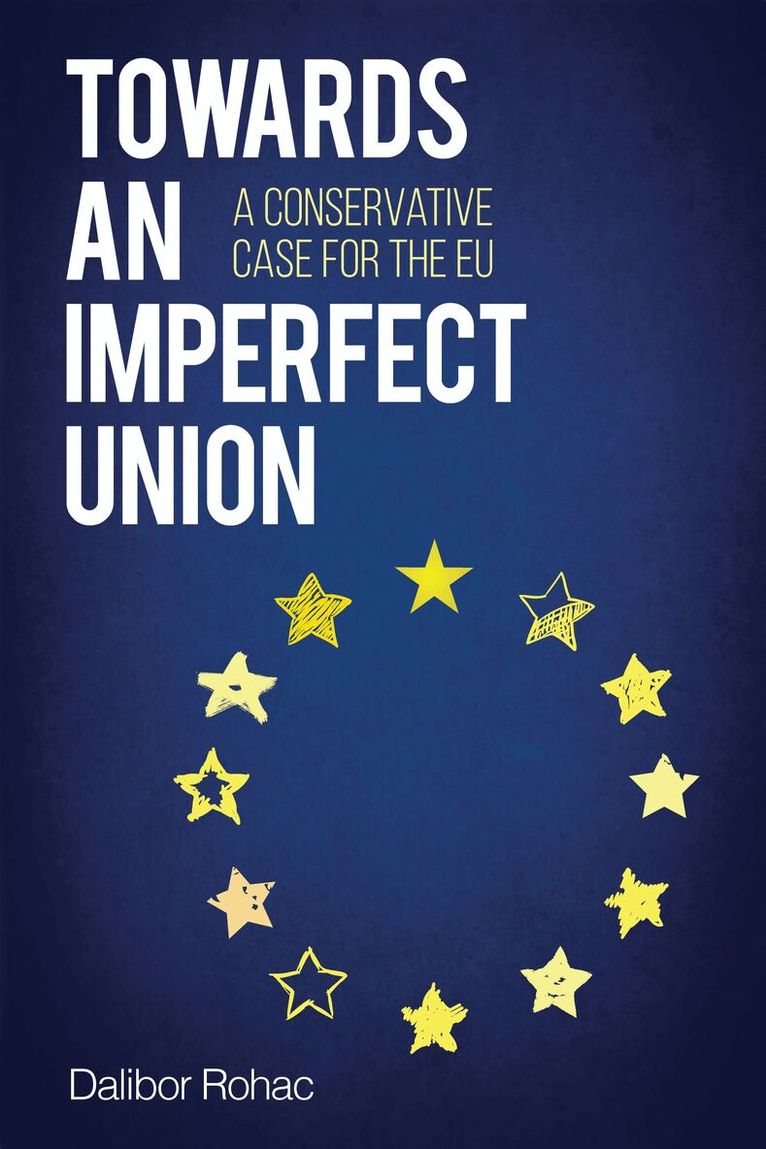
In today’s Europe, deep cracks are showing in the system of political cooperation that was designed to prevent the geopolitical catastrophes that ravaged the continent in the first half of the twentieth century. Europeans are haunted, once again, by the specters of nationalism, fascism, and economic protectionism. Instead of sounding the alarm, many conservatives have become cheerleaders for the demise of the European Union (EU). This compelling book represents the first systematic attempt to justify the European project from a free-market, conservative viewpoint. Although many of their criticisms are justified, Dalibor Rohac contends that Euroskeptics are playing a dangerous game. Their rejection of European integration places them in the unsavory company of nationalists, left-wing radicals, and Putin apologists. Their defense of the nation-state against Brussels, furthermore, is ahistorical. He convincingly shows that the flourishing of democracy and free markets in Europe has gone hand in hand with the integration project. Europe’s pre-EU past, in contrast, was marked by a series of geopolitical calamities. When British voters make their decision in June, they should remember that while Brexit would not be a political or economic disaster for the United Kingdom, it would not solve any of the problems that the “Leavers” associate with EU membership. Worse yet, its departure from the European Union would strengthen the centrifugal forces that are already undermining Europe's ability to solve the multitude of political, economic, and security challenges plaguing the continent today. Instead of advocating for the end of the EU, Rohac argues that conservatives must come to the rescue of the integration project by helping to reduce the EU’s democratic deficit and turning it into an engine of economic dynamism and prosperity.For the author’s video on Brexit, see https://www.youtube.com/watch?v=cFReUnO05Fo
1 281 kr
Skickas inom 10-15 vardagar
Now in its sixth edition, Europe Today presents unrivaled coverage of developments in major European countries and across the region. Thoroughly revised and updated—including new chapters on Turkey and the wider European neighborhood to address their growing influence—this is the only work that offers a sustained and unified set of both country case studies and thematic chapters on the European Union. Written by leading scholars from Europe and North America, the book shows a range of perspectives on the process of European integration, the evolution of economic performance, and the reaction to multiculturalism and immigration. Highlighting the impact of the global economic crisis, the COVID-19 pandemic, the Russian war in Ukraine, and the struggle to assert Europe’s voice more widely, the contributors provide a pragmatic assessment of what Europeans have accomplished and what challenges they continue to face. Each chapter builds on a foundation of basic political information and explanation to develop distinctive and thought-provoking contributions to current debates. Informative and engaging, this comprehensive text leads readers toward a coherent and informed view of Europe today.
678 kr
Skickas inom 10-15 vardagar
Now in its sixth edition, Europe Today presents unrivaled coverage of developments in major European countries and across the region. Thoroughly revised and updated—including new chapters on Turkey and the wider European neighborhood to address their growing influence—this is the only work that offers a sustained and unified set of both country case studies and thematic chapters on the European Union. Written by leading scholars from Europe and North America, the book shows a range of perspectives on the process of European integration, the evolution of economic performance, and the reaction to multiculturalism and immigration. Highlighting the impact of the global economic crisis, the COVID-19 pandemic, the Russian war in Ukraine, and the struggle to assert Europe’s voice more widely, the contributors provide a pragmatic assessment of what Europeans have accomplished and what challenges they continue to face. Each chapter builds on a foundation of basic political information and explanation to develop distinctive and thought-provoking contributions to current debates. Informative and engaging, this comprehensive text leads readers toward a coherent and informed view of Europe today.
595 kr
Skickas inom 10-15 vardagar
This clear and comprehensive introduction to the European Union considers its development through the theme of crisis and renewal. John Van Oudenaren describes EU institutions and policies, both historically and as they relate to current events. He traces the renewal of the EU that was underway at the end of the 2010s following the euro, migration, and Brexit crises and the health, economic, and political crisis that subsequently hit the Union with unexpected force in the coronavirus pandemic of 2020–2021. Exploring how institutions and policies are adapting to unprecedented political, economic, and geopolitical challenges, the author focuses on two key EU priorities—digitization and the transition to a carbon neutral future. These, he argues, are both intrinsic policy goals and the means by which the Union hopes to ensure its revitalization and its emergence as a “sovereign” power, taking its place alongside the United States and China as one of the big three players in global politics. Explaining the different theoretical perspectives used to understand the EU, the book gives students the tools they need to assess whether the Union is on a path to recovery and renewal.