Routledge Handbooks on Museums, Galleries and Heritage – serie
Visar alla böcker i serien Routledge Handbooks on Museums, Galleries and Heritage. Handla med fri frakt och snabb leverans.
11 produkter
11 produkter
3 225 kr
Skickas inom 10-15 vardagar
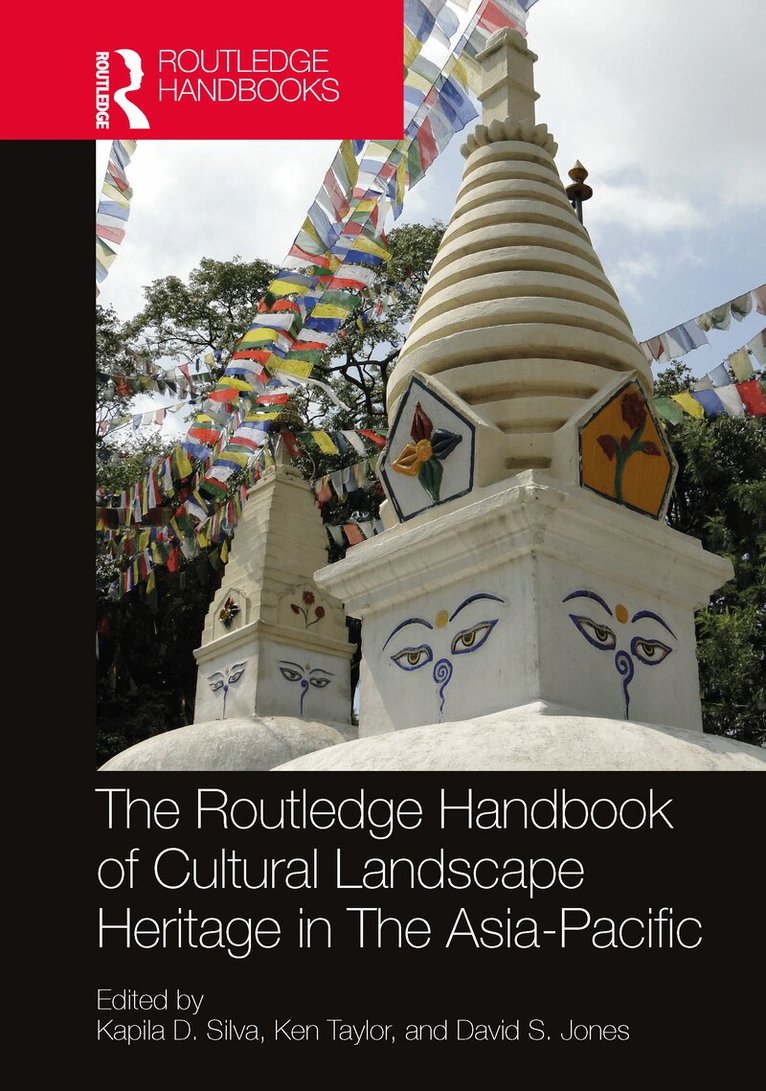
The Routledge Handbook of Cultural Landscape Heritage in the Asia-Pacific revisits the use, growth, and potential of the cultural landscape methodology in the conservation and management of culture-nature heritage in the Asia-Pacific region. Taking both a retrospective and prospective view of the management of cultural heritage in the region, this volume argues that the plurality and complexity of heritage in the region cannot be comprehensively understood and effectively managed without a broader conceptual framework like the cultural landscape approach. The book also demonstrates that such an approach facilitates the development of a flexible strategy for heritage conservation. Acknowledging the effects of rapid socio-economic development, globalization, and climate change, contributors examine the pressure these issues place on the sustenance of cultural heritage. Including chapters from more than 20 countries across the Asia-Pacific region, the volume reviews the effectiveness of theoretical and practical potentials afforded by the cultural landscape approach and examines how they have been utilized in the Asia-Pacific context for the last three decades. The Routledge Handbook of Cultural Landscape Heritage in the Asia-Pacific provides a comprehensive analysis of the processes of cultural landscape heritage conservation and management. As a result, it will be of interest to academics, students, and professionals who are based in the fields of cultural heritage management, architecture, urban planning, landscape architecture, and landscape management.
665 kr
Skickas inom 10-15 vardagar
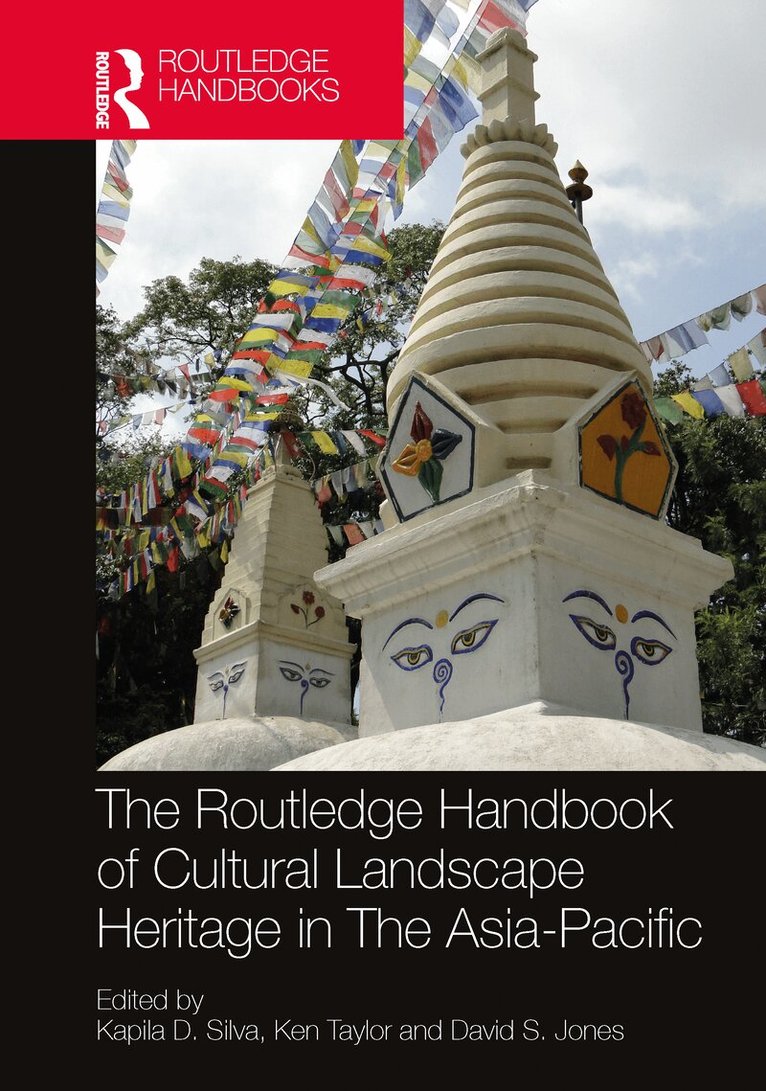
The Routledge Handbook of Cultural Landscape Heritage in the Asia-Pacific revisits the use, growth, and potential of the cultural landscape methodology in the conservation and management of culture-nature heritage in the Asia-Pacific region. Taking both a retrospective and prospective view of the management of cultural heritage in the region, this volume argues that the plurality and complexity of heritage in the region cannot be comprehensively understood and effectively managed without a broader conceptual framework like the cultural landscape approach. The book also demonstrates that such an approach facilitates the development of a flexible strategy for heritage conservation. Acknowledging the effects of rapid socio-economic development, globalization, and climate change, contributors examine the pressure these issues place on the sustenance of cultural heritage. Including chapters from more than 20 countries across the Asia-Pacific region, the volume reviews the effectiveness of theoretical and practical potentials afforded by the cultural landscape approach and examines how they have been utilized in the Asia-Pacific context for the last three decades. The Routledge Handbook of Cultural Landscape Heritage in the Asia-Pacific provides a comprehensive analysis of the processes of cultural landscape heritage conservation and management. As a result, it will be of interest to academics, students, and professionals who are based in the fields of cultural heritage management, architecture, urban planning, landscape architecture, and landscape management.
3 435 kr
Skickas inom 10-15 vardagar
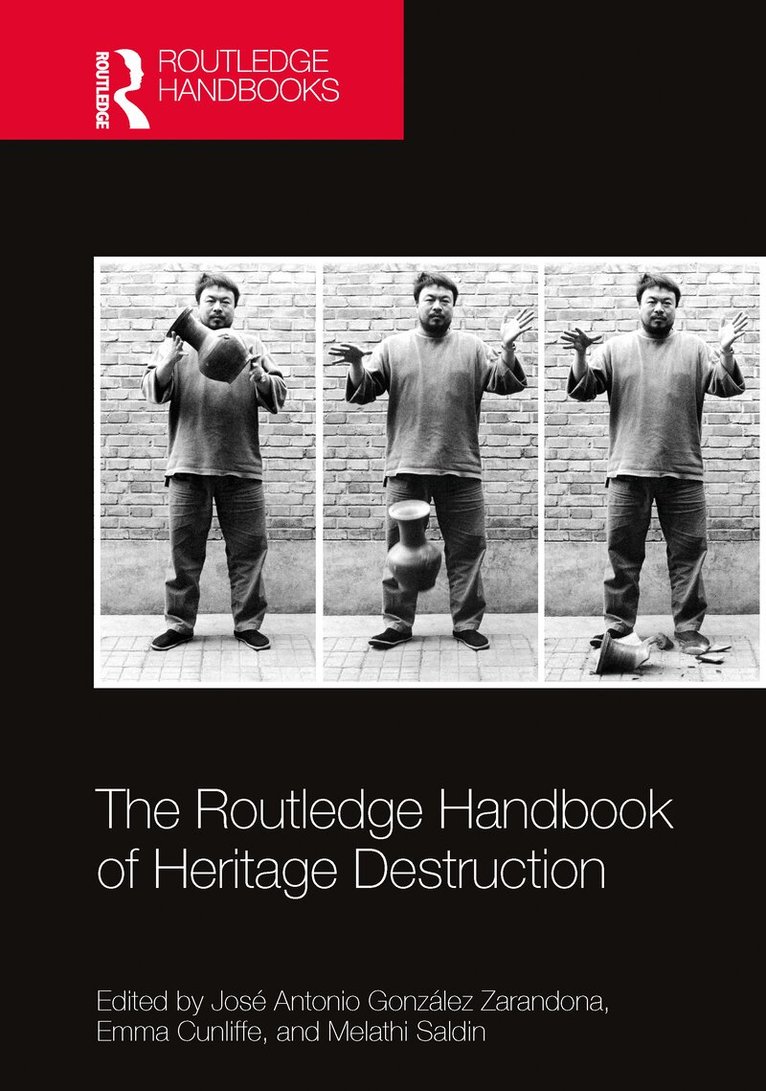
The Routledge Handbook of Heritage Destruction presents a comprehensive view on the destruction of cultural heritage and offers insights into this multifaceted, interdisciplinary phenomenon; the methods scholars have used to study it; and the results these various methods have produced.By juxtaposing theoretical and legal frameworks and conceptual contexts alongside a wide distribution of geographical and temporal case studies, this book throws light upon the risks, and the realizations, of art and heritage destruction. Exploring the variety of forces that drive the destruction of heritage, the volume also contains contributions that consider what forms heritage destruction takes and in which contexts and circumstances it manifests. Contributors, including local scholars, also consider how these drivers and contexts change, and what effect this has on heritage destruction, and how we conceptualise it. Overall, the book establishes the importance of the need to study the destruction of art and cultural heritage within a wider framework that encompasses not only theory but also legal, military, social, and ontological issues.The Routledge Handbook of Heritage Destruction will contribute to the development of a more complete understanding and analysis of heritage destruction. The Handbook will be useful to academics, students, and professionals with interest in heritage, conservation and preservation, history and art history, archaeology, anthropology, philosophy, and law.
3 069 kr
Skickas inom 10-15 vardagar
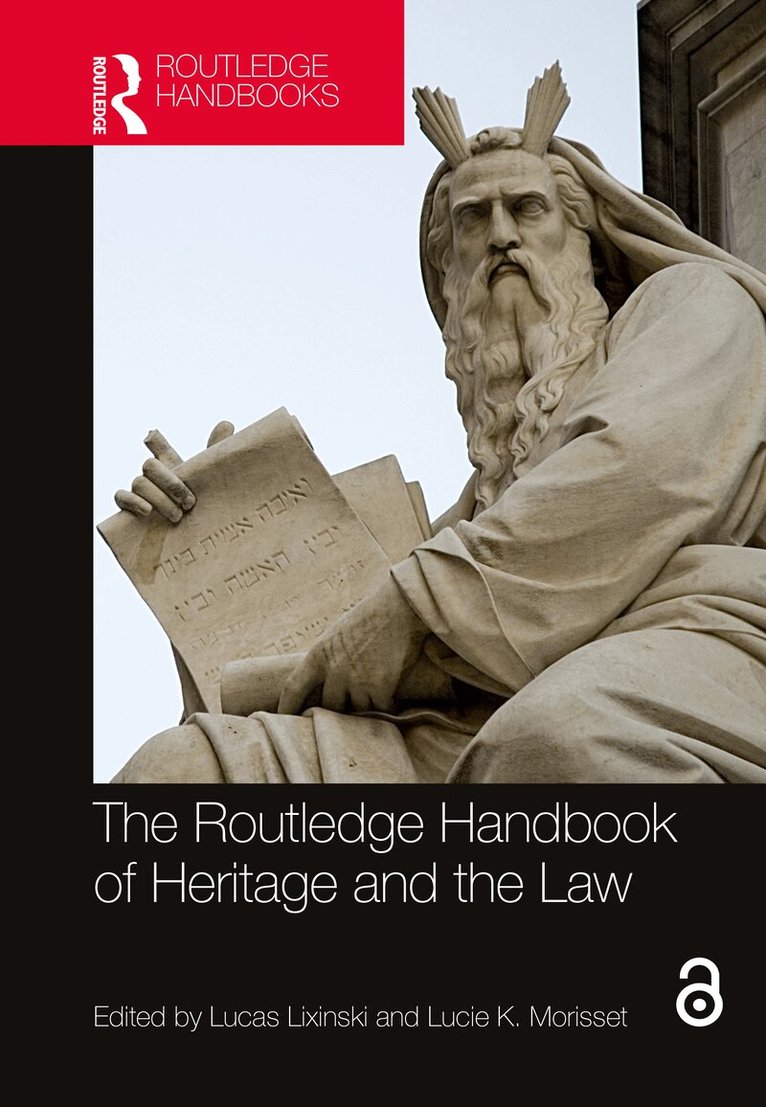
The Routledge Handbook of Heritage and the Law sheds light on the relationship between the two fields and analyses how the law shapes heritage and heritage practice in both expected and unexpected ways.Including contributions from 41 authors working across a range of jurisdictions, the volume analyses the law as a transnational phenomenon and uses international and comparative legal methodologies to distil lessons for broad application. Demonstrating that the law is fundamentally a language of power and contestation, the Handbook shows how this impacts our views of heritage. It also shows that, to understand the ways in which the law impacts key aspects of heritage practice, it is important to tap into the possibilities of heritage as points of convergence of identity, struggles over resources, and the distribution of power. Framing heritage as a driver for legal engagement rather than a passive regulatory object, the book first reviews the legal fields or mechanisms that can shape action in the heritage field, then questions how these enable authority and give power to those who seize heritage, and finally envisions how the discussion between heritage and the law can lay new grounds in both those fields. Lifting the mists that often render the law opaque in heritage studies, the Handbook showcases the law as a medium through which the culture and the power of heritage are expressed and might be shared.The Routledge Handbook of Heritage and the Law presents a view of the law that is aimed at those who wish to reflect on how law has changed, or could change, what heritage is and how it can support social, cultural, local, or other development. It will be of interest to scholars, students, policymakers, and practitioners working in the areas of museum studies, heritage studies, and urban studies, as well as in cultural intervention and planning.Chapter 8 of this book is freely available as a downloadable Open Access PDF at http://www.taylorfrancis.com under a Creative Commons Attribution-Non Commercial-No Derivatives (CC-BY-NC-ND) 4.0 license.Chapter 18 of this book is freely available as a downloadable Open Access PDF at http://www.taylorfrancis.com under a Creative Commons Attribution-Non Commercial-No Derivatives (CC-BY-NC-ND) 4.0 license.Chapter 34 of this book is freely available as a downloadable Open Access PDF at http://www.taylorfrancis.com under a Creative Commons (CC-BY) 4.0 license.The Routledge Handbook of Heritage and the Law | Lucas Lixinski, Lucie (taylorfrancis.com)
3 336 kr
Skickas inom 10-15 vardagar
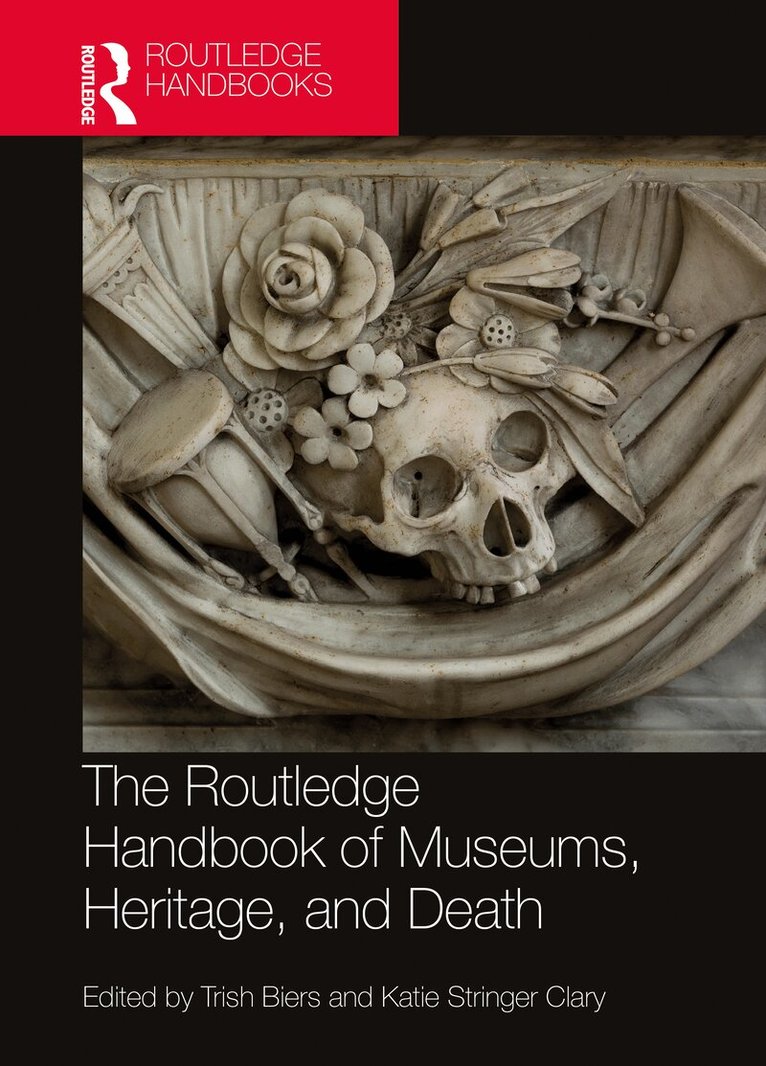
This book provides a comprehensive examination of death, dying, and human remains in museums and heritage sites around the world.Presenting a diverse range of contributions from scholars, practitioners, and artists, the book reminds us that death and the dead body are omnipresent in museum and heritage spaces. Chapters appraise collection practices and their historical context, present global perspectives and potential resolutions, and suggest how death and dying should be presented to the public. Acknowledging that professionals in the galleries, libraries, archives, and museums (GLAM) fields are engaging in vital discussions about repatriation and anti-colonialist narratives, the book includes reflections on a variety of deathscapes that are at the forefront of the debate. Taking a multivocal approach, the handbook provides a foundation for debate as well as a reference for how the dead are treated within the public arena. Most important, perhaps, the book highlights best practices and calls for more ethical frameworks and strategies for collaboration, particularly with descendant communities.The Routledge Handbook of Museums, Heritage, and Death will be useful to all individuals working with, studying, and interested in curation and exhibition at museums and heritage sites around the world. It will be of particular interest to those working in the fields of heritage, museum studies, death studies, archaeology, anthropology, sociology, and history.
693 kr
Skickas inom 10-15 vardagar
This book provides a comprehensive examination of death, dying, and human remains in museums and heritage sites around the world.Presenting a diverse range of contributions from scholars, practitioners, and artists, the book reminds us that death and the dead body are omnipresent in museum and heritage spaces. Chapters appraise collection practices and their historical context, present global perspectives and potential resolutions, and suggest how death and dying should be presented to the public. Acknowledging that professionals in the galleries, libraries, archives, and museums (GLAM) fields are engaging in vital discussions about repatriation and anti-colonialist narratives, the book includes reflections on a variety of deathscapes that are at the forefront of the debate. Taking a multivocal approach, the handbook provides a foundation for debate as well as a reference for how the dead are treated within the public arena. Most important, perhaps, the book highlights best practices and calls for more ethical frameworks and strategies for collaboration, particularly with descendant communities.The Routledge Handbook of Museums, Heritage, and Death will be useful to all individuals working with, studying, and interested in curation and exhibition at museums and heritage sites around the world. It will be of particular interest to those working in the fields of heritage, museum studies, death studies, archaeology, anthropology, sociology, and history.
3 336 kr
Skickas inom 10-15 vardagar
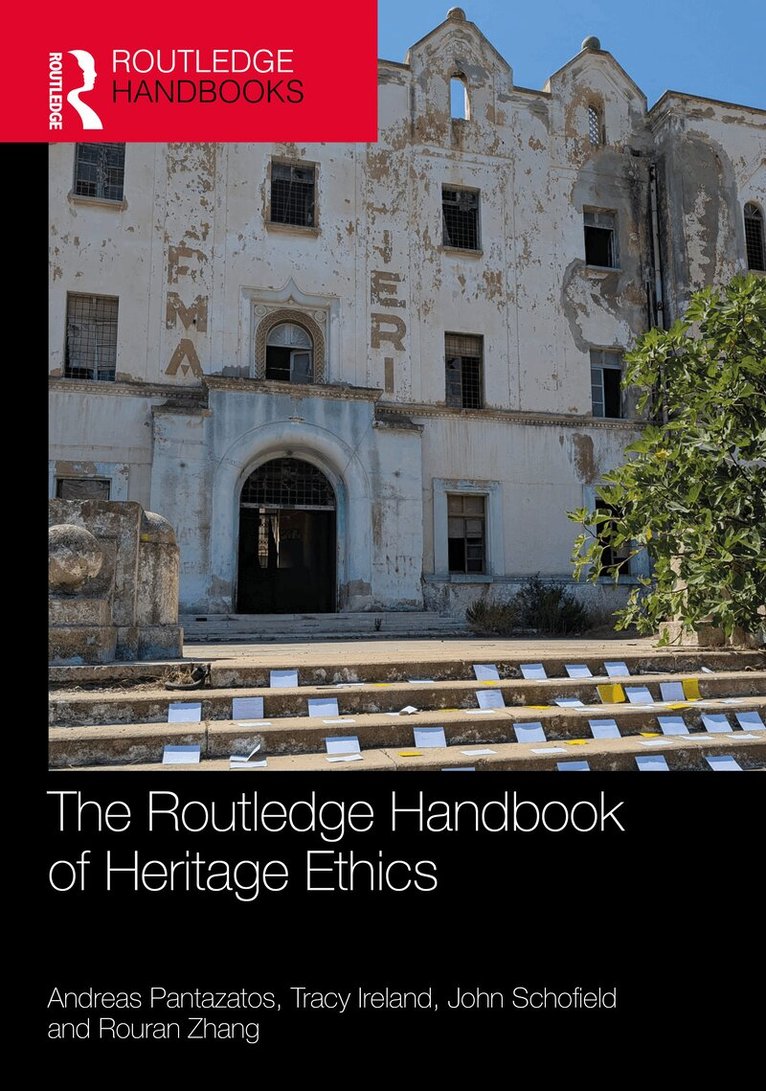
The Routledge Handbook of Heritage Ethics offers a comprehensive and rigorous analysis of the concepts, challenges and dilemmas that characterise and shape contemporary heritage ethics in theory and practice. The essays within this volume examine how ethical approaches to heritage have evolved and explore the ethical issues that have arisen from these changing contexts. Including 34 original, detailed, and impassioned contributions from across five continents, this book affords equal focus to theoretical perspectives and practice, drawing out the importance of ethics through diverse case studies on topics as varied as built heritage, colonialism, material culture, the environment, traditions and lived experience. Throughout this volume, chapters highlight the need for all practitioners and researchers to adopt an ethical approach, alongside the need to understand what this entails and how best to deliver it. Following a foundational introduction that contextualises ethics within broader cultural changes, and a first section outlining key theoretical frameworks, chapters are divided into four thematic sections on difficult heritage, digital heritage, heritage interactions and heritage management and policy.Together, these chapters comprise an important, timely and wide-ranging volume that provides a fresh analysis of the key concepts that shape and inform heritage ethics. It will engage those whose work and interests intersect with the broad gamut of cultural heritage—whether physical or digital, focused on artefacts or communities, the iconic or the everyday, in the field, museums or historic sites, from the remote past or the contemporary world. This Handbook will be of interest to students, researchers and practitioners from across a broad range of disciplines, including anthropology, archaeology, geography, heritage studies, history and philosophy.
3 336 kr
Skickas inom 10-15 vardagar
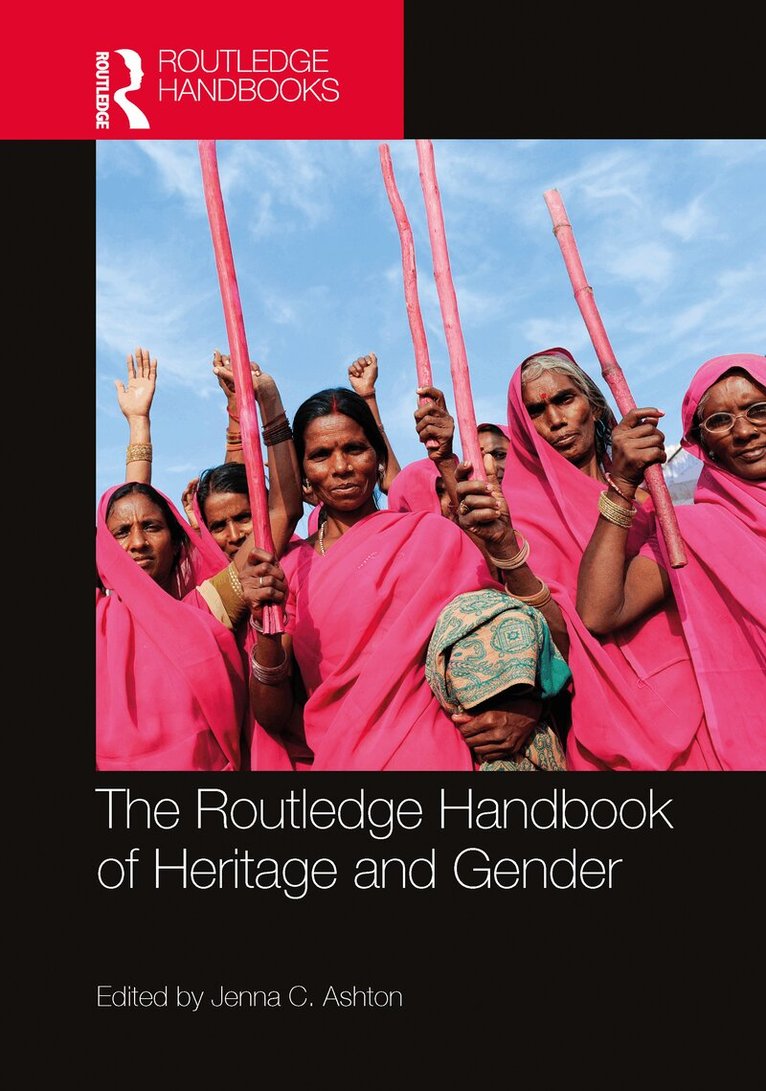
The Routledge Handbook of Heritage and Gender offers an exceptional range of international contributions that interrogate and analyse the interactions within - and between - heritage and gender.Taking an intersectional and global approach, the Handbook opens up space for a more critical and situated consideration of how gender comes into contact with heritage as a concept and practice. The volume considers heritage in the broadest sense: as a concept, performance, and materialisation. The contributions also consider how heritage impacts identity, power, people, values, politics, and ethics as well as processes and sites across material culture, nature, and intangible practices. The volume and its contributions are inclusive of cisgender, trans, non-binary, agender, and intersex identities. Reflecting the multidisciplinary and transnational voices of its authors, the collection challenges readers to consider what a focused analysis of heritage and gender can offer heritage studies as an evolving discipline and field of study.The Routledge Handbook of Heritage and Gender will be of interest to academics and students working in Heritage Studies, Museum Studies, Art History, History, Anthropology, Gender and Women’s Studies, and International Development.
3 336 kr
Skickas inom 10-15 vardagar
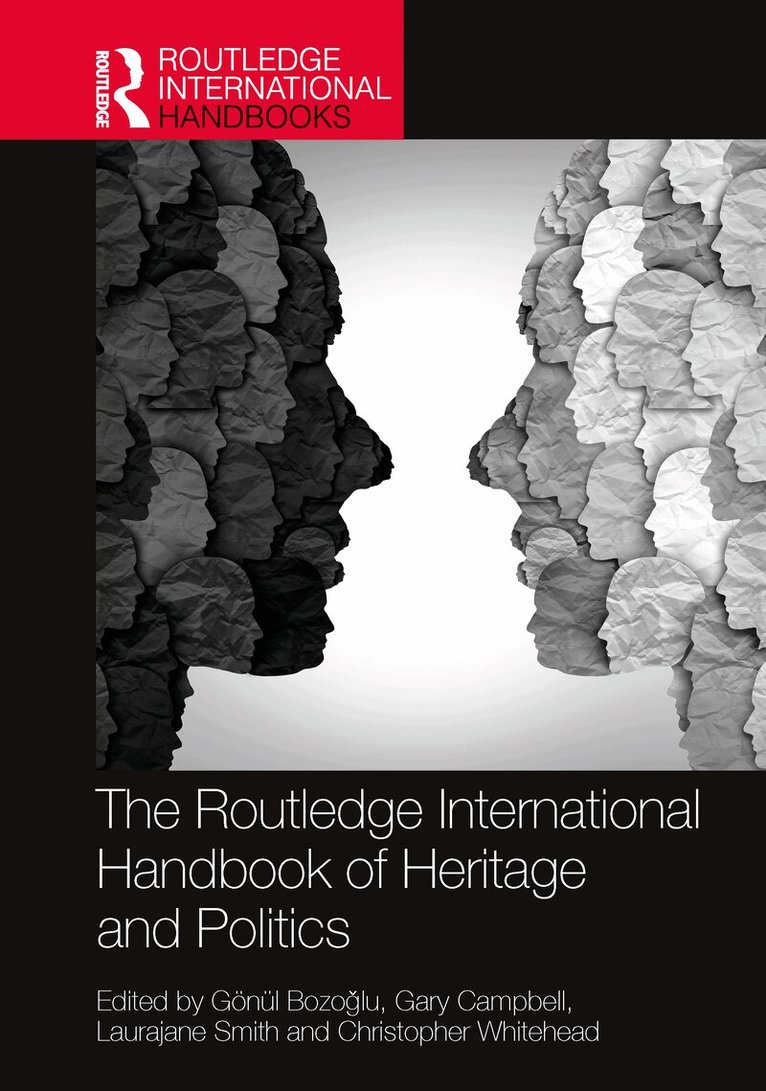
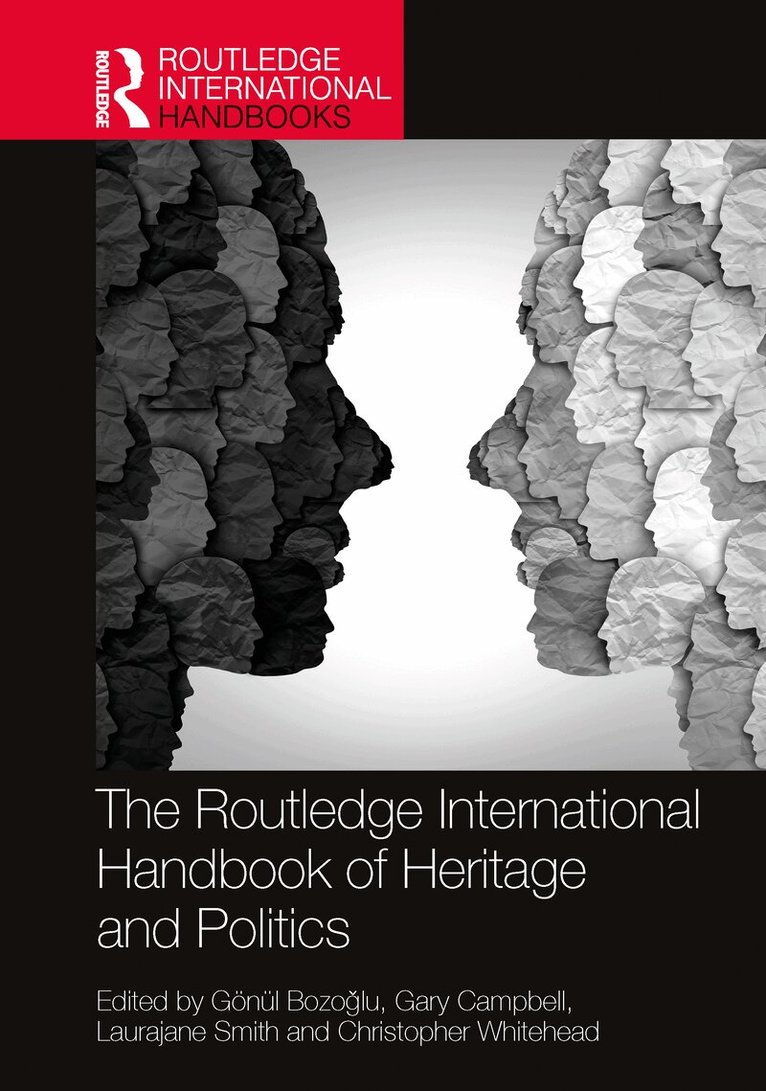
The Routledge International Handbook of Heritage and Politics surveys the intersection of heritage and politics today and helps elucidate the political implications of heritage practices. It explicitly addresses the political and analyses tensions and struggles over the distribution of power. Including contributions from early-career scholars and more established researchers, the Handbook provides global and interdisciplinary perspectives on the political nature, significance and consequence of heritage and the various practices of management and interpretation. Taking a broad view of heritage, which includes not just tangible and intangible phenomena, but the ways in which people and societies live with, embody, experience, value and use the past, the volume provides a critical survey of political tensions over heritage in diverse social and cultural contexts. Chapters within the book consider topics such as: neoliberal dynamics; terror and mobilisations of fear and hatred; old and new nationalisms; public policy; recognition; denials; migration and refugeeism; crises; colonial and decolonial practice; communities; self- and personhood; as well as international relations, geopolitics, soft power and cooperation to address global problems.The Routledge International Handbook of Heritage and Politics makes an intervention into the theoretical debate about the nature and role of heritage as a political resource. It is essential reading for academics and students working in heritage studies, museum studies, politics, memory studies, public history, geography, urban studies and tourism.
3 242 kr
Skickas inom 10-15 vardagar
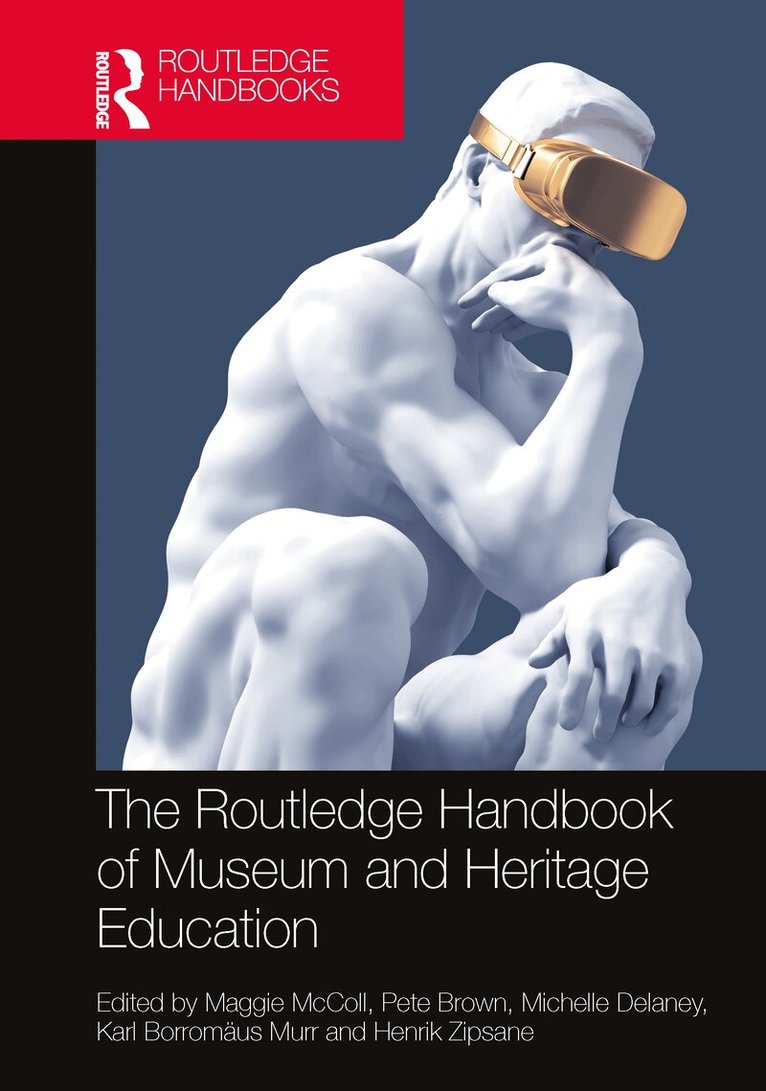
The Routledge Handbook of Museum and Heritage Education is a practical reference guide that shows how museums, galleries and heritage sites can offer opportunities for successful visitor engagement.Defining museums as all cultural sites that interpret collections and spaces for public education, understanding, and enjoyment, this volume argues that museum education has a central role in the development of policies, practices, and research for engagement. Including contributions from experts across the globe, the volume shows how these sites can continue to offer unique opportunities for social, physical, emotional, and academic engagement that are much needed to inform and empower museum visitors internationally. It also demonstrates how museums, galleries, and heritage sites can be utilised for the betterment and sustainability of our world and the societies we live in. Combining rich theory with innovative practice, this book provides a comprehensive analysis of museum and heritage education today.The Routledge Handbook of Museum and Heritage Education will be of interest to academics, students, and professionals who are based in the fields of museum education, heritage, adult and community education, cultural studies, social studies, psychology, and tourism.
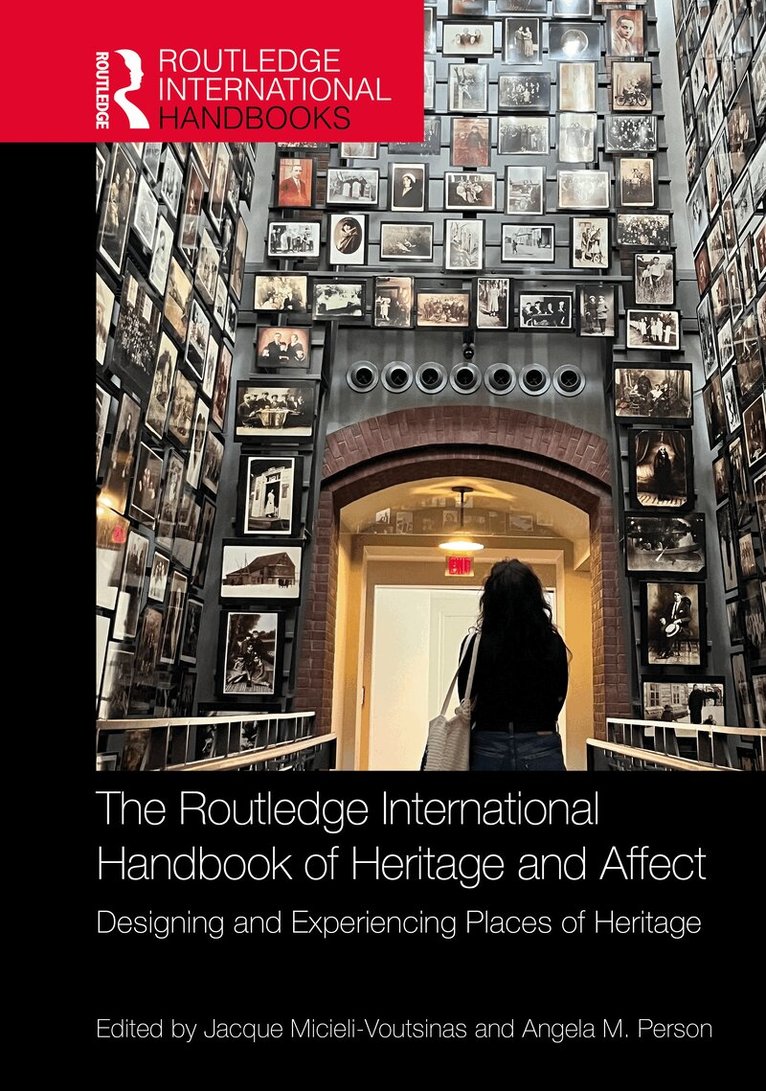
Routledge International Handbook of Heritage and Affect
Designing and Experiencing Places of Heritage
Inbunden, Engelska, 2026
3 671 kr
Kommande
The Routledge International Handbook on Heritage and Affect brings together leading and emerging scholars, practitioners, designers, and artists to examine how heritage environments shape and are shaped by affect, emotion, embodiment, and power. Addressing museums, memorials, landscapes, and immersive heritage practices worldwide, the volume situates affect at the center of contemporary heritage theory, methods, and practice.Organised in six thematic sections, this handbook bridges foundational debates with applied questions of heritage design, immersive media, architecture, and professional ethics. Across global case studies, chapters show how places of heritage operate as designed atmospheres that move publics, configuring perception, memory, and political subjectivity, while also revealing how affective encounters can cultivate empathy, reproduce exclusion, or mobilise collective action. The volume integrates more-than-representational and contextual approaches to trace the motion of emotion across museums, memorials, archives, and landscapes. It also advances methodological innovation, from multisensory and multimodal ethnography to computational analysis and wearable biosensing, offering readers concrete tools for research and practice. Throughout, contributors foreground care, consent, accessibility, and justice, especially in sites of difficult heritage and cultural trauma, equipping readers to critically design, interpret, and steward heritage environments in a technologically accelerated and politically polarised world.This handbook is for scholars and postgraduate students in heritage, museum and memory studies, cultural geography, anthropology, architecture, and digital and immersive humanities. It will also be valuable to curators, heritage professionals, exhibition designers, planners, artists, and educators seeking ethically grounded ways to understand, curate, and evaluate affective experience in museums, memorials, historic sites, and heritage landscapes.