Frontiers of Geoeconomics, Geopolitics and Sustainability – serie
Visar alla böcker i serien Frontiers of Geoeconomics, Geopolitics and Sustainability. Handla med fri frakt och snabb leverans.
5 produkter
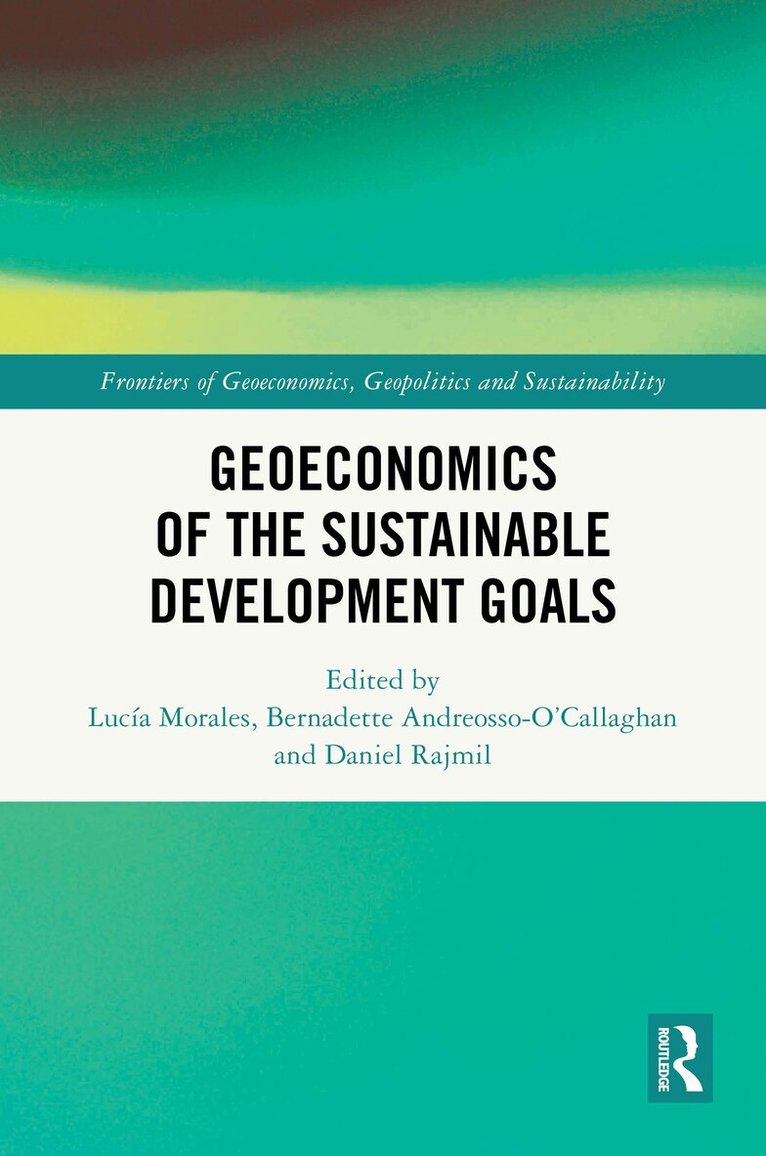
Geoeconomics of the Sustainable Development Goals
Av Lucía Morales, Bernadette Andreosso-O'Callaghan m. fl.
Inbunden, 2025
2504 kr
Lägg i varukorg
In 2015, the United Nations introduced its very ambitious 2030 Agenda, known as the Sustainable Developmental Goals or SDGs. The SDGs provide a comprehensive list of goals and targets to address social, economic and environmental issues. In this book, different areas of expertise are brought …
Geoeconomics of the Sustainable Development Goals
Av Lucía Morales, Bernadette Andreosso-O'Callaghan m. fl.
Häftad, 2026
704 kr
Lägg i varukorg
In 2015, the United Nations introduced its very ambitious 2030 Agenda, known as the Sustainable Developmental Goals or SDGs. The SDGs provide a comprehensive list of goals and targets to address social, economic and environmental issues. In this book, different areas of expertise are brought …
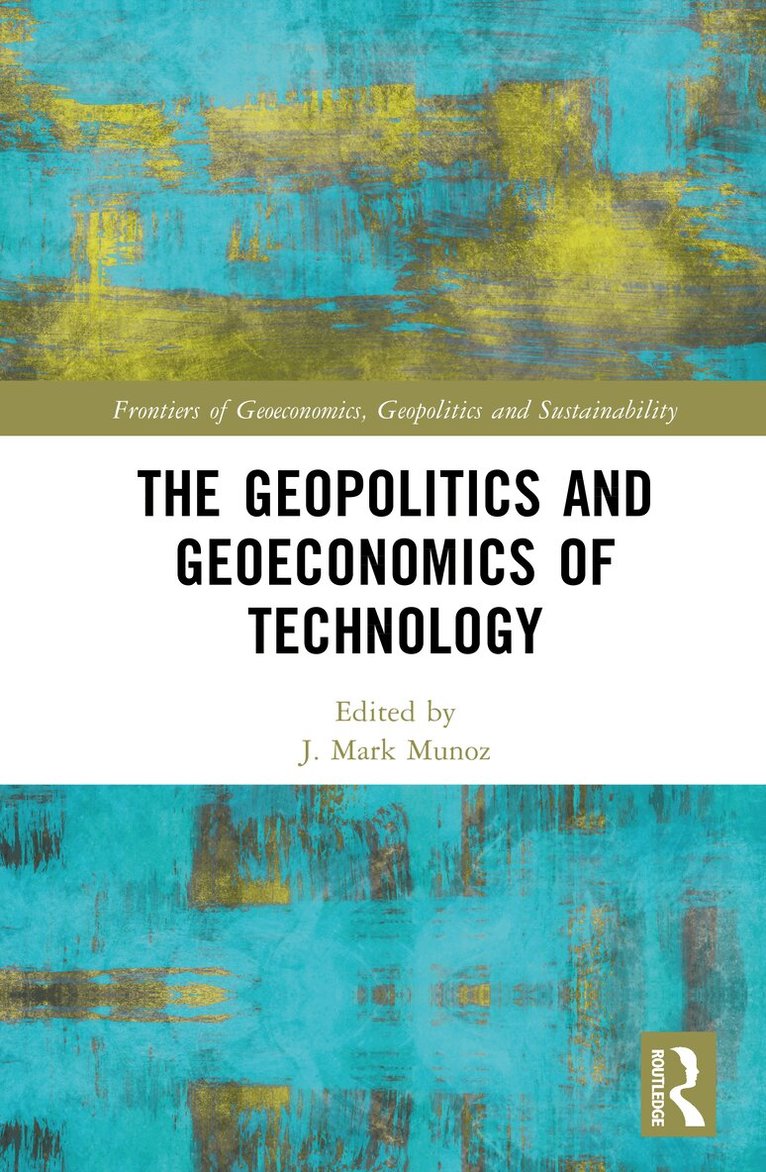
Geopolitics and Geoeconomics of Technology
Inbunden, 2026
2504 kr
Lägg i varukorg
Geopolitics refers to the confluence of factors such as geography, economics and demography on the politics and policies of governments, states and other key global actors. In recent years, technological breakthroughs have altered the operational and competitive terrain of organizations around the …
Geopolitics and Geoeconomics of Migration
Global Interests and Challenges
Inbunden, 2027
2271 kr
Kommande
The book examines the relationship between migration, geopolitics, and geoeconomics, taking geopolitics as its common perspective and incorporating the geoeconomic dimension to varying degrees. The volume is situated in a context in which migration governance is becoming more nationally and …
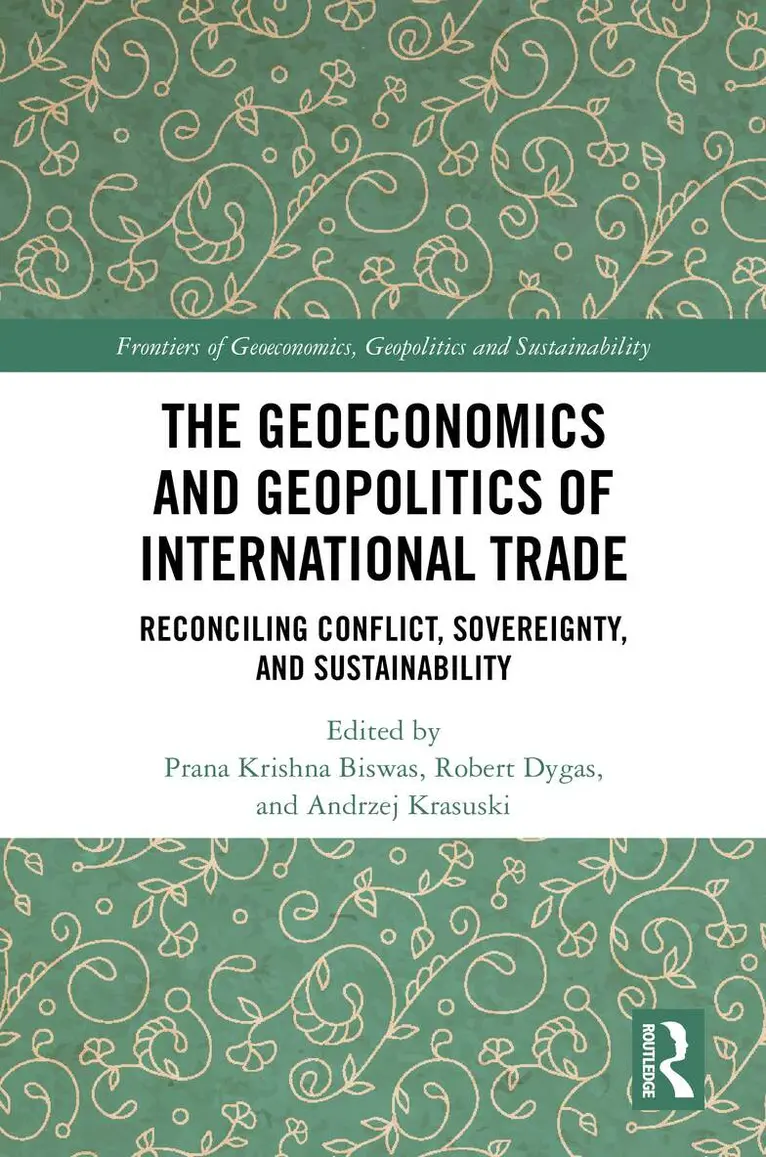
Geoeconomics and Geopolitics of International Trade
Reconciling Conflict, Sovereignty, and Sustainability
Av Prana Krishna Biswas, Robert Dygas m. fl.
Inbunden, 2026
2303 kr
Lägg i varukorg
International trade is undergoing profound transformation. The liberalization paradigm that characterized much of the twentieth century has given way to renewed tariff conflicts, systemic disruptions caused by war and geopolitical rivalry, and mounting pressures to align trade with sustainability …