Global Epistemics - Böcker
Visar alla böcker i serien Global Epistemics. Handla med fri frakt och snabb leverans.
11 produkter
11 produkter
1 209 kr
Skickas inom 10-15 vardagar
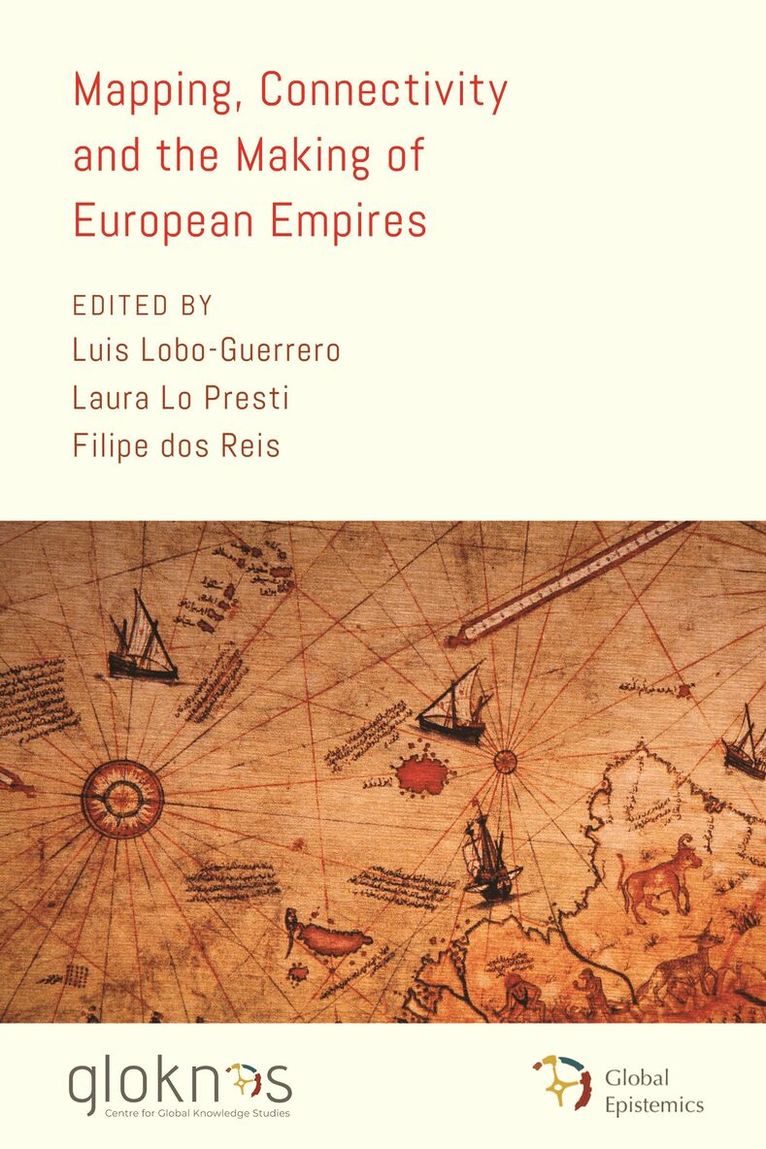
This volume seeks to collectively explore how maps can be used to understand the making of European empires, how the epistemological practices embedded in them can be approached to understand European imperial space-making, and how maps can be seen as representations of imaginaries of connectivity.Rehearsing mapping’s past and its multifarious relations with European imperial orders is not merely an historical exercise to contribute to a global history of cartography. What binds the several interventions is rather an awareness that looking at a particular moment of the past with composite methodologies and interdisciplinary gazes may harbour potential discoveries on the context-embedded relations between mapping, connectivity, and European empire to which we are not yet attuned. By exploring the imaginaries of the world in the mapping of Western modern empires, the book also links to the burgeoning literature on the history of international relations and empire. The emphasis on empires serves here as an important corrigendum for IR’s state centrism and Eurocentrism and contributes to further erode the myth of Westphalia.
1 476 kr
Skickas inom 10-15 vardagar
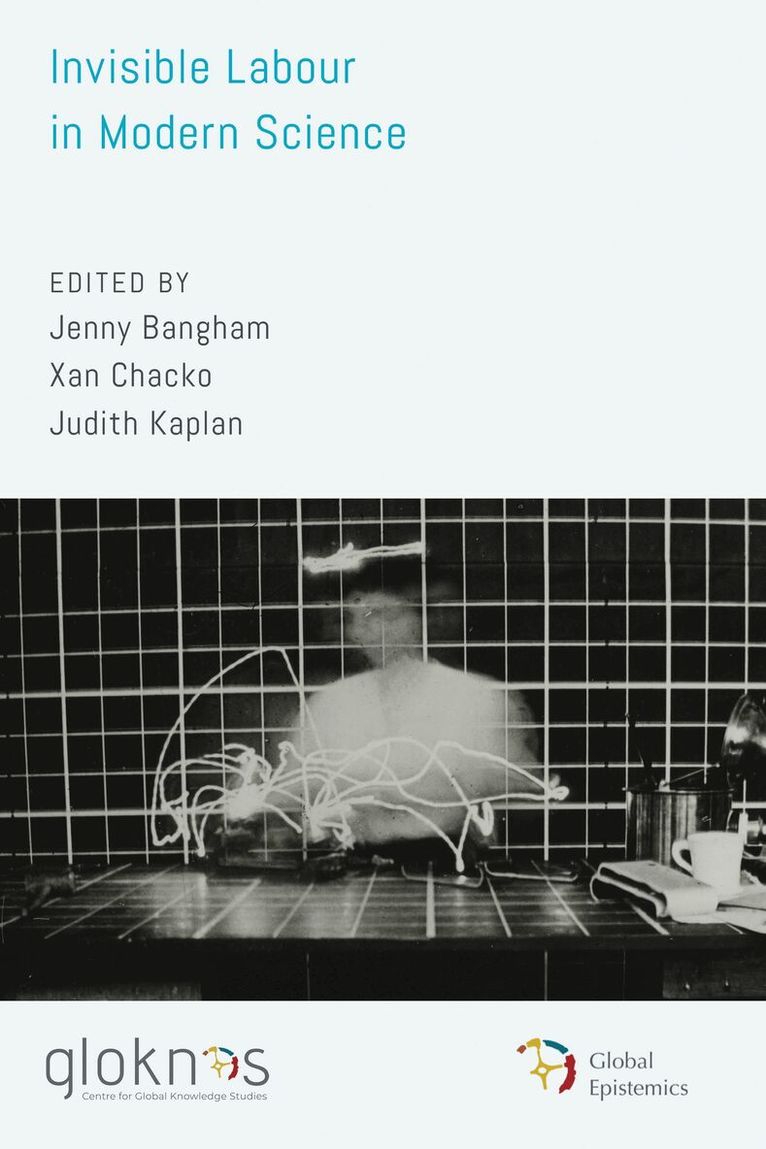
Invisible Labour in Modern Science is about the people who are concealed, eclipsed, or anonymised in accounts of scientific research. Many scientific workers—including translators, activists, archivists, technicians, curators, and ethics review boards—are absent in publications and omitted from stories of discovery. Scientific reports are often held to ideals of transparency, yet they are the result of careful judgments about what (and what not) to reveal. Professional scientists are often celebrated, yet they are expected to uphold principles of ‘objective’ self-denial. The emerging and leading scholars writing in this book negotiate such silences and omissions to reveal how invisibilities have shaped twentieth and twenty-first century science. Invisibility can be unjust; it can also be powerful. What is invisible to whom, and when does this matter? How do power structures built on hierarchies of race, gender, class and nation frame what can be seen? And for those observing science: When does the recovery of the ‘invisible’ serve social justice and when does it invade privacy? Tackling head-on the silences and dilemmas that can haunt historians, this book transforms invisibility into a guide for exploring the moral sensibilities and politics of science and its history.
1 276 kr
Skickas inom 10-15 vardagar
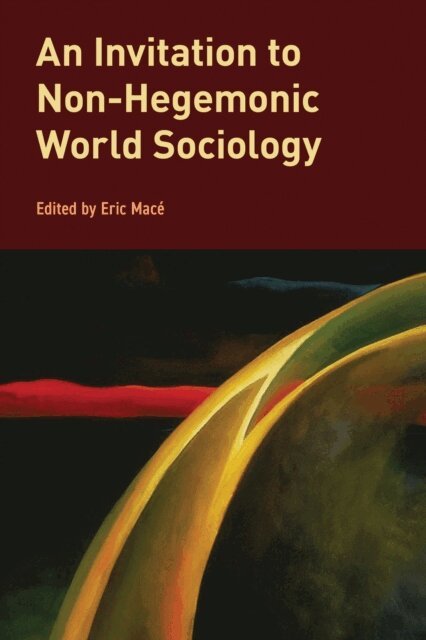
Although sociology is present as a discipline or as a social practice in most countries in the world, its future as a not-only Western social science has hardly been addressed before. In this book, a team of interdisciplinary scholars have been working together not so much to offer one single response to the question than to raise important issues at stake for the future of sociology. Is it universal? Can it be indigenous? How is it possible – and is it even desirable – to write its history differently so as to know better about its early world diffusion and gradual Westernization? Do we need to expand or change its canon? This collection brings together essays that are all engaged in international discussions concerning the universality of sociology, or more precisely the epistemological and theoretical conditions of this universality. The postcolonial and decolonial critiques of the Eurocentrism of sociology are the basis for a reflection on how to continue to do sociology in a non-hegemonic way. That is, sociological ways of describing reality - including the history of sociology and its canon - that are not limited by Western-centrism or other nationalist or religious hegemonies.
488 kr
Skickas inom 10-15 vardagar
Invisible Labour in Modern Science is about the people who are concealed, eclipsed, or anonymised in accounts of scientific research. Many scientific workers—including translators, activists, archivists, technicians, curators, and ethics review boards—are absent in publications and omitted from stories of discovery. Scientific reports are often held to ideals of transparency, yet they are the result of careful judgments about what (and what not) to reveal. Professional scientists are often celebrated, yet they are expected to uphold principles of ‘objective’ self-denial. The emerging and leading scholars writing in this book negotiate such silences and omissions to reveal how invisibilities have shaped twentieth and twenty-first century science. Invisibility can be unjust; it can also be powerful. What is invisible to whom, and when does this matter? How do power structures built on hierarchies of race, gender, class and nation frame what can be seen? And for those observing science: When does the recovery of the ‘invisible’ serve social justice and when does it invade privacy? Tackling head-on the silences and dilemmas that can haunt historians, this book transforms invisibility into a guide for exploring the moral sensibilities and politics of science and its history.
982 kr
Skickas inom 10-15 vardagar
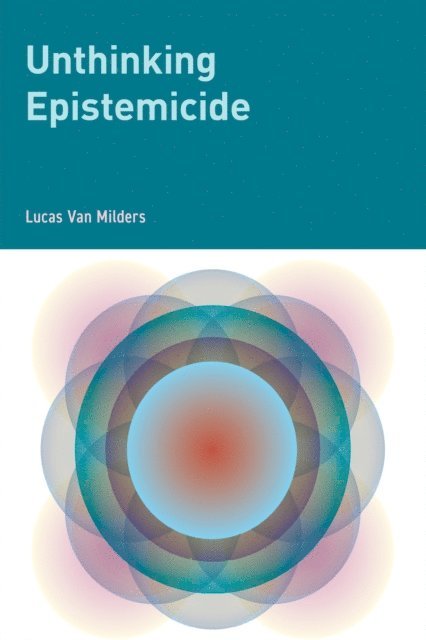
How can the supremacy of the Western worldview be undone? This book argues that the cause of social and political inequalities is above all the inequality of non-Western worldviews when compared to that of the West. Developing a critical theory and praxis for undoing epistemicide, or in other words, the murder of knowledge this book challenges the approach of ‘the West and the rest.’ Epistemicide refers specifically to the destruction of non-Western forms of knowledge production that has facilitated the hegemony of Western-centric epistemology, or one that takes the West as a universalized perspective.Rather than rehashing well-known critiques of Western-centrism, this book develops the claim that, alternative to the West vs. Rest hierarchy, worldviews are necessarily plural as each way of looking at the world reflects a particular perspective on the world. Bringing this plurality of perspectives into a dialogue that celebrates difference and equality, this book presents both a theoretical understanding of the world as hosting multiple worldviews and a practical conception of these worldviews as always already enacted within the world. Undoing the dominance of the Western-centric worldview entails looking at the different ways of being in the world that exist today and that reflect the prospect of a world in which many worlds are possible.
434 kr
Skickas inom 10-15 vardagar
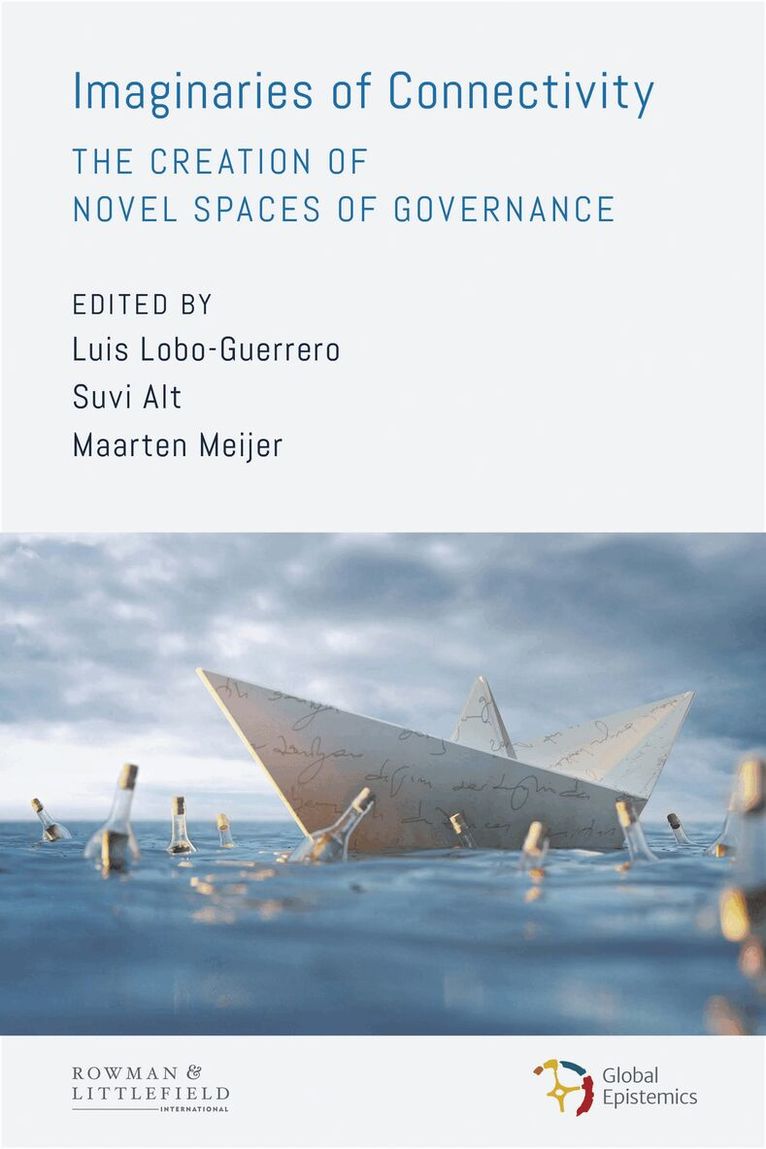
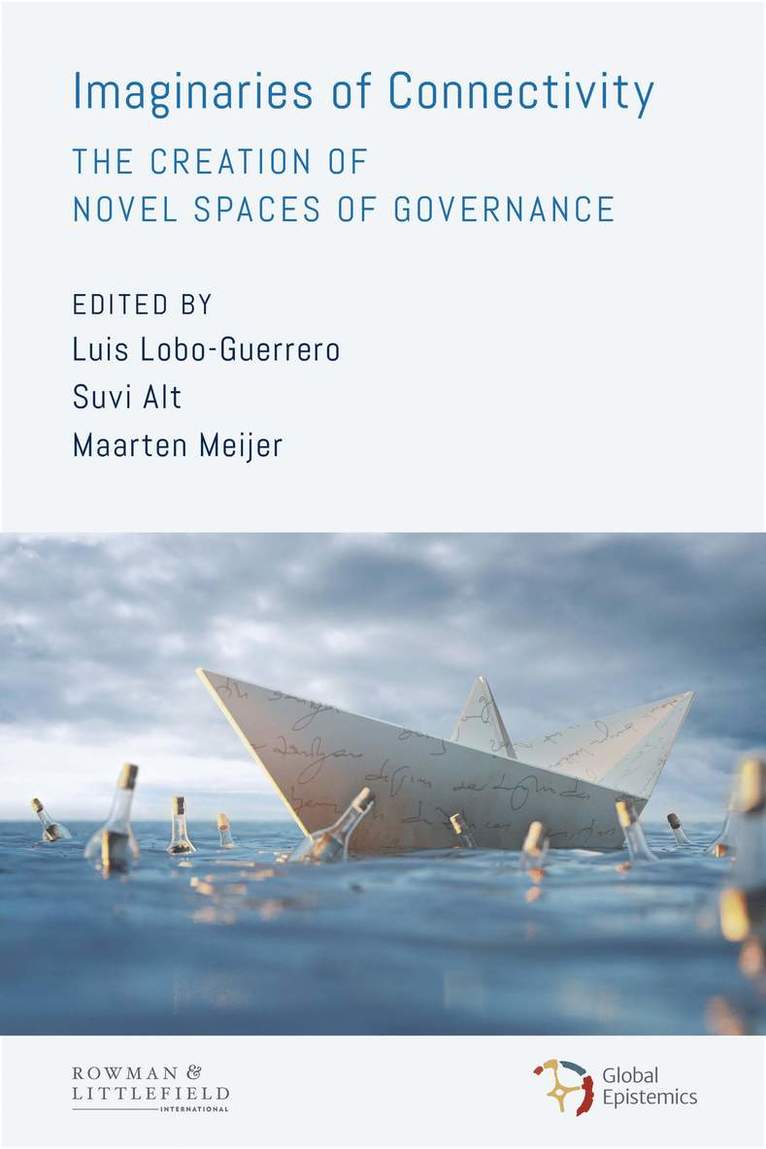
This edited collection addresses the problem of how the creation of novel spaces of governance relates to imaginaries of connectivity in time. While connectivity seems almost ubiquitous today, it has been imagined and practiced in various ways and to varying political effects in different historical and geographical contexts. Often the conception of new connectivities also gives birth to new spaces of governance. The political denomination of spaces – whether maritime, continental, social, or virtual – reflects the situatedness of power. Yet, such crafting of new spaces also expresses particular imaginaries and technologies of connectivity that make governance possible. Whereas the study of international relations has traditionally focused on the role of agency and structure in power relations, the affects, beliefs, attitudes, and practices that intervene in how groups of people connect in given times have not attracted much scholarly attentionOverall, the detailed and original case studies examined in the book range from the 16th century, to the 19th century, to the present, and from Spain, to the Maritime Alps, to Germany, to the Mediterranean, to China, to East Asia. The historical and geographical variety of the cases serves to highlight the diversity of the meaning and function of connectivity in the constitution of novel spaces of governance.
1 009 kr
Skickas inom 10-15 vardagar
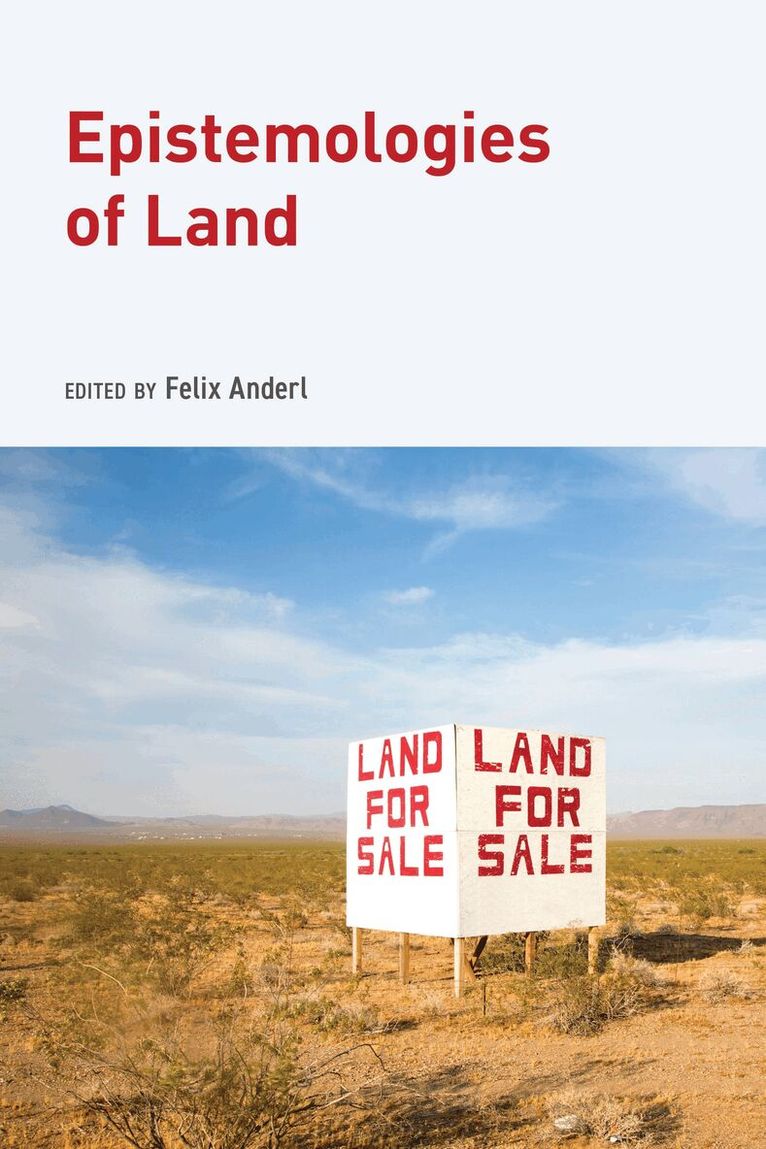
Land is at the centre of crucial public debates ranging from climate adaptation to housing and development, to agriculture and indigenous peoples’ rights. These debates frequently become stuck, though, because the meaning of land in different contexts is poorly understood. Bringing together specialists of epistemology and land, this open access book is a landmark contribution to understanding land knowledge as a complex factor in these debates.Land has been known in astonishingly different ways throughout history, but in recent decades one particular understanding of land as commodity has become increasingly hegemonic globally. This understanding has enormously destructive effects, not only for many people and animals living on and from the land that is increasingly grabbed for extractivist purposes, but also for possible imaginations of how humans can relate to land in the future.In Epistemologies of Land, scholars reconstruct how the understanding of land has come to be reduced to “land as commodity” historically, what the consequences of this epistemological transformation have been, and what alternative ways of understanding land could help establish intellectually abundant and ecologically sustainable ways of relating to the land we live on. Particularly, the book shows how a change in perspective – thinking society through land – can lay the foundation not only for knowing more about land, but for a different kind of environmental and social knowledge that could recover forgotten wisdom of how humans and animals have historically related to land, and by that transform the ways in which land contributes to our daily life beyond its diminished meaning as an economic resource.Contributors include: Eloisa Berman Arevalo, Shailaja Fennell, Inanna Hamati-Ataya, Katarina Kusic, Maarten Meijer, David Nally, Sakshi, Leo Steeds, and Anna Wolkenhauer.The ebook editions of this book are available open access under a CC BY-NC-ND 4.0 licence on bloomsburycollections.com. Open access was funded by European Research Council (ERC).
1 009 kr
Skickas inom 10-15 vardagar
Scientists are supposed to have freedom to choose and conduct their experiments and exchange their ideas. Known as scientific freedom, this idea has been implicated in both wonderful and terrible scientific discoveries. Although it is not new, it has great relevance to contemporary society. In a time of genetic editing, global warming, and a worldwide pandemic, the question of how freely science is and should be conducted is one that has significant practical consequences. Drawing on rigorous interdisciplinary methods, this book defines the concept of scientific freedom, tells its story, and asks on what basis scientific freedom is best justified. Based on international human rights law and philosophy, the authors develop a model of scientific freedom as a constitutive element of the human right to enjoy the benefits of the progress of science and its applications. To illustrate its usefulness, they then test and apply this model to a real-life and real-time case study, as well as to two highly important international human rights instruments.
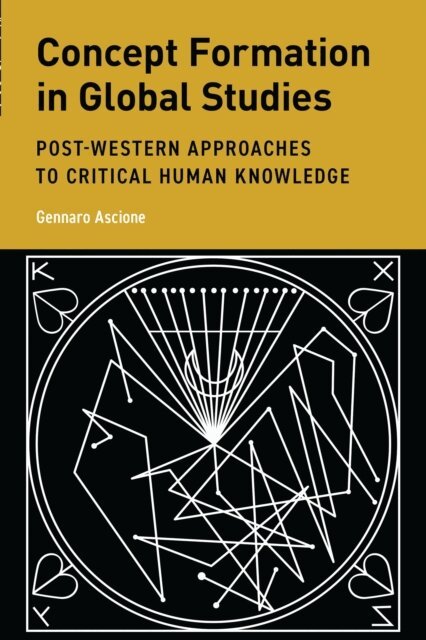
Concept Formation in Global Studies
Post-Western Approaches to Critical Human Knowledge
Inbunden, Engelska, 2024
1 142 kr
Skickas inom 10-15 vardagar
The book proposes a new epistemological and methodological approach to concept formation across human and natural sciences, beyond Eurocentrism and specism. It elaborates a method enabling global epistemics to cope with multiplex challenges coming from geohistorical as well as epistemological standpoints whose methodological potential remains unexplored. It assumes monstrosity as the generative grammar of a new holistic approach to human knowledge, and draws from postcolonial, decolonial or post-western perspectives to place new methodological cornerstones, as well as from arts, astrology and magic from the Islamic and European Renaissance, indigenous knowledge, genetics, theoretical physics or Afrofuturism. The book aims at provoking a shift in critical perspectives, which do not acknowledge their own inability to steam an appropriate methodology of terminological and conceptual elaboration for the lexicon of contemporary human knowledge, out of a pressing demand: once agreed upon the world as a single yet multilayered spacetime of analysis, how should research about large-scale/long-term processes of social change advance, in order to cope with the asymmetrical power relations that materialize colonial history through heterarchies of class, gender, race, ethnicity, culture, knowledge, cosmology and ecology?This book struggles against the prejudice that the instances heterogeneous yet non canonical epistemics are in fact exclusively confined to provincial, exotic or solipsistic particularisms; therefore never as universalistic as the dominant ones. To address this problem, the book proposes: a different way to think of the relation between the abstract and the concrete; a new relation between data or histories, and concepts; an alternative pathway to cross-cultural translation in conceptual and terminological analysis; a new posture to inhabit the spacetimes at the border between translation and untranslatability.
394 kr
Skickas inom 10-15 vardagar
This volume seeks to collectively explore how maps can be used to understand the making of European empires, how the epistemological practices embedded in them can be approached to understand European imperial space-making, and how maps can be seen as representations of imaginaries of connectivity.Rehearsing mapping’s past and its multifarious relations with European imperial orders is not merely an historical exercise to contribute to a global history of cartography. What binds the several interventions is rather an awareness that looking at a particular moment of the past with composite methodologies and interdisciplinary gazes may harbour potential discoveries on the context-embedded relations between mapping, connectivity, and European empire to which we are not yet attuned. By exploring the imaginaries of the world in the mapping of Western modern empires, the book also links to the burgeoning literature on the history of international relations and empire. The emphasis on empires serves here as an important corrigendum for IR’s state centrism and Eurocentrism and contributes to further erode the myth of Westphalia.
1 572 kr
Skickas inom 10-15 vardagar
This edited collection addresses the problem of how the creation of novel spaces of governance relates to imaginaries of connectivity in time. While connectivity seems almost ubiquitous today, it has been imagined and practiced in various ways and to varying political effects in different historical and geographical contexts. Often the conception of new connectivities also gives birth to new spaces of governance. The political denomination of spaces – whether maritime, continental, social, or virtual – reflects the situatedness of power. Yet, such crafting of new spaces also expresses particular imaginaries and technologies of connectivity that make governance possible. Whereas the study of international relations has traditionally focused on the role of agency and structure in power relations, the affects, beliefs, attitudes, and practices that intervene in how groups of people connect in given times have not attracted much scholarly attentionOverall, the detailed and original case studies examined in the book range from the 16th century, to the 19th century, to the present, and from Spain, to the Maritime Alps, to Germany, to the Mediterranean, to China, to East Asia. The historical and geographical variety of the cases serves to highlight the diversity of the meaning and function of connectivity in the constitution of novel spaces of governance.