Groundworks: Ecological Issues in Philosophy and Theology – serie
Visar alla böcker i serien Groundworks: Ecological Issues in Philosophy and Theology. Handla med fri frakt och snabb leverans.
20 produkter
20 produkter
Inbunden, Engelska, 2013
1 468 kr
Skickas inom 10-15 vardagar
Modern environmentalism has come to realize that many of its key concerns—"wilderness" and "nature" among them—are contested territory, viewed differently by different people. Understanding nature requires science and ecology, to be sure, but it also requires a sensitivity to history, culture, and narrative. Thus, understanding nature is a fundamentally hermeneutic task.
Häftad, Engelska, 2013
517 kr
Skickas inom 10-15 vardagar
Modern environmentalism has come to realize that many of its key concerns—"wilderness" and "nature" among them—are contested territory, viewed differently by different people. Understanding nature requires science and ecology, to be sure, but it also requires a sensitivity to history, culture, and narrative. Thus, understanding nature is a fundamentally hermeneutic task.
Häftad, Engelska, 2014
365 kr
Skickas inom 10-15 vardagar
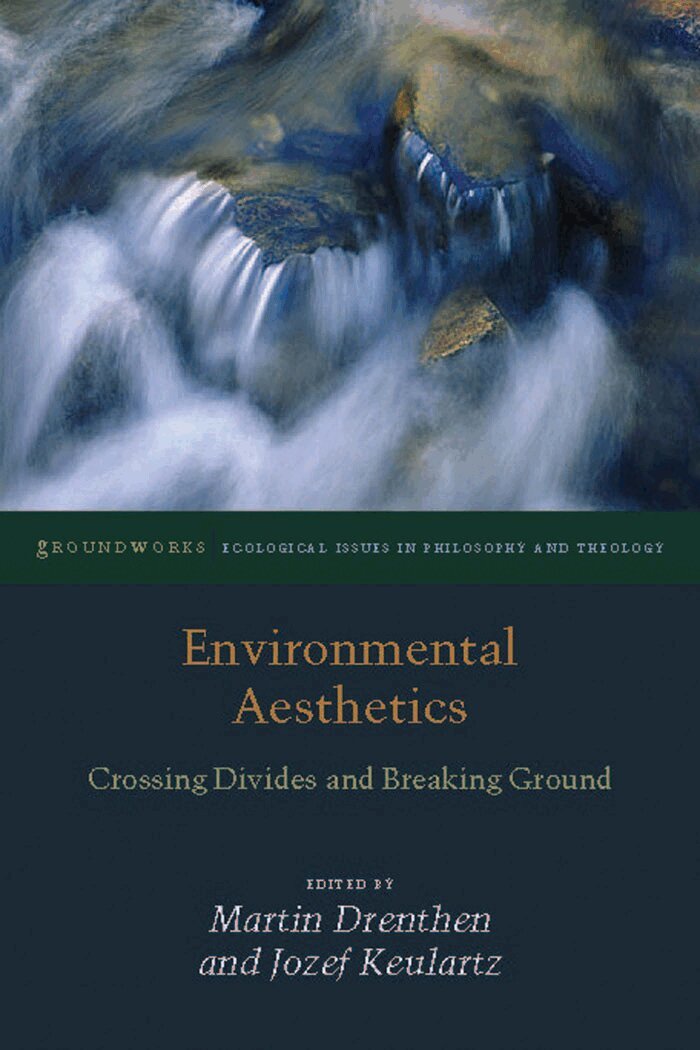
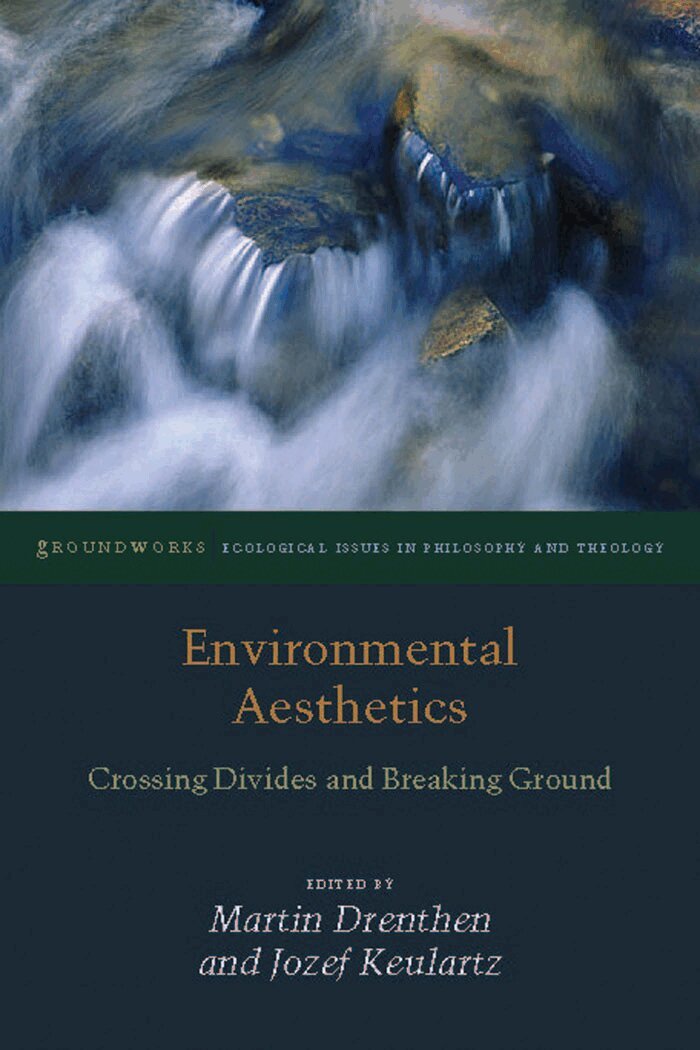
Environmental aesthetics crosses several commonly recognized divides: between analytic and continental philosophy, Eastern and Western traditions, universalizing and historicizing approaches, and theoretical and practical concerns. This volume sets out to show how these,perspectives can be brought into conversation with one another.The first part surveys the development of the field and discusses some important future directions. The second part explains how widening the scope of environmental aesthetics demands a continual rethinking of the relationship between aesthetics and other fields. How does environmental aesthetics relate to ethics? Does aesthetic appreciation of the environment entail an attitude of respect? What is the relationship between the theory and practice? The third part is devoted to the relationship between the aesthetics of nature and the aesthetics of art. Can art help "save the Earth"? The final part illustrates the emergence of practical applications from theoretical studies by focusing on concrete case studies.
Inbunden, Engelska, 2013
1 289 kr
Skickas inom 10-15 vardagar
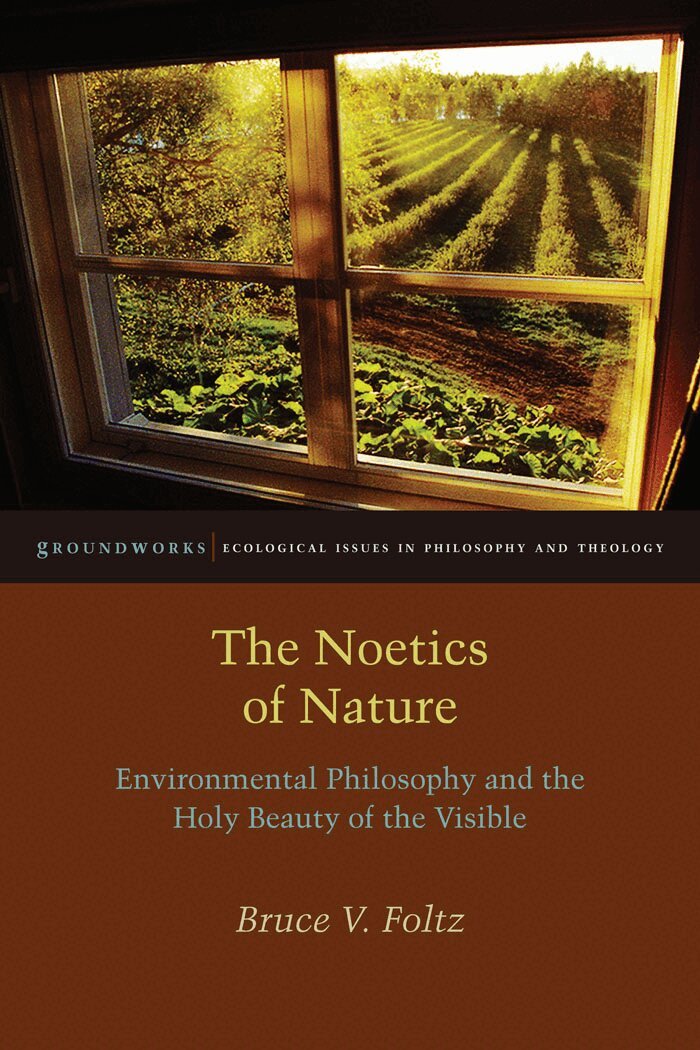
Contemplative or "noetic" knowledge has traditionally been seen as the highest mode of understanding, a view that persists both in many non-Western cultures and in Eastern Christianity, where "theoria physike," or the illumined understanding of creation that follows the purification of the heart, is seen to provide deeper insights into nature than the discursive rationality modernity has used to dominate and conquer it.Working from texts in Eastern Orthodox philosophy and theology not widely known in the West, as well as a variety of sources including mystics such as the Sufi Ibn 'Arabi, poets such as Basho, Traherne, Blake, Hölderlin, and Hopkins, and nature writers such as Muir, Thoreau, and Dillard, The Noetics of Nature challenges both the primacy of the natural sciences in environmental thought and the conventional view, first advanced by Lynn White, Jr., that Christian theology is somehow responsible for the environmental crisis.Instead, Foltz concludes that the ancient Christian view of creation as iconic—its "holy beauty" manifesting the divine energies and constituting a primal mode of divine revelation—offers the best prospect for the radical reversal that is needed in our relation to the natural environment.
Häftad, Engelska, 2013
421 kr
Skickas inom 10-15 vardagar
Contemplative or "noetic" knowledge has traditionally been seen as the highest mode of understanding, a view that persists both in many non-Western cultures and in Eastern Christianity, where "theoria physike," or the illumined understanding of creation that follows the purification of the heart, is seen to provide deeper insights into nature than the discursive rationality modernity has used to dominate and conquer it.Working from texts in Eastern Orthodox philosophy and theology not widely known in the West, as well as a variety of sources including mystics such as the Sufi Ibn 'Arabi, poets such as Basho, Traherne, Blake, Hölderlin, and Hopkins, and nature writers such as Muir, Thoreau, and Dillard, The Noetics of Nature challenges both the primacy of the natural sciences in environmental thought and the conventional view, first advanced by Lynn White, Jr., that Christian theology is somehow responsible for the environmental crisis.Instead, Foltz concludes that the ancient Christian view of creation as iconic—its "holy beauty" manifesting the divine energies and constituting a primal mode of divine revelation—offers the best prospect for the radical reversal that is needed in our relation to the natural environment.
Häftad, Engelska, 2013
379 kr
Skickas inom 10-15 vardagar
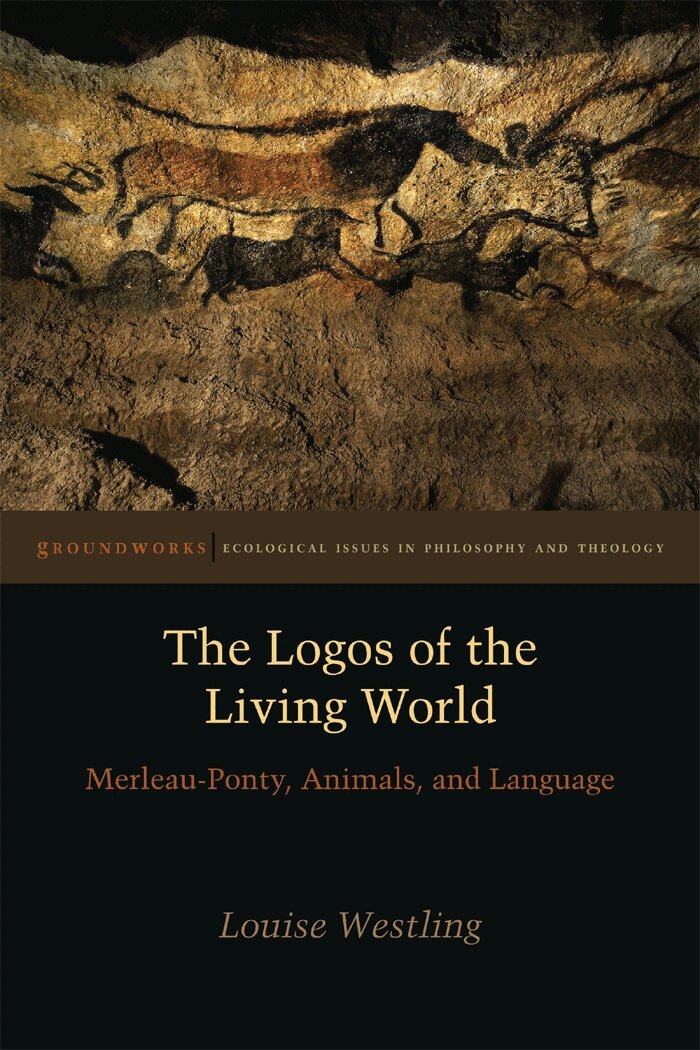
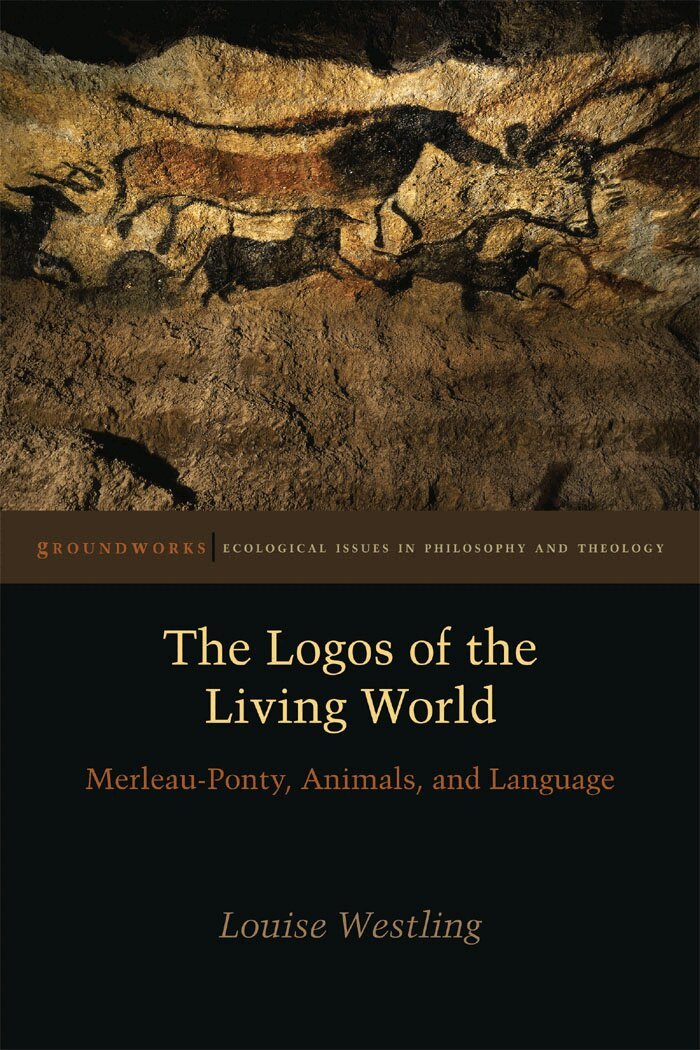
Today we urgently need to reevaluate the human place in the world in relation to other animals. This book puts Maurice Merleau-Ponty's philosophy into dialogue with literature, evolutionary biology, and animal studies. In a radical departure from most critical animal studies, it argues for evolutionary continuity between human cultural and linguistic behaviors and the semiotic activities of other animals.In his late work, Derrida complained of philosophers who denied that animals possessed such faculties, but he never investigated the wealth of scientific studies of actual animal behavior. Most animal studies theorists still fail to do this. Yet more than fifty years ago, Merleau-Ponty carefully examined the philosophical consequences of scientific animal studies, with profound implications for human language and culture. For him, "animality is the logos of the sensible world: an incorporated meaning." Human being is inseparable from animality.This book differs from other studies of Merleau-Ponty by emphasizing his lifelong attention to science. It shows how his attention to evolutionary biology and ethology anticipated recent studies of animal cognition, culture, and communication.
Inbunden, Engelska, 2015
1 041 kr
Skickas inom 10-15 vardagar
What is the proper relationship between human beings and the more-than-human world? This philosophical question, which underlies vast environmental crises, forces us to investigate the tension between our extraordinary powers, which seem to set us apart from nature, even above it, and our thoroughgoing ordinariness, as revealed by the evolutionary history we share with all life.The contributors to this volume ask us to consider whether the anxiety of unheimlichkeit, which in one form or another absorbed so much of twentieth-century philosophy, might reveal not our homelessness in the cosmos but a need for a fundamental belongingness and implacement in it.
Häftad, Engelska, 2015
342 kr
Skickas inom 11-20 vardagar
What is the proper relationship between human beings and the more-than-human world? This philosophical question, which underlies vast environmental crises, forces us to investigate the tension between our extraordinary powers, which seem to set us apart from nature, even above it, and our thoroughgoing ordinariness, as revealed by the evolutionary history we share with all life.The contributors to this volume ask us to consider whether the anxiety of unheimlichkeit, which in one form or another absorbed so much of twentieth-century philosophy, might reveal not our homelessness in the cosmos but a need for a fundamental belongingness and implacement in it.
Inbunden, Engelska, 2017
1 448 kr
Skickas inom 5-8 vardagar
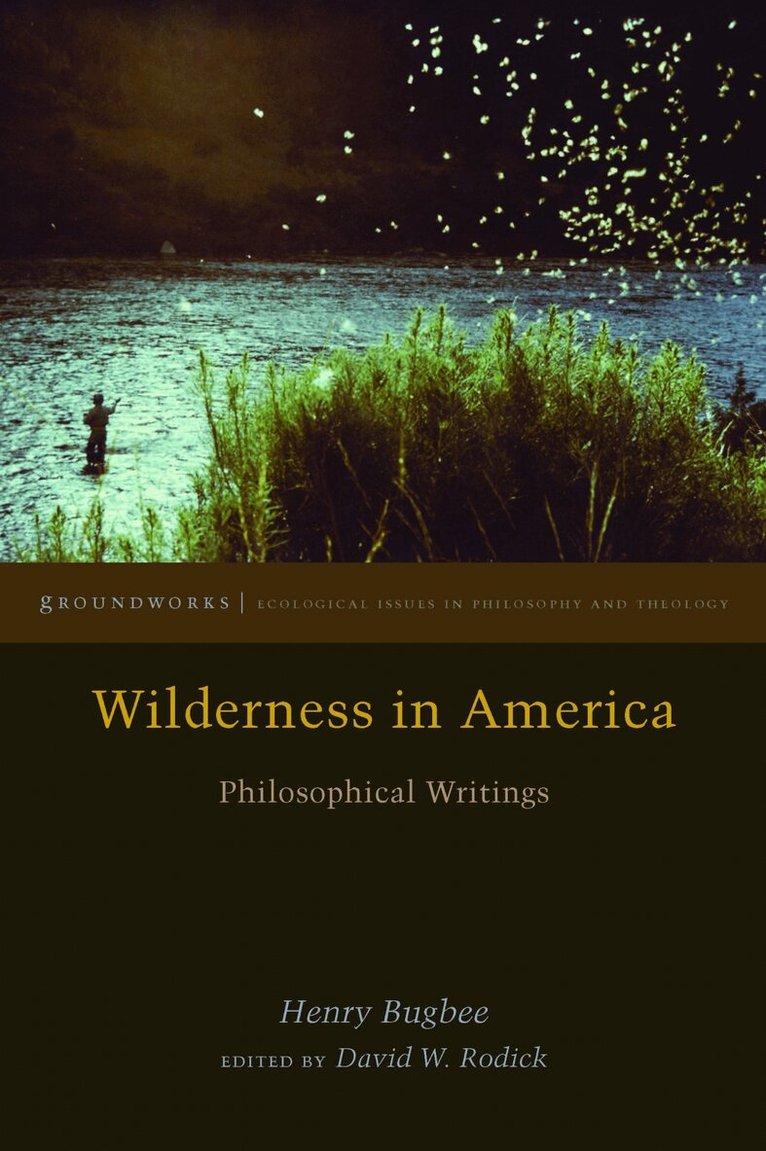
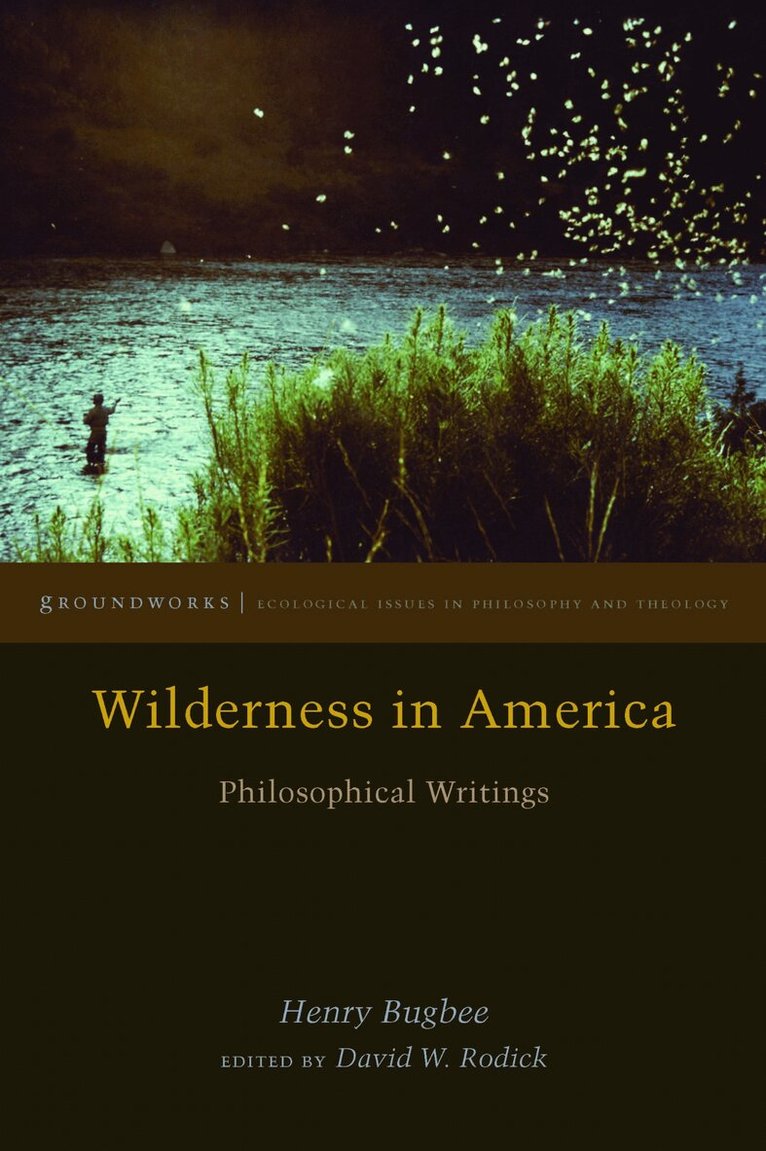
The philosophy of Henry Bugbee defies traditional academic categorization. Though inspired by Heidegger and American Transcendentalism, he was also admired by the famous analytic philosopher Willard van Orman Quine, who described him as the ultimate exemplar of the examined life. Bugbee's writings are remarkably different in form and register from anything written in twentieth-century American Philosophy. The beautifully written essays collected here show Bugbee's continuing commitment that "anyone who throws his entire personality into his work must to some extent adopt an aesthetic attitude and medium." Together, the book reintroduces a major thinker of nature, an environmental philosopher avant la lettre who has much to contribute to American and continental thought.
Häftad, Engelska, 2017
415 kr
Skickas inom 5-8 vardagar
The philosophy of Henry Bugbee defies traditional academic categorization. Though inspired by Heidegger and American Transcendentalism, he was also admired by the famous analytic philosopher Willard van Orman Quine, who described him as the ultimate exemplar of the examined life. Bugbee's writings are remarkably different in form and register from anything written in twentieth-century American Philosophy. The beautifully written essays collected here show Bugbee's continuing commitment that "anyone who throws his entire personality into his work must to some extent adopt an aesthetic attitude and medium." Together, the book reintroduces a major thinker of nature, an environmental philosopher avant la lettre who has much to contribute to American and continental thought.
Inbunden, Engelska, 2018
1 661 kr
Skickas inom 10-15 vardagar
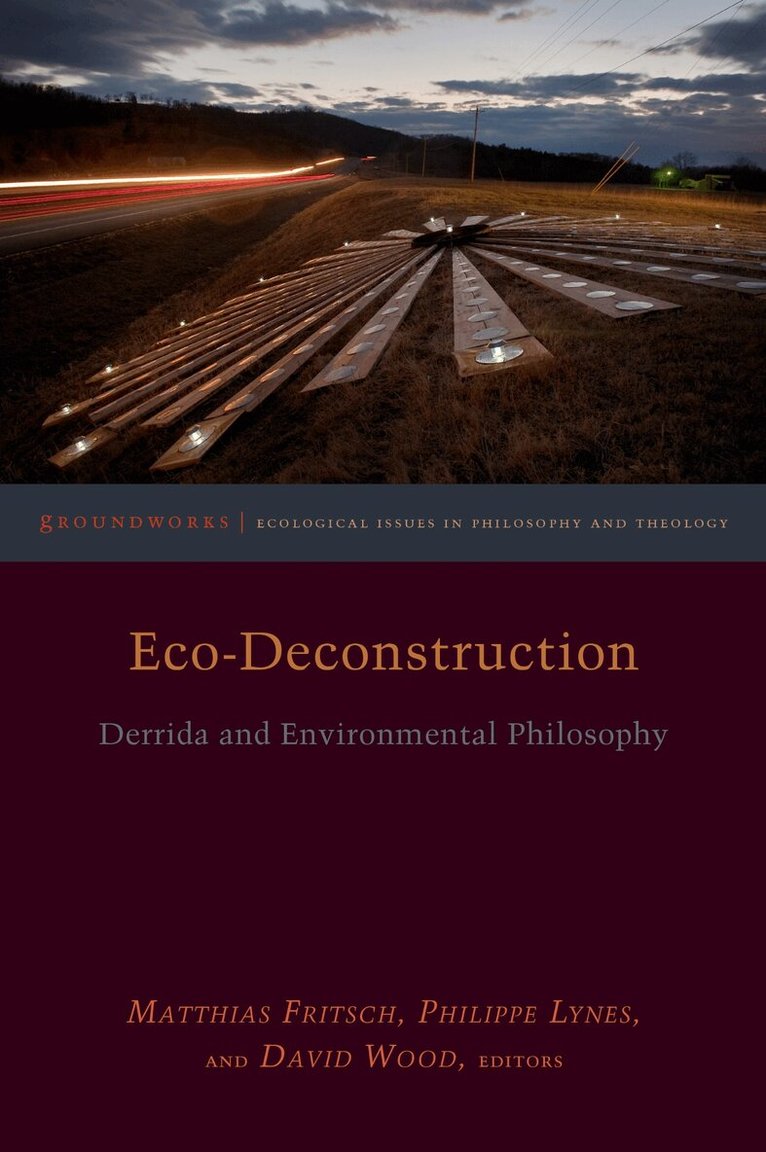
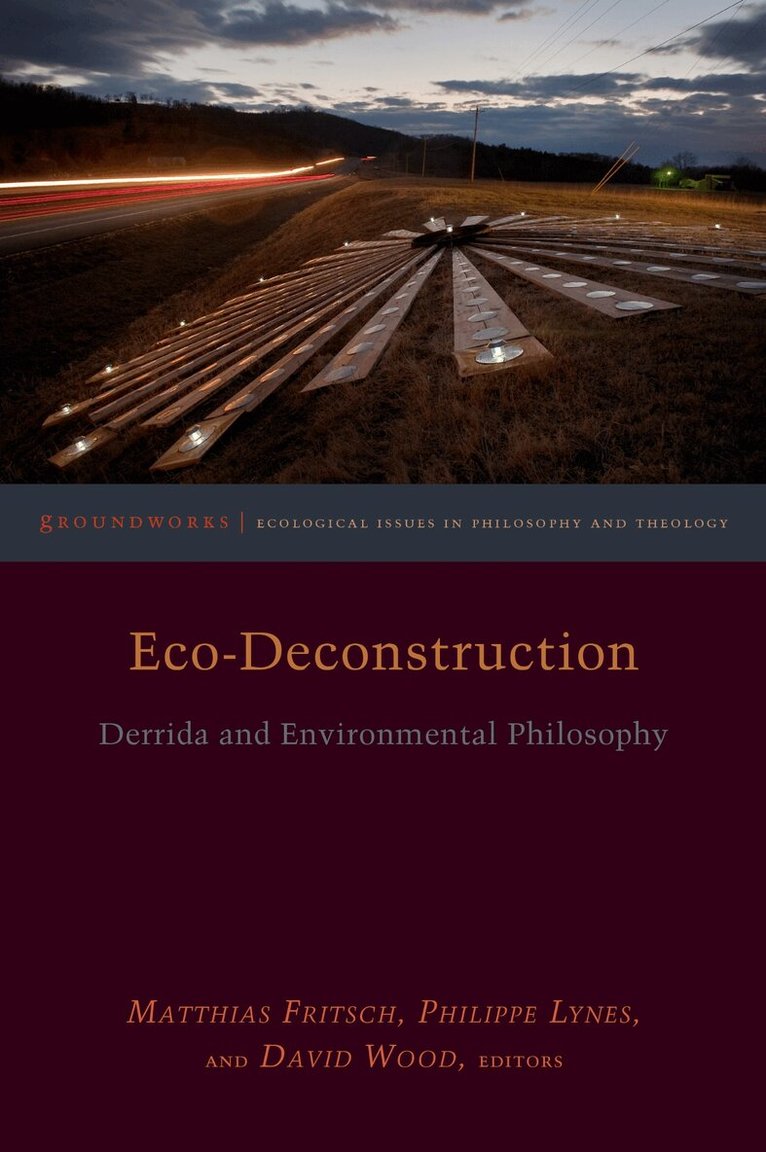
Eco-Deconstruction marks a new approach to the degradation of the natural environment, including habitat loss, species extinction, and climate change. While the work of French philosopher Jacques Derrida (1930–2004), with its relentless interrogation of the anthropocentric metaphysics of presence, has already proven highly influential in posthumanism and animal studies, the present volume, drawing on published and unpublished work by Derrida and others, builds on these insights to address the most pressing environmental issues of our time.The volume brings together fifteen prominent scholars, from a wide variety of related fields, including eco-phenomenology, eco-hermeneutics, new materialism, posthumanism, animal studies, vegetal philosophy, science and technology studies, environmental humanities, eco-criticism, earth art and aesthetics, and analytic environmental ethics. Overall, eco-deconstruction offers an account of differential relationality explored in a non-totalizable ecological context that addresses our times in both an ontological and a normative register.The book is divided into four sections. "Diagnosing the Present" suggests that our times are marked by a facile, flattened-out understanding of time and thus in need of deconstructive dispositions. "Ecologies" mobilizes the spectral ontology of deconstruction to argue for an originary environmentality, the constitutive ecological embeddedness of mortal life. "Nuclear and Other Biodegradabilities," examines remains, including such by-products and disintegrations of human culture as nuclear waste, environmental destruction, and species extinctions. "Environmental Ethics" seeks to uncover a demand for justice, including human responsibility for suffering beings, that emerges precisely as a response to original differentiation and the mortality and unmasterable alterity it installs in living beings. As such, the book will resonate with readers not only of philosophy, but across the humanities and the social and natural sciences.
Häftad, Engelska, 2018
379 kr
Skickas
Eco-Deconstruction marks a new approach to the degradation of the natural environment, including habitat loss, species extinction, and climate change. While the work of French philosopher Jacques Derrida (1930–2004), with its relentless interrogation of the anthropocentric metaphysics of presence, has already proven highly influential in posthumanism and animal studies, the present volume, drawing on published and unpublished work by Derrida and others, builds on these insights to address the most pressing environmental issues of our time.The volume brings together fifteen prominent scholars, from a wide variety of related fields, including eco-phenomenology, eco-hermeneutics, new materialism, posthumanism, animal studies, vegetal philosophy, science and technology studies, environmental humanities, eco-criticism, earth art and aesthetics, and analytic environmental ethics. Overall, eco-deconstruction offers an account of differential relationality explored in a non-totalizable ecological context that addresses our times in both an ontological and a normative register.The book is divided into four sections. "Diagnosing the Present" suggests that our times are marked by a facile, flattened-out understanding of time and thus in need of deconstructive dispositions. "Ecologies" mobilizes the spectral ontology of deconstruction to argue for an originary environmentality, the constitutive ecological embeddedness of mortal life. "Nuclear and Other Biodegradabilities," examines remains, including such by-products and disintegrations of human culture as nuclear waste, environmental destruction, and species extinctions. "Environmental Ethics" seeks to uncover a demand for justice, including human responsibility for suffering beings, that emerges precisely as a response to original differentiation and the mortality and unmasterable alterity it installs in living beings. As such, the book will resonate with readers not only of philosophy, but across the humanities and the social and natural sciences.
Inbunden, Engelska, 2018
1 468 kr
Skickas inom 10-15 vardagar
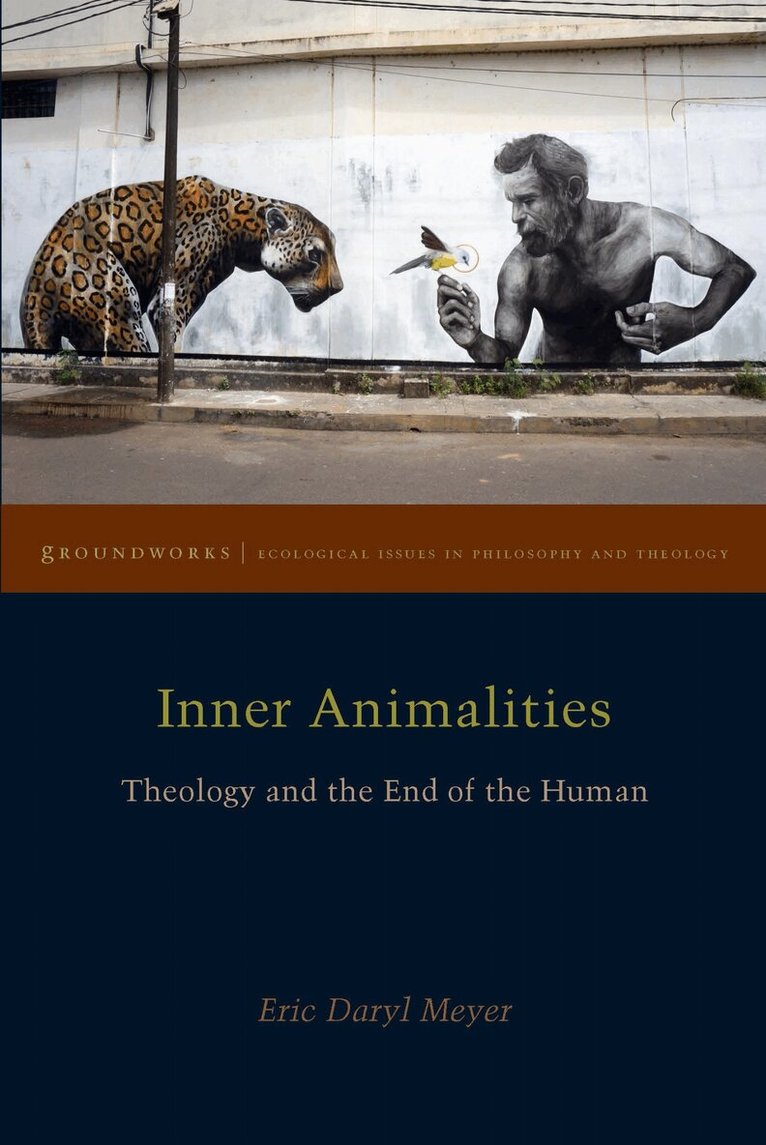
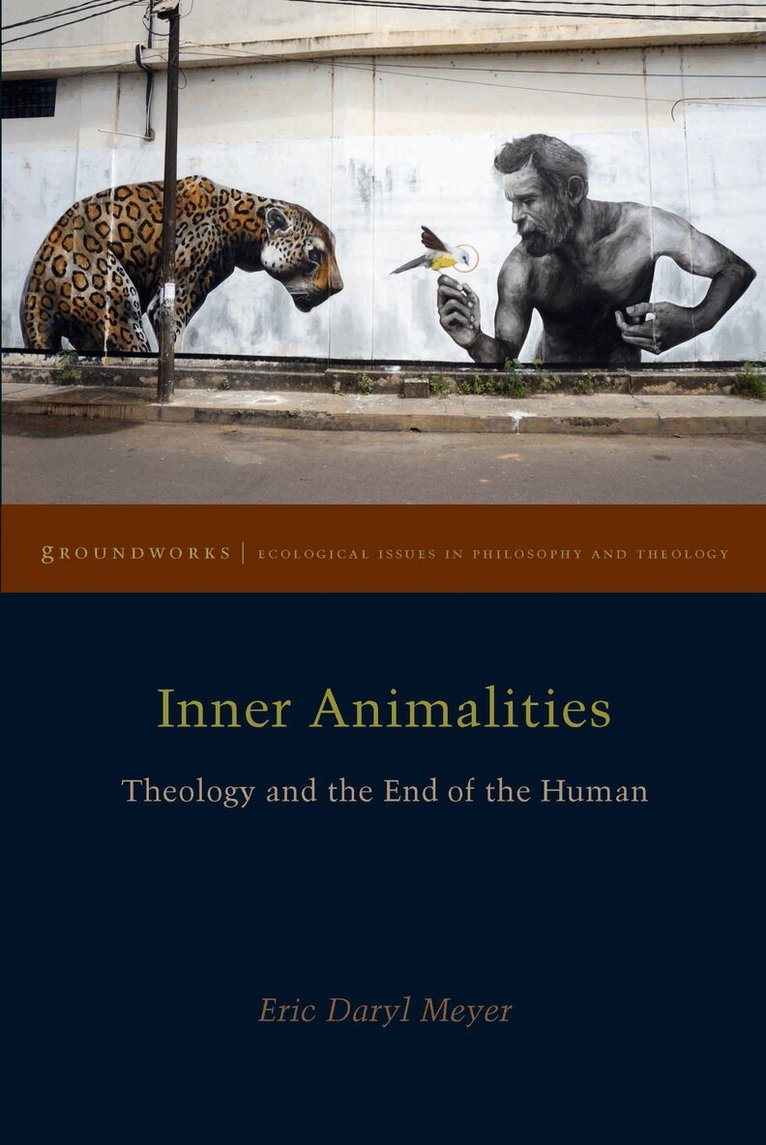
Most theology proceeds under the assumption that divine grace works on human beings at the points of our supposed uniqueness among earth's creatures—our freedom, our self-awareness, our language, or our rationality. Inner Animalities turns this assumption on its head. Arguing that much theological anthropology contains a deeply anti-ecological impulse, the book draws creatively on historical and scriptural texts to imagine an account of human life centered in our creaturely commonality.The tendency to deny our own human animality leaves our self-understanding riven with contradictions, disavowals, and repressions. How are human relationships transformed when God draws us into communion through our instincts, our desires, and our bodily needs? Meyer argues that humanity's exceptional status is not the result of divine endorsement, but a delusion of human sin. Where the work of God knits human beings back into creaturely connections, ecological degradation is no longer just a matter of bodily life and death, but a matter of ultimate significance.Bringing a theological perspective to the growing field of Critical Animal Studies, Inner Animalities puts Gregory of Nyssa and Karl Rahner in conversation with Jacques Derrida, Giorgio Agamben, Kelly Oliver, and Cary Wolfe. What results is not only a counterintuitive account of human life in relation with nonhuman neighbors, but also a new angle into ecological theology.
Häftad, Engelska, 2018
421 kr
Skickas inom 10-15 vardagar
Most theology proceeds under the assumption that divine grace works on human beings at the points of our supposed uniqueness among earth's creatures—our freedom, our self-awareness, our language, or our rationality. Inner Animalities turns this assumption on its head. Arguing that much theological anthropology contains a deeply anti-ecological impulse, the book draws creatively on historical and scriptural texts to imagine an account of human life centered in our creaturely commonality.The tendency to deny our own human animality leaves our self-understanding riven with contradictions, disavowals, and repressions. How are human relationships transformed when God draws us into communion through our instincts, our desires, and our bodily needs? Meyer argues that humanity's exceptional status is not the result of divine endorsement, but a delusion of human sin. Where the work of God knits human beings back into creaturely connections, ecological degradation is no longer just a matter of bodily life and death, but a matter of ultimate significance.Bringing a theological perspective to the growing field of Critical Animal Studies, Inner Animalities puts Gregory of Nyssa and Karl Rahner in conversation with Jacques Derrida, Giorgio Agamben, Kelly Oliver, and Cary Wolfe. What results is not only a counterintuitive account of human life in relation with nonhuman neighbors, but also a new angle into ecological theology.
Häftad, Engelska, 2018
347 kr
Skickas inom 5-8 vardagar
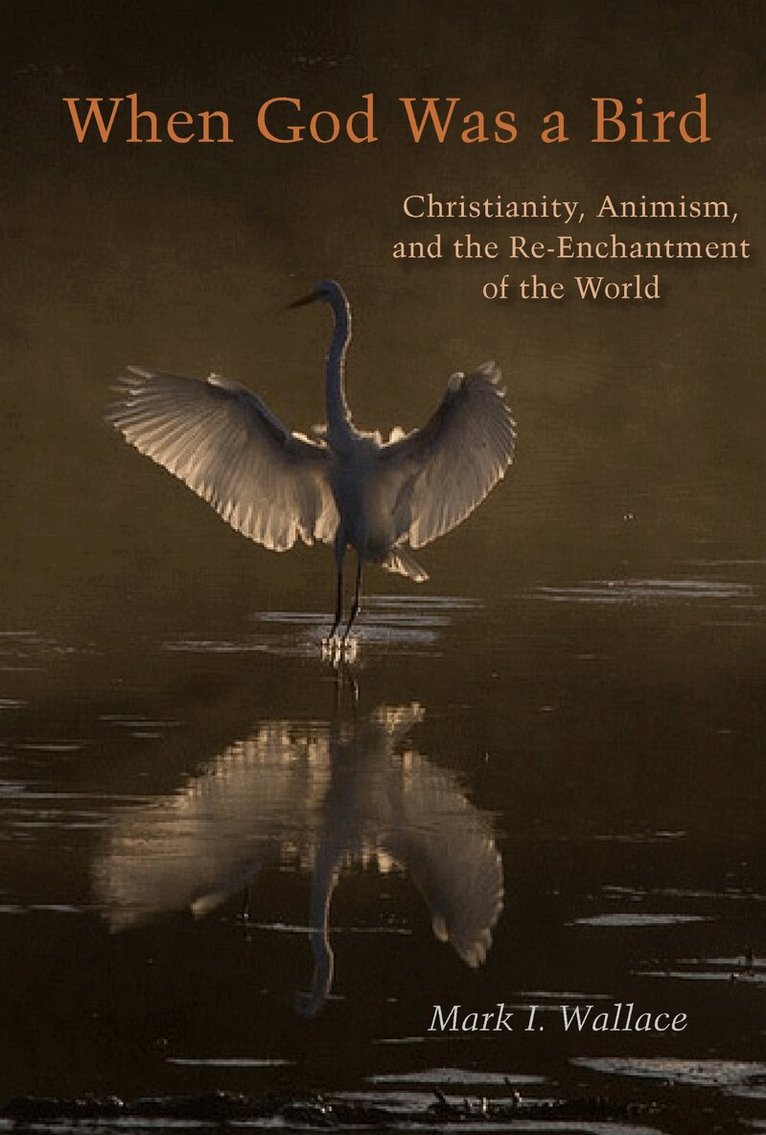
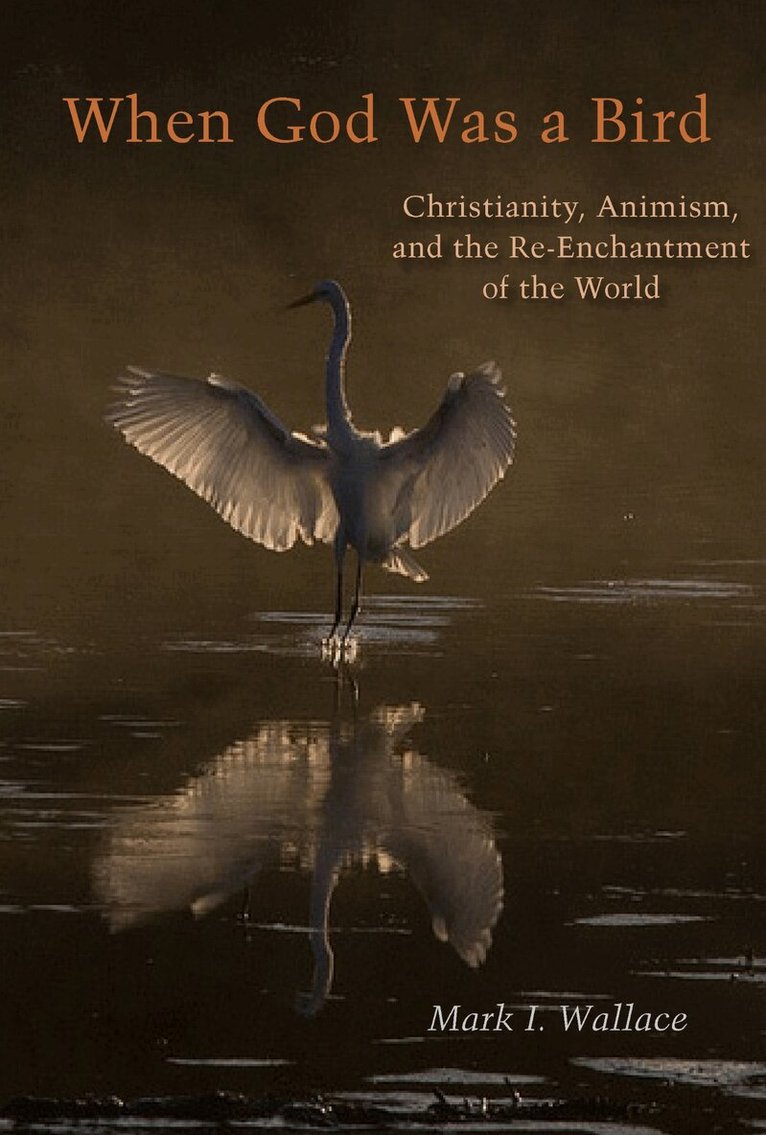
2019 NAUTILUS GOLD WINNERIn a time of rapid climate change and species extinction, what role have the world's religions played in ameliorating—or causing—the crisis we now face? Religion in general, and Christianity in particular, appears to bear a disproportionate burden for creating humankind's exploitative attitudes toward nature through unearthly theologies that divorce human beings and their spiritual yearnings from their natural origins. In this regard, Christianity has become an otherworldly religion that views the natural world as "fallen," as empty of signs of God's presence.And yet, buried deep within the Christian tradition are startling portrayals of God as the beaked and feathered Holy Spirit – the "animal God," as it were, of historic Christian witness. Through biblical readings, historical theology, continental philosophy, and personal stories of sacred nature, this book recovers the model of God in Christianity as a creaturely, avian being who signals the presence of spirit in everything, human and more-than-human alike. Mark Wallace's recovery of the bird-God of the Bible signals a deep grounding of faith in the natural world. The moral implications of nature-based Christianity are profound. All life is deserving of humans' care and protection insofar as the world is envisioned as alive with sacred animals, plants, and landscapes. From the perspective of Christian animism, the Earth is the holy place that God made and that humankind is enjoined to watch over and cherish in like manner. Saving the environment, then, is not a political issue on the left or the right of the ideological spectrum, but, rather, an innermost passion shared by all people of faith and good will in a world damaged by anthropogenic warming, massive species extinction, and the loss of arable land, potable water, and breathable air. To Wallace, this passion is inviolable and flows directly from the heart of Christian teaching that God is a carnal, fleshy reality who is promiscuously incarnated within all things, making the whole world a sacred embodiment of God's presence, and worthy of our affectionate concern. This beautifully and accessibly written book shows that "Christian animism" is not a strange oxymoron, but Christianity's natural habitat. Challenging traditional Christianity's self-definition as an other-worldly religion, Wallace paves the way for a new Earth-loving spirituality grounded in the ancient image of an animal God.
Inbunden, Engelska, 2018
1 289 kr
Skickas inom 10-15 vardagar
2019 NAUTILUS GOLD WINNERIn a time of rapid climate change and species extinction, what role have the world's religions played in ameliorating—or causing—the crisis we now face? Religion in general, and Christianity in particular, appears to bear a disproportionate burden for creating humankind's exploitative attitudes toward nature through unearthly theologies that divorce human beings and their spiritual yearnings from their natural origins. In this regard, Christianity has become an otherworldly religion that views the natural world as "fallen," as empty of signs of God's presence.And yet, buried deep within the Christian tradition are startling portrayals of God as the beaked and feathered Holy Spirit – the "animal God," as it were, of historic Christian witness. Through biblical readings, historical theology, continental philosophy, and personal stories of sacred nature, this book recovers the model of God in Christianity as a creaturely, avian being who signals the presence of spirit in everything, human and more-than-human alike. Mark Wallace's recovery of the bird-God of the Bible signals a deep grounding of faith in the natural world. The moral implications of nature-based Christianity are profound. All life is deserving of humans' care and protection insofar as the world is envisioned as alive with sacred animals, plants, and landscapes. From the perspective of Christian animism, the Earth is the holy place that God made and that humankind is enjoined to watch over and cherish in like manner. Saving the environment, then, is not a political issue on the left or the right of the ideological spectrum, but, rather, an innermost passion shared by all people of faith and good will in a world damaged by anthropogenic warming, massive species extinction, and the loss of arable land, potable water, and breathable air. To Wallace, this passion is inviolable and flows directly from the heart of Christian teaching that God is a carnal, fleshy reality who is promiscuously incarnated within all things, making the whole world a sacred embodiment of God's presence, and worthy of our affectionate concern. This beautifully and accessibly written book shows that "Christian animism" is not a strange oxymoron, but Christianity's natural habitat. Challenging traditional Christianity's self-definition as an other-worldly religion, Wallace paves the way for a new Earth-loving spirituality grounded in the ancient image of an animal God.
Häftad, Engelska, 2019
360 kr
Skickas inom 5-8 vardagar
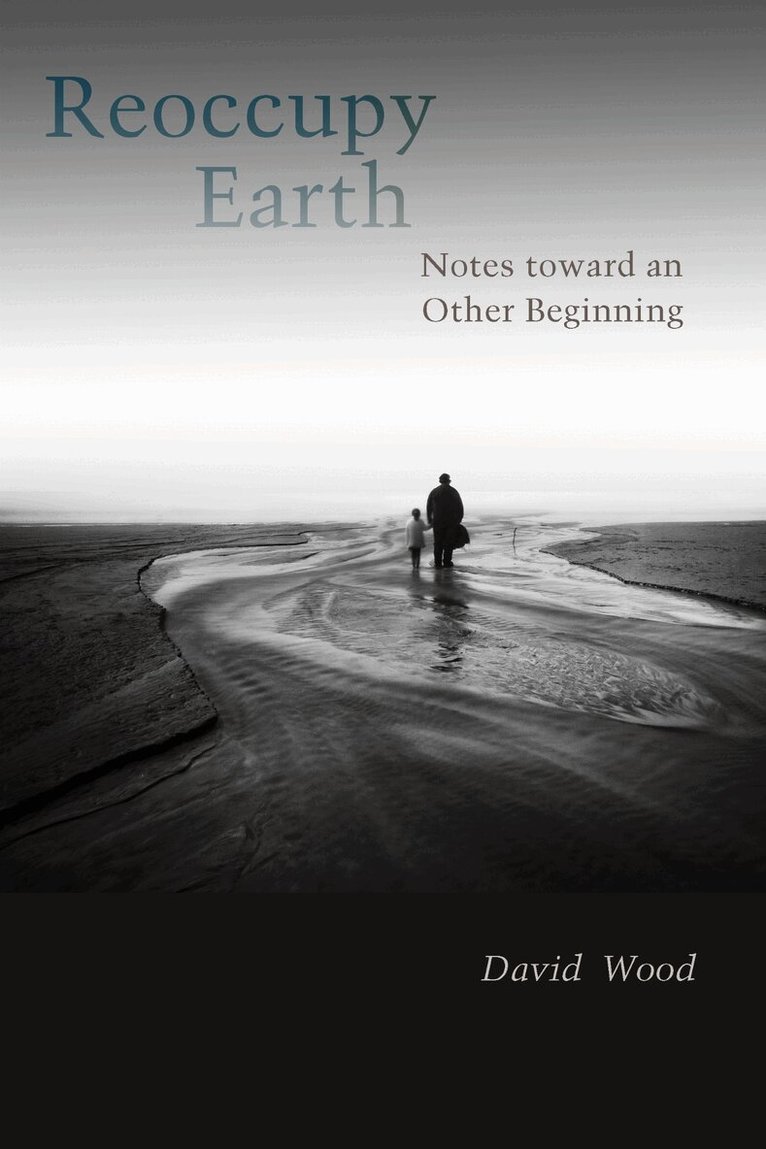
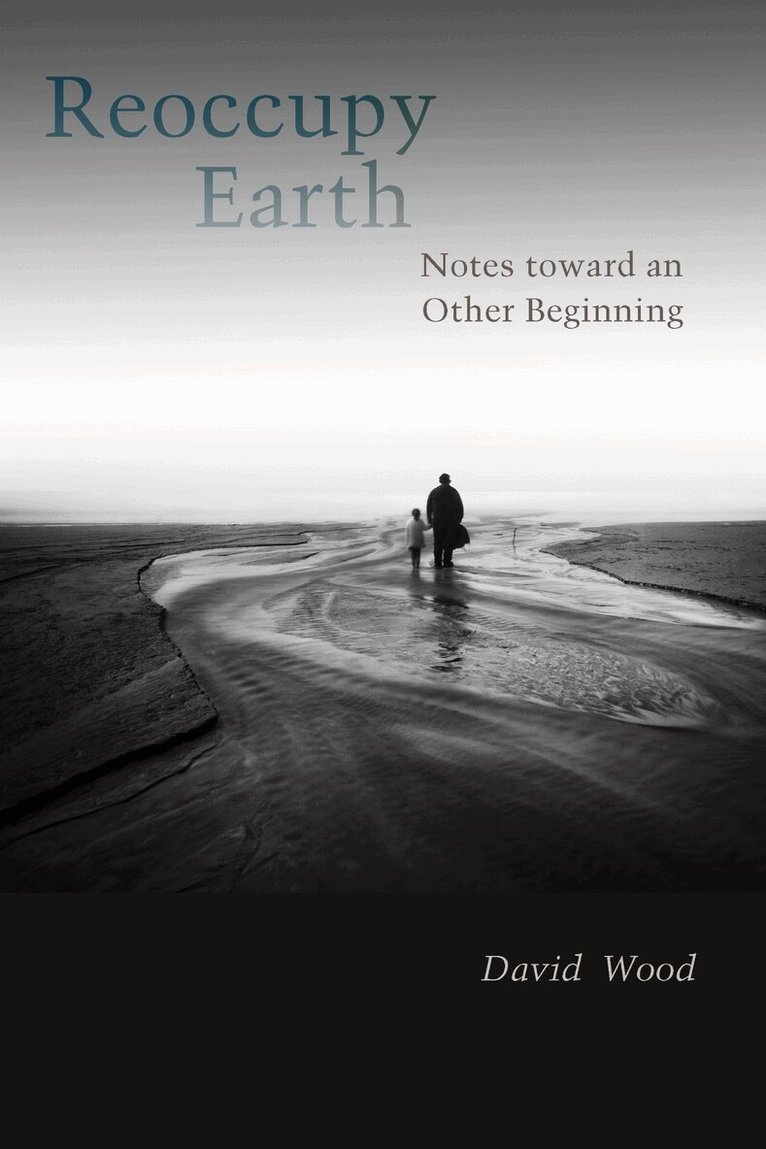
Habit rules our lives. And yet climate change and the catastrophic future it portends, makes it clear that we cannot go on like this. Our habits are integral to narratives of the good life, to social norms and expectations, as well as to economic reality. Such shared shapes are vital. Yet while many of our individual habits seem perfectly reasonable, when aggregated together they spell disaster. Beyond consumerism, other forms of life and patterns of dwelling are clearly possible. But how can we get there from here? Who precisely is the 'we' that our habits have created, and who else might we be? Philosophy is about emancipation—from illusions, myths, and oppression. In Reoccupy Earth, the noted philosopher David Wood shows how an approach to philosophy attuned to our ecological existence can suspend the taken-for-granted and open up alternative forms of earthly dwelling. Sharing the earth, as we do, raises fundamental questions about space and time, place and history, territory and embodiment—questions that philosophy cannot directly answer but can help us to frame and to work out for ourselves. Deconstruction exposes all manner of exclusion, violence to the other, and silent subordination. Phenomenology and Whitehead's process philosophy offer further resources for an ecological imagination. Bringing an uncommon lucidity, directness, and even practicality to sophisticated philosophical questions, Wood plots experiential pathways that disrupt our habitual existence and challenge our everyday complacency. In walking us through a range of reversals, transformations, and estrangements that thinking ecologically demands of us, Wood shows how living responsibly with the earth means affirming the ways in which we are vulnerable, receptive, and dependent, and the need for solidarity all round.If we take seriously values like truth, justice, and compassion we must be willing to contemplate that the threat we pose to the earth might demand our own species' demise. Yet we have the capacity to live responsibly. In an unfashionable but spirited defense of an enlightened anthropocentrism, Wood argues that to deserve the privileges of Reason we must demonstrably deploy it through collective sustainable agency. Only in this way can we reinhabit the earth.
Inbunden, Engelska, 2019
1 289 kr
Skickas inom 10-15 vardagar
Habit rules our lives. And yet climate change and the catastrophic future it portends, makes it clear that we cannot go on like this. Our habits are integral to narratives of the good life, to social norms and expectations, as well as to economic reality. Such shared shapes are vital. Yet while many of our individual habits seem perfectly reasonable, when aggregated together they spell disaster. Beyond consumerism, other forms of life and patterns of dwelling are clearly possible. But how can we get there from here? Who precisely is the 'we' that our habits have created, and who else might we be? Philosophy is about emancipation—from illusions, myths, and oppression. In Reoccupy Earth, the noted philosopher David Wood shows how an approach to philosophy attuned to our ecological existence can suspend the taken-for-granted and open up alternative forms of earthly dwelling. Sharing the earth, as we do, raises fundamental questions about space and time, place and history, territory and embodiment—questions that philosophy cannot directly answer but can help us to frame and to work out for ourselves. Deconstruction exposes all manner of exclusion, violence to the other, and silent subordination. Phenomenology and Whitehead's process philosophy offer further resources for an ecological imagination. Bringing an uncommon lucidity, directness, and even practicality to sophisticated philosophical questions, Wood plots experiential pathways that disrupt our habitual existence and challenge our everyday complacency. In walking us through a range of reversals, transformations, and estrangements that thinking ecologically demands of us, Wood shows how living responsibly with the earth means affirming the ways in which we are vulnerable, receptive, and dependent, and the need for solidarity all round.If we take seriously values like truth, justice, and compassion we must be willing to contemplate that the threat we pose to the earth might demand our own species' demise. Yet we have the capacity to live responsibly. In an unfashionable but spirited defense of an enlightened anthropocentrism, Wood argues that to deserve the privileges of Reason we must demonstrably deploy it through collective sustainable agency. Only in this way can we reinhabit the earth.
Häftad, Engelska, 2020
379 kr
Skickas inom 10-15 vardagar
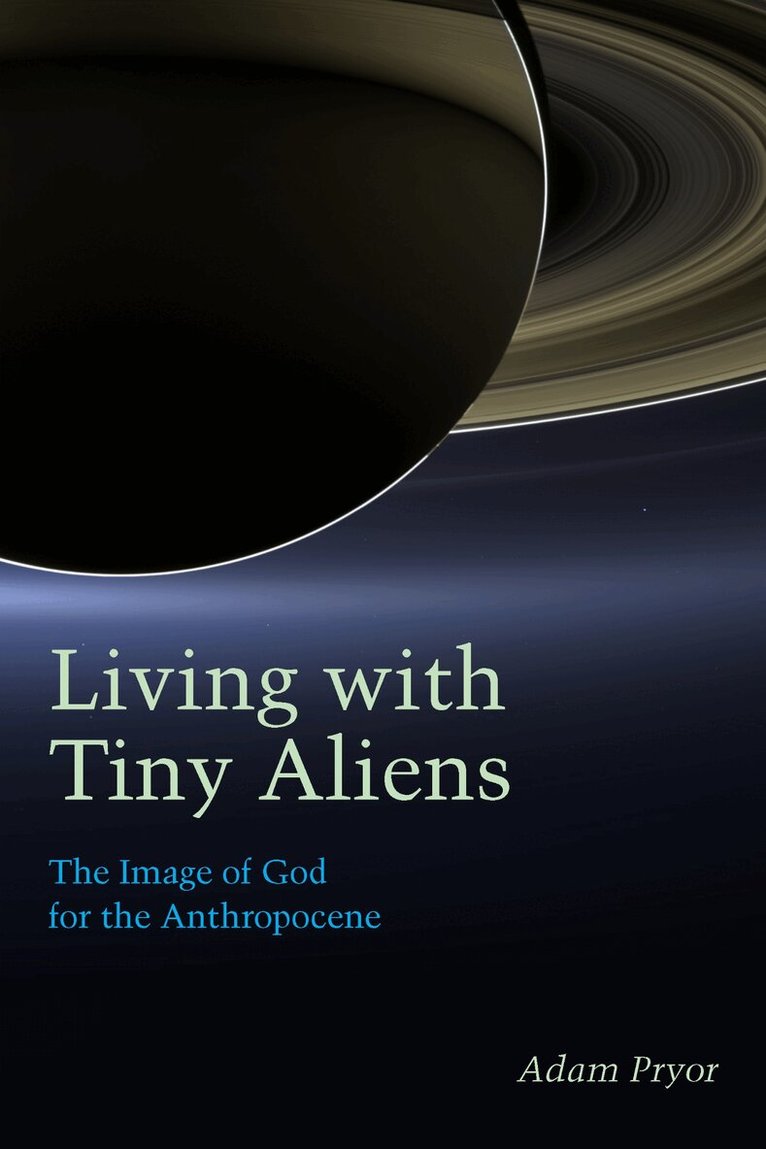
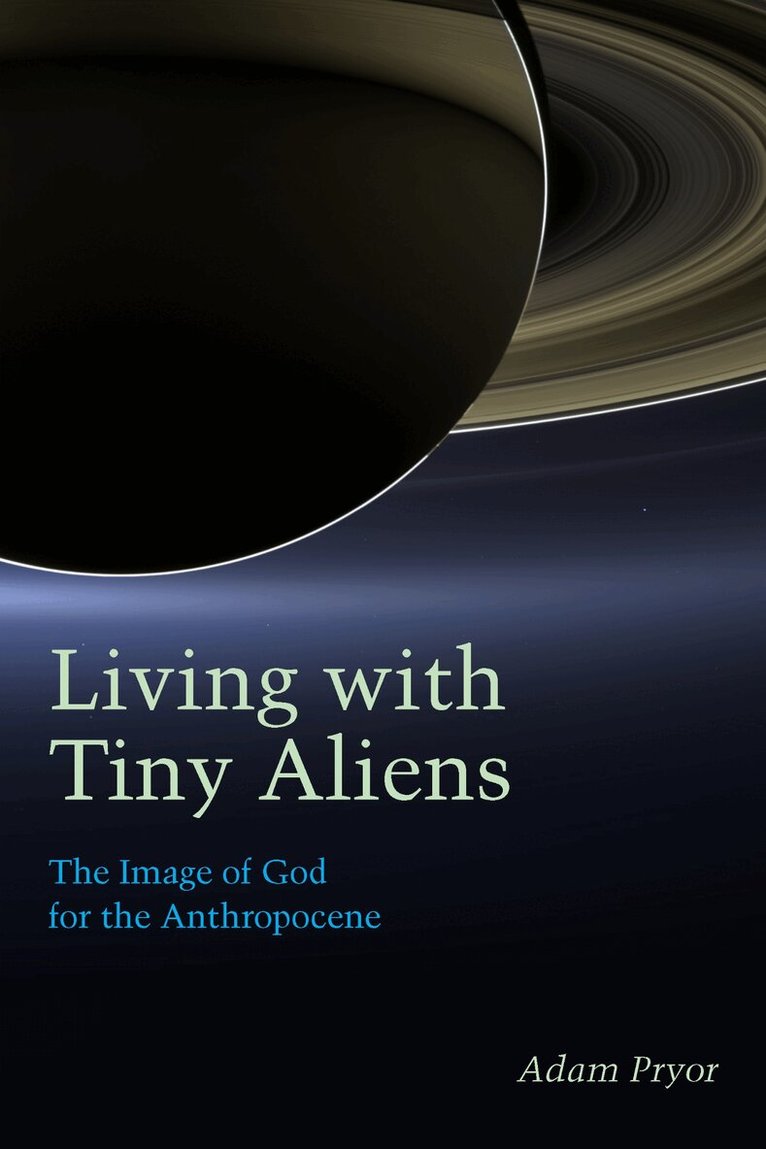
Astrobiology is changing how we understand meaningful human existence. Living with Tiny Aliens seeks to imagine how an individuals' meaningful existence persists when we are planetary creatures situated in deep time—not only on a blue planet burgeoning with life, but in a cosmos pregnant with living-possibilities. In doing so, it works to articulate an astrobiological humanities.Working with a series of specific examples drawn from the study of extraterrestrial life, doctrinal reflection on the imago Dei, and reflections on the Anthropocene, Pryor reframes how human beings meaningfully dwell in the world and belong to it. To take seriously the geological significance of human agency is to understand the Earth as not only a living planet but an artful one. Consequently, Pryor reframes the imago Dei, rendering it a planetary system that opens up new possibilities for the flourishing of all creation by fostering technobiogeochemical cycles not subject to runaway, positive feedback. Such an account ensures the imago Dei is not something any one of us possesses, but that it is a symbol for what we live into together as a species in intra-action with the wider habitable environment.
Inbunden, Engelska, 2020
1 289 kr
Skickas inom 10-15 vardagar
Astrobiology is changing how we understand meaningful human existence. Living with Tiny Aliens seeks to imagine how an individuals' meaningful existence persists when we are planetary creatures situated in deep time—not only on a blue planet burgeoning with life, but in a cosmos pregnant with living-possibilities. In doing so, it works to articulate an astrobiological humanities.Working with a series of specific examples drawn from the study of extraterrestrial life, doctrinal reflection on the imago Dei, and reflections on the Anthropocene, Pryor reframes how human beings meaningfully dwell in the world and belong to it. To take seriously the geological significance of human agency is to understand the Earth as not only a living planet but an artful one. Consequently, Pryor reframes the imago Dei, rendering it a planetary system that opens up new possibilities for the flourishing of all creation by fostering technobiogeochemical cycles not subject to runaway, positive feedback. Such an account ensures the imago Dei is not something any one of us possesses, but that it is a symbol for what we live into together as a species in intra-action with the wider habitable environment.