Science: Philosophy, History and Education – serie
Visar alla böcker i serien Science: Philosophy, History and Education. Handla med fri frakt och snabb leverans.
17 produkter
17 produkter
Häftad, Engelska, 2019
1 080 kr
Skickas inom 10-15 vardagar
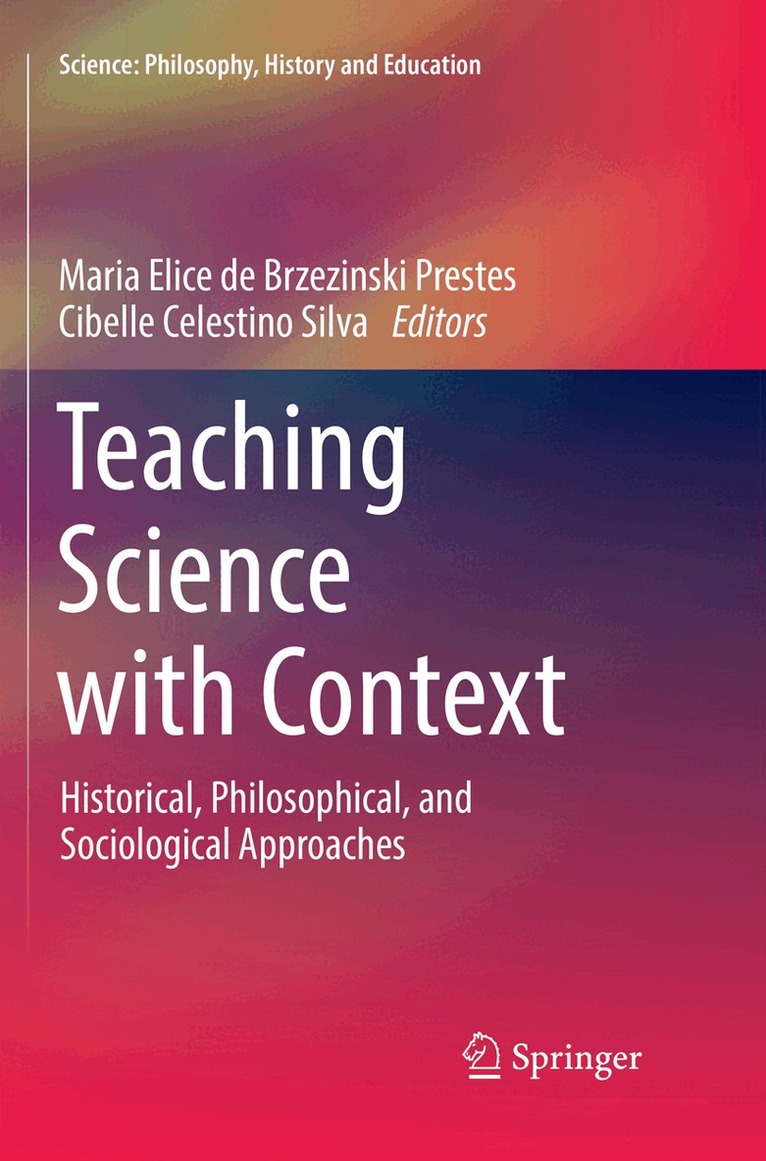
This book offers a comprehensive overview of research at interface between History, Philosophy and Sociology of Science (HPSS) and Science Teaching in Ibero-America. It contributes to research on contextualization of science for students, teachers and researchers, and explains how to use different episodes of history of science or different themes of philosophy of science in regular science classes through diverse pedagogical approaches.The chapters in this book discuss a wide range of topics under different methodological, epistemological and didactic approaches, reflecting the richness of research developed in Spanish and Portuguese speaking countries, Latin America, Spain and Portugal. The book contains chapters about historical events, topics of philosophy and sociology of science, nature of science, applications of HPSS in the classroom, instructional materials for students and teacher training courses and curriculum.
Inbunden, Engelska, 2019
545 kr
Skickas inom 10-15 vardagar
This book synthesizes theoretical perspectives, empirical evidence and practical strategies for improving teacher education in chemistry. Many chemistry lessons involve mindless “cookbook” activities where students and teachers follow recipes, memorise formulae and recall facts without understanding how and why knowledge in chemistry works. Capitalising on traditionally disparate areas of research, the book investigates how to make chemistry education more meaningful for both students and teachers. It provides an example of how theory and practice in chemistry education can be bridged. It reflects on the nature of knowledge in chemistry by referring to theoretical perspectives from philosophy of chemistry. It draws on empirical evidence from research on teacher education, and illustrates concrete strategies and resources that can be used by teacher educators. The book describes the design and implementation of an innovative teacher education project to show the impact of an intervention on pre-service teachers. The book shows how, by making use of visual representations and analogies, the project makes some fairly abstract and complex ideas accessible to pre-service teachers.
Häftad, Engelska, 2020
545 kr
Skickas inom 10-15 vardagar
This book synthesizes theoretical perspectives, empirical evidence and practical strategies for improving teacher education in chemistry. Many chemistry lessons involve mindless “cookbook” activities where students and teachers follow recipes, memorise formulae and recall facts without understanding how and why knowledge in chemistry works.
Inbunden, Engelska, 2019
1 665 kr
Skickas inom 10-15 vardagar
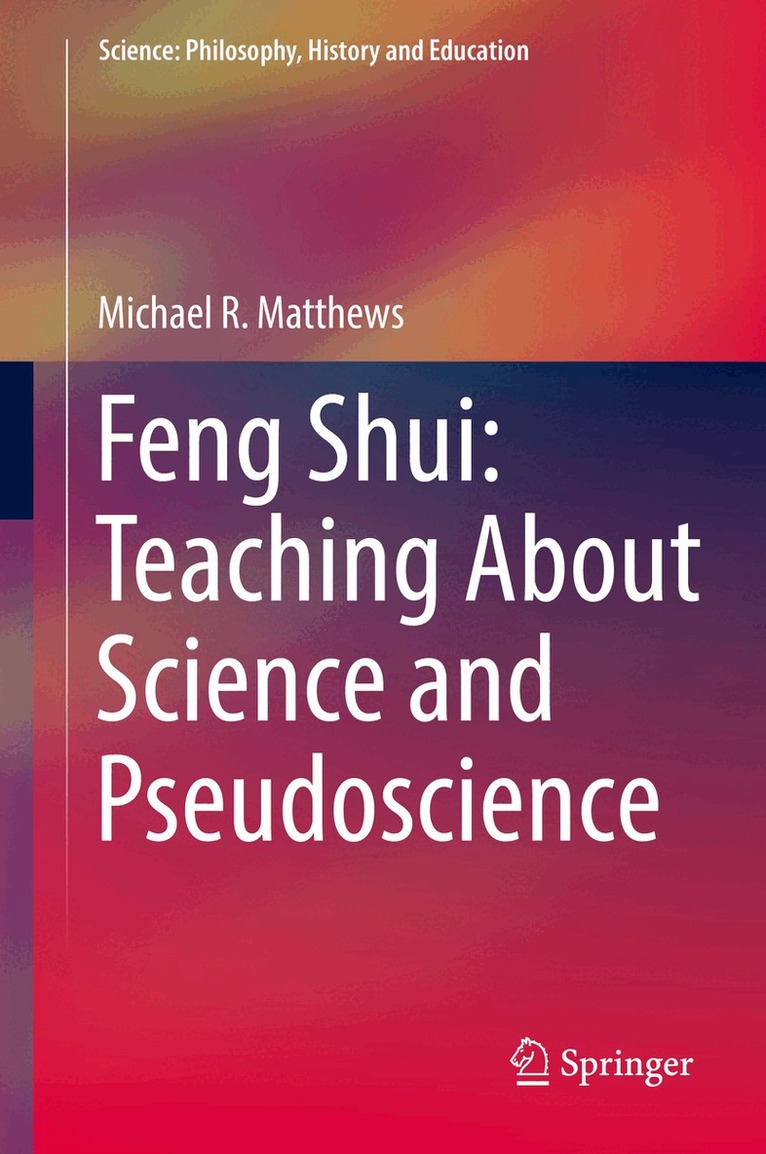
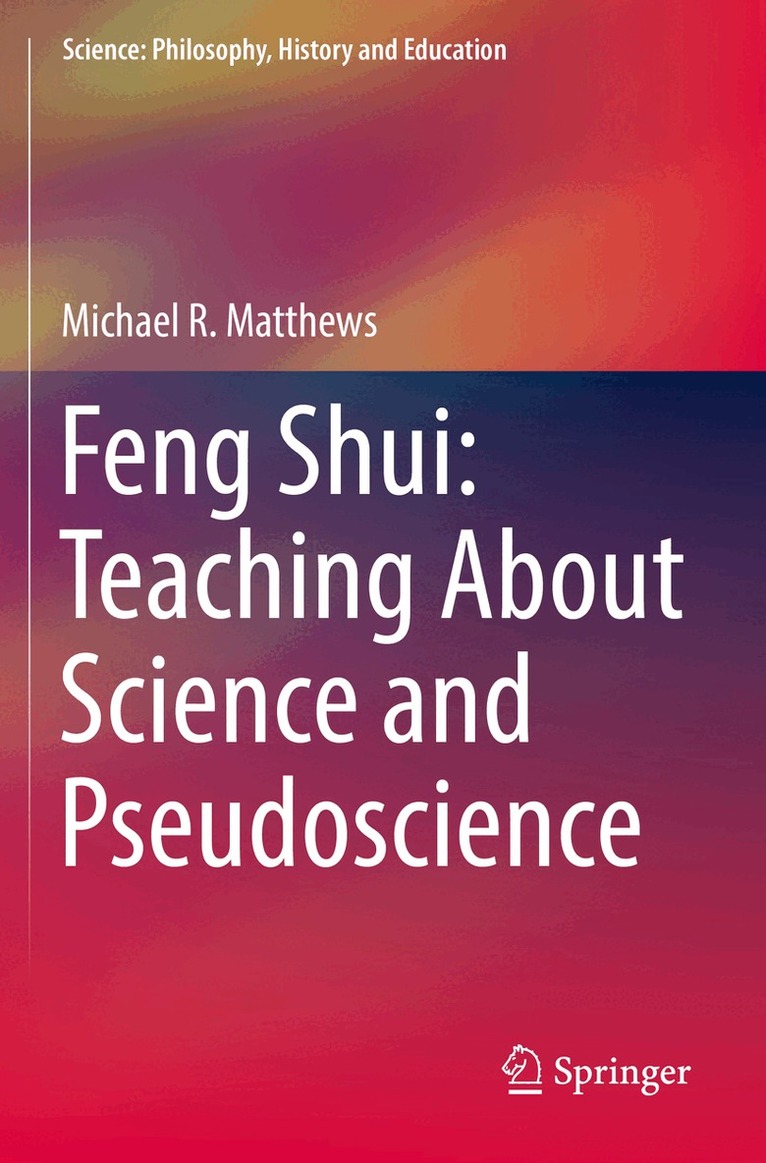
This book provides a richly documented account of the historical, cultural, philosophical and practical dimensions of feng shui. It argues that where feng shui is entrenched educational systems have a responsibility to examine its claims, and that this examination provides opportunities for students to better learn about the key features of the nature of science, the demarcation of science and non-science, the characteristics of pseudoscience, and the engagement of science with culture and worldviews. The arguments presented for feng shui being a pseudoscience can be marshalled when considering a whole range of comparable beliefs and the educational benefit of their appraisal.Feng shui is a deeply-entrenched, three-millennia-old system of Asian beliefs and practices about nature, architecture, health, and divination that has garnered a growing presence outside of Asia. It is part of a comprehensive and ancient worldview built around belief in chi (qi) the putative universal energy or life-force that animates all existence, the cosmos, the solar system, the earth, and human bodies. Harmonious living requires building in accord with local chi streams; good health requires replenishment and manipulation of internal chi flow; and a beneficent afterlife is enhanced when buried in conformity with chi directions. Traditional Chinese Medicine is based on the proper manipulation of internal chi by acupuncture, tai-chi and qigong exercise, and herbal dietary supplements. Matthews has produced another tour de force that will repay close study by students, scientists, and all those concerned to understand science, culture, and the science/culture nexus.Harvey Siegel, Philosophy, University of Miami, USA With great erudition and even greater fluidity of style, Matthews introduces us to this now-world-wide belief system.Michael Ruse, Philosophy, Florida State University, USA The book is one of the best research works published on Feng Shui. Wang Youjun, Philosophy, Shanghai Normal University, China The history is fascinating. The analysis makes an important contribution to science literature.James Alcock, Psychology, York University, Canada This book provides an in-depth study of Feng Shui in different periods, considering its philosophical, historical and educational dimensions; especially from a perspective of the ‘demarcation problem’ between science and pseudoscience. Yao Dazhi, Chinese Academy of Sciences, China
Häftad, Engelska, 2020
1 665 kr
Skickas inom 10-15 vardagar
This book provides a richly documented account of the historical, cultural, philosophical and practical dimensions of feng shui. It argues that where feng shui is entrenched educational systems have a responsibility to examine its claims, and that this examination provides opportunities for students to better learn about the key features of the nature of science, the demarcation of science and non-science, the characteristics of pseudoscience, and the engagement of science with culture and worldviews. The arguments presented for feng shui being a pseudoscience can be marshalled when considering a whole range of comparable beliefs and the educational benefit of their appraisal.Feng shui is a deeply-entrenched, three-millennia-old system of Asian beliefs and practices about nature, architecture, health, and divination that has garnered a growing presence outside of Asia. It is part of a comprehensive and ancient worldview built around belief in chi (qi) the putative universal energy or life-force that animates all existence, the cosmos, the solar system, the earth, and human bodies. Harmonious living requires building in accord with local chi streams; good health requires replenishment and manipulation of internal chi flow; and a beneficent afterlife is enhanced when buried in conformity with chi directions. Traditional Chinese Medicine is based on the proper manipulation of internal chi by acupuncture, tai-chi and qigong exercise, and herbal dietary supplements. Matthews has produced another tour de force that will repay close study by students, scientists, and all those concerned to understand science, culture, and the science/culture nexus.Harvey Siegel, Philosophy, University of Miami, USA With great erudition and even greater fluidity of style, Matthews introduces us to this now-world-wide belief system.Michael Ruse, Philosophy, Florida State University, USA The book is one of the best research works published on Feng Shui. Wang Youjun, Philosophy, Shanghai Normal University, China The history is fascinating. The analysis makes an important contribution to science literature.James Alcock, Psychology, York University, Canada This book provides an in-depth study of Feng Shui in different periods, considering its philosophical, historical and educational dimensions; especially from a perspective of the ‘demarcation problem’ between science and pseudoscience. Yao Dazhi, Chinese Academy of Sciences, China
Inbunden, Engelska, 2020
1 620 kr
Skickas inom 10-15 vardagar
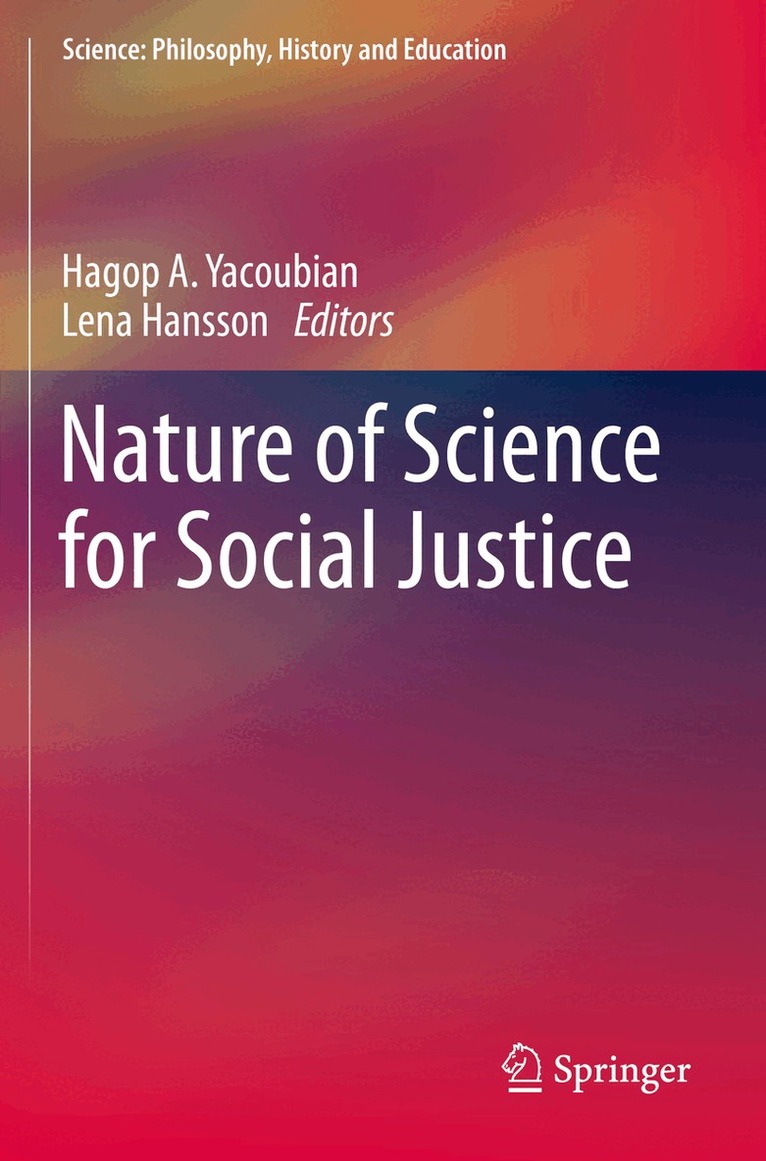
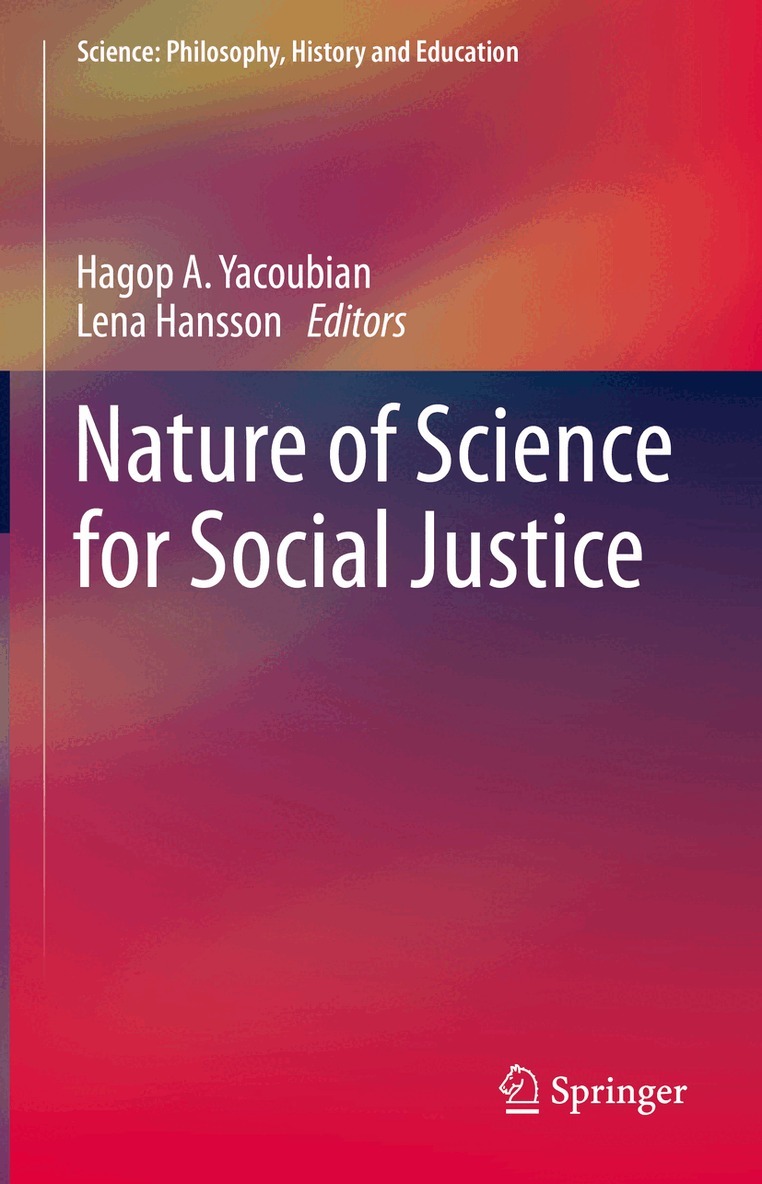
This edited volume brings closer two contemporary science education research areas: Nature of Science (NOS) and Social Justice (SJ).
Häftad, Engelska, 2021
1 620 kr
Skickas inom 10-15 vardagar
This edited volume brings closer two contemporary science education research areas: Nature of Science (NOS) and Social Justice (SJ).
Inbunden, Engelska, 2020
2 158 kr
Skickas inom 10-15 vardagar
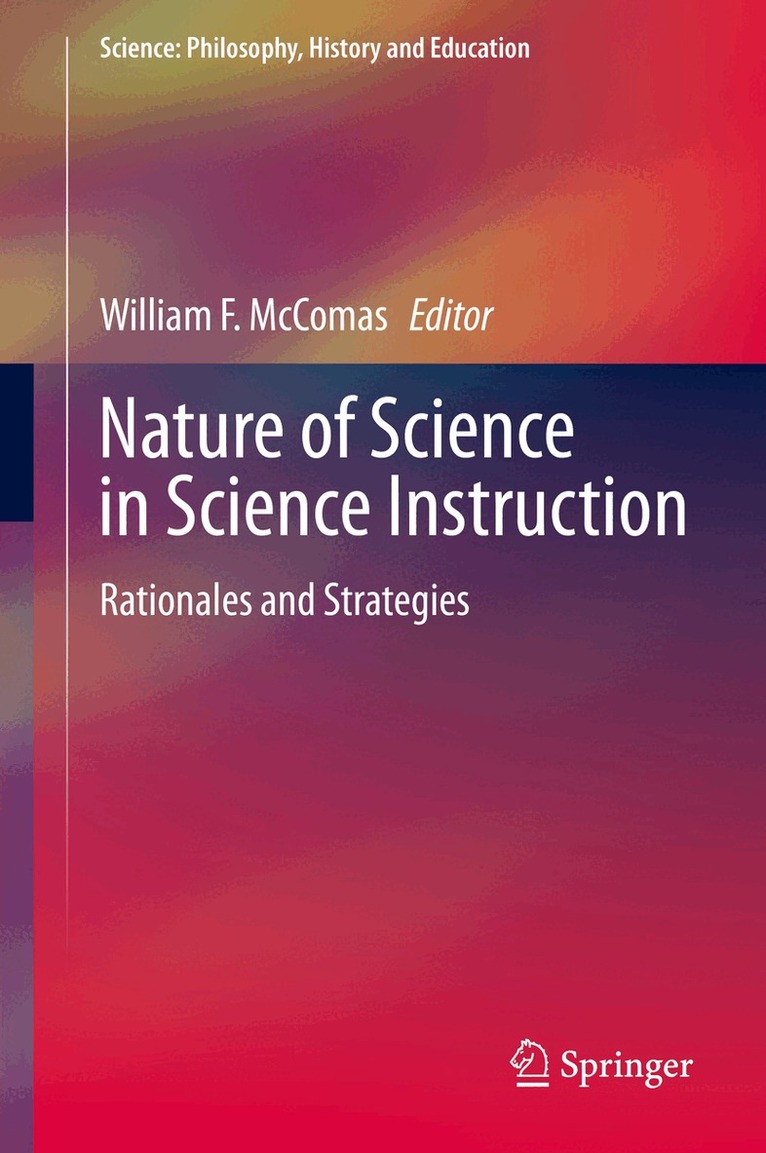
This book offers a comprehensive introduction to Nature of Science (NOS), one of the most important aspects of science teaching and learning, and includes tested strategies for teaching aspects of the NOS in a variety of instructional settings.
Häftad, Engelska, 2021
2 152 kr
Skickas inom 5-8 vardagar
This book offers a comprehensive introduction to Nature of Science (NOS), one of the most important aspects of science teaching and learning, and includes tested strategies for teaching aspects of the NOS in a variety of instructional settings.
Inbunden, Engelska, 2022
1 616 kr
Skickas inom 10-15 vardagar
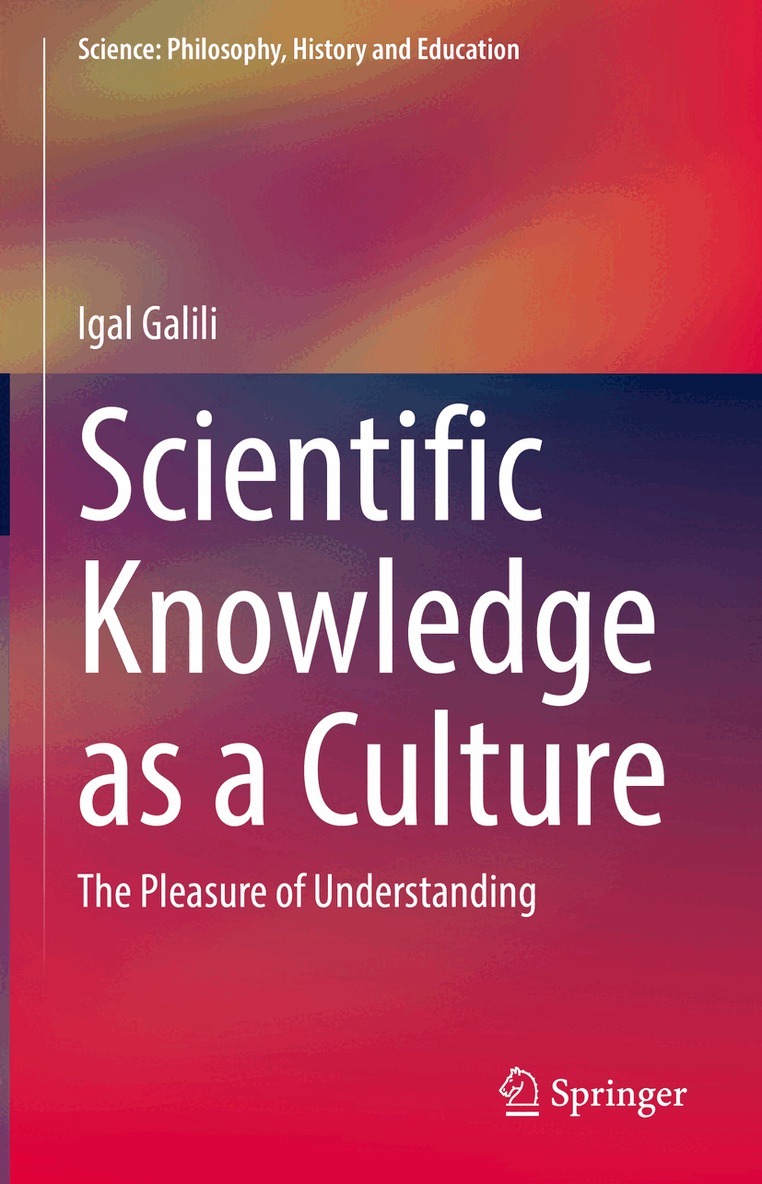
This book, in its first part, contains units of conceptual history of several topics of physics based on the research in physics education and research based articles with regard to several topics involved in teaching science in general and physics in particular.
Häftad, Engelska, 2023
1 616 kr
Skickas inom 10-15 vardagar
This book, in its first part, contains units of conceptual history of several topics of physics based on the research in physics education and research based articles with regard to several topics involved in teaching science in general and physics in particular.
Inbunden, Engelska, 2024
1 509 kr
Skickas inom 10-15 vardagar
This book provides a case study on how to design and build an introductory geology course for non-science majors. The book presents the three historical narratives (the earth is a historical entity, the earth is very old, and the earth is dynamic) that form the foundation of instruction.
Inbunden, Engelska, 2016
1 190 kr
Skickas inom 10-15 vardagar
This book explores the relationship between the content of chemistry education and the history and philosophy of science (HPS) framework that underlies such education. It discusses the need to present an image that reflects how chemistry developed and progresses. It proposes that chemistry should be taught the way it is practiced by chemists: as a human enterprise, at the interface of scientific practice and HPS. Finally, it sets out to convince teachers to go beyond the traditional classroom practice and explore new teaching strategies. The importance of HPS has been recognized for the science curriculum since the middle of the 20th century. The need for teaching chemistry within a historical context is not difficult to understand as HPS is not far below the surface in any science classroom. A review of the literature shows that the traditional chemistry classroom, curricula, and textbooks while dealing with concepts such as law, theory, model, explanation, hypothesis, observation, evidence and idealization, generally ignore elements of the history and philosophy of science. This book proposes that the conceptual understanding of chemistry requires knowledge and understanding of the history and philosophy of science.“Professor Niaz’s book is most welcome, coming at a time when there is an urgently felt need to upgrade the teaching of science. The book is a huge aid for adding to the usual way - presenting science as a series of mere facts - also the necessary mandate: to show how science is done, and how science, through its history and philosophy, is part of the cultural development of humanity.”Gerald Holton, Mallinckrodt Professor of Physics & Professor of History of Science, Harvard University“In this stimulating and sophisticated blend of history of chemistry, philosophy of science, and science pedagogy, Professor Mansoor Niaz has succeeded in offering a promising new approach to theteaching of fundamental ideas in chemistry. Historians and philosophers of chemistry --- and above all, chemistry teachers --- will find this book full of valuable and highly usable new ideas”Alan Rocke, Case Western Reserve University “This book artfully connects chemistry and chemistry education to the human context in which chemical science is practiced and the historical and philosophical background that illuminates that practice. Mansoor Niaz deftly weaves together historical episodes in the quest for scientific knowledge with the psychology of learning and philosophical reflections on the nature of scientific knowledge and method. The result is a compelling case for historically and philosophically informed science education. Highly recommended!”Harvey Siegel, University of Miami “Books that analyze the philosophy and history of science in Chemistry are quite rare. ‘Chemistry Education and Contributions from History and Philosophy of Science’ by Mansoor Niaz is one of the rare books on the history and philosophy of chemistry and their importance in teaching this science. The book goes through all the main concepts of chemistry, and analyzes the historical and philosophical developments as well as their reflections in textbooks.Closest to my heart is Chapter 6, which is devoted to the chemical bond, the glue that holds together all matter in our earth. The chapter emphasizes the revolutionary impact of the concept of the ‘covalent bond’ on the chemical community and the great novelty of the idea that was conceived 11 years before quantum mechanics was able to offer the mechanism of electron pairing and covalent bonding. The author goes then to describe the emergence of two rival theories that explained the nature of the chemical bond in terms of quantum mechanics; these are valence bond (VB) and molecular orbital (MO) theories. He emphasizes the importance of having rival theories and interpretations in science and its advancement. He further argues that this VB-MO rivalry is still alive and together the two conceptual frames serve as the tool kit for thinking and doing chemistry in creative manners. The author surveys chemistry textbooks in the light of the how the books preserve or not the balance between the two theories in describing various chemical phenomena. This Talmudic approach of conceptual tension is a universal characteristic of any branch of evolving wisdom. As such, Mansoor’s book would be of great utility for chemistry teachers to examine how can they become more effective teachers by recognizing the importance of conceptual tension”. Sason ShaikSaeree K. and Louis P. Fiedler Chair in ChemistryDirector, The Lise Meitner-Minerva Center for Computational Quantum Chemistry, The Hebrew University of Jerusalem, ISRAEL
Inbunden, Engelska, 2017
1 509 kr
Skickas inom 10-15 vardagar
This anthology opens new perspectives in the domain of history, philosophy, and science teaching research. Its four sections are: first, science, culture and education; second, the teaching and learning of science; third, curriculum development and justification; and fourth, indoctrination.The first group of essays deal with the neglected topic of science education and the Enlightenment tradition. These essays show that many core commitments of modern science education have their roots in this tradition, and consequently all can benefit from a more informed awareness of its strengths and weaknesses. Other essays address research on leaning and teaching from the perspectives of social epistemology and educational psychology. Included here is the first ever English translation of Ernst Mach’s most influential 1890 paper on ‘The Psychological and Logical Moment in Natural Science Teaching’. This paper launched the influential Machian tradition in education.Other essays address concrete cases of the utilisation of history and philosophy in the development and justification of school science curricula. These are instances of the supportive relation of HPS&ST research to curriculum theorising. Finally, two essays address the topic of Indoctrination in science education; a subject long-discussed in philosophy of education, but inadequately in science education.This book is a timely reminder of why history and philosophy of science are urgently needed to support understanding of science. From major traditions such as the Enlightenment to the tensions around cultural studies of science, the book provides a comprehensive context for the scientific endeavour, drawing on curriculum and instructional examples.Sibel Erduran, University of Oxford, UKThe scholarship that each of the authors in this volume offers deepens our understanding of what we teach in science and why that understanding matters. This is an important book exploring a wide set of issues and should be read by anyone with an interest in science or science education.Jonathan Osborne, Stanford University, USAThis volume presents new and updated perspectives in the field, such as the Enlightenment Tradition, Cultural Studies, Indoctrination in Science Education, and Nature of Science. Highly recommended.Mansoor Niaz, Universidad de Oriente, Venezuela This volume provides an extremely valuable set of insights into educational issues related to the history and philosophy of science.Michael J Reiss, University College London, UK
Inbunden, Engelska, 2018
1 080 kr
Skickas inom 10-15 vardagar
This book offers a comprehensive overview of research at interface between History, Philosophy and Sociology of Science (HPSS) and Science Teaching in Ibero-America. It contributes to research on contextualization of science for students, teachers and researchers, and explains how to use different episodes of history of science or different themes of philosophy of science in regular science classes through diverse pedagogical approaches.The chapters in this book discuss a wide range of topics under different methodological, epistemological and didactic approaches, reflecting the richness of research developed in Spanish and Portuguese speaking countries, Latin America, Spain and Portugal. The book contains chapters about historical events, topics of philosophy and sociology of science, nature of science, applications of HPSS in the classroom, instructional materials for students and teacher training courses and curriculum.
Häftad, Engelska, 2018
1 190 kr
Skickas inom 10-15 vardagar
This book explores the relationship between the content of chemistry education and the history and philosophy of science (HPS) framework that underlies such education. It discusses the need to present an image that reflects how chemistry developed and progresses. It proposes that chemistry should be taught the way it is practiced by chemists: as a human enterprise, at the interface of scientific practice and HPS. Finally, it sets out to convince teachers to go beyond the traditional classroom practice and explore new teaching strategies. The importance of HPS has been recognized for the science curriculum since the middle of the 20th century. The need for teaching chemistry within a historical context is not difficult to understand as HPS is not far below the surface in any science classroom. A review of the literature shows that the traditional chemistry classroom, curricula, and textbooks while dealing with concepts such as law, theory, model, explanation, hypothesis, observation, evidence and idealization, generally ignore elements of the history and philosophy of science. This book proposes that the conceptual understanding of chemistry requires knowledge and understanding of the history and philosophy of science.“Professor Niaz’s book is most welcome, coming at a time when there is an urgently felt need to upgrade the teaching of science. The book is a huge aid for adding to the usual way - presenting science as a series of mere facts - also the necessary mandate: to show how science is done, and how science, through its history and philosophy, is part of the cultural development of humanity.”Gerald Holton, Mallinckrodt Professor of Physics & Professor of History of Science, Harvard University“In this stimulating and sophisticated blend of history of chemistry, philosophy of science, and science pedagogy, Professor Mansoor Niaz has succeeded in offering a promising new approach to theteaching of fundamental ideas in chemistry. Historians and philosophers of chemistry --- and above all, chemistry teachers --- will find this book full of valuable and highly usable new ideas”Alan Rocke, Case Western Reserve University “This book artfully connects chemistry and chemistry education to the human context in which chemical science is practiced and the historical and philosophical background that illuminates that practice. Mansoor Niaz deftly weaves together historical episodes in the quest for scientific knowledge with the psychology of learning and philosophical reflections on the nature of scientific knowledge and method. The result is a compelling case for historically and philosophically informed science education. Highly recommended!”Harvey Siegel, University of Miami “Books that analyze the philosophy and history of science in Chemistry are quite rare. ‘Chemistry Education and Contributions from History and Philosophy of Science’ by Mansoor Niaz is one of the rare books on the history and philosophy of chemistry and their importance in teaching this science. The book goes through all the main concepts of chemistry, and analyzes the historical and philosophical developments as well as their reflections in textbooks.Closest to my heart is Chapter 6, which is devoted to the chemical bond, the glue that holds together all matter in our earth. The chapter emphasizes the revolutionary impact of the concept of the ‘covalent bond’ on the chemical community and the great novelty of the idea that was conceived 11 years before quantum mechanics was able to offer the mechanism of electron pairing and covalent bonding. The author goes then to describe the emergence of two rival theories that explained the nature of the chemical bond in terms of quantum mechanics; these are valence bond (VB) and molecular orbital (MO) theories. He emphasizes the importance of having rival theories and interpretations in science and its advancement. He further argues that this VB-MO rivalry is still alive and together the two conceptual frames serve as the tool kit for thinking and doing chemistry in creative manners. The author surveys chemistry textbooks in the light of the how the books preserve or not the balance between the two theories in describing various chemical phenomena. This Talmudic approach of conceptual tension is a universal characteristic of any branch of evolving wisdom. As such, Mansoor’s book would be of great utility for chemistry teachers to examine how can they become more effective teachers by recognizing the importance of conceptual tension”. Sason ShaikSaeree K. and Louis P. Fiedler Chair in ChemistryDirector, The Lise Meitner-Minerva Center for Computational Quantum Chemistry, The Hebrew University of Jerusalem, ISRAEL
Häftad, Engelska, 2018
1 513 kr
Skickas inom 10-15 vardagar
This anthology opens new perspectives in the domain of history, philosophy, and science teaching research. Its four sections are: first, science, culture and education; second, the teaching and learning of science; third, curriculum development and justification; and fourth, indoctrination.The first group of essays deal with the neglected topic of science education and the Enlightenment tradition. These essays show that many core commitments of modern science education have their roots in this tradition, and consequently all can benefit from a more informed awareness of its strengths and weaknesses. Other essays address research on leaning and teaching from the perspectives of social epistemology and educational psychology. Included here is the first ever English translation of Ernst Mach’s most influential 1890 paper on ‘The Psychological and Logical Moment in Natural Science Teaching’. This paper launched the influential Machian tradition in education.Other essays address concrete cases of the utilisation of history and philosophy in the development and justification of school science curricula. These are instances of the supportive relation of HPS&ST research to curriculum theorising. Finally, two essays address the topic of Indoctrination in science education; a subject long-discussed in philosophy of education, but inadequately in science education.This book is a timely reminder of why history and philosophy of science are urgently needed to support understanding of science. From major traditions such as the Enlightenment to the tensions around cultural studies of science, the book provides a comprehensive context for the scientific endeavour, drawing on curriculum and instructional examples.Sibel Erduran, University of Oxford, UKThe scholarship that each of the authors in this volume offers deepens our understanding of what we teach in science and why that understanding matters. This is an important book exploring a wide set of issues and should be read by anyone with an interest in science or science education.Jonathan Osborne, Stanford University, USAThis volume presents new and updated perspectives in the field, such as the Enlightenment Tradition, Cultural Studies, Indoctrination in Science Education, and Nature of Science. Highly recommended.Mansoor Niaz, Universidad de Oriente, Venezuela This volume provides an extremely valuable set of insights into educational issues related to the history and philosophy of science.Michael J Reiss, University College London, UK