Human Geography in the Twenty-First Century: Issues and Applications - Böcker
Visar alla böcker i serien Human Geography in the Twenty-First Century: Issues and Applications. Handla med fri frakt och snabb leverans.
15 produkter
15 produkter
1 719 kr
Skickas inom 5-8 vardagar
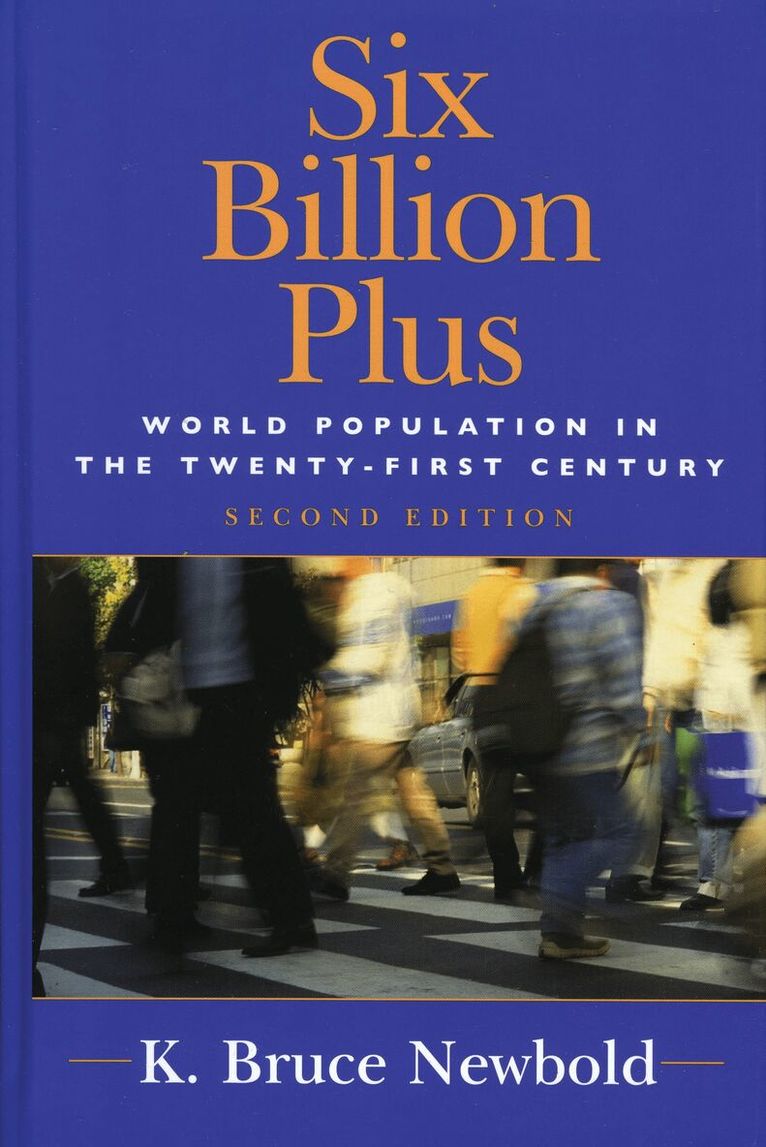
This balanced text offers a concise and readable introduction to world population growth and its implications for the future. With a population currently exceeding six billion and expected to reach ten billion by mid-century, the globe faces a demographic situation that is now more critical than ever before. While the developed world grapples with the problems of an aging and declining population, the developing world will contend with the opposite dilemma of explosive growth. And so the strongest factors shaping the global environment in the decades to come will include population fertility, the social and economic impact of the HIV/AIDS epidemic, legal and illegal immigration, and refugees. The implications are enormous as population growth exacerbates food and resource scarcities, places pressure on institutions, and promotes the potential for conflict. Drawing on a geographical perspective and using examples from around the world, this fully updated edition will be an invaluable resource for all readers concerned with the intertwined issues of population, environment, and health.
595 kr
Skickas inom 10-15 vardagar
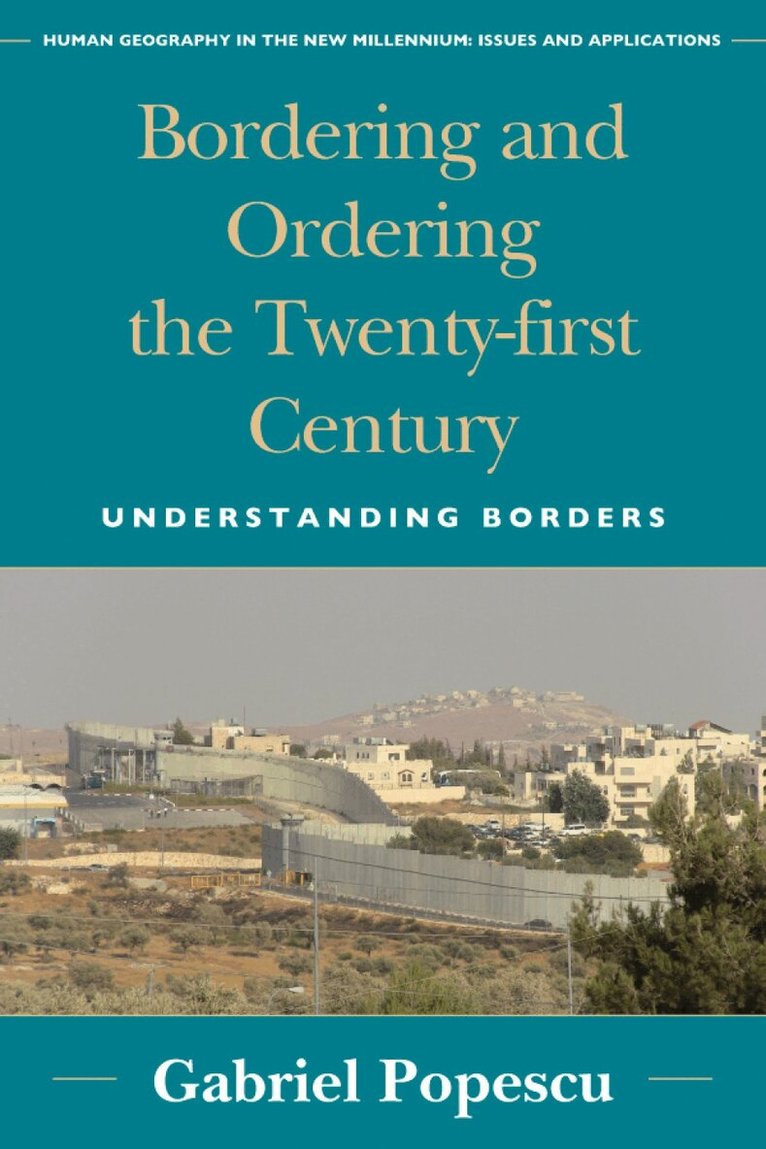
This timely book explores the central role that borders play in shaping the contemporary world. Building on a discussion of border thinking and making from antiquity to the present, Gabriel Popescu applies a critical eye to current border-making concepts, processes, and contexts. Throughout, he offers a balanced understanding of borders, explaining why and how interstate borders have emerged, whose interest they serve, who is involved in border making, and how border-making practices affect societies. Assessing the latest theoretical approaches to border studies, the author deftly incorporates a range of disciplinary perspectives, including geography, international relations, sociology, history, security studies, and anthropology. Popescu explores recent world events, discussing how current issues such as migration, terrorism, global warming, pandemics, the international human rights regime, outsourcing, the economic crisis, supranational integration, regionalization, and digital technology relate to borders and influence our lives. Written with a clear eye and voice, this book makes a complex subject accessible to a wide readership.
1 572 kr
Skickas inom 10-15 vardagar
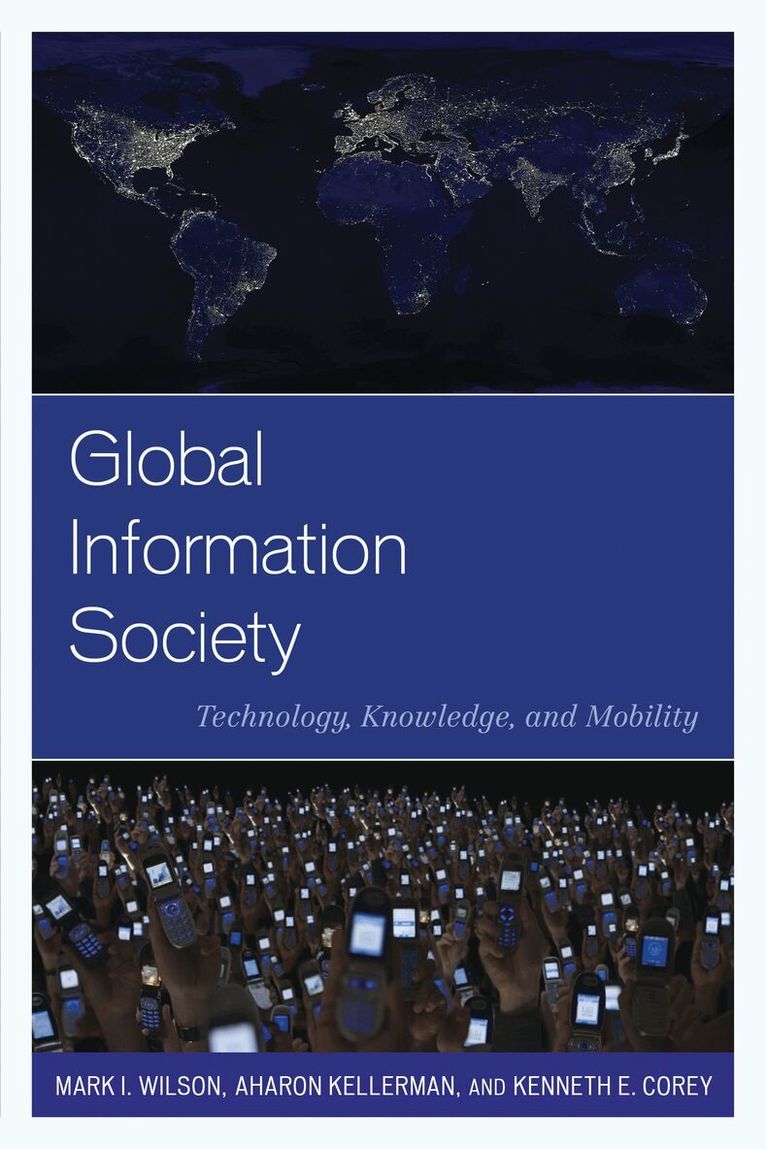
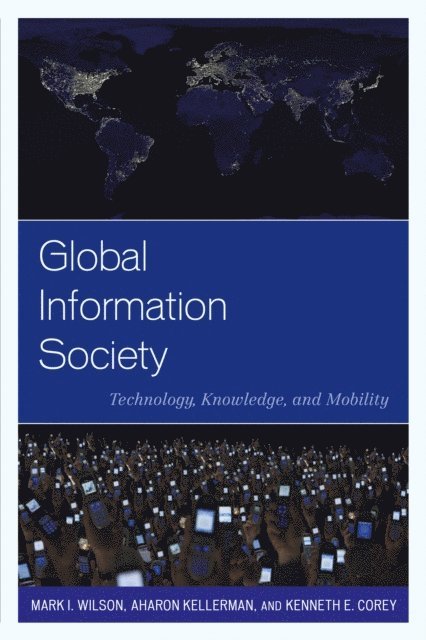
We have been living and working in the information society for decades, yet still we struggle to understand and keep up in the face of its constant flux and vast scope. In this unique interdisciplinary text, three scholars at the forefront of this dynamic field provide a clear conceptual framework and interpretation of the global information society. They explain the three pillars of the information society—technology, knowledge, and mobility—and the global information society as a whole, both as an interconnected web and a regionally distinct phenomenon. Offering a nuanced understanding of this complex subject, this book will enable students to navigate and thrive in the dynamic and evolving world of information and communication technology.
568 kr
Skickas inom 10-15 vardagar
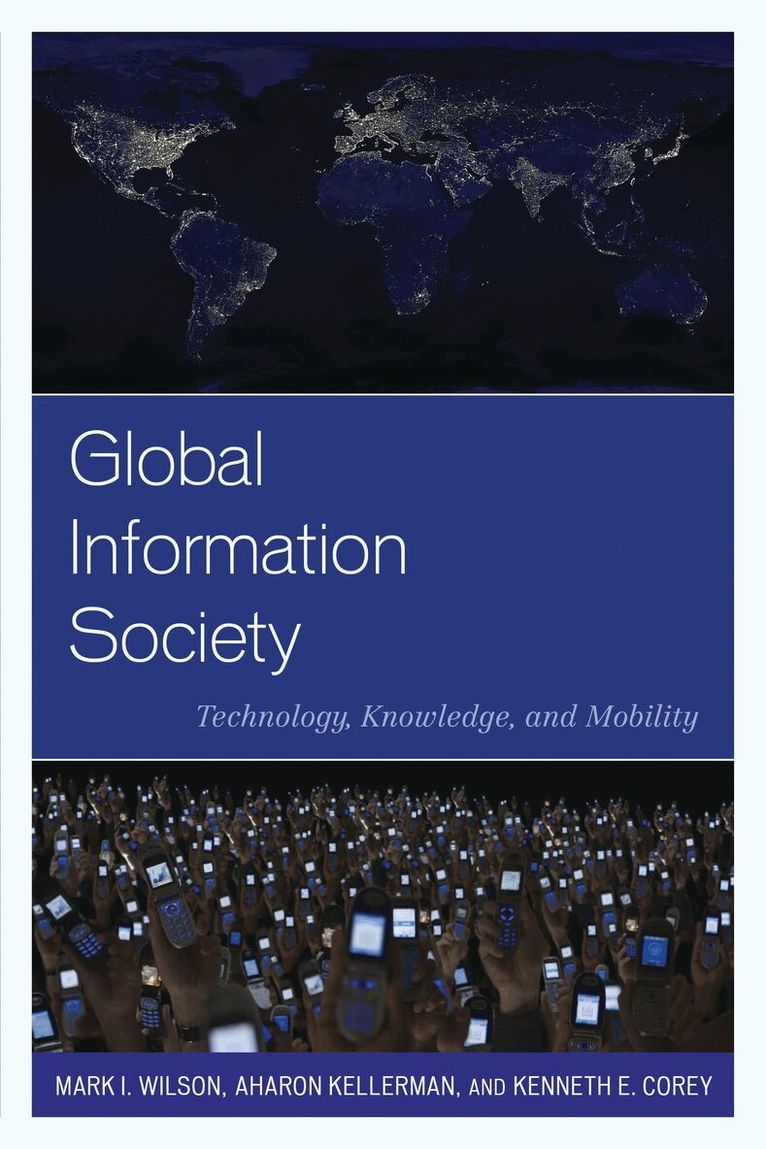
We have been living and working in the information society for decades, yet still we struggle to understand and keep up in the face of its constant flux and vast scope. In this unique interdisciplinary text, three scholars at the forefront of this dynamic field provide a clear conceptual framework and interpretation of the global information society. They explain the three pillars of the information society—technology, knowledge, and mobility—and the global information society as a whole, both as an interconnected web and a regionally distinct phenomenon. Offering a nuanced understanding of this complex subject, this book will enable students to navigate and thrive in the dynamic and evolving world of information and communication technology.
675 kr
Skickas inom 10-15 vardagar
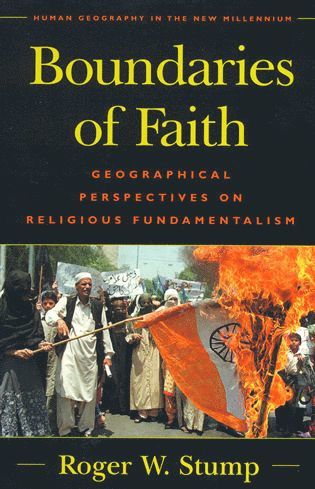
This book represents the first major effort to examine the spatial strategies inherent in religious fundamentalism, a complex and controversial force in contemporary societies around the world, focusing on the significant relationships between fundamentalist movements and the geographical contexts in which they develop.
1 476 kr
Skickas inom 10-15 vardagar
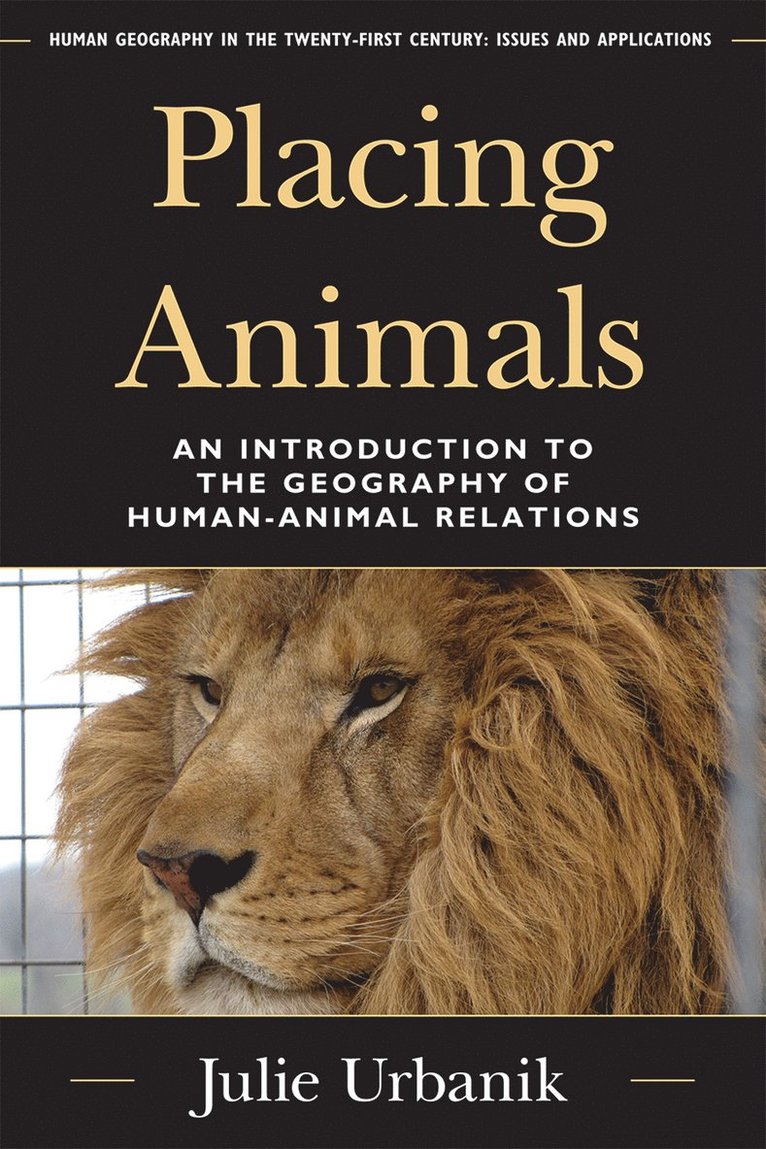
As Julie Urbanik vividly illustrates, non-human animals are central to our daily human lives. We eat them, wear them, live with them, work them, experiment on them, try to save them, spoil them, abuse them, fight them, hunt them, buy and sell them, love them, and hate them. Placing Animals is the first book to bring together the historical development of the field of animal geography with a comprehensive survey of how geographers study animals today. Urbanik provides readers with a thorough understanding of the relationship between animal geography and the larger animal studies project, an appreciation of the many geographies of human-animal interactions around the world, and insight into how animal geography is both challenging and contributing to the major fields of human and nature-society geography. Through the theme of the role of place in shaping where and why human-animal interactions occur, the chapters in turn explore the history of animal geography and our distinctive relationships in the home, on farms, in the context of labor, in the wider culture, and in the wild.
515 kr
Skickas inom 10-15 vardagar
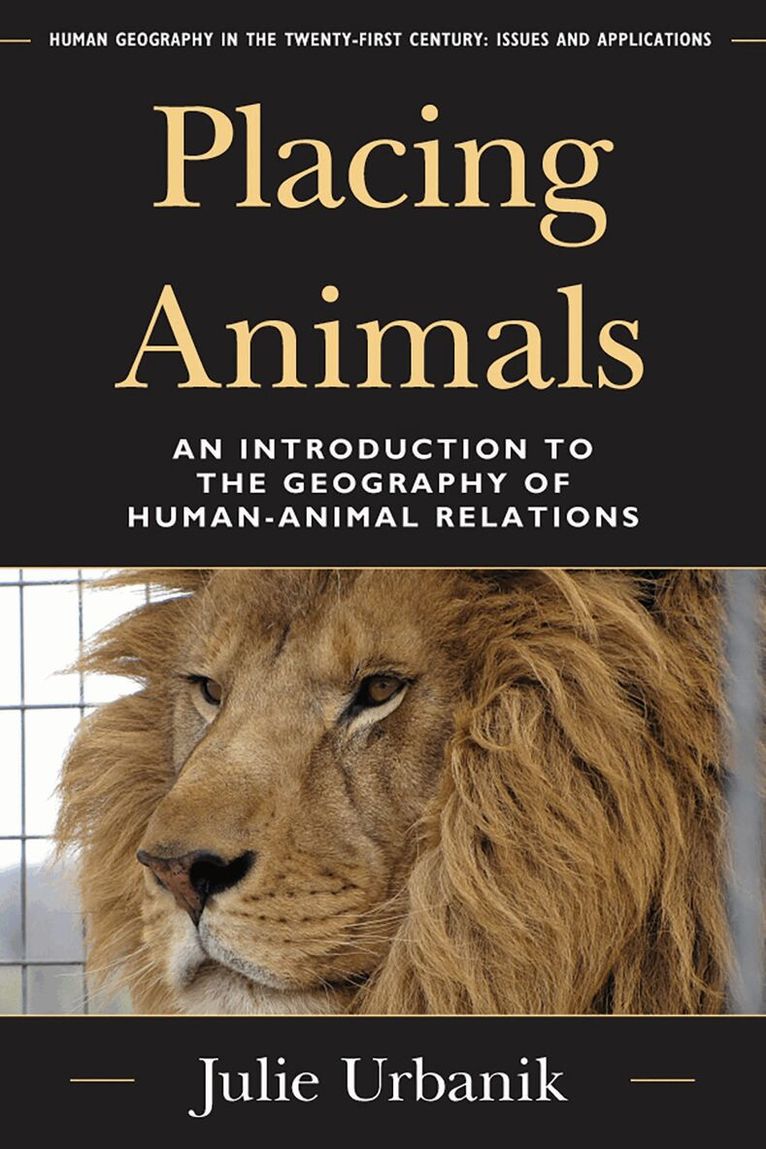
As Julie Urbanik vividly illustrates, non-human animals are central to our daily human lives. We eat them, wear them, live with them, work them, experiment on them, try to save them, spoil them, abuse them, fight them, hunt them, buy and sell them, love them, and hate them. Placing Animals is the first book to bring together the historical development of the field of animal geography with a comprehensive survey of how geographers study animals today. Urbanik provides readers with a thorough understanding of the relationship between animal geography and the larger animal studies project, an appreciation of the many geographies of human-animal interactions around the world, and insight into how animal geography is both challenging and contributing to the major fields of human and nature-society geography. Through the theme of the role of place in shaping where and why human-animal interactions occur, the chapters in turn explore the history of animal geography and our distinctive relationships in the home, on farms, in the context of labor, in the wider culture, and in the wild.
942 kr
Skickas inom 10-15 vardagar
This thought-provoking and clearly argued text provides a critical geopolitical lens for understanding global environment politics. A subfield of political geography, environmental geopolitics examines how environmental themes are used to support geopolitical arguments and physical realities of power and place. Shannon O’Lear considers common, problematic traits of such familiar but widely misunderstood narratives about human-environment relationships. Mainstream themes about human-environment relationships include narratives about presumed connections between human population trends and resource scarcity; ways in which conflict and violence are linked to resource use or environmental degradation; climate security; and the application of science to solve environmental problems. O’Lear questions these narratives, arguing that the role or meaning of the environment is rarely specified, humans’ role in these situations tends to be considered selectively, and little attention is paid to spatial dimensions of human-environment relationships. She shows that how we tend to think about environmental concerns often obscure value judgments and constrain more dynamic approaches to human-environment relationships. Environmental geopolitics demonstrates how we can question familiar assumptions to generate more just and creative approaches to our many relationships with the environment.
528 kr
Skickas inom 10-15 vardagar
This thought-provoking and clearly argued text provides a critical geopolitical lens for understanding global environment politics. A subfield of political geography, environmental geopolitics examines how environmental themes are used to support geopolitical arguments and physical realities of power and place. Shannon O’Lear considers common, problematic traits of such familiar but widely misunderstood narratives about human-environment relationships. Mainstream themes about human-environment relationships include narratives about presumed connections between human population trends and resource scarcity; ways in which conflict and violence are linked to resource use or environmental degradation; climate security; and the application of science to solve environmental problems. O’Lear questions these narratives, arguing that the role or meaning of the environment is rarely specified, humans’ role in these situations tends to be considered selectively, and little attention is paid to spatial dimensions of human-environment relationships. She shows that how we tend to think about environmental concerns often obscure value judgments and constrain more dynamic approaches to human-environment relationships. Environmental geopolitics demonstrates how we can question familiar assumptions to generate more just and creative approaches to our many relationships with the environment.
1 080 kr
Skickas inom 10-15 vardagar
This important book provides a novel perspective on ethnicity, nationality, and race by considering how they are shaped by their geography. Exploring the complicated terrain of ethnicity through an expansive global perspective, David H. Kaplan traces the spatial arrangements that convey such potent meaning to the identity and opportunities of members of any cultural group. With examples from around the world, the author considers the most important aspects of ethnicity—from segregation to place making to multiculturalism, culture regions, diasporas, and transnationalism. He frames ethnicity as a contingent phenomenon, showing how context and place determine the position, definitions, behaviors, and attitudes toward and by members of an ethnic group. Drawing on an impressive depth of historical and empirical detail, Kaplan’s analysis of the critical role of ethnicity in everyday geographies makes a major contribution to the field.
490 kr
Skickas inom 10-15 vardagar
This important book provides a novel perspective on ethnicity, nationality, and race by considering how they are shaped by their geography. Exploring the complicated terrain of ethnicity through an expansive global perspective, David H. Kaplan traces the spatial arrangements that convey such potent meaning to the identity and opportunities of members of any cultural group. With examples from around the world, the author considers the most important aspects of ethnicity—from segregation to place making to multiculturalism, culture regions, diasporas, and transnationalism. He frames ethnicity as a contingent phenomenon, showing how context and place determine the position, definitions, behaviors, and attitudes toward and by members of an ethnic group. Drawing on an impressive depth of historical and empirical detail, Kaplan’s analysis of the critical role of ethnicity in everyday geographies makes a major contribution to the field.
1 147 kr
Skickas inom 10-15 vardagar
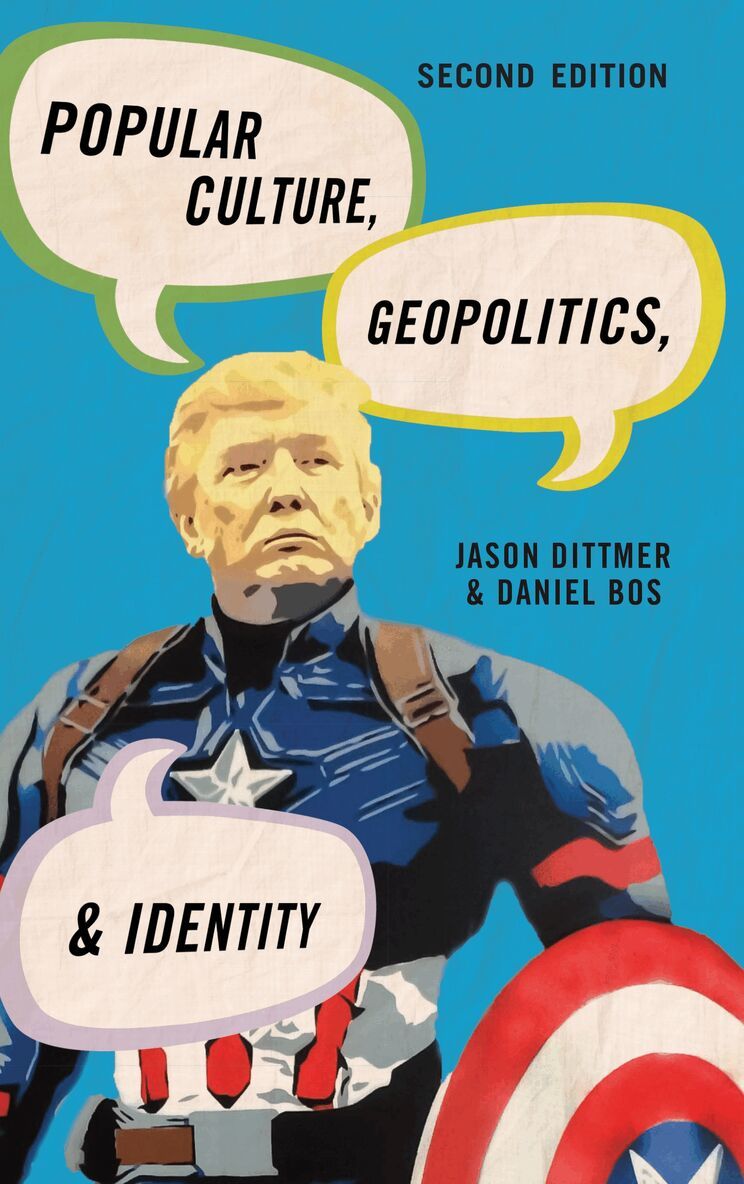
Now in a thoroughly revised edition, this innovative and engaging text surveys the field of popular geopolitics, exploring the relationship between popular culture and international relations from a geographical perspective. Jason Dittmer and Daniel Bos connect global issues with the questions of identity and subjectivity that we feel as individuals, arguing that who we think we are influences how we understand the world. Building on the strengths of the first edition, each chapter focuses on a specific theme—such as representation, audience, and affect—by explaining the concept and then outlining some of the emerging debates that have revolved around it. New and updated case studies—including heritage and social media—help illustrate the significance of the concepts and capture the ways popular culture shapes our understandings of geopolitics within everyday life. Students will enjoy the text's accessibility and colorful examples, and instructors will appreciate the way the book brings together a diverse, multidisciplinary literature and makes it understandable and relevant.
490 kr
Skickas inom 10-15 vardagar
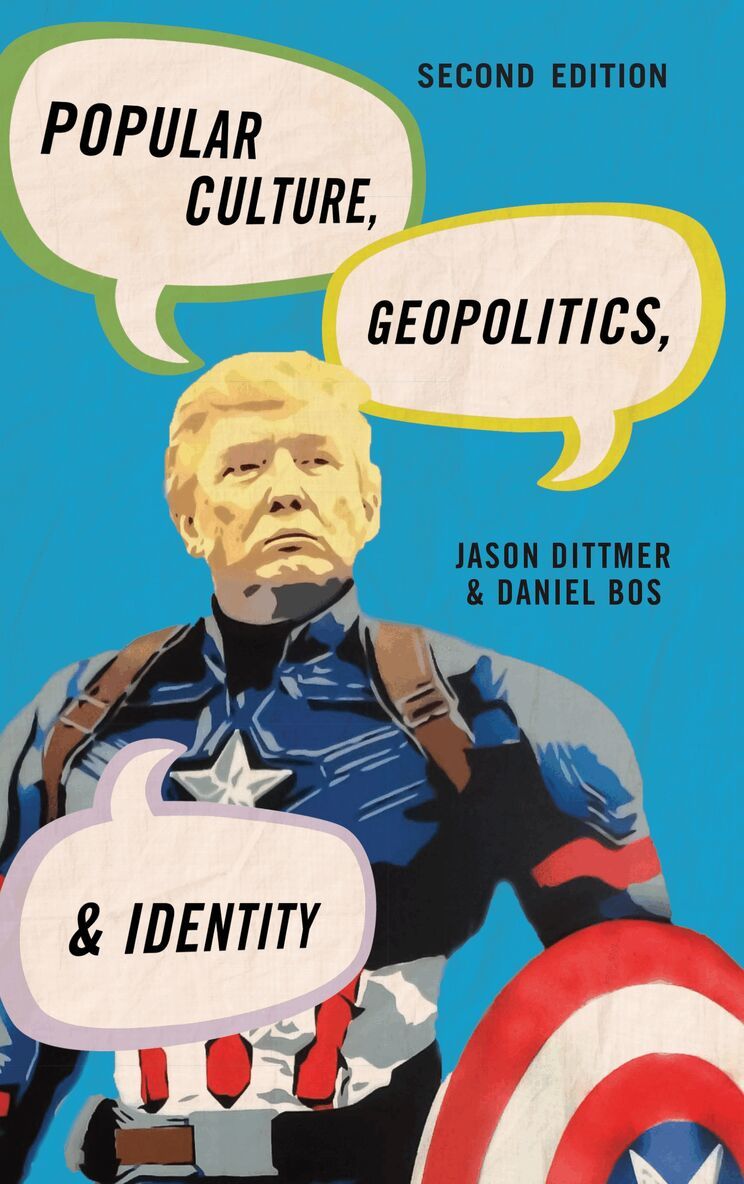
Now in a thoroughly revised edition, this innovative and engaging text surveys the field of popular geopolitics, exploring the relationship between popular culture and international relations from a geographical perspective. Jason Dittmer and Daniel Bos connect global issues with the questions of identity and subjectivity that we feel as individuals, arguing that who we think we are influences how we understand the world. Building on the strengths of the first edition, each chapter focuses on a specific theme—such as representation, audience, and affect—by explaining the concept and then outlining some of the emerging debates that have revolved around it. New and updated case studies—including heritage and social media—help illustrate the significance of the concepts and capture the ways popular culture shapes our understandings of geopolitics within everyday life. Students will enjoy the text's accessibility and colorful examples, and instructors will appreciate the way the book brings together a diverse, multidisciplinary literature and makes it understandable and relevant.
1 268 kr
Kommande
Gerrymandering and redistricting are in the headlines as partisan politics have reached their starkest pitch during our current bitter political divide. This book provides a clear explanation of the complex spatial issues that influence how districts are drawn and the lasting influence of artificial boundaries.
454 kr
Kommande
Gerrymandering and redistricting are in the headlines as partisan politics have reached their starkest pitch during our current bitter political divide. This book provides a clear explanation of the complex spatial issues that influence how districts are drawn and the lasting influence of artificial boundaries.