JPS Anthologies of Jewish Thought - Böcker
Visar alla böcker i serien JPS Anthologies of Jewish Thought. Handla med fri frakt och snabb leverans.
11 produkter
11 produkter
314 kr
Skickas inom 10-15 vardagar
This fiftieth anniversary edition of W. Gunther Plaut's classic volume on the beginnings of the Jewish Reform Movement is updated with a new introduction by Howard A. Berman. The Rise of Reform Judaism covers the first one hundred years of the movement, from the time of the eighteenth-century Jewish Enlightenment leader Moses Mendelssohn to the conclusion of the Augsburg synod in 1871.In these pages the founders who established liberal Judaism speak for themselves through their journals and pamphlets, books and sermons, petitions and resolutions, and public arguments and disputations. Each selection includes Plaut's brief introduction and sketch of the reformer. Important topics within Judaism are addressed in these writings: philosophy and theology, religious practice, synagogue services, and personal life, as well as controversies on the permissibility of organ music, the introduction of the sermon, the nature of circumcision, the observance of the Sabbath, the rights of women, and the authenticity of the Bible.
314 kr
Skickas inom 10-15 vardagar
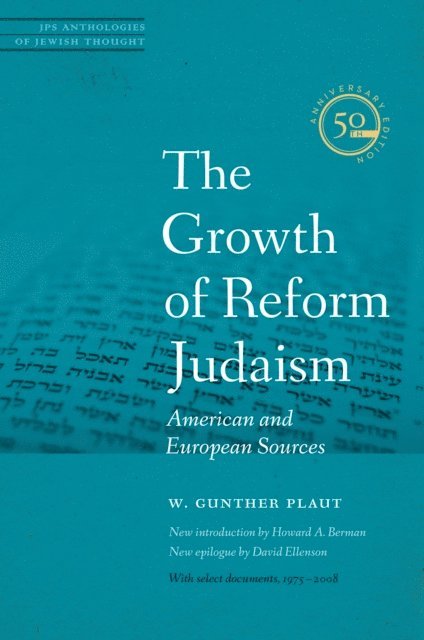
This fiftieth anniversary edition of W. Gunther Plaut's classic second volume on the history of the Jewish Reform Movement is a sourcebook of the original writings that shaped the second century of organized liberal Judaism. The Growth of Reform Judaism features a new introduction, a new epilogue, and important additional primary sources documenting the profound changes of the last fifty years.Although the emphasis in this volume is chiefly on the American scene, where the movement had its most notable advances, selections of representative liberal Jewish thought in Europe and to a lesser degree in Israel are included as well. These selections help us to understand the emergence and character, problems and tensions of Reform Judaism as it developed and grew in modern times. In addition to the primary texts new to this edition, David Ellenson's epilogue considers the developments of the last fifty years that have continued to shape the course of Reform Judaism.
368 kr
Skickas inom 10-15 vardagar
The most comprehensive Zionist collection ever published, The Zionist Ideas: Visions for the Jewish Homeland-Then, Now, Tomorrow sheds light on the surprisingly diverse and shared visions for realizing Israel as a democratic Jewish state. Building on Arthur Hertzberg’s classic, The Zionist Idea, Gil Troy explores the backstories, dreams, and legacies of more than 170 passionate Jewish visionaries-quadruple Hertzberg’s original number, and now including women, mizrachim, and others-from the 1800s to today.Troy divides the thinkers into six Zionist schools of thought-Political, Revisionist, Labor, Religious, Cultural, and Diaspora Zionism-and reveals the breadth of the debate and surprising syntheses. He also presents the visionaries within three major stages of Zionist development, demonstrating the length and evolution of the conversation. Part 1 (pre-1948) introduces the pioneers who founded the Jewish state, such as Herzl, Gordon, Jabotinsky, Kook, Ha’am, and Szold. Part 2 (1948 to 2000) features builders who actualized and modernized the Zionist blueprints, such as Ben-Gurion, Berlin, Meir, Begin, Soloveitchik, Uris, and Kaplan. Part 3 showcases today’s torchbearers, including Barak, Grossman, Shaked, Lau, Yehoshua, and Sacks.This mosaic of voices will engage equally diverse readers in reinvigorating the Zionist conversation-weighing and developing the moral, social, and political character of the Jewish state of today and tomorrow.
475 kr
Skickas inom 10-15 vardagar
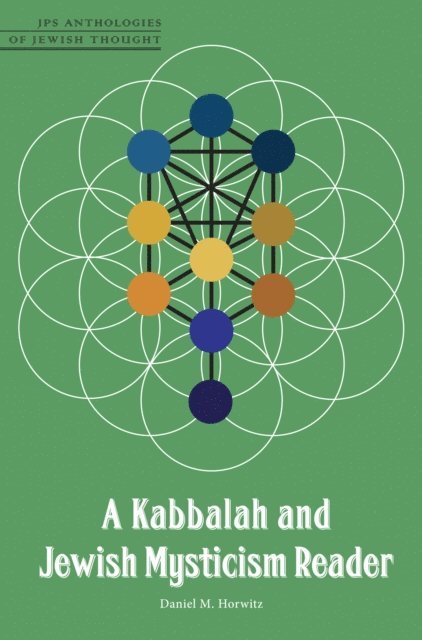
An unprecedented annotated anthology of the most important Jewish mystical works, A Kabbalah and Jewish Mysticism Reader is designed to facilitate teaching these works to all levels of learners in adult education and college classroom settings. Daniel M. Horwitz’s insightful introductions and commentary accompany readings in the Talmud and Zohar and writings by Ba'al Shem Tov, Rav Kook, Abraham Joshua Heschel, and others. Horwitz’s introduction describes five major types of Jewish mysticism and includes a brief chronology of their development, with a timeline. He begins with biblical prophecy and proceeds through the early mystical movements up through current beliefs. Chapters on key subjects characterize mystical expression through the ages, such as Creation and deveikut (“cleaving to God”); the role of Torah; the erotic; inclinations toward good and evil; magic; prayer and ritual; and more. Later chapters deal with Hasidism, the great mystical revival, and twentieth-century mystics, including Abraham Isaac Kook, Kalonymous Kalman Shapira, and Abraham Joshua Heschel. A final chapter addresses today’s controversies concerning mysticism’s place within Judaism and its potential for enriching the Jewish religion.
422 kr
Skickas inom 10-15 vardagar
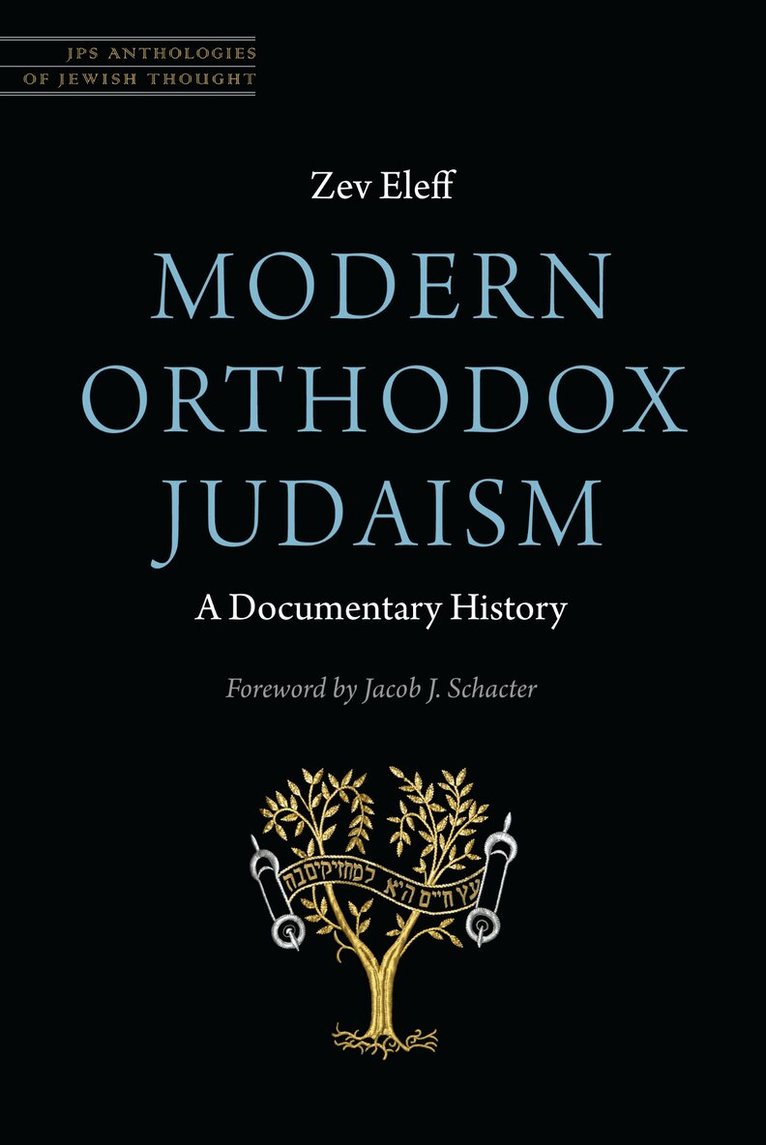
Modern Orthodox Judaism offers an extensive selection of primary texts documenting the Orthodox encounter with American Judaism that led to the emergence of the Modern Orthodox movement. Many texts in this volume are drawn from episodes of conflict that helped form Modern Orthodox Judaism. These include the traditionalists’ response to the early expressions of Reform Judaism, as well as incidents that helped define the widening differences between Orthodox and Conservative Judaism in the early twentieth century. Other texts explore the internal struggles to maintain order and balance once Orthodox Judaism had separated itself from other religious movements. Zev Eleff combines published documents with seldom-seen archival sources in tracing Modern Orthodoxy as it developed into a structured movement, established its own institutions, and encountered critical events and issues-some that helped shape the movement and others that caused tension within it. A general introduction explains the rise of the movement and puts the texts in historical context. Brief introductions to each section guide readers through the documents of this new, dynamic Jewish expression.
422 kr
Skickas inom 10-15 vardagar
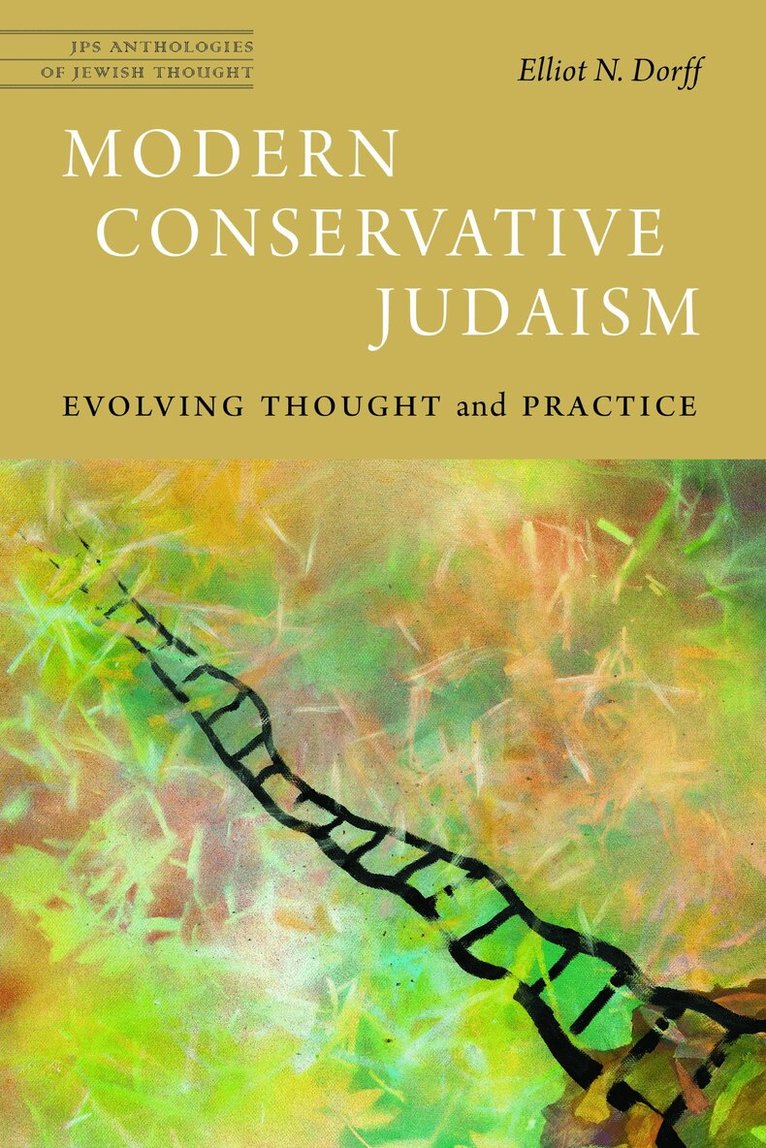
A major Conservative movement leader of our time, Elliot N. Dorff provides a personal, behind-the-scenes guide to the evolution of Conservative Jewish thought and practice over the last half century. His candid observations concerning the movement’s ongoing tension between constancy and change shed light on the sometimes unified, sometimes diverse, and occasionally contentious reasoning behind the modern movement’s most important laws, policies, and documents. Meanwhile, he has assembled, excerpted, and contextualized the most important historical and internal documents in modern Conservative movement history for the first time in one place, enabling readers to consider and compare them all in context.In “Part 1: God” Dorff explores various ways that Conservative Jews think about God and prayer. In “Part 2: Torah” he considers different approaches to Jewish study, law, and practice; changing women’s roles; bioethical rulings on issues ranging from contraception to cloning; business ethics; ritual observances from online minyanim to sports on Shabbat; moral issues from capital punishment to protecting the poor; and nonmarital sex to same-sex marriage. In “Part 3: Israel” he examines Zionism, the People Israel, and rabbinic rulings in Israel.
363 kr
Skickas inom 7-10 vardagar
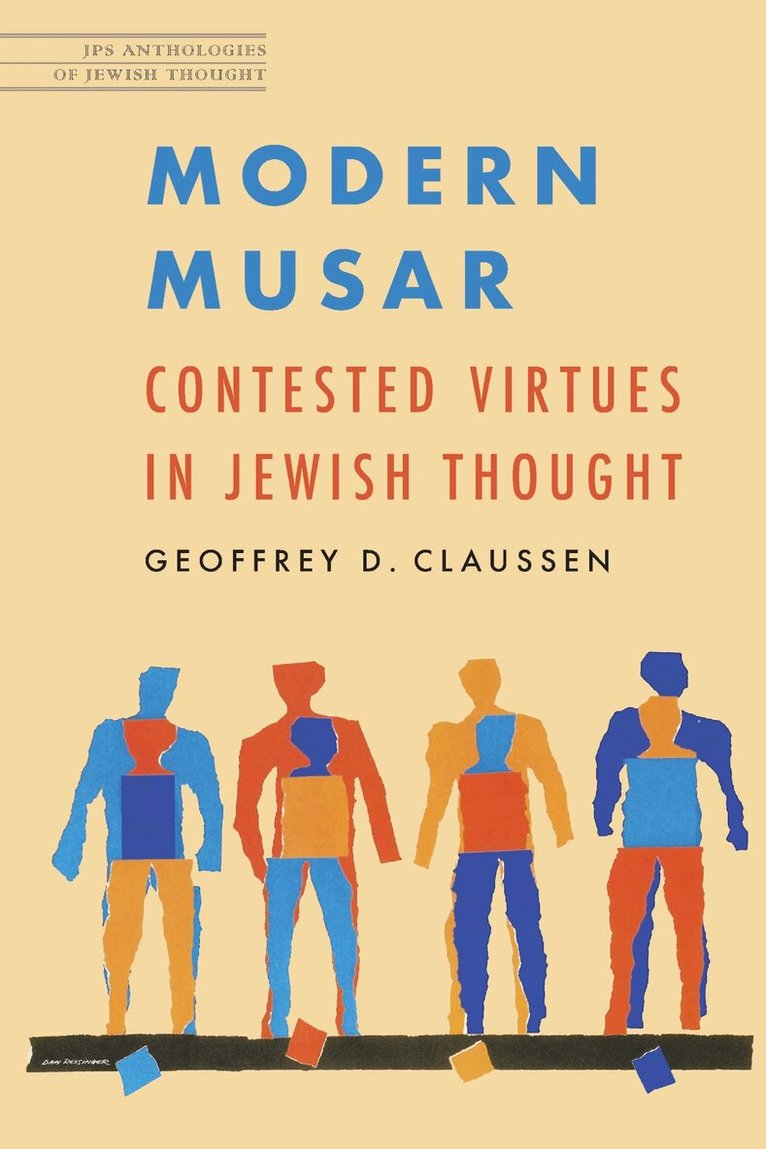
How do modern Jews understand virtues such as courage, humility, justice, solidarity, or love? In truth: they have fiercely debated how to interpret them. This groundbreaking anthology of musar (Jewish traditions regarding virtue and character) explores the diverse ways seventy-eight modern Jewish thinkers understand ten virtues: honesty and love of truth; curiosity and inquisitiveness; humility; courage and valor; temperance and self-restraint; gratitude; forgiveness; love, kindness, and compassion; solidarity and social responsibility; and justice and righteousness. These thinkers-from the Musar movement to Hasidism to contemporary Orthodox, Reform, Conservative, Reconstructionist, Renewal, Humanist, and secular Jews-often agree on the importance of these virtues but fundamentally disagree in their conclusions. The juxtaposition of their views, complemented by Geoffrey Claussen’s pointed analysis, allows us to see tensions with particular clarity-and sometimes to recognize multiple compelling ways of viewing the same virtue.By expanding the category of musar literature to include not only classic texts and traditional works influenced by them but also the writings of diverse rabbis, scholars, and activists-men and women-who continue to shape Jewish tradition, Modern Musar challenges the fields of modern Jewish thought and ethics to rethink their boundaries-and invites us to weigh and refine our own moral ideals.
422 kr
Skickas inom 10-15 vardagar
Modern Jewish Theology is the first comprehensive collection of Jewish theological ideas from the pathbreaking nineteenth and early twentieth centuries, featuring selections from more than thirty of the most influential Jewish thinkers of the era as well as explorations of Judaism’s identity, uniqueness, and relevance; the origin of ethical monotheism; and the possibility of Jewish existentialism. These works-most translated for the first time into English by top scholars in modern Jewish history and philosophy-reveal how modern Jewish theology developed in concert with broader trends in Jewish intellectual and social modernization, especially scholarship (Wissenschaft des Judentums), politics (liberalism and Zionism), and religious practice (movement Judaism and the struggles to transcend denominational boundaries).This anthology thus opens to the English-language reader a true treasure house of source material from the formative years of modern Jewish thought, bringing together writings from the very first generations, who imagined biblical and rabbinic texts and modern scientific research would produce a synthetic view of God, Israel, and the world. A general introduction and chapter introductions guide students and nonspecialists through the key themes and transformations in modern Jewish theology, and extensive annotations immerse them in the latest scholarship.
374 kr
Skickas inom 7-10 vardagar
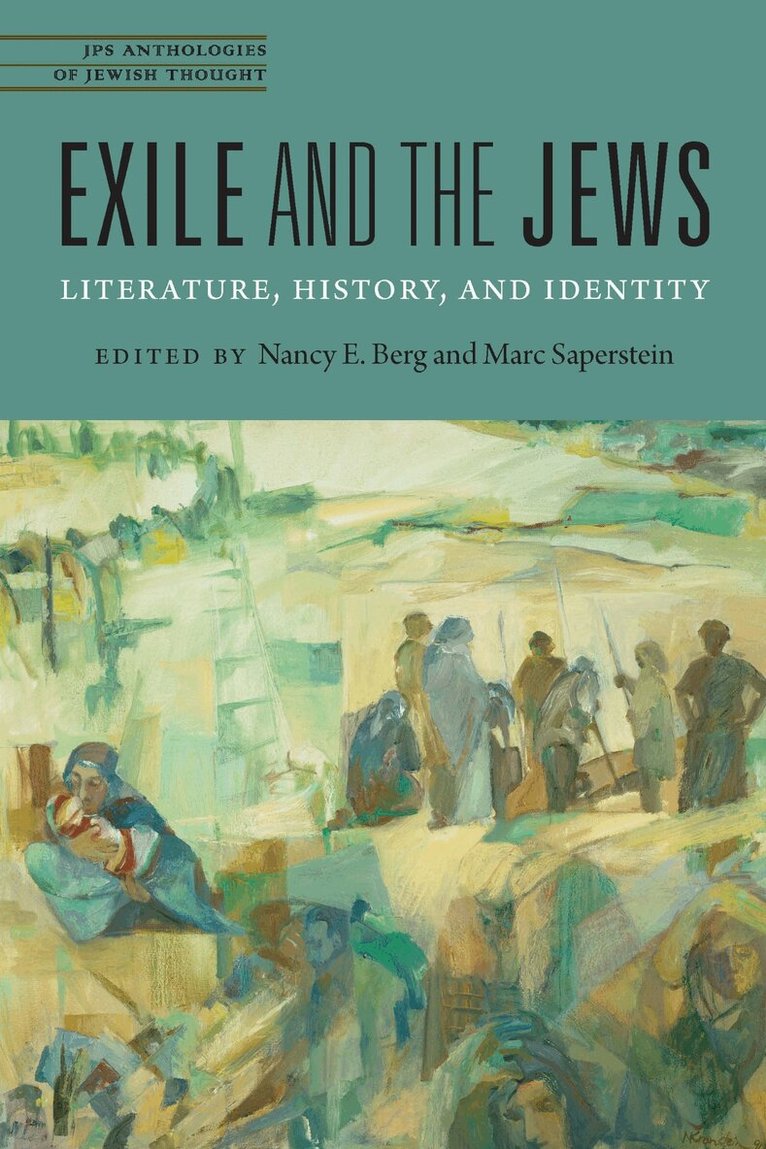
This first comprehensive anthology examining Jewish responses to exile from the biblical period to our modern day gathers texts from all genres of Jewish literary creativity to explore how the realities and interpretations of exile have shaped Judaism, Jewish politics, and individual Jewish identity for millennia. Ordered along multiple arcs-from universal to particular, collective to individual, and mythic-symbolic to prosaic everyday living-the chapters present different facets of exile: as human condition, in history and life, in holiday rituals, in language, as penance and atonement, as internalized experience, in relation to the Divine Presence, and more. By illuminating the multidimensional nature of “exile”-political, philosophical, religious, psychological, and mythological-widely divergent evaluations of Jewish life in the Diaspora emerge. The word “exile” and its Hebrew equivalent, galut, evoke darkness, bleakness-and yet the condition offers spiritual renewal and engenders great expressions of Jewish cultural creativity: the Babylonian Talmud, medieval Jewish philosophy, golden age poetry, and modern Jewish literature.Exile and the Jews will engage students, academics, and general readers in contemplating immigration, displacement, evolving identity, and more.
422 kr
Skickas inom 10-15 vardagar
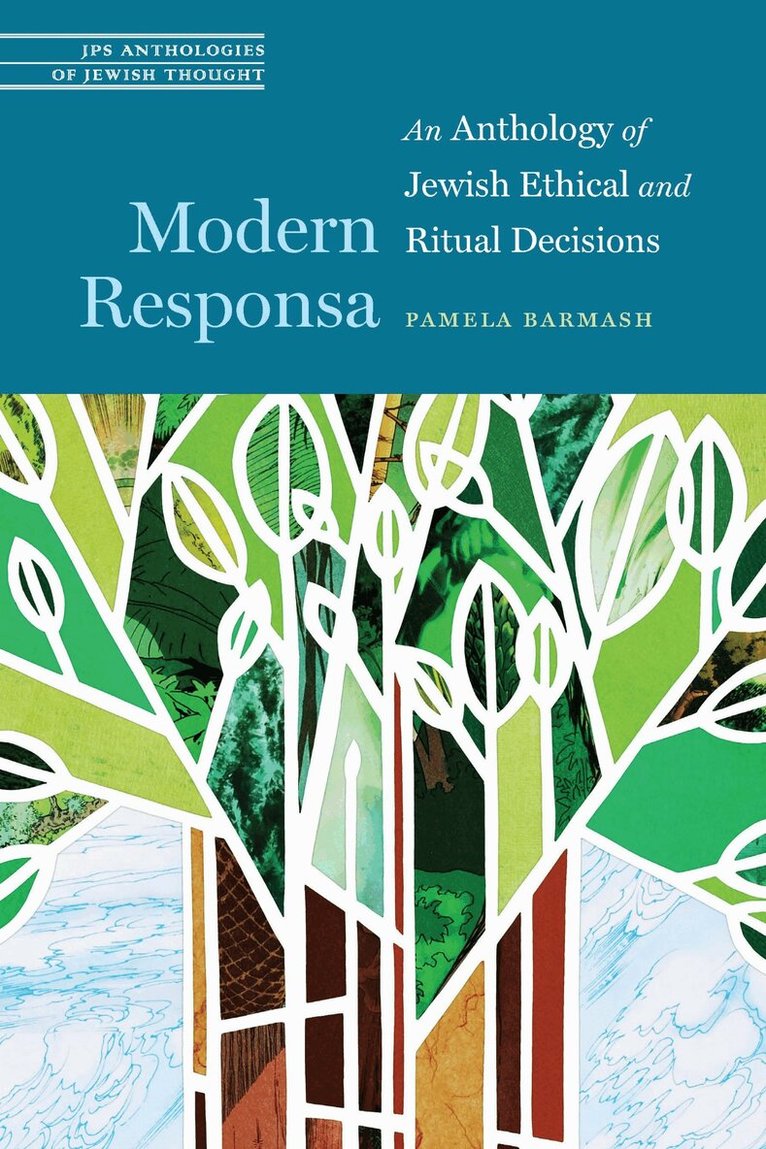
An original anthology of modern responsa (Jewish ethical and ritual decision-making) by rabbinic authorities, men and women, across movements (Conservative, Orthodox, Reform), geographic locales, and ethnicities (Ashkenazic, Sefardic, Mizraḥi), Modern Responsa engages readers in understanding how rabbis expert in Jewish law apply principles, precedents, and rules from Judaism’s legal tradition to real-life issues.Responsa on ten topics-personal and business ethics, ritual, personal status, women, LGBTQIA+ people, medical ethics, the COVID-19 pandemic, relationships with the other, the modern State of Israel, and Jewish life in the United States-showcase how the rabbinic decisors who wrote them handle modern quandaries for their communities. Pamela Barmash’s translations open up most of these original Hebrew texts to English-speaking readers for the first time. Sometimes the decisors disagree-but other times they rule similarly, despite differing ideological commitments. Clear explanations of how the decisors build their arguments along with historical background, decisor biographies, implications, and a glossary enable general adult and teen readers as well as scholars to grasp the finer points of Jewish ethical and ritual decision-making.Ultimately, Modern Responsa illuminates the dynamic nature of Jewish law, the creativity of Jewish legal writings, and the multidimensionality of the Jewish experience in modernity.
422 kr
Skickas inom 10-15 vardagar
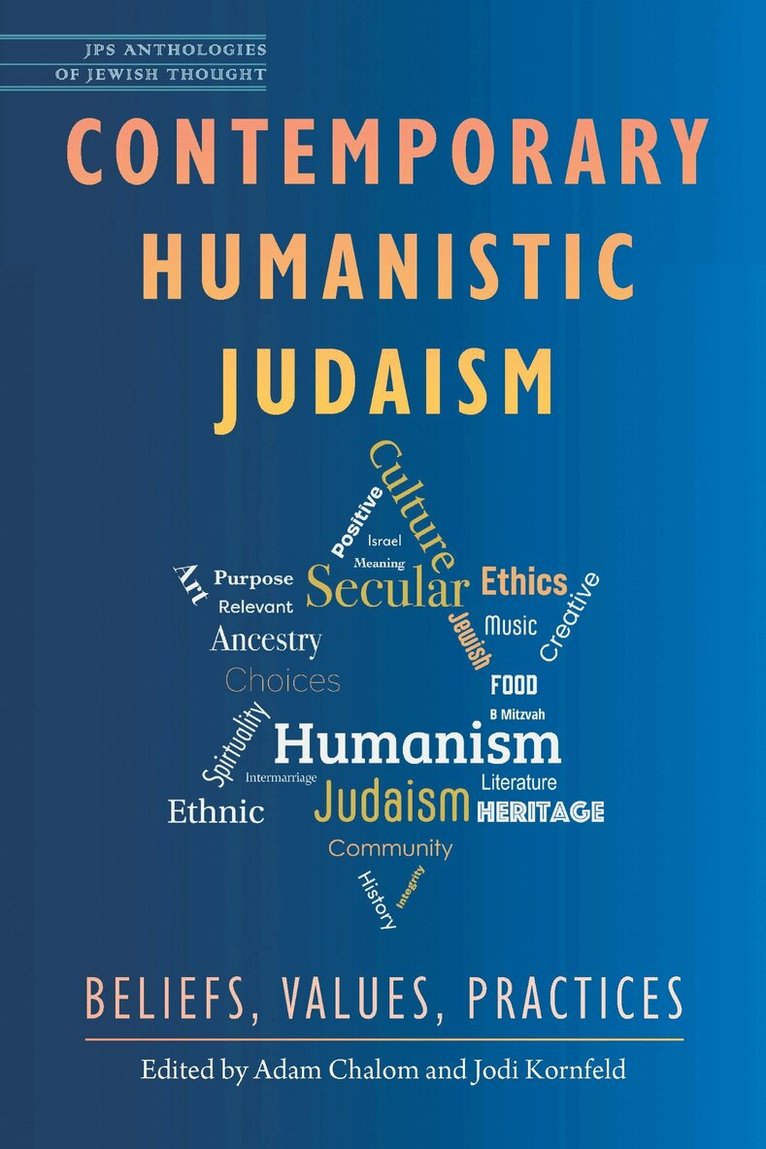
Opening up multidimensional ideas, values, and practices of Humanistic Judaism to Jews of all backgrounds and beliefs, Contemporary Humanistic Judaism collects the movement’s most important texts for the first time and answers the oft-raised question, “How can you be Jewish and celebrate Judaism if you don’t believe in God?” with new vision.Part 1 (“Beliefs and Ethics”) examines core positive beliefs-in human agency, social progress, ethics without supernatural authority, sources of natural transcendence, and Humanistic Jews’ own authority to remake their traditional Jewish inheritance on their own terms “beyond God.” Part 2 (“Identity”) discusses how Humanistic Judaism empowers individuals to self-define as Jews, respects people’s decisions to marry whom they love, and navigates the Israel-Diaspora relationship. Part 3 (“Culture”) describes how the many worlds of Jewish cultural experience-art, music, food, language, heirlooms-ground Jewishness and enable endless exploration. Part 4 (“Jewish Life”) applies humanist philosophy to lived Jewish experience: reimagined creative education (where students choose passages meaningful to them for their bar, bat, or b mitzvah [gender-neutral] celebrations), liturgy, life cycle, and holiday celebrations (where Hanukkah emphasizes the religious freedom to believe as one chooses).Jewish seekers, educators, and scholars alike will come to appreciate the unique ideologies and lived expressions of Humanistic Judaism.