Routledge Studies in Crime, Justice and the Family – serie
Visar alla böcker i serien Routledge Studies in Crime, Justice and the Family. Handla med fri frakt och snabb leverans.
19 produkter
19 produkter
Inbunden, Engelska, 2023
1 639 kr
Skickas
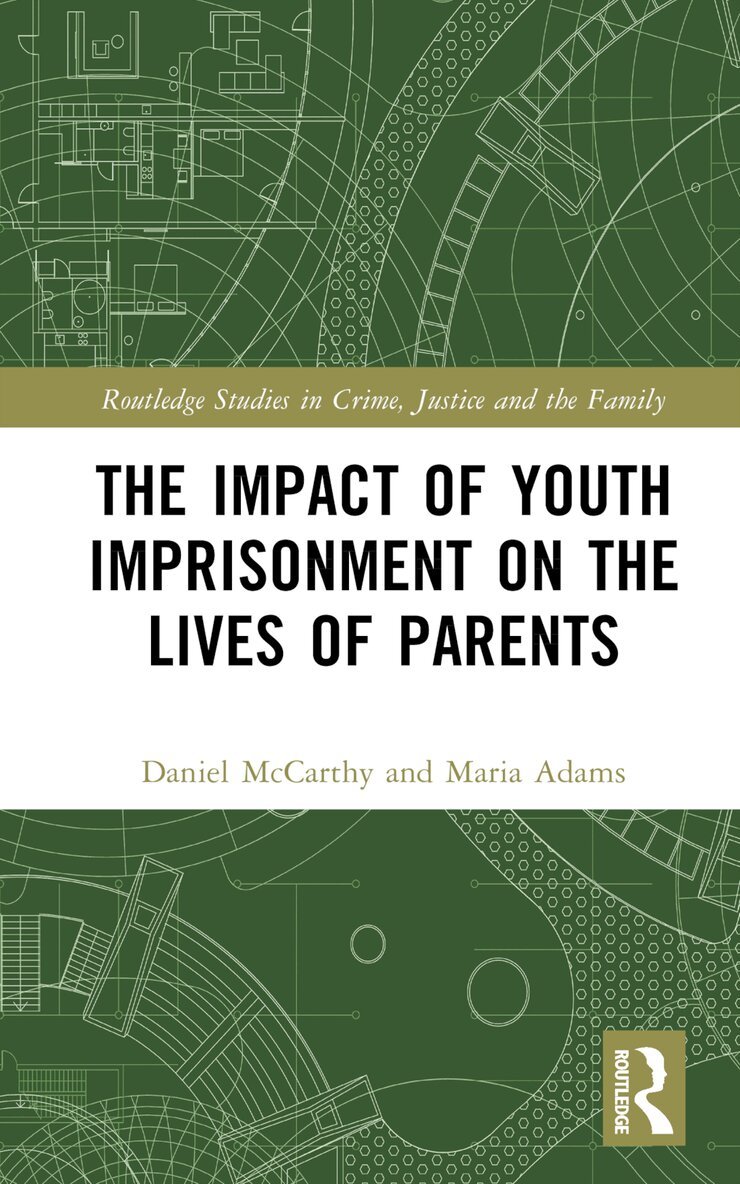
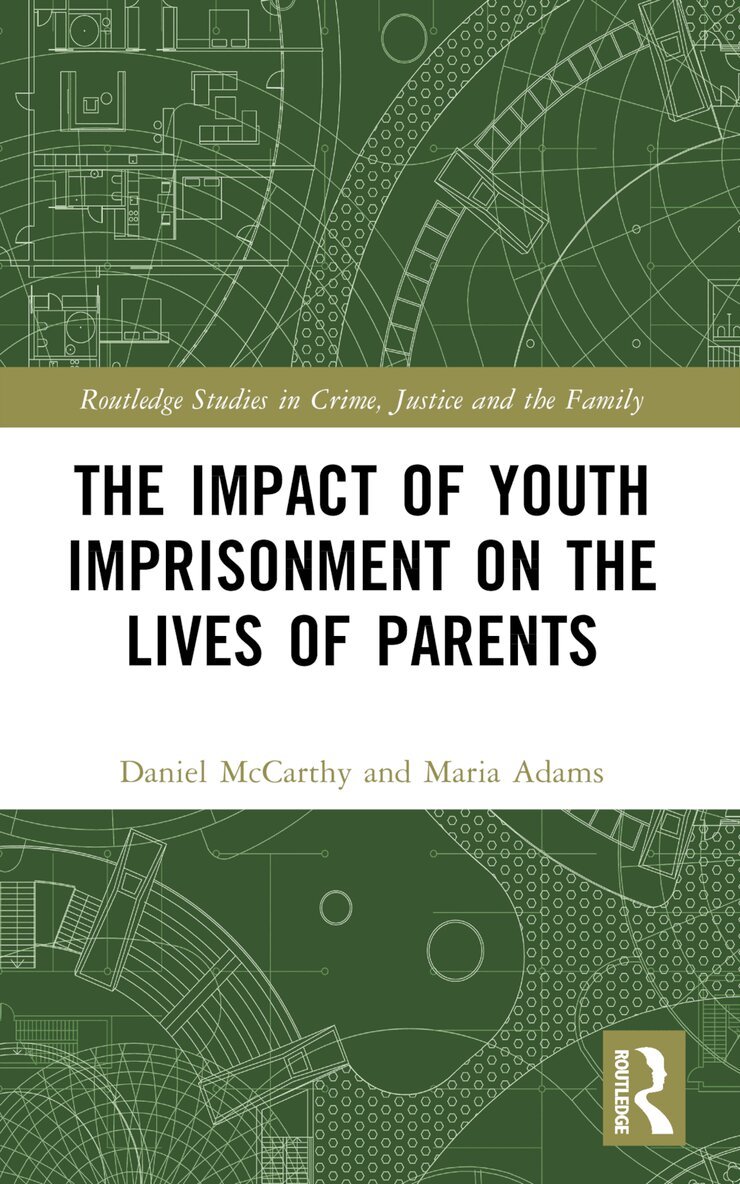
It has long been argued that families play a crucial role in helping support prisoners during and beyond their time in prison. Through harnessing material and emotional support offered through family, prisoners can have a stronger commitment to move towards prosocial pathways via these important social ties. Yet, often overlooked are the experiences of families themselves in providing support for prisoners. This book focuses on parents whose adolescent male children are sent to prison. Charting many of the adversities which parents face – from violence, psychological stress, to stigma and shame – the book provides one of the first empirical assessments of the ways parents manage the consequences of serious crime and navigate relationships with their children in prison.As well as documenting major social hardships of imprisonment, the book will also assess the heterogeneous impacts on relationships between parents and their male children, including cases where relationships may improve or worsen over the sentence. With sensitivity to issues of gender, ethnicity and inequality in families, this book sheds new light on many of the problems of youth crime and presents a highly topical insight into the effects of imprisonment on parents. An accessible and compelling read, this book will appeal to students and scholars of criminology, youth justice, sociology and all those interested in the role of families in supporting prisoners.
Inbunden, Engelska, 2023
1 966 kr
Skickas inom 10-15 vardagar
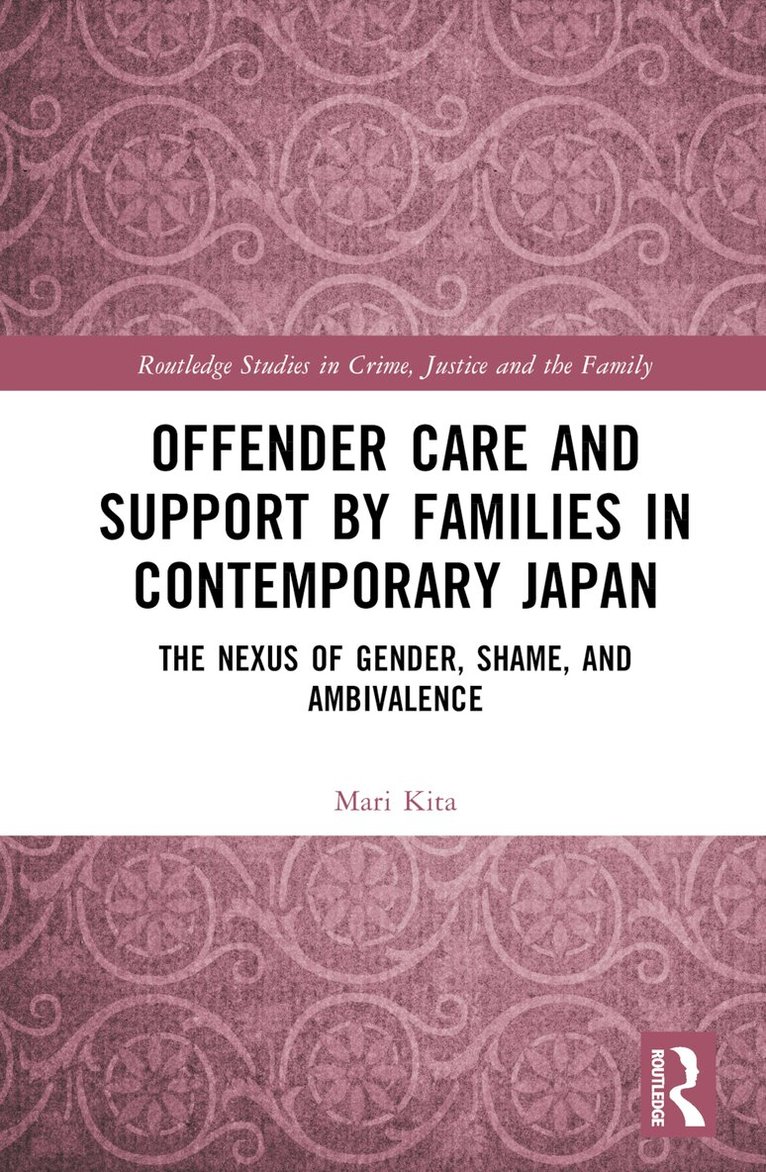
Because people’s contact with the criminal justice system comes in different shapes and forms, scholars are now broadening their analytical scope and examining the overall repercussions of criminal justice contact on families of offenders. Compared to Western societies, Japan is known for its lower crime rates and more pronounced use of informal social control. Thus, it offers a useful research site for examining how families in a low-crime society experience criminal justice contact and how they function as an integral part of the nation’s crime control mechanism. This book considers the role of the family in the lives of offenders and the criminal justice system in Japan. Looking particularly at gender and patriarchal power relations, it reveals how cultural notions of femininity prompt the criminal justice system to rely on women as its proxy. This book explores how families of offenders often step in to fill the voids left by criminal justice institutions and social services to provide offenders with all-inclusive care. The burden of supervising and rehabilitating offenders on top of the expectation to atone for the crimes also renders families ambivalent and ashamed. Whereas the state and criminal justice authorities tend to see offenders’ families as a crucial resource for prisoner reentry, this book highlights the necessity for addressing families’ needs before automatically assuming their support. It also pushes the boundaries of feminist criminology by showing how women can be affected by male criminality and male-dominated criminal justice institutions, other than as victims and offenders.An accessible and compelling read, this book will appeal to students and scholars of criminology, sociology, gender studies, Japanese culture and all those interested in learning more about the criminal justice system in Japan.
Häftad, Engelska, 2024
537 kr
Skickas inom 10-15 vardagar
Because people’s contact with the criminal justice system comes in different shapes and forms, scholars are now broadening their analytical scope and examining the overall repercussions of criminal justice contact on families of offenders. Compared to Western societies, Japan is known for its lower crime rates and more pronounced use of informal social control. Thus, it offers a useful research site for examining how families in a low-crime society experience criminal justice contact and how they function as an integral part of the nation’s crime control mechanism. This book considers the role of the family in the lives of offenders and the criminal justice system in Japan. Looking particularly at gender and patriarchal power relations, it reveals how cultural notions of femininity prompt the criminal justice system to rely on women as its proxy. This book explores how families of offenders often step in to fill the voids left by criminal justice institutions and social services to provide offenders with all-inclusive care. The burden of supervising and rehabilitating offenders on top of the expectation to atone for the crimes also renders families ambivalent and ashamed. Whereas the state and criminal justice authorities tend to see offenders’ families as a crucial resource for prisoner reentry, this book highlights the necessity for addressing families’ needs before automatically assuming their support. It also pushes the boundaries of feminist criminology by showing how women can be affected by male criminality and male-dominated criminal justice institutions, other than as victims and offenders.An accessible and compelling read, this book will appeal to students and scholars of criminology, sociology, gender studies, Japanese culture and all those interested in learning more about the criminal justice system in Japan.
Inbunden, Engelska, 2021
1 966 kr
Skickas inom 10-15 vardagar
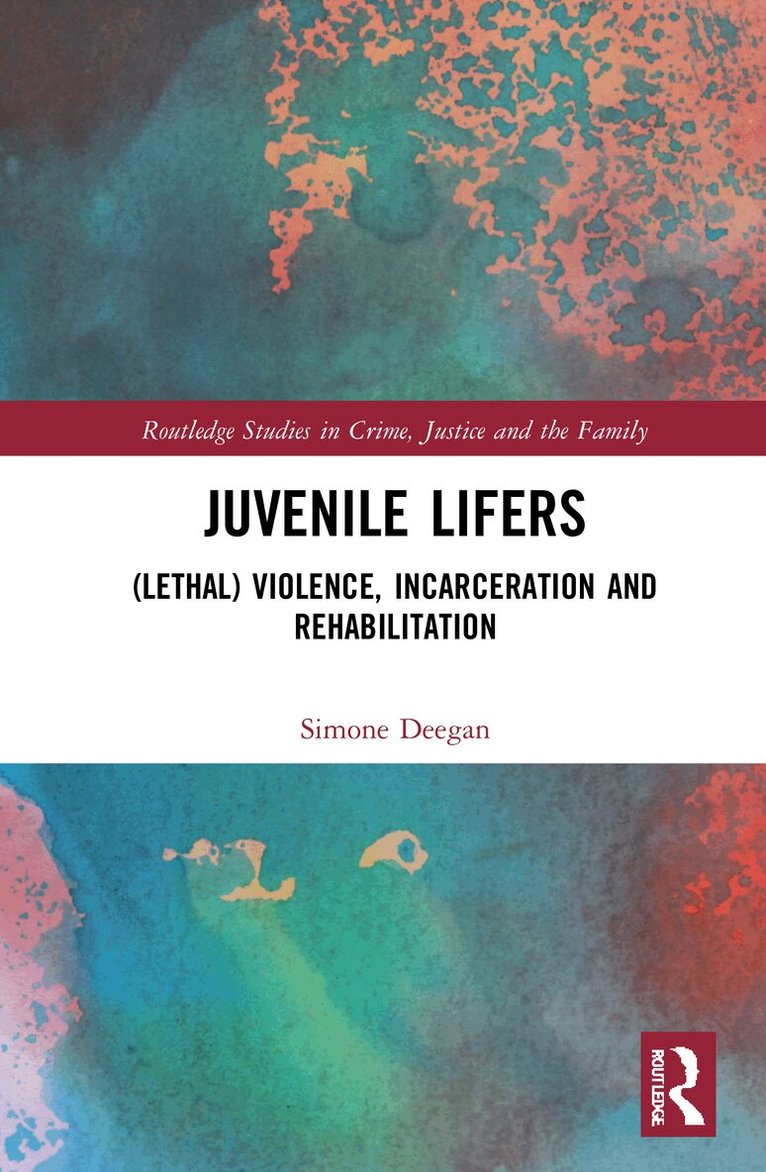
This book is the first Australian study, based on extensive fieldwork, of the personal backgrounds and processes by which juveniles get drawn into risky and violent situations that culminate in murder. Drawing on interviews with every juvenile under sanction of life imprisonment in the State of South Australia (2015–2019), it investigates links in the chain of events that led to the lethal violence that probably would have been broken had there been appropriate intervention. Specifically, the book asks whether the existing criminal justice frame is the appropriate way to deal with children who commit grave acts. The extent to which prison facilitates and/or inhibits the mental, emotional, and social development of juvenile ‘lifers’ is a critical issue. Most – if not all – will be released at some point, with key issues of risk (public protection) and rehabilitation (probability of desistance) coming sharply to the fore. In addition, this book is also the first to capture how significant others including mothers, fathers, grandparents, and siblings are affected when children kill and the level of commitment these relatives have towards supporting the prisoner in his or her quest to build a positive future.Written in a clear and direct style, this book will appeal to students and scholars of criminology, sociology, andpenology; practitioners working in social policy; and all those interested in the lives and backgrounds of juvenile offenders.
Häftad, Engelska, 2022
575 kr
Skickas inom 10-15 vardagar
This book is the first Australian study, based on extensive fieldwork, of the personal backgrounds and processes by which juveniles get drawn into risky and violent situations that culminate in murder. Drawing on interviews with every juvenile under sanction of life imprisonment in the State of South Australia (2015–2019), it investigates links in the chain of events that led to the lethal violence that probably would have been broken had there been appropriate intervention. Specifically, the book asks whether the existing criminal justice frame is the appropriate way to deal with children who commit grave acts. The extent to which prison facilitates and/or inhibits the mental, emotional, and social development of juvenile ‘lifers’ is a critical issue. Most – if not all – will be released at some point, with key issues of risk (public protection) and rehabilitation (probability of desistance) coming sharply to the fore. In addition, this book is also the first to capture how significant others including mothers, fathers, grandparents, and siblings are affected when children kill and the level of commitment these relatives have towards supporting the prisoner in his or her quest to build a positive future.Written in a clear and direct style, this book will appeal to students and scholars of criminology, sociology, andpenology; practitioners working in social policy; and all those interested in the lives and backgrounds of juvenile offenders.
Inbunden, Engelska, 2022
2 137 kr
Skickas inom 10-15 vardagar
This book examines how class shapes interactions between professionals, parents, and young people in the youth justice system, utilising a mix of contemporary social theory and a wealth of empirical material. It suggests ways to neutralise the effects of class on youth justice interventions in structurally unequal societies and argues for reform based on conceptions of negotiated justice, relational agency, and autonomy in dependence.The author develops a theoretical framework to explore how class is negotiated within youth justice, taking as its starting point the work of Bourdieu on habitus, Boltanski and Thévenot on the sociology of lay normativity, and Sayer’s work on moral understandings of class. This is combined with a detailed reading of empirical material gathered through focus groups, interviews with practitioners, parents and children, and participant observation of parenting courses. The result is an innovative revisiting of the part that social class plays in determining who is diverted into and away from youth justice and a sustained theoretical and empirical argument for the continued importance of class in criminological research.This book offers an original contribution to the fields of criminology, youth justice, and crime and the family. It provides an important source of knowledge for academics and practitioners interested in discussions on social class and indirect discrimination.
Häftad, Engelska, 2024
584 kr
Skickas inom 10-15 vardagar
This book examines how class shapes interactions between professionals, parents, and young people in the youth justice system, utilising a mix of contemporary social theory and a wealth of empirical material. It suggests ways to neutralise the effects of class on youth justice interventions in structurally unequal societies and argues for reform based on conceptions of negotiated justice, relational agency, and autonomy in dependence.The author develops a theoretical framework to explore how class is negotiated within youth justice, taking as its starting point the work of Bourdieu on habitus, Boltanski and Thévenot on the sociology of lay normativity, and Sayer’s work on moral understandings of class. This is combined with a detailed reading of empirical material gathered through focus groups, interviews with practitioners, parents and children, and participant observation of parenting courses. The result is an innovative revisiting of the part that social class plays in determining who is diverted into and away from youth justice and a sustained theoretical and empirical argument for the continued importance of class in criminological research.This book offers an original contribution to the fields of criminology, youth justice, and crime and the family. It provides an important source of knowledge for academics and practitioners interested in discussions on social class and indirect discrimination.
Häftad, Engelska, 2022
625 kr
Skickas inom 10-15 vardagar
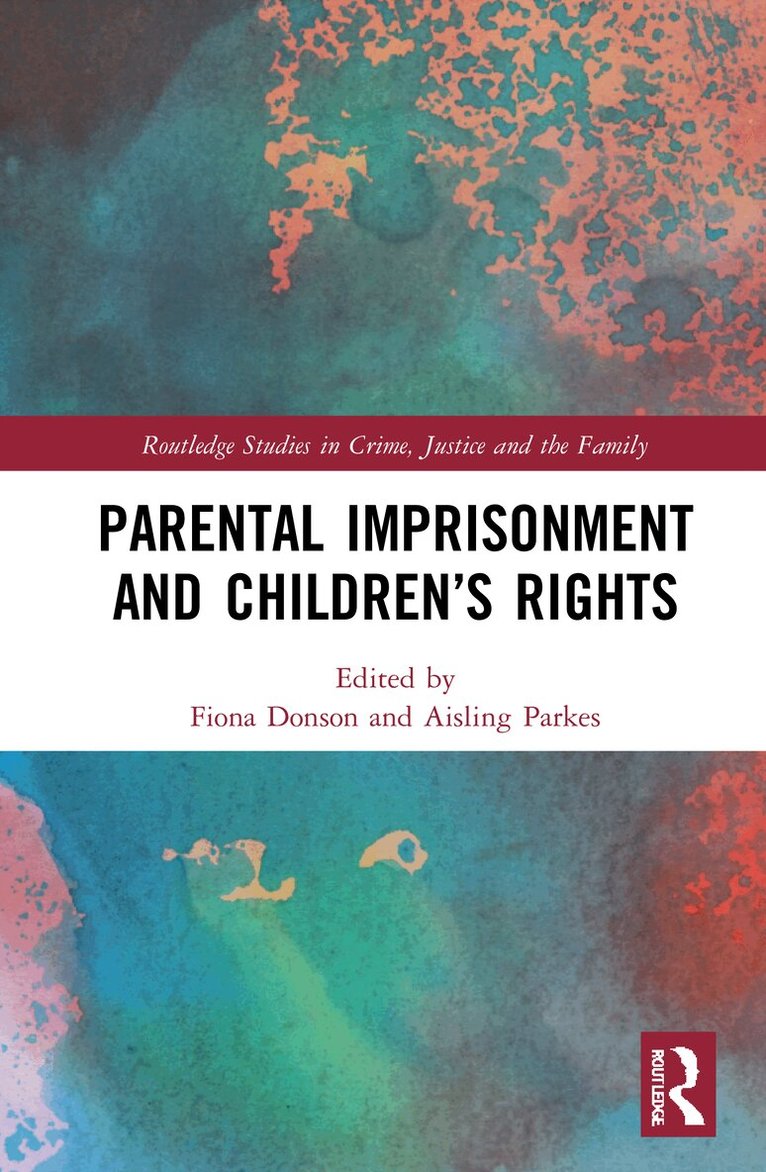
This book brings together internationally renowned academics and professionals from a variety of disciplines who, in a variety of ways, seek to understand the legal, conceptual and practical consequences of parental imprisonment through a children’s rights lens. Children whose parents have been incarcerated are often referred to as "invisible victims of crime and the penal system." It is well accepted that the imprisonment of a parent, even for a short period of time, not only negatively affects the lives of children but it can also result in a gross violation of their fundamental human rights, such as the right of access to their parent and the right to have an input into decision-making processes affecting them, the outcomes of which will without doubt affect the life of the child concerned. This collection foregrounds the voice of these children as it explores transdisciplinary boundaries and examines the practice and development of the rights of both children and their families within the wider dynamic of criminal justice and penology practice. The text is divided into three parts which are dedicated to 1) hearing the voices of children with parents in prison, 2) understanding to what extent children’s rights informs prison policy, and 3) demonstrating how law in the form of children’s rights can help frame both court sentencing and prison practice in a way that minimises the harm that contact with the prison system can cause. The research drawn upon in this book has been conducted in a number of European countries and demonstrates both good and bad practice as far as the implementation of children’s rights is concerned in the context of parental incarceration. An accessible and compelling read, this book will appeal to students and scholars of law, children’s rights, criminology, sociology, social work, psychology, penology and all those interested in, and working towards, protecting the rights of children who have a parent in prison.
Häftad, Engelska, 2021
625 kr
Skickas inom 10-15 vardagar
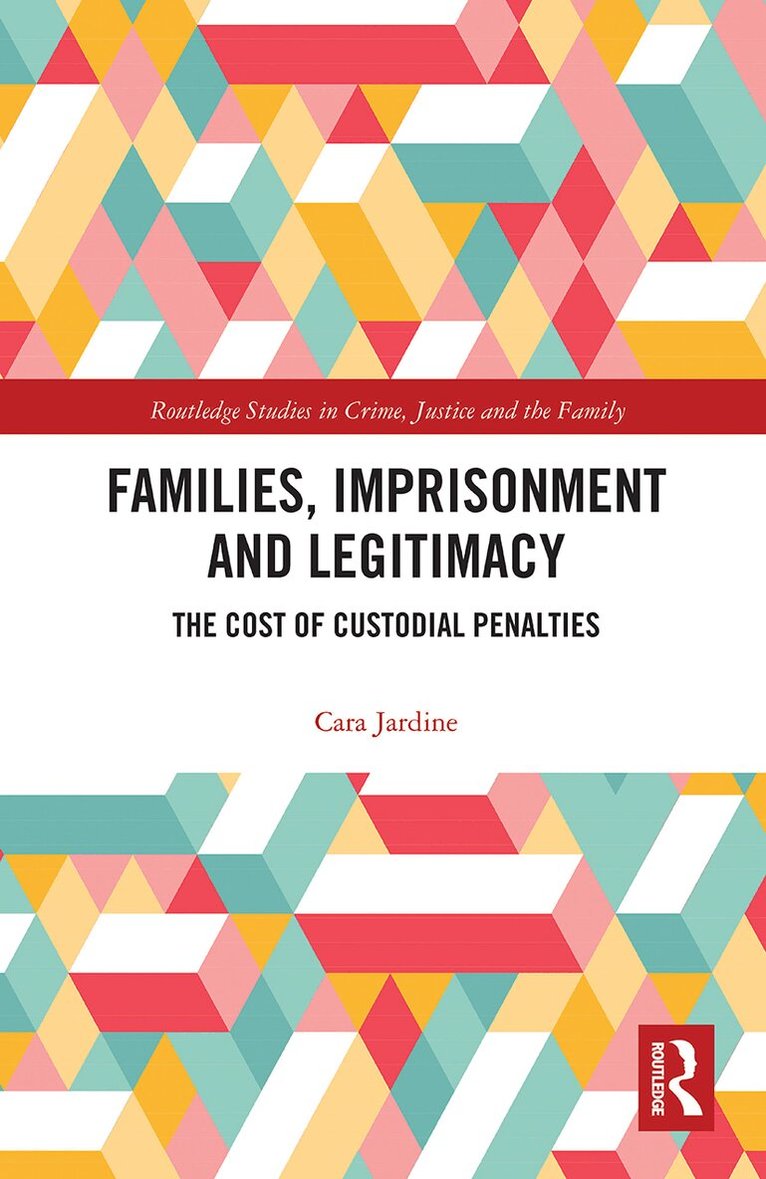
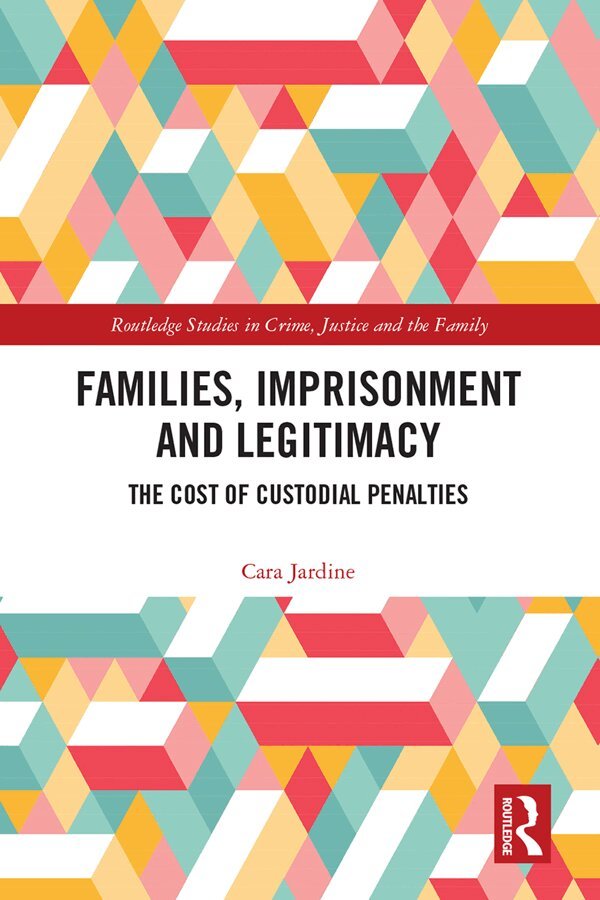
This book examines what it means to be a family within the restrictive, disruptive, and often distressing context of imprisonment. Drawing on original qualitative data, it looks beyond traditional models of the family to examine the question of which relationships matter to individuals affected by imprisonment, and demonstrates how family relationships are actively constructed and maintained through family "practices" and "displays" such as visits, shared experiences and continuing family memories and traditions. It sheds new light not only on the true extent of who is impacted by the imposition of a prison sentence, but also the barriers to family life that these individuals encounter throughout its duration.This book also contributes to our understanding of wider issues such as poverty and social marginalisation, the role of family relationships on desistance from crime, and legitimacy. It argues that the act of supporting an individual in custody can bring families into regular contact with the criminal justice system in ways that can be both distressing and problematic, and therefore contends that the prison system should minimise the damage caused by imprisonment not only to family relationships, but also to the perceived legitimacy of the criminal justice system.Generating new conceptual insights into the harms of imprisonment and how perceptions of legitimacy and fairness are shaped by the criminal justice system, this book will be of much interest to students of criminology and sociology engaged in studies of criminal justice, prisons, gender, social work, and punishment. It will also be of interest to policy makers, penal-reformers, and activists.
Inbunden, Engelska, 2026
2 047 kr
Kommande
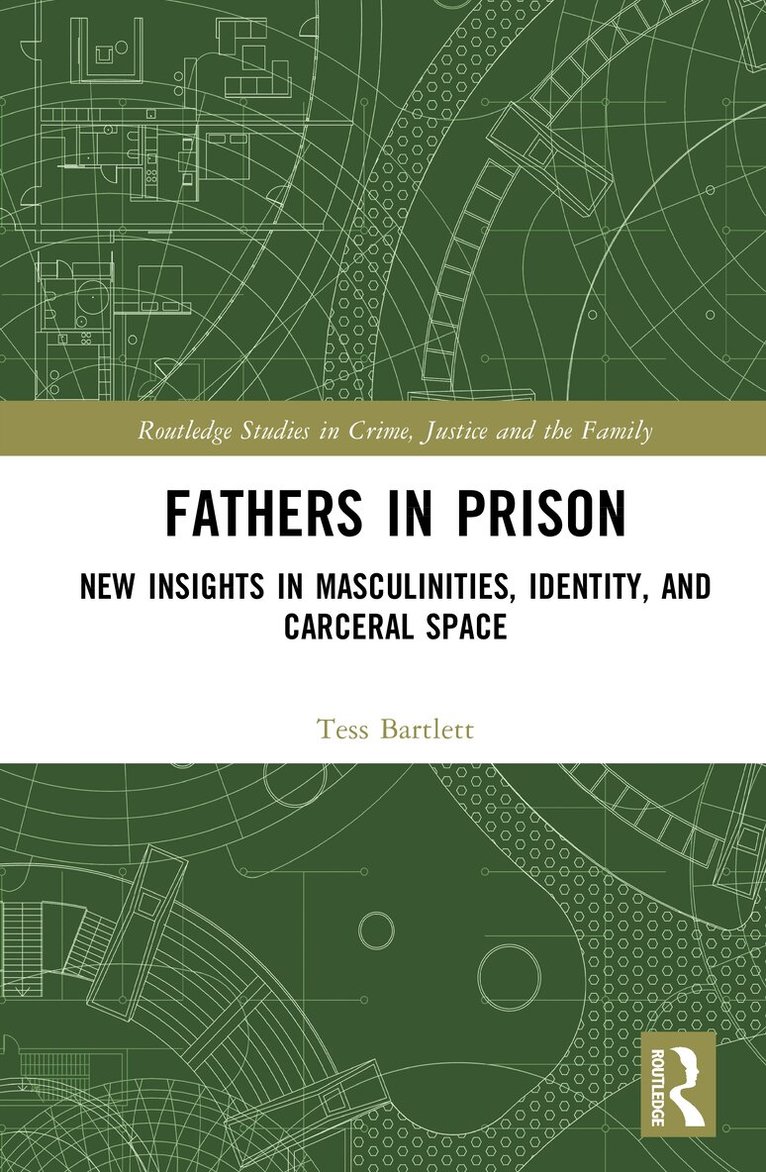
Crime is a gendered phenomenon. Males make up over 90% of the prison population in most developed countries and yet paradoxically, discussions about gender and male imprisonment, especially with regards to fathers, do not dominate academic discourse. This book examines the experiences of imprisoned fathers and provides insights into fathers’ experiences of imprisonment and release within Victoria, Australia.It offers new theoretical perspectives on masculinities, identity (and the self), and carceral space and argues that fathers continue to be largely overlooked throughout the criminal justice process. Fathers in Prison calls attention to the systemic, structural, and societal issues that act as barriers to fathers and their children who are looking to maintain contact during imprisonment and upon their release. In so doing, it reimagines the prison and post-release space and what these could look like if the policy approach was gender-responsive and focused on the whole family.This book will be of interest to criminologists, penologists, and sociologists studying gender and imprisonment. It will also be useful for social workers, prison practitioners, and policymakers interested in family-focused rehabilitation measures.
Inbunden, Engelska, 2020
2 137 kr
Skickas inom 10-15 vardagar
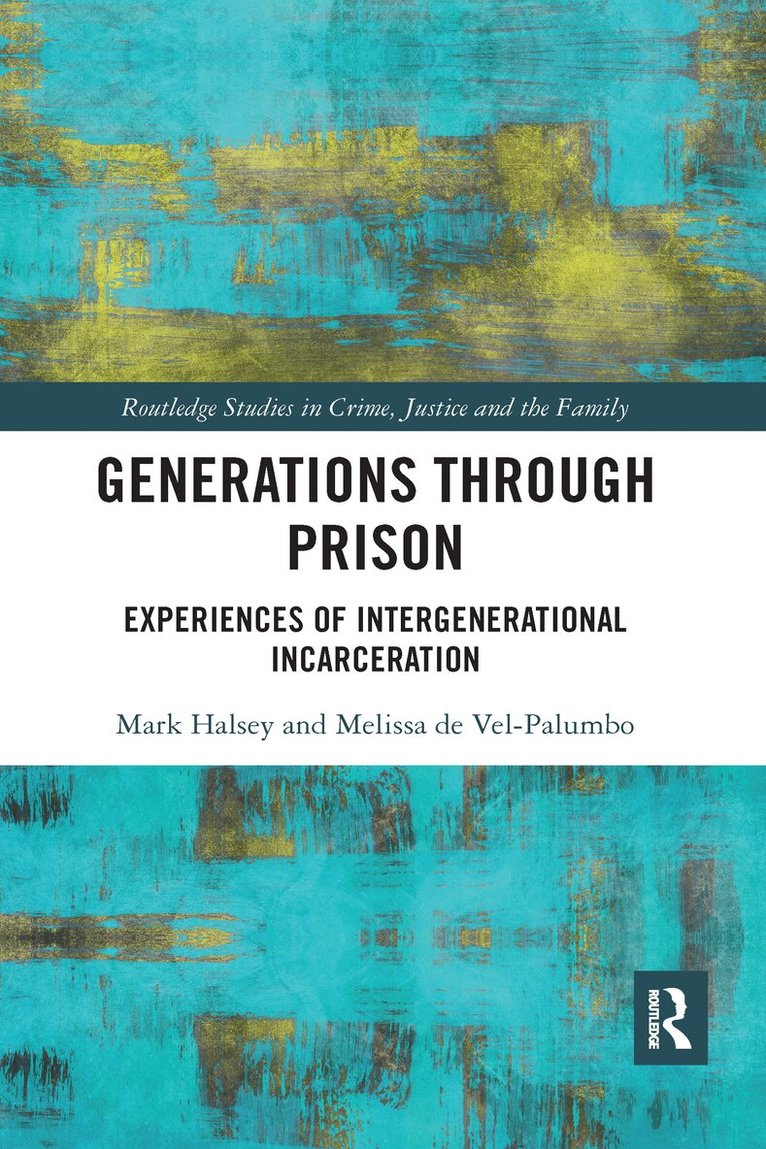
Around one in five prisoners report the previous or current incarceration of a parent. Many such prisoners attest to the long-term negative effects of parental incarceration on one’s own sense of self and on the range and quality of opportunities for building a conventional life. And yet, the problem of intergenerational incarceration has received only passing attention from academics, and virtually little if any consideration from policy makers and correctional officials. This book – the first of its kind – offers an in-depth examination of the causes, experiences and consequences of intergenerational incarceration. It draws extensively from surveys and interviews with second-, third-, fourth- and fifth-generation prisoners to explicate the personal, familial and socio-economic contexts typically associated with incarceration across generations. The book examines 1) the emergence of the prison as a dominant if not life-defining institution for some families, 2) the link between intergenerational trauma, crime and intergenerational incarceration, 3) the role of police, courts, and corrections in amplifying or ameliorating such problems, and 4) the possible means for preventing intergenerational incarceration. This is undeniably a book that bears witness to many tragic and traumatic stories. But it is also a work premised on the idea that knowing these stories – knowing that they often resist alignment with pre-conceived ideas about who prisoners are or who they might become – is part and parcel of advancing critical debate and, more importantly, of creating real change. Written in a clear and direct style, this book will appeal to students and scholars in criminology, sociology, cultural studies, social theory and those interested in learning about more about families in prison.
Häftad, Engelska, 2021
575 kr
Skickas inom 10-15 vardagar
Around one in five prisoners report the previous or current incarceration of a parent. Many such prisoners attest to the long-term negative effects of parental incarceration on one’s own sense of self and on the range and quality of opportunities for building a conventional life. And yet, the problem of intergenerational incarceration has received only passing attention from academics, and virtually little if any consideration from policy makers and correctional officials. This book – the first of its kind – offers an in-depth examination of the causes, experiences and consequences of intergenerational incarceration. It draws extensively from surveys and interviews with second-, third-, fourth- and fifth-generation prisoners to explicate the personal, familial and socio-economic contexts typically associated with incarceration across generations. The book examines 1) the emergence of the prison as a dominant if not life-defining institution for some families, 2) the link between intergenerational trauma, crime and intergenerational incarceration, 3) the role of police, courts, and corrections in amplifying or ameliorating such problems, and 4) the possible means for preventing intergenerational incarceration. This is undeniably a book that bears witness to many tragic and traumatic stories. But it is also a work premised on the idea that knowing these stories – knowing that they often resist alignment with pre-conceived ideas about who prisoners are or who they might become – is part and parcel of advancing critical debate and, more importantly, of creating real change. Written in a clear and direct style, this book will appeal to students and scholars in criminology, sociology, cultural studies, social theory and those interested in learning about more about families in prison.
Inbunden, Engelska, 2023
1 966 kr
Skickas inom 10-15 vardagar
Bringing together a range of perspectives, this book establishes a criminology of the domestic, paying particular attention to emerging spatial and relational reconfigurations. We move beyond criminologies of public and urban domains to consider over-looked non-public locales, and crimes and harms that occur in the home and other private spaces. Developed in the context of the COVID-19 lockdowns, where distinctions between public and private became increasingly untenable, the book considers how the pandemic has accelerated new patterns of behaviour, enabled by technology and shifting social relations.Drawing on a range of criminological topics, including victimisation, offending, property and violent crime, consumption, deviance and leisure, and zemiology, the book argues that the domestic sphere, and its relation to the public realm, needs to be more carefully conceptualised if criminology is to respond to new spatial and relational dimensions of changing lifestyles.An accessible and compelling read, this book will appeal to students and scholars of criminology, sociology, politics, geography, history, gender, surveillance and security, and all those interested in a criminology of the domestic sphere.
Häftad, Engelska, 2024
537 kr
Skickas inom 10-15 vardagar
Bringing together a range of perspectives, this book establishes a criminology of the domestic, paying particular attention to emerging spatial and relational reconfigurations. We move beyond criminologies of public and urban domains to consider over-looked non-public locales, and crimes and harms that occur in the home and other private spaces. Developed in the context of the COVID-19 lockdowns, where distinctions between public and private became increasingly untenable, the book considers how the pandemic has accelerated new patterns of behaviour, enabled by technology and shifting social relations.Drawing on a range of criminological topics, including victimisation, offending, property and violent crime, consumption, deviance and leisure, and zemiology, the book argues that the domestic sphere, and its relation to the public realm, needs to be more carefully conceptualised if criminology is to respond to new spatial and relational dimensions of changing lifestyles.An accessible and compelling read, this book will appeal to students and scholars of criminology, sociology, politics, geography, history, gender, surveillance and security, and all those interested in a criminology of the domestic sphere.
Inbunden, Engelska, 2024
1 943 kr
Skickas inom 10-15 vardagar
On the back of their last book, Cyber-risk and Youth, and building on a new research project, Adorjan and Ricciardelli marshal current research to explore parenting in the digital age.Utilizing 70 original interviews from rural and urban area Canadian parents, the book provides an overview of research on “digital parenting” and illuminates the modern parental experience of managing children’s access to internet-connected technologies. The book explores parents’ experiences with cyberbullying and nonconsensual sexting, as well as concerns over breaches of privacy, screen time and internet addiction. It also investigates parents’ views regarding effective and ineffective strategies in mediation of technology and cyber-risk, including new directions such as restorative practices intended as a response to online conflict and harm. While framing their discussions among sociological theories, Adorjan and Ricciardelli also deliberately emphasize the gendered nature of the book’s discourses and encourage critical reflection of various online surveillance technologies, often marketed to mothers, to keep children safe.As such, Parenting Cyber-Risk is a standout research monograph which not only offers broad insight into 21st-century parenting challenges but also offers solutions. The book will be of interest to advanced undergraduate and postgraduate students studying criminology, sociology and any other related fields.
Häftad, Engelska, 2026
581 kr
Skickas inom 10-15 vardagar
On the back of their last book, Cyber-risk and Youth, and building on a new research project, Adorjan and Ricciardelli marshal current research to explore parenting in the digital age.Utilizing 70 original interviews from rural and urban area Canadian parents, the book provides an overview of research on “digital parenting” and illuminates the modern parental experience of managing children’s access to internet-connected technologies. The book explores parents’ experiences with cyberbullying and nonconsensual sexting, as well as concerns over breaches of privacy, screen time and internet addiction. It also investigates parents’ views regarding effective and ineffective strategies in mediation of technology and cyber-risk, including new directions such as restorative practices intended as a response to online conflict and harm. While framing their discussions among sociological theories, Adorjan and Ricciardelli also deliberately emphasize the gendered nature of the book’s discourses and encourage critical reflection of various online surveillance technologies, often marketed to mothers, to keep children safe.As such, Parenting Cyber-Risk is a standout research monograph which not only offers broad insight into 21st-century parenting challenges but also offers solutions. The book will be of interest to advanced undergraduate and postgraduate students studying criminology, sociology and any other related fields.
Häftad, Engelska, 2024
537 kr
Skickas inom 10-15 vardagar
It has long been argued that families play a crucial role in helping support prisoners during and beyond their time in prison. Through harnessing material and emotional support offered through family, prisoners can have a stronger commitment to move towards prosocial pathways via these important social ties. Yet, often overlooked are the experiences of families themselves in providing support for prisoners. This book focuses on parents whose adolescent male children are sent to prison. Charting many of the adversities which parents face – from violence, psychological stress, to stigma and shame – the book provides one of the first empirical assessments of the ways parents manage the consequences of serious crime and navigate relationships with their children in prison.As well as documenting major social hardships of imprisonment, the book will also assess the heterogeneous impacts on relationships between parents and their male children, including cases where relationships may improve or worsen over the sentence. With sensitivity to issues of gender, ethnicity and inequality in families, this book sheds new light on many of the problems of youth crime and presents a highly topical insight into the effects of imprisonment on parents. An accessible and compelling read, this book will appeal to students and scholars of criminology, youth justice, sociology and all those interested in the role of families in supporting prisoners.
Inbunden, Engelska, 2021
2 343 kr
Skickas inom 10-15 vardagar
This book brings together internationally renowned academics and professionals from a variety of disciplines who, in a variety of ways, seek to understand the legal, conceptual and practical consequences of parental imprisonment through a children’s rights lens. Children whose parents have been incarcerated are often referred to as "invisible victims of crime and the penal system." It is well accepted that the imprisonment of a parent, even for a short period of time, not only negatively affects the lives of children but it can also result in a gross violation of their fundamental human rights, such as the right of access to their parent and the right to have an input into decision-making processes affecting them, the outcomes of which will without doubt affect the life of the child concerned. This collection foregrounds the voice of these children as it explores transdisciplinary boundaries and examines the practice and development of the rights of both children and their families within the wider dynamic of criminal justice and penology practice. The text is divided into three parts which are dedicated to 1) hearing the voices of children with parents in prison, 2) understanding to what extent children’s rights informs prison policy, and 3) demonstrating how law in the form of children’s rights can help frame both court sentencing and prison practice in a way that minimises the harm that contact with the prison system can cause. The research drawn upon in this book has been conducted in a number of European countries and demonstrates both good and bad practice as far as the implementation of children’s rights is concerned in the context of parental incarceration. An accessible and compelling read, this book will appeal to students and scholars of law, children’s rights, criminology, sociology, social work, psychology, penology and all those interested in, and working towards, protecting the rights of children who have a parent in prison.
Inbunden, Engelska, 2019
2 137 kr
Skickas inom 10-15 vardagar
This book examines what it means to be a family within the restrictive, disruptive, and often distressing context of imprisonment. Drawing on original qualitative data, it looks beyond traditional models of the family to examine the question of which relationships matter to individuals affected by imprisonment, and demonstrates how family relationships are actively constructed and maintained through family "practices" and "displays" such as visits, shared experiences and continuing family memories and traditions. It sheds new light not only on the true extent of who is impacted by the imposition of a prison sentence, but also the barriers to family life that these individuals encounter throughout its duration.This book also contributes to our understanding of wider issues such as poverty and social marginalisation, the role of family relationships on desistance from crime, and legitimacy. It argues that the act of supporting an individual in custody can bring families into regular contact with the criminal justice system in ways that can be both distressing and problematic, and therefore contends that the prison system should minimise the damage caused by imprisonment not only to family relationships, but also to the perceived legitimacy of the criminal justice system.Generating new conceptual insights into the harms of imprisonment and how perceptions of legitimacy and fairness are shaped by the criminal justice system, this book will be of much interest to students of criminology and sociology engaged in studies of criminal justice, prisons, gender, social work, and punishment. It will also be of interest to policy makers, penal-reformers, and activists.