Knowledge Societies in History – serie
Visar alla böcker i serien Knowledge Societies in History. Handla med fri frakt och snabb leverans.
12 produkter
12 produkter
Inbunden, Engelska, 2020
2 215 kr
Skickas inom 10-15 vardagar
Early Modern Knowledge Societies as Affective Economies researches the development of knowledge economies in Early Modern Europe. Starting with the Southern and Northern Netherlands as important early hubs for marketing knowledge, it analyses knowledge economies in the dynamics of a globalizing world.The book brings together scholars and perspectives from history, art history, material culture, book history, history of science and literature to analyse the relationship between knowledge and markets. How did knowledge grow into a marketable product? What knowledge about markets was available in this period, and how did it develop? By connecting these questions the authors show how knowledge markets operated, not only economically but also culturally, through communication and affect. Knowledge societies are analysed as affective communities, spaces and practices. Compelling case studies describe the role of emotions such as hope, ambition, desire, love, fascination, adventure and disappointment – on driving merchants, contractors and consumers to operate in the market of knowledge. In so doing, the book offers innovative perspectives on the development of knowledge markets and the valuation of knowledge.Introducing the reader to different perspectives on how knowledge markets operated from both an economic and cultural perspective, this book will be of great use to students, graduates and scholars of early modern history, economic history, the history of emotions and the history of the Low Countries.
Häftad, Engelska, 2020
605 kr
Skickas inom 10-15 vardagar
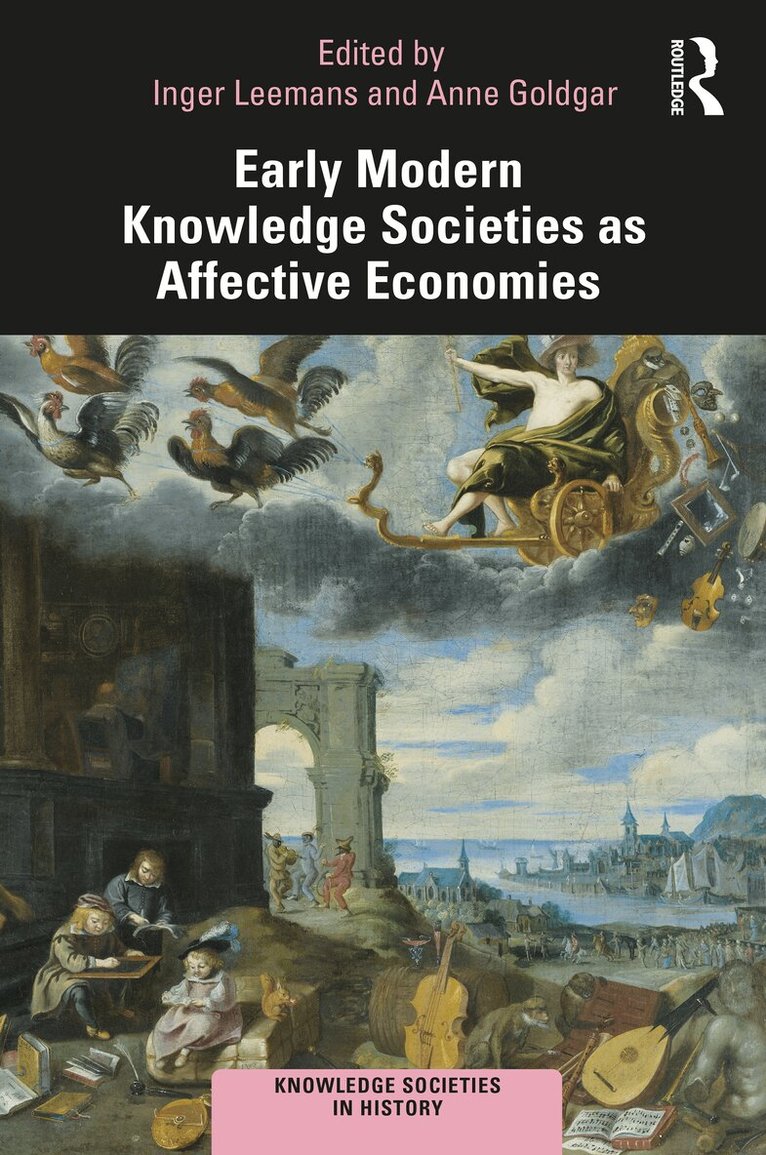
Early Modern Knowledge Societies as Affective Economies researches the development of knowledge economies in Early Modern Europe. Starting with the Southern and Northern Netherlands as important early hubs for marketing knowledge, it analyses knowledge economies in the dynamics of a globalizing world.The book brings together scholars and perspectives from history, art history, material culture, book history, history of science and literature to analyse the relationship between knowledge and markets. How did knowledge grow into a marketable product? What knowledge about markets was available in this period, and how did it develop? By connecting these questions the authors show how knowledge markets operated, not only economically but also culturally, through communication and affect. Knowledge societies are analysed as affective communities, spaces and practices. Compelling case studies describe the role of emotions such as hope, ambition, desire, love, fascination, adventure and disappointment – on driving merchants, contractors and consumers to operate in the market of knowledge. In so doing, the book offers innovative perspectives on the development of knowledge markets and the valuation of knowledge.Introducing the reader to different perspectives on how knowledge markets operated from both an economic and cultural perspective, this book will be of great use to students, graduates and scholars of early modern history, economic history, the history of emotions and the history of the Low Countries.
Häftad, Engelska, 2022
577 kr
Skickas inom 10-15 vardagar
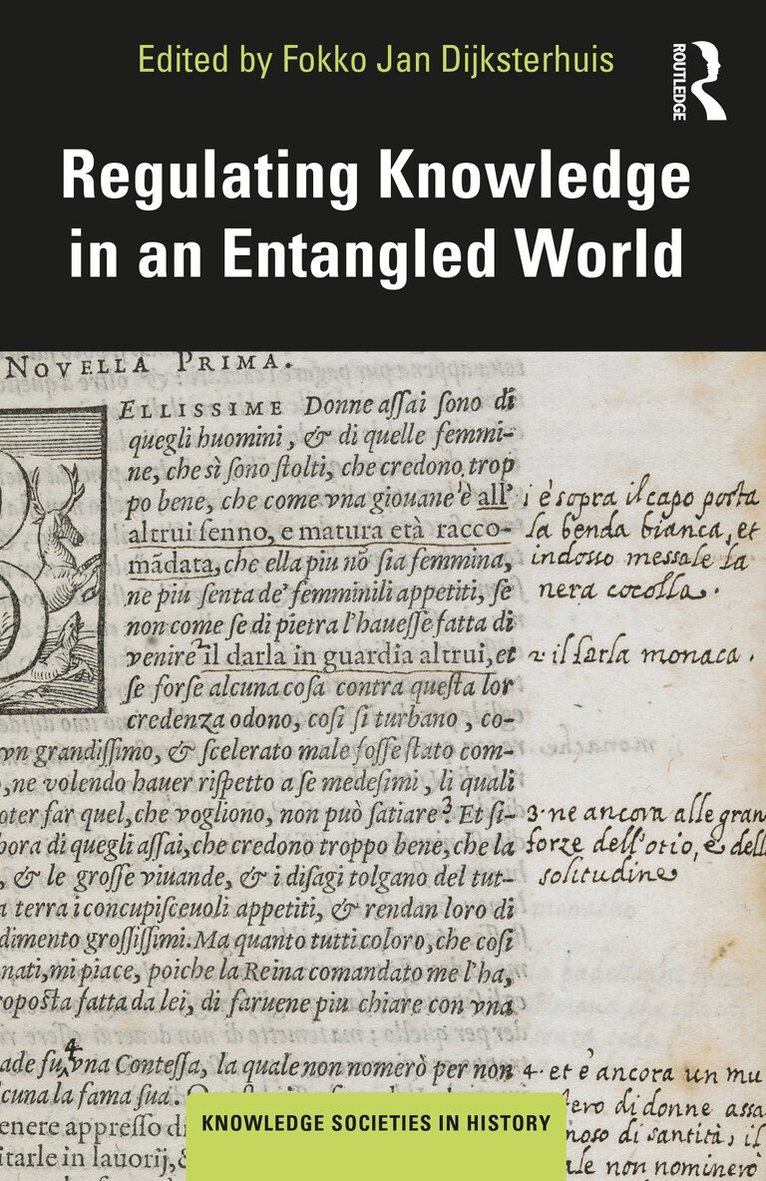
Regulating Knowledge in an Entangled World uses case studies from the sixteenth to the eighteenth centuries to study knowledge transfer in early modern knowledge societies.In the early modern period the scale, intensity, and reach of exchange exploded. This volume develops a historicised understanding of knowledge transfer to shed new light on these fundamental changes. By looking at the preconditions of knowledge transfer, it shifts the focus from the objects circulating to the interactions by which they circulate and the way actors cement their relations. The novelty of this approach shows how rules and regulations were enablers of knowledge circulation, rather than impediments. The chapters identify changing patterns of knowledge transfer in cases such as sixteenth-century Venice, the Spanish Empire in the Americas, continental Habsburg, early seventeenth-century Dutch at sea, and the Offices of the Catholic Church. Through the perspective of ‘regulating’, this volume advances the historiography of knowledge circulation by forging a new combination of histories of circulation and of institutions.By bringing together historians from intellectual history, economic history, book history, the history of science, religion, art, and material culture, this volume is useful for students and scholars interested in early modern knowledge societies and changing patterns of knowledge transfer.
Inbunden, Engelska, 2022
2 002 kr
Skickas inom 10-15 vardagar
Regulating Knowledge in an Entangled World uses case studies from the sixteenth to the eighteenth centuries to study knowledge transfer in early modern knowledge societies.In the early modern period the scale, intensity, and reach of exchange exploded. This volume develops a historicised understanding of knowledge transfer to shed new light on these fundamental changes. By looking at the preconditions of knowledge transfer, it shifts the focus from the objects circulating to the interactions by which they circulate and the way actors cement their relations. The novelty of this approach shows how rules and regulations were enablers of knowledge circulation, rather than impediments. The chapters identify changing patterns of knowledge transfer in cases such as sixteenth-century Venice, the Spanish Empire in the Americas, continental Habsburg, early seventeenth-century Dutch at sea, and the Offices of the Catholic Church. Through the perspective of ‘regulating’, this volume advances the historiography of knowledge circulation by forging a new combination of histories of circulation and of institutions.By bringing together historians from intellectual history, economic history, book history, the history of science, religion, art, and material culture, this volume is useful for students and scholars interested in early modern knowledge societies and changing patterns of knowledge transfer.
Häftad, Engelska, 2022
662 kr
Skickas inom 10-15 vardagar
Histories of Knowledge in Postwar Scandinavia uses case studies to explore how knowledge circulated in the different public arenas that shaped politics, economics and cultural life in and across postwar Scandinavia, particularly in the 1960s and 1970s.This book focuses on a period when the term "knowledge society" was coined and rapidly found traction. In Scandinavia, society’s relationship to rational forms of knowledge became vital to the self-understanding and political ambitions of the era. Taking advantage of contemporary discussions about the circulation, arenas, forms, applications and actors of knowledge, contributors examine various forms of knowledge – economic, environmental, humanistic, religious, political, and sexual – that provide insight into the making and functioning of postwar Scandinavian societies and offer innovative studies that contribute to the development of the history of knowledge at large. The concentration on knowledge rather than the welfare state, the Cold War or the new social and political movements, which to date have attracted the lion’s share of scholarly attention, ensures the book makes a historiographical intervention in postwar Scandinavian historiography. Offering a stimulating point of departure for those interested in the history of knowledge and the circulation of knowledge, this is a vital resource for students and scholars of postwar Scandinavia that provides fresh perspectives and new methodologies for exploration.
Häftad, Engelska, 2021
591 kr
Skickas inom 10-15 vardagar
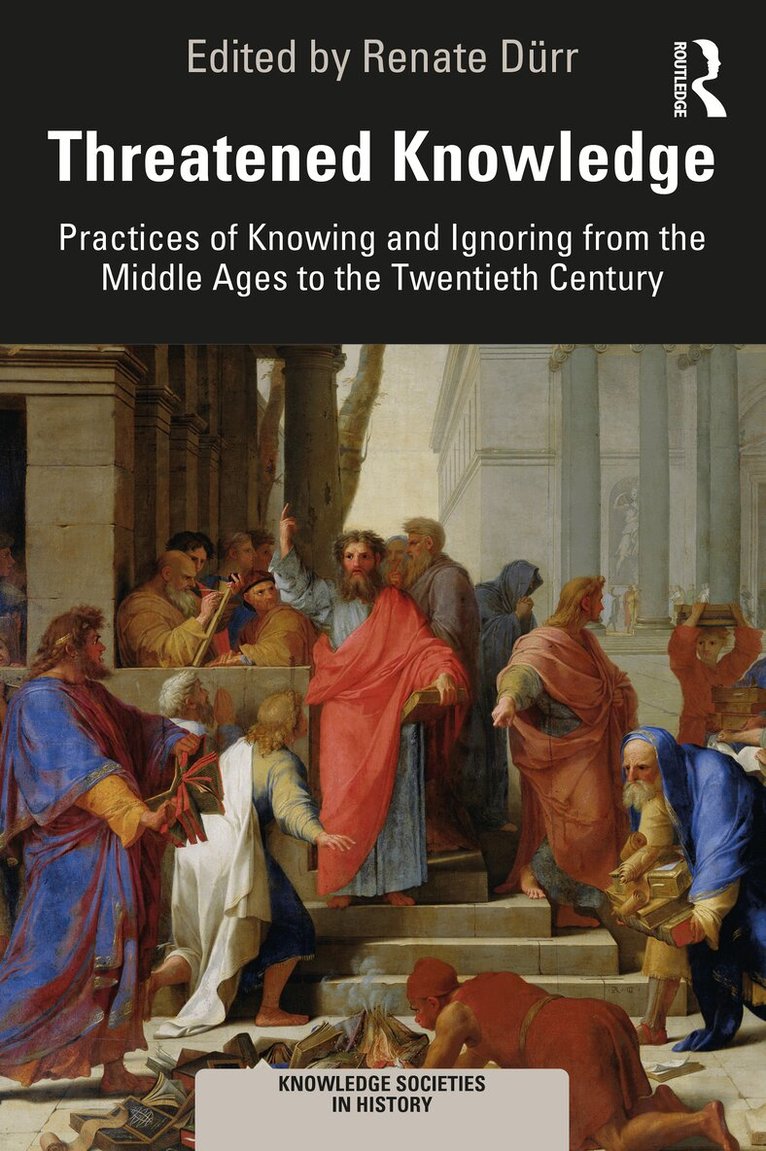
Threatened Knowledge discusses the practices of knowing, not-knowing, and not wanting to know from the Middle Ages to the twentieth century. In times of "fake news", processes of forgetting and practices of non-knowledge have sparked the interest of historical and sociological research. The common ground between all the contributions in this volume is the assumption that knowledge does not simply increase over time and thus supplant phases of not-knowing. Moreover, the contributions show that knowing and not-knowing function in very similar ways, which means they can be analysed along similar methodological lines. Given the implied juxtaposition between emotions and rational thinking, the role of emotions in the process of knowledge production has often been trivialized in more traditional approaches to the subject. Through a broad geographical and chronological approach, spanning from prognostic texts in the Carolingian period to stock market speculation in early-twentieth-century United States, this volume demonstrates the important role of emotions in the history of science.By bringing together cultural historians of knowledge, emotions, finance, and global intellectual history, Threatened Knowledge is a useful tool for all students and scholars of the history of knowledge and science on a global scale.
Inbunden, Engelska, 2021
2 215 kr
Skickas inom 10-15 vardagar
Threatened Knowledge discusses the practices of knowing, not-knowing, and not wanting to know from the Middle Ages to the twentieth century. In times of "fake news", processes of forgetting and practices of non-knowledge have sparked the interest of historical and sociological research. The common ground between all the contributions in this volume is the assumption that knowledge does not simply increase over time and thus supplant phases of not-knowing. Moreover, the contributions show that knowing and not-knowing function in very similar ways, which means they can be analysed along similar methodological lines. Given the implied juxtaposition between emotions and rational thinking, the role of emotions in the process of knowledge production has often been trivialized in more traditional approaches to the subject. Through a broad geographical and chronological approach, spanning from prognostic texts in the Carolingian period to stock market speculation in early-twentieth-century United States, this volume demonstrates the important role of emotions in the history of science.By bringing together cultural historians of knowledge, emotions, finance, and global intellectual history, Threatened Knowledge is a useful tool for all students and scholars of the history of knowledge and science on a global scale.
Inbunden, Engelska, 2020
2 215 kr
Skickas inom 10-15 vardagar
Histories of Knowledge in Postwar Scandinavia uses case studies to explore how knowledge circulated in the different public arenas that shaped politics, economics and cultural life in and across postwar Scandinavia, particularly in the 1960s and 1970s.This book focuses on a period when the term "knowledge society" was coined and rapidly found traction. In Scandinavia, society’s relationship to rational forms of knowledge became vital to the self-understanding and political ambitions of the era. Taking advantage of contemporary discussions about the circulation, arenas, forms, applications and actors of knowledge, contributors examine various forms of knowledge – economic, environmental, humanistic, religious, political, and sexual – that provide insight into the making and functioning of postwar Scandinavian societies and offer innovative studies that contribute to the development of the history of knowledge at large. The concentration on knowledge rather than the welfare state, the Cold War or the new social and political movements, which to date have attracted the lion’s share of scholarly attention, ensures the book makes a historiographical intervention in postwar Scandinavian historiography. Offering a stimulating point of departure for those interested in the history of knowledge and the circulation of knowledge, this is a vital resource for students and scholars of postwar Scandinavia that provides fresh perspectives and new methodologies for exploration.
Inbunden, Engelska, 2025
2 201 kr
Skickas inom 10-15 vardagar
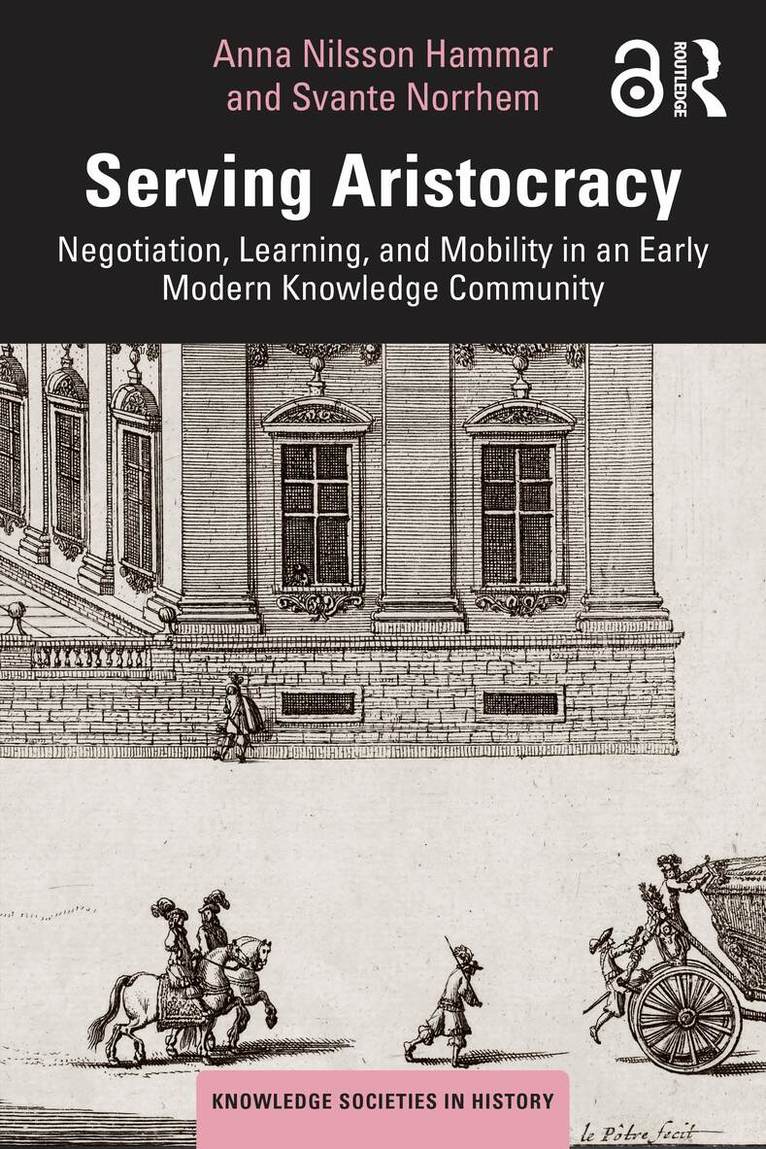
Serving Aristocracy is the history of social negotiation and mobility in an early modern knowledge community, centred on the aristocratic De la Gardie family and their sphere of manors and estates in seventeenth-century Sweden.Focusing on underprivileged women and men and the knowledge community that shaped their interactions, social negotiations, and mobility, this book documents ordinary people’s lives and work in an aristocratic sphere. It uses the De la Gardie bureaucracy’s meticulous records to full effect, charting servants’ experiences, learning, and agency. The unique collection of petitions provides an invaluable insight into how servants viewed their own backgrounds, personal predicaments, and hopes for the future, and how they negotiated their work and wage. It reveals the aristocratic estate organization not only as a workplace, but also as a training ground where knowledge circulation was as fundamental as socialization, social negotiation, and networking. At the same time, Serving Aristocracy exposes the flaws in the aristocratic mindset: the De la Gardies’ organization was hierarchical, paternalistic, and feudal, and employees were forced to live at the mercy of their masters.This is the ideal resource for students and scholars interested in knowledge, mobility, and agency in an early modern aristocratic work sphere.
Häftad, Engelska, 2025
602 kr
Skickas inom 10-15 vardagar
Serving Aristocracy is the history of social negotiation and mobility in an early modern knowledge community, centred on the aristocratic De la Gardie family and their sphere of manors and estates in seventeenth-century Sweden.Focusing on underprivileged women and men and the knowledge community that shaped their interactions, social negotiations, and mobility, this book documents ordinary people’s lives and work in an aristocratic sphere. It uses the De la Gardie bureaucracy’s meticulous records to full effect, charting servants’ experiences, learning, and agency. The unique collection of petitions provides an invaluable insight into how servants viewed their own backgrounds, personal predicaments, and hopes for the future, and how they negotiated their work and wage. It reveals the aristocratic estate organization not only as a workplace, but also as a training ground where knowledge circulation was as fundamental as socialization, social negotiation, and networking. At the same time, Serving Aristocracy exposes the flaws in the aristocratic mindset: the De la Gardies’ organization was hierarchical, paternalistic, and feudal, and employees were forced to live at the mercy of their masters.This is the ideal resource for students and scholars interested in knowledge, mobility, and agency in an early modern aristocratic work sphere.
Inbunden, Engelska, 2019
2 201 kr
Skickas inom 10-15 vardagar
Knowledge and the Early Modern City uses case studies from the sixteenth to the eighteenth centuries to examine the relationships between knowledge and the city and how these changed in a period when the nature and conception of both was drastically transformed.Both knowledge formation and the European city were increasingly caught up in broader institutional structures and regional and global networks of trade and exchange during the early modern period. Moreover, new ideas about the relationship between nature and the transcendent, as well as technological transformations, impacted upon both considerably. This book addresses the entanglement between knowledge production and the early modern urban environment while incorporating approaches to the city and knowledge in which both are seen as emerging from hybrid networks in which human and non-human elements continually interact and acquire meaning. It highlights how new forms of knowledge and new conceptions of the urban co-emerged in highly contingent practices, shedding a new light on present-day ideas about the impact of cities on knowledge production and innovation. Providing the ideal starting point for those seeking to understand the role of urban institutions, actors and spaces in the production of knowledge and the development of the so-called ‘modern’ knowledge society, this is the perfect resource for students and scholars of early modern history and knowledge.
Häftad, Engelska, 2019
715 kr
Skickas inom 10-15 vardagar
Knowledge and the Early Modern City uses case studies from the sixteenth to the eighteenth centuries to examine the relationships between knowledge and the city and how these changed in a period when the nature and conception of both was drastically transformed.Both knowledge formation and the European city were increasingly caught up in broader institutional structures and regional and global networks of trade and exchange during the early modern period. Moreover, new ideas about the relationship between nature and the transcendent, as well as technological transformations, impacted upon both considerably. This book addresses the entanglement between knowledge production and the early modern urban environment while incorporating approaches to the city and knowledge in which both are seen as emerging from hybrid networks in which human and non-human elements continually interact and acquire meaning. It highlights how new forms of knowledge and new conceptions of the urban co-emerged in highly contingent practices, shedding a new light on present-day ideas about the impact of cities on knowledge production and innovation. Providing the ideal starting point for those seeking to understand the role of urban institutions, actors and spaces in the production of knowledge and the development of the so-called ‘modern’ knowledge society, this is the perfect resource for students and scholars of early modern history and knowledge.