Lost Civilizations - Böcker
Visar alla böcker i serien Lost Civilizations. Handla med fri frakt och snabb leverans.
20 produkter
20 produkter
162 kr
Skickas
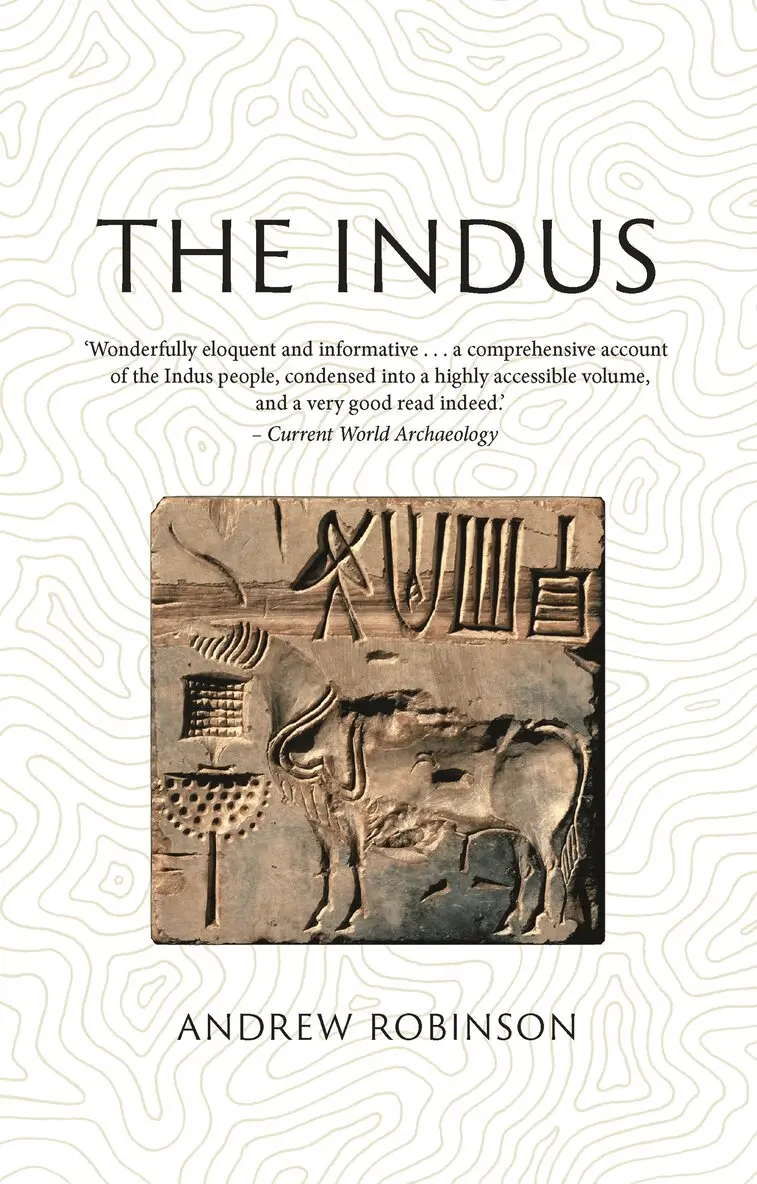
The Indus civilization flourished for half a millennium from about 2600 to 1900 BC, when it mysteriously declined and vanished from view. It remained invisible for almost four thousand years, until its ruins were discovered in the 1920s by British and Indian archaeologists. Today, after almost a century of excavation, it is regarded as the beginning of Indian civilization and possibly the origin of Hinduism.The Indus: Lost Civilizations, now available in paperback, is an accessible introduction to every significant aspect of an extraordinary and tantalizing ‘lost’ civilization, which combined artistic excellence, technological sophistication and economic vigour with social egalitarianism, political freedom and religious moderation. The book also discusses the vital legacy of the Indus civilization in India and Pakistan today.
187 kr
Skickas
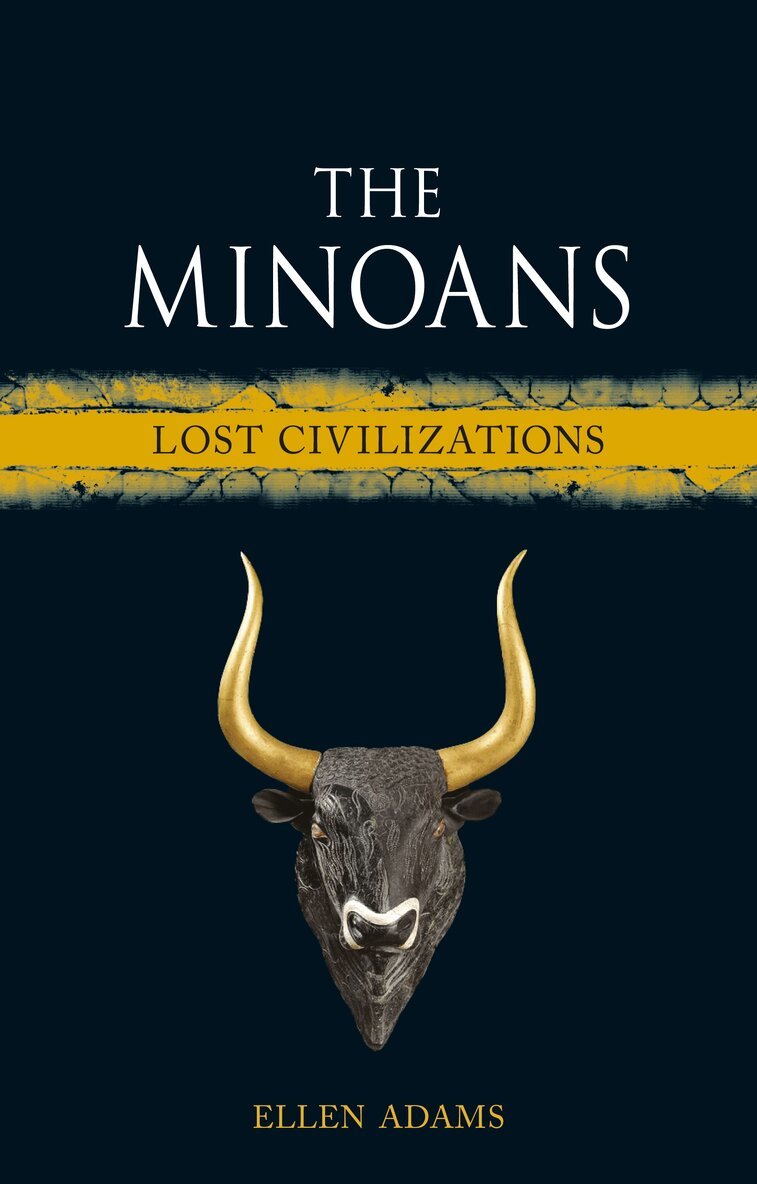
Bronze Age Crete stands as one the most extensively explored parts of the world archaeologically, yet the island maintains an air of labyrinthian mystery. This book offers an authoritative introduction to the world of the Minoans, the first ‘modern’ civilization on European soil. With its grand palaces, a sophisticated bureaucracy complete with writing (including enigmatic, undeciphered scripts), exquisite gold and ivory artworks, unique and powerful depictions of women, and advanced urban engineering, including flushing toilets, this ancient civilization had remarkably modern elements. This book presents key features of Minoan archaeology, including architecture, art, religion, writing, bureaucracy and the economy. It also explores how this pioneering European civilization has influenced Western culture since its discovery, and how Minoan culture has been reconstructed, reimagined and represented in museum displays. This concise and up-to-date guide is essential for understanding both the history and the lasting legacy of the Minoans.
214 kr
Skickas
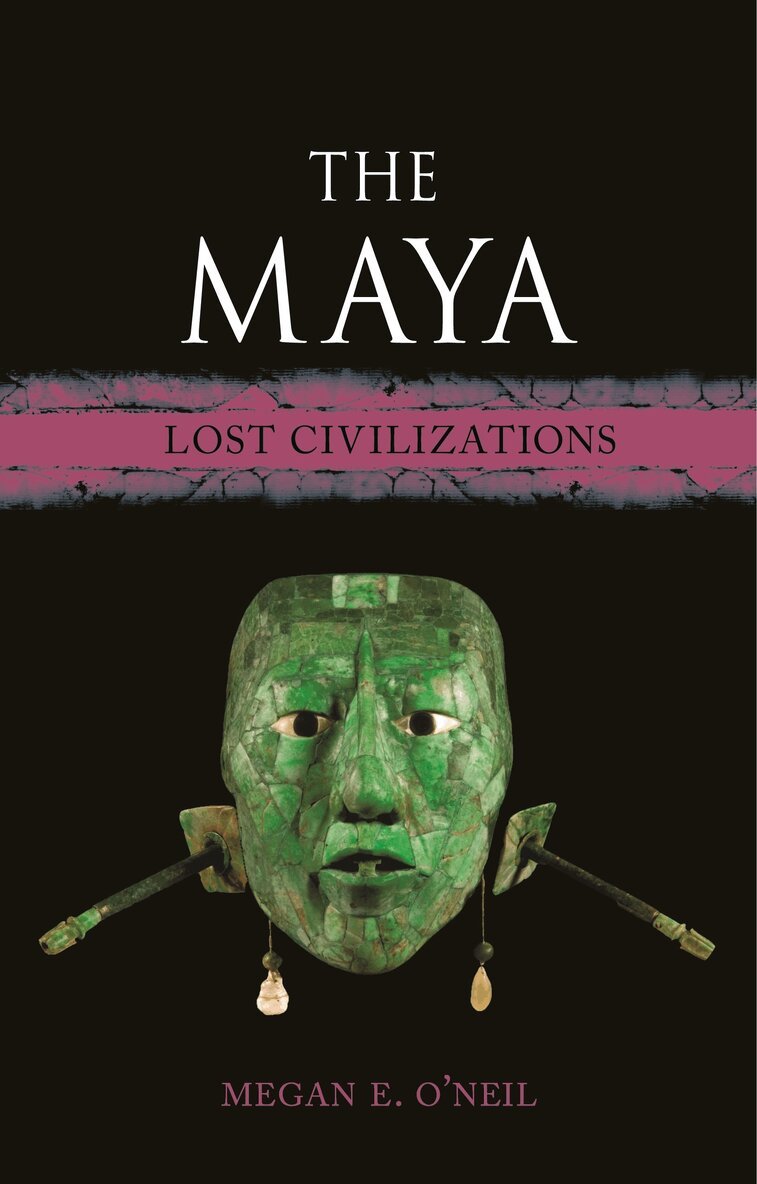
The Maya reveals how this ancient civilization – its buildings, ideas, objects and identities – has been perceived, portrayed and exploited over five hundred years in the Americas, Europe and beyond. Megan E. O’Neil summarizes ancient Maya art and history from the Preclassic period to the Spanish invasion, as well as the history of engagement with the ancient Maya, from Spanish invaders in the sixteenth century to later explorers and archaeologists. Taking in scientific literature, visual arts, architecture, world’s fairs and Indigenous activism, she looks at the decipherment of Maya inscriptions, Maya museum exhibitions and artists’ responses, and contemporary Maya people’s engagements with their ancestral past, to explore the history and legacy of this fascinating culture.
153 kr
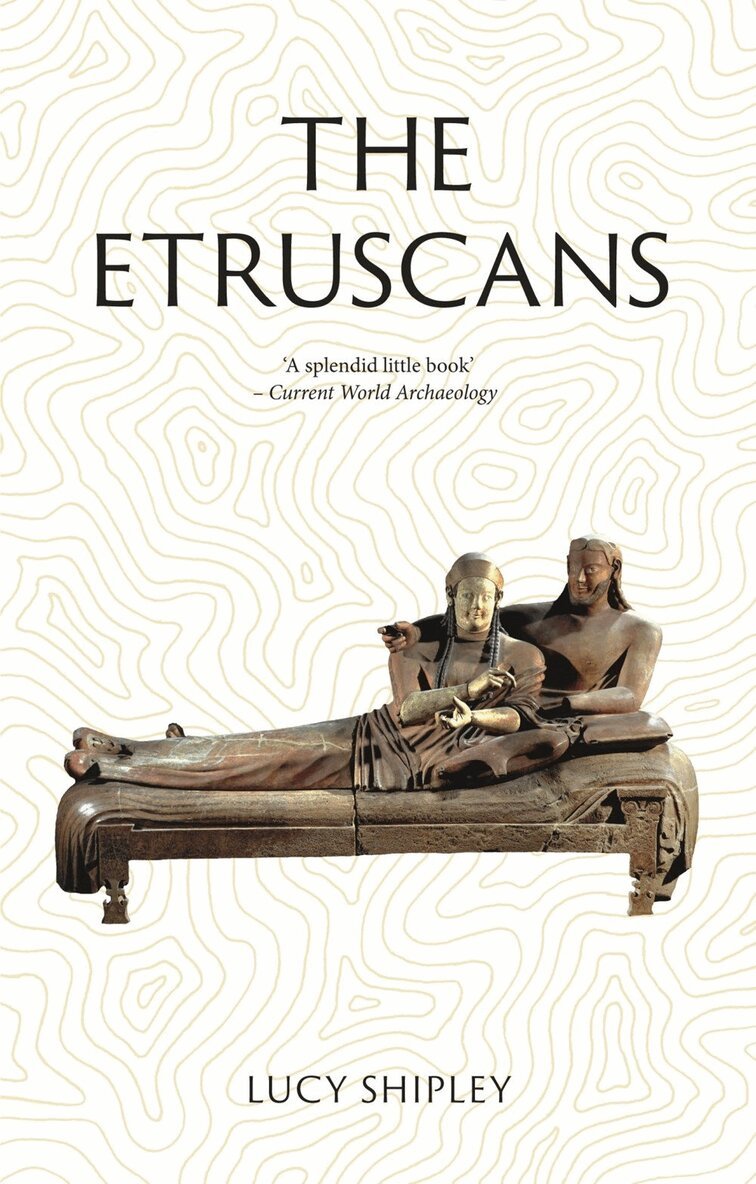
The Etruscans were a powerful and influential civilization in ancient Italy. But despite their prominence, they are often misrepresented as mysterious – a strange, unknowable people whose language and culture have largely vanished. Lucy Shipley’s history of the Etruscans presents a different picture: of a people who traded with Greece and shaped the development of Rome, who inspired Renaissance artists and Romantic firebrands and whose influence is still felt strongly in the modern world. Covering colonialism and conquest, misogyny and mystique, Etruscan history is woven with the very latest archaeological evidence to provide a unique perspective on this enigmatic culture, revealing how much we now know, and how much remains undiscovered.
207 kr
Skickas
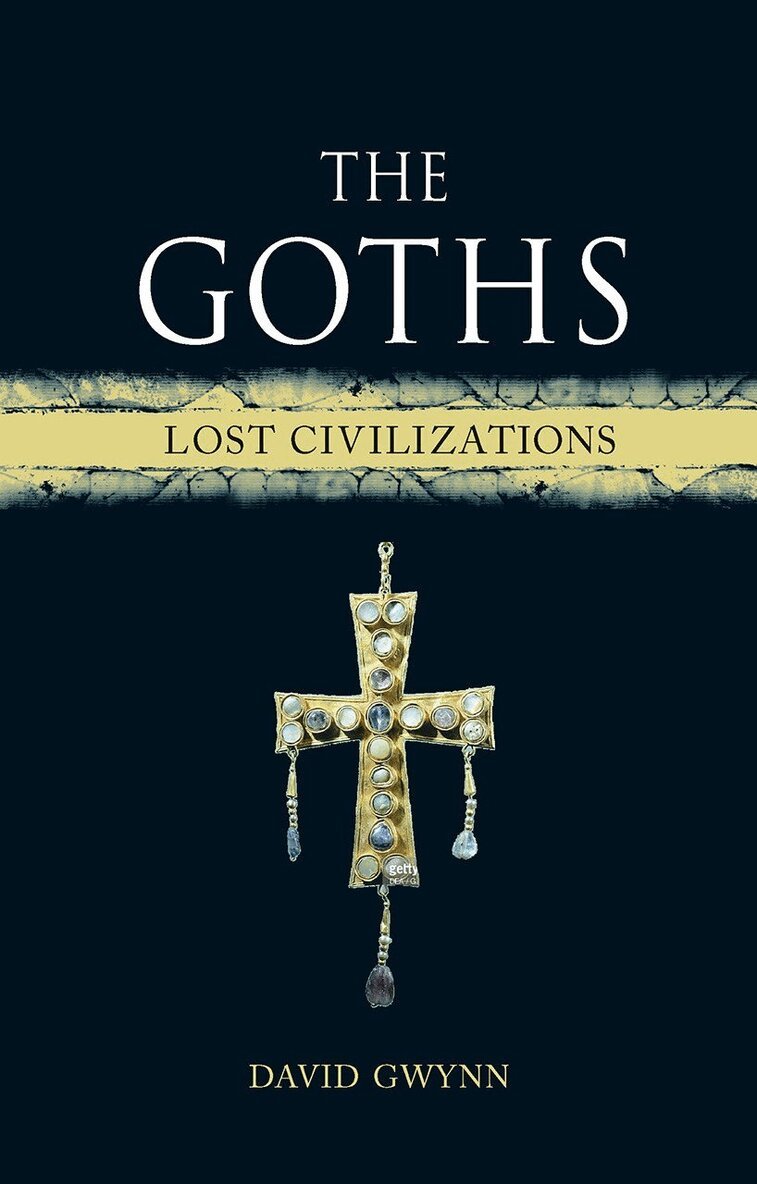
The Goths are truly a ‘lost civilization’. Sweeping down from the north, ancient Gothic tribes sacked the imperial city of Rome and set in motion the decline and fall of the western Roman Empire. Ostrogothic and Visigothic kings ruled over Italy and Spain, dominating early medieval Europe. Yet the last Gothic kingdom fell more than a thousand years ago, and the Goths disappeared as an independent people. Over the centuries that followed, the vanished Goths were remembered both as barbaric destroyers and as heroic champions of liberty.This engaging history brings together the interwoven stories of the original Goths and the diverse Gothic legacy: a legacy that continues to shape our modern world. From the ancient migrations to contemporary Goth culture, through debates over democratic freedom and European nationalism and across the work of writers from Shakespeare to Bram Stoker, David M. Gwynn explores the ever-widening gulf between the Goths of history and the Goths of popular imagination. Historians, students of architecture and literature and general readers alike will learn something new from The Goths.
214 kr
Skickas
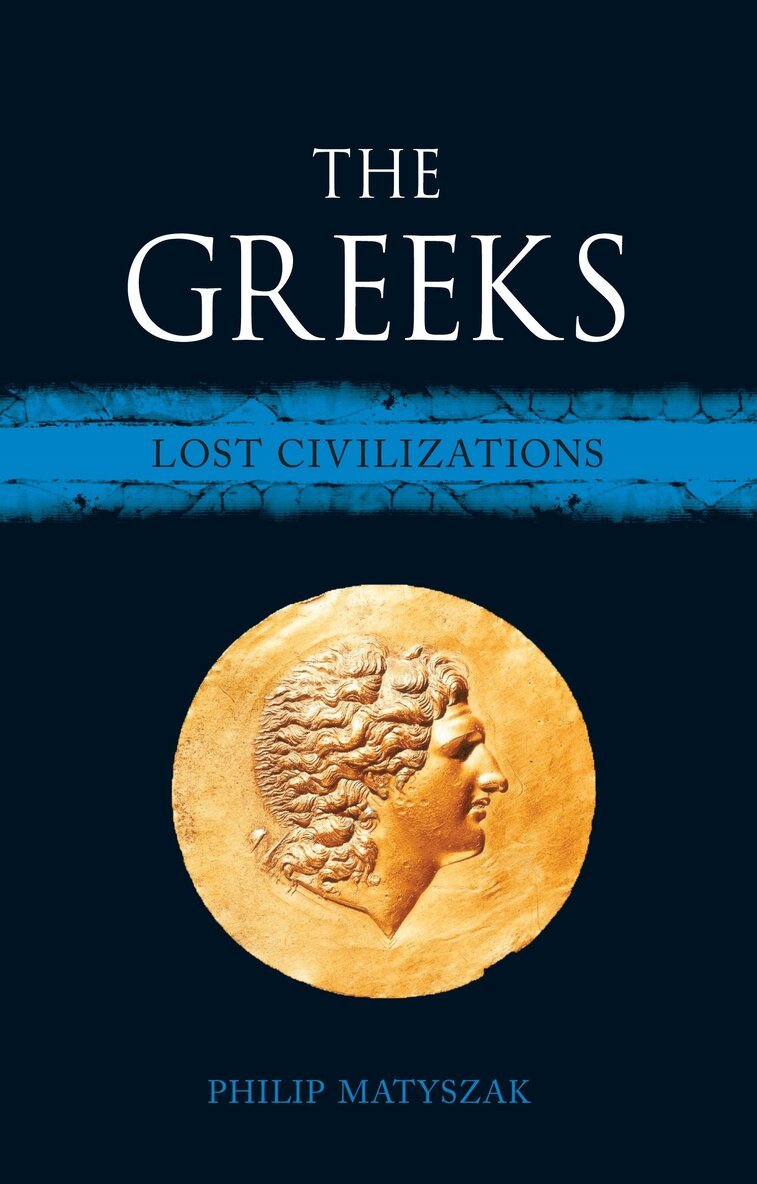
This is ancient Greece – but not as we know it. Few people today appreciate that Greek civilization was spread across the Middle East, and that there were Greek cities in the foothills of the Himalayas. This book tells the story of the Greeks outside Greece, such as Sappho, the poet from Lesbos; Archimedes, a native of Syracuse; and Herodotus, who was born in Asia Minor as a subject of the Persian Empire. From the earliest times of prehistoric Greek colonies around the Black Sea, through settlements in Spain and Italy, to the conquests of Alexander and the glories of the Hellenistic era, Philip Matyszak illuminates the Greek soldiers, statesmen, scientists and philosophers who, though they seldom – if ever – set foot on the Greek mainland, nevertheless laid the foundations of what we call 'Greek culture' today. Instead of following the well-worn path of describing Athenian democracy and Spartan militarism, this book offers a fresh look at what it meant to be Greek by telling the story of the Greeks abroad, from India to Spain.
214 kr
Skickas
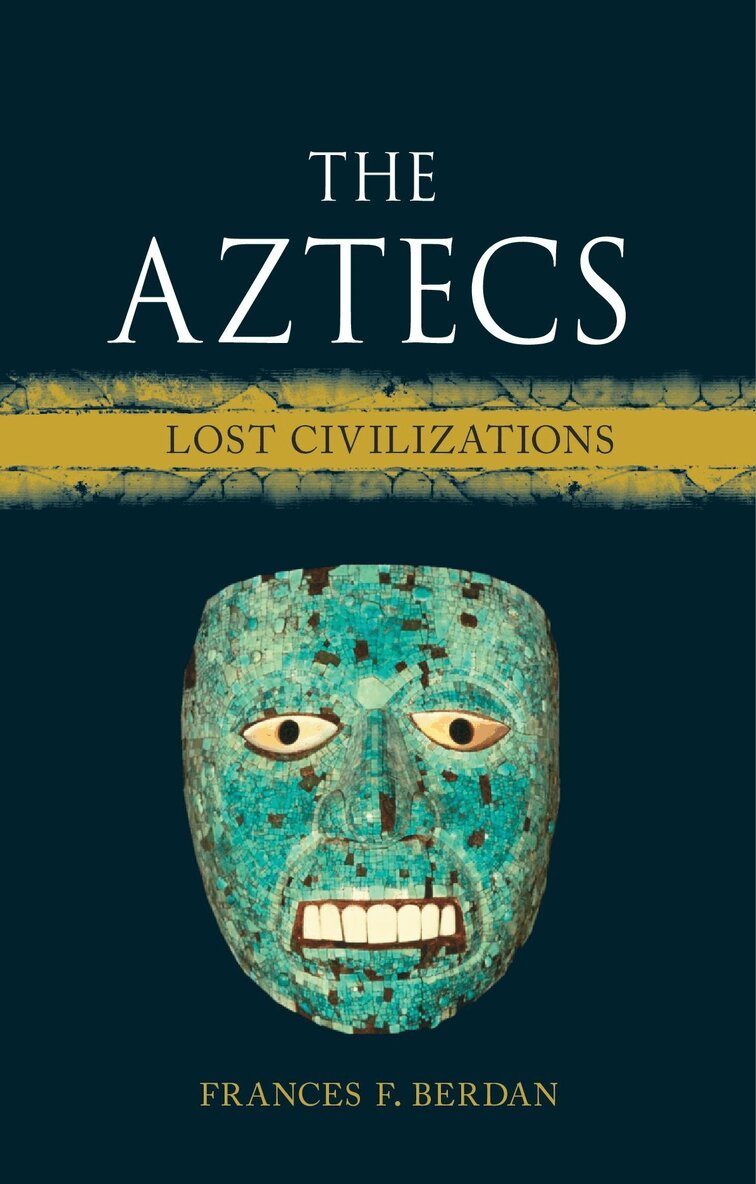
In this rich and surprising book, Frances F. Berdan shines fresh light on the enigmatic, ancient Aztecs, the Nahuatl-speaking people living in the Basin of Mexico from ad 1325 to 1521. She casts her net wide, covering topics as diverse as ethnicity, empire-building, palace life, etiquette, origin myths and human sacrifice. While sometimes described as ‘stone age’, the Aztecs’ achievements were remarkable. They built wondrous city-states such as Tenochtitlan and Texcoco, constructed lofty temples and produced fine arts in precious stones, gold and shimmering feathers. They crafted beautiful poetry and studied the sciences. They had schools and libraries, entrepreneurs and money, and a bewildering array of deities and dramatic ceremonies. Based on the latest research and lavishly illustrated, this book reveals the Aztecs to be a civilization of sophistication and finesse.
194 kr
Tillfälligt slut
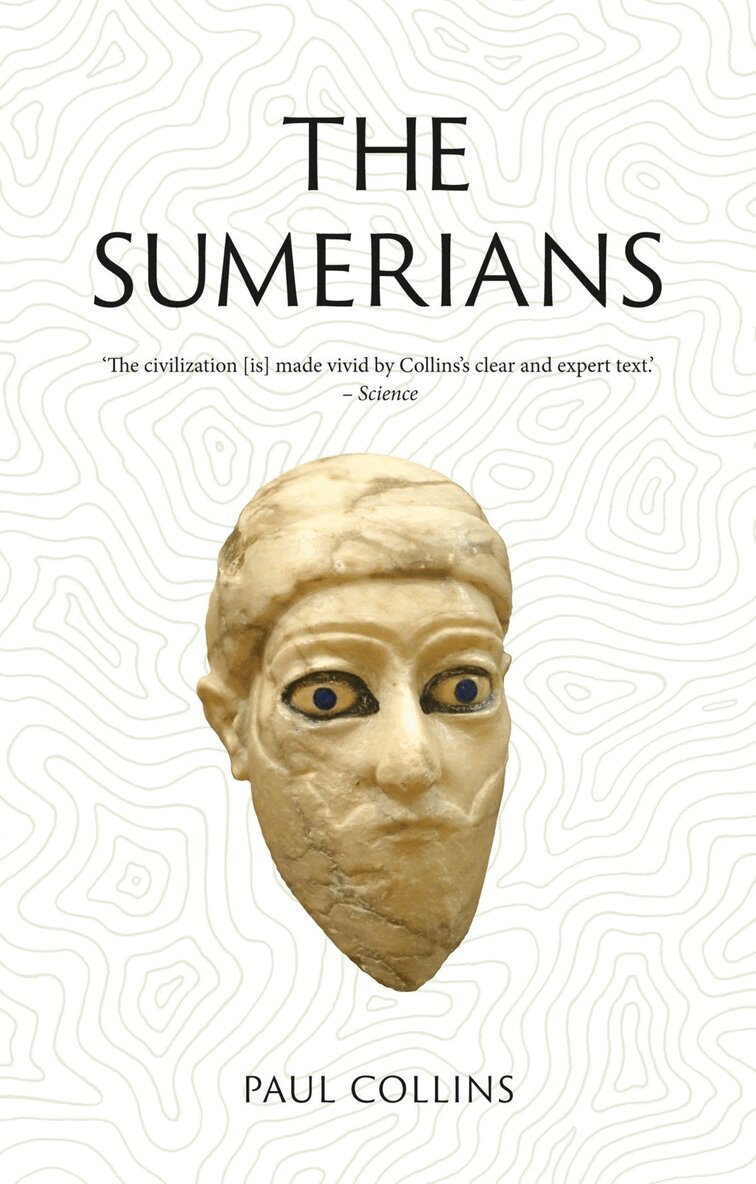
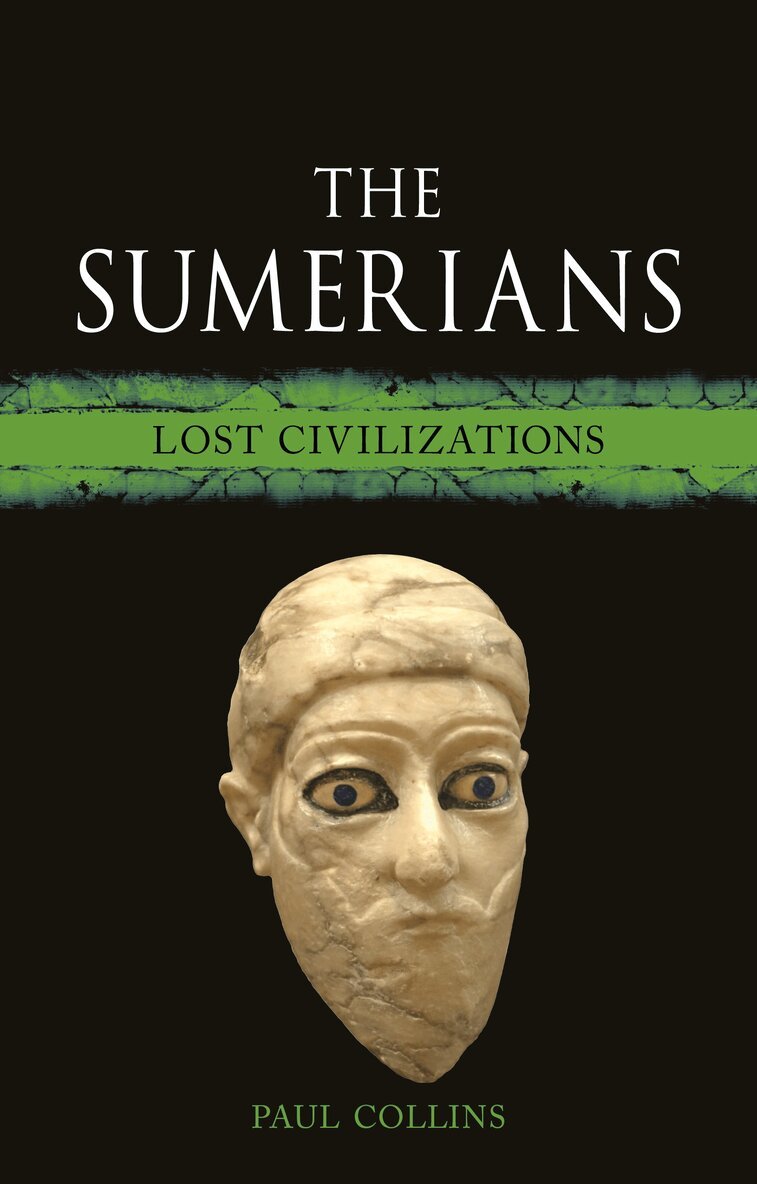
The Sumerians are widely believed to have created the world’s earliest civilization on the fertile floodplains of southern Iraq from about 3500 to 2000 BC. They have been credited with the invention of nothing less than cities, writing and the wheel, and therefore hold an ancient mirror to our own urban, literate world. But is this picture correct? Paul Collins reveals how the idea of a Sumerian people was assembled from the archaeological and textual evidence uncovered in Iraq and Syria over the last 150 years. Reconstructed through the biases of those who unearthed them, the Sumerians were never simply lost and found, but reinvented a number of times, both in antiquity and in the more recent past.
187 kr
Skickas
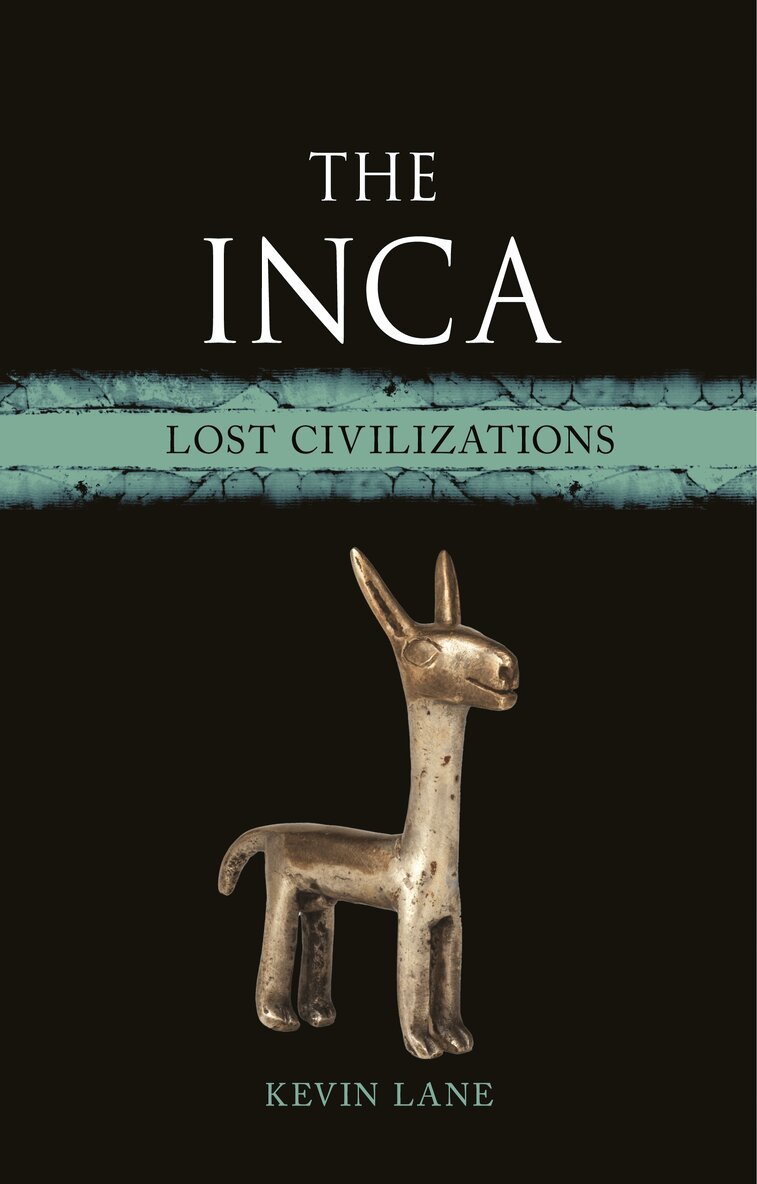
In their heyday the Inca ruled over the largest land empire in the Americas, reaching the pinnacle of South American civilization. Known as the ‘Romans of the Americas’, these fabulous engineers converted the vertiginous, challenging landscapes of the Andes into a fertile region able to feed millions, alongside building royal estates such as Machu Picchu and a 40,000-kilometre road network crisscrossed by elegant braided-rope suspension bridges.Beautifully illustrated, this book examines the mythical origins and history of the Inca, as well as their economy, society, technology and beliefs. Kevin Lane reconsiders previous theories while proposing new interpretations concerning the timeline of Inca expansion, their political organization and the role of women in their society, while showcasing how their legacy endures today.
141 kr
Tillfälligt slut
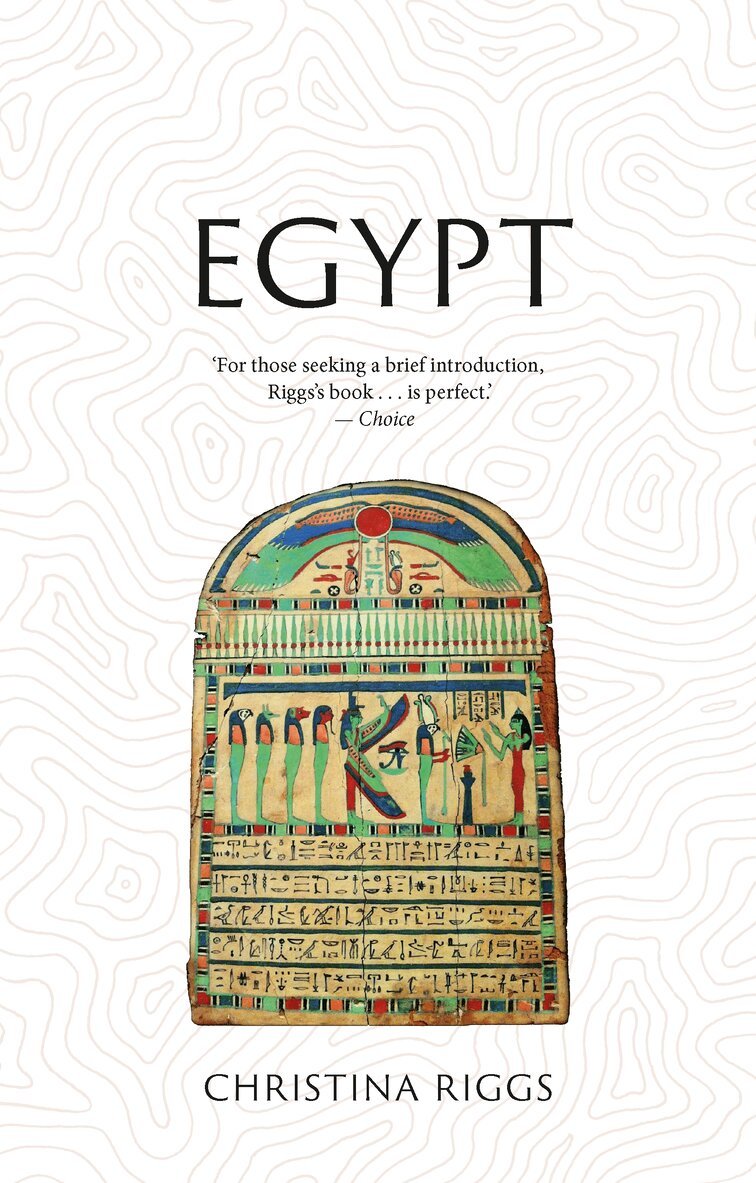
Often characterized as a ‘lost’ civilization that was ‘discovered’ by adventurers and archaeologists, ancient Egypt has fascinated and inspired many other cultures. Classical Greek and Roman writers admired ancient Egyptian philosophy; in the eighteenth century, secret societies like the Freemasons still upheld the wisdom of ancient Egypt. But why? Christina Riggs introduces the history, art and religion of Egypt from its earliest dynasties to its final fall to Rome, and explores the influence ancient Egypt has had through the centuries.Today, ancient Egypt is ubiquitous in museums, television documentaries and tattoo parlours – wherever people look for a past as ancient and impressive as they come. Looking for a vanished past, Riggs argues, always serves some purpose in the present.
214 kr
Skickas
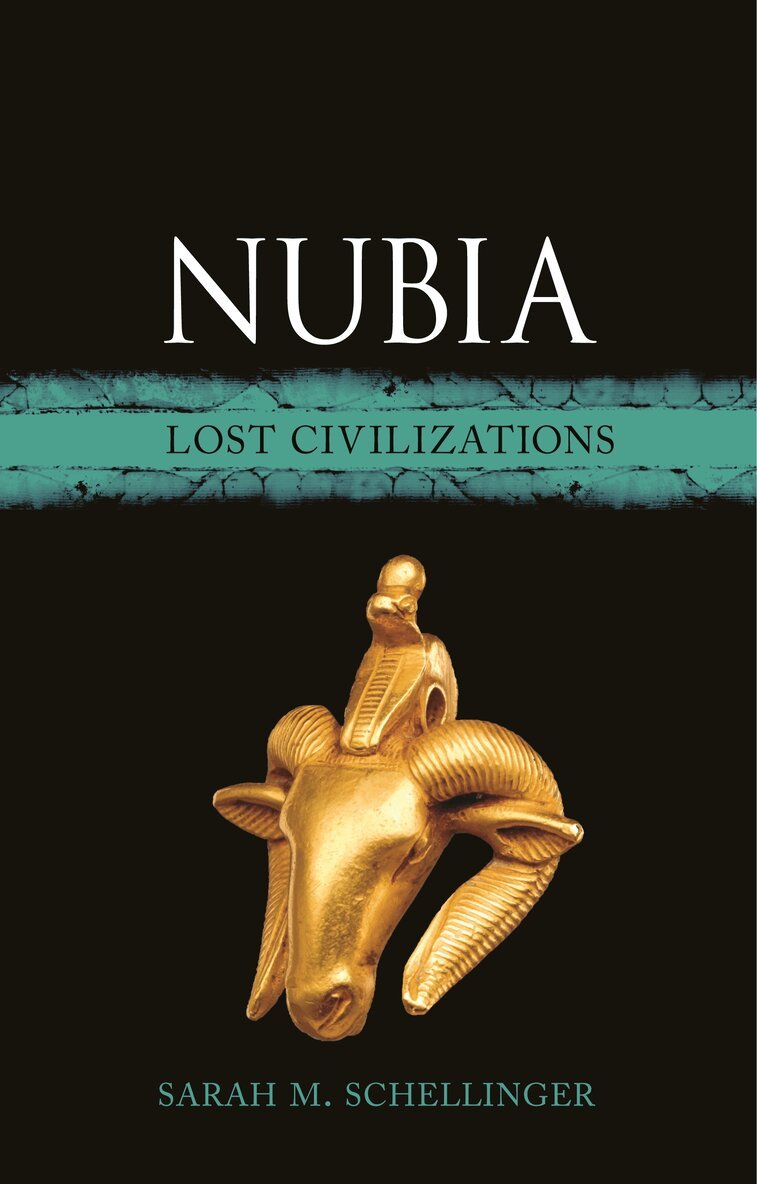
Nubia, the often overlooked southern neighbour of Egypt, has been home to groups of vibrant and adaptive peoples for millennia. This book explores the Nubians’ religious, social, economic and cultural histories, from their nomadic origins during the Stone Ages to their rise to power during the Napatan and Meroitic periods, and it concludes with the recent struggles for diplomacy in North Sudan.Situated among the ancient superpowers of Egypt, Aksum and the Graeco-Roman world, Nubia’s connections with these cultures shaped the country’s history through colonialism and cultural entanglement. Sarah M. Schellinger presents the Nubians through their archaeological and textual remains, reminding readers that they were a rich and dynamic civilization in their own right.
336 kr
Skickas inom 3-6 vardagar
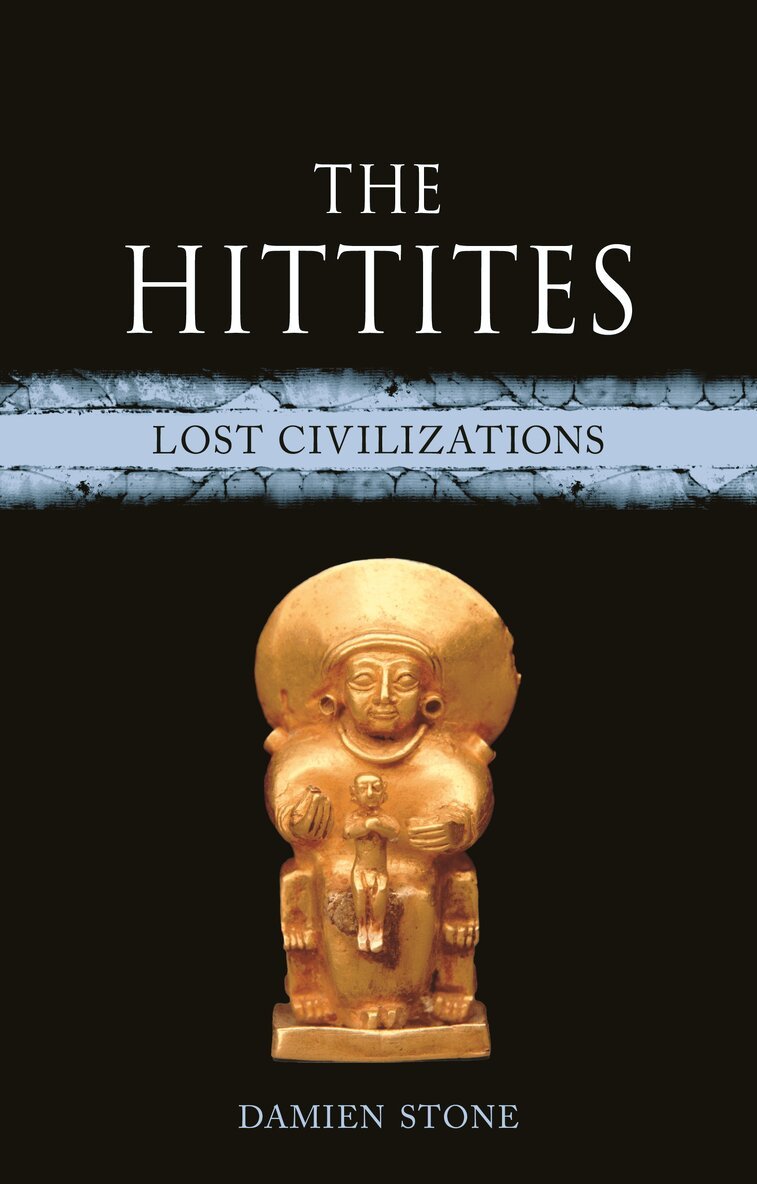
Famed for their skill in battle, the Hittites flourished in central Anatolia from the seventeenth to the thirteenth century BCE. They were much more than a military power, however – their religion held particular reverence for the sun and storms that provided fertility to their land, and their eclectic art produced some of the most unique rock-cut relief carvings of the Bronze Age.The Hittites is a fine introduction to the culture and art of this vibrant civilization. The book narrates the colourful succession of Hittite kings and their queens, complete with assassinations, intrigues and an evil stepmother banished for witchcraft. It also looks at the Hittite language, the first known example of the Indo-European language from which English descends, and considers the Hittites’ legacy today.
162 kr
Skickas
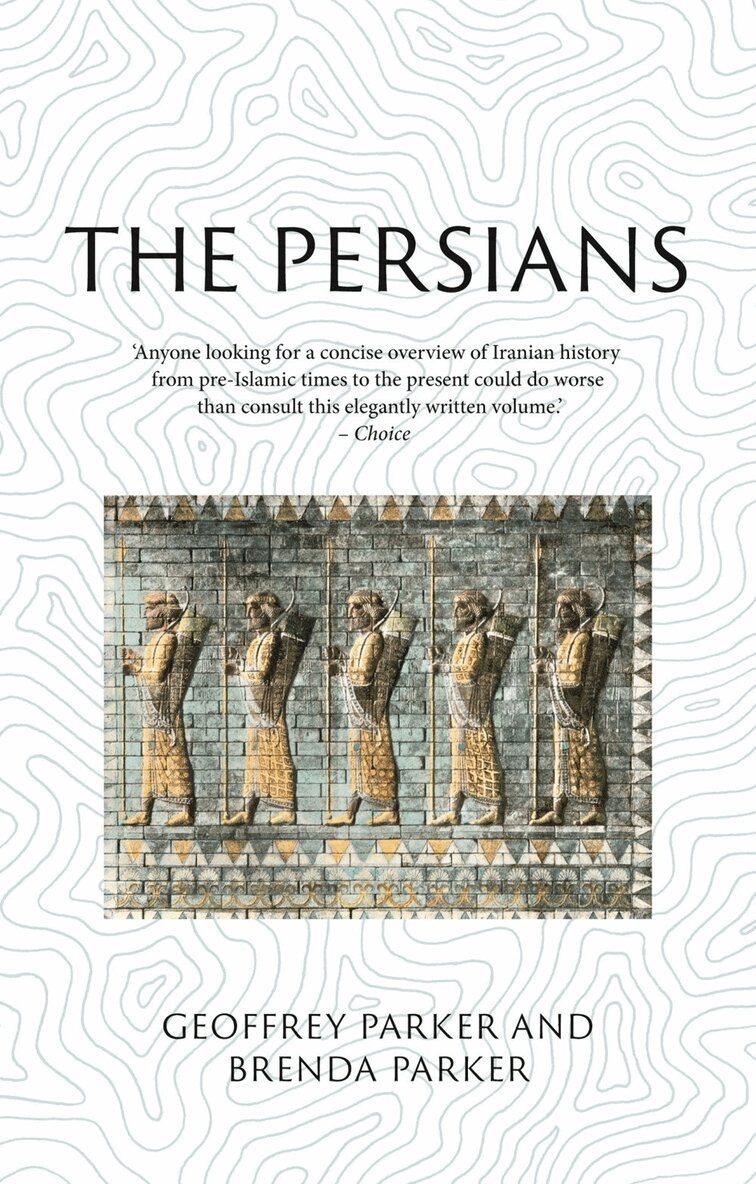
Now available in paperback, The Persians tells the story of this cultured ancient civilization, tracing the unique features of Persian life as well as their influence down the centuries. This book describes the difficulties early Persians encountered and how such challenges contributed to their unique character and the establishment of the Achaemenid Empire. It recounts the keenly fought conflicts with the Greeks for mastery of the Eastern Mediterranean, a contest which was to dominate the geopolitics of the ancient world, and it paints a vivid picture of the many great Persian cities and the civilization's spectacular achievements: an efficient road system that linked an empire together; respect for subject peoples; and advances in irrigation techniques that created a ‘paradise’ envied by its neighbours.
187 kr
Tillfälligt slut
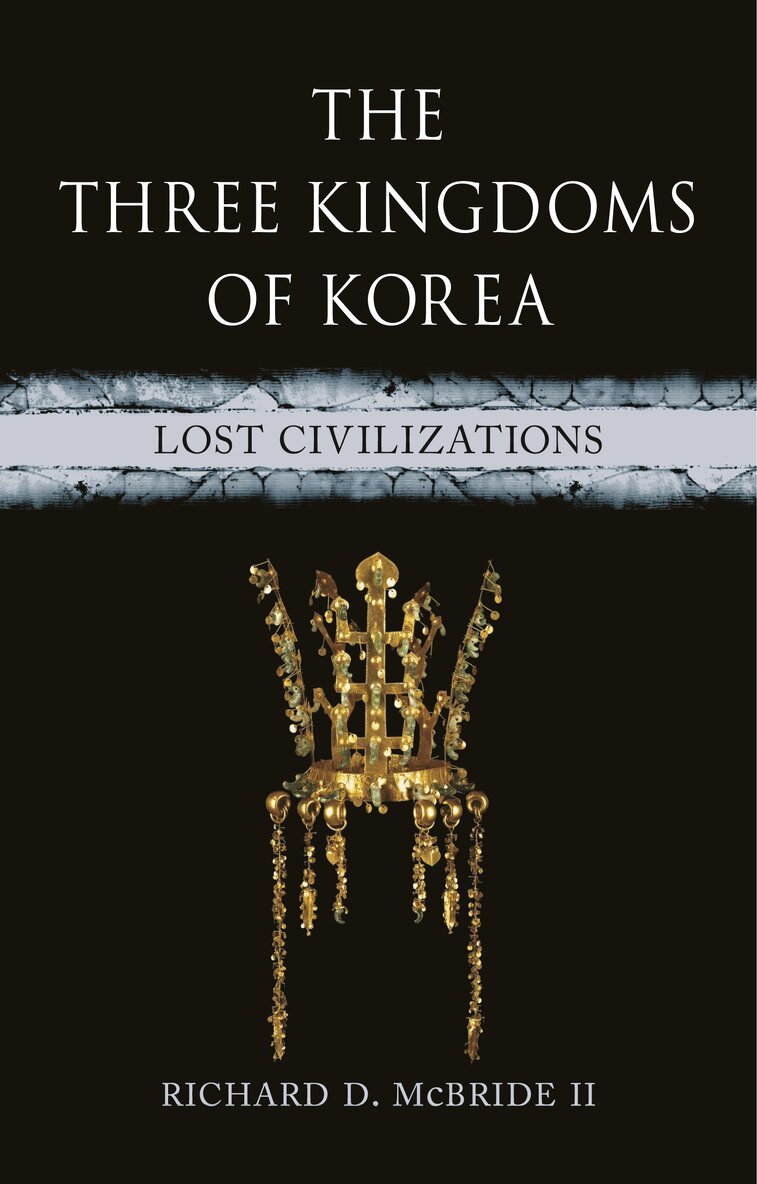
Korea’s Three Kingdoms period is a genuine ‘lost civilization’, during which ancient realms vied for supremacy during the first millennium CE. Nobles from this period’s feuding states adopted and adapted Buddhism and Confucianism through interactions with early medieval Chinese dynasties. In the mid-seventh century, with the assistance of the mighty Chinese Tang empire, the aristocratic Silla state ultimately unified the Three Kingdoms by conquering the militaristic northern kingdom of Koguryŏ and the culturally sophisticated state of Paekche.Weaving together legends of founding kings, tales of wars and political intrigue and narratives of fascinating individuals – including flower boys, wise monks, loyal scholars and virtuous women – this exploration sheds new light on a foundational period that continues to shape Korean identity today.
187 kr
Skickas
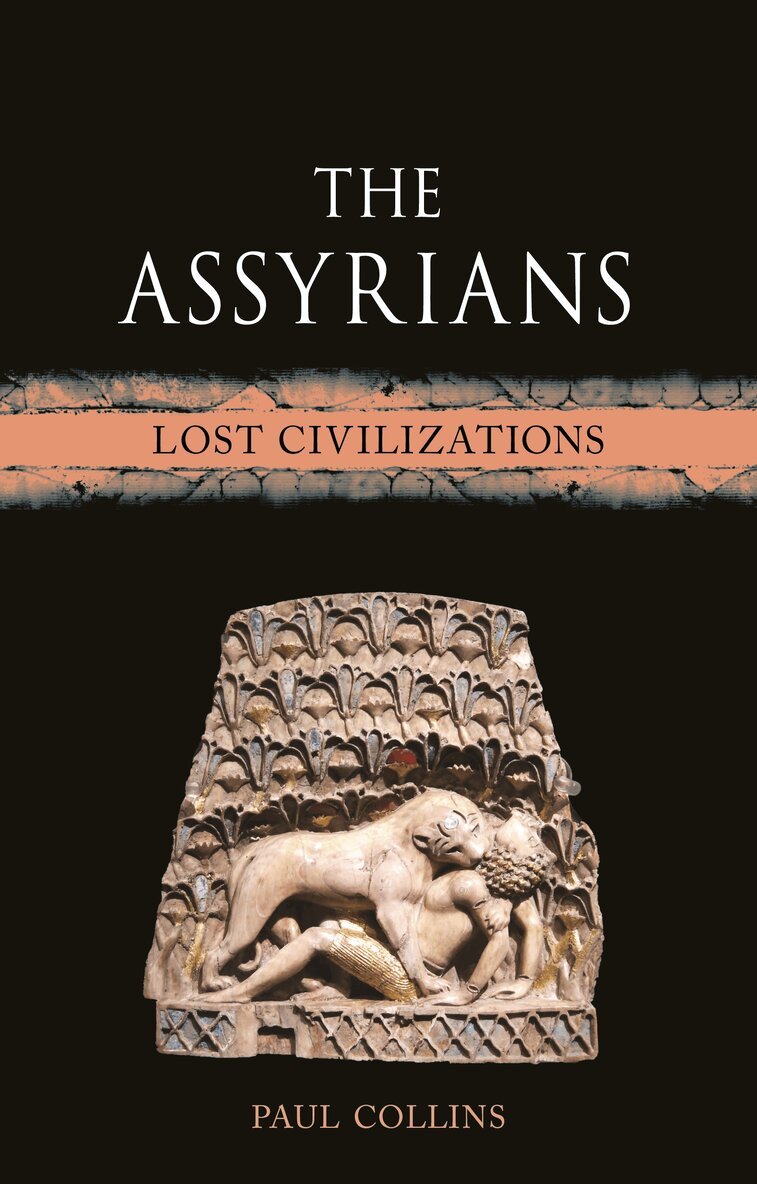
At the height of its power around 660 BC, the Assyrian empire, centred in northern Iraq, wielded dominance from Egypt to Iran. This vast region was ruled by a series of kings who showcased their power by constructing magnificent palaces adorned with superlative sculptures depicting royal rituals, battles and hunts. Established by military might, the empire thrived under administrators who relocated tens of thousands of people to serve the state, and scholars who interpreted divine will. This book relates the history of Assyria through the lens of its royal family and the officials who commissioned its superb buildings, art and literature, and laid the foundations for the later empires of Babylon and Persia.
141 kr
Skickas
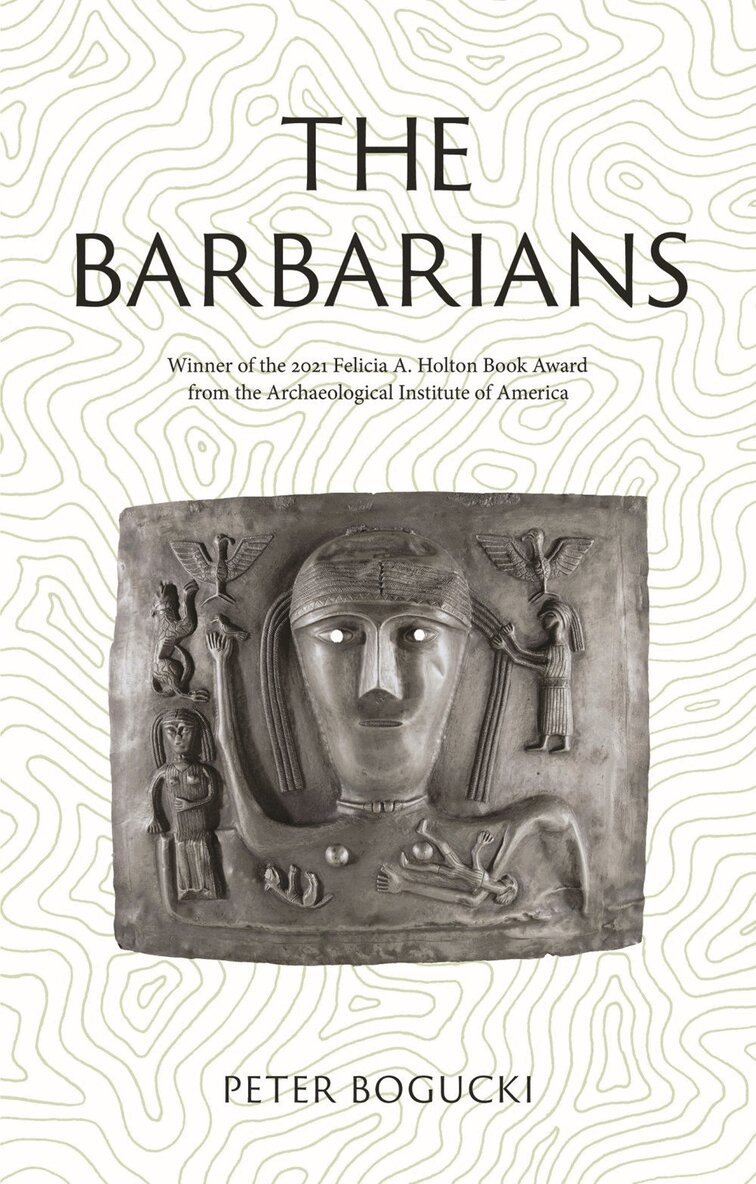
Beginning in the Stone Age and continuing through the collapse of the Roman empire, The Barbarians describes the increasing complexity, technological accomplishments and distinctive practices of peoples who entered recorded history very late, mainly through second-hand accounts. Their story, known almost exclusively through archaeological finds of settlements, offerings, monuments and burials, is as compelling as that of the great literate, urban civilizations. Moreover, the prehistoric past of Europe echoes into the modern era through new discoveries, celebrations of the past, tourist attractions and even politics.Peter Bogucki highlights important discoveries and situates them in a narrative of long-term continuous development and modern understanding of the nature of ancient societies, as well as considering the rich and varied legacy left to us today.
141 kr
Skickas
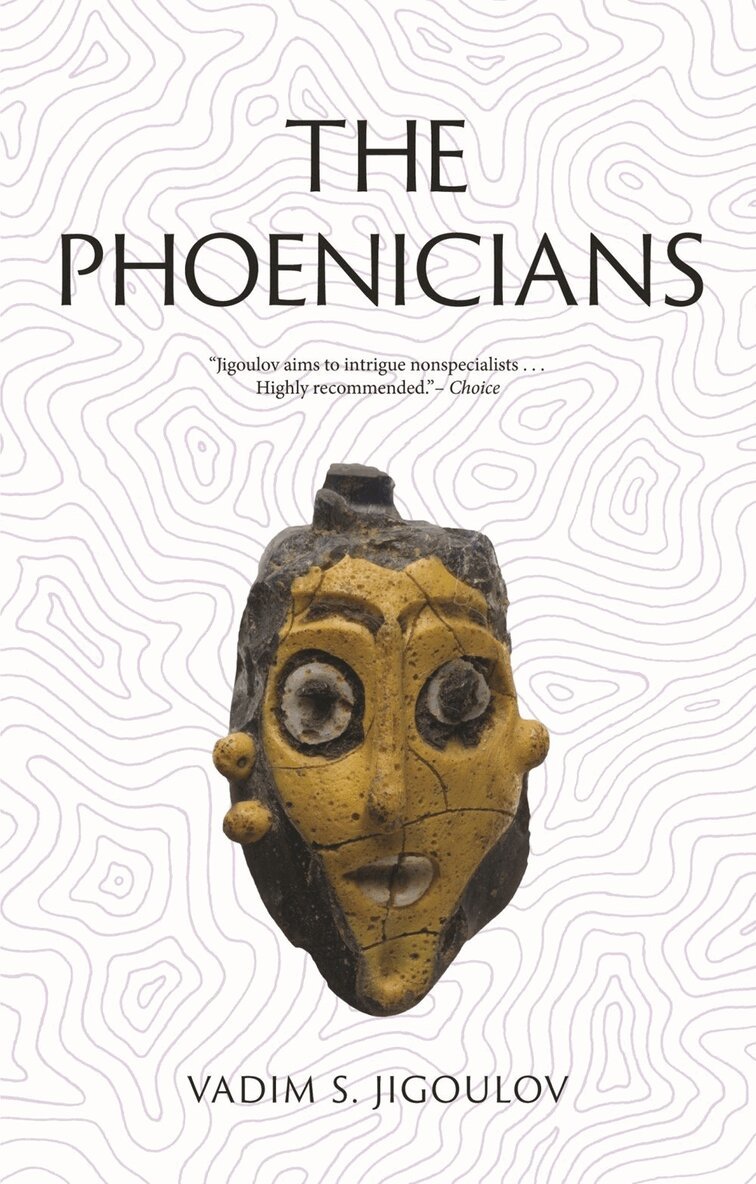
The Phoenicians is a fascinating exploration of this much-mythologized people: their history, artistic heritage and the scope of their maritime and colonizing activities in the Mediterranean.Vadim S. Jigoulov describes and analyses various artefacts (epigraphic, numismatic and material remains) and considers how historians have derived information about a people with little surviving literature. This includes a critical look at classical, Near Eastern and biblical primary texts, the relationship between the Phoenician and Punic worlds, Phoenician interactions with the Greeks and others, and the repurposing of Phoenician heritage in modernity. Detailed and engrossing, The Phoenicians casts new light on this most enigmatic of civilizations.
194 kr
Skickas
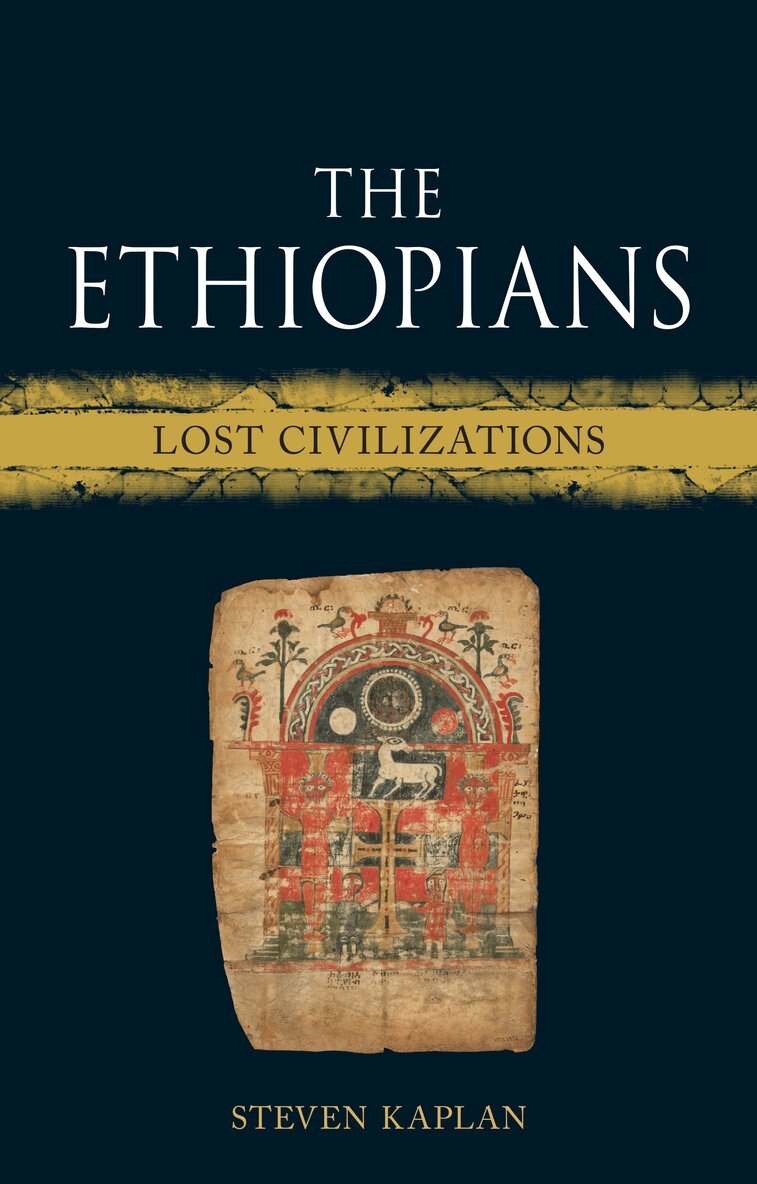
Ethiopia has captured the imagination of observers since ancient times. This book provides a fresh perspective on Ethiopian history up to 1500, beginning with the Aksumite civilization at the start of the Common Era. It revisits famous stories like the legend of the Queen of Sheba, examines the rise and fall of Aksum, explores the role of Muslims and Islam in Ethiopian society and highlights the architectural wonders of Lalibela’s rock-hewn churches.Focusing on the Golden Age of the early Solomonic rulers, the book incorporates the most recent scholarship to present a clearer and more nuanced understanding of this rich history. Cogently written for a general readership, it is also a valuable resource for African Studies.
194 kr
Kommande
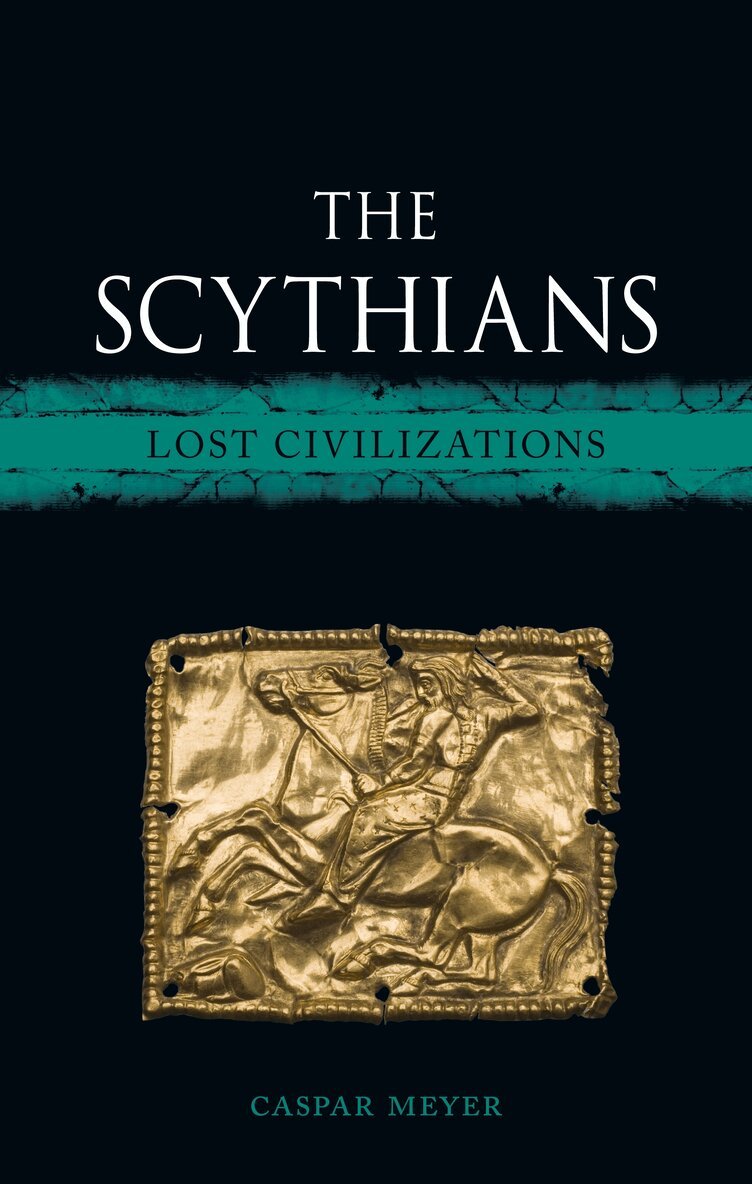
The Scythians offers a bold new take on the horse-riding peoples who once inhabited the vast steppe lands from the Black Sea to the Siberian Altai. Drawing on archaeological finds, ancient texts and comparative insights, Caspar Meyer shows how these communities forged dynamic networks rooted in art, mobility and interspecies relationships. He brings ancient and modern encounters with the Scythians into dialogue – from Herodotus’ ethnography to modernist art and contemporary national imaginations – revealing how their literary and visual afterlives continue to shape our understanding. Long reduced to barbarian stereotypes, the Scythians emerge as cultural innovators and co-creators of Eurasian history. Lively, accessible and thought-provoking, this book opens up a world in which people and things move together in unexpected and transformative ways.
141 kr
Kommande
The Sumerians are widely believed to have created the world’s earliest civilization on the fertile floodplains of southern Iraq from about 3500 to 2000 BC. They have been credited with inventions no lesser than cities, writing and the wheel, and therefore hold an ancient mirror to our own urban, literate world. But is this picture correct? Paul Collins reveals how the idea of a Sumerian people was assembled from the archaeological and textual evidence uncovered in Iraq and Syria over the last 150 years. Reconstructed through the biases of those who unearthed them, the Sumerians were never simply lost and found, but reinvented a number of times, both in antiquity and in the more recent past.