Perspectives on Crime and Justice - Böcker
Visar alla böcker i serien Perspectives on Crime and Justice. Handla med fri frakt och snabb leverans.
8 produkter
8 produkter
319 kr
Skickas inom 11-20 vardagar
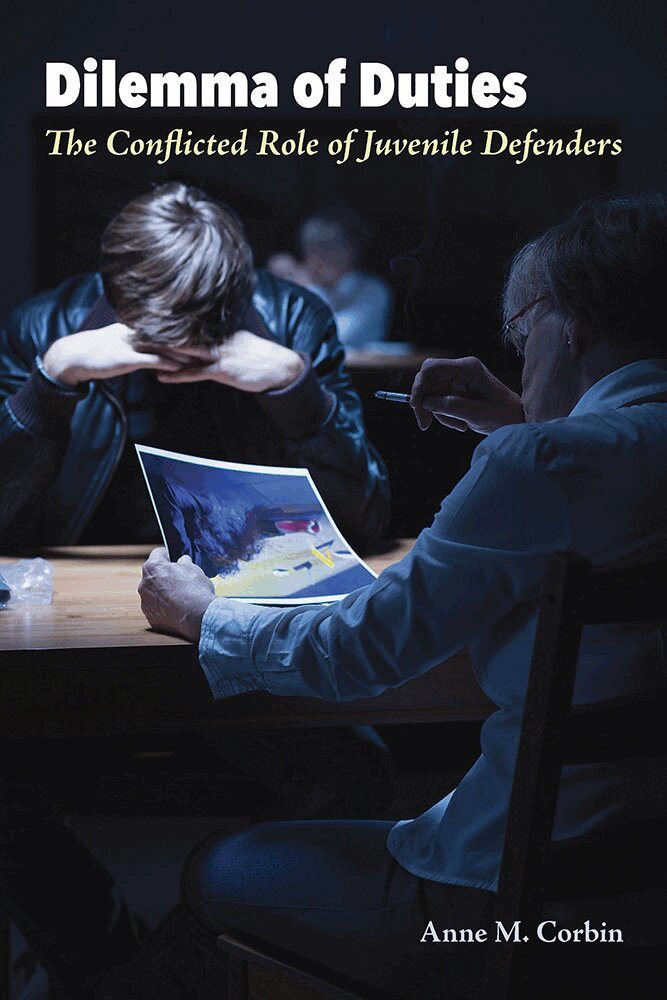
The role of a juvenile defender is riddled with conflict, and clients are uniquely challenging because of their lack of life experience and their underdeveloped decision-making abilities. In Dilemma of Duties, Anne M. Corbin examines the distinct function of defense counsel in juvenile courts, demonstrating the commonplace presence of role conflict and confusion, even among defenders in jurisdictions that clearly define their role. This study focuses on juvenile defense attorneys in North Carolina, where it is mandated that counselors advocate for their client’s wishes, even if they do not agree it is in the client’s best interest.In Dilemma of Duties, Corbin outlines patterns of role conflict that defenders experience, details its impact on counselors and clients in the juvenile justice system, and addresses the powerful influence of the juvenile court culture and the lack of resources for defenders. Tasked with guiding these children, counselors frequently must contend with and manage their clients’ general distrust of adults as they attempt to serve as their voices to the court.Understanding how juvenile defenders define their role and experience role conflict provides valuable insights into our juvenile justice system, especially its role in upholding due process rights. Such knowledge points to the importance of the training and practices of juvenile court functionaries and the efficacy, credibility, and legitimacy of the juvenile justice system itself.
284 kr
Skickas inom 7-10 vardagar
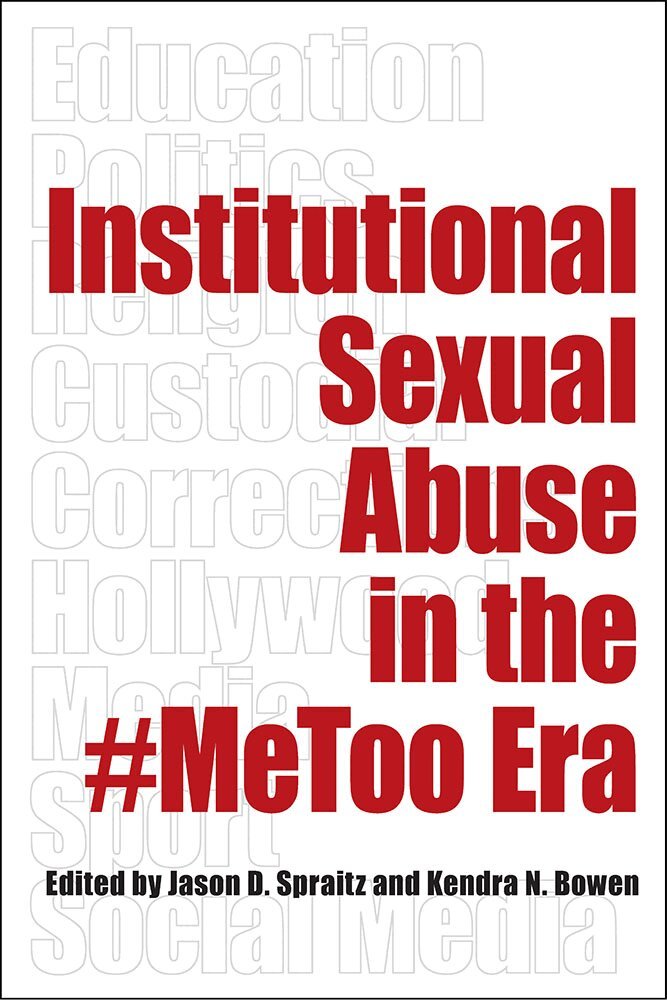
Examining the evolving reach of the #MeToo MovementIn this timely and important collection, editors Jason D. Spraitz and Kendra N. Bowen bring together the work of contributors in the fields of criminal justice and criminology, sociology, journalism, and communications. These chapters show #MeToo is not only a support network of victims' voices and testimonies but also a revolutionary interrogation of policies, power imbalances, and ethical failures that resulted in decades-long cover-ups and institutions structured to ensure continued abuse. This book reveals #MeToo as so much more than a hashtag.Contributors discuss how #MeToo has altered the landscape of higher education; detail a political history of sexual abuse in the United States and the UK; discuss a recent grand jury report about religious institutions; and address the foster care and correctional systems. Hollywood instances are noted for their fear of retaliation among victims and continued accolades for alleged abusers. In sports, contributors examine the Jerry Sandusky scandal and the abuse by Larry Nassar. Advertising and journalism are scrutinized for covering the #MeToo disclosures while dealing with their own scandals. Finally, social media platforms are investigated for harassment and threats of violent victimization.Drawing on the general framework of the #MeToo Movement, contributors look at complex and very different institutions-athletics, academia, religion, politics, justice, childcare, social media, and entertainment. Contributors include revelatory case studies to ensure we hear the victims' voices; bring to light the complicity and negligence of social institutions; and advocate for systemic solutions to institutional sexual abuse, violence, and harassment.
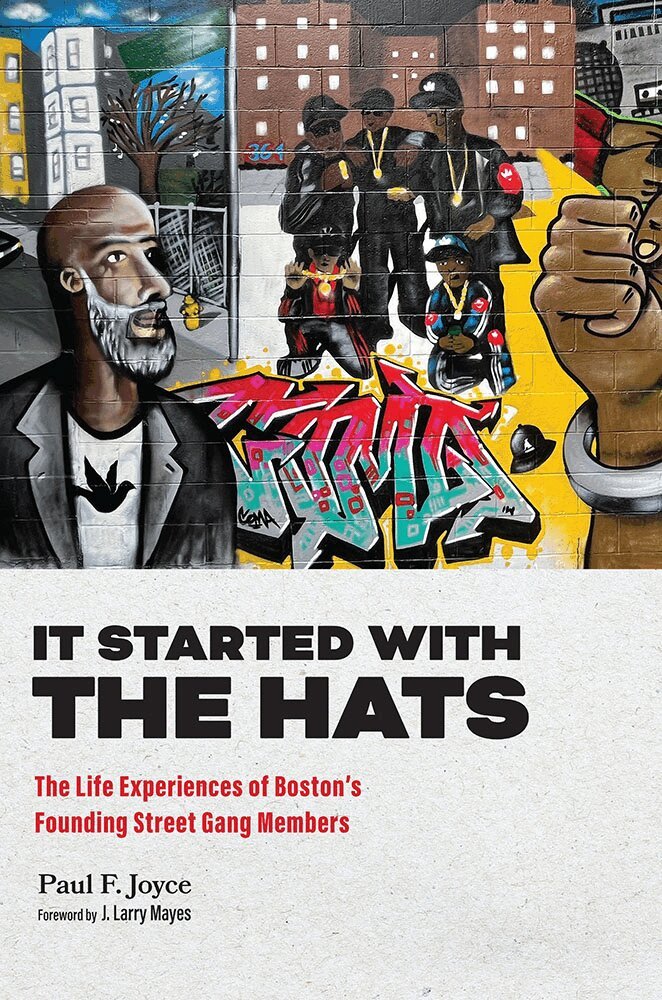
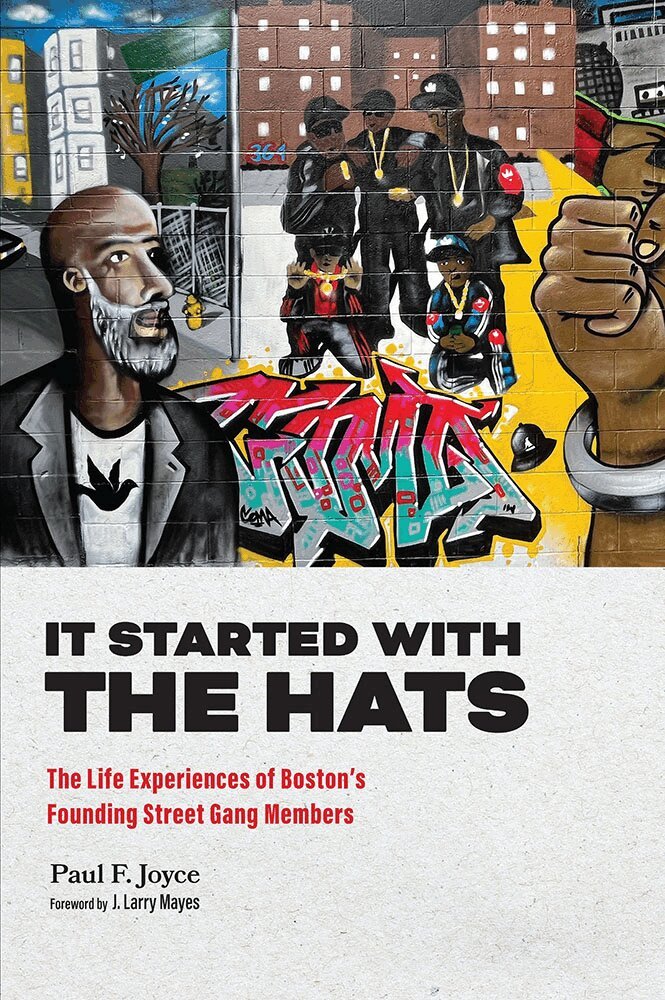
It Started with the Hats
The Life Experiences of Boston's Founding Street Gang Members
Häftad, Engelska, 2024
279 kr
Skickas inom 7-10 vardagar
In the late 1980s, the introduction of crack cocaine and easy access to guns led to the emergence of the street gang culture and an explosion of gun violence in Boston. Black and Latino youth were both perpetrators and victims of firearm violence as the city grappled with a staggering number of shootings and homicides. Officers within the Boston Police Department struggled to find new and creative ways to combat the growing violence and neutralize gang influence. Paul Joyce was one of those officers.Throughout his extensive career with the Boston Police, Joyce was at the forefront of the Department’s anti-gang and youth violence initiatives, including during the height of gang and gun violence in the late 1980s through early 1990s. Later in his career, after thirty-one years in policing, Joyce transitioned to academia as a criminologist, seeking to better understand the lives of the gang members he had encountered during his time as an officer. He interviewed thirty Black and Latino men who witnessed and led the emergence of the street gang phenomenon in Boston. Joyce’s strong relationship with community leaders led to the recruitment of the men, who ultimately entrusted him with their life stories and their inner worlds. Using the men’s own words to describe the tragedies they endured, the crimes they committed, and the penalties they paid, Joyce now shares their stories of life before, during, and after gang membership.Joyce examines the influences that motivated the men toward joining gangs, their gang experiences, and the turning points that shaped their paths later in life, whether leading to desistance from or continued persistence in criminal behavior. Joyce explores their lives from childhood into adulthood, providing a deep analysis of the factors that influenced the entire trajectory of gang members’ lives. By utilizing this life-course approach, Joyce adds to the discourse regarding what influences a gang member’s ability or inability to transition out of criminality and the gang life.This uniquely candid look at gang membership, humanized by the perspectives of the men who experienced it, provides invaluable insight into the complex interplay of the social, cultural, and personal factors that shape individuals’ life courses. This, in turn, has important implications regarding the types of outside interventions that would be the most effective in making a positive difference in the lives of current and former gang members.
284 kr
Skickas inom 7-10 vardagar
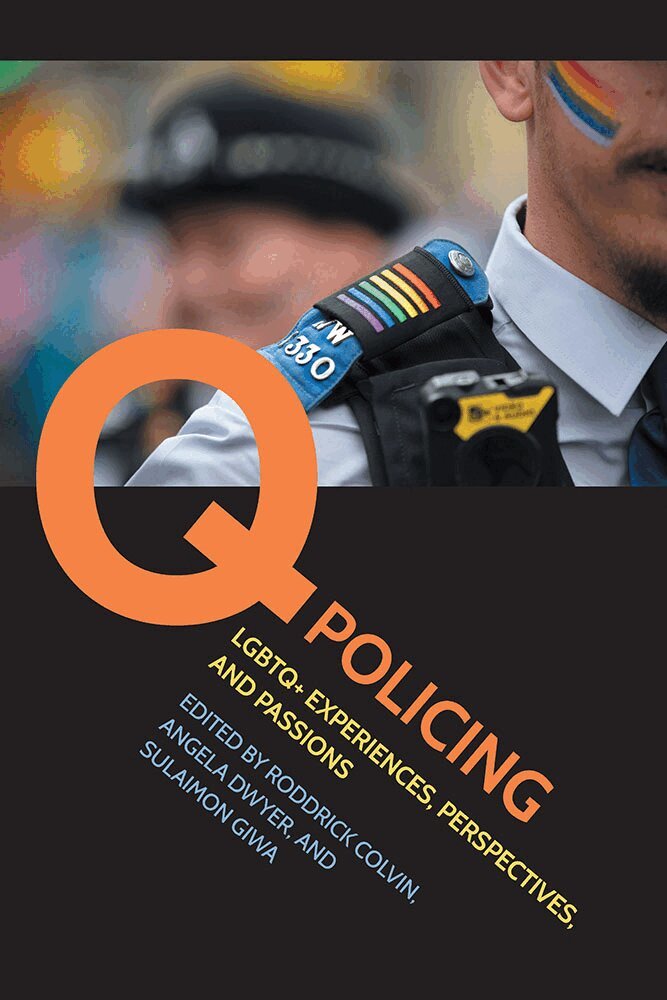
Global perspectives on policing within LGBTQ communities Relationships between law enforcement and lesbian, gay, bisexual, transgender, and queer (LGBTQ ) communities have always been varied and complex. On one hand, history is filled with incidents of police harassment: raids that sparked famous uprisings and rebellions; shoddy police investigations into the murders of LGBTQ community members; a corrosive organizational culture marked by heteronormativity and misogyny. Yet positive changes are being made, such as the creation of LGBTQ police associations, participation by police officers in Pride Parades around the world, and formal apologies for past actions. To some LGBTQ community members, police are the physical manifestations of state-sanctioned oppression and abuse. To others, they are guardians who have become partners in public safety. Q Policing features eighteen contributors from around the world who explore the nature of the relationship between LGBTQ communities and the police. Part 1 of the book offers insights on policing and racial and ethnic constructions, including efforts to build collaborative models of community-building within groups and with law enforcement. Part 2 highlights the experiences of individuals who may be marginalized due to various social constructions such as transgender, unhoused, southern, or kink-involved. Finally, Part 3 shares perspectives of queer folks inside policing. The contributors—scholars, social workers, police officers, and other community leaders—cover diverse topics, including queer experiences of policing in southern India, clinical implications for mental health professionals working with Latinx LGBTQ people, transgender and nonbinary peoples’ presentation management during encounters with law enforcement, discriminatory policies in place in the southern United States, the pathologization of kink, and more. Essays analyze interviews with the “Pride Defenders” in Hamilton, Canada, as well as British and American police officers transitioning while in uniform. They explore the experiences of gay, lesbian, and genderqueer police officers, map principal findings and central concerns that structure extant scholarship on gay police officers in the UK, use queer theory to explore the effectiveness of LGBTQ liaisons, and more. The volume editors adopt an inclusive global perspective to account for contextually located experiences of queer people within and outside of the United States. The book incorporates a variety of voices, data sources, and methodologies, but contributors share an intentional focus on race, age, sex, gender, and other identities that helps explain and contextualize queer people’s experiences around and in policing. The diverse, international group of contributors—whose voices are not often heard in traditional outlets and mainstream media—demonstrates that despite discrimination, harassment, and violence, LGBTQ communities continue to thrive.
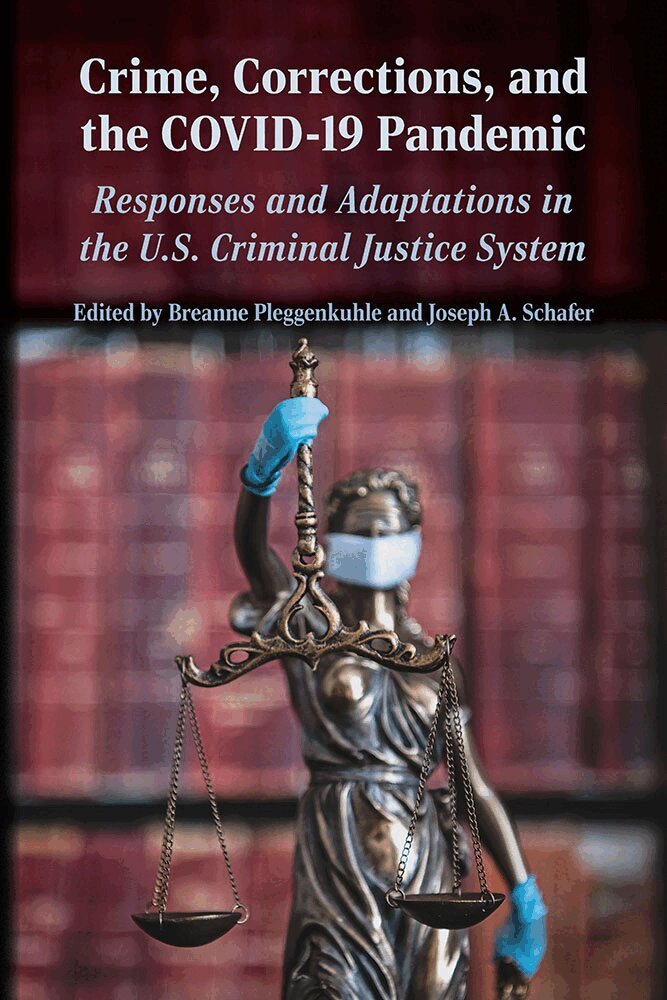
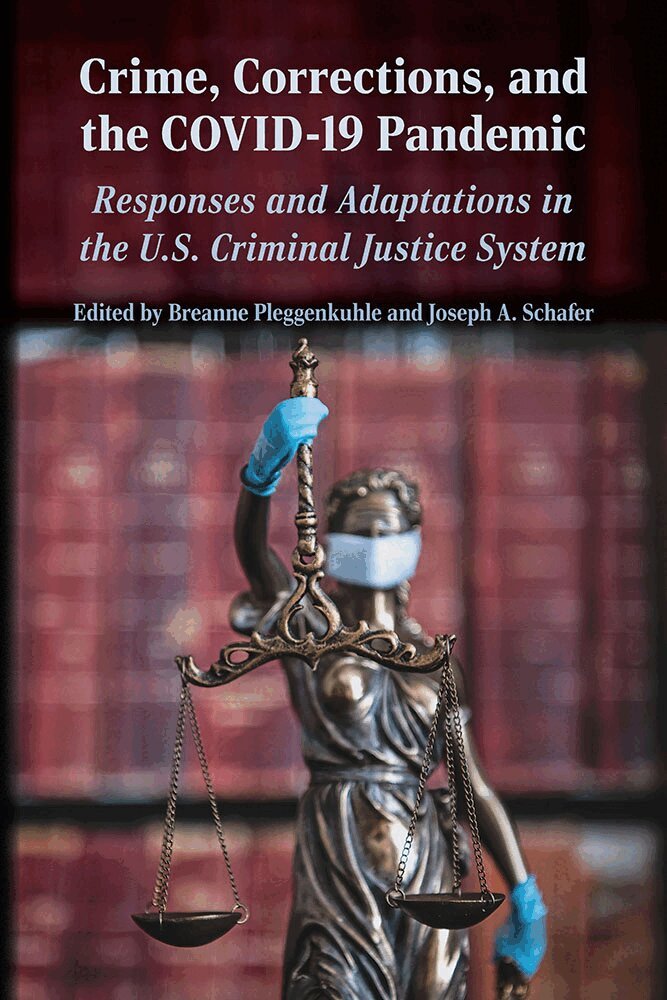
Crime, Corrections, and the COVID-19 Pandemic
Responses and Adaptations in the U.S. Criminal Justice System
Häftad, Engelska, 2025
261 kr
Skickas inom 7-10 vardagar
Analyses of crime and justice in an unprecedented timeWhile COVID-19 lockdowns affected nearly everyone worldwide, feelings of anxiety and fear were exacerbated for those already entangled in the criminal justice system. Scholars recognized the unique opportunity to study crime and the justice system’s response during this period, though they soon realized that determining the pandemic’s effects would be a complicated, nuanced process.Crime, Corrections, and the COVID-19 Pandemic features analyses and findings from more than thirty contributors in eleven essays. The collection examines the multifaceted social, economic, cultural, legislative, and policy responses to COVID-19 and their impacts on crime and justice. It also explores how professionals across the criminal justice system—police officers, campus police officers, attorneys, judges, correctional staff, and community supervision agents—adapted to unprecedented challenges.The book provides real-world evidence of how unconventional solutions and groundbreaking practices were implemented in response to a global crisis. Contributors analyze how incarcerated individuals, their families, and their supervisors dealt with the fear of transmission, medical care, and death. Their findings, which are necessarily dependent on timing, place, measurement, and operationalization, include both change and stasis, both negative and positive outcomes. For instance, while minor and property-related offenses initially declined, violent crimes like homicide and intimate partner violence increased. Drug usage patterns changed, leading to a rise in opioid overdoses, and despite the rise in digital interactions, there was no significant difference in self-reported cybervictimization. Furthermore, rates of gang-related crimes did not decrease. Policy and public health responses reshaped criminal activities, influencing the methods and motivations behind theft, child and elder abuse, and other offenses. This volume includes in-depth examinations of certain often-overlooked crimes, such as labor trafficking, and provides direct insights into the job challenges faced by criminal justice professionals, from probation personnel to labor rights advocates.Emerging innovations in health risk management within correctional facilities led to increased awareness and focus on specific types of crime. Responses to the pandemic revealed significant challenges, such as burnout among justice system personnel, difficulties in adapting and innovating, and challenges in providing services to vulnerable populations.Through diverse perspectives and empirical approaches ranging from advanced statistical analysis to qualitative interviews, Crime, Corrections, and the COVID-19 Pandemic offers a comprehensive exploration of the complexities that affect research results. It showcases the resilience and innovation within the criminal justice field and details the challenges professionals in this area tackled during a universally trying time, presenting valuable lessons for future crises.
Crime, Corrections, and the COVID-19 Pandemic
Responses and Adaptations in the U.S. Criminal Justice System
Inbunden, Engelska, 2025
831 kr
Skickas inom 7-10 vardagar
Analyses of crime and justice in an unprecedented timeWhile COVID-19 lockdowns affected nearly everyone worldwide, feelings of anxiety and fear were exacerbated for those already entangled in the criminal justice system. Scholars recognized the unique opportunity to study crime and the justice system’s response during this period, though they soon realized that determining the pandemic’s effects would be a complicated, nuanced process.Crime, Corrections, and the COVID-19 Pandemic features analyses and findings from more than thirty contributors in eleven essays. The collection examines the multifaceted social, economic, cultural, legislative, and policy responses to COVID-19 and their impacts on crime and justice. It also explores how professionals across the criminal justice system—police officers, campus police officers, attorneys, judges, correctional staff, and community supervision agents—adapted to unprecedented challenges.The book provides real-world evidence of how unconventional solutions and groundbreaking practices were implemented in response to a global crisis. Contributors analyze how incarcerated individuals, their families, and their supervisors dealt with the fear of transmission, medical care, and death. Their findings, which are necessarily dependent on timing, place, measurement, and operationalization, include both change and stasis, both negative and positive outcomes. For instance, while minor and property-related offenses initially declined, violent crimes like homicide and intimate partner violence increased. Drug usage patterns changed, leading to a rise in opioid overdoses, and despite the rise in digital interactions, there was no significant difference in self-reported cybervictimization. Furthermore, rates of gang-related crimes did not decrease. Policy and public health responses reshaped criminal activities, influencing the methods and motivations behind theft, child and elder abuse, and other offenses. This volume includes in-depth examinations of certain often-overlooked crimes, such as labor trafficking, and provides direct insights into the job challenges faced by criminal justice professionals, from probation personnel to labor rights advocates.Emerging innovations in health risk management within correctional facilities led to increased awareness and focus on specific types of crime. Responses to the pandemic revealed significant challenges, such as burnout among justice system personnel, difficulties in adapting and innovating, and challenges in providing services to vulnerable populations.Through diverse perspectives and empirical approaches ranging from advanced statistical analysis to qualitative interviews, Crime, Corrections, and the COVID-19 Pandemic offers a comprehensive exploration of the complexities that affect research results. It showcases the resilience and innovation within the criminal justice field and details the challenges professionals in this area tackled during a universally trying time, presenting valuable lessons for future crises.
261 kr
Skickas inom 7-10 vardagar
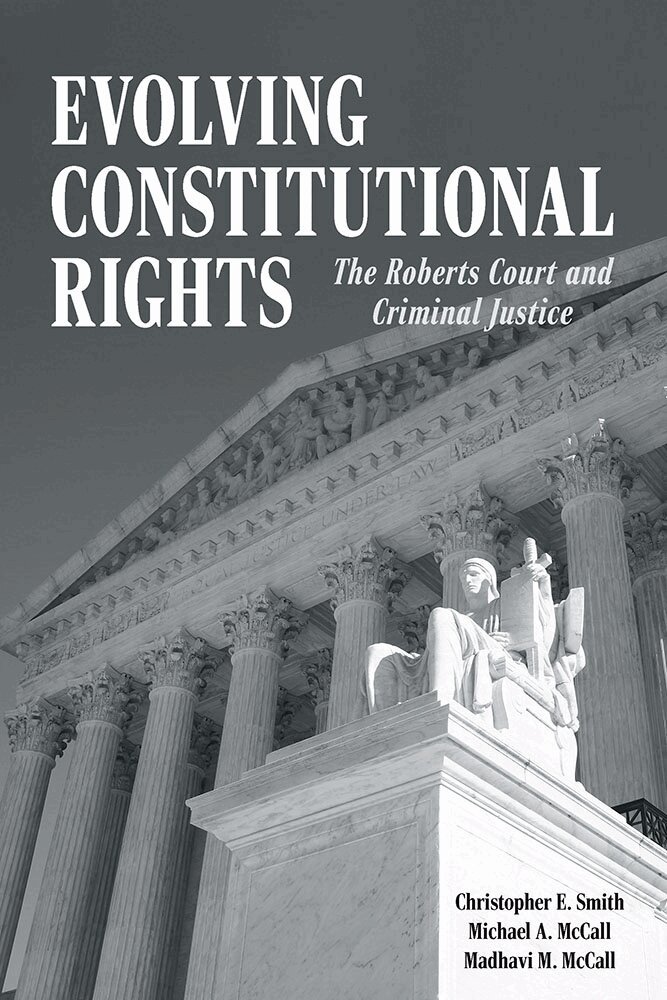
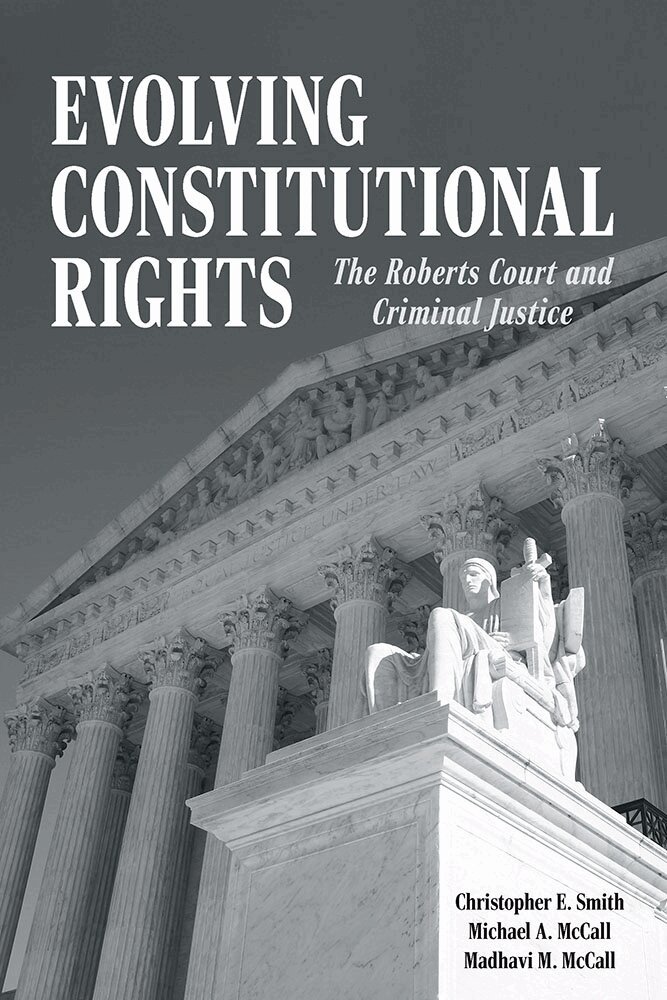
Illuminating continuity and change in Supreme Court decisions Evolving Constitutional Rights: The Roberts Court and Criminal Justice offers a compelling and in-depth analysis of how the U.S. Supreme Court has reshaped constitutional protections under Chief Justice John Roberts. Authors Christopher E. Smith, Michael A. McCall, and Madhavi M. McCall examine the Court’s significant decisions from 2005 to Justice Breyer’s retirement in 2022, revealing a complex judicial landscape where traditional doctrines are revised and fundamental rights are redefined. The Roberts Court played a decisive role in some of the most contentious issues in American law. Due to several justices’ application of originalist interpretations, its rulings have reconfigured key constitutional protections—often in ways that expand the authority of law enforcement while constraining legislative power over criminal statutes. The trajectory of the Court’s conservative supermajority raises pressing questions about the future of constitutional rights. Taking a rigorous yet accessible approach, Evolving Constitutional Rights breaks down the Court’s influence across the full spectrum of criminal justice issues, from sentencing and trial rights to search-and-seizure protections, Miranda warnings, and corrections policies. Using both legal and empirical analysis, the authors track patterns in judicial ideology, uncovering how the Roberts Court has not only reinforced conservative principles but also unexpectedly broadened rights in areas such as digital privacy and defense counsel obligations. This timely and insightful book goes beyond historical rulings to offer a forward-looking perspective on the Supreme Court’s role in shaping public safety, legal precedent, and the balance of power in American government. Essential reading for legal scholars, policymakers, and anyone concerned with the future of constitutional rights, this new volume provides a clear and authoritative examination of the Roberts Court’s lasting impact on American law.
831 kr
Skickas inom 7-10 vardagar
Illuminating continuity and change in Supreme Court decisionsEvolving Constitutional Rights: The Roberts Court and Criminal Justice offers a compelling and in-depth analysis of how the U.S. Supreme Court has reshaped constitutional protections under Chief Justice John Roberts. Authors Christopher E. Smith, Michael A. McCall, and Madhavi M. McCall examine the Court’s significant decisions from 2005 to Justice Breyer’s retirement in 2022, revealing a complex judicial landscape where traditional doctrines are revised and fundamental rights are redefined.The Roberts Court played a decisive role in some of the most contentious issues in American law. Due to several justices’ application of originalist interpretations, its rulings have reconfigured key constitutional protections—often in ways that expand the authority of law enforcement while constraining legislative power over criminal statutes. The trajectory of the Court’s conservative supermajority raises pressing questions about the future of constitutional rights.Taking a rigorous yet accessible approach, Evolving Constitutional Rights breaks down the Court’s influence across the full spectrum of criminal justice issues, from sentencing and trial rights to search-and-seizure protections, Miranda warnings, and corrections policies. Using both legal and empirical analysis, the authors track patterns in judicial ideology, uncovering how the Roberts Court has not only reinforced conservative principles but also unexpectedly broadened rights in areas such as digital privacy and defense counsel obligations.This timely and insightful book goes beyond historical rulings to offer a forward-looking perspective on the Supreme Court’s role in shaping public safety, legal precedent, and the balance of power in American government. Essential reading for legal scholars, policymakers, and anyone concerned with the future of constitutional rights, this new volume provides a clear and authoritative examination of the Roberts Court’s lasting impact on American law.