History and Society: Integrating social, political and economic sciences – serie
Visar alla böcker i serien History and Society: Integrating social, political and economic sciences. Handla med fri frakt och snabb leverans.
18 produkter
18 produkter
Häftad, Engelska, 2020
540 kr
Skickas inom 5-8 vardagar
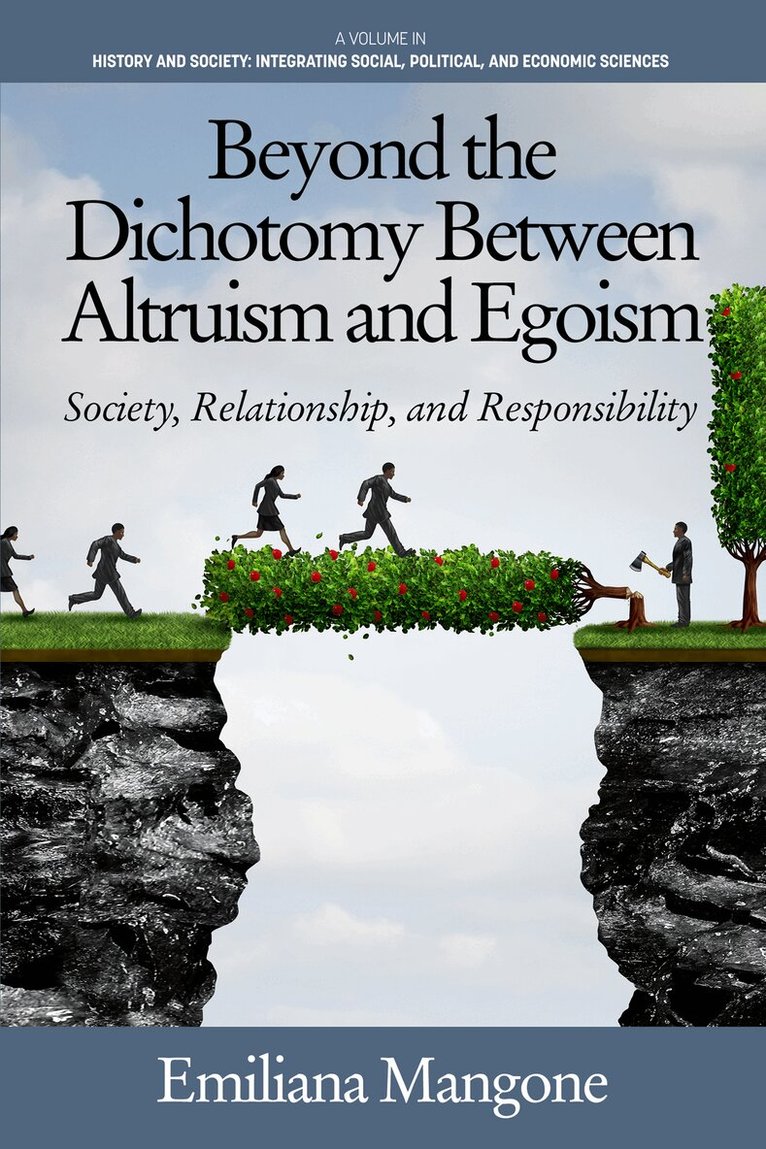
The birth of the social sciences and specifically of sociology begets some open questions, among which the debate on altruism and the concept of social solidarity. The term altruism was firstly used by Auguste Comte. It is one of the few terms born within the scientific field that will enter the common language roughly maintaining the same meaning. For the positivist Comte, altruism represented the powerful impulse to the intellectual and moral development of humanity to which we must strive as a future state. The term commonly means all those actions whose benefits fall on others and not on the agent (actor). In short, for Comte, altruism means "to live for others" (vivre pour autrui).The centrality of altruism as part of the reflections of social sciences can be found in many classic authors. Durkheim, for example, explains the foundations of social solidarity in modern society precisely through the opposition between altruism and egoism and defines its implications in the book Le Suicide in 1897, also identifying what will later become the main typology of suicide by contrasting altruistic suicide with egoistic suicide. Likewise, both Weber and Marx, while not using the term altruism as such, refer to it indirectly. The former, when describing the ethics of love for the charismatic authority as opposed to legal and rational authority, the latter, when corroborating his polemics against Christian charity.The interest in altruism as an object of study of social sciences, however, is progressively waning - especially in Europe. From the second half of the last century, theoretical and empirical studies show the indifference of social scientists towards this object, except for the Russian-American sociologist Sorokin, who in 1949 founded the Harvard Research Center in Creative Altruism. In recent years, however, the topic seems to take renewed vigor, especially in the United States with the birth in 2012 of the section "Altruism, Morality & Social Solidarity" within the American Sociological Association. It considered these three aspects as a single field of disciplinary specialization, since they are significantly dependent on socio-cultural reality. This is the situation in the United States. In Europe, there is a renewed interest in studies on altruism, especially in French-language sociology, above all starting from the numerous contributions to reading and re-reading work on Marcel Mauss's on gift of 1925, and in following the anti-utilitarian movement and studies of the school of social representations of Moscovici, which leads to the definition of the elementary forms of altruism.The book aims to analyze the concept of altruism starting from classical philosophy up to the systems of ideas of contemporaneity, considering the approaches and authors of reference in an interdisciplinary and transdisciplinary way. The representations of altruism and egoism in contemporary society are constantly changing, following the transformations of society itself. Having abandoned the idea that the factors leading to altruism or egoism lay only in human nature, we find them in people’s conduct, freedom, relationships, their associative forms and society. The attention is thus turned to two elements of the daily life of individuals: culture and social relations. The book tries, therefore, through the meso-theories developed in recent decades, which study the relationships between life-world and social system, to describe the links between altruism, egoism, culture and social relations. We will pay particular attention to the relationality of individuals, in an attempt to overcome the dichotomy altruism/egoism by reading some aspects little considered by previous studies - or contemplated only indirectly or marginally. The ultimate goal is to highlight how positive actions are necessary for the contemporary society and how social sciences must go back and study positive socio-cultural actions and phenomena, not only negative, as a way to promote them for the well-being of the society.
Inbunden, Engelska, 2020
1 006 kr
Skickas inom 5-8 vardagar
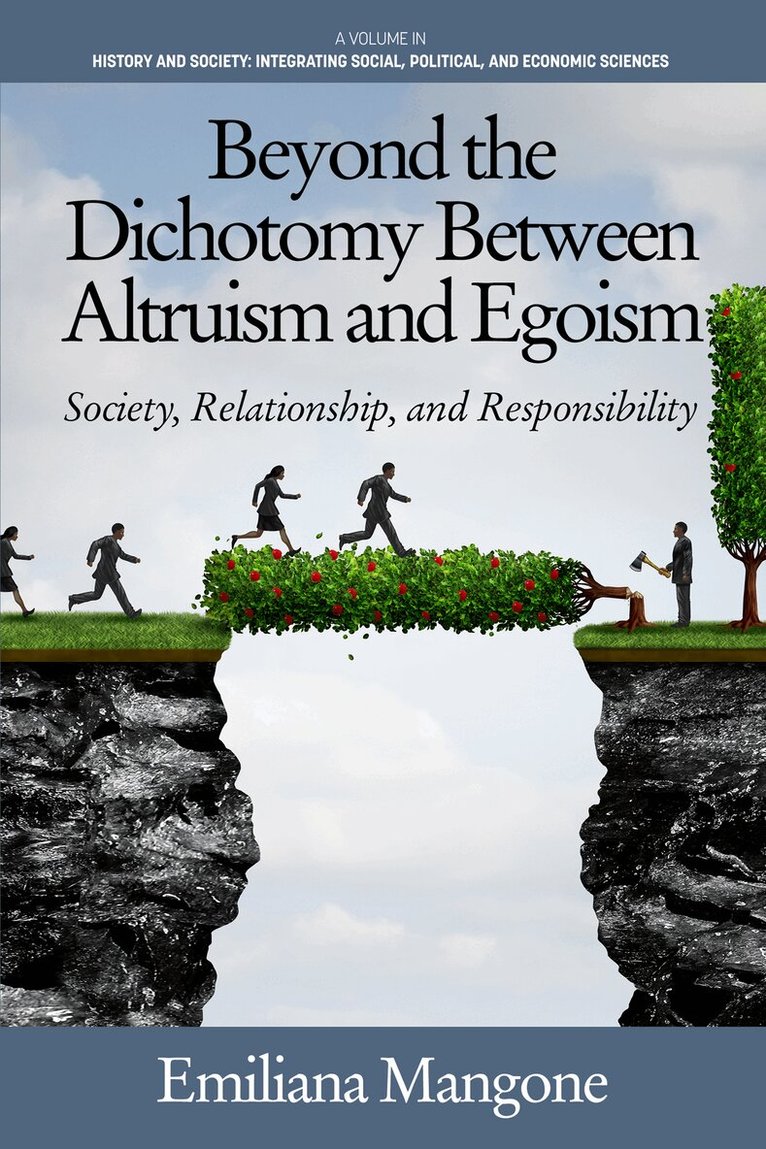
The birth of the social sciences and specifically of sociology begets some open questions, among which the debate on altruism and the concept of social solidarity. The term altruism was firstly used by Auguste Comte. It is one of the few terms born within the scientific field that will enter the common language roughly maintaining the same meaning. For the positivist Comte, altruism represented the powerful impulse to the intellectual and moral development of humanity to which we must strive as a future state. The term commonly means all those actions whose benefits fall on others and not on the agent (actor). In short, for Comte, altruism means "to live for others" (vivre pour autrui).The centrality of altruism as part of the reflections of social sciences can be found in many classic authors. Durkheim, for example, explains the foundations of social solidarity in modern society precisely through the opposition between altruism and egoism and defines its implications in the book Le Suicide in 1897, also identifying what will later become the main typology of suicide by contrasting altruistic suicide with egoistic suicide. Likewise, both Weber and Marx, while not using the term altruism as such, refer to it indirectly. The former, when describing the ethics of love for the charismatic authority as opposed to legal and rational authority, the latter, when corroborating his polemics against Christian charity.The interest in altruism as an object of study of social sciences, however, is progressively waning - especially in Europe. From the second half of the last century, theoretical and empirical studies show the indifference of social scientists towards this object, except for the Russian-American sociologist Sorokin, who in 1949 founded the Harvard Research Center in Creative Altruism. In recent years, however, the topic seems to take renewed vigor, especially in the United States with the birth in 2012 of the section "Altruism, Morality & Social Solidarity" within the American Sociological Association. It considered these three aspects as a single field of disciplinary specialization, since they are significantly dependent on socio-cultural reality. This is the situation in the United States. In Europe, there is a renewed interest in studies on altruism, especially in French-language sociology, above all starting from the numerous contributions to reading and re-reading work on Marcel Mauss's on gift of 1925, and in following the anti-utilitarian movement and studies of the school of social representations of Moscovici, which leads to the definition of the elementary forms of altruism.The book aims to analyze the concept of altruism starting from classical philosophy up to the systems of ideas of contemporaneity, considering the approaches and authors of reference in an interdisciplinary and transdisciplinary way. The representations of altruism and egoism in contemporary society are constantly changing, following the transformations of society itself. Having abandoned the idea that the factors leading to altruism or egoism lay only in human nature, we find them in people’s conduct, freedom, relationships, their associative forms and society. The attention is thus turned to two elements of the daily life of individuals: culture and social relations. The book tries, therefore, through the meso-theories developed in recent decades, which study the relationships between life-world and social system, to describe the links between altruism, egoism, culture and social relations. We will pay particular attention to the relationality of individuals, in an attempt to overcome the dichotomy altruism/egoism by reading some aspects little considered by previous studies - or contemplated only indirectly or marginally. The ultimate goal is to highlight how positive actions are necessary for the contemporary society and how social sciences must go back and study positive socio-cultural actions and phenomena, not only negative, as a way to promote them for the well-being of the society.
Häftad, Engelska, 2021
556 kr
Skickas inom 5-8 vardagar
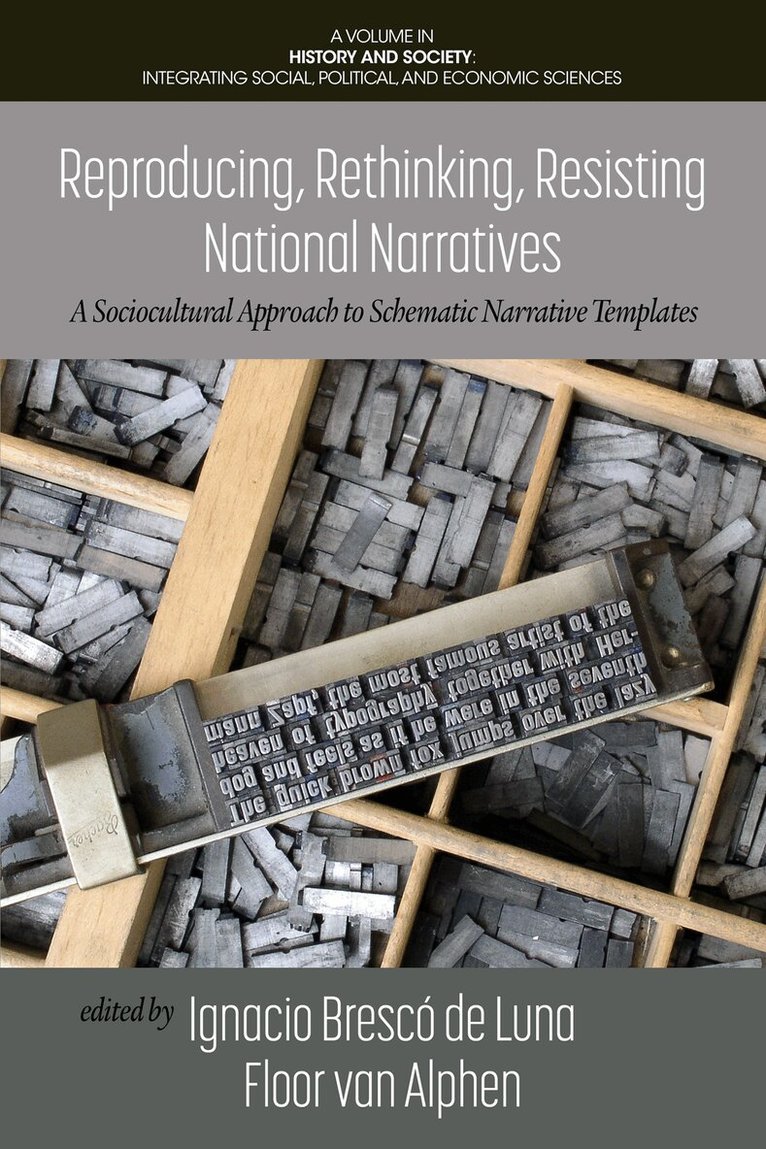
In his now classic Voices of Collective Remembering, James V. Wertsch (2002) examines the extent to which certain narrative themes are embedded in the way the collective past is understood and national communities are imagined. In this work, Wertsch coined the term schematic narrative templates to refer to basic plots, such as the triumph over alien forces or quest for freedom, that are recurrently used, setting a national theme for the past, present and future. Whereas specific narratives are about particular events, dates, settings and actors, schematic narrative templates refer to more abstract structures, grounded in the same basic plot, from which multiple specific accounts of the past can be generated. As dominant and naturalised narrative structures, schematic narrative templates are typically used without being noticed, and are thus extremely conservative, impervious to evidence and resistant to change.The concept of schematic narrative templates is much needed today, especially considering the rise of nationalism and extreme-right populism, political movements that tend to tap into national narratives naturalised and accepted by large swathes of society. The present volume comprises empirical and theoretical contributions to the concept of schematic narrative templates by scholars of different disciplines (Historiography, Psychology, Education and Political Science) and from the vantage point of different cultural and social practices of remembering (viz., school history teaching, political discourses, rituals, museums, the use of images, maps, etc.) in different countries. The volume’s main goal is to provide a transdisciplinary debate around the concept of schematic narrative templates, focusing on how narratives change as well as perpetuate at times when nationalist discourses seem to be on the rise. This book will be relevant to anyone interested in history, history teaching, nationalism, collective memory and the wider social debate on how to critically reflect on the past.
Inbunden, Engelska, 2021
1 036 kr
Skickas inom 5-8 vardagar
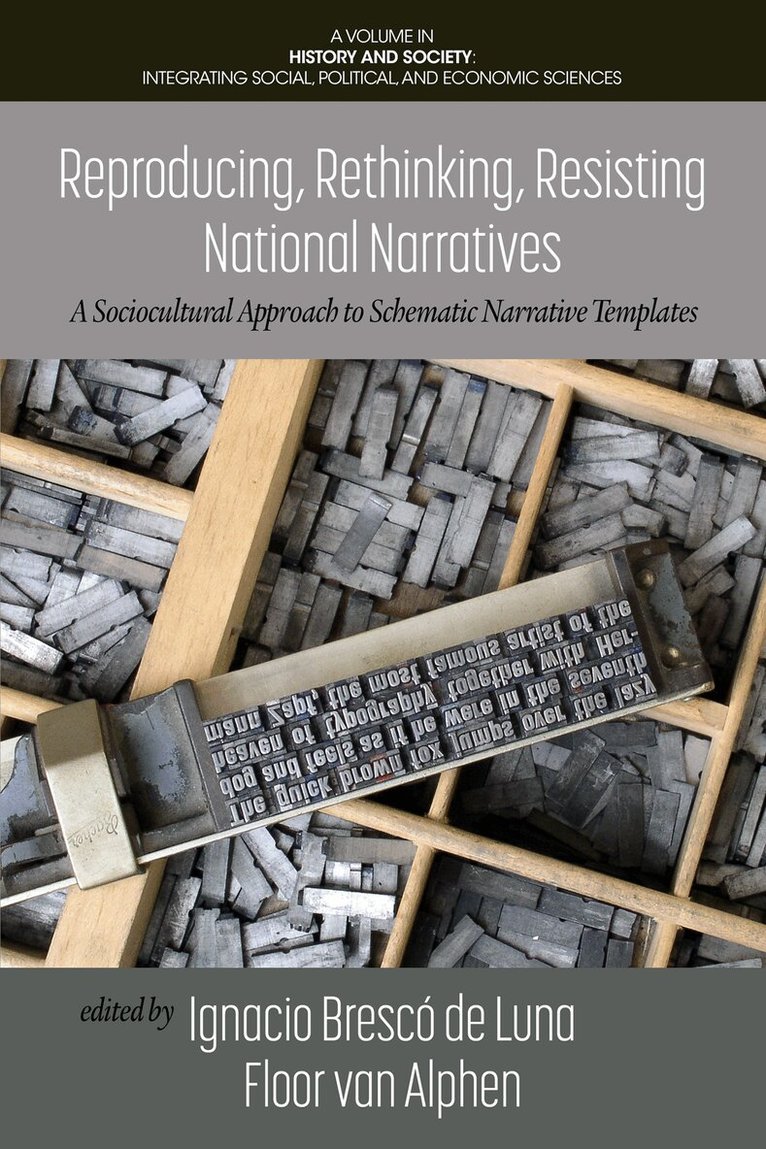
In his now classic Voices of Collective Remembering, James V. Wertsch (2002) examines the extent to which certain narrative themes are embedded in the way the collective past is understood and national communities are imagined. In this work, Wertsch coined the term schematic narrative templates to refer to basic plots, such as the triumph over alien forces or quest for freedom, that are recurrently used, setting a national theme for the past, present and future. Whereas specific narratives are about particular events, dates, settings and actors, schematic narrative templates refer to more abstract structures, grounded in the same basic plot, from which multiple specific accounts of the past can be generated. As dominant and naturalised narrative structures, schematic narrative templates are typically used without being noticed, and are thus extremely conservative, impervious to evidence and resistant to change.The concept of schematic narrative templates is much needed today, especially considering the rise of nationalism and extreme-right populism, political movements that tend to tap into national narratives naturalised and accepted by large swathes of society. The present volume comprises empirical and theoretical contributions to the concept of schematic narrative templates by scholars of different disciplines (Historiography, Psychology, Education and Political Science) and from the vantage point of different cultural and social practices of remembering (viz., school history teaching, political discourses, rituals, museums, the use of images, maps, etc.) in different countries. The volume’s main goal is to provide a transdisciplinary debate around the concept of schematic narrative templates, focusing on how narratives change as well as perpetuate at times when nationalist discourses seem to be on the rise. This book will be relevant to anyone interested in history, history teaching, nationalism, collective memory and the wider social debate on how to critically reflect on the past.
Häftad, Engelska, 2022
487 kr
Skickas inom 5-8 vardagar
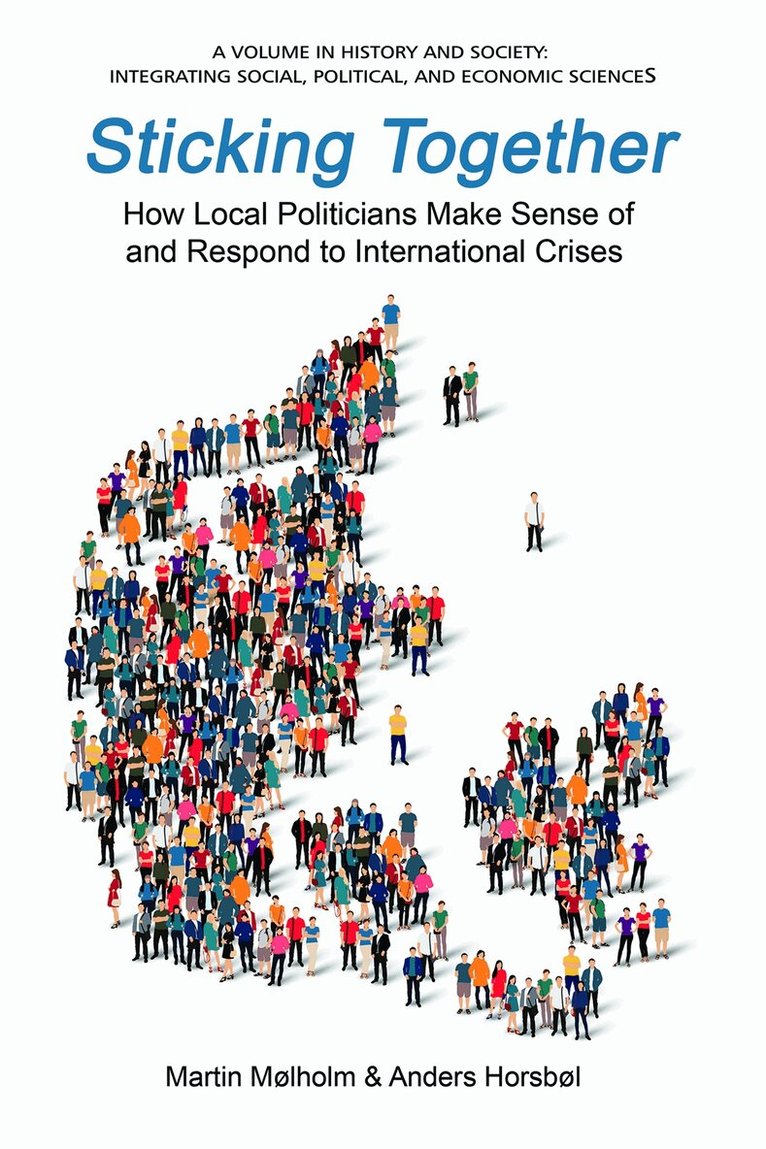
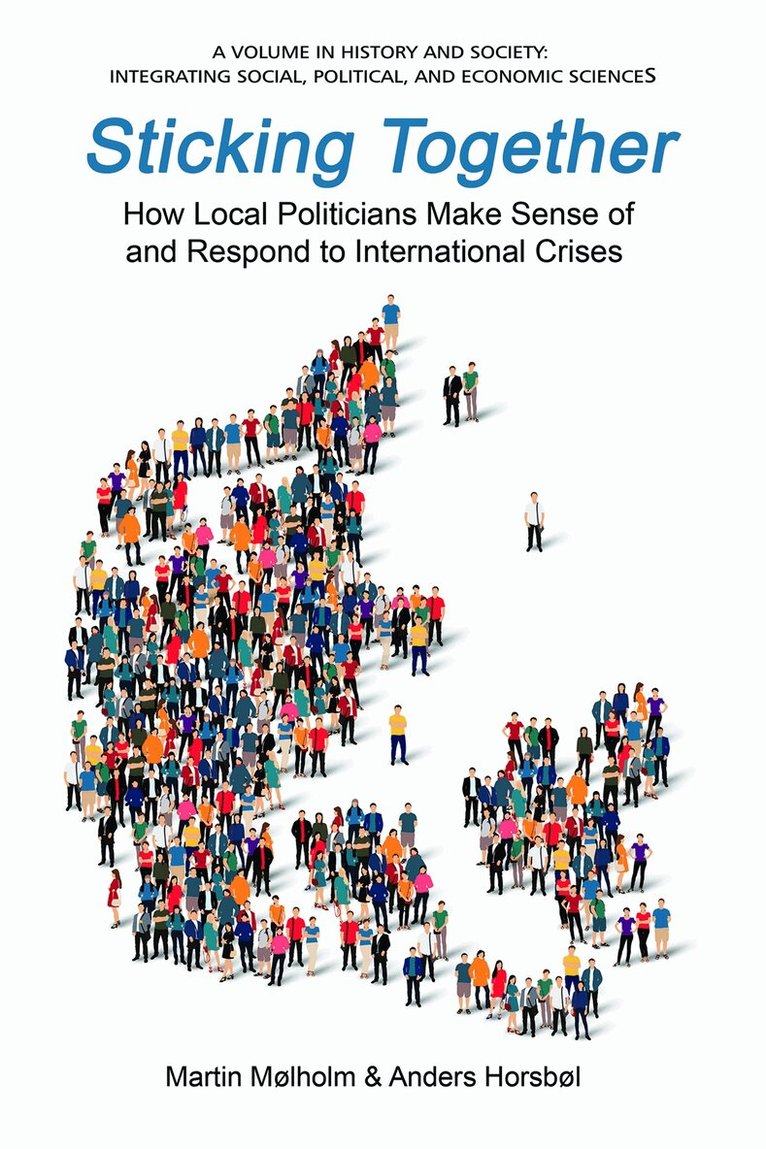
In this book, a study is presented that investigates how municipal politicians make sense of recent European crises. City Council members’ representation and conceptualization of the financial crisis in 2008, the refugee crisis in 2015 and the terror crisis up through the 21st. century, and how they represent their own response to, and way of handling, the crises, is analyzed. Thereby, the local politicians’ understanding of their political agency vis-a -vis international crises is explored. More specifically, the investigation is based on a case-study of a local municipality in Denmark.The study shows that there is a feeling of a high degree of agency among the city council members, as to the city councils’ ability to act in times of crises. Furthermore, in times of crises the city council is perceived as a united agent, rather than an arena for conflicts or negotiations. Differences are put aside in order to act swift and pragmatically. Thus, the city council members appear to experience themselves primarily as members of the city council, when various crises requires them to act within a very short time span.
Inbunden, Engelska, 2022
898 kr
Skickas inom 5-8 vardagar
In this book, a study is presented that investigates how municipal politicians make sense of recent European crises. City Council members’ representation and conceptualization of the financial crisis in 2008, the refugee crisis in 2015 and the terror crisis up through the 21st. century, and how they represent their own response to, and way of handling, the crises, is analyzed. Thereby, the local politicians’ understanding of their political agency vis-a -vis international crises is explored. More specifically, the investigation is based on a case-study of a local municipality in Denmark.The study shows that there is a feeling of a high degree of agency among the city council members, as to the city councils’ ability to act in times of crises. Furthermore, in times of crises the city council is perceived as a united agent, rather than an arena for conflicts or negotiations. Differences are put aside in order to act swift and pragmatically. Thus, the city council members appear to experience themselves primarily as members of the city council, when various crises requires them to act within a very short time span.
Häftad, Engelska, 2022
607 kr
Skickas inom 5-8 vardagar
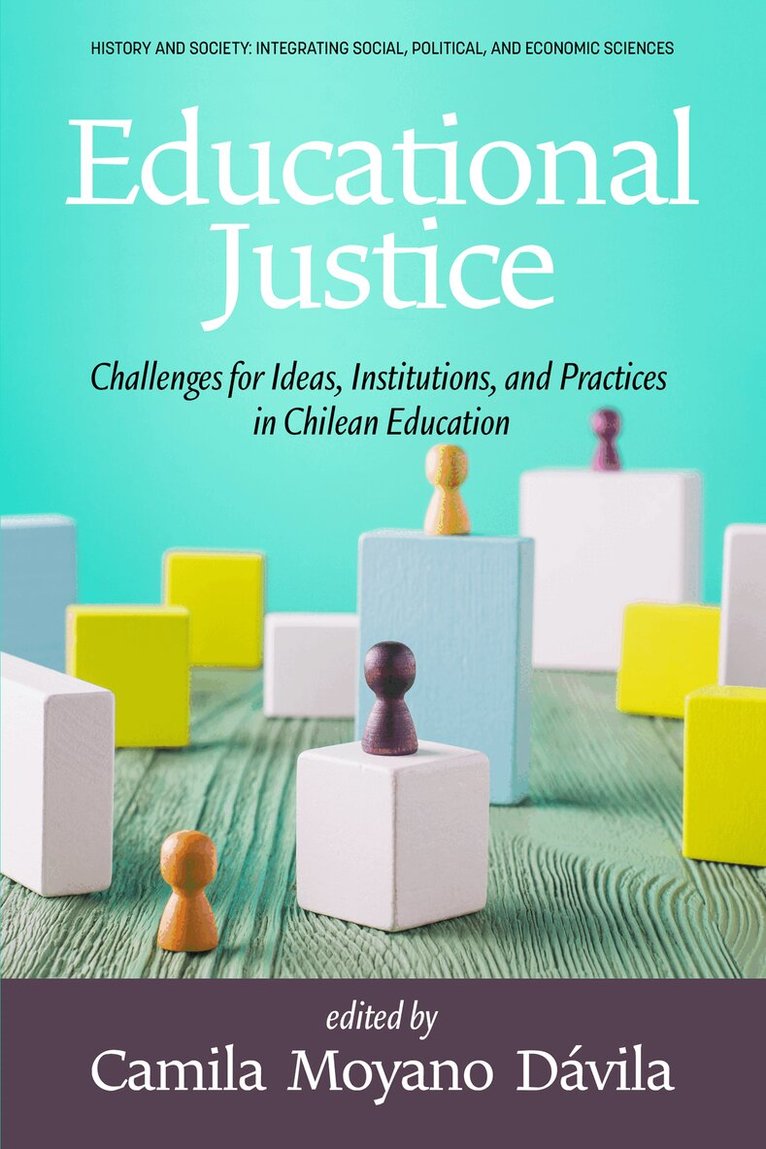
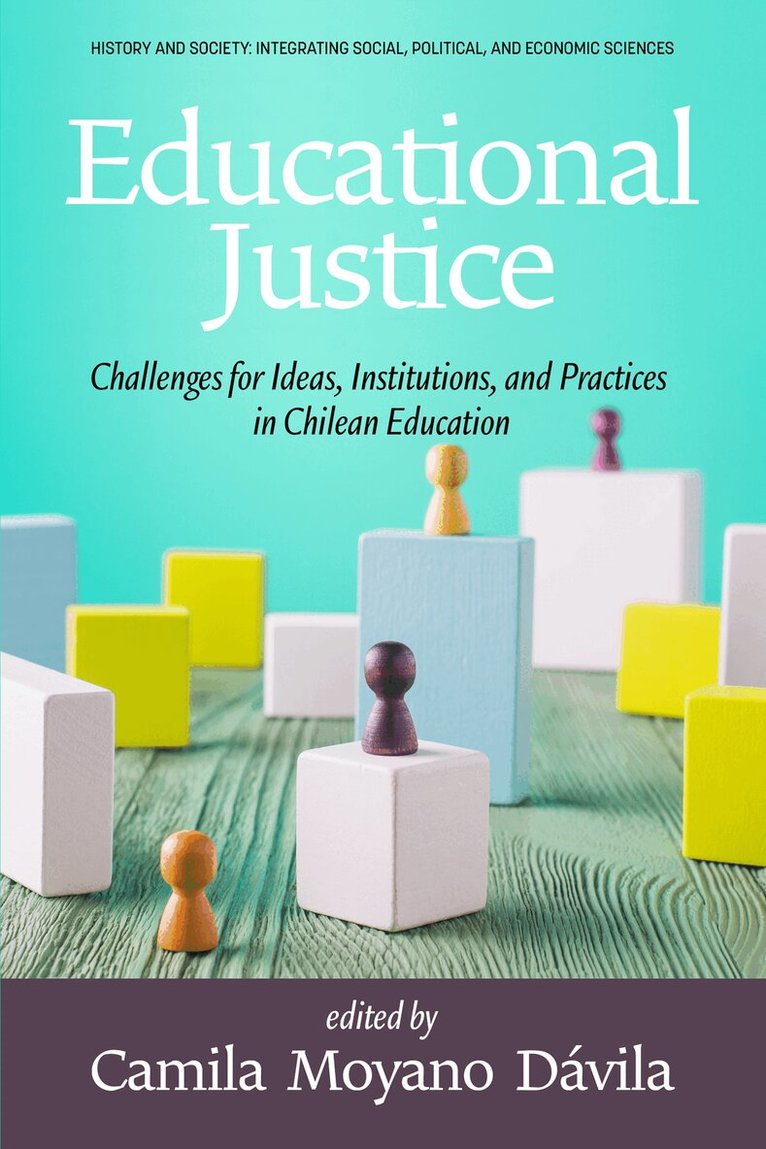
This book presents a novel perspective on education as a social right. Literature on this topic has focused on inclusion as the universal concept whereby access to education is examined. As a moral principle, this concept opens new challenges in different ways if we take a deeper view into diverse contexts. What education? For what? For whom? Are we thinking about education because it will bring social justice in the future, or are we thinking of education as a just practice in the present?This book brings fresh theoretical and empirical perspectives on those questions, moving beyond a pure inclusion paradigm to a broader and context-oriented notion of educational justice.The chapters engage with theories of educational justice to present these challenges at the institutional level of educational policy, at the practical level of schooling practices, and in the production of ideas around childhood and education, for instance, notions of normalcy at schools.Although the featured works are related to the Chilean educational system, they opens questions about education in general. They embrace rural and urban contexts, different educational levels (from preschool to university), and university and vocational education.This book will be rewarding reading for educational scholars, those interested in theories of social and educational justice, and anyone interested in contemporary perspectives on education, childhood and youth, inclusion, and justice.
Inbunden, Engelska, 2022
1 073 kr
Skickas inom 5-8 vardagar
This book presents a novel perspective on education as a social right. Literature on this topic has focused on inclusion as the universal concept whereby access to education is examined. As a moral principle, this concept opens new challenges in different ways if we take a deeper view into diverse contexts. What education? For what? For whom? Are we thinking about education because it will bring social justice in the future, or are we thinking of education as a just practice in the present?This book brings fresh theoretical and empirical perspectives on those questions, moving beyond a pure inclusion paradigm to a broader and context-oriented notion of educational justice.The chapters engage with theories of educational justice to present these challenges at the institutional level of educational policy, at the practical level of schooling practices, and in the production of ideas around childhood and education, for instance, notions of normalcy at schools.Although the featured works are related to the Chilean educational system, they opens questions about education in general. They embrace rural and urban contexts, different educational levels (from preschool to university), and university and vocational education.This book will be rewarding reading for educational scholars, those interested in theories of social and educational justice, and anyone interested in contemporary perspectives on education, childhood and youth, inclusion, and justice.
Inbunden, Engelska, 2025
1 006 kr
Skickas inom 5-8 vardagar
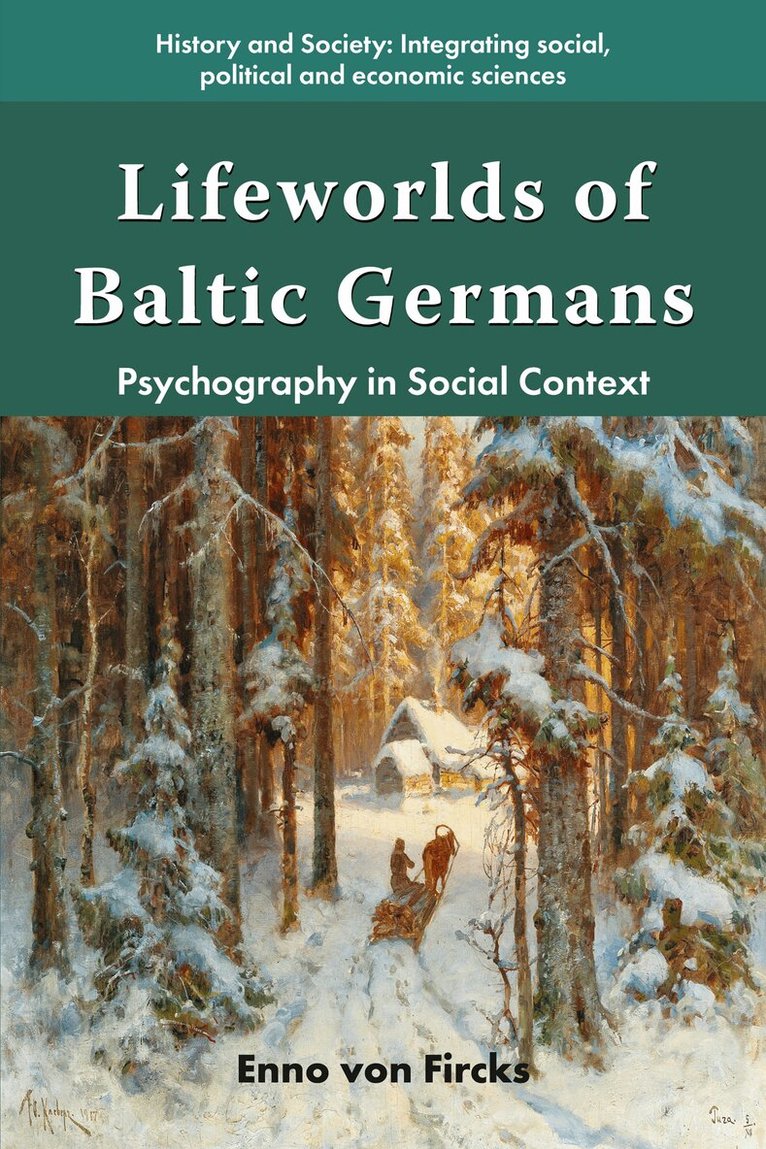
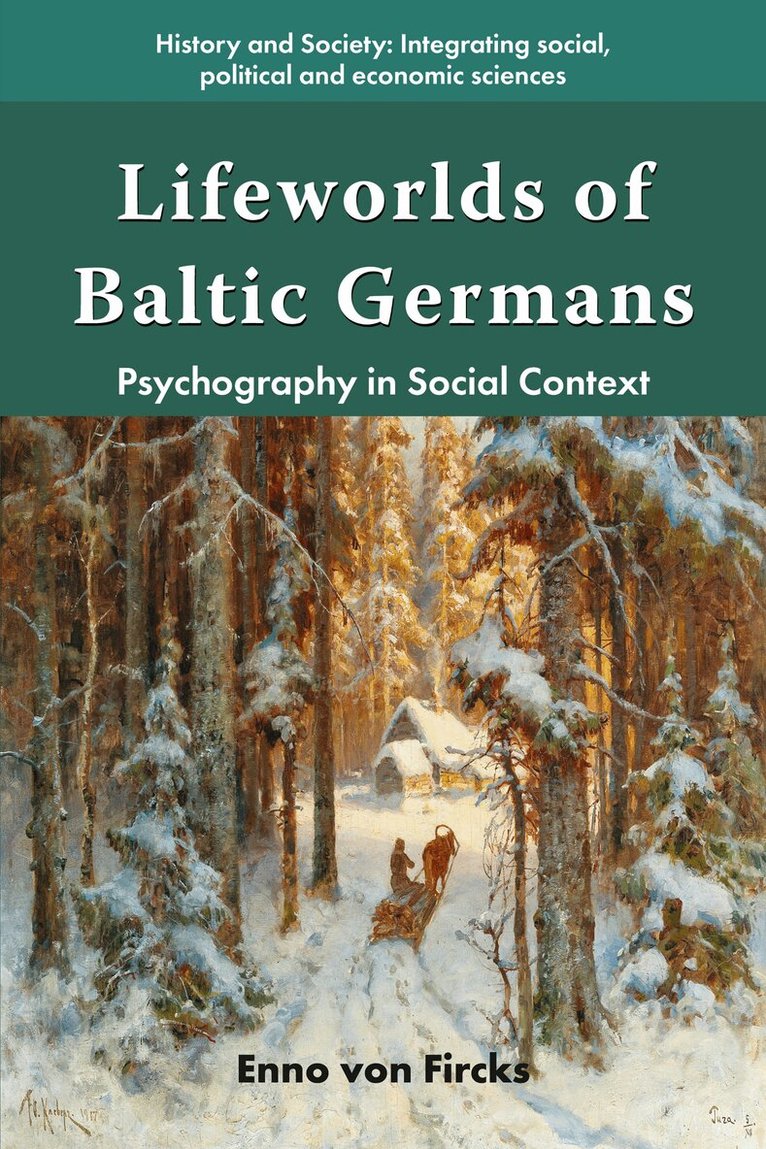
The present book examines a largely overlooked scientific discipline in Personality Psychology known as Psychography. The origins of Psychography can be traced back to the efforts of William Stern in 1911. As a scientific discipline, Psychography seeks to elucidate how individuals develop significant life patterns throughout their lives and make critical choices regarding their futures. It serves as a qualitative tool for interpreting the complexities of human lives and their transformations within the context of irreversible time.Moreover, this book applies Psychography to concrete examples, particularly focusing on the life and works of the novelist Eduard von Keyserling. Through this analysis, we aim to unravel the experiences of German-Baltic individuals who have had to construct and continually reconstruct their lives in response to the challenges they faced throughout their lifetimes, including war and political turmoil.
Häftad, Engelska, 2025
540 kr
Skickas inom 5-8 vardagar
The present book examines a largely overlooked scientific discipline in Personality Psychology known as Psychography. The origins of Psychography can be traced back to the efforts of William Stern in 1911. As a scientific discipline, Psychography seeks to elucidate how individuals develop significant life patterns throughout their lives and make critical choices regarding their futures. It serves as a qualitative tool for interpreting the complexities of human lives and their transformations within the context of irreversible time.Moreover, this book applies Psychography to concrete examples, particularly focusing on the life and works of the novelist Eduard von Keyserling. Through this analysis, we aim to unravel the experiences of German-Baltic individuals who have had to construct and continually reconstruct their lives in response to the challenges they faced throughout their lifetimes, including war and political turmoil.
Häftad, Engelska, 2023
572 kr
Skickas inom 5-8 vardagar
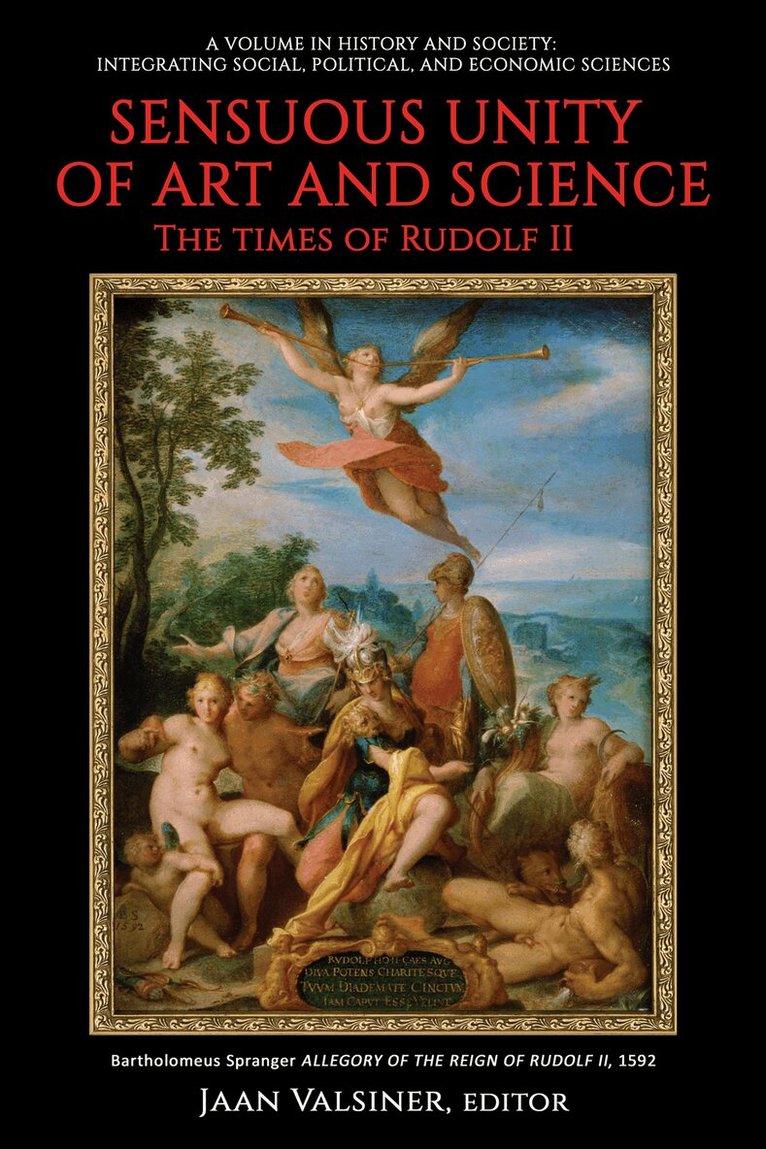
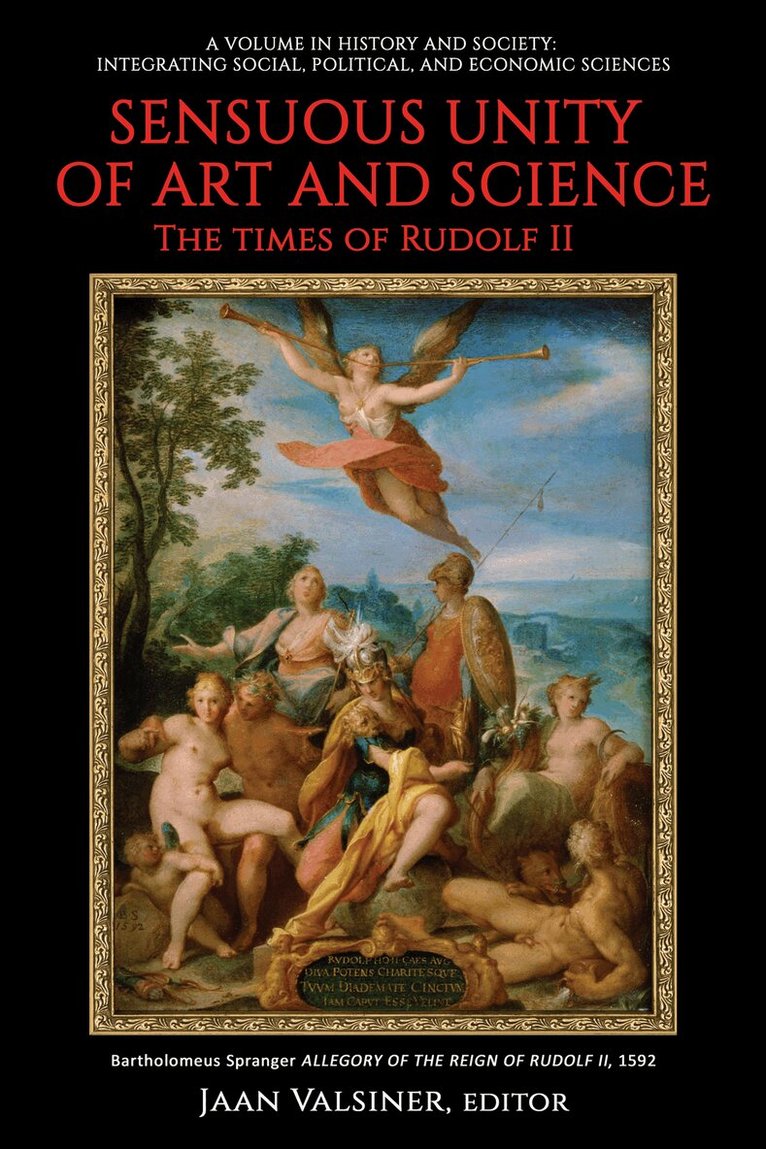
The goal of this book is to locate the birth pangs of psychology—the study of the psyche—in in the Renaissance unity of art and science. The historical period 1583-1611 in Prague was a particularly productive for all Europe in its intellectual advancements in art and science. It was facilitated by the special personality of the Holy Roman Emperor Rudolf II who during his reign made Prague the capital of the Empire where the major artists, scientists, architects and alchemists came together in the service of the Emperor and formed a unique context of interdisciplinary synthesis of ideas that enhanced European philosophies, sciences, and arts in the following centuries. While the history of art in and astronomy in the Rudolfine era has been amply covered, the impacts of the intellectual atmosphere of the era on psychology, philosophy, social ideologies, and aesthetics has remained scarcely investigated. The volume includes analyses of history of ideas in psychology, sociology and other social sciences that received the impetus of the political situation of Rudolfine Prague with religious tolerance and decline of the political power of the Holy Roman Empire.
Inbunden, Engelska, 2023
1 066 kr
Skickas inom 5-8 vardagar
The goal of this book is to locate the birth pangs of psychology—the study of the psyche—in in the Renaissance unity of art and science. The historical period 1583-1611 in Prague was a particularly productive for all Europe in its intellectual advancements in art and science. It was facilitated by the special personality of the Holy Roman Emperor Rudolf II who during his reign made Prague the capital of the Empire where the major artists, scientists, architects and alchemists came together in the service of the Emperor and formed a unique context of interdisciplinary synthesis of ideas that enhanced European philosophies, sciences, and arts in the following centuries. While the history of art in and astronomy in the Rudolfine era has been amply covered, the impacts of the intellectual atmosphere of the era on psychology, philosophy, social ideologies, and aesthetics has remained scarcely investigated. The volume includes analyses of history of ideas in psychology, sociology and other social sciences that received the impetus of the political situation of Rudolfine Prague with religious tolerance and decline of the political power of the Holy Roman Empire.
Häftad, Engelska, 2023
572 kr
Skickas inom 5-8 vardagar
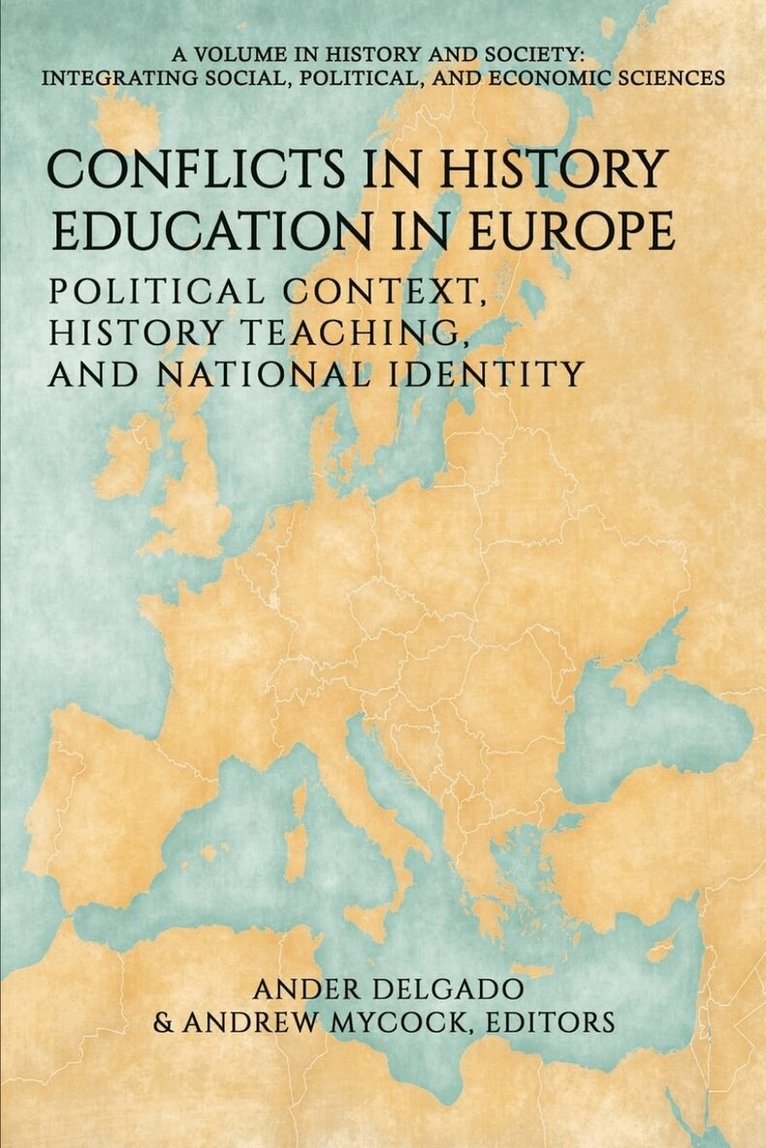
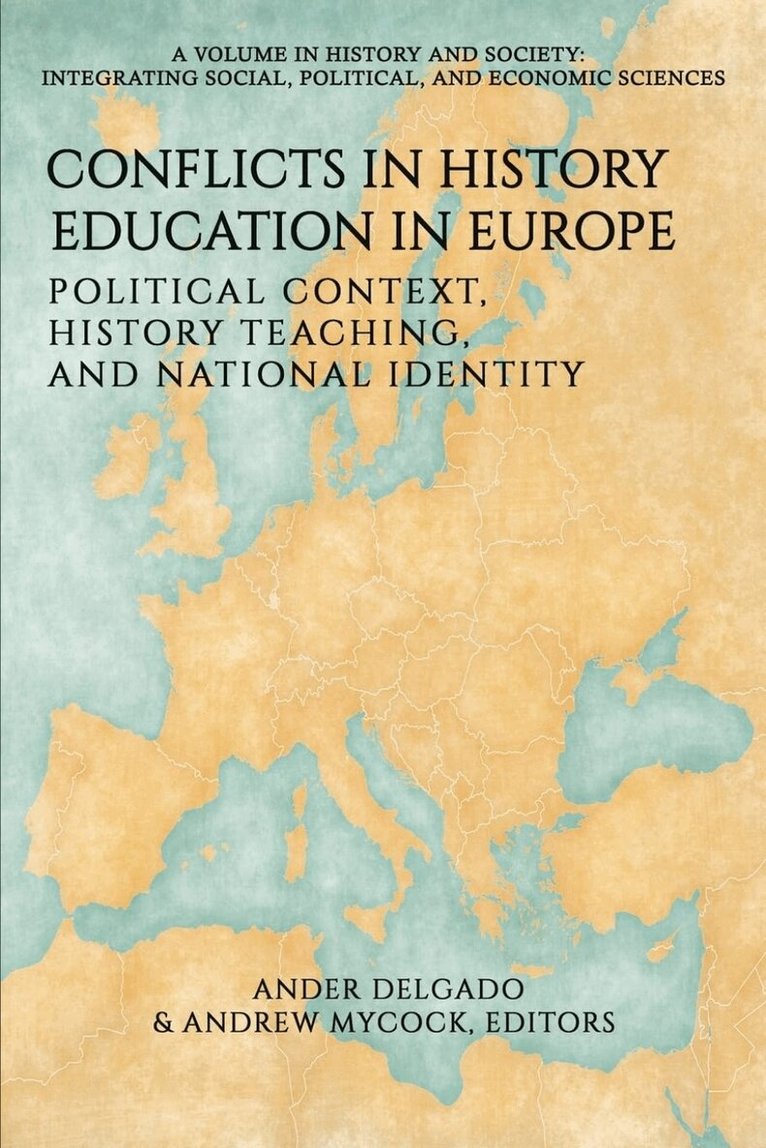
The heightened resonance of identity-driven politics in many states across twenty first century Europe emphasizes the critical role of history in shaping public contestation of the idea of the nation, and accordant manifestations of nationalism and national identity. How the past is interpreted or what and how is remembered has proven increasingly febrile, contentious, and divisive. Debates about history have gone beyond academia, and have permeated and polarised politics and society in many European countries. Intense debate and dispute about national history and culture has often focused on the history teaching in schools, colleges, and universities. According to the aforementioned, it is evident that the teaching of history in the classroom is a relevant topic within the educational system. For this reason, it is not surprising that many times the choice of what kind of history to teach becomes a controversial topic.The existence in a given society of different visions about the nation or the various responses proposed to face the social challenges existing in it (immigration, independence nationalisms...) can turn the teaching of history into a debated and controversial topic. Logically, depending on the specific political context of each country, this debate can acquire different developments and characteristics. The school is not an institution isolated from its socio-political context. In fact, both areas constantly interact. Therefore, this book proposes an approach to this topic that tries to connect the specific political context of different countries with the debates about education and history teaching from 1990 until the present. It deals with the extent to which the social and political context affects the history teaching practice developed in the classrooms through the decisions made on the official curricula and textbooks. Emphasizing this connection between both aspects is one of the strengths of this book. That is the reason why this book proposes an approach to that reality from diverse points of view and show the different materializations observed in this area in the studied cases. The chapters of this volume allow us to verify this heterogeneous reality and help enrich our knowledge on this broad and interesting topic.
Inbunden, Engelska, 2023
1 066 kr
Skickas inom 5-8 vardagar
The heightened resonance of identity-driven politics in many states across twenty first century Europe emphasizes the critical role of history in shaping public contestation of the idea of the nation, and accordant manifestations of nationalism and national identity. How the past is interpreted or what and how is remembered has proven increasingly febrile, contentious, and divisive. Debates about history have gone beyond academia, and have permeated and polarised politics and society in many European countries. Intense debate and dispute about national history and culture has often focused on the history teaching in schools, colleges, and universities. According to the aforementioned, it is evident that the teaching of history in the classroom is a relevant topic within the educational system. For this reason, it is not surprising that many times the choice of what kind of history to teach becomes a controversial topic.The existence in a given society of different visions about the nation or the various responses proposed to face the social challenges existing in it (immigration, independence nationalisms...) can turn the teaching of history into a debated and controversial topic. Logically, depending on the specific political context of each country, this debate can acquire different developments and characteristics. The school is not an institution isolated from its socio-political context. In fact, both areas constantly interact. Therefore, this book proposes an approach to this topic that tries to connect the specific political context of different countries with the debates about education and history teaching from 1990 until the present. It deals with the extent to which the social and political context affects the history teaching practice developed in the classrooms through the decisions made on the official curricula and textbooks. Emphasizing this connection between both aspects is one of the strengths of this book. That is the reason why this book proposes an approach to that reality from diverse points of view and show the different materializations observed in this area in the studied cases. The chapters of this volume allow us to verify this heterogeneous reality and help enrich our knowledge on this broad and interesting topic.
Häftad, Engelska, 2023
556 kr
Skickas inom 5-8 vardagar
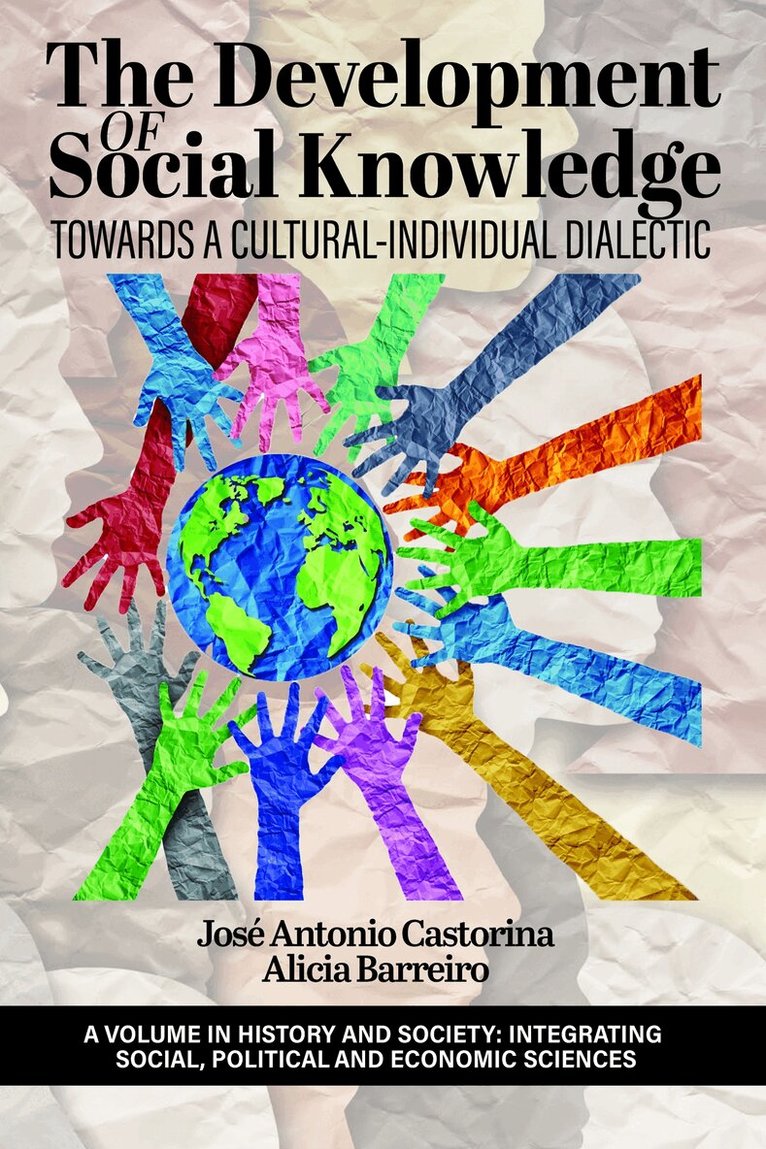
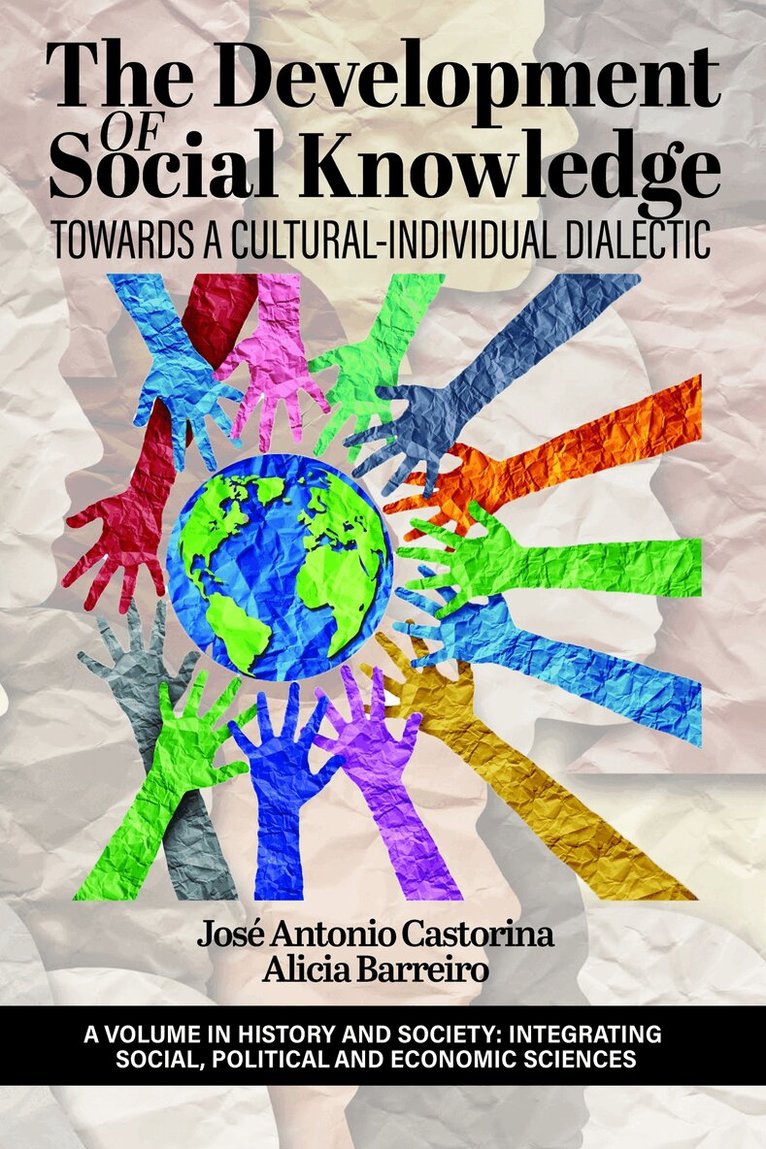
The result of a deep research work sustained for more than two decades, this book studies the construction of social knowledge from a constructivist perspective inherited from Piagetian thought. It thus advances in a process of revision and discussion, while maintaining crucial aspects of this current for the approach to the construction of the subject and the object of knowledge, in the search for the elaboration of an explanatory theory for the formation of new knowledge. A collaborative proposal between different disciplines of potential interest for the different actors who study and intervene in this field.
Inbunden, Engelska, 2023
1 036 kr
Skickas inom 5-8 vardagar
The result of a deep research work sustained for more than two decades, this book studies the construction of social knowledge from a constructivist perspective inherited from Piagetian thought. It thus advances in a process of revision and discussion, while maintaining crucial aspects of this current for the approach to the construction of the subject and the object of knowledge, in the search for the elaboration of an explanatory theory for the formation of new knowledge. A collaborative proposal between different disciplines of potential interest for the different actors who study and intervene in this field.
Häftad, Engelska, 2023
473 kr
Skickas inom 5-8 vardagar
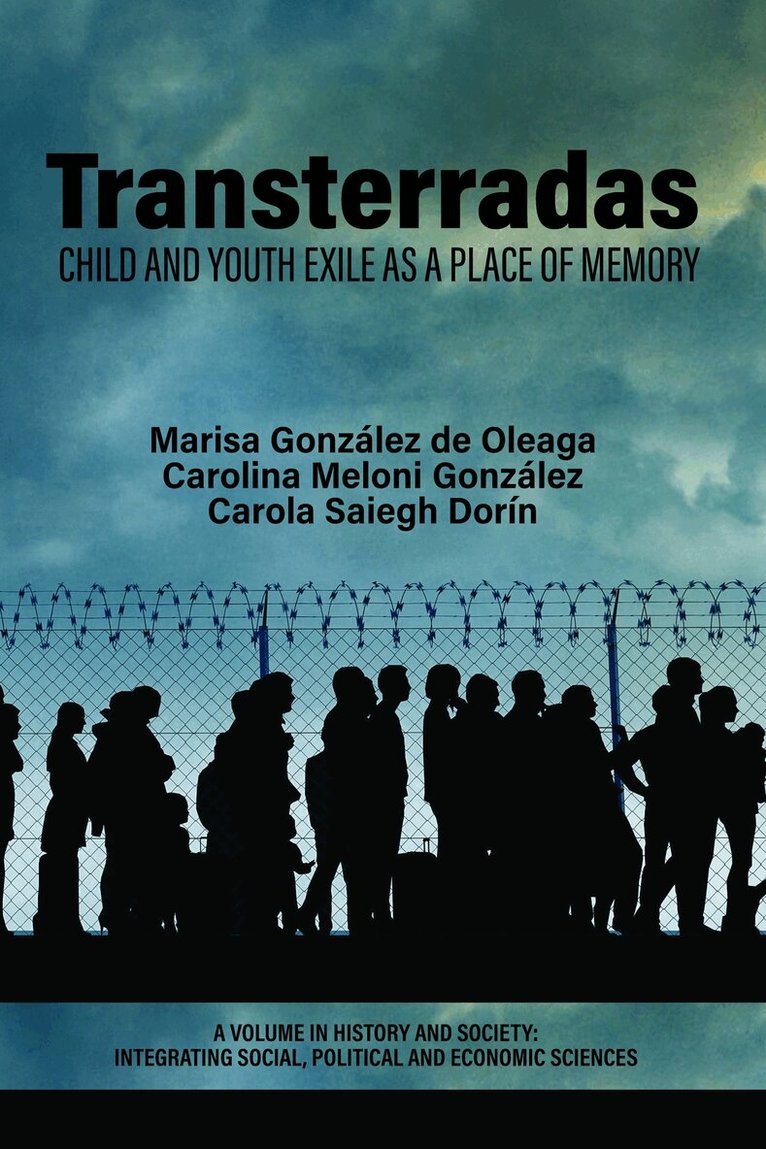
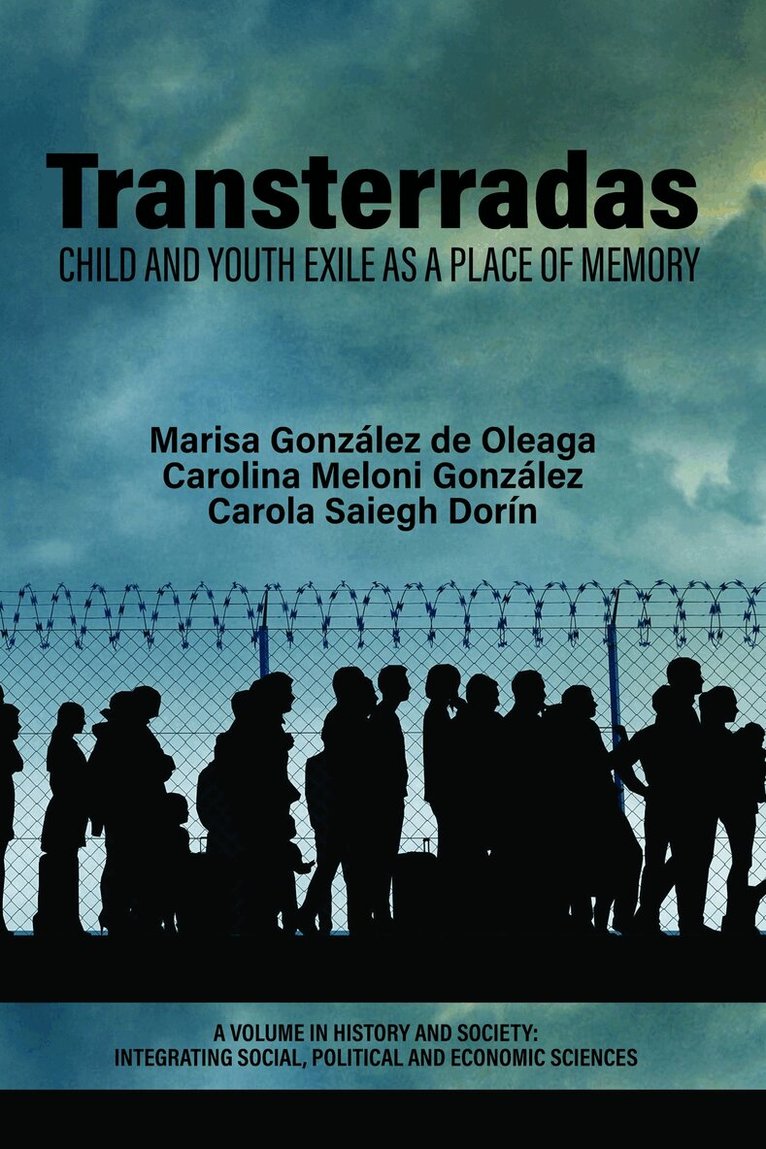
This book provides a set of testimonies that bring into focus the children and adolescents who have been driven from their lands as subjects with rights who have different ways of envisioning the world. For that reason, this book may be of interest to those experiencing childhood or adolescence in this way; similarly, it may offer insight for those who—for professional or family reasons—are in touch with these young people, including teachers, psychologists, parents, classmates and teens, counselors, social workers and others. Yet within these pages, the landscapes we sketch are also, in some sense, reflections of past atmospheres. And for this reason, historians, sociologists, anthropologists, and other scholars will also find material for academic investigation herein. As values and beliefs come into play in this book, it can inform perspectives on ethics or political philosophy as well.The relationship with others, the behaviors unique to children and adolescents—and the corresponding social sanctions of these behaviors—and the relationship between public and private during this period of life could be other areas to explore. Like the indecipherable Swiss army knife, the genre of this book is difficult to pinpoint. It is an essay but also a piece of literature and the discerning reader will also find historiographical, philosophical, and political reflections in these pages. One more book. Another book. Books are almost always an adventure and what is written therein is, like a map, only part of the journey. An important part, no doubt, but still merely a part. Experience—the true challenge—is up to the reader.
Inbunden, Engelska, 2023
873 kr
Skickas inom 5-8 vardagar
This book provides a set of testimonies that bring into focus the children and adolescents who have been driven from their lands as subjects with rights who have different ways of envisioning the world. For that reason, this book may be of interest to those experiencing childhood or adolescence in this way; similarly, it may offer insight for those who—for professional or family reasons—are in touch with these young people, including teachers, psychologists, parents, classmates and teens, counselors, social workers and others. Yet within these pages, the landscapes we sketch are also, in some sense, reflections of past atmospheres. And for this reason, historians, sociologists, anthropologists, and other scholars will also find material for academic investigation herein. As values and beliefs come into play in this book, it can inform perspectives on ethics or political philosophy as well.The relationship with others, the behaviors unique to children and adolescents—and the corresponding social sanctions of these behaviors—and the relationship between public and private during this period of life could be other areas to explore. Like the indecipherable Swiss army knife, the genre of this book is difficult to pinpoint. It is an essay but also a piece of literature and the discerning reader will also find historiographical, philosophical, and political reflections in these pages. One more book. Another book. Books are almost always an adventure and what is written therein is, like a map, only part of the journey. An important part, no doubt, but still merely a part. Experience—the true challenge—is up to the reader.