1 279 kr
Skickas inom 5-8 vardagar
1 279 kr
Skickas inom 5-8 vardagar
628 kr
Skickas inom 3-6 vardagar
542 kr
Skickas inom 5-8 vardagar
1 006 kr
Skickas inom 3-6 vardagar
581 kr
Skickas inom 3-6 vardagar
1 160 kr
Skickas inom 5-8 vardagar
596 kr
Skickas inom 3-6 vardagar
2 288 kr
Skickas inom 3-6 vardagar
625 kr
Skickas inom 3-6 vardagar
1 160 kr
Skickas inom 5-8 vardagar
580 kr
Skickas inom 3-6 vardagar
831 kr
Skickas inom 5-8 vardagar
213 kr
Skickas inom 5-8 vardagar
1 145 kr
Skickas inom 5-8 vardagar
583 kr
Skickas inom 3-6 vardagar
610 kr
Skickas inom 3-6 vardagar
714 kr
Skickas inom 5-8 vardagar
819 kr
Läs direkt efter köp
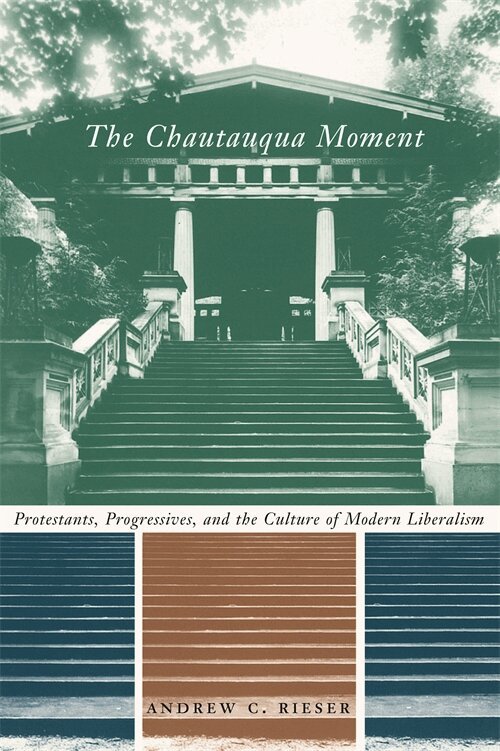
This book traces the rise and decline of what Theodore Roosevelt once called the "most American thing in America." The Chautauqua movement began in 1874 on the shores of Chautauqua Lake in western New York. More than a college or a summer resort or a religious assembly, it was a composite of all of these—completely derivative yet brilliantly innovative. For five decades, Chautauqua dominated adult education and reached millions with its summer assemblies, reading clubs, and traveling circuits.Scholars have long struggled to make sense of Chautauqua''s pervasive yet disorganized presence in American life. In this critical study, Andrew Rieser weaves the threads of Chautauqua into a single story and places it at the vital center of fin de siècle cultural and political history. Famous for its commitment to democracy, women''s rights, and social justice, Chautauqua was nonetheless blind to issues of class and race. How could something that trumpeted democracy be so undemocratic in practice? The answer, Rieser argues, lies in the historical experience of the white, Protestant middle classes, who struggled to reconcile their parochial interests with radically new ideas about social progress and the state. The Chautauqua Moment brings color to a colorless demographic and spins a fascinating tale of modern liberalism''s ambivalent but enduring cultural legacy.
476 kr
Läs direkt efter köp
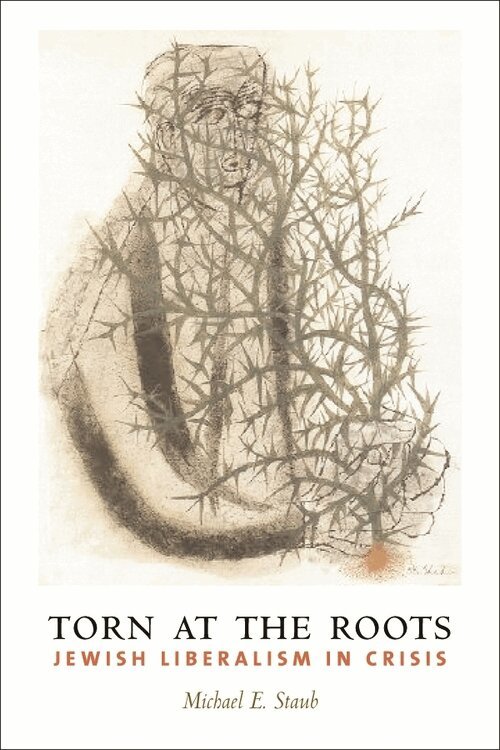
When Jewish neoconservatives burst upon the political scene, many people were surprised. Conventional wisdom held that Jews were uniformly liberal. This book explodes the myth of a monolithic liberal Judaism. Michael Staub tells the story of the many fierce battles that raged in postwar America over what the authentically Jewish position ought to be on issues ranging from desegregation to Zionism, from Vietnam to gender relations, sexuality, and family life. Throughout the three decades after 1945, Michael Staub shows, American Jews debated the ways in which the political commitments of Jewish individuals and groups could or should be shaped by their Jewishness. Staub shows that, contrary to conventional wisdom, the liberal position was never the obvious winner in the contest.By the late 1960s left-wing Jews were often accused by their conservative counterparts of self-hatred or of being inadequately or improperly Jewish. They, in turn, insisted that right-wing Jews were deaf to the moral imperatives of both the Jewish prophetic tradition and Jewish historical experience, which obliged Jews to pursue social justice for the oppressed and the marginalized. Such declamations characterized disputes over a variety of topics: American anticommunism, activism on behalf of African American civil rights, imperatives of Jewish survival, Israel and Israeli-Palestinian relations, the 1960s counterculture, including the women''s and gay and lesbian liberation movements, and the renaissance of Jewish ethnic pride and religious observance. Spanning these controversies, Staub presents not only a revelatory and clear-eyed prehistory of contemporary Jewish neoconservatism but also an important corrective to investigations of "identity politics" that have focused on interethnic contacts and conflicts while neglecting intraethnic ones. Revising standard assumptions about the timing of Holocaust awareness in postwar America, Staub charts how central arguments over the Holocaust''s purported lessons were to intra-Jewish political conflict already in the first two decades after World War II. Revisiting forgotten artifacts of the postwar years, such as Jewish marriage manuals, satiric radical Zionist cartoons, and the 1970s sitcom about an intermarried couple entitled Bridget Loves Bernie, and incidents such as the firing of a Columbia University rabbi for supporting anti-Vietnam war protesters and the efforts of the Miami Beach Hotel Owners Association to cancel an African Methodist Episcopal Church convention, Torn at the Roots sheds new light on an era we thought we knew well.
467 kr
Läs direkt efter köp
1 118 kr
Läs direkt efter köp
321 kr
Skickas inom 5-8 vardagar
445 kr
Skickas inom 5-8 vardagar
554 kr
Skickas inom 5-8 vardagar
554 kr
Skickas inom 5-8 vardagar
472 kr
Skickas inom 5-8 vardagar
664 kr
Skickas inom 5-8 vardagar
1 211 kr
Skickas inom 5-8 vardagar
321 kr
Skickas inom 5-8 vardagar
376 kr
Skickas inom 5-8 vardagar