Remapping World Cinema - Böcker
Visar alla böcker i serien Remapping World Cinema. Handla med fri frakt och snabb leverans.
10 produkter
10 produkter
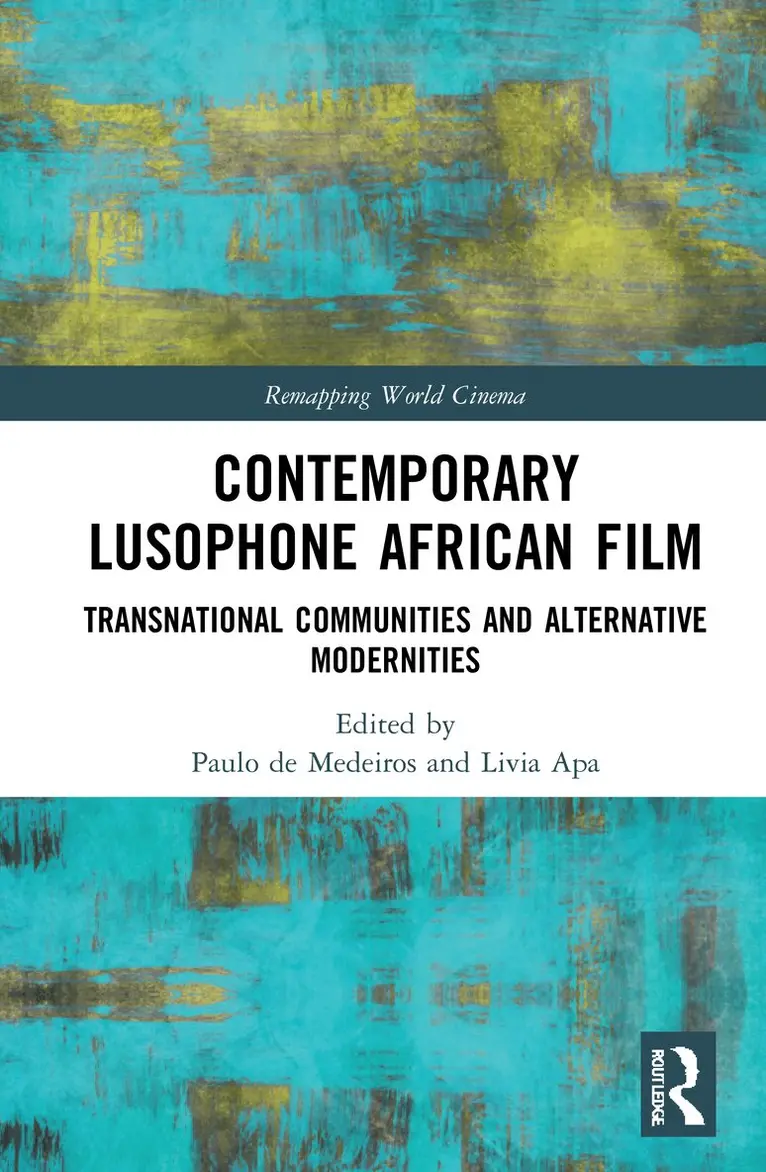
Contemporary Lusophone African Film
Transnational Communities and Alternative Modernities
Inbunden, Engelska, 2020
2 088 kr
Skickas inom 10-15 vardagar
Offering a range of critical perspectives on a vibrant body of films, this collection of essays engages with questions specific to the various cinemas and films addressed while putting forward an argument for their inclusion in current debates on world cinema.The collection brings together 11 chapters by recognized scholars, who analyze a variety of films and videos from Angola, Cape Verde, Guiné-Bissau, and Mozambique. It also includes an interview with Pedro Pimenta, one of the most distinguished African film festival organizers. Drawing on various theoretical perspectives, the volume strives to reverse the relative invisibility that has afflicted these cinemas, arguing that most, if not all, Lusophone films are transnational in all aspects of production, acting, and reception. The initial three chapters sketch broad, comparative overviews and suggest theoretical approaches, while the ensuing chapters focus on specific case studies and discuss a number of key issues such as the convergence of film with politics, the question of gender and violence, as well as the revisiting of the period immediately following independence. Attention is given to fiction, documentary films and recent, short, alternative video productions that are overlooked by more traditional channels. The book stresses the need to pay attention to the significance of African film, and Lusophone African film in particular, within the developing field of world cinema.Bringing together general overviews, historical considerations, detailed case studies, and focused theoretical reflections, this book is a significant volume for students and researchers in film studies, especially African, Lusophone cultural studies, and world cinema.
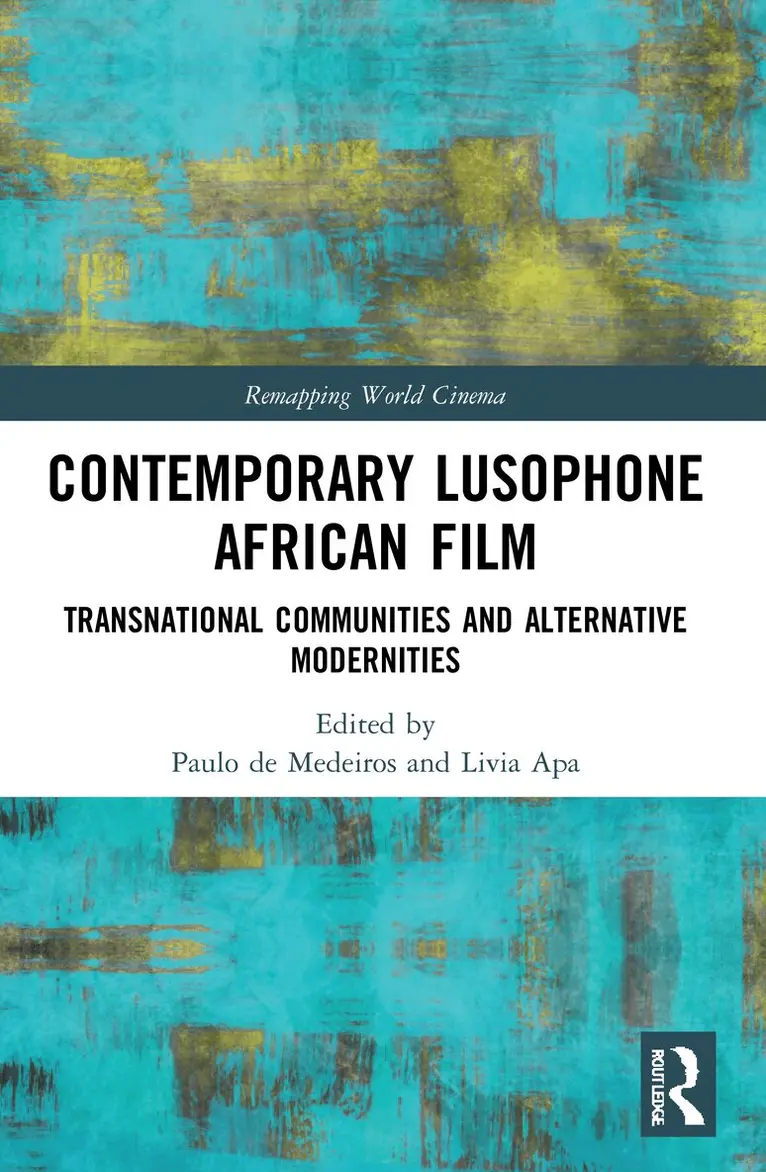
Contemporary Lusophone African Film
Transnational Communities and Alternative Modernities
Häftad, Engelska, 2024
563 kr
Skickas inom 10-15 vardagar
Offering a range of critical perspectives on a vibrant body of films, this collection of essays engages with questions specific to the various cinemas and films addressed while putting forward an argument for their inclusion in current debates on world cinema.The collection brings together 11 chapters by recognized scholars, who analyze a variety of films and videos from Angola, Cape Verde, Guiné-Bissau, and Mozambique. It also includes an interview with Pedro Pimenta, one of the most distinguished African film festival organizers. Drawing on various theoretical perspectives, the volume strives to reverse the relative invisibility that has afflicted these cinemas, arguing that most, if not all, Lusophone films are transnational in all aspects of production, acting, and reception. The initial three chapters sketch broad, comparative overviews and suggest theoretical approaches, while the ensuing chapters focus on specific case studies and discuss a number of key issues such as the convergence of film with politics, the question of gender and violence, as well as the revisiting of the period immediately following independence. Attention is given to fiction, documentary films and recent, short, alternative video productions that are overlooked by more traditional channels. The book stresses the need to pay attention to the significance of African film, and Lusophone African film in particular, within the developing field of world cinema.Bringing together general overviews, historical considerations, detailed case studies, and focused theoretical reflections, this book is a significant volume for students and researchers in film studies, especially African, Lusophone cultural studies, and world cinema.
2 088 kr
Skickas inom 10-15 vardagar
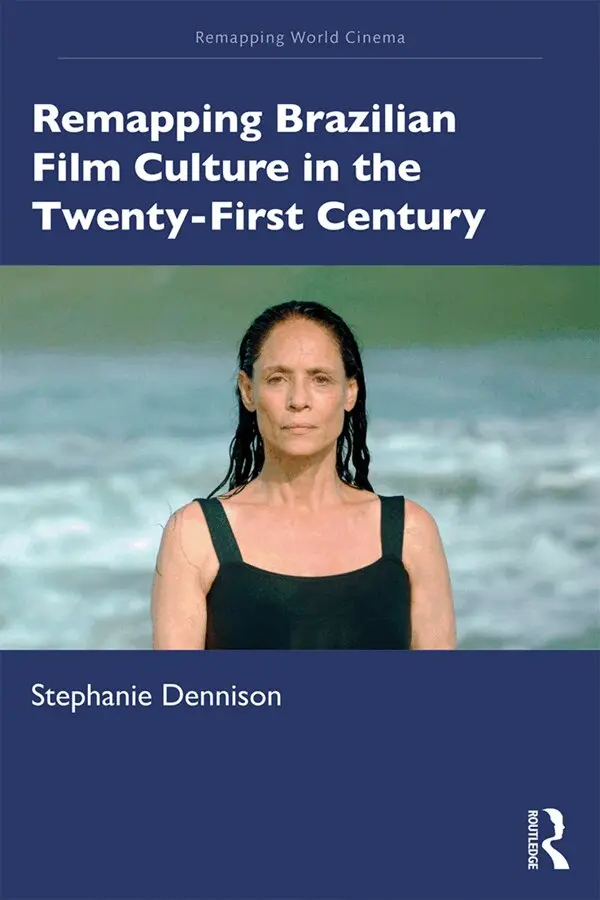
Remapping Brazilian Film Culture makes a significant contribution not only to debates about Brazilian national cinema, but more generally about the development of world cinema in the twenty-first century.This book charts the key features of Brazilian film culture of the first two decades of the twenty-first century, including: the latest cultural debates within Brazil on film funding and distribution practices; the impact of diversity politics on the Brazilian film industry; the reception and circulation of Brazilian films on the international film festival circuit; and the impact on cultural production of the sharp change in political direction at national level experienced post-2016. The principle of "remapping" here is based on a need to move on from potentially limiting concepts such as "the national", which can serve to unduly ghettoise a cinema, film industry and audience. The book argues that Brazilian film culture should be read as being part of a globally articulated film culture whose internal workings are necessarily distinctive and thus deserving of world cinema scholars’ attention. A blend of industry studies, audience reception and cultural studies, Remapping Brazilian Film Culture is a dynamic volume for students and researchers in film studies, particularly Brazilian, Latin American and world cinema.*Honorary Mention - Best Book in Humanities for the LASA Brazil Prize 2021*
563 kr
Skickas inom 10-15 vardagar
Remapping Brazilian Film Culture makes a significant contribution not only to debates about Brazilian national cinema, but more generally about the development of world cinema in the twenty-first century.This book charts the key features of Brazilian film culture of the first two decades of the twenty-first century, including: the latest cultural debates within Brazil on film funding and distribution practices; the impact of diversity politics on the Brazilian film industry; the reception and circulation of Brazilian films on the international film festival circuit; and the impact on cultural production of the sharp change in political direction at national level experienced post-2016. The principle of "remapping" here is based on a need to move on from potentially limiting concepts such as "the national", which can serve to unduly ghettoise a cinema, film industry and audience. The book argues that Brazilian film culture should be read as being part of a globally articulated film culture whose internal workings are necessarily distinctive and thus deserving of world cinema scholars’ attention. A blend of industry studies, audience reception and cultural studies, Remapping Brazilian Film Culture is a dynamic volume for students and researchers in film studies, particularly Brazilian, Latin American and world cinema.*Honorary Mention - Best Book in Humanities for the LASA Brazil Prize 2021*
2 088 kr
Skickas inom 10-15 vardagar
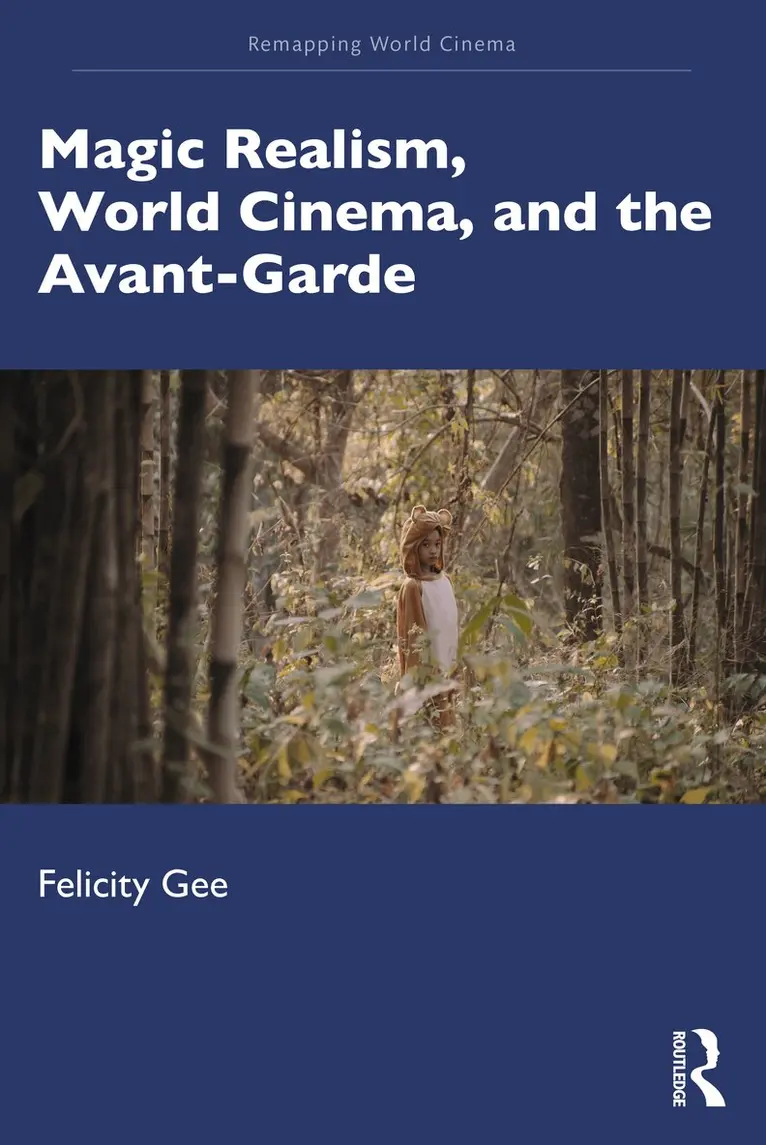
This book follows the hybrid and contradictory history of magic realism through the writings of three key figures – art historian Franz Roh, novelist Alejo Carpentier, and cultural critic Fredric Jameson – drawing links between their political, aesthetic, and philosophical ideas on art’s relationship to reality. Magic realism is vast in scope, spanning almost a century, and is often confused with neighbouring styles of literature or art, most notably surrealism. The fascinating conditions of modernist Europe are complex and contradictory, a spirit that magic realism has taken on as it travels far and wide. The filmmakers and writers in this book acknowledge the importance of feeling, atmosphere, and mood to subtly provoke and resist global capitalism. Theirs is the history of magic-realist cinema. The book explores this history through the modernist avant-garde in search of a new theory of cinematic magic realism. It uncovers a resistant, geopolitical form of world cinema – moving from Europe, through Latin America and the former Soviet Union, to Thailand – that emerges from these ideas. This book is invaluable to any reader interested in world modernism(s) in relation to contemporary cinema and geopolitics. Its sustained analysis of film as a sensory, intermedial medium is of interest to scholars working across the visual arts, literature, critical theory, and film-philosophy.
549 kr
Skickas inom 10-15 vardagar
This book follows the hybrid and contradictory history of magic realism through the writings of three key figures – art historian Franz Roh, novelist Alejo Carpentier, and cultural critic Fredric Jameson – drawing links between their political, aesthetic, and philosophical ideas on art’s relationship to reality. Magic realism is vast in scope, spanning almost a century, and is often confused with neighbouring styles of literature or art, most notably surrealism. The fascinating conditions of modernist Europe are complex and contradictory, a spirit that magic realism has taken on as it travels far and wide. The filmmakers and writers in this book acknowledge the importance of feeling, atmosphere, and mood to subtly provoke and resist global capitalism. Theirs is the history of magic-realist cinema. The book explores this history through the modernist avant-garde in search of a new theory of cinematic magic realism. It uncovers a resistant, geopolitical form of world cinema – moving from Europe, through Latin America and the former Soviet Union, to Thailand – that emerges from these ideas. This book is invaluable to any reader interested in world modernism(s) in relation to contemporary cinema and geopolitics. Its sustained analysis of film as a sensory, intermedial medium is of interest to scholars working across the visual arts, literature, critical theory, and film-philosophy.
2 088 kr
Skickas inom 10-15 vardagar
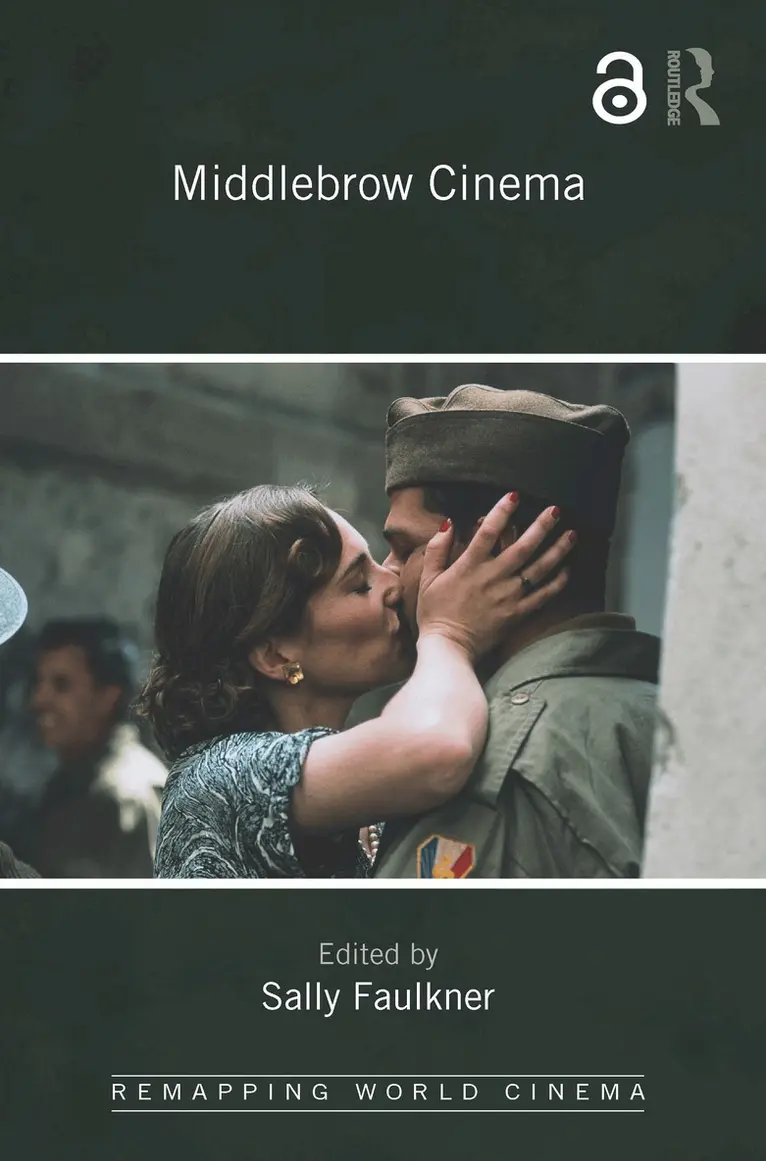
Middlebrow Cinema challenges an often uninterrogated hostility to middlebrow culture that frequently dismisses it as conservative, which it often is not, and feminized or middle-class, which it often is. The volume defines the term relationally against shifting concepts of ‘high’ and ‘low’, and considers its deployment in connection with text, audience and institution.In exploring the concept of the middlebrow, this book recovers films that were widely meaningful to contemporary audiences, yet sometimes overlooked by critics interested in popular and arthouse extremes. It also addresses the question of socially-mobile audiences, who might express their aspirations through film-watching; and traces the cultural consequences of the movement of films across borders and between institutions. The first study of its kind, the volume comprises 11 original essays that test the purchase of the term ‘middlebrow’ across cultures, including those of Europe, Asia and the Americas, from the 1930s to the present day. Middlebrow Cinema brings into view a popular and aspirational - and thus especially relevant and dynamic - area of film and film culture. Ideal for students and researchers in this area, this book: Remaps ‘Popular’ and ‘arthouse’ approaches Explores British, Chinese, French, Indian, Mexican, Spanish ‘national’ cinemas alongside Continental, Hollywood, Queer, Transnational cinemas Analyses Biopic, Heritage, Historical Film, Melodrama, Musical, Sex Comedy genres.
183 kr
Skickas inom 10-15 vardagar
Middlebrow Cinema challenges an often uninterrogated hostility to middlebrow culture that frequently dismisses it as conservative, which it often is not, and feminized or middle-class, which it often is. The volume defines the term relationally against shifting concepts of ‘high’ and ‘low’, and considers its deployment in connection with text, audience and institution.In exploring the concept of the middlebrow, this book recovers films that were widely meaningful to contemporary audiences, yet sometimes overlooked by critics interested in popular and arthouse extremes. It also addresses the question of socially-mobile audiences, who might express their aspirations through film-watching; and traces the cultural consequences of the movement of films across borders and between institutions. The first study of its kind, the volume comprises 11 original essays that test the purchase of the term ‘middlebrow’ across cultures, including those of Europe, Asia and the Americas, from the 1930s to the present day. Middlebrow Cinema brings into view a popular and aspirational - and thus especially relevant and dynamic - area of film and film culture. Ideal for students and researchers in this area, this book: Remaps ‘Popular’ and ‘arthouse’ approaches Explores British, Chinese, French, Indian, Mexican, Spanish ‘national’ cinemas alongside Continental, Hollywood, Queer, Transnational cinemas Analyses Biopic, Heritage, Historical Film, Melodrama, Musical, Sex Comedy genres.
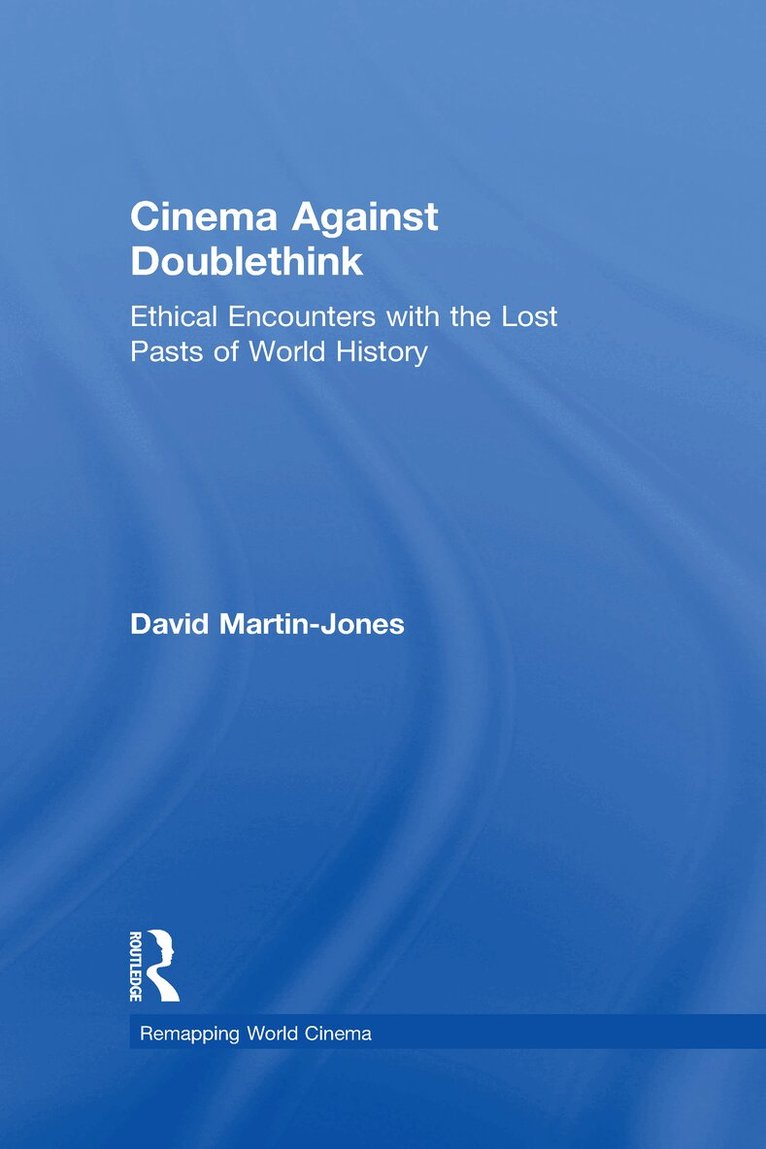
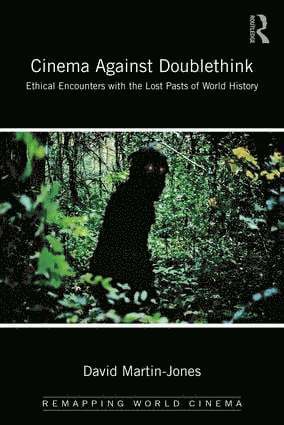
Cinema Against Doublethink
Ethical Encounters with the Lost Pasts of World History
Inbunden, Engelska, 2018
2 088 kr
Skickas inom 10-15 vardagar
When is it OK to lie about the past? If history is a story, then everyone knows that the 'official story' is told by the winners. No matter what we may know about how the past really happened, history is as it is recorded: this is what George Orwell called doublethink. But what happens to all the lost, forgotten, censored, and disappeared pasts of world history? Cinema Against Doublethink uncovers how a world of cinemas acts as a giant archive of these lost pasts, a vast virtual store of the world’s memories. The most enchanting and disturbing films of recent years – Uncle Boonmee Who Can Recall his Past Lives, Nostalgia for the Light, Even the Rain, The Act of Killing, Carancho, Lady Vengeance – create ethical encounters with these lost pasts, covering vast swathes of the planet and crossing huge eras of time. Analysed using the philosophies of Gilles Deleuze (the time-image) and Enrique Dussel (transmodern ethics), the multitudinous cinemas of the world are shown to speak out against doublethink, countering this biggest lie of all with their myriad 'false' versions of world history. Cinema, acting against doublethink, remains a powerful agent for reclaiming the truth of history for the 'post-truth' era.
Cinema Against Doublethink
Ethical Encounters with the Lost Pasts of World History
Häftad, Engelska, 2018
563 kr
Skickas inom 10-15 vardagar
When is it OK to lie about the past? If history is a story, then everyone knows that the 'official story' is told by the winners. No matter what we may know about how the past really happened, history is as it is recorded: this is what George Orwell called doublethink. But what happens to all the lost, forgotten, censored, and disappeared pasts of world history? Cinema Against Doublethink uncovers how a world of cinemas acts as a giant archive of these lost pasts, a vast virtual store of the world’s memories. The most enchanting and disturbing films of recent years – Uncle Boonmee Who Can Recall his Past Lives, Nostalgia for the Light, Even the Rain, The Act of Killing, Carancho, Lady Vengeance – create ethical encounters with these lost pasts, covering vast swathes of the planet and crossing huge eras of time. Analysed using the philosophies of Gilles Deleuze (the time-image) and Enrique Dussel (transmodern ethics), the multitudinous cinemas of the world are shown to speak out against doublethink, countering this biggest lie of all with their myriad 'false' versions of world history. Cinema, acting against doublethink, remains a powerful agent for reclaiming the truth of history for the 'post-truth' era.