Replacement of Neanderthals by Modern Humans Series – serie
Visar alla böcker i serien Replacement of Neanderthals by Modern Humans Series. Handla med fri frakt och snabb leverans.
16 produkter
16 produkter
Inbunden, Engelska, 2014
550 kr
Skickas inom 10-15 vardagar
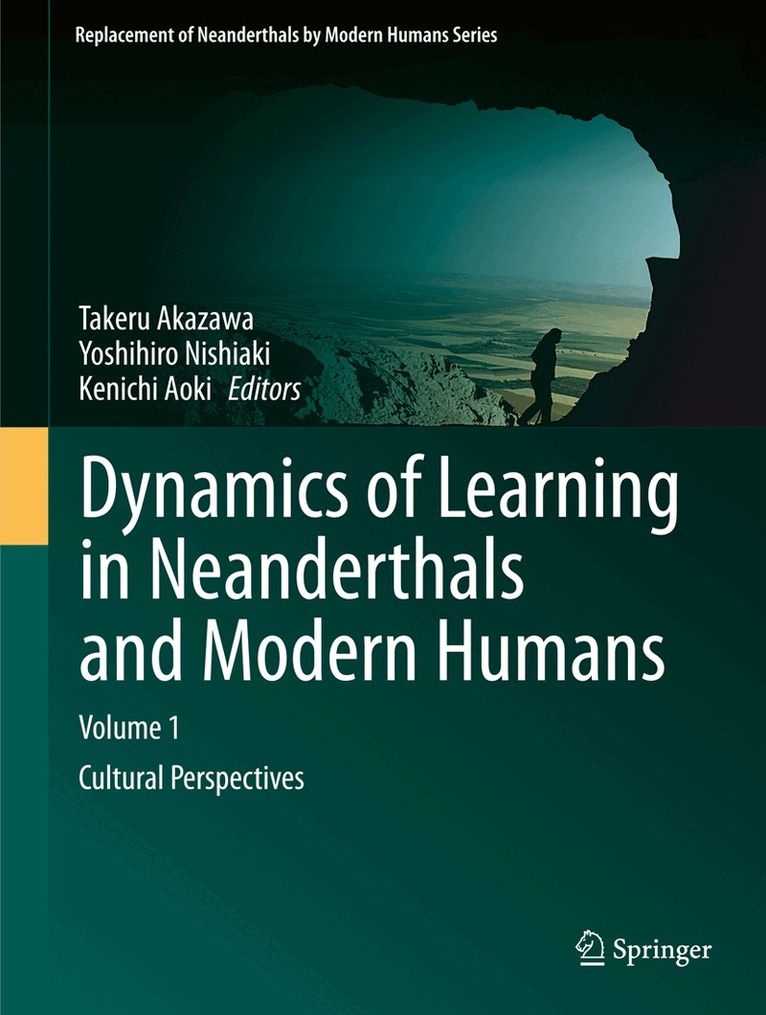
This volume presents the first of two proceedings from the International Conference on the Replacement of Neanderthals by Modern Humans, which took place in Tokyo in November 2012. Focussing on a highly innovative working hypothesis called the ‘learning hypothesis’, which attempts to explain the replacement as a result of differences in the learning abilities of these two hominid populations, the conference served as the latest multidisciplinary discussion forum on this intriguing Palaeoanthropological issue. The present volume reports on outcomes of the conference in three major sections. Part 1 provides an archaeological overview of the processes of replacement/assimilation of Neanderthals by modern humans. Part 2 consists of archaeological and ethnographic case studies exploring evidence of learning behaviours in prehistoric and modern hunter-gatherer societies. Part 3 presents a collection of papers that directly contributes to the definition, validation and testing of the learninghypothesis in terms of population biology and evolutionary theory. A total of 18 papers in this volume make available to readers unique cultural perspectives on mechanisms of the replacement/assimilation of Neanderthals by modern humans and suggested relationships between these mechanisms and different learning strategies.
Inbunden, Engelska, 2014
1 062 kr
Skickas inom 10-15 vardagar
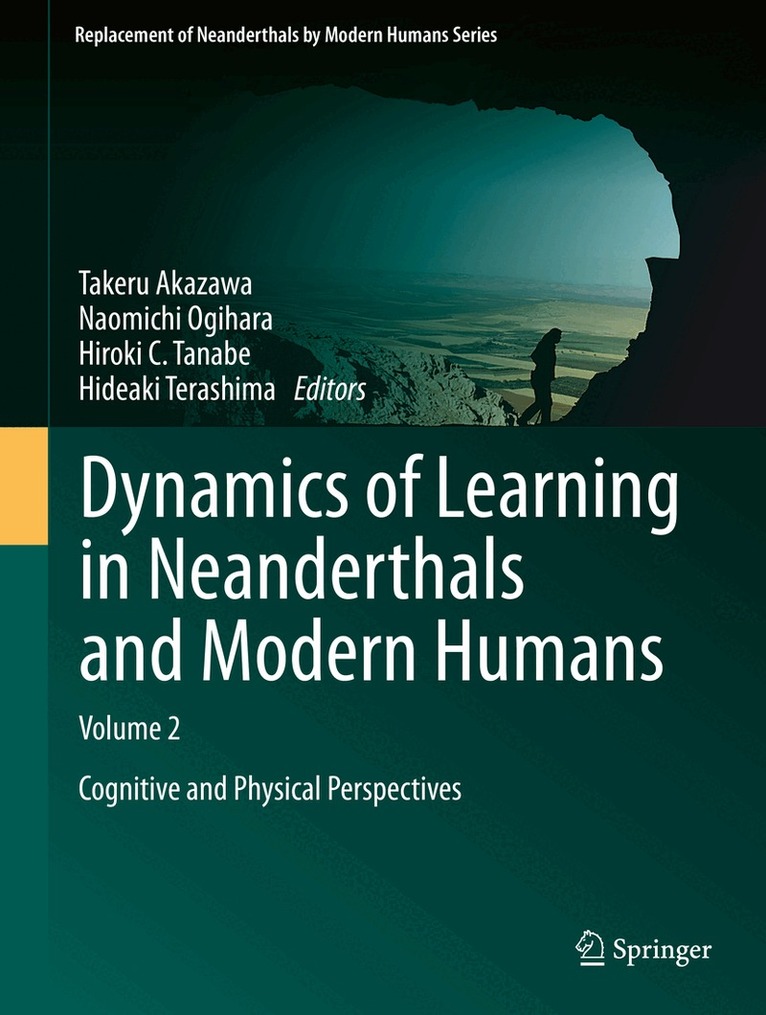
This volume is the second of two volumes of proceedings from the International Conference on the Replacement of Neanderthals by Modern Humans, which took place in Tokyo in November 2012. This second volume reports, in four major sections, findings by cultural anthropologists, physical anthropologists, engineering scientists and neurophysiologists, integrated in multidisciplinary fashion to solidify the overall understanding of the mechanics of replacement from cognitive and physical perspectives. Part 1 provides examinations of replacement related questions from various perspectives in cognition and psychology. Part 2, consisting of studies rooted in body science and genetics, provides detailed findings which fill in the broader frame of the replacement phenomenon. Part 3 presents a collection of papers whose findings about fossil crania and brain morphology shed direct light on immediate questions regarding replacement. Part 4 provides illuminations similar to those in part 3, but arising from the analytical empowerment afforded by neuroscience. The collection of 26 papers in this volume makes available to readers both broad and narrow insights on the mechanisms of the replacement/assimilation of Neanderthals by modern humans and at the same time provides a model of new-paradigm multidisciplinary collaboration on a complex problem.
Inbunden, Engelska, 2015
566 kr
Skickas inom 10-15 vardagar
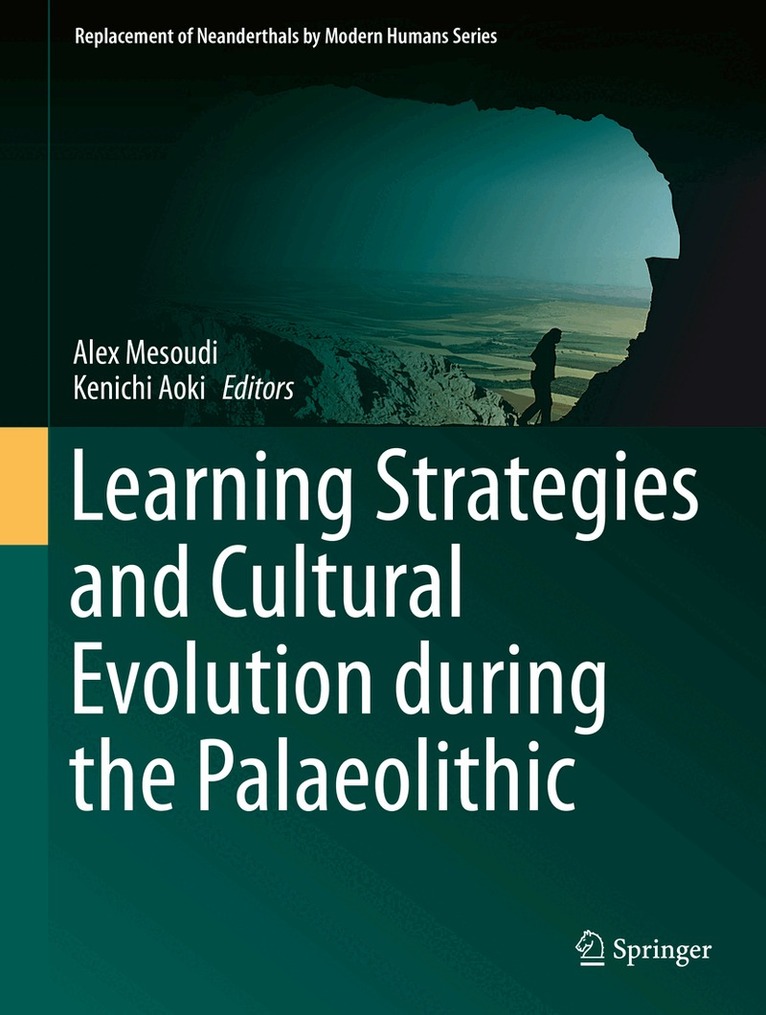
This volume is motivated by the desire to explain why Neanderthals were replaced by modern humans, in terms of cultural differences between the two (sub-) species. It provides up-to-date coverage on the theory of cultural evolution as is being used by anthropologists, archaeologists, biologists and psychologists to decipher hominin cultural change and diversity during the Palaeolithic. The contributing authors are directly involved in this effort and the material presented includes novel approaches and findings. Chapters explain how learning strategies in combination with social and demographic factors (e.g., population size and mobility patterns) predict cultural evolution in a world without the printing press, television or the Internet. Also addressed is the inverse problem of how learning strategies may be inferred from actual trajectories of cultural change, for example as seen in the North American Palaeolithic. Mathematics and statistics, a sometimes necessary part of theory, are explained in elementary terms where they appear, with details relegated to appendices. Full citations of the relevant literature will help the reader to further pursue any topic of interest.
Inbunden, Engelska, 2016
1 460 kr
Skickas inom 10-15 vardagar
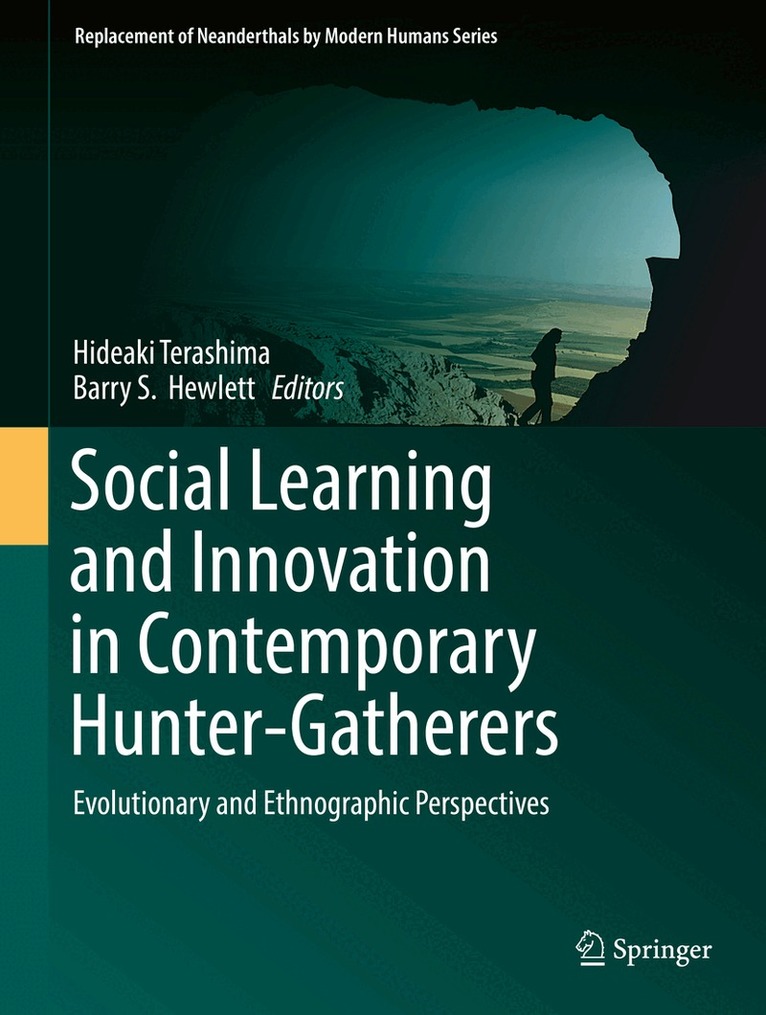
This is the first book to examine social learning and innovation in hunter–gatherers from around the world. More is known about social learning in chimpanzees and nonhuman primates than is known about social learning in hunter–gatherers, a way of life that characterized most of human history. The book describes diverse patterns of learning and teaching behaviors in contemporary hunter–gatherers from the perspectives of cultural anthropology, ecological anthropology, biological anthropology, and developmental psychology. The book addresses several theoretical issues including the learning hypothesis which suggests that the fate of Homo sapiens and Neanderthals in the last glacial period might have been due to the differences in learning ability. It has been unequivocally claimed that social learning is intrinsically important for human beings; however, the characteristics of human learning remain under a dense fog despite innumerable studies with children from urban–industrialcultures. Controversy continues on problems such as: do hunter–gatherers teach? If so, what types of teaching occur, who does it, how often, under what contexts, and so on. The book explores the most basic and intrinsic aspects of social learning as well as the foundation of innovative activities in everyday activities of contemporary hunter–gatherer people across the earth. The book examines how hunter-gatherer core values, such as gender and age egalitarianism and extensive sharing of food and childcare are transmitted and acquired by children. Chapters are grouped into five sections: 1) theoretical perspectives of learning in hunter–gatherers, 2) modes and processes of social learning in hunter–gatherers, 3) innovation and cumulative culture, 4) play and other cultural contexts of social learning and innovation, 5) biological contexts of learning and innovation. Ideas and concepts based on the data gathered through an intensive fieldwork by the authors will give much insight into the mechanisms and meanings of learning and education in modern humans.
Häftad, Engelska, 2016
1 125 kr
Skickas inom 10-15 vardagar
This volume is the second of two volumes of proceedings from the International Conference on the Replacement of Neanderthals by Modern Humans, which took place in Tokyo in November 2012. This second volume reports, in four major sections, findings by cultural anthropologists, physical anthropologists, engineering scientists and neurophysiologists, integrated in multidisciplinary fashion to solidify the overall understanding of the mechanics of replacement from cognitive and physical perspectives. Part 1 provides examinations of replacement related questions from various perspectives in cognition and psychology. Part 2, consisting of studies rooted in body science and genetics, provides detailed findings which fill in the broader frame of the replacement phenomenon. Part 3 presents a collection of papers whose findings about fossil crania and brain morphology shed direct light on immediate questions regarding replacement. Part 4 provides illuminations similar to those in part 3, but arising from the analytical empowerment afforded by neuroscience. The collection of 26 papers in this volume makes available to readers both broad and narrow insights on the mechanisms of the replacement/assimilation of Neanderthals by modern humans and at the same time provides a model of new-paradigm multidisciplinary collaboration on a complex problem.
Häftad, Engelska, 2016
566 kr
Skickas inom 10-15 vardagar
This volume is motivated by the desire to explain why Neanderthals were replaced by modern humans, in terms of cultural differences between the two (sub-) species. It provides up-to-date coverage on the theory of cultural evolution as is being used by anthropologists, archaeologists, biologists and psychologists to decipher hominin cultural change and diversity during the Palaeolithic. The contributing authors are directly involved in this effort and the material presented includes novel approaches and findings. Chapters explain how learning strategies in combination with social and demographic factors (e.g., population size and mobility patterns) predict cultural evolution in a world without the printing press, television or the Internet. Also addressed is the inverse problem of how learning strategies may be inferred from actual trajectories of cultural change, for example as seen in the North American Palaeolithic. Mathematics and statistics, a sometimes necessary part of theory, are explained in elementary terms where they appear, with details relegated to appendices. Full citations of the relevant literature will help the reader to further pursue any topic of interest.
Häftad, Engelska, 2016
566 kr
Skickas inom 10-15 vardagar
This volume presents the first of two proceedings from the International Conference on the Replacement of Neanderthals by Modern Humans, which took place in Tokyo in November 2012. Focussing on a highly innovative working hypothesis called the ‘learning hypothesis’, which attempts to explain the replacement as a result of differences in the learning abilities of these two hominid populations, the conference served as the latest multidisciplinary discussion forum on this intriguing Palaeoanthropological issue. The present volume reports on outcomes of the conference in three major sections. Part 1 provides an archaeological overview of the processes of replacement/assimilation of Neanderthals by modern humans. Part 2 consists of archaeological and ethnographic case studies exploring evidence of learning behaviours in prehistoric and modern hunter-gatherer societies. Part 3 presents a collection of papers that directly contributes to the definition, validation and testing of the learninghypothesis in terms of population biology and evolutionary theory. A total of 18 papers in this volume make available to readers unique cultural perspectives on mechanisms of the replacement/assimilation of Neanderthals by modern humans and suggested relationships between these mechanisms and different learning strategies.
Inbunden, Engelska, 2018
2 019 kr
Skickas inom 10-15 vardagar
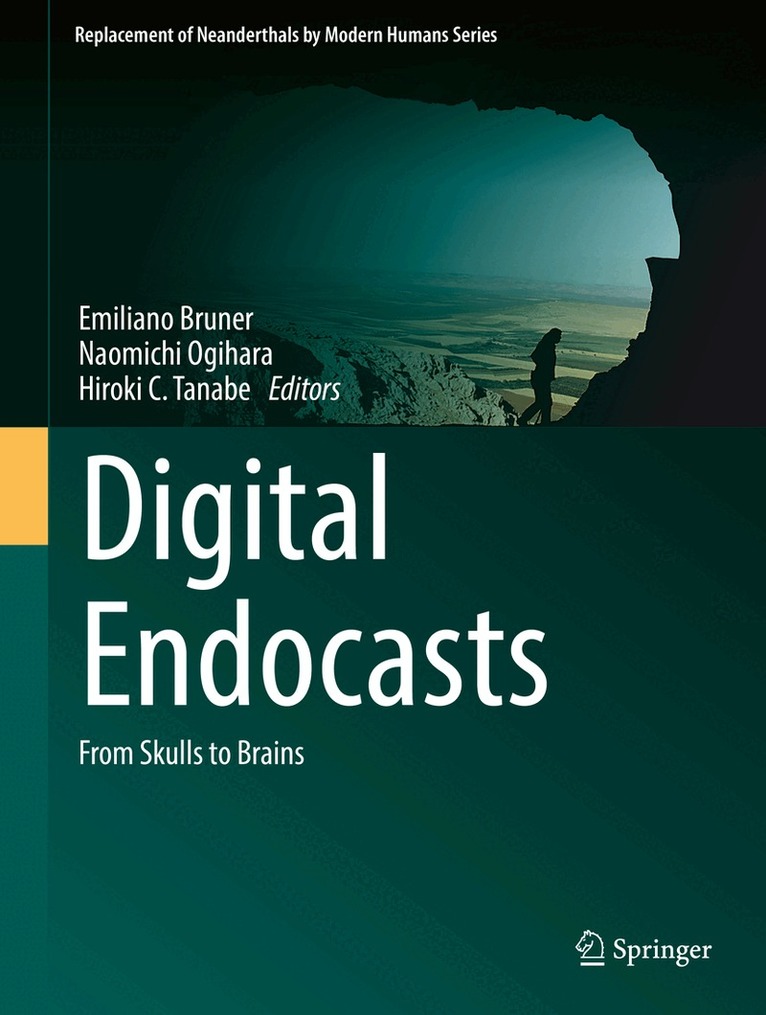
This book is dedicated to a specific component of paleoneurology, probably the most essential one: endocasts. A series of original papers collected here focuses on describing methods and techniques that are dedicated to reconstruct and study fossil endocasts through computed tools. The book is particularly oriented toward hominid paleoneurology, although it also includes chapters on different taxa to provide a more general view of current perspectives and problems in evolutionary neuroanatomy. The first part of the book concerns techniques and tools to cast endocranial anatomy. The second part deals with computed morphometrics, and the third part is devoted to comparative neurobiology. Those who want to approach the field in general terms will find this book especially helpful, as will those researchers working with endocranial anatomy and brain evolution. The book will also be useful for researchers and graduate students in anthropology, bioarchaeology, medicine, and related fields.
Häftad, Engelska, 2018
1 460 kr
Skickas inom 10-15 vardagar
This is the first book to examine social learning and innovation in hunter–gatherers from around the world. More is known about social learning in chimpanzees and nonhuman primates than is known about social learning in hunter–gatherers, a way of life that characterized most of human history. The book describes diverse patterns of learning and teaching behaviors in contemporary hunter–gatherers from the perspectives of cultural anthropology, ecological anthropology, biological anthropology, and developmental psychology. The book addresses several theoretical issues including the learning hypothesis which suggests that the fate of Homo sapiens and Neanderthals in the last glacial period might have been due to the differences in learning ability. It has been unequivocally claimed that social learning is intrinsically important for human beings; however, the characteristics of human learning remain under a dense fog despite innumerable studies with children from urban–industrialcultures. Controversy continues on problems such as: do hunter–gatherers teach? If so, what types of teaching occur, who does it, how often, under what contexts, and so on. The book explores the most basic and intrinsic aspects of social learning as well as the foundation of innovative activities in everyday activities of contemporary hunter–gatherer people across the earth. The book examines how hunter-gatherer core values, such as gender and age egalitarianism and extensive sharing of food and childcare are transmitted and acquired by children. Chapters are grouped into five sections: 1) theoretical perspectives of learning in hunter–gatherers, 2) modes and processes of social learning in hunter–gatherers, 3) innovation and cumulative culture, 4) play and other cultural contexts of social learning and innovation, 5) biological contexts of learning and innovation. Ideas and concepts based on the data gathered through an intensive fieldwork by the authors will give much insight into the mechanisms and meanings of learning and education in modern humans.
Häftad, Engelska, 2019
2 019 kr
Skickas inom 10-15 vardagar
This book is dedicated to a specific component of paleoneurology, probably the most essential one: endocasts. A series of original papers collected here focuses on describing methods and techniques that are dedicated to reconstruct and study fossil endocasts through computed tools. The book is particularly oriented toward hominid paleoneurology, although it also includes chapters on different taxa to provide a more general view of current perspectives and problems in evolutionary neuroanatomy. The first part of the book concerns techniques and tools to cast endocranial anatomy. The second part deals with computed morphometrics, and the third part is devoted to comparative neurobiology. Those who want to approach the field in general terms will find this book especially helpful, as will those researchers working with endocranial anatomy and brain evolution. The book will also be useful for researchers and graduate students in anthropology, bioarchaeology, medicine, and related fields.
Inbunden, Engelska, 2017
1 349 kr
Skickas inom 10-15 vardagar
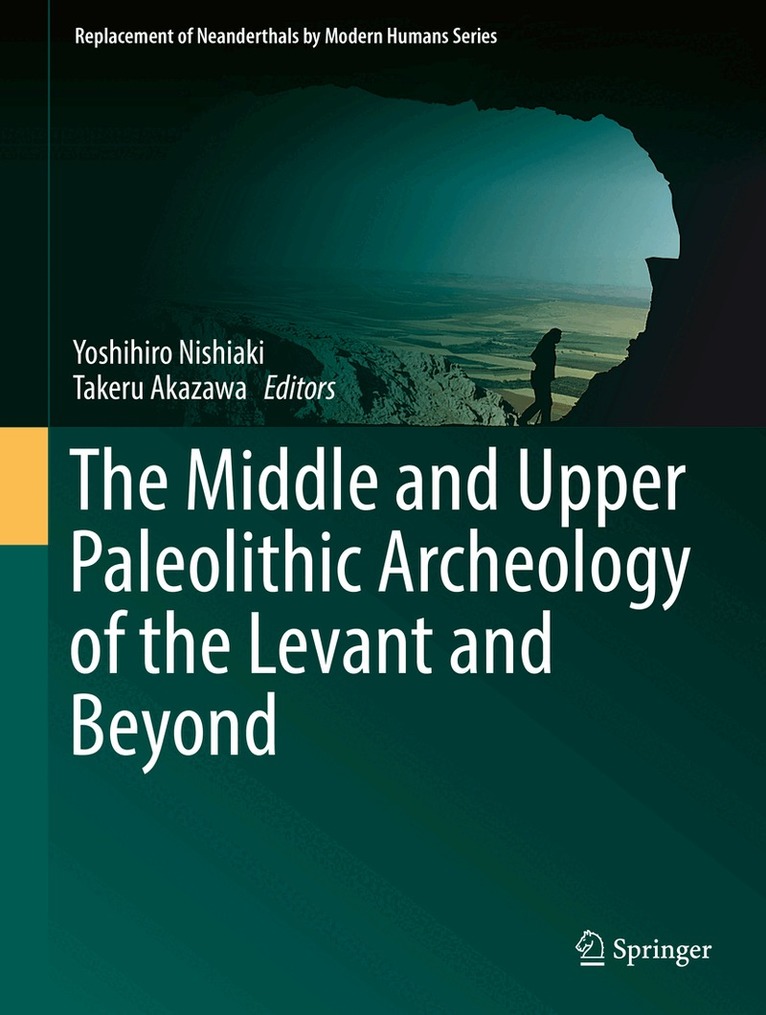
This volume is a compilation of results from sessions of the Second International Conference on the Replacement of Neanderthals by Modern Humans, which took place between November 30 and December 6, 2014, in Hokkaido, Japan. Similar to the first conference held in 2012 in Tokyo, the 2014 conference (RNMH2014) aimed to compile the results of the latest multidisciplinary approaches investigating the issues surrounding the replacement of Neanderthals by modern humans. The results of the sessions, supplemented by off-site contributions, center on the archeology of the Middle and Upper Paleolithic of the Levant and beyond. The first part of this volume presents recent findings from the Levant, while the second part focuses on the neighboring regions, namely, the Caucasus, the Zagros, and South Asia. The 13 chapters in this volume highlight the distinct nature of the cultural occurrences during the Middle and Upper Paleolithic periods of the Levant, displaying a continuous development as well as a combination of lithic traditions that may have originated in different regions. This syncretism, which is an unusual occurrence in the regions discussed in this volume, reinforces the importance of the Levant as a region for interpreting the RNMH phenomenon in West Asia.
Häftad, Engelska, 2019
957 kr
Skickas inom 10-15 vardagar
This volume is a compilation of results from sessions of the Second International Conference on the Replacement of Neanderthals by Modern Humans, which took place between November 30 and December 6, 2014, in Hokkaido, Japan. Similar to the first conference held in 2012 in Tokyo, the 2014 conference (RNMH2014) aimed to compile the results of the latest multidisciplinary approaches investigating the issues surrounding the replacement of Neanderthals by modern humans. The results of the sessions, supplemented by off-site contributions, center on the archeology of the Middle and Upper Paleolithic of the Levant and beyond. The first part of this volume presents recent findings from the Levant, while the second part focuses on the neighboring regions, namely, the Caucasus, the Zagros, and South Asia. The 13 chapters in this volume highlight the distinct nature of the cultural occurrences during the Middle and Upper Paleolithic periods of the Levant, displaying a continuous development as well as a combination of lithic traditions that may have originated in different regions. This syncretism, which is an unusual occurrence in the regions discussed in this volume, reinforces the importance of the Levant as a region for interpreting the RNMH phenomenon in West Asia.
Inbunden, Engelska, 2019
1 349 kr
Skickas inom 10-15 vardagar
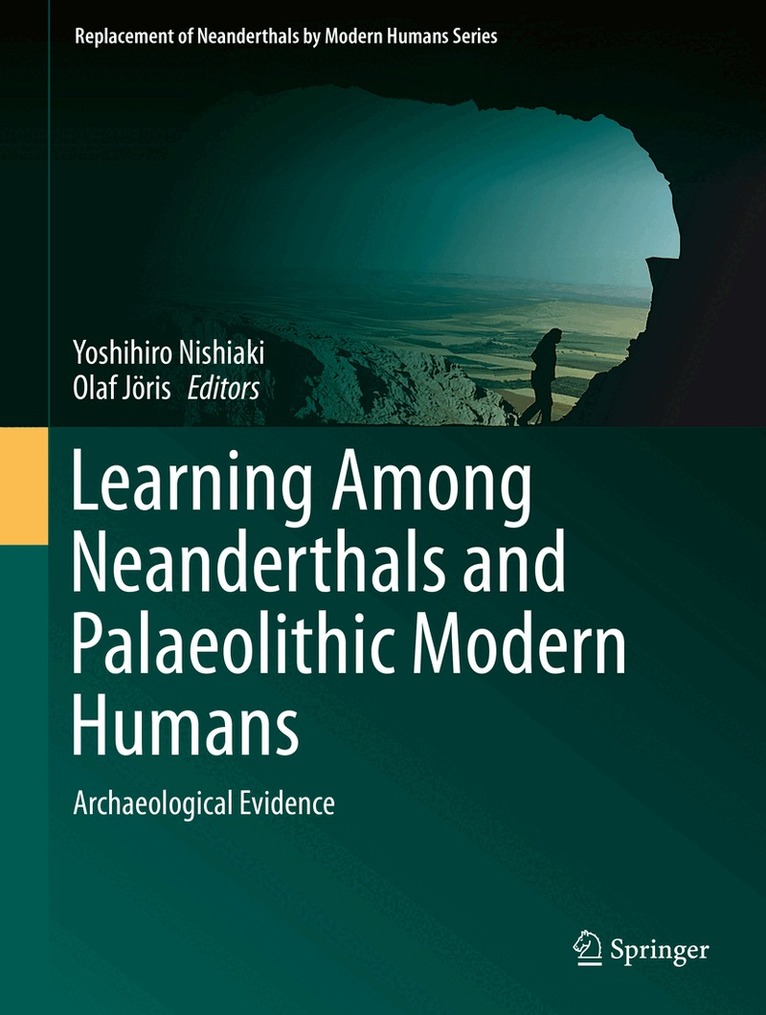
This book is based on the research performed for the Replacement of Neanderthals by Modern Humans Project. The central issue of the project is the investigation of possible differences between the two populations in cognitive ability for learning. The project aims to evaluate a unique working hypothesis, coined as the learning hypothesis, which postulates that differences in learning eventually resulted in the replacement of those populations. The book deals with relevant archaeological records to understand the learning behaviours of Neanderthals and modern humans. Learning behaviours are conditioned by numerous factors including not only cognitive ability but also cultural traditions, social structure, population size, and life history. The book addresses the issues in two parts, comparing learning behaviours in terms of cognitive ability and social environments, respectively. Collectively, it provides new insights into the behavioural characteristics of Neanderthals and modern humans from a previously overlooked perspective. Furthermore, it highlights the significance of understanding learning in prehistory, the driving force for any development of culture and technology among human society.
Häftad, Engelska, 2021
1 349 kr
Skickas inom 10-15 vardagar
This book is based on the research performed for the Replacement of Neanderthals by Modern Humans Project. The central issue of the project is the investigation of possible differences between the two populations in cognitive ability for learning. The project aims to evaluate a unique working hypothesis, coined as the learning hypothesis, which postulates that differences in learning eventually resulted in the replacement of those populations. The book deals with relevant archaeological records to understand the learning behaviours of Neanderthals and modern humans. Learning behaviours are conditioned by numerous factors including not only cognitive ability but also cultural traditions, social structure, population size, and life history. The book addresses the issues in two parts, comparing learning behaviours in terms of cognitive ability and social environments, respectively. Collectively, it provides new insights into the behavioural characteristics of Neanderthals and modern humans from a previously overlooked perspective. Furthermore, it highlights the significance of understanding learning in prehistory, the driving force for any development of culture and technology among human society.
Inbunden, Engelska, 2023
1 572 kr
Skickas inom 10-15 vardagar
This book provides an overview of the archaeological sites and cultural assemblages in the world and presents an archaeological database that has been established through two large-scale research projects conducted between 2010 and 2022. The projects were Replacement of the Neanderthals by Modern Humans (2010–2015) and The Cultural History of PaleoAsia (2016–2022), both of which were carried out with the aid of the Japanese Government. They deal with multi-disciplinary studies of the demise of more archaic hominins and the survival of anatomically modern humans. Although the database is designated PaleoAsiaDB, which may imply a focus on Asia, it incorporates the dataset collected from Africa and Europe by the Replacement of the Neanderthals by Modern Humans project. PaleoAsiaDB provides a list of more than 3,300 sites and 7,600 cultural assemblages of the Middle and Upper Paleolithic (Middle and Late Stone Age) of the Eastern Hemisphere as of 2020. This database is the first attempt ofits kind to document the related sites of 200-20ka. The full version of the database is available at the University Museum on the University of Tokyo homepage.
Häftad, Engelska, 2024
1 572 kr
Skickas inom 10-15 vardagar
This book provides an overview of the archaeological sites and cultural assemblages in the world and presents an archaeological database that has been established through two large-scale research projects conducted between 2010 and 2022. The projects were Replacement of the Neanderthals by Modern Humans (2010–2015) and The Cultural History of PaleoAsia (2016–2022), both of which were carried out with the aid of the Japanese Government. They deal with multi-disciplinary studies of the demise of more archaic hominins and the survival of anatomically modern humans. Although the database is designated PaleoAsiaDB, which may imply a focus on Asia, it incorporates the dataset collected from Africa and Europe by the Replacement of the Neanderthals by Modern Humans project. PaleoAsiaDB provides a list of more than 3,300 sites and 7,600 cultural assemblages of the Middle and Upper Paleolithic (Middle and Late Stone Age) of the Eastern Hemisphere as of 2020. This database is the first attempt ofits kind to document the related sites of 200-20ka. The full version of the database is available at the University Museum on the University of Tokyo homepage.