Rewriting Equestrian History - Böcker
Visar alla böcker i serien Rewriting Equestrian History. Handla med fri frakt och snabb leverans.
8 produkter
8 produkter
1 075 kr
Skickas inom 7-10 vardagar
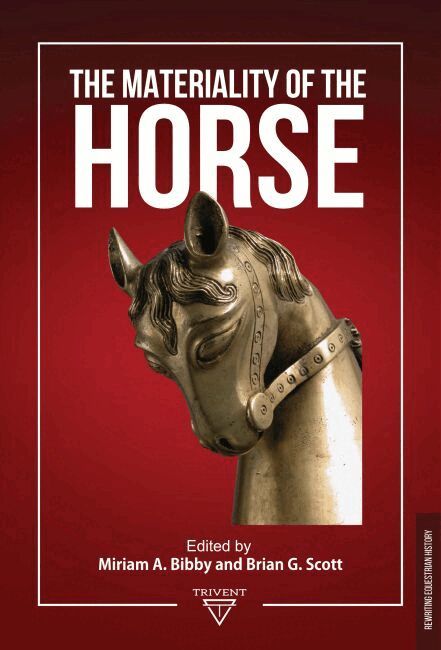
Inspired by our age-old fascination with equids, Materiality of the Horse brings the latest academic research in equine history to a wider readership. Themes examined within the book by specialist contributors include explorations of material culture relating to horses and what this discloses about the horse-human relationship; fresh observations on significant medieval horse-related texts from Europe and the Islamic world; and revealing insights into the effect of the introduction of horses into indigenous cultures in South America. Thought-provoking and original, Materiality of the Horse is the second volume in Trivent Publishing's innovative Rewriting Equestrian History series.
712 kr
Skickas inom 7-10 vardagar
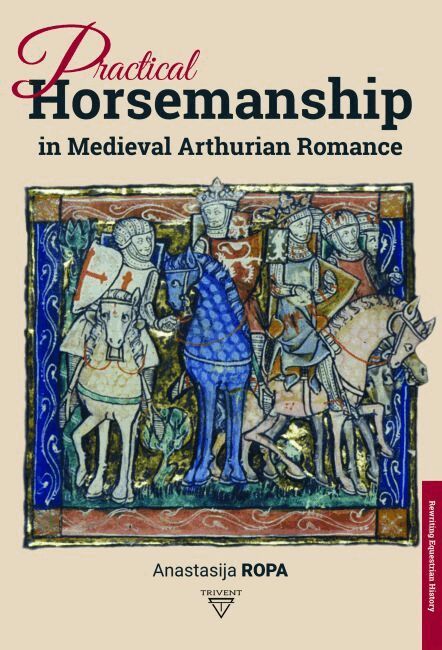
The figure of a knight on horseback is the emblem of medieval chivalry. Much has been written on the ideology and practicalities of knighthood as portrayed in medieval romance, especially Arthurian romance, and it is surprising that so little attention was hitherto granted to the knight's closest companion, the horse. This study examines the horse as a social indicator, as the knight's animal alter ego in his spiritual peregrinations and earthly adventures, the ups and downs of chivalric adventure, as well as the relations between the lady and her palfrey in romance. Both medieval authors and their audiences knew more about the symbolism and practice of horsemanship than most readers do today. By providing the background to the descriptions of horses and horsemanship in Arthurian romance, this study deepens the readers' appreciation of these texts. At the same time, critical reading of romance supplies information about the ideology and daily practice of horsemanship in the Middle Ages that is otherwise impossible to obtain from other sources, be it archaeology, chronicles or administrative documentation.
1 162 kr
Skickas inom 7-10 vardagar
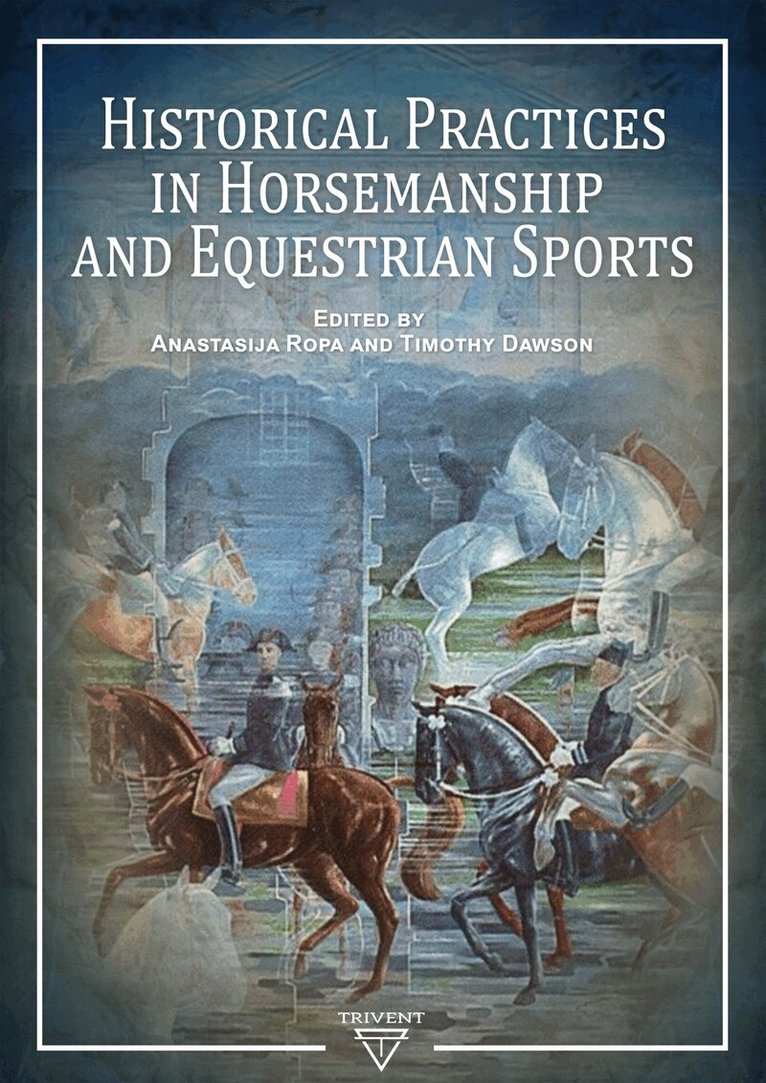
New things are forgotten old things – this rediscovery of the past is especially important in horsemanship and equestrian sports. Despite advances in sciences and technology, the physiologies and psychologies of the two principal agents, the equid and the human, have undergone relatively few changes since horse domestication.The studies collected in this volume outline such essential and recurring challenges in equestrianism as gender issues, equine identification, the use of hyperflexion and groundwork in training, as well as many others, from prehistory to this day.
1 183 kr
Skickas inom 7-10 vardagar
In Saints and Sinners on Horseback Volume I we meet saints, sinners, and their horses, mules, and donkeys on the road. Whether saint, sinner, or simply all too human, the medieval individual's connection to equids reflected relationships with other animals, the rest of humanity, and with the deity. Knowledge of horses permeated hagiographies and homilies, histories and biographies. Equids were recruited in commentaries on morality and Christian duty. In a world in which equids are not so readily encountered, Saints and Sinners on Horseback informs the modern reader about the essential part played by horses in medieval life, literature, and belief.
696 kr
Skickas inom 7-10 vardagar
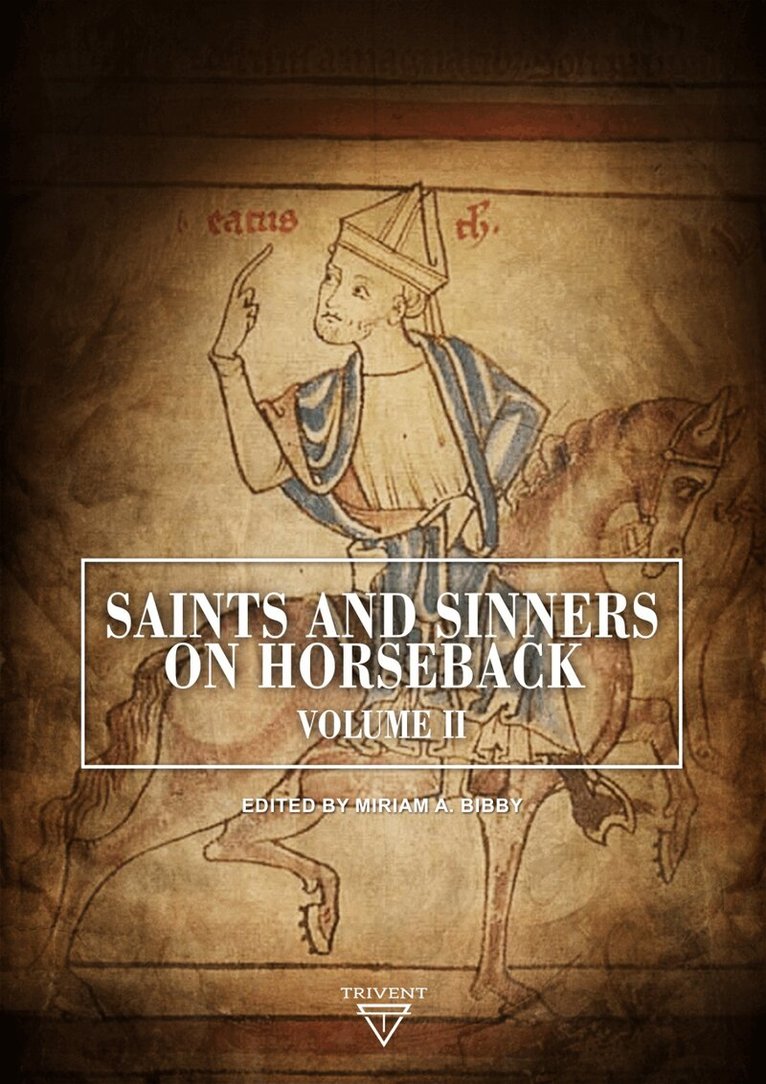
The second volume of Saints and Sinners on Horseback introduces new equine and human characters whose lives and deaths continue to have social, cultural, and religious influence centuries after their time on earth. Humans record their own deeds, but sometimes forget to honour the horses who made their successes possible. This volume recognises the unnamed equids who exertan influence over the human mind in compelling ways. Equally, the names of some individual horses ring down through the ages, whether for their heroism or as symbols for justice and injustice. Where horses meet humans, religion, magic, and the supernatural are never far away, creating a rich fund of stories for Saints and Sinners on Horseback.
1 129 kr
Skickas inom 7-10 vardagar
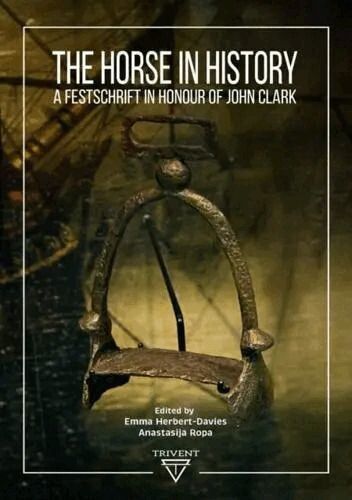
John Clark's groundbreaking work in medieval equestrian history has shaped and inspired generations of scholars, transforming our understanding of horses in the past. A pioneer of archaeological and historical research on the medieval horse, Clark's influential 1995 work, The Medieval Horse and its Equipment, set the stage for much of the academic exploration that followed. In this celebratory volume, international scholars come together to honor his legacy with new perspectives on the history, culture, and significance of horses across the medieval world.Spanning from Roman Britain to the Elizabethan court, this interdisciplinary collection covers a diverse range of topics including equestrian equipment, horse training, folklore, and the symbolic role of horses in literature. Featuring in-depth studies on archaeological finds and providing innovative approaches to equestrian practices and the gendered dynamics of horse-riding, the essays in this book reflect the profound influence of John Clark's work.This Festschrift provides a fitting tribute to a scholar whose pioneering research continues to inspire and shape the field of equestrian history. Each chapter not only reflects John Clark's enduring influence but also showcases the breadth of scholarly engagement with the historical horse, from its practical use to its deeper cultural and symbolic meanings.
872 kr
Skickas inom 7-10 vardagar
The warhorse has long been emblematic of medieval chivalry and power, depicted in art, literature, and the grand narratives of knightly valor. Yet, behind these depictions lies a nuanced history that intertwines the fate of the warhorse with the social, political, and military developments of its time. This book, The Warhorse in England: 1272-1327, seeks to illuminate the warhorse's essential role during the reigns of Edward I and Edward II—an era marked by almost perpetual conflict and the zenith of cavalry use in English warfare. Drawing on an extensive range of primary sources, including previously unpublished army inventories, royal stable records, and medieval veterinary texts, this study goes beyond the warhorse's symbolic representation to examine its practical importance in military campaigns. It considers the full lifecycle of these animals, from breeding and training to deployment, and the toll that warfare exacted on their health. In doing so, it reveals not only the substantial investment of resources required to sustain warhorse populations but also the implications of their care on medieval administrative and logistical practices.This work also engages with a broader context, integrating perspectives from military history and animal studies to reevaluate how warhorses influenced the structure of armies and the experiences of those who relied upon them. By examining equine practices through meticulous analysis of financial records, army lists, and breeding documentation, this book provides fresh insights into medieval England's martial landscape and the interplay between human and animal agency.
1 096 kr
Skickas inom 7-10 vardagar
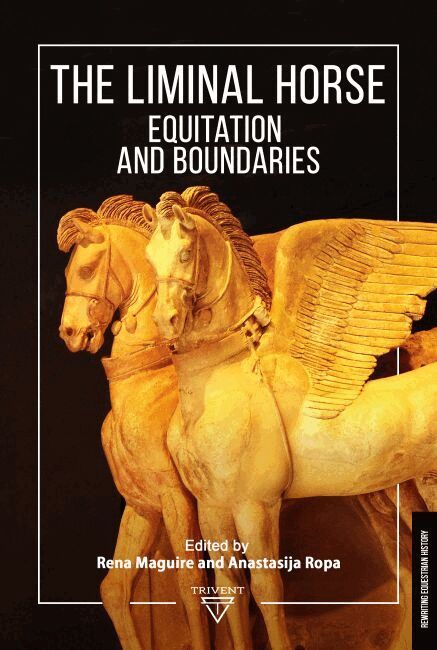
The historical horse is at once material and abstract, as is the notion of the border. Borders and frontiers are not only markers delineating geographical spaces but also mental constructs: there are borders between order and disorder, between what is permitted and what is prohibited. Boundaries and liminal spaces also exist in the material, economic, political, moral, legal and religious spheres. In this volume, the contributing authors explore the theme of the liminality of the horse in all of these historical arenas, asking how one reconciles the very different roles played by the horse in human history.