Russian Strategy and Power - Böcker
Visar alla böcker i serien Russian Strategy and Power. Handla med fri frakt och snabb leverans.
14 produkter
14 produkter
198 kr
Skickas
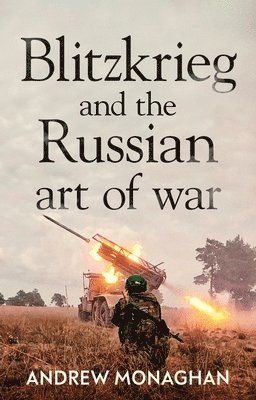
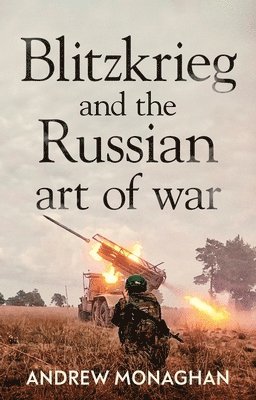
A cutting-edge investigation of how Russia makes war.Russian strategy in the twenty-first century has been described in terms of ‘hybrid’ warfare, an approach characterised by measures short of war, such as cyberattacks and disinformation campaigns. But as the invasion of Ukraine has brutally demonstrated, conventional armed violence remains a key element of Russian power.In Blitzkrieg and the Russian art of war, Andrew Monaghan offers a high-level view of Russian thinking about warfare. Drawing on extensive Russian sources, he addresses important questions that have been overlooked by most Western commentators: what is the military leadership’s distinctive idea of twenty-first-century blitzkrieg? How does it understand holistic territorial defence? How does it manage the shifting balance between offence and defence?Introducing key concepts from Russian military thinking, Blitzkrieg and the Russian art of war is a crucial resource for understanding Russia’s resurgent role on the global stage and the devastating threat the country poses to the international order.
203 kr
Skickas
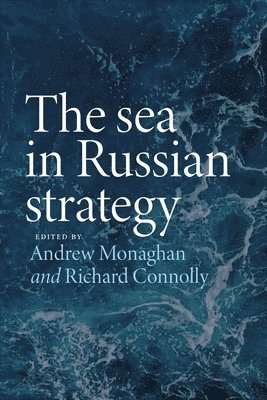
For the first two decades after the Cold War, Russian naval power hardly featured in the Euro-Atlantic community’s strategic thinking. This began to change in the mid-2010s, as the idea that the Russian navy poses a threat to NATO began to gain ground. That threat took shockingly real form in February 2022, when Moscow launched its invasion of Ukraine.The sea in Russian strategy is the first sustained examination of Russian maritime power in the period since the fall of the Soviet Union. It brings together leading specialists from public policy and academia to reflect on historical and contemporary aspects of Russia's naval strategy and capacities.At a time of mounting tensions, which some observers have named the ‘Fourth Battle of the Atlantic’, the book offers an informed and nuanced discussion, taking into account the view from Moscow and how this differs from western perspectives. It sketches a trajectory of Russia’s power at sea and reflects on current capabilities and problems, as well as Moscow’s strategic planning for the future.
346 kr
Skickas
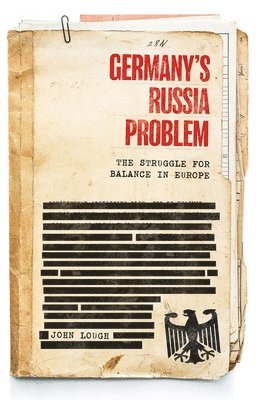
The relationship between Germany and Russia is Europe’s most important link with the largest country on the continent. But despite Germany’s unparalleled knowledge and historical experience, its policymakers struggle to accept that Moscow’s efforts to rebalance Europe at the cost of the cohesion of the EU and NATO are an attack on Germany’s core interests. This book explains the scale of the challenge facing Germany in managing relations with a changing Russia. It analyses how successive German governments from 1991 to 2014 misread Russian intentions, until Angela Merkel sharply recalibrated German and EU policy towards Moscow. The book also examines what lies behind efforts to revise Merkel’s bold policy shift, including attitudes inherited from the GDR and the role of Russian influence channels in Germany.
210 kr
Skickas
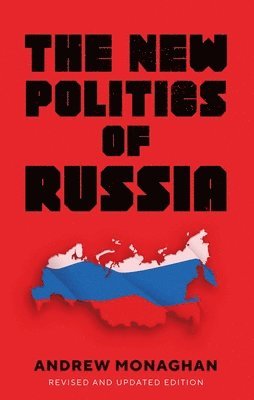
This illuminating book explains how and why Russia’s relations with the west have deteriorated to the point of initiating a new era of ‘great power competition’. An updated version of the bestselling 2016 edition, it explores the decline in relations since the early 2000s, taking in the war in Syria and the 2022 escalation in Russia’s invasion of Ukraine.Beyond geopolitical considerations, the book delves into the nature of power in Russia itself, providing an in-depth examination of the networks of influence that define the country's political landscape. In doing so it moves beyond the simplistic, Putin-centric narratives often found in western accounts, offering readers a fresh perspective on Russian politics.Understanding Russia is crucial for western leaders seeking to establish stable and constructive relations in the future. The new politics of Russia serves as a key resource, challenging conventional wisdom and unpicking the complex dynamics at play in the relationship between Russia and the west.
1 167 kr
Skickas inom 5-8 vardagar
A cutting-edge investigation of how Russia makes war.Russian strategy in the twenty-first century has been described in terms of ‘hybrid’ warfare, an approach characterised by measures short of war, such as cyberattacks and disinformation campaigns. But as the invasion of Ukraine has brutally demonstrated, conventional armed violence remains a key element of Russian power.In Blitzkrieg and the Russian art of war, Andrew Monaghan offers a high-level view of Russian thinking about warfare. Drawing on extensive Russian sources, he addresses important questions that have been overlooked by most Western commentators: what is the military leadership’s distinctive idea of twenty-first-century blitzkrieg? How does it understand holistic territorial defence? How does it manage the shifting balance between offence and defence?Introducing key concepts from Russian military thinking, Blitzkrieg and the Russian art of war is a crucial resource for understanding Russia’s resurgent role on the global stage and the devastating threat the country poses to the international order.
1 159 kr
Skickas
This book offers a nuanced and detailed examination of two of the most important current debates about contemporary Russia's international activity: is Moscow acting strategically or opportunistically, and should this be understood in regional or global terms? The book addresses core themes of Russian activity – military, energy and economic - but it offers an unusual multi-disciplinary analysis to these themes. Monaghan incorporates both regional and thematic specialist expertise to give a fresh perspective to each of these core themes.Underpinned by detailed analyses of the revolution in Russian geospatial capabilities and the establishment of a strategic planning foundation, the book includes chapters on military and maritime strategies, energy security and economic diversification and influence. This serves to highlight the connections between military and economic interests that shape and drive Russian strategy.
414 kr
Skickas
This book offers a nuanced and detailed examination of two of the most important current debates about contemporary Russia's international activity: is Moscow acting strategically or opportunistically, and should this be understood in regional or global terms? The book addresses core themes of Russian activity – military, energy and economic - but it offers an unusual multi-disciplinary analysis to these themes. Monaghan incorporates both regional and thematic specialist expertise to give a fresh perspective to each of these core themes.Underpinned by detailed analyses of the revolution in Russian geospatial capabilities and the establishment of a strategic planning foundation, the book includes chapters on military and maritime strategies, energy security and economic diversification and influence. This serves to highlight the connections between military and economic interests that shape and drive Russian strategy.
1 235 kr
Skickas inom 5-8 vardagar
For the first two decades after the Cold War, Russian naval power hardly featured in the Euro-Atlantic community’s strategic thinking. This began to change in the mid-2010s, as the idea that the Russian navy poses a threat to NATO began to gain ground. That threat took shockingly real form in February 2022, when Moscow launched its invasion of Ukraine.The sea in Russian strategy is the first sustained examination of Russian maritime power in the period since the fall of the Soviet Union. It brings together leading specialists from public policy and academia to reflect on historical and contemporary aspects of Russia's naval strategy and capacities.At a time of mounting tensions, which some observers have named the ‘Fourth Battle of the Atlantic’, the book offers an informed and nuanced discussion, taking into account the view from Moscow and how this differs from western perspectives. It sketches a trajectory of Russia’s power at sea and reflects on current capabilities and problems, as well as Moscow’s strategic planning for the future.
183 kr
Skickas
The relationship between Germany and Russia is Europe’s most important link with the largest country on the continent. But despite Germany’s unparalleled knowledge and historical experience, its policymakers struggle to accept that Moscow’s efforts to rebalance Europe at the cost of the cohesion of the EU and NATO are an attack on Germany’s core interests. This book explains the scale of the challenge facing Germany in managing relations with a changing Russia. It analyses how successive German governments from 1991 to 2014 misread Russian intentions, until Angela Merkel sharply recalibrated German and EU policy towards Moscow. The book also examines what lies behind efforts to revise Merkel’s bold policy shift, including attitudes inherited from the GDR and the role of Russian influence channels in Germany.
1 159 kr
Skickas
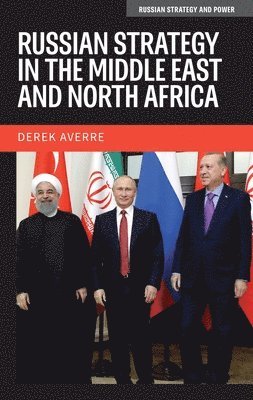
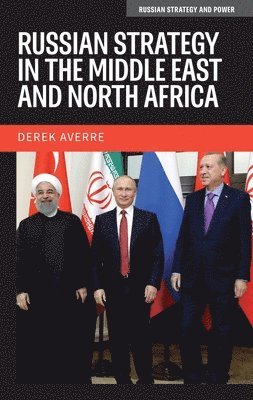
This book analyses Russia’s strategy in the Middle East and North Africa (MENA) in the turbulent period since the inception of the Arab Spring. It explores the key policy challenges faced by Russia in the context of Russia’s relations with both the regional states and the major external powers. The book incorporates chapters on Russia’s involvement in MENA affairs, its intervention in the Syrian civil war, the domestic sources of its foreign policy, its clash with the Western powers over issues pertaining to sovereignty and humanitarian norms, its response to the challenge posed by Islamist extremism, and its political-military and economic interests in the MENA region. The book offers an original, critical analysis of Russia’s thinking and decision-making and examines the implications of its more assertive foreign policy strategy following its military interventions in Syria and Ukraine.
1 159 kr
Skickas
This illuminating book explains how and why Russia’s relations with the west have deteriorated to the point of initiating a new era of ‘great power competition’. An updated version of the bestselling 2016 edition, it explores the decline in relations since the early 2000s, taking in the war in Syria and the 2022 escalation in Russia’s invasion of Ukraine.Beyond geopolitical considerations, the book delves into the nature of power in Russia itself, providing an in-depth examination of the networks of influence that define the country's political landscape. In doing so it moves beyond the simplistic, Putin-centric narratives often found in western accounts, offering readers a fresh perspective on Russian politics.Understanding Russia is crucial for western leaders seeking to establish stable and constructive relations in the future. The new politics of Russia serves as a key resource, challenging conventional wisdom and unpicking the complex dynamics at play in the relationship between Russia and the west.
1 194 kr
Skickas
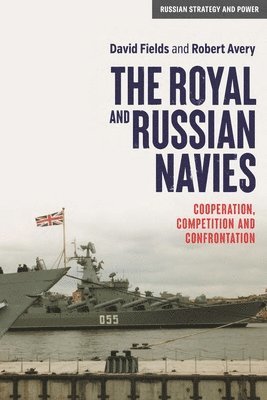
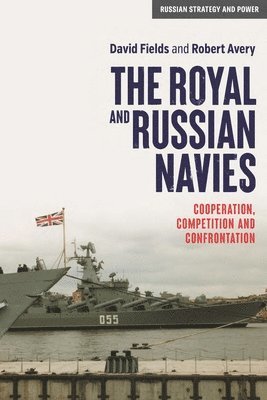
Before the political rupture between Russia and the West—triggered by Russia's annexation of Crimea in 2014 and the invasion of Ukraine in 2022—the Royal Navy and the Russian Navy engaged in a complex programme of military cooperation. From 1988, the Royal Navy first collaborated with the Soviet Navy, then the Russian Federation Navy, culminating in a 1998 Memorandum of Understanding on naval cooperation. This book explores that unique period, examining how both navies operated and the lessons Russia drew about maritime power in advancing its global interests. With the ongoing conflict in Ukraine and growing tensions between Russia and the Euro-Atlantic community, the maritime domain remains a critical arena for defence, deterrence, and potential military dialogue. The lessons from this era of cooperation offer valuable insights for navigating an uncertain future.
287 kr
Skickas
Before the political rupture between Russia and the West—triggered by Russia's annexation of Crimea in 2014 and the invasion of Ukraine in 2022—the Royal Navy and the Russian Navy engaged in a complex programme of military cooperation. From 1988, the Royal Navy first collaborated with the Soviet Navy, then the Russian Federation Navy, culminating in a 1998 Memorandum of Understanding on naval cooperation. This book explores that unique period, examining how both navies operated and the lessons Russia drew about maritime power in advancing its global interests. With the ongoing conflict in Ukraine and growing tensions between Russia and the Euro-Atlantic community, the maritime domain remains a critical arena for defence, deterrence, and potential military dialogue. The lessons from this era of cooperation offer valuable insights for navigating an uncertain future.
354 kr
Skickas inom 5-8 vardagar
This book analyses Russia’s strategy in the Middle East and North Africa (MENA) in the turbulent period since the inception of the Arab Spring. It explores the key policy challenges faced by Russia in the context of Russia’s relations with both the regional states and the major external powers. The book incorporates chapters on Russia’s involvement in MENA affairs, its intervention in the Syrian civil war, the domestic sources of its foreign policy, its clash with the Western powers over issues pertaining to sovereignty and humanitarian norms, its response to the challenge posed by Islamist extremism, and its political-military and economic interests in the MENA region. The book offers an original, critical analysis of Russia’s thinking and decision-making and examines the implications of its more assertive foreign policy strategy following its military interventions in Syria and Ukraine.