551 kr
South Asia Across the Disciplines – serie
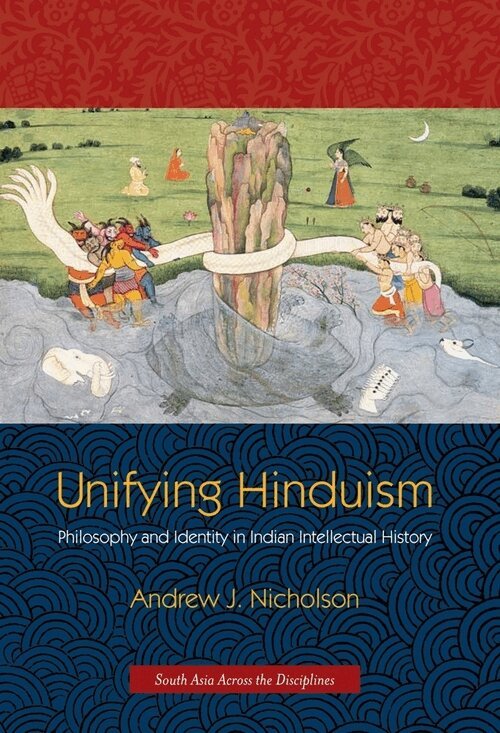
- Häftad, Engelska, 2013Some postcolonial theorists argue that the idea of a single system of belief known as "Hinduism" is a creation of nineteenth-century British imperialists. Andrew J. Nicholson introduces another perspective: although a unified Hindu identity is not as ancient as some Hindus claim, it has its roots in innovations within South Asian philosophy from the fourteenth to seventeenth centuries. During this time, thinkers treated the philosophies of Vedanta, Samkhya, and Yoga, along with the worshippers of Visnu, Siva, and Sakti, as belonging to a single system of belief and practice. Instead of seeing such groups as separate and contradictory, they re-envisioned them as separate rivers leading to the ocean of Brahman, the ultimate reality. Drawing on the writings of philosophers from late medieval and early modern traditions, including Vijnanabhiksu, Madhava, and Madhusudana Sarasvati, Nicholson shows how influential thinkers portrayed Vedanta philosophy as the ultimate unifier of diverse belief systems.This project paved the way for the work of later Hindu reformers, such as Vivekananda, Radhakrishnan, and Gandhi, whose teachings promoted the notion that all world religions belong to a single spiritual unity. In his study, Nicholson also critiques the way in which Eurocentric concepts--like monism and dualism, idealism and realism, theism and atheism, and orthodoxy and heterodoxy--have come to dominate modern discourses on Indian philosophy.
- Häftad, Engelska, 2013
329 kr
Skickas inom 5-8 vardagar
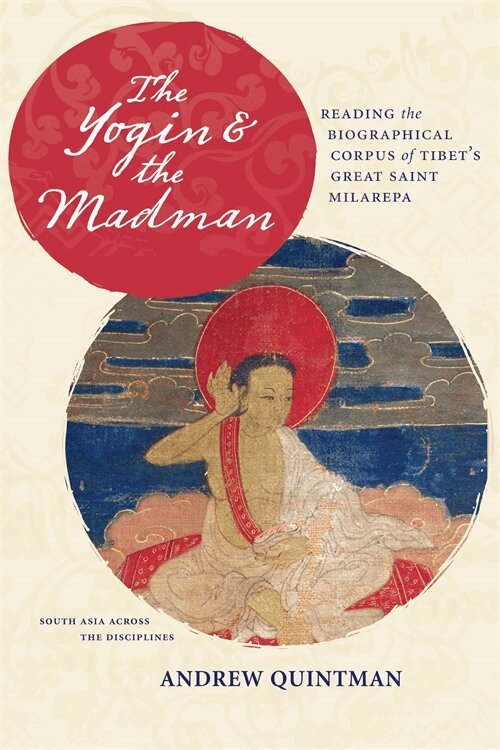
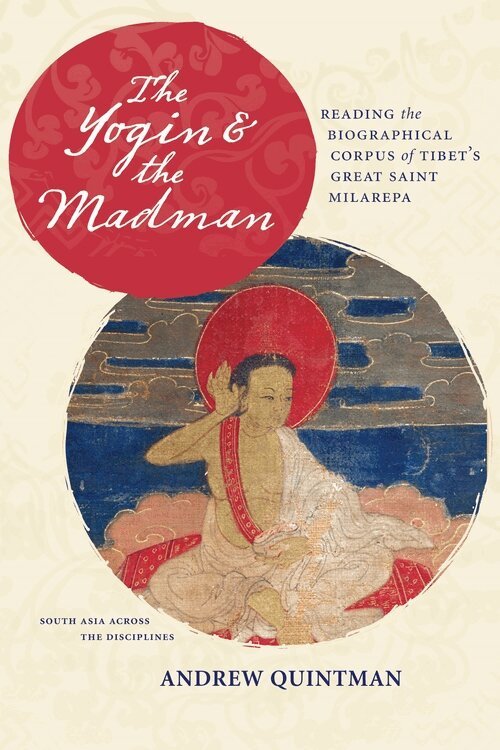
Tibetan biographers began writing Jetsun Milarepa's (1052-1135) life story shortly after his death, initiating a literary tradition that turned the poet and saint into a model of virtuosic Buddhist practice throughout the Himalayan world. Andrew Quintman traces this history and its innovations in narrative and aesthetic representation across four centuries, culminating in a detailed analysis of the genre's most famous example, composed in 1488 by Tsangnyon Heruka, or the "Madman of Western Tibet." Quintman imagines these works as a kind of physical body supplanting the yogin's corporeal relics. - Häftad, Engelska, 2013
278 kr
Skickas inom 5-8 vardagar
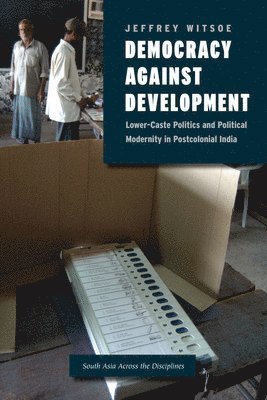
Hidden behind the much-touted success story of India's emergence as an economic superpower is another, far more complex narrative of the nation's recent history, one in which economic development is frequently countered by profoundly unsettling, and often violent, political movements. In Democracy against Development, Jeffrey Witsoe investigates this counternarrative, uncovering an antagonistic relationship between recent democratic mobilization and development-oriented governance in India. Witsoe looks at the history of colonialism in India and its role in both shaping modern caste identities and linking locally powerful caste groups to state institutions, which has effectively created a postcolonial patronage state. He then looks at the rise of lower-caste politics in one of India's poorest and most populous states, Bihar, showing how this increase in democratic participation has radically threatened the patronage state by systematically weakening its institutions and disrupting its development projects.By depicting democracy and development as they truly are in India - in tension - Witsoe reveals crucial new empirical and theoretical insights about the long-term trajectory of democratization in the larger postcolonial world. - Häftad, Engelska, 2014
278 kr
Skickas inom 5-8 vardagar
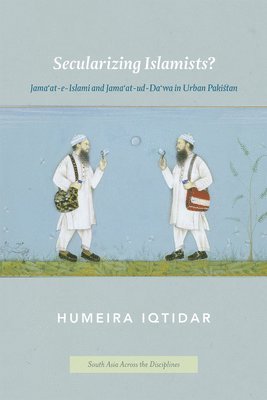
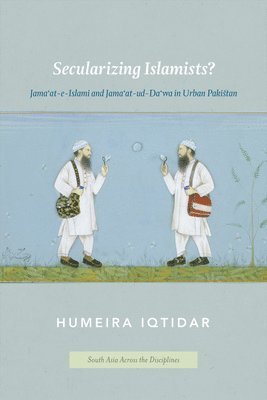
Secularizing Islamists? provides an indepth analysis of two Islamist parties in Pakistan, the highly influential Jama'at-e-Islami and the more militant Jama'at-ud-Da'wa, widely blamed for the November 2008 terrorist attack in Mumbai, India. Basing her findings on thirteen months of ethnographic work with the two parties in Lahore, Humeira Iqtidar proposes that these Islamists are involuntarily facilitating secularization within Muslim societies, even as they vehemently oppose secularism. This book offers a fine-grained account of the workings of both parties that challenges received ideas about the relationship between the ideology of secularism and the processes of secularization. Iqtidar illuminates the impact of women on Pakistani Islamism, while arguing that these Islamist groups are inadvertently supporting secularization by forcing a critical engagement with the place of religion in public and private life. She highlights the role that competition among Islamists and the focus on the state as the center of their activity plays in assisting secularization. The result is a significant contribution to our understanding of emerging trends in Muslim politics. - Häftad, Engelska, 2015
261 kr
Skickas inom 5-8 vardagar
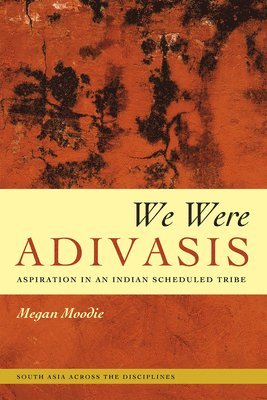
In We Were Adivasis, anthropologist Megan Moodie examines the Indian state's relationship to "Scheduled Tribes," or adivasis - historically oppressed groups that are now entitled to affirmative action quotas in educational and political institutions. Through a deep ethnography of the Dhanka in Jaipur, Moodie brings readers inside the creative imaginative work of these long - marginalized tribal communities. She shows how they must simultaneously affirm and refute their tribal status on a range of levels, from domestic interactions to historical representation, by relegating their status to the past: we were adivasis. Moodie takes readers to a diversity of settings, including households, tribal council meetings, and wedding festivals, to reveal the aspirations that are expressed in each. Crucially, she demonstrates how such aspiration and identity-building are strongly gendered, requiring different dispositions of men and women in the pursuit of collective social uplift. The Dhanka strategy for occupying the role of adivasi in urban India comes at a cost: young women must relinquish dreams of education and employment in favor of community-sanctioned marriage and domestic life.Ultimately, We Were Adivasis explores how such groups negotiate their pasts to articulate different visions of a yet uncertain future in the increasingly liberalized world. - Inbunden, Engelska, 2017
522 kr
Skickas inom 5-8 vardagar
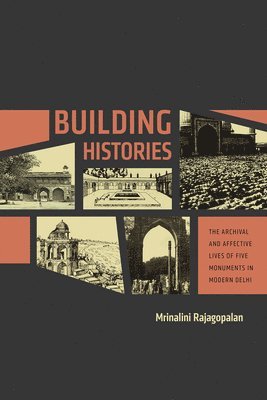
Building Histories offers innovative accounts of five medieval monuments in Delhi the Red Fort, Rasul Numa dargah, Jama Masjid, Purana Qila, and Qutb complex tracing their modern lives from the nineteenth century into the twentieth. ?Mrinalini Rajagopalan argues that the modern construction of the history of these monuments entailed the careful selection, manipulation, and regulation of the past by both the colonial and later postcolonial states. Although framed as objective "archival" truths, these histories were meant to erase or marginalize the powerful and persistent affective appropriations of the monuments by groups who often existed outside of the center of power. By analyzing these archival and affective histories together, Rajagopalan works to redefine the historic monument far from a symbol of a specific past, the monument is shown in Building Histories to be a culturally mutable object with multiple stories to tell. - Häftad, Engelska, 2012
295 kr
Skickas inom 5-8 vardagar
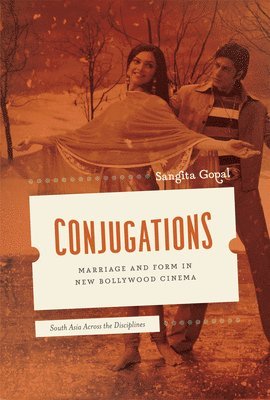
Bollywood movies have been long known for their colorful song-and-dance numbers and knack for combining drama, comedy, action-adventure, and music. But when India entered the global marketplace in the early 1990s, its film industry transformed radically. Production and distribution of films became regulated, advertising and marketing created a largely middle-class audience, and films began to fit into genres like science fiction and horror. In this bold study of what she names "New Bollywood", Sangita Gopal contends that the key to understanding these changes is to analyze films' evolving treatment of romantic relationships. Gopal argues that the form of the conjugal duo in movies reflects other social forces in India's new consumerist and global society. She takes a daring look at recent Hindi films and movie trends - the decline of song-and-dance sequences, the upgraded status of the horror genre, and the rise of the multiplex and multi-plot - to demonstrate how these relationships exemplify different formulas of contemporary living.A provocative account of how cultural artifacts can embody globalization's effects on intimate life, "Conjugations" will shake up the study of Hindi film. - Inbunden, Engelska, 2016
414 kr
Skickas inom 5-8 vardagar
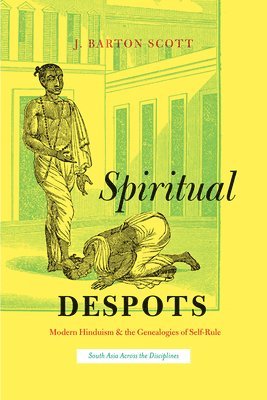
Historians of religion have examined at length the Protestant Reformation and the liberal idea of the self-governing individual that arose from it. In Spiritual Despots, J. Barton Scott reveals an unexamined piece of this story: how Protestant technologies of asceticism became entangled with Hindu spiritual practices to create an ideal of the “self-ruling subject” crucial to both nineteenth-century reform culture and early twentieth-century anticolonialism in India. Scott uses the quaint term “priestcraft” to track anticlerical polemics that vilified religious hierarchy, celebrated the individual, and endeavored to reform human subjects by freeing them from external religious influence. By drawing on English, Hindi, and Gujarati reformist writings, Scott provides a panoramic view of precisely how the specter of the crafty priest transformed religion and politics in India. Through this alternative genealogy of the self-ruling subject, Spiritual Despots demonstrates that Hindu reform movements cannot be understood solely within the precolonial tradition, but rather need to be read alongside other movements of their period. The book’s focus moves fluidly between Britain and India—engaging thinkers such as James Mill, Keshub Chunder Sen, Max Weber, Karsandas Mulji, Helena Blavatsky, M. K. Gandhi, and others—to show how colonial Hinduism shaped major modern discourses about the self. Throughout, Scott sheds much-needed light how the rhetoric of priestcraft and practices of worldly asceticism played a crucial role in creating a new moral and political order for twentieth-century India and demonstrates the importance of viewing the emergence of secularism through the colonial encounter. - Häftad, Engelska, 2016
286 kr
Skickas inom 5-8 vardagar
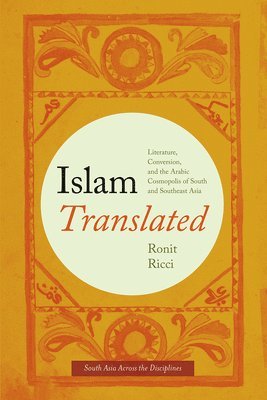
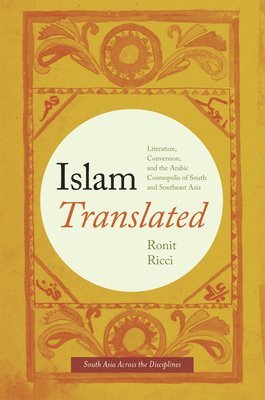
The spread of Islam eastward into South and Southeast Asia was one of the most significant cultural shifts in world history. As it expanded into these regions, Islam was received by cultures vastly different from those in the Middle East, incorporating them into a diverse global community that stretched from India to the Philippines.In Islam Translated, Ronit Ricci uses the Book of One Thousand Questions—from its Arabic original to its adaptations into the Javanese, Malay, and Tamil languages between the sixteenth and twentieth centuries—as a means to consider connections that linked Muslims across divides of distance and culture. Examining the circulation of this Islamic text and its varied literary forms, Ricci explores how processes of literary translation and religious conversion were historically interconnected forms of globalization, mutually dependent, and creatively reformulated within societies making the transition to Islam. - Inbunden, Engelska, 2011
845 kr
Skickas inom 5-8 vardagar
"Secularizing Islamists?" provides an in-depth analysis of two Islamist political parties in Pakistan, the highly influential Jama'at-e-Islami and the more militant Jama'at-ud-Da'wa, widely blamed for the November 2008 terrorist attack in Mumbai, India. Basing her findings on thirteen months of ethnographic work with the two parties in Lahore, Humeira Iqtidar proposes that these Islamists are facilitating secularization within Muslim societies, even as they vehemently oppose secularism. This book offers a fine-grained account of the workings of both parties that challenges received ideas about the relationship between the ideology of secularism and the processes of secularization. Iqtidar particularly illuminates the impact of women on Pakistani Islamism, while arguing that these Islamist groups are inadvertently aiding secularization by forcing a critical engagement with the place of religion in public and private life. She highlights the role that competition among Islamists and the focus on the state as the center of their activity plays in supporting secularization. The result is a significant contribution to our understanding of emerging trends in Muslim politics. - Inbunden, Engelska, 2016
845 kr
Skickas inom 5-8 vardagar
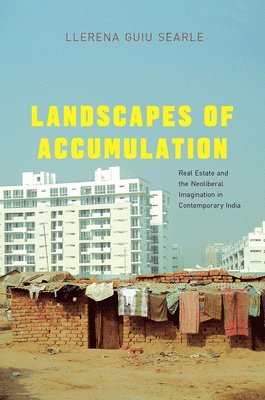
Over the past few decades, India has experienced a sudden and spectacular urban transformation. Gleaming business complexes encroach on fields and villages. Giant condominium communities offer gated security, indoor gyms, and pristine pools. Spacious, air-conditioned malls have sprung up alongside open-air markets. In Landscapes of Accumulation, Llerena Guiu Searle examines India's booming developments and offers a nuanced ethnographic treatment of late capitalism. India's land, she shows, is rapidly transforming from a site of agricultural and industrial production to an international financial resource. Drawing on intensive fieldwork with investors, developers, real estate agents, and others, Searle documents the new private sector partnerships and practices that are transforming India's built environment, as well as widely shared stories of growth and development that themselves create self-fulfilling prophecies of success. As a result, India's cities are becoming ever more inaccessible to the country's poor.Landscapes of Accumulation will be a welcome contribution to the international study of neoliberalism, finance, and urban development and will be of particular interest to those studying rapid and perhaps unsustainable development across the Global South. - Häftad, Engelska, 2016
261 kr
Skickas inom 5-8 vardagar
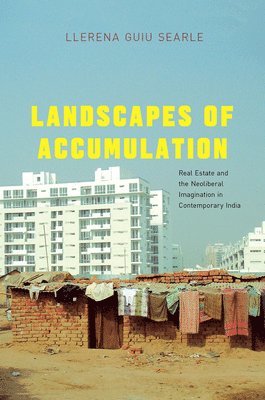
Over the past few decades, India has experienced a sudden and spectacular urban transformation. Gleaming business complexes encroach on fields and villages. Giant condominium communities offer gated security, indoor gyms, and pristine pools. Spacious, air-conditioned malls have sprung up alongside open-air markets. In Landscapes of Accumulation, Llerena Guiu Searle examines India's booming developments and offers a nuanced ethnographic treatment of late capitalism. India's land, she shows, is rapidly transforming from a site of agricultural and industrial production to an international financial resource. Drawing on intensive fieldwork with investors, developers, real estate agents, and others, Searle documents the new private sector partnerships and practices that are transforming India's built environment, as well as widely shared stories of growth and development that themselves create self-fulfilling prophecies of success. As a result, India's cities are becoming ever more inaccessible to the country's poor.Landscapes of Accumulation will be a welcome contribution to the international study of neoliberalism, finance, and urban development and will be of particular interest to those studying rapid and perhaps unsustainable development across the Global South. - Häftad, Engelska, 2018
329 kr
Skickas inom 5-8 vardagar
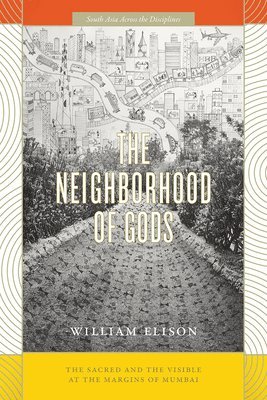
There are many holy cities in India, but Mumbai is not usually considered one of them. More popular images of the city capture the world’s collective imagination—as a Bollywood fantasia or a slumland dystopia. Yet for many, if not most, people who live in the city, the neighborhood streets are indeed shared with local gods and guardian spirits. In The Neighborhood of Gods, William Elison examines the link between territory and divinity in India’s most self-consciously modern city. In this densely settled environment, space is scarce, and anxiety about housing is pervasive. Consecrating space—first with impromptu displays and then, eventually, with full-blown temples and official recognition—is one way of staking a claim. But how can a marginalized community make its gods visible, and therefore powerful, in the eyes of others? The Neighborhood of Gods explores this question, bringing an ethnographic lens to a range of visual and spatial practices: from the shrine construction that encroaches on downtown streets, to the “tribal art” practices of an indigenous group facing displacement, to the work of image production at two Bollywood film studios. A pioneering ethnography, this book offers a creative intervention in debates on postcolonial citizenship, urban geography, and visuality in the religions of India. - Inbunden, Engelska, 2011
871 kr
Skickas inom 5-8 vardagar
The spread of Islam eastward into South and Southeast Asia was one of the most significant cultural shifts in world history. As it expanded into these regions, Islam was received by cultures vastly different from those in the Middle East, incorporating them into a diverse global community that stretched from India to the Philippines. In "Islam Translated", Ronit Ricci uses the Book of One Thousand Questions - from its Arabic original to its adaptations into the Javanese, Malay, and Tamil languages between the sixteenth and twentieth centuries - as a means to consider connections that linked Muslims across divides of distance and culture. Examining the circulation of this Islamic text and its varied literary forms, Ricci explores how processes of literary translation and religious conversion were historically interconnected, mutually dependent, and creatively reformulated within societies making the transition to Islam. "Islam Translated" will contribute to our knowledge of this region of the Muslim world that remains crucially important to world affairs. - Häftad, Engelska, 2012
347 kr
Skickas inom 5-8 vardagar
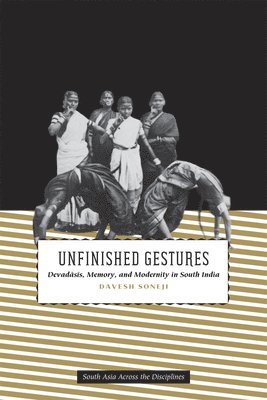
"Unfinished Gestures" presents the social and cultural history of courtesans in South India who are generally called devadasis, focusing on their encounters with colonial modernity in the nineteenth and early twentieth centuries. Following a hundred years of vociferous social reform, including a 1947 law that criminalized their lifestyles, the women in devadasi communities contend with severe social stigma and economic and cultural disenfranchisement. Adroitly combining ethnographic fieldwork with historical research, Davesh Soneji provides a comprehensive portrait of these marginalized women and unsettles received ideas about relations among them, the aesthetic roots of their performances, and the political efficacy of social reform in their communities. Poignantly narrating the history of these women, Soneji argues for the recognition of aesthetics and performance as a key form of subaltern self-presentation and self-consciousness.Ranging over courtly and private salon performances of music and dance by devadasis in the nineteenth century, the political mobilization of devadasi identity in the twentieth century, and the post-reform lives of women in these communities today, "Unfinished Gestures" charts the historical fissures that lie beneath cultural modernity in South India. - Inbunden, Engelska, 2010
1 447 kr
Skickas inom 3-6 vardagar
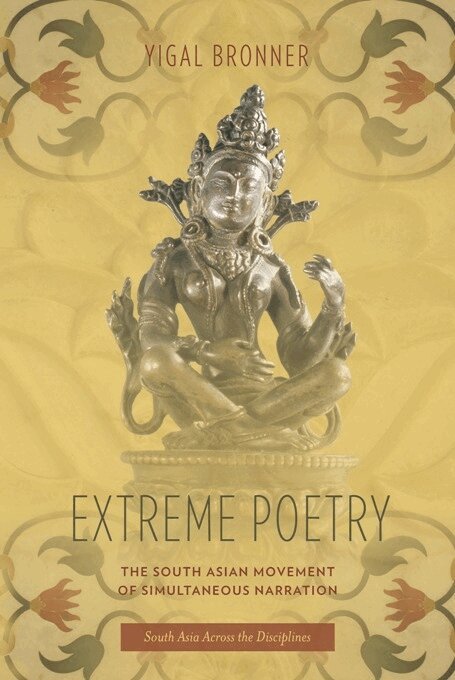
Beginning in the sixth century C.E. and continuing for more than a thousand years, an extraordinary poetic practice was the trademark of a major literary movement in South Asia. Authors invented a special language to depict both the apparent and hidden sides of disguised or dual characters, and then used it to narrate India's major epics, the Ramayana and the Mahabharata, simultaneously. Originally produced in Sanskrit, these dual narratives eventually worked their way into regional languages, especially Telugu and Tamil, and other artistic media, such as sculpture. Scholars have long dismissed simultaneous narration as a mere curiosity, if not a sign of cultural decline in medieval India. Yet Yigal Bronner's Extreme Poetry effectively negates this position, proving that, far from being a meaningless pastime, this intricate, "bitextual" technique both transcended and reinvented Sanskrit literary expression. The poems of simultaneous narration teased and estranged existing convention and showcased the interrelations between the tradition's foundational texts.By focusing on these achievements and their reverberations through time, Bronner rewrites the history of Sanskrit literature and its aesthetic goals. He also expands on contemporary theories of intertextuality, which have been largely confined to Western texts and practices. - Inbunden, Engelska, 2012
1 192 kr
Skickas inom 5-8 vardagar
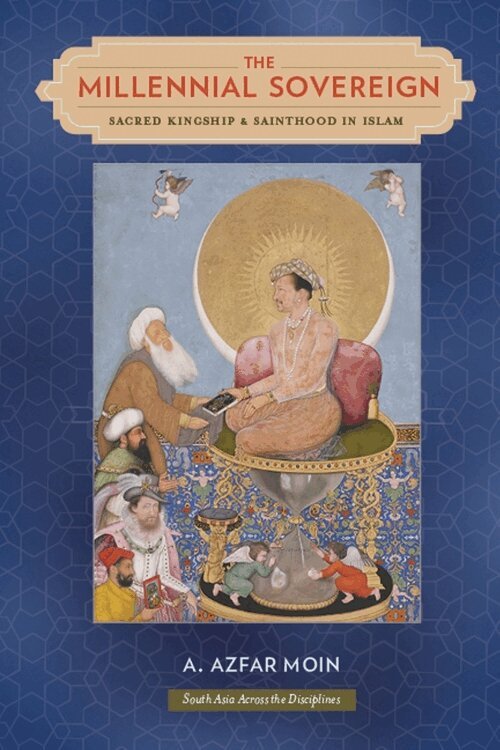
At the end of the sixteenth century and the turn of the first Islamic millennium, the powerful Mughal emperor Akbar declared himself the most sacred being on earth. The holiest of all saints and above the distinctions of religion, he styled himself as the messiah reborn. Yet the Mughal emperor was not alone in doing so. In this field-changing study, A. Azfar Moin explores why Muslim sovereigns in this period began to imitate the exalted nature of Sufi saints. Uncovering a startling yet widespread phenomenon, he shows how the charismatic pull of sainthood (wilayat)-rather than the draw of religious law (sharia) or holy war (jihad)-inspired a new style of sovereignty in Islam. A work of history richly informed by the anthropology of religion and art, The Millennial Sovereign traces how royal dynastic cults and shrine-centered Sufism came together in the imperial cultures of Timurid Central Asia, Safavid Iran, and Mughal India. By juxtaposing imperial chronicles, paintings, and architecture with theories of sainthood, apocalyptic treatises, and manuals on astrology and magic, Moin uncovers a pattern of Islamic politics shaped by Sufi and millennial motifs.He shows how alchemical symbols and astrological rituals enveloped the body of the monarch, casting him as both spiritual guide and material lord. Ultimately, Moin offers a striking new perspective on the history of Islam and the religious and political developments linking South Asia and Iran in early-modern times. - Häftad, Engelska, 2014
312 kr
Skickas inom 5-8 vardagar
At the end of the sixteenth century and the turn of the first Islamic millennium, the powerful Mughal emperor Akbar declared himself the most sacred being on earth. The holiest of all saints and above the distinctions of religion, he styled himself as the messiah reborn. Yet the Mughal emperor was not alone in doing so. In this field-changing study, A. Azfar Moin explores why Muslim sovereigns in this period began to imitate the exalted nature of Sufi saints. Uncovering a startling yet widespread phenomenon, he shows how the charismatic pull of sainthood (wilayat)-rather than the draw of religious law (sharia) or holy war (jihad)-inspired a new style of sovereignty in Islam. A work of history richly informed by the anthropology of religion and art, The Millennial Sovereign traces how royal dynastic cults and shrine-centered Sufism came together in the imperial cultures of Timurid Central Asia, Safavid Iran, and Mughal India. By juxtaposing imperial chronicles, paintings, and architecture with theories of sainthood, apocalyptic treatises, and manuals on astrology and magic, Moin uncovers a pattern of Islamic politics shaped by Sufi and millennial motifs.He shows how alchemical symbols and astrological rituals enveloped the body of the monarch, casting him as both spiritual guide and material lord. Ultimately, Moin offers a striking new perspective on the history of Islam and the religious and political developments linking South Asia and Iran in early-modern times. - Häftad, Engelska, 2014
278 kr
Skickas inom 5-8 vardagar
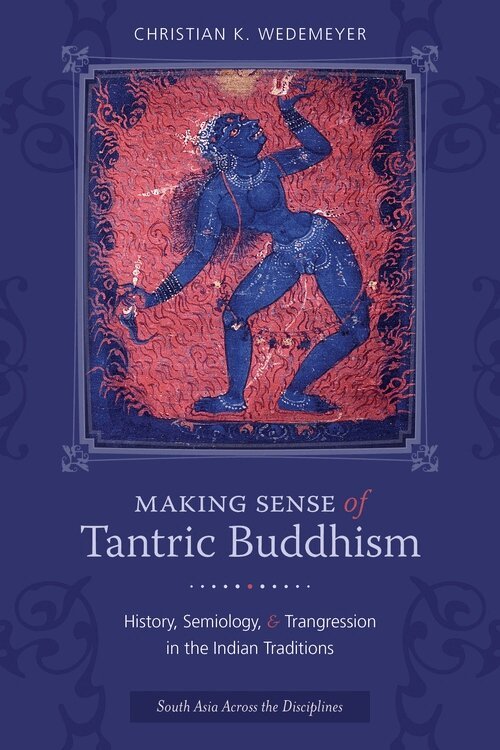
Making Sense of Tantric Buddhism fundamentally rethinks the nature of the transgressive theories and practices of the Buddhist Tantric traditions, challenging the notion that the Tantras were "marginal" or primitive and situating them instead-both ideologically and institutionally-within larger trends in mainstream Buddhist and Indian culture. Critically surveying prior scholarship, Wedemeyer exposes the fallacies of attributing Tantric transgression to either the passions of lusty monks, primitive tribal rites, or slavish imitation of Saiva traditions. Through comparative analysis of modern historical narratives-that depict Tantrism as a degenerate form of Buddhism, a primal religious undercurrent, or medieval ritualism-he likewise demonstrates these to be stock patterns in the European historical imagination. Through close analysis of primary sources, Wedemeyer reveals the lived world of Tantric Buddhism as largely continuous with the Indian religious mainstream and deploys contemporary methods of semiotic and structural analysis to make sense of its seemingly repellent and immoral injunctions.Innovative, semiological readings of the influential Guhyasamaja Tantra underscore the text's overriding concern with purity, pollution, and transcendent insight-issues shared by all Indic religions-and a large-scale, quantitative study of Tantric literature shows its radical antinomianism to be a highly managed ritual observance restricted to a sacerdotal elite. These insights into Tantric scripture and ritual clarify the continuities between South Asian Tantrism and broader currents in Indian religion, illustrating how thoroughly these "radical" communities were integrated into the intellectual, institutional, and social structures of South Asian Buddhism. - Inbunden, Engelska, 2013
1 159 kr
Skickas inom 5-8 vardagar
Imagine watching an action film in a small-town cinema hall in Bangladesh, and in between the gun battles and fistfights a short pornographic clip appears. This is known as a cut-piece, a strip of locally made celluloid pornography surreptitiously spliced into the reels of action films in Bangladesh. Exploring the shadowy world of these clips and their place in South Asian film culture, Lotte Hoek builds a rare, detailed portrait of the production, consumption, and cinematic pleasures of stray celluloid. Hoek's innovative ethnography plots the making and reception of Mintu the Murderer (2005, pseud.), a popular, Bangladeshi B-quality action movie and fascinating embodiment of the cut-piece phenomenon. She begins with the early scriptwriting phase and concludes with multiple screenings in remote Bangladeshi cinema halls, following the cut-pieces as they appear and disappear from the film, destabilizing its form, generating controversy, and titillating audiences. Hoek's work shines an unusual light on Bangladesh's state-owned film industry and popular practices of the obscene.She also reframes conceptual approaches to South Asian cinema and film culture, drawing on media anthropology to decode the cultural contradictions of Bangladesh since the 1990s. - Häftad, Engelska, 2013
287 kr
Skickas inom 5-8 vardagar
Imagine watching an action film in a small-town cinema hall in Bangladesh, and in between the gun battles and fistfights a short pornographic clip appears. This is known as a cut-piece, a strip of locally made celluloid pornography surreptitiously spliced into the reels of action films in Bangladesh. Exploring the shadowy world of these clips and their place in South Asian film culture, Lotte Hoek builds a rare, detailed portrait of the production, consumption, and cinematic pleasures of stray celluloid. Hoek's innovative ethnography plots the making and reception of Mintu the Murderer (2005, pseud.), a popular, Bangladeshi B-quality action movie and fascinating embodiment of the cut-piece phenomenon. She begins with the early scriptwriting phase and concludes with multiple screenings in remote Bangladeshi cinema halls, following the cut-pieces as they appear and disappear from the film, destabilizing its form, generating controversy, and titillating audiences. Hoek's work shines an unusual light on Bangladesh's state-owned film industry and popular practices of the obscene.She also reframes conceptual approaches to South Asian cinema and film culture, drawing on media anthropology to decode the cultural contradictions of Bangladesh since the 1990s. - Inbunden, Engelska, 2013
2 285 kr
Skickas inom 3-6 vardagar
Tibetan biographers began writing Jetsun Milarepa's (1052-1135) life story shortly after his death, initiating a literary tradition that turned the poet and saint into a model of virtuosic Buddhist practice throughout the Himalayan world. Andrew Quintman traces this history and its innovations in narrative and aesthetic representation across four centuries, culminating in a detailed analysis of the genre's most famous example, composed in 1488 by Tsangnyon Heruka, or the "Madman of Western Tibet." Quintman imagines these works as a kind of physical body supplanting the yogin's corporeal relics. - Inbunden, Engelska, 2014
1 371 kr
Skickas inom 5-8 vardagar
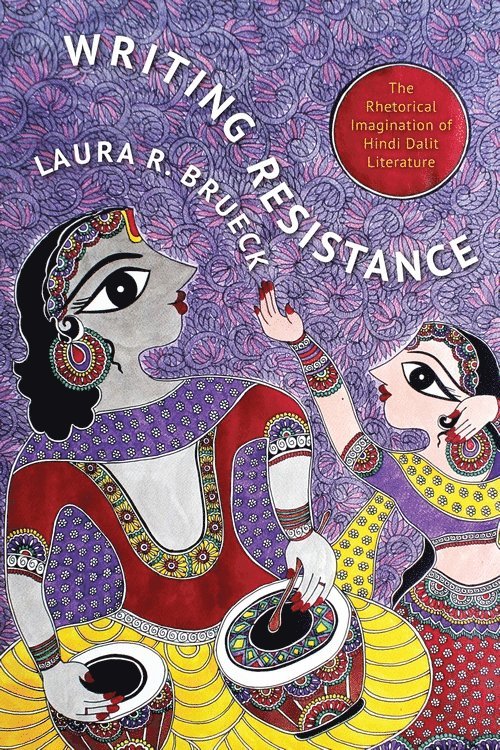
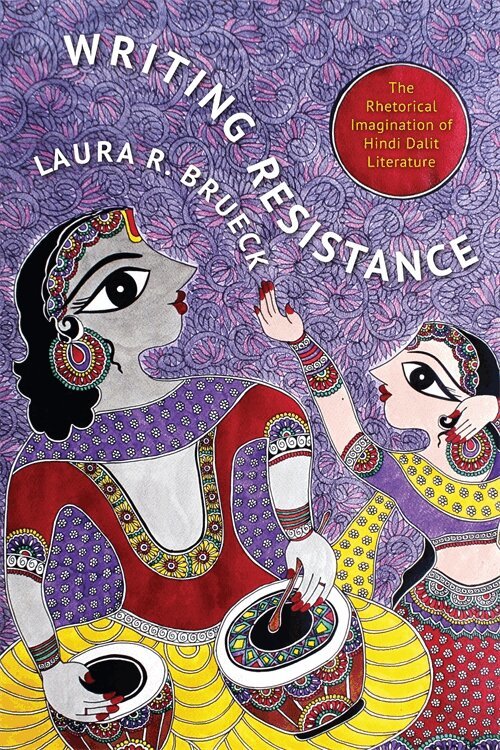
Writing Resistance is the first close study of the growing body of contemporary Hindi-language Dalit (low caste) literature in India. The Dalit literary movement has had an immense sociopolitical and literary impact on various Indian linguistic regions, yet few scholars have attempted to situate the form within contemporary critical frameworks. Laura R. Brueck's approach goes beyond recognizing and celebrating the subaltern speaking, emphasizing the sociopolitical perspectives and literary strategies of a range of contemporary Dalit writers working in Hindi. Brueck explores several essential questions: what makes Dalit literature Dalit? What makes it good? Why is this genre important, and where does it oppose or intersect with other bodies of Indian literature? She follows the debate among Dalit writers as they establish a specifically Dalit literary critical approach, underscoring the significance of the Dalit literary sphere as a "counterpublic" generating contemporary Dalit social and political identities.Brueck then performs close readings of contemporary Hindi Dalit literary prose narratives, focusing on the aesthetic and stylistic strategies deployed by writers whose class, gender, and geographic backgrounds shape their distinct voices. By reading Dalit literature as literature, this study unravels the complexities of its sociopolitical and identity-based origins. - Häftad, Engelska, 2014
339 kr
Skickas inom 5-8 vardagar
Writing Resistance is the first close study of the growing body of contemporary Hindi-language Dalit (low caste) literature in India. The Dalit literary movement has had an immense sociopolitical and literary impact on various Indian linguistic regions, yet few scholars have attempted to situate the form within contemporary critical frameworks. Laura R. Brueck's approach goes beyond recognizing and celebrating the subaltern speaking, emphasizing the sociopolitical perspectives and literary strategies of a range of contemporary Dalit writers working in Hindi. Brueck explores several essential questions: what makes Dalit literature Dalit? What makes it good? Why is this genre important, and where does it oppose or intersect with other bodies of Indian literature? She follows the debate among Dalit writers as they establish a specifically Dalit literary critical approach, underscoring the significance of the Dalit literary sphere as a "counterpublic" generating contemporary Dalit social and political identities.Brueck then performs close readings of contemporary Hindi Dalit literary prose narratives, focusing on the aesthetic and stylistic strategies deployed by writers whose class, gender, and geographic backgrounds shape their distinct voices. By reading Dalit literature as literature, this study unravels the complexities of its sociopolitical and identity-based origins. - Inbunden, Engelska, 2014
641 kr
Skickas inom 5-8 vardagar
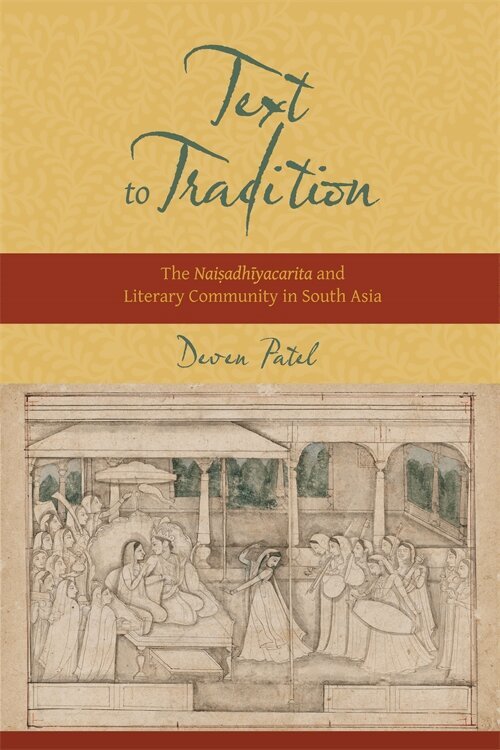
Written in the twelfth century, the Naisadhiyacarita (The Adventures of Nala, King of Nisadha) is a seminal Sanskrit poem beloved by South Asian literary communities for nearly a millennium. This volume introduces readers to the poem's author, his reading communities, the modes through which the poem has been read and used, the contexts through which it became canonical, its literary offspring, and the emotional power it still holds for the culture that values it. Text to Tradition privileges the intellectual, affective, and social forms of cultural practice that inform a region's people and institutions. It also proposes a new way to conduct literary historiography, understanding literary texts as "traditions" in their own right and emphasizing the various players and critical genres involved in their reception. The book underscores the importance of the close study of individual works to building a history of literary cultures. In addition, it creates a groundbreaking model for approaching the study of other venerated South Asian texts. - Inbunden, Engelska, 2014
1 141 kr
Skickas inom 5-8 vardagar
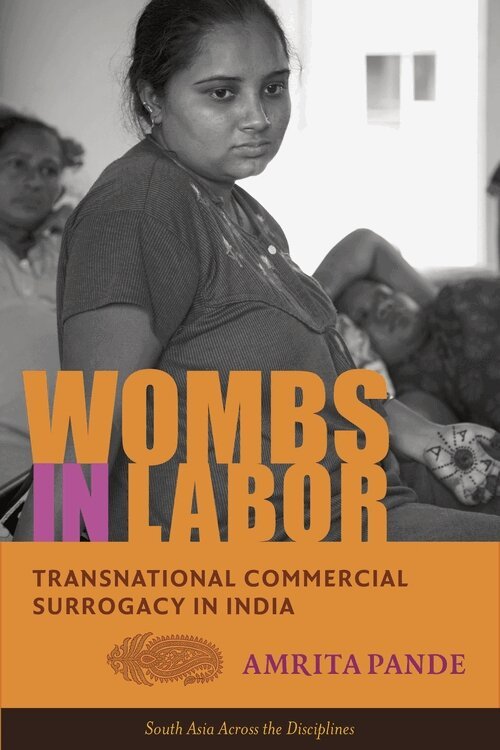
Surrogacy is India's new form of outsourcing, as couples from all over the world hire Indian women to bear their children for a fraction of the cost of surrogacy elsewhere with little to no government oversight or regulation. In the first detailed ethnography of India's surrogacy industry, Amrita Pande visits clinics and hostels and speaks with surrogates and their families, clients, doctors, brokers, and hostel matrons in order to shed light on this burgeoning business and the experiences of the laborers within it. From recruitment to training to delivery, Pande's research focuses on how reproduction meets production in surrogacy and how this reflects characteristics of India's larger labor system. Pande's interviews prove surrogates are more than victims of disciplinary power, and she examines the strategies they deploy to retain control over their bodies and reproductive futures. While some women are coerced into the business by their families, others negotiate with clients and their clinics to gain access to technologies and networks otherwise closed to them. As surrogates, the women Pande meets get to know and make the most of advanced medical discoveries.They traverse borders and straddle relationships that test the boundaries of race, class, religion, and nationality. Those who focus on the inherent inequalities of India's surrogacy industry believe the practice should be either banned or strictly regulated. Pande instead advocates for a better understanding of this complex labor market, envisioning an international model of fair-trade surrogacy founded on openness and transparency in all business, medical, and emotional exchanges. - Häftad, Engelska, 2014
567 kr
Skickas inom 3-6 vardagar
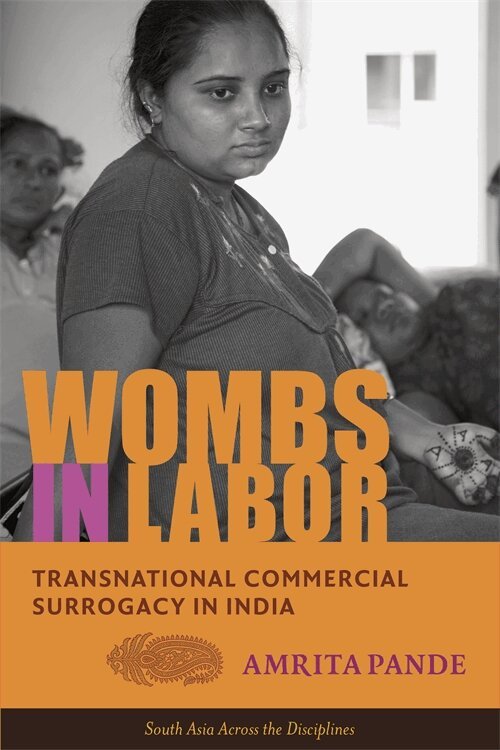
Surrogacy is India's new form of outsourcing, as couples from all over the world hire Indian women to bear their children for a fraction of the cost of surrogacy elsewhere with little to no government oversight or regulation. In the first detailed ethnography of India's surrogacy industry, Amrita Pande visits clinics and hostels and speaks with surrogates and their families, clients, doctors, brokers, and hostel matrons in order to shed light on this burgeoning business and the experiences of the laborers within it. From recruitment to training to delivery, Pande's research focuses on how reproduction meets production in surrogacy and how this reflects characteristics of India's larger labor system. Pande's interviews prove surrogates are more than victims of disciplinary power, and she examines the strategies they deploy to retain control over their bodies and reproductive futures. While some women are coerced into the business by their families, others negotiate with clients and their clinics to gain access to technologies and networks otherwise closed to them. As surrogates, the women Pande meets get to know and make the most of advanced medical discoveries.They traverse borders and straddle relationships that test the boundaries of race, class, religion, and nationality. Those who focus on the inherent inequalities of India's surrogacy industry believe the practice should be either banned or strictly regulated. Pande instead advocates for a better understanding of this complex labor market, envisioning an international model of fair-trade surrogacy founded on openness and transparency in all business, medical, and emotional exchanges. - Inbunden, Engelska, 2016
557 kr
Skickas inom 5-8 vardagar
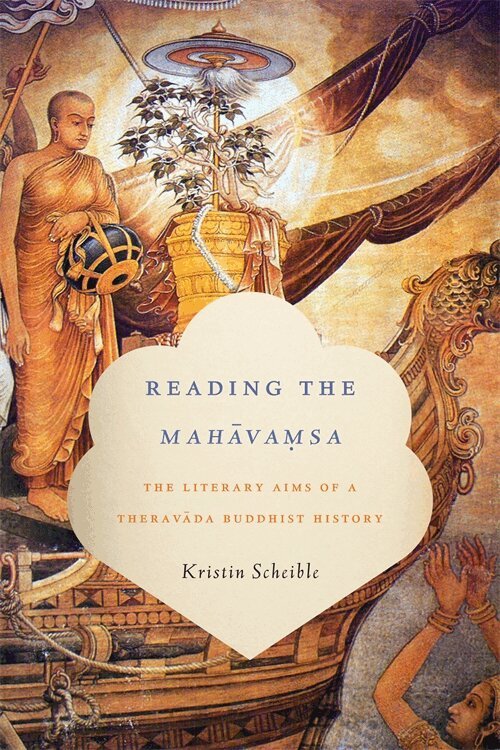
Vamsa is a dynamic genre of Buddhist history filled with otherworldly characters and the exploits of real-life heroes. These narratives collapse the temporal distance between Buddha and the reader, building an emotionally resonant connection with an outsized religious figure and a longed-for past. The fifth-century Pali text Mahavamsa is a particularly effective example, using metaphor and other rhetorical devices to ethically transform readers, to stimulate and then to calm them. Reading the Mahavamsa advocates a new, literary approach to this text by revealing its embedded reading advice (to experience samvega and pasada) and affective work of metaphors (the Buddha's dharma as light) and salient characters (nagas). Kristin Scheible argues that the Mahavamsa requires a particular kind of reading. In the text's proem, special instructions draw readers to the metaphor of light and the nagas, or salient snake-beings, of the first chapter. Nagas are both model worshippers and unworthy hoarders of Buddha's relics. As nonhuman agents, they challenge political and historicist readings of the text.Scheible sees these slippery characters and the narrative's potent and playful metaphors as techniques for refocusing the reader's attention on the text's emotional aims. Her work explains the Mahavamsa's central motivational role in contemporary Sri Lankan Buddhist and nationalist circles. It also speaks broadly to strategies of reading religious texts and to the internal and external cues that give such works lives beyond the page. - Inbunden, Engelska, 2016
2 462 kr
Skickas inom 3-6 vardagar
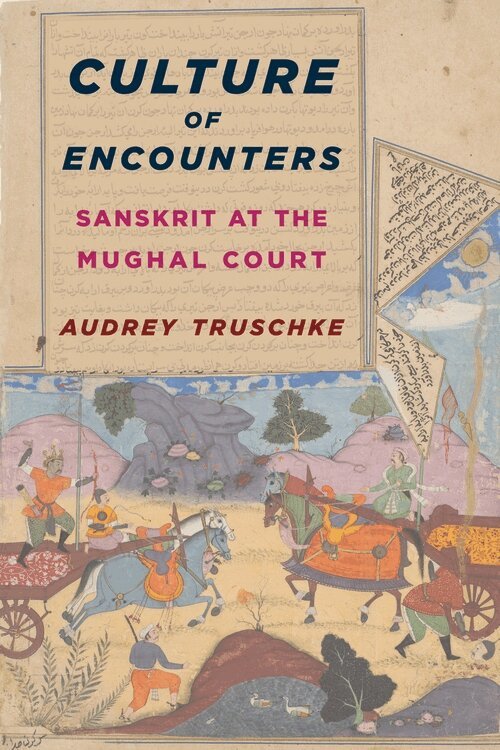
Culture of Encounters documents the fascinating exchange between the Persian-speaking Islamic elite of the Mughal Empire and traditional Sanskrit scholars, which engendered a dynamic idea of Mughal rule essential to the empire's survival. This history begins with the invitation of Brahman and Jain intellectuals to King Akbar's court in the 1560s, then details the numerous Mughal-backed texts they and their Mughal interlocutors produced under emperors Akbar, Jahangir (1605-1627), and Shah Jahan (1628-1658). Many works, including Sanskrit epics and historical texts, were translated into Persian, elevating the political position of Brahmans and Jains and cultivating a voracious appetite for Indian writings throughout the Mughal world. The first book to read these Sanskrit and Persian works in tandem, Culture of Encounters recasts the Mughal Empire as a polyglot polity that collaborated with its Indian subjects to envision its sovereignty. The work also reframes the development of Brahman and Jain communities under Mughal rule, which coalesced around carefully selected, politically salient memories of imperial interaction.Along with its groundbreaking findings, Culture of Encounters certifies the critical role of the sociology of empire in building the Mughal polity, which came to irrevocably shape the literary and ruling cultures of early modern India. - Häftad, Engelska, 2018
685 kr
Skickas inom 3-6 vardagar
Culture of Encounters documents the fascinating exchange between the Persian-speaking Islamic elite of the Mughal Empire and traditional Sanskrit scholars, which engendered a dynamic idea of Mughal rule essential to the empire's survival. This history begins with the invitation of Brahman and Jain intellectuals to King Akbar's court in the 1560s, then details the numerous Mughal-backed texts they and their Mughal interlocutors produced under emperors Akbar, Jahangir (1605–1627), and Shah Jahan (1628–1658). Many works, including Sanskrit epics and historical texts, were translated into Persian, elevating the political position of Brahmans and Jains and cultivating a voracious appetite for Indian writings throughout the Mughal world. The first book to read these Sanskrit and Persian works in tandem, Culture of Encounters recasts the Mughal Empire as a polyglot polity that collaborated with its Indian subjects to envision its sovereignty. The work also reframes the development of Brahman and Jain communities under Mughal rule, which coalesced around carefully selected, politically salient memories of imperial interaction. Along with its groundbreaking findings, Culture of Encounters certifies the critical role of the sociology of empire in building the Mughal polity, which came to irrevocably shape the literary and ruling cultures of early modern India.