Sternberg Press / Institut für Kunstkritik series – serie
Visar alla böcker i serien Sternberg Press / Institut für Kunstkritik series. Handla med fri frakt och snabb leverans.
4 produkter
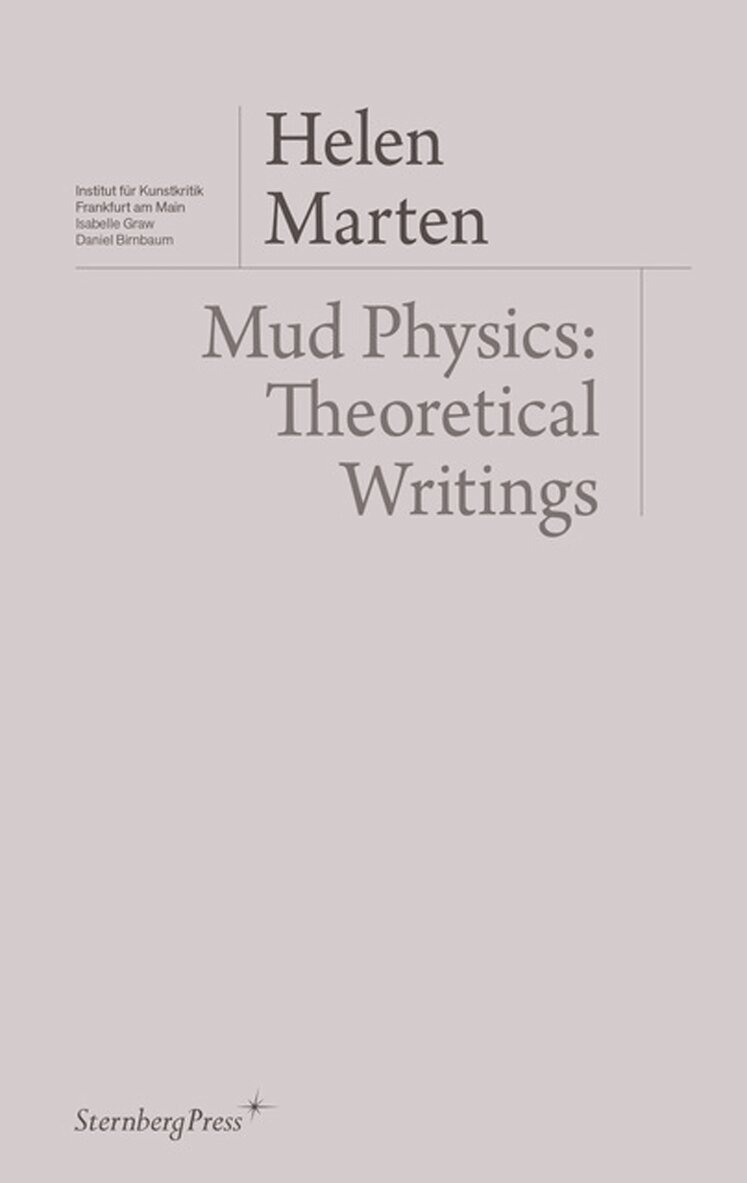
Mud Physics
Theoretical Writings
Av Helen Marten
Häftad, 2026
311 kr
Kommande
Critical writings that index the material and linguistic problems of making art. Compiled here for the first time, the selected writings of Helen Marten probe the critical spaces between image and language, material subject and conceptual idea. Working across sculpture, painting, drawing, writing, …
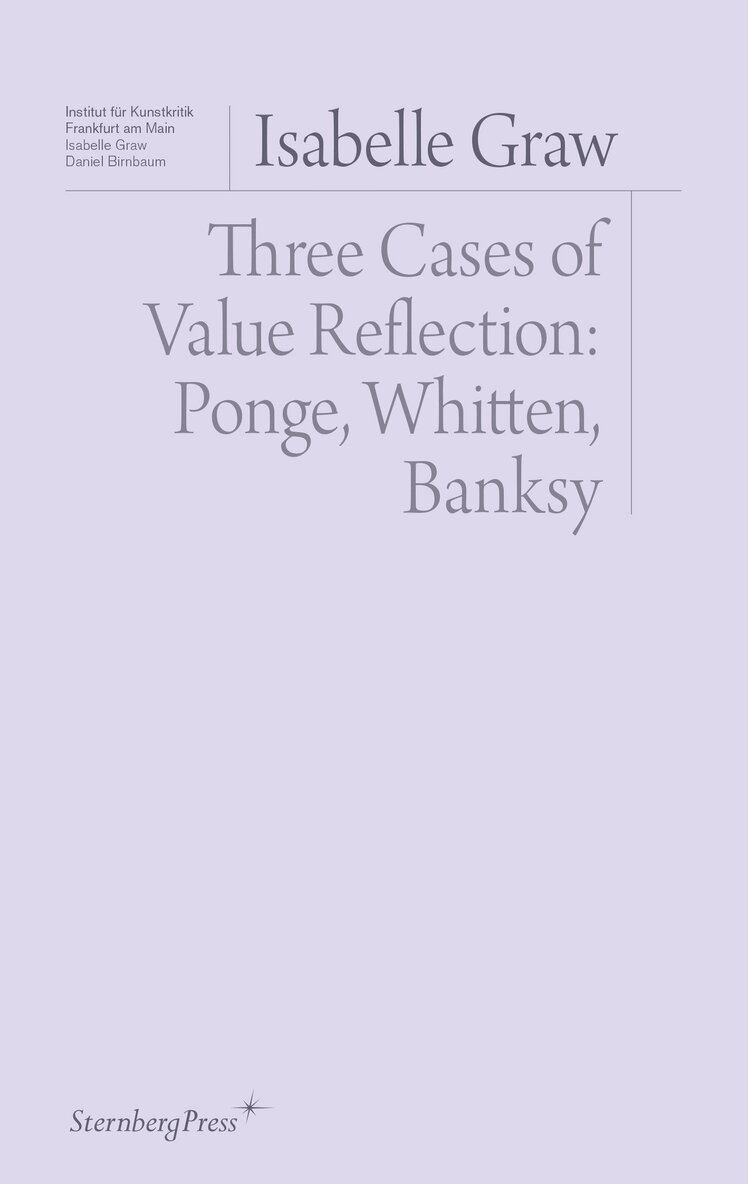
Three Cases of Value Reflection
Ponge, Whitten, Banksy
Häftad, 2020
204 kr
Lägg i varukorg
Examinations of Francis Ponge's texts on Jean Fautrier's “Hostage Paintings,” Jack Whitten's Memorial Paintings , and Banksy's auction stunt Love is in the Bin . This book contains three case studies on very different artists, analyzing their work through their respective historical contexts: the …
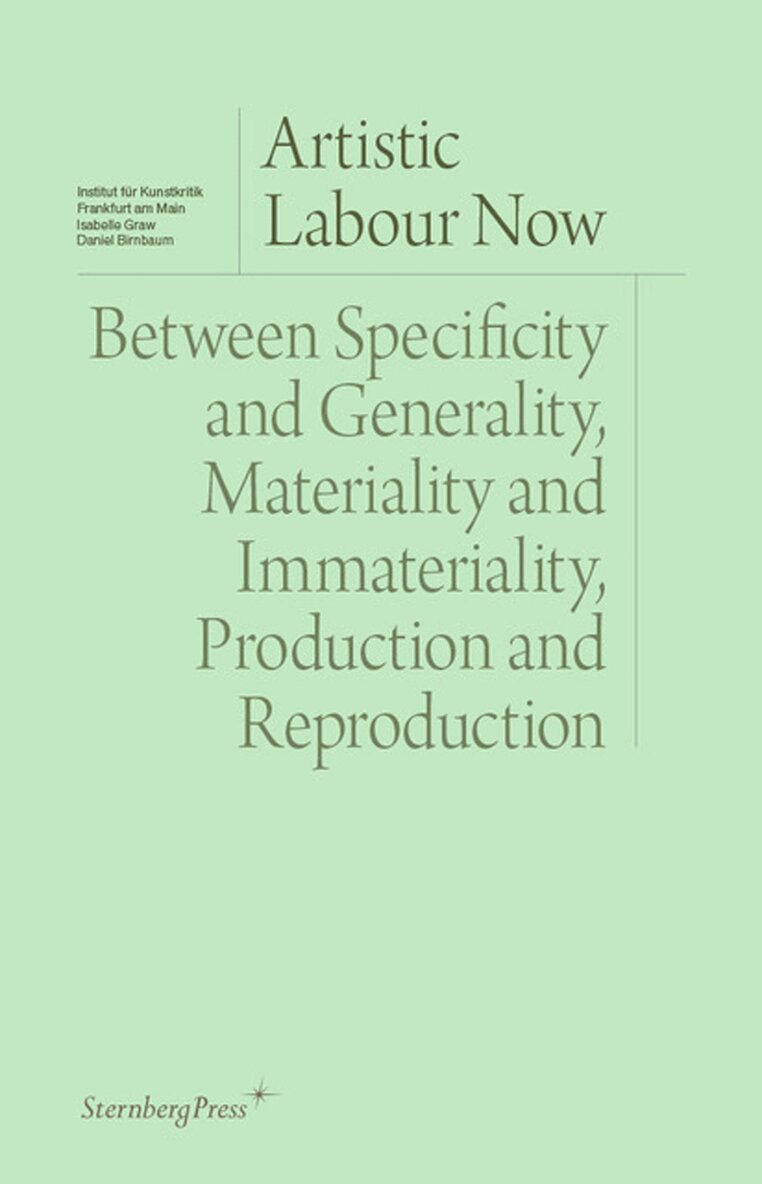
Artistic Labour Now
Between Specificity and Generality, Materiality and Immateriality, Production and Reproduction
Av Isabelle Graw, Daniel Birnbaum
Häftad, 2026
320 kr
Kommande
On the specificity and generality, materiality and immateriality, production and reproduction of artistic labor. Artistic Labour Now sheds light on the specificity of artistic labour in view of an increasingly globalized and digitized art economy. In these collected essays, art historians, critics, …
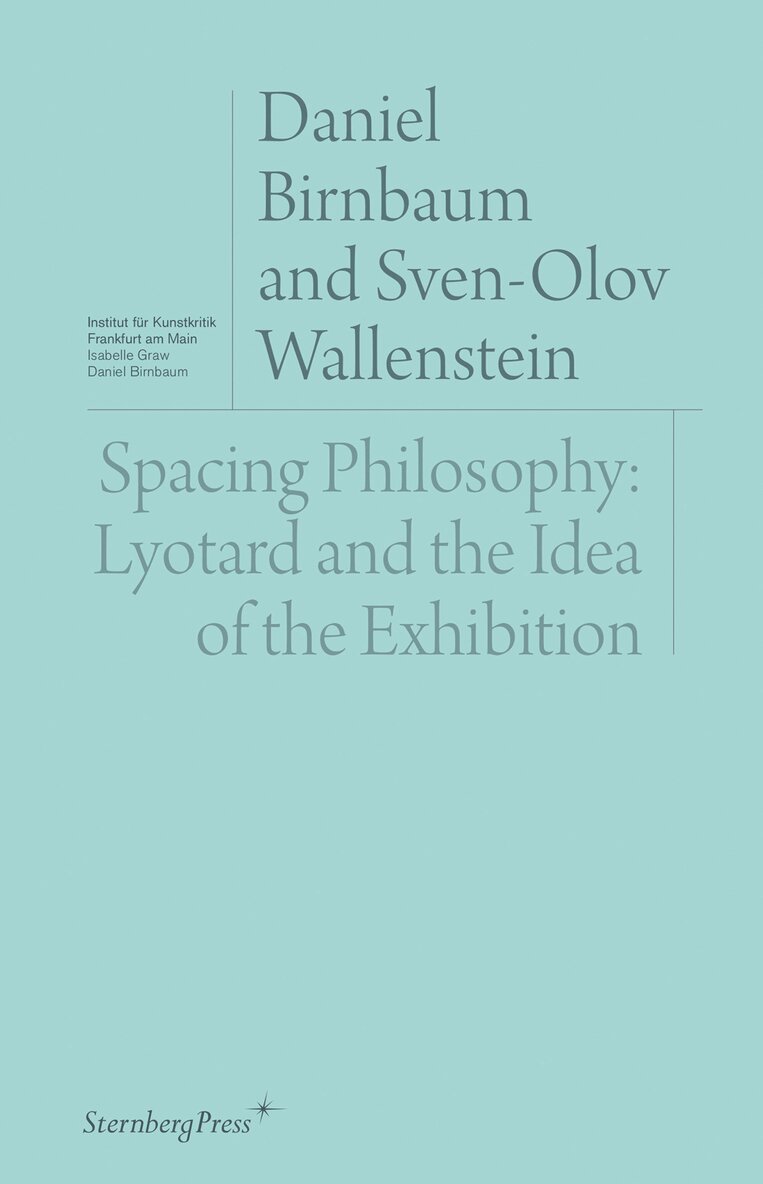
Spacing Philosophy
Lyotard and the Idea of the Exhibition
Av Daniel Birnbaum, Sven-Olov Wallenstein
Häftad, 2019
259 kr
Lägg i varukorg
The significance of Jean-François Lyotard's innovative 1985 exhibition Les Immatériaux and the “curatorial turn” in critical theory. In 1985, the philosopher Jean-François Lyotard curated Les Immatériaux at Centre Georges Pompidou. Though widely misunderstood at the time, the exhibition marked a …