Body, Commodity, Text – serie
Visar alla böcker i serien Body, Commodity, Text. Handla med fri frakt och snabb leverans.
19 produkter
19 produkter
Häftad, Engelska, 1996
288 kr
Skickas inom 5-8 vardagar
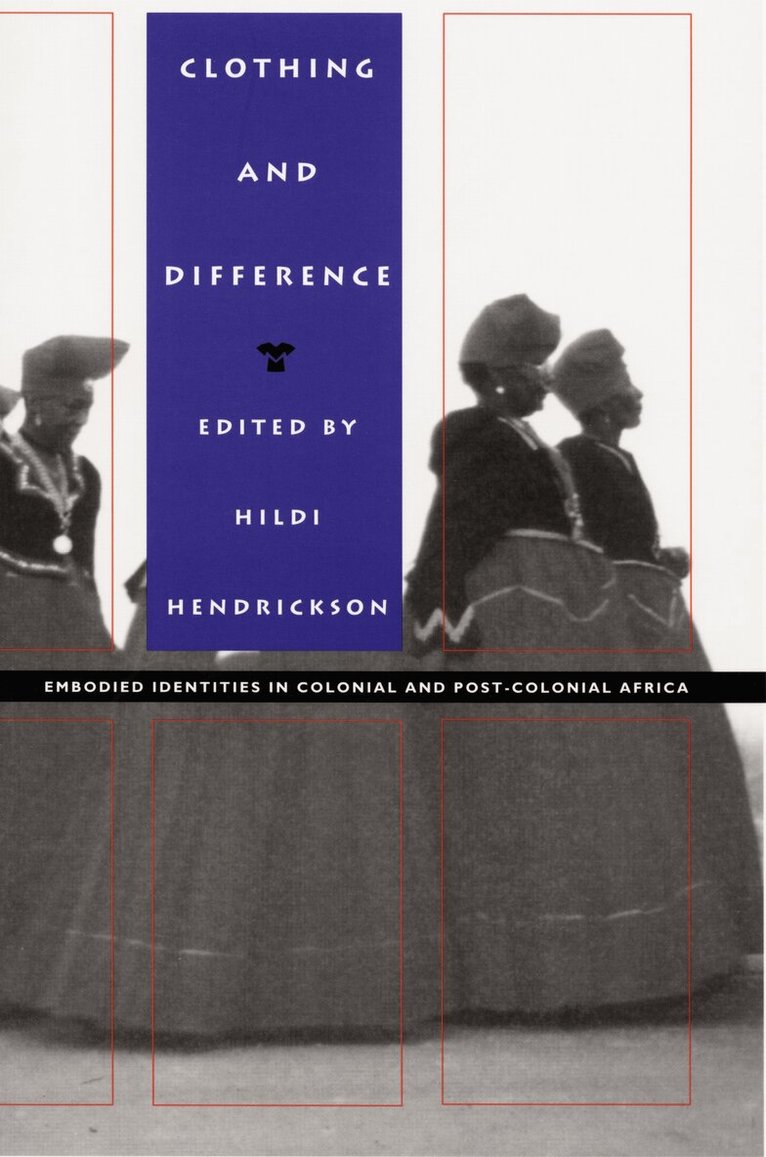
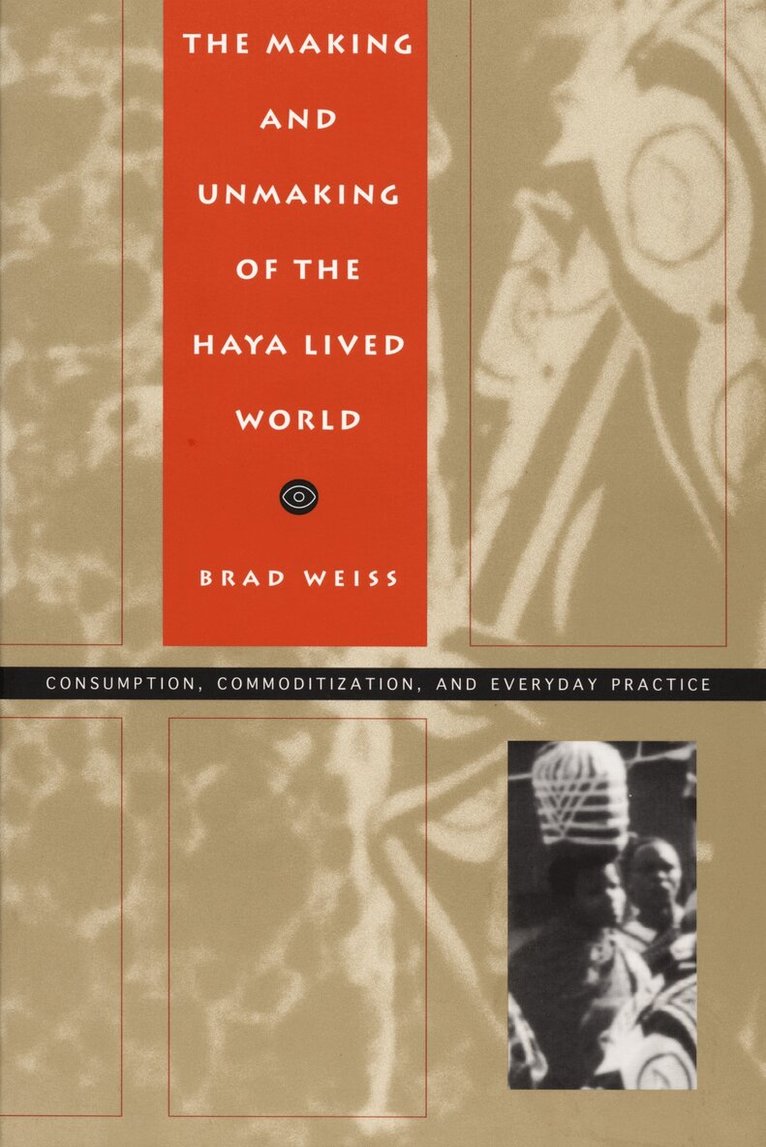
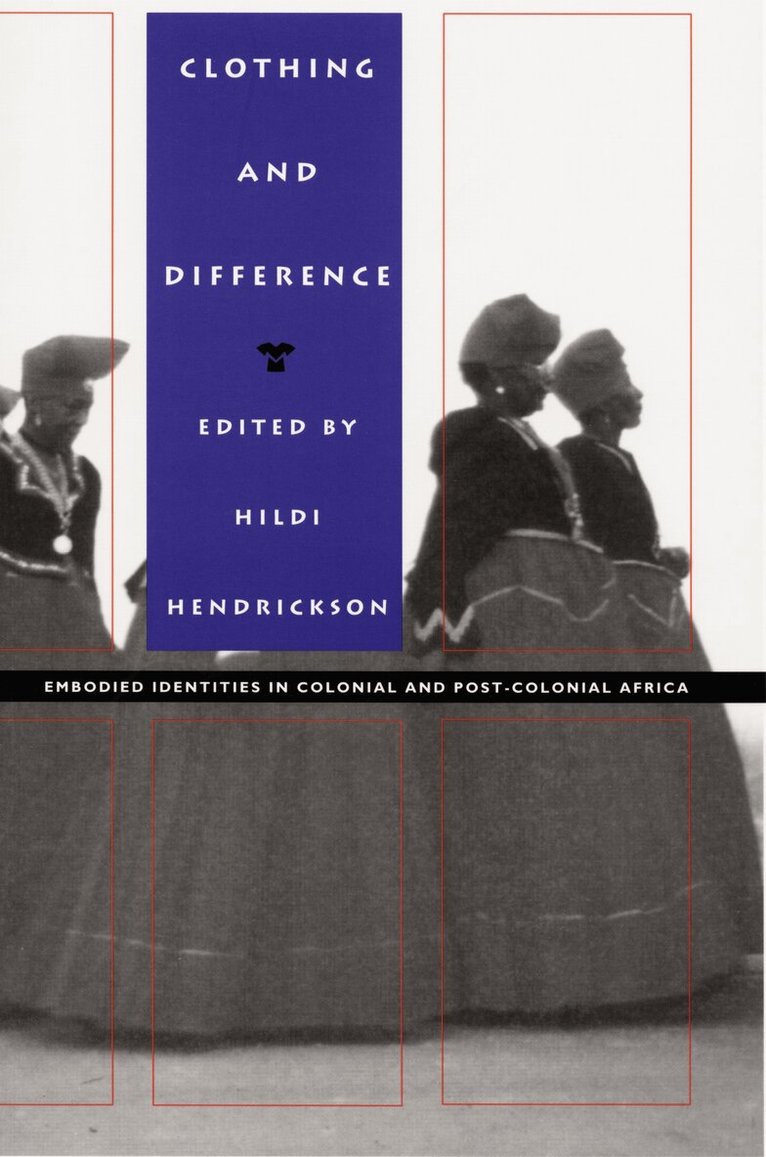
This volume examines the dynamic relationship between the body, clothing, and identity in sub-Saharan Africa and raises questions that have previously been directed almost exclusively to a Western and urban context. Unusual in its treatment of the body surface as a critical frontier in the production and authentification of identity, Clothing and Difference shows how the body and its adornment have been used to construct and contest social and individual identities in Nigeria, Zimbabwe, Tanzania, Kenya, and other African societies during both colonial and post-colonial times. Grounded in the insights of anthropology and history and influenced by developments in cultural studies, these essays investigate the relations between the personal and the public, and between ideas about the self and those about the family, gender, and national groups. They explore the bodily and material creation of the changing identities of women, spirits, youths, ancestors, and entrepreneurs through a consideration of topics such as fashion, spirit possession, commodity exchange, hygiene, and mourning. By taking African societies as its focus, Clothing and Difference demonstrates that factors considered integral to Western social development-heterogeneity, migration, urbanization, transnational exchange, and media representation-have existed elsewhere in different configurations and with different outcomes. With significance for a wide range of fields, including gender studies, cultural studies, art history, performance studies, political science, semiotics, economics, folklore, and fashion and textile analysis/design, this work provides alternative views of the structures underpinning Western systems of commodification, postmodernism, and cultural differentiation. Contributors. Misty Bastian, Timothy Burke, Hildi Hendrickson, Deborah James, Adeline Masquelier, Elisha Renne, Johanna Schoss, Brad Weiss
Häftad, Engelska, 1997
338 kr
Skickas inom 5-8 vardagar
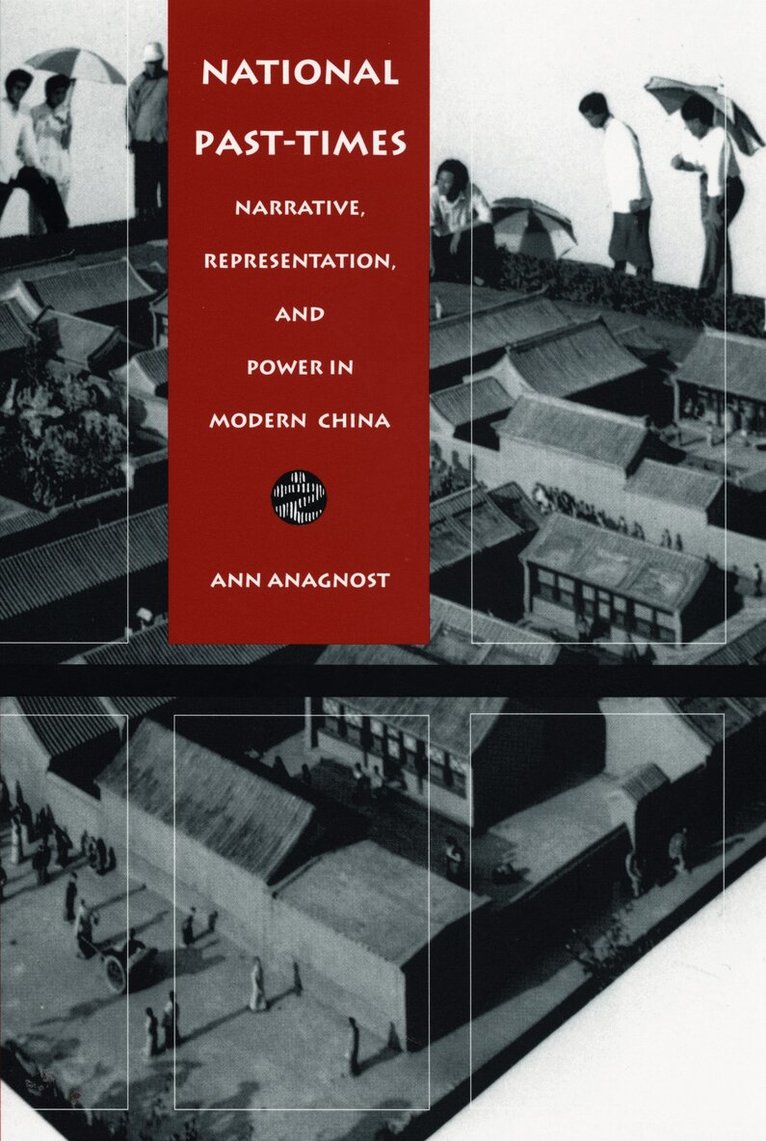
In National Past-Times, Ann Anagnost explores the fashioning and refashioning of modern Chinese subjectivity as it relates to the literal and figurative body of the nation. In essays revealing the particular temporality of the modern Chinese nation-state, Anagnost examines the disparate eras of its recent past and its propensity for continually looking backward in order to face the future. Using interviews and participant observation as well as close readings of official documents, propaganda materials, and popular media, Anagnost notes the discontinuities in the nation’s narrative-moments where this narrative has been radically reorganized at critical junctures in China’s modern history. Covering a broad range of issues relating to representation and power-issues that have presented themselves with particular clarity in the years since the violent crackdown on the student movement of 1989-National Past-Times critiques the ambiguous possibilities produced by the market, as well as new opportunities for "unfreedom" in the discipline of labor and the commodification of women. Anagnost begins with a retrospective reflection on the practice of "speaking bitterness" in socialist revolutionary practice. Subsequent essays discuss the culture debates of the 1980s, the discourse of social disorder, the issue of population control, the film The Story of Qiu Ju, and anomalies at the theme park "Splendid China."
Häftad, Engelska, 1998
380 kr
Skickas inom 5-8 vardagar
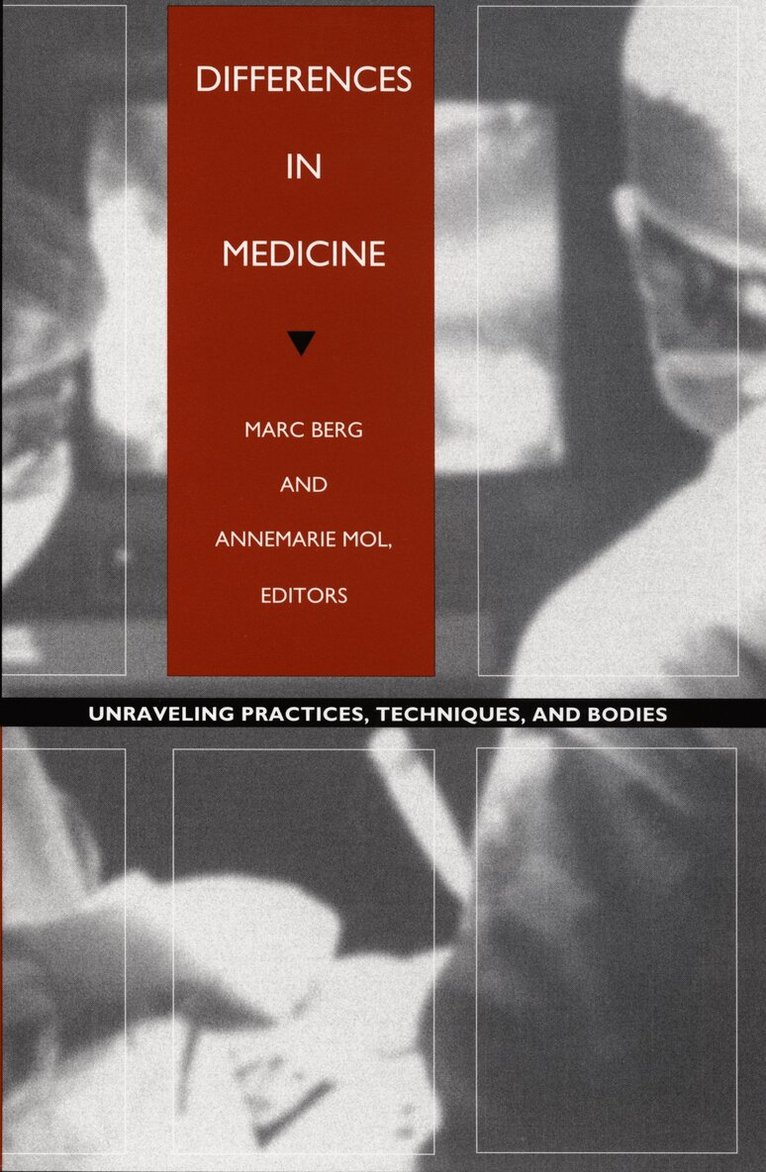
Western medicine-especially in contrast with non-Western traditions of medical practice-is widely thought of as a coherent and unified field in which beliefs, definitions, and judgments are shared. Marc Berg and Annemarie Mol debunk this myth with an interdisciplinary and intercultural collection of essays that reveals the significantly varied ways practitioners of “conventional” Western medicine handle bodies, study test results, configure statistics, and converse with patients .Combining theoretical work with interviews and direct observation of the activities and interactions of doctors, nurses, technicians, and patients, the contributors to this volume provide comparative studies of specific cases. Individual chapters explore topics such as the contested domain of fetal surgery in a California hospital, the construction of gender identity before transsexual surgery in Germany, and differences in the treatment and definition of pain by two clinics in France. Differences in Medicine advances earlier studies on medicine’s social diversity and regional variations to expose significant differences in the presumptions and decisions that affect patients’ lives, and marks a dramatic development in both the study of medicine and in science studies generally. Revealing the ways in which the bodies and lives of people are constructed as medical objects by practitioners, technologies, and textbooks, this collection calls for and initiates new, more textured investigations and theories of the body in medicine and the practice of science. It will open new discussions among medical and healthcare professionals as well as scholars in medical anthropology, science studies, sociology, philosophy, and the history of medicine.Contributors. Isabelle Baszanger, Marc Berg, Geoffrey C. Bowker, Monica J. Casper, Charis M. Cussins, Nicolas Dodier, Stefan Hirschauer, Annemarie Mol, Vicky Singleton, Susan Leigh Star, Stefan Timmermans, Dick Willems
Inbunden, Engelska, 1999
1 401 kr
Skickas inom 5-8 vardagar
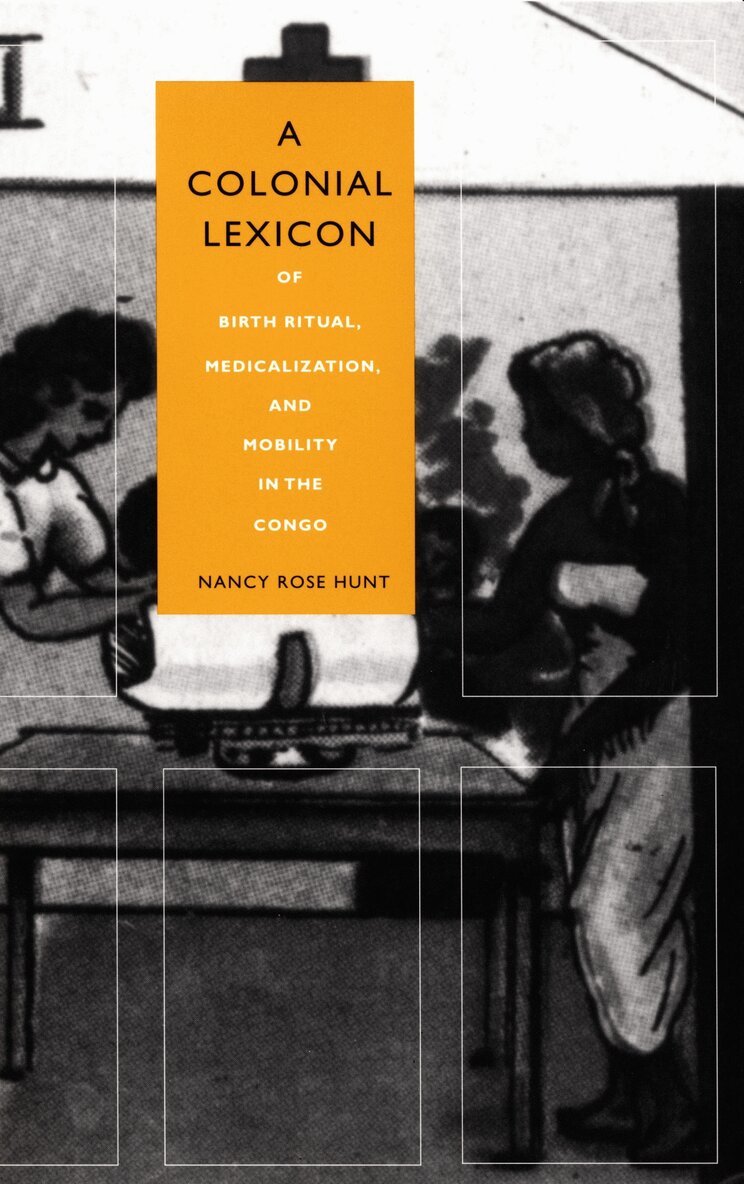
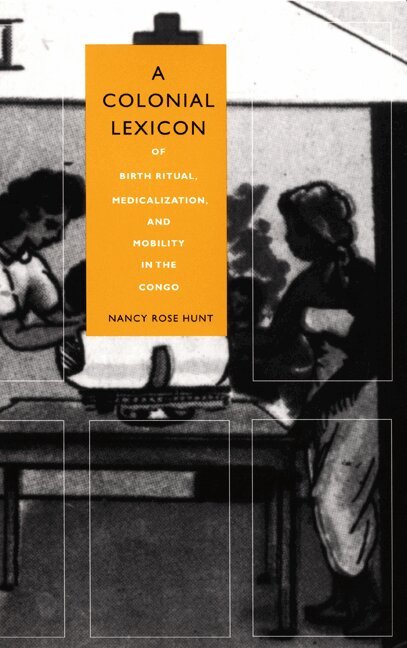
A Colonial Lexicon is the first historical investigation of how childbirth became medicalized in Africa. Rejecting the “colonial encounter” paradigm pervasive in current studies, Nancy Rose Hunt elegantly weaves together stories about autopsies and bicycles, obstetric surgery and male initiation, to reveal how concerns about strange new objects and procedures fashioned the hybrid social world of colonialism and its aftermath in Mobutu’s Zaire.Relying on archival research in England and Belgium, as well as fieldwork in the Congo, Hunt reconstructs an ethnographic history of a remote British Baptist mission struggling to survive under the successive regimes of King Leopold II’s Congo Free State, the hyper-hygienic, pronatalist Belgian Congo, and Mobutu’s Zaire. After exploring the roots of social reproduction in rituals of manhood, she shows how the arrival of the fast and modern ushered in novel productions of gender, seen equally in the forced labor of road construction and the medicalization of childbirth. Hunt focuses on a specifically interwar modernity, where the speed of airplanes and bicycles correlated with a new, mobile medicine aimed at curbing epidemics and enumerating colonial subjects. Fascinating stories about imperial masculinities, Christmas rituals, evangelical humor, colonial terror, and European cannibalism demonstrate that everyday life in the mission, on plantations, and under a strongly Catholic colonial state was never quite what it seemed. In a world where everyone was living in translation, privileged access to new objects and technologies allowed a class of “colonial middle figures”-particularly teachers, nurses, and midwives-to mediate the evolving hybridity of Congolese society. Successfully blurring conventional distinctions between precolonial, colonial, and postcolonial situations, Hunt moves on to discuss the unexpected presence of colonial fragments in the vibrant world of today’s postcolonial Africa.With its close attention to semiotics as well as sociology, A Colonial Lexiconwill interest specialists in anthropology, African history, obstetrics and gynecology, medical history, religion, and women’s and cultural studies.
Häftad, Engelska, 1999
423 kr
Skickas inom 5-8 vardagar
A Colonial Lexicon is the first historical investigation of how childbirth became medicalized in Africa. Rejecting the “colonial encounter” paradigm pervasive in current studies, Nancy Rose Hunt elegantly weaves together stories about autopsies and bicycles, obstetric surgery and male initiation, to reveal how concerns about strange new objects and procedures fashioned the hybrid social world of colonialism and its aftermath in Mobutu’s Zaire.Relying on archival research in England and Belgium, as well as fieldwork in the Congo, Hunt reconstructs an ethnographic history of a remote British Baptist mission struggling to survive under the successive regimes of King Leopold II’s Congo Free State, the hyper-hygienic, pronatalist Belgian Congo, and Mobutu’s Zaire. After exploring the roots of social reproduction in rituals of manhood, she shows how the arrival of the fast and modern ushered in novel productions of gender, seen equally in the forced labor of road construction and the medicalization of childbirth. Hunt focuses on a specifically interwar modernity, where the speed of airplanes and bicycles correlated with a new, mobile medicine aimed at curbing epidemics and enumerating colonial subjects. Fascinating stories about imperial masculinities, Christmas rituals, evangelical humor, colonial terror, and European cannibalism demonstrate that everyday life in the mission, on plantations, and under a strongly Catholic colonial state was never quite what it seemed. In a world where everyone was living in translation, privileged access to new objects and technologies allowed a class of “colonial middle figures”-particularly teachers, nurses, and midwives-to mediate the evolving hybridity of Congolese society. Successfully blurring conventional distinctions between precolonial, colonial, and postcolonial situations, Hunt moves on to discuss the unexpected presence of colonial fragments in the vibrant world of today’s postcolonial Africa.With its close attention to semiotics as well as sociology, A Colonial Lexiconwill interest specialists in anthropology, African history, obstetrics and gynecology, medical history, religion, and women’s and cultural studies.
Häftad, Engelska, 2000
423 kr
Skickas inom 5-8 vardagar
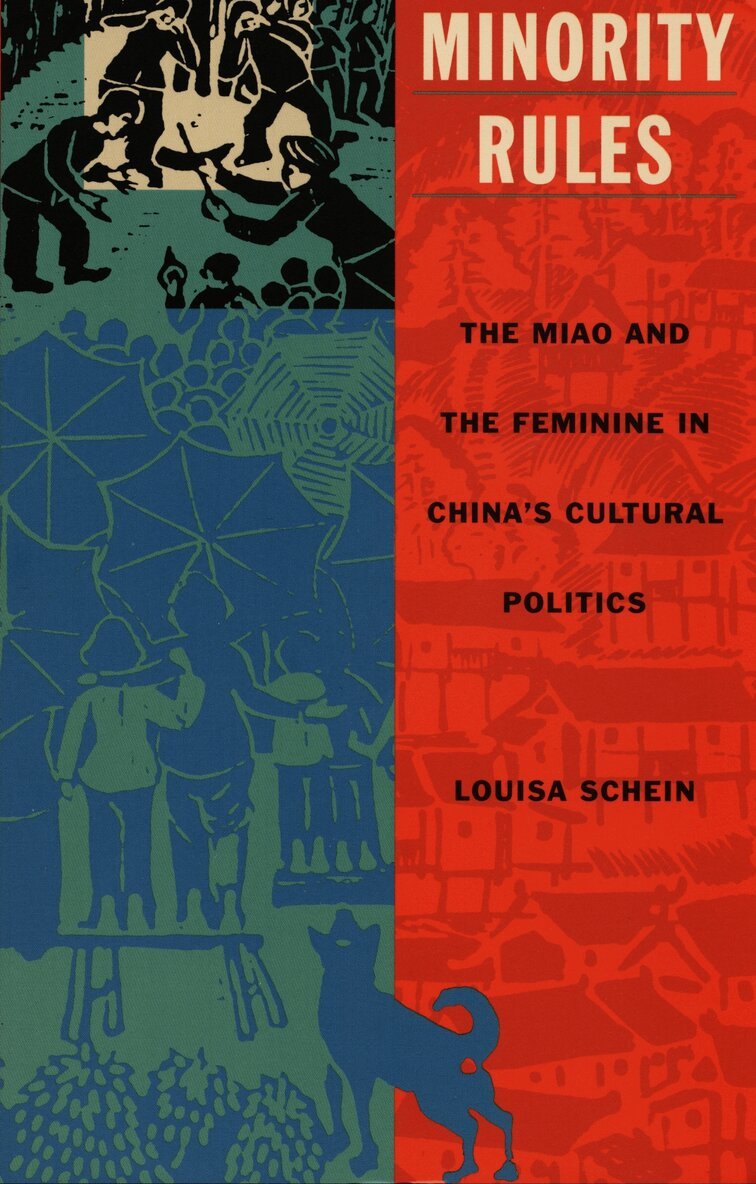
Minority Rules is an ethnography of a Chinese people known as the Miao, a group long consigned to the remote highlands and considered backward by other Chinese. Now the nation’s fifth largest minority, the Miao number nearly eight million people speaking various dialects and spread out over seven provinces. In a theoretically innovative work that combines methods from both anthropology and cultural studies, Louisa Schein examines the ways Miao ethnicity is constructed and reworked by the state, by non-state elites, and by the Miao themselves, all in the context of China’s postsocialist reforms and its increasing exchange and fascination with the West. She offers eloquently argued interventions into debates over nationalism, ethnic subjectivity, and the ethnography of the state.Posing questions about gender, cultural politics, and identity, Schein examines how non-Miao people help to create Miao ethnicity by depicting them as both feminized keepers of Chinese tradition and as exotic others against which dominant groups can assert their own modernity. In representing and consuming aspects of their own culture, Miao distance themselves from the idea that they are less than modern. Thus, Schein explains, everyday practices, village rituals, journalistic encounters, and tourism events are not just moments of cultural production but also performances of modernity through which others are made primitive. Schein finds that these moments frequently highlight internal differences among the Miao and demonstrates how not only minorities but more generally peasants and women offer a valuable key to understanding China as it renegotiates its place in the global order.Based on extensive, multisite fieldwork, this book will interest scholars of Asian studies, anthropology, gender studies, postcolonialism, ethnic studies, and cultural studies.
Häftad, Engelska, 2000
315 kr
Skickas inom 5-8 vardagar
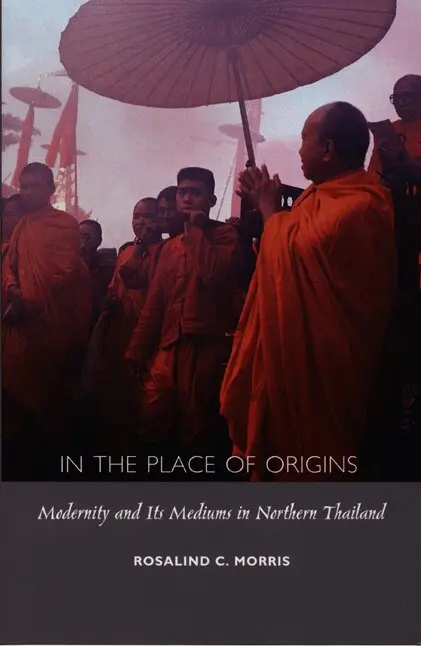
In the Place of Origins tells the tale of modernity in Northern Thailand, discerning its oblique signs in the performances of contemporary spirit mediums. In a world driven by the twin fantasies of pastness and newness, Rosalind C. Morris reveals that spirit mediumship is not simply a theater of atavistic tendency but an arena in which it is possible to read the relationships between new forms of representation and subjectivity, as well as new modes of magic and political power.Through her careful examination of the transformations of spirit mediumship wrought by the mass media, Morris takes readers into the world of the northern Thai past to discover the anticipations of future histories. In this process, she finds new objects for anthropological inquiry, including romantic love and epistolary poetry. She then turns her eye toward the relationships between commodification and prosaic form and photography and the discourses of gendered and national identity. Attending to these issues as they manifest themselves in the practices of mediums, Morris describes both the mundane activities of spirit mediums and the grand ambitions to political authority that are embodied in the increasingly spectacular forms of possession that are becoming so popular with both tourists and local culture brokers. In the Place of Origins traverses this ground with accounts of right-wing militarism and ritual revival during the 70s, and of the democracy movement of 1992, when a global mass media was galvanized by images of military repression and the spectacle of traditional ritual power in cursing. Finally, considering the claims that mediums make to magical power in the face of both AIDS and the Asian economic crisis, Morris reveals the potency of extrajudicial forms of power and violence in the late modern era.This provocative study will interest anthropologists, historians, Asianists, and those involved in gender, performance, media, and literary studies.
Häftad, Engelska, 2000
329 kr
Skickas inom 5-8 vardagar
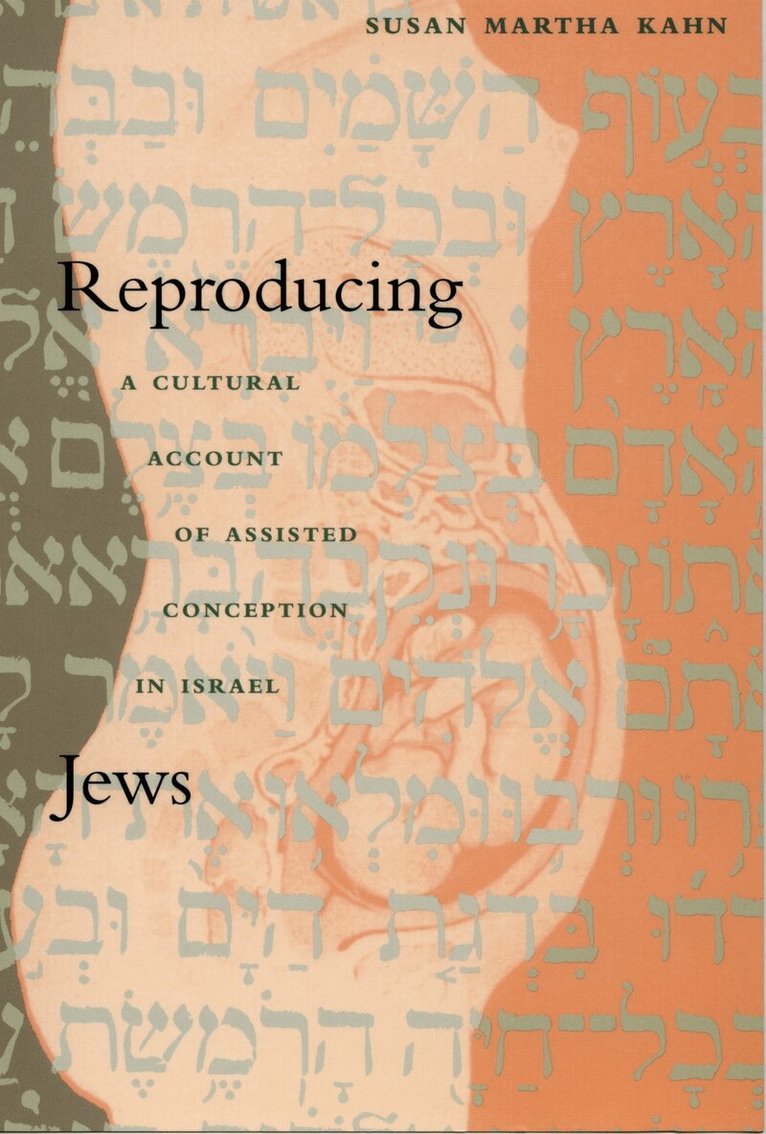
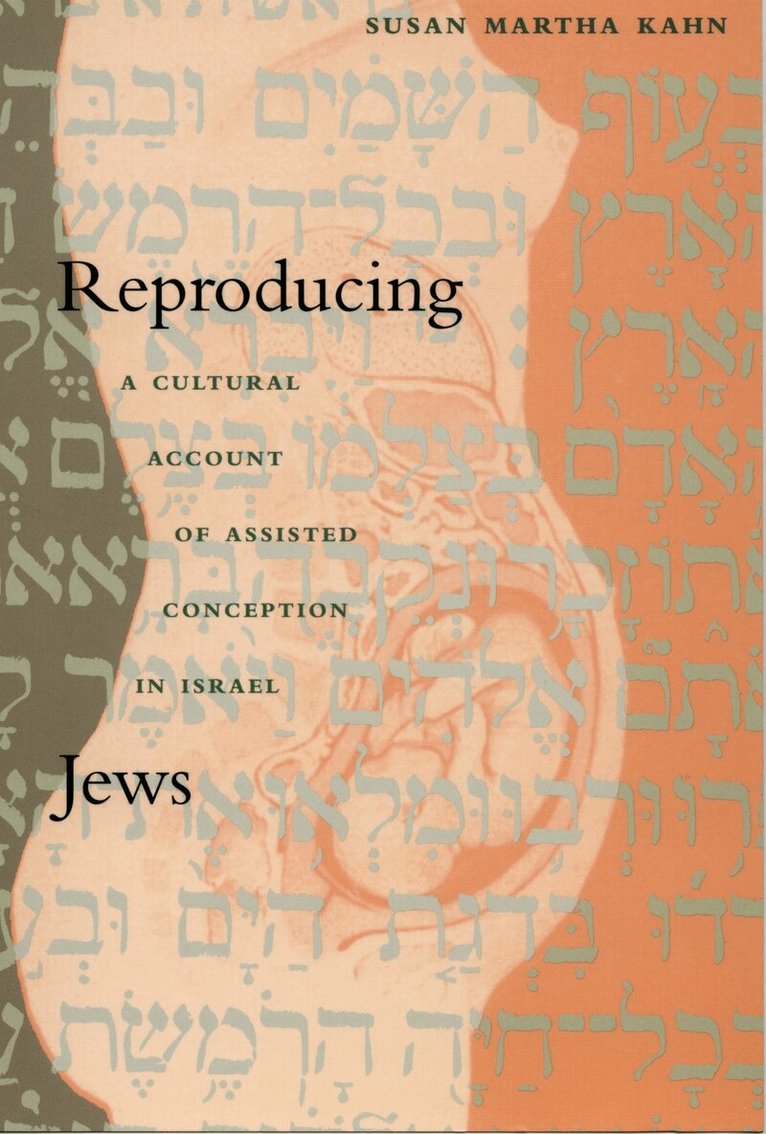
There are more fertility clinics per capita in Israel than in any other country in the world and Israel has the world's highest per capita rate of in-vitro fertilization procedures. Fertility treatments are fully subsidized by Israeli national health insurance and are available to all Israelis, regardless of religion or marital status. These phenomena are not the result of unusually high rates of infertility in Israel but reflect the centrality of reproduction in Judaism and Jewish culture.In this ethnographic study of the new reproductive technologies in Israel, Susan Martha Kahn explores the cultural meanings and contemporary rabbinic responses to artificial insemination, in-vitro fertilization, egg donation, and surrogacy. Kahn draws on fieldwork with unmarried Israeli women who are using state-subsidized artificial insemination to get pregnant and on participant-observation in Israeli fertility clinics. Through close readings of traditional Jewish texts and careful analysis of Israeli public discourse, she explains how the Israeli embrace of new reproductive technologies has made Jewish beliefs about kinship startlingly literal. Kahn also reveals how a wide range of contemporary Israelis are using new reproductive technologies to realize their reproductive futures, from ultraorthodox infertile married couples to secular unmarried women.As the first scholarly account of assisted conception in Israel, this multisited ethnography will contribute to current anthropological debates on kinship studies. It will also interest those involved with Jewish studies.
Inbunden, Engelska, 2000
1 395 kr
Skickas inom 5-8 vardagar
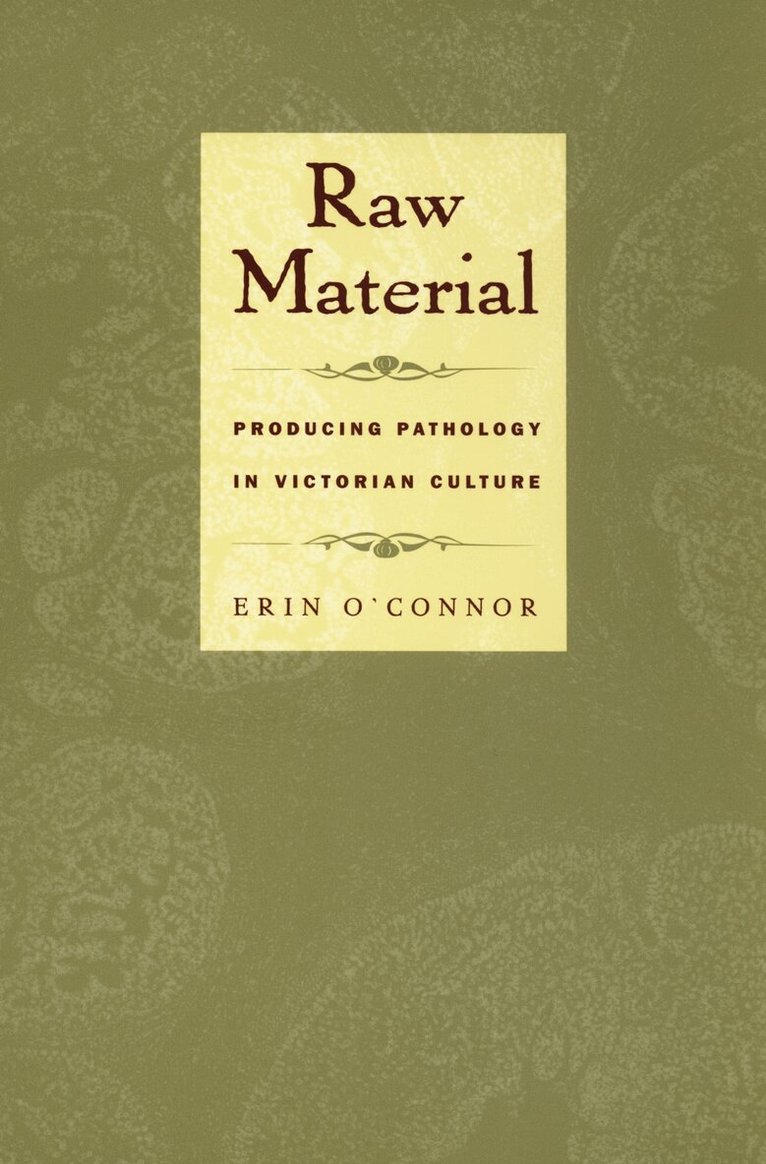
Raw Material analyzes how Victorians used the pathology of disease to express deep-seated anxieties about a rapidly industrializing England’s relationship to the material world. Drawing on medicine, literature, political economy, sociology, anthropology, and popular advertising, Erin O’Connor explores “the industrial logic of disease,” the dynamic that coupled pathology and production in Victorian thinking about cultural processes in general, and about disease in particular. O’Connor focuses on how four particularly troubling physical conditions were represented in a variety of literature. She begins by exploring how Asiatic cholera, which reached epidemic proportions on four separate occasions between 1832 and 1865, was thought to represent the dangers of cultural contamination and dissolution. The next two chapters concentrate on the problems breast cancer and amputation posed for understanding gender. After discussing how breast cancer was believed to be caused by the female body’s intolerance to urban life, O'Connor turns to men’s bodies, examining how new prosthetic technology allowed dismembered soldiers and industrial workers to reconstruct themselves as productive members of society. The final chapter explores how freak shows displayed gross deformity as the stuff of a new and improved individuality. Complicating an understanding of the Victorian body as both a stable and stabilizing structure, she elaborates how Victorians used disease as a messy, often strategically unintelligible way of articulating the uncertainties of chaotic change. Over the course of the century, O’Connor shows, the disfiguring process of disease became a way of symbolically transfiguring the self. While cholera, cancer, limb loss, and deformity incapacitated and even killed people, their dramatic symptoms provided opportunities for imaginatively adapting to a world where it was increasingly difficult to determine not only what it meant to be human but also what it meant to be alive.Raw Material will interest an audience of students and scholars of Victorian literature, cultural history, and the history of medicine.
Häftad, Engelska, 2000
424 kr
Skickas inom 5-8 vardagar
Raw Material analyzes how Victorians used the pathology of disease to express deep-seated anxieties about a rapidly industrializing England’s relationship to the material world. Drawing on medicine, literature, political economy, sociology, anthropology, and popular advertising, Erin O’Connor explores “the industrial logic of disease,” the dynamic that coupled pathology and production in Victorian thinking about cultural processes in general, and about disease in particular. O’Connor focuses on how four particularly troubling physical conditions were represented in a variety of literature. She begins by exploring how Asiatic cholera, which reached epidemic proportions on four separate occasions between 1832 and 1865, was thought to represent the dangers of cultural contamination and dissolution. The next two chapters concentrate on the problems breast cancer and amputation posed for understanding gender. After discussing how breast cancer was believed to be caused by the female body’s intolerance to urban life, O'Connor turns to men’s bodies, examining how new prosthetic technology allowed dismembered soldiers and industrial workers to reconstruct themselves as productive members of society. The final chapter explores how freak shows displayed gross deformity as the stuff of a new and improved individuality. Complicating an understanding of the Victorian body as both a stable and stabilizing structure, she elaborates how Victorians used disease as a messy, often strategically unintelligible way of articulating the uncertainties of chaotic change. Over the course of the century, O’Connor shows, the disfiguring process of disease became a way of symbolically transfiguring the self. While cholera, cancer, limb loss, and deformity incapacitated and even killed people, their dramatic symptoms provided opportunities for imaginatively adapting to a world where it was increasingly difficult to determine not only what it meant to be human but also what it meant to be alive.Raw Material will interest an audience of students and scholars of Victorian literature, cultural history, and the history of medicine.
Inbunden, Engelska, 2002
1 267 kr
Skickas inom 5-8 vardagar
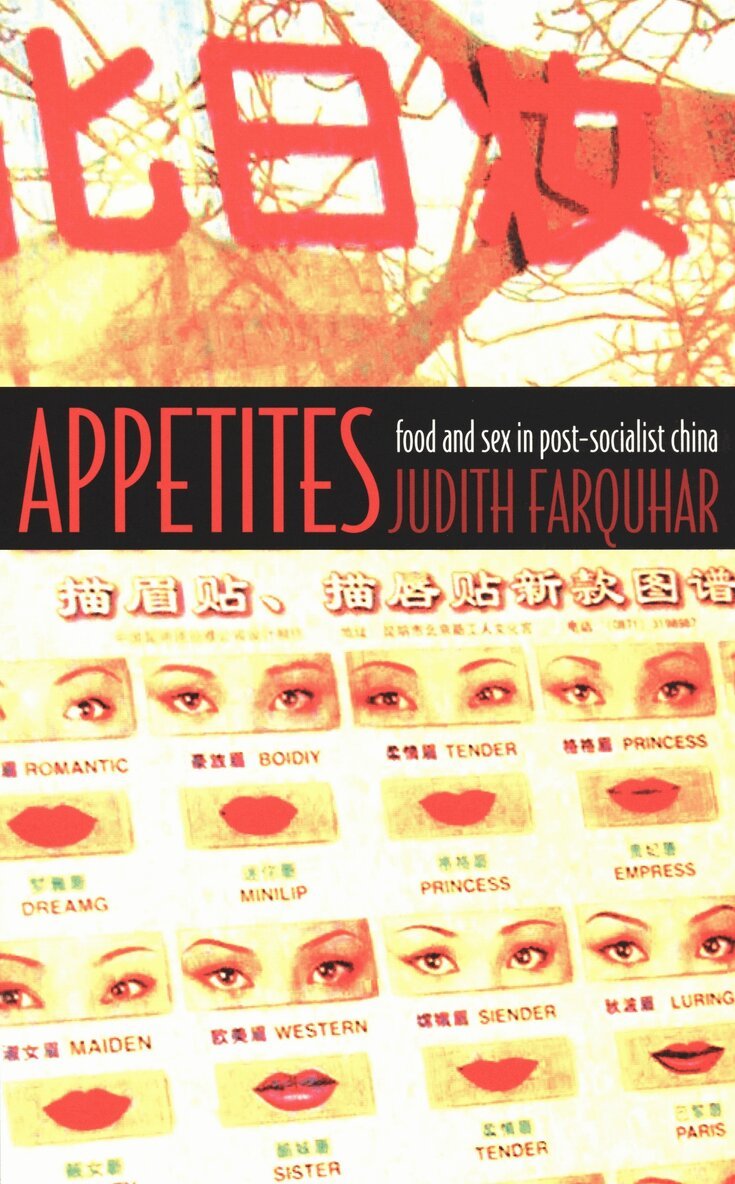
Judith Farquhar’s innovative study of medicine and popular culture in modern China reveals the thoroughly political and historical character of pleasure. Ranging over a variety of cultural terrains--fiction, medical texts, film and television, journalism, and observations of clinics and urban daily life in Beijing-Appetites challenges the assumption that the mundane enjoyments of bodily life are natural and unvarying. Farquhar analyzes modern Chinese reflections on embodied existence to show how contemporary appetites are grounded in history. From eating well in improving economic times to memories of the late 1950s famine, from the flavors of traditional Chinese medicine to modernity’s private sexual passions, this book argues that embodiment in all its forms must be invented and sustained in public reflections about personal and national life. As much at home in science studies and social theory as in the details of life in Beijing, this account uses anthropology, cultural studies, and literary criticism to read contemporary Chinese life in a materialist and reflexive mode. For both Maoist and market reform periods, this is a story of high culture in appetites, desire in collective life, and politics in the body and its dispositions.
Häftad, Engelska, 2002
315 kr
Skickas inom 5-8 vardagar
Judith Farquhar’s innovative study of medicine and popular culture in modern China reveals the thoroughly political and historical character of pleasure. Ranging over a variety of cultural terrains--fiction, medical texts, film and television, journalism, and observations of clinics and urban daily life in Beijing-Appetites challenges the assumption that the mundane enjoyments of bodily life are natural and unvarying. Farquhar analyzes modern Chinese reflections on embodied existence to show how contemporary appetites are grounded in history. From eating well in improving economic times to memories of the late 1950s famine, from the flavors of traditional Chinese medicine to modernity’s private sexual passions, this book argues that embodiment in all its forms must be invented and sustained in public reflections about personal and national life. As much at home in science studies and social theory as in the details of life in Beijing, this account uses anthropology, cultural studies, and literary criticism to read contemporary Chinese life in a materialist and reflexive mode. For both Maoist and market reform periods, this is a story of high culture in appetites, desire in collective life, and politics in the body and its dispositions.
Häftad, Engelska, 2002
380 kr
Skickas inom 5-8 vardagar
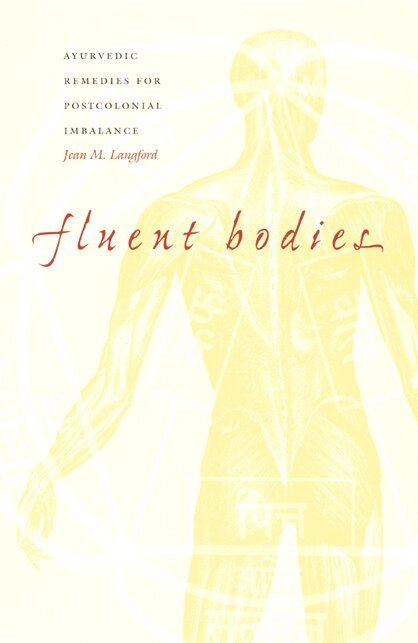
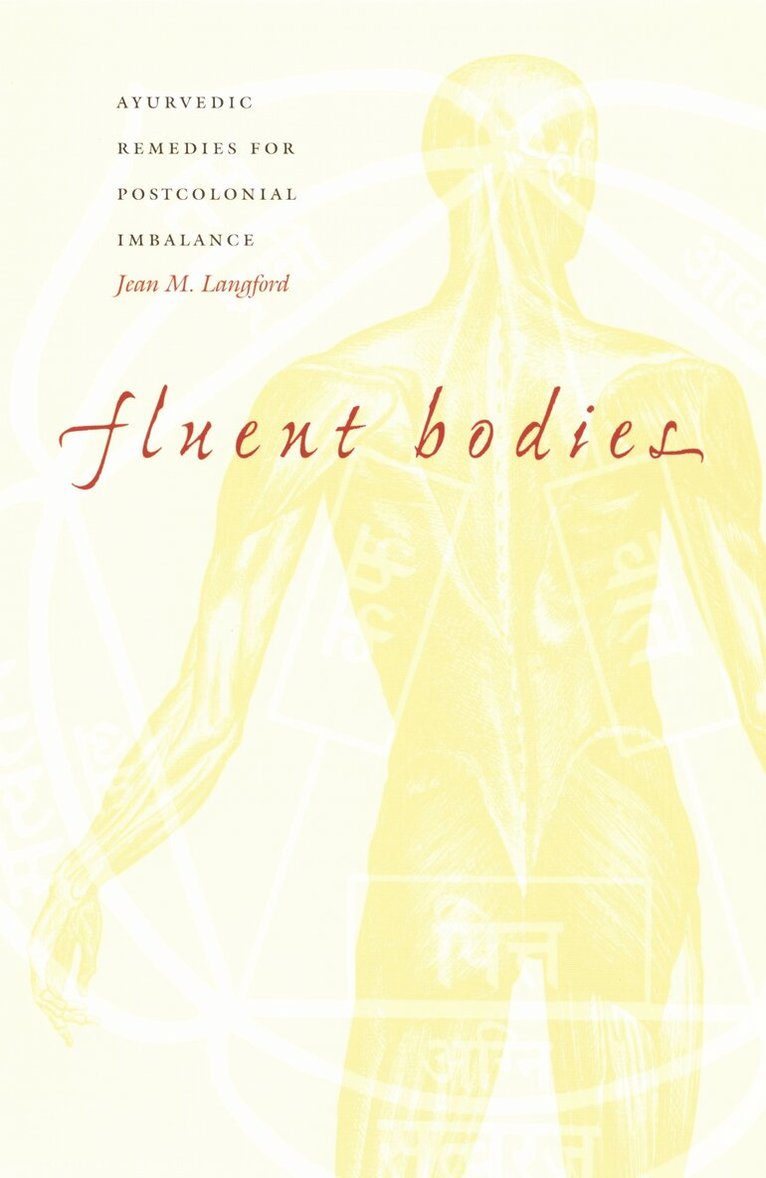
Fluent Bodies examines the modernization of the indigenous healing practice, Ayurveda, in India. Combining contemporary ethnography with a study of key historical moments as glimpsed through early-twentieth-century texts, Jean M. Langford argues that as Ayurveda evolved from an eclectic set of healing practices into a sign of Indian national culture, it was reimagined as a healing force not simply for bodily disorders but for colonial and postcolonial ills.Interweaving theory with narrative, Langford explores the strategies of contemporary practitioners who reconfigure Ayurvedic knowledge through institutions and technologies such as hospitals, anatomy labs, clinical trials, and sonograms. She shows how practitioners appropriate, transform, or circumvent the knowledge practices implicit in these institutions and technologies, destabilizing such categories as medicine, culture, science, symptom, and self, even as they deploy them in clinical practice. Ultimately, this study points to the future of Ayurveda in a transnational era as a remedy not only for the wounds of colonialism but also for an imagined cultural emptiness at the heart of global modernity.
Häftad, Engelska, 2003
352 kr
Skickas inom 11-20 vardagar
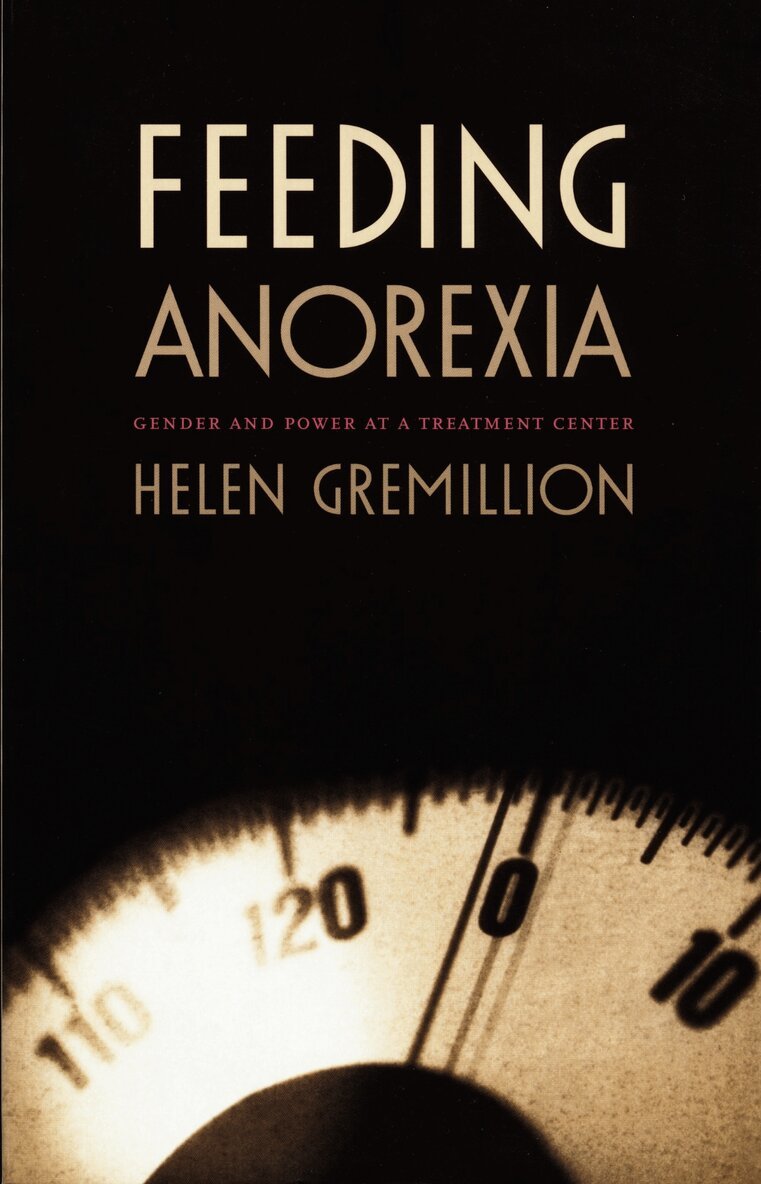
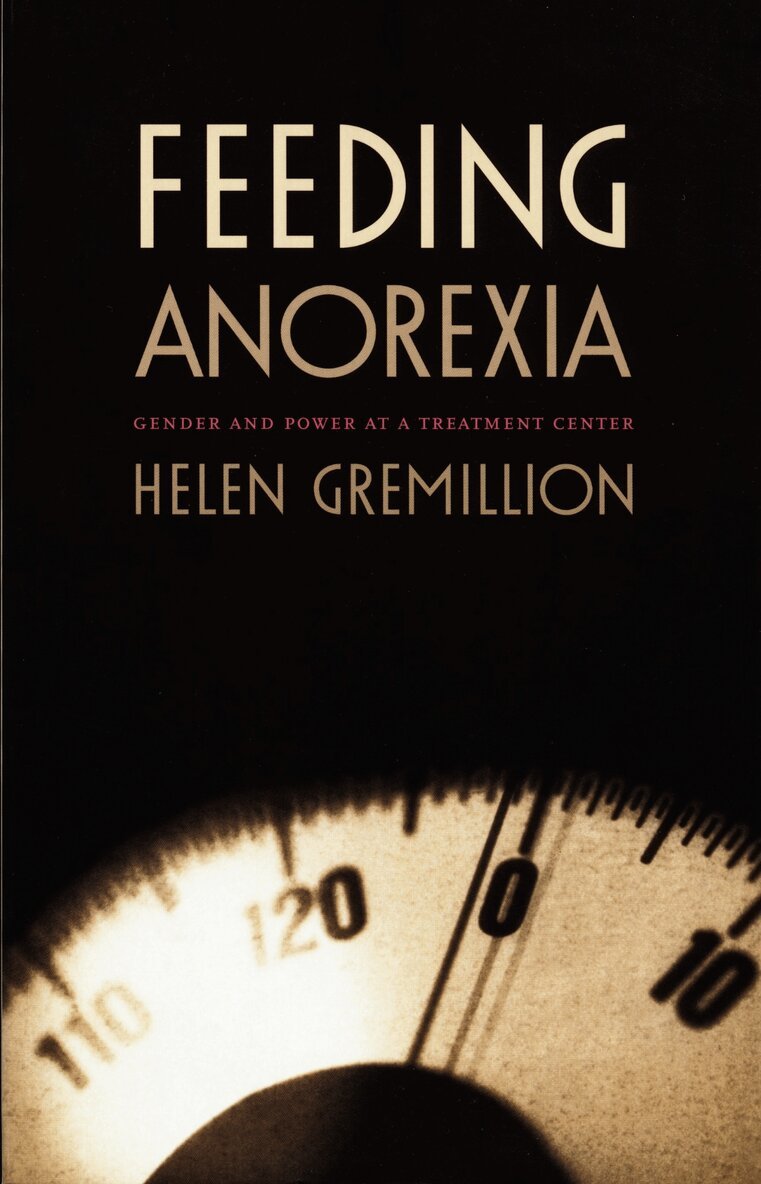
Feeding Anorexia challenges prevailing assumptions regarding the notorious difficulty of curing anorexia nervosa. Through a vivid chronicle of treatments at a state-of-the-art hospital program, Helen Gremillion reveals how the therapies participate unwittingly in culturally dominant ideals of gender, individualism, physical fitness, and family life that have contributed to the dramatic increase in the incidence of anorexia in the United States since the 1970s. She describes how strategies including the meticulous measurement of patients' progress in terms of body weight and calories consumed ultimately feed the problem, not only reinforcing ideas about the regulation of women's bodies, but also fostering in many girls and women greater expertise in the formidable constellation of skills anorexia requires. At the same time, Gremillion shows how contradictions and struggles in treatment can help open up spaces for change.Feeding Anorexia is based on fourteen months of ethnographic research in a small inpatient unit located in a major teaching and research hospital in the western United States. Gremillion attended group, family, and individual therapy sessions and medical staff meetings; ate meals with patients; and took part in outings and recreational activities. She also conducted over one hundred interviews-with patients, parents, staff, and clinicians. Among the issues she explores are the relationship between calorie-counting and the management of consumer desire; why the "typical" anorexic patient is middle-class and white; the extent to which power differentials among clinicians, staff, and patients model "anorexic families"; and the potential of narrative therapy to constructively reframe some of the problematic assumptions underlying more mainstream treatments.
Häftad, Engelska, 2007
392 kr
Skickas
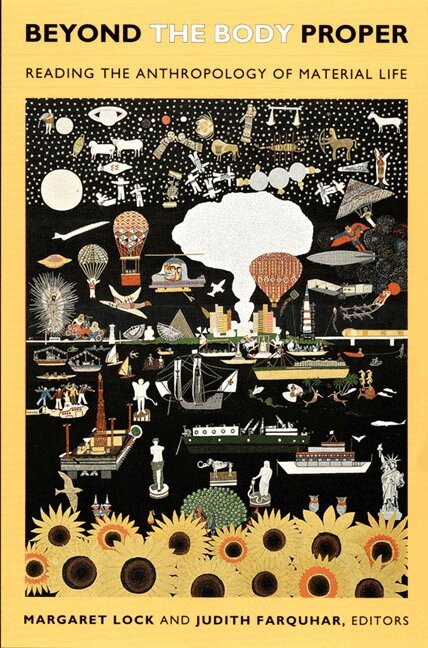
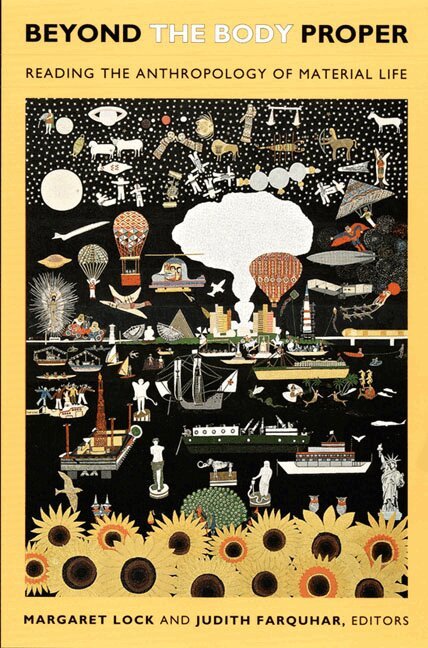
Over the past several decades, scholars in both the social sciences and humanities have moved beyond the idea that there is a “body proper”: a singular, discrete biological organism with an individual psyche. They have begun to perceive embodiment as dynamic rather than static, as experiences that vary over time and across the world as they are shaped by discourses, institutions, practices, technologies, and ideologies. What has emerged is a multiplicity of bodies, inviting a great many disciplinary points of view and modes of interpretation. The forty-seven readings presented in this volume range from classic works of social theory, history, and ethnography to more recent investigations into historical and contemporary modes of embodiment.Beyond the Body Proper includes nine sections conceptually organized around themes such as everyday life, sex and gender, and science. Each section is preceded by interpretive commentary by the volume’s editors. Within the collection are articles and book excerpts focused on bodies using tools and participating in rituals, on bodies walking and eating, and on the female circumcision controversy, as well as pieces on medical classifications, spirit possession, the commodification of body parts, in vitro fertilization, and an artist/anatomist’s “plastination” of cadavers for display. Materialist, phenomenological, and feminist perspectives on embodiment appear along with writings on interpretations of pain and the changing meanings of sexual intercourse. Essays on these topics and many others challenge Eurocentric assumptions about the body as they speak to each other and to the most influential contemporary trends in the human sciences.With selections by: Henry Abelove, Walter Benjamin, Janice Boddy, John Boswell, Judith Butler, Caroline Walker Bynum, Stuart Cosgrove, Michel de Certeau, Gilles Deleuze, Alice Domurat Dreger, Barbara Duden, Friedrich Engels, E. E. Evans-Pritchard, Judith Farquhar, Marcel Granet, Felix Guattari, Ian Hacking, Robert Hertz, Patricia Leyland Kaufert, Arthur Kleinman, Shigehisa Kuriyama, Jean Langford, Bruno Latour, Margaret Lock, Emily Martin, Karl Marx, Marcel Mauss, Maurice Merleau-Ponty, Nancy K. Miller, Lisa Jean Moore, John D. O’Neil, Aihwa Ong, Mariella Pandolfi, Susan Pedersen, Gregory M. Pflugfelder, Rayna Rapp, Nancy Scheper-Hughes, Kristofer Schipper, Matthew Schmidt, Peter Stallybrass, Michael Taussig, Charis Thompson, E.P. Thompson, Anna Lowenhaupt Tsing, Victor Turner, Terence Turner, Jose van Dijck, Keith Wailoo, Brad Weiss, Allon White
Häftad, Engelska, 2008
338 kr
Skickas inom 5-8 vardagar
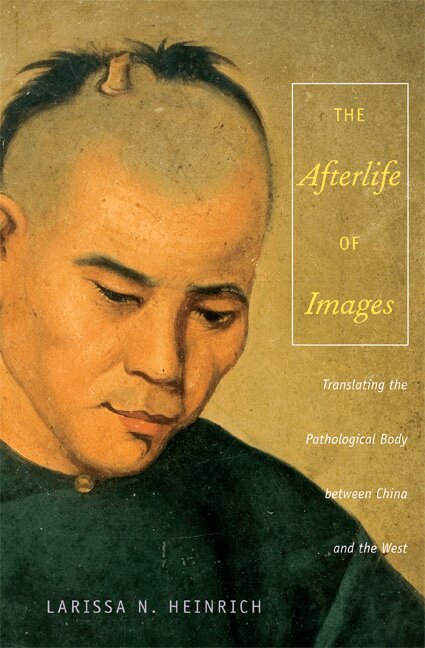
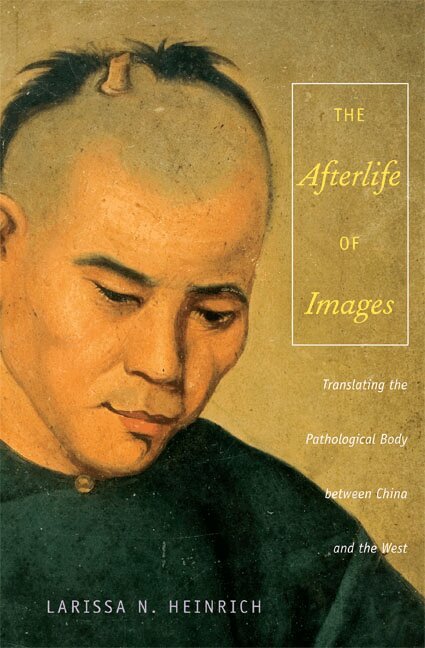
In 1739 China’s emperor authorized the publication of a medical text that included images of children with smallpox to aid in the diagnosis and treatment of the disease. Those images made their way to Europe, where they were interpreted as indicative of the ill health and medical backwardness of the Chinese. In the mid-nineteenth century, the celebrated Cantonese painter Lam Qua collaborated with the American medical missionary Peter Parker in the creation of portraits of Chinese patients with disfiguring pathologies, rendered both before and after surgery. Europeans saw those portraits as evidence of Western medical prowess. Within China, the visual idiom that the paintings established influenced the development of medical photography. In The Afterlife of Images, Ari Larissa Heinrich investigates the creation and circulation of Western medical discourses that linked ideas about disease to Chinese identity beginning in the eighteenth century.Combining literary studies, the history of science, and visual culture studies, Heinrich analyzes the rhetoric and iconography through which medical missionaries transmitted to the West an image of China as “sick” or “diseased.” He also examines the absorption of that image back into China through missionary activity, through the earliest translations of Western medical texts into Chinese, and even through the literature of Chinese nationalism. Heinrich argues that over time “scientific” Western representations of the Chinese body and culture accumulated a host of secondary meanings, taking on an afterlife with lasting consequences for conceptions of Chinese identity in China and beyond its borders.
Häftad, Engelska, 2008
609 kr
Skickas inom 3-6 vardagar
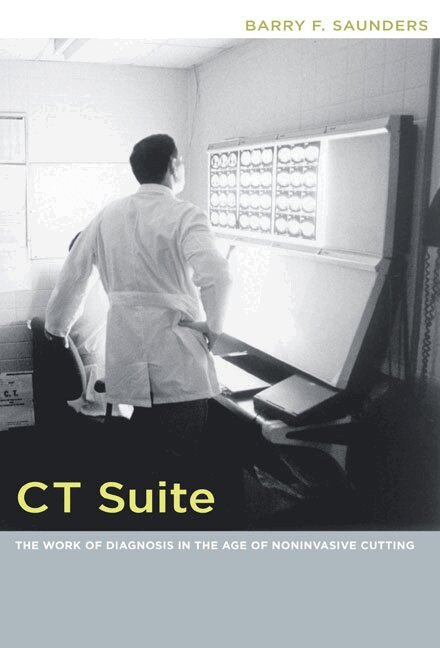
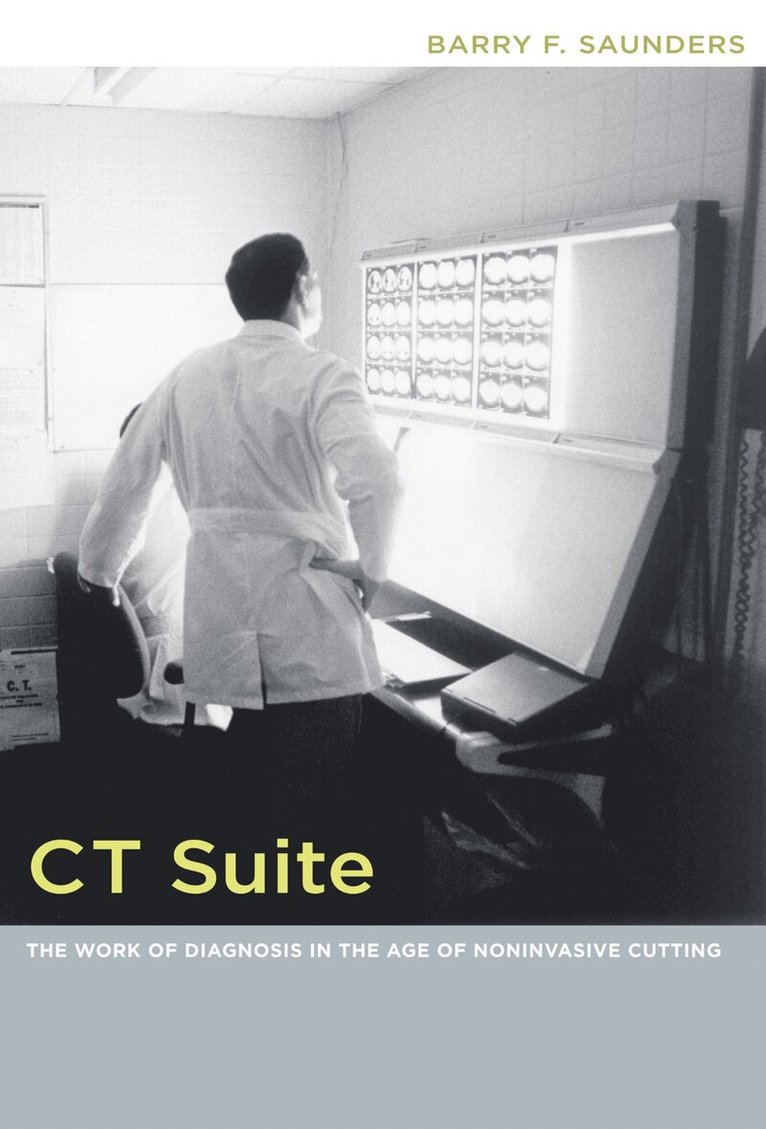
In CT Suite the doctor and anthropologist Barry F. Saunders provides an ethnographic account of how a particular diagnostic technology, the computed tomographic (CT) scanner, shapes social relations and intellectual activities in and beyond the CT suite, the unit within the diagnostic radiology department of a large teaching hospital where CT images are made and interpreted. Focusing on how expertise is performed and how CT images are made into diagnostic evidence, he concentrates not on the function of CT images for patients but on the function of the images for medical professionals going about their routines. Yet Saunders offers more than insider ethnography. He links diagnostic work to practices and conventions from outside medicine and from earlier historical moments. In dialogue with science and technology studies, he makes a significant contribution to scholarship on the visual cultures of medicine.Saunders’s analyses are informed by strands of cultural history and theory including art historical critiques of realist representation, Walter Benjamin’s concerns about violence in “mechanical reproduction,” and tropes of detective fiction such as intrigue, the case, and the culprit. Saunders analyzes the diagnostic “gaze” of medical personnel reading images at the viewbox, the two-dimensional images or slices of the human body rendered by the scanner, methods of archiving images, and the use of scans as pedagogical tools in clinical conferences. Bringing cloistered diagnostic practices into public view, he reveals the customs and the social and professional hierarchies that are formulated and negotiated around the weighty presence of the CT scanner. At the same time, by returning throughout to the nineteenth-century ideas of detection and scientific authority that inform contemporary medical diagnosis, Saunders highlights the specters of the past in what appears to be a preeminently modern machine.
Inbunden, Engelska, 2010
1 249 kr
Skickas inom 5-8 vardagar
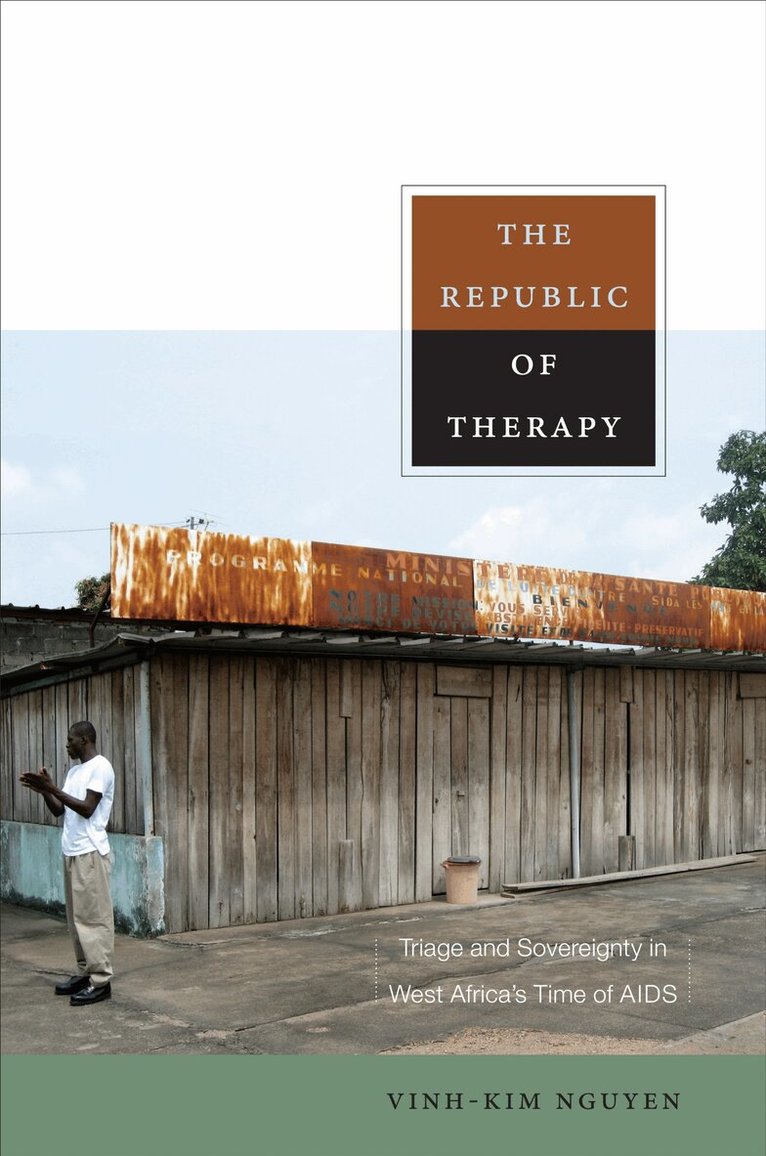
The Republic of Therapy tells the story of the global response to the HIV epidemic from the perspective of community organizers, activists, and people living with HIV in West Africa. Drawing on his experiences as a physician and anthropologist in Burkina Faso and CÔte d’Ivoire, Vinh-Kim Nguyen focuses on the period between 1994, when effective antiretroviral treatments for HIV were discovered, and 2000, when the global health community acknowledged a right to treatment, making the drugs more available. During the intervening years, when antiretrovirals were scarce in Africa, triage decisions were made determining who would receive lifesaving treatment. Nguyen explains how those decisions altered social relations in West Africa. In 1994, anxious to “break the silence” and “put a face to the epidemic,” international agencies unwittingly created a market in which stories about being HIV positive could be bartered for access to limited medical resources. Being able to talk about oneself became a matter of life or death. Tracing the cultural and political logic of triage back to colonial classification systems, Nguyen shows how it persists in contemporary attempts to design, fund, and implement mass treatment programs in the developing world. He argues that as an enactment of decisions about who may live, triage constitutes a partial, mobile form of sovereignty: what might be called therapeutic sovereignty.
Häftad, Engelska, 2010
380 kr
Skickas inom 5-8 vardagar
The Republic of Therapy tells the story of the global response to the HIV epidemic from the perspective of community organizers, activists, and people living with HIV in West Africa. Drawing on his experiences as a physician and anthropologist in Burkina Faso and CÔte d’Ivoire, Vinh-Kim Nguyen focuses on the period between 1994, when effective antiretroviral treatments for HIV were discovered, and 2000, when the global health community acknowledged a right to treatment, making the drugs more available. During the intervening years, when antiretrovirals were scarce in Africa, triage decisions were made determining who would receive lifesaving treatment. Nguyen explains how those decisions altered social relations in West Africa. In 1994, anxious to “break the silence” and “put a face to the epidemic,” international agencies unwittingly created a market in which stories about being HIV positive could be bartered for access to limited medical resources. Being able to talk about oneself became a matter of life or death. Tracing the cultural and political logic of triage back to colonial classification systems, Nguyen shows how it persists in contemporary attempts to design, fund, and implement mass treatment programs in the developing world. He argues that as an enactment of decisions about who may live, triage constitutes a partial, mobile form of sovereignty: what might be called therapeutic sovereignty.