The Archaeological Heritage of Oman - Böcker
Visar alla böcker i serien The Archaeological Heritage of Oman. Handla med fri frakt och snabb leverans.
11 produkter
11 produkter
Del 1 - The Archaeological Heritage of Oman
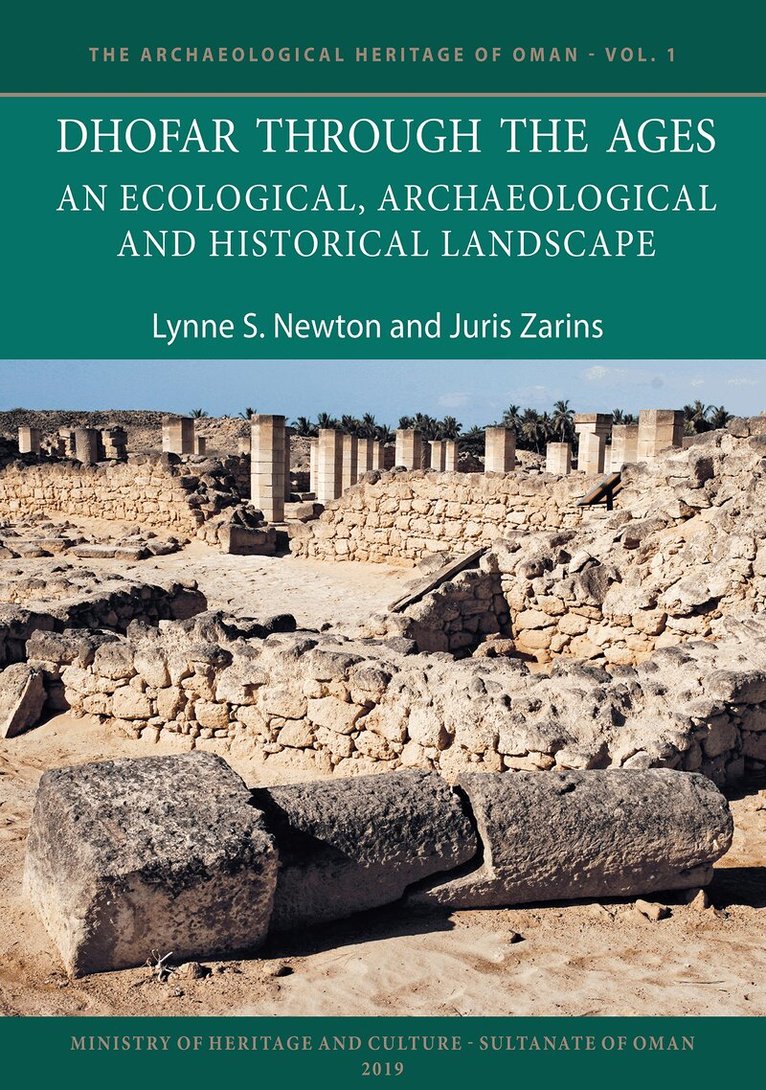
Dhofar Through the Ages
An Ecological, Archaeological and Historical Landscape
Häftad, Engelska, 2019
531 kr
Skickas
Dhofar, the southern governorate of Oman, lies within a distinctive ecological zone due to the summer Southwest Monsoon. It is home to numerous indigenous succulent plants, the most famous of which is frankincense (Boswellia sacra). The region, tied in the past to both Oman and Yemen, has a long and distinguished archaeological past stretching back to the Lower Paleolithic ca. 1.5 my BP. Dhofar is also home to a distinctive people, the Modern South Arabian Languages speakers (MSAL) since at least the last 15,000 years. Ancient Zafar (Al-Habudi), now called Al-Baleed, and its successor Salalah was and is the province’s largest city. From the seventh century onwards until the arrival of the Portuguese in 1504 AD Al-Baleed dominated the central southern Arabian coastline politically and economically. Archaeological surveys and excavations in the governorate, beginning in 1954, have brought to light Dhofar’s ancient past.
Del 2 - The Archaeological Heritage of Oman
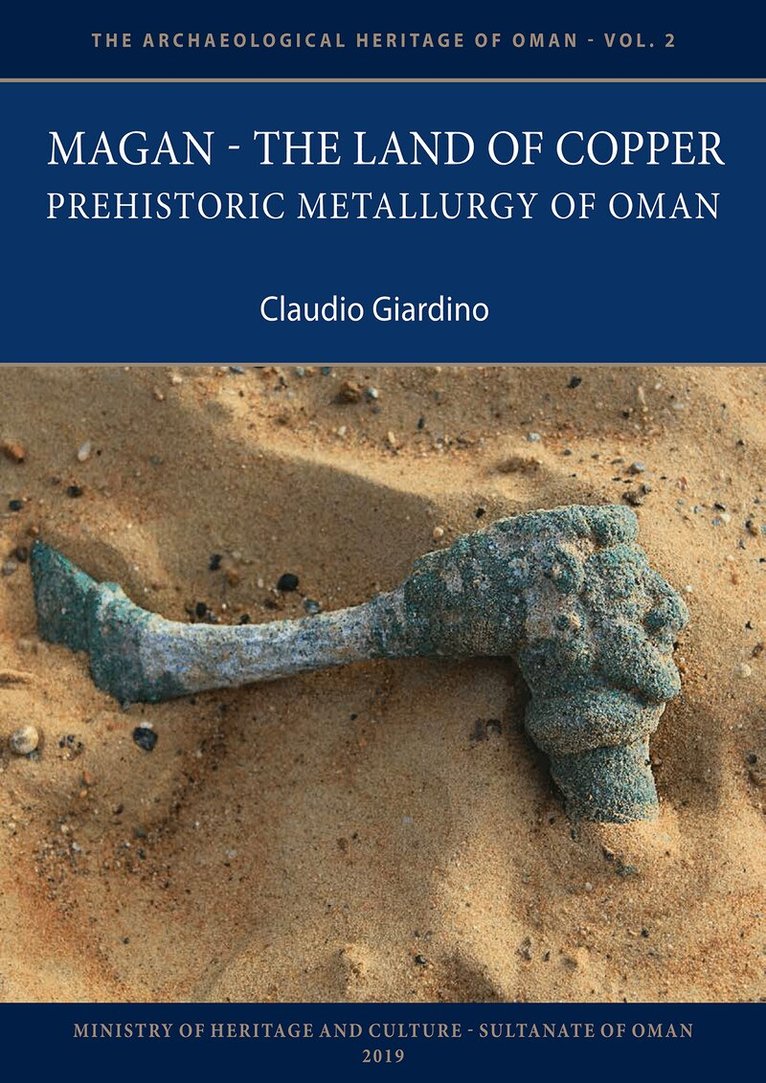
Magan – The Land of Copper
Prehistoric Metallurgy of Oman
Häftad, Engelska, 2019
606 kr
Skickas
The development of a prehistoric civilization in the Sultanate of Oman was strongly connected with the exploitation and the use of copper. The Oman Peninsula has several rich copper ore deposits that have been exploited since prehistoric times. The earliest evidence of metallurgical activities in Oman dates back to the end of the Neolithic period in the 4th millennium BC. Thanks to the availability of this precious raw material, Oman became one of the main copper sources for the entire Middle East during the Bronze Age. The cuneiform texts of Mesopotamia referred to Oman as the Land of Magan, a region where the precious copper was found in fabulous abundance. This volume describes the geography and environments of Oman, its rich copper ore deposits and the ancient mining and smelting techniques, and it also includes an overview of the physical properties of the different metals exploited in antiquity and of the analytical techniques used in archaeometallurgy. Moreover, the author presents for the first time a comprehensive and detailed typology of the metal objects discovered at sites in Oman dating to the millennia from the Neolithic up to the Early Iron Age, emphasizing the development of advanced alloying techniques in order to obtain artefacts with specific proprieties and appearance.
Del 3 - The Archaeological Heritage of Oman
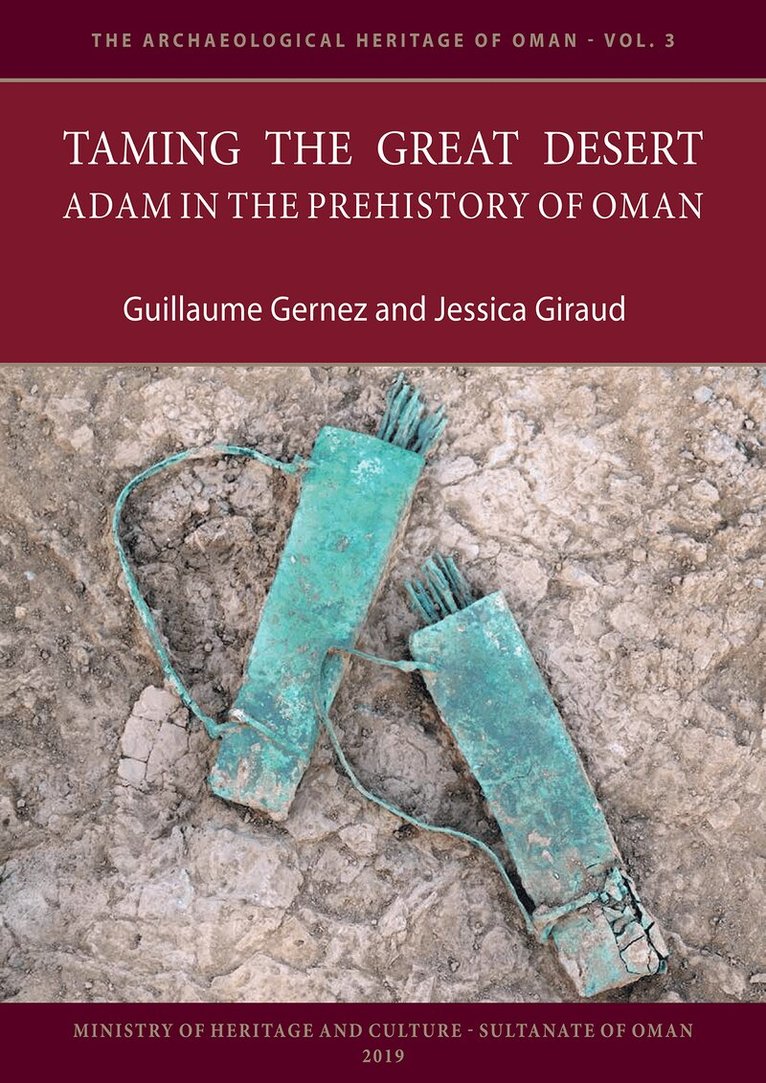
Taming the Great Desert: Adam in the Prehistory of Oman
Häftad, Engelska, 2019
456 kr
Skickas
Located at the margins of the Rub Al-Khali desert, a place of interactions between settled and nomadic populations, the Adam oasis occupies a pivotal role in the history of Oman. However, almost nothing was known about its foundation and early developments. In 2006, the French Archaeological Mission in Central Oman began the exploration of the area. After ten years of field research using innovative methods and technologies, much is now revealed about the importance of Adam in the prehistory and early history of Oman. This is the first monograph about the research carried out at Adam and it includes seven chapters written by specialists directly involved in the field activities. Each major period is described in detail, including evidence of Palaeolithic occupation, Neolithic settlements, Early and Middle Bronze Age necropolises, Iron Age ritual sites and also an ethnographic study of the traditional water sharing within the oasis.
Del 5 - The Archaeological Heritage of Oman
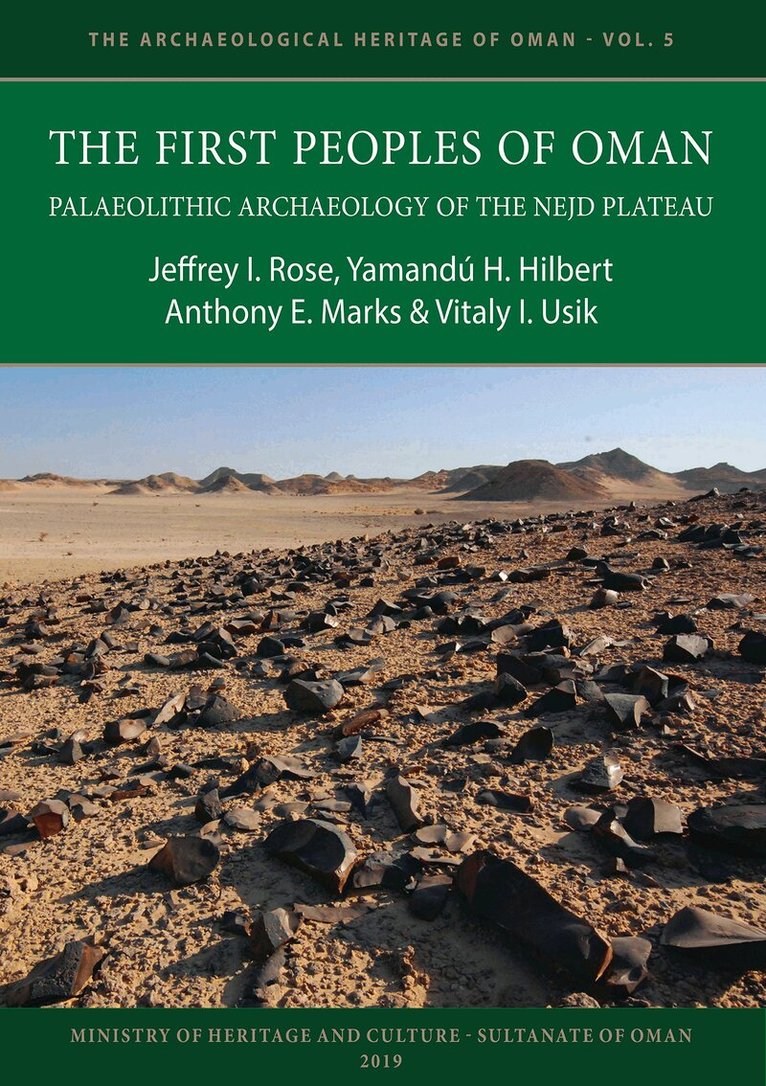
First Peoples of Oman: Palaeolithic Archaeology of the Nejd Plateau
Häftad, Engelska, 2019
657 kr
Skickas
In Dhofar, the southern Governorate of the Sultanate of Oman, the deep canyons cutting the Nejd plateau once flowed with perennial rivers, feeding wetland environments, forests, and grasslands across the now desiccated interior. The first peoples of Oman flourished along these waterways, drawn to the freshwater springs and abundant game, as well as the myriad chert outcrops with which to fashion their hunting implements and other tools. The landscapes of the Nejd Plateau are a natural museum of human prehistory, covered in carpets of chipped stone debris. The archaeological evidence presented in this work encompasses the cultural remains of over a million years of successive human occupations, from the Lower Palaeolithic to the Late Palaeolithic. Once considered an evolutionary backwater or merely a migratory way station, the archaeology of Dhofar requires a fundamental reconsideration of the role of Southern Arabia in the origin and dispersal of our species.
Del 4 - The Archaeological Heritage of Oman
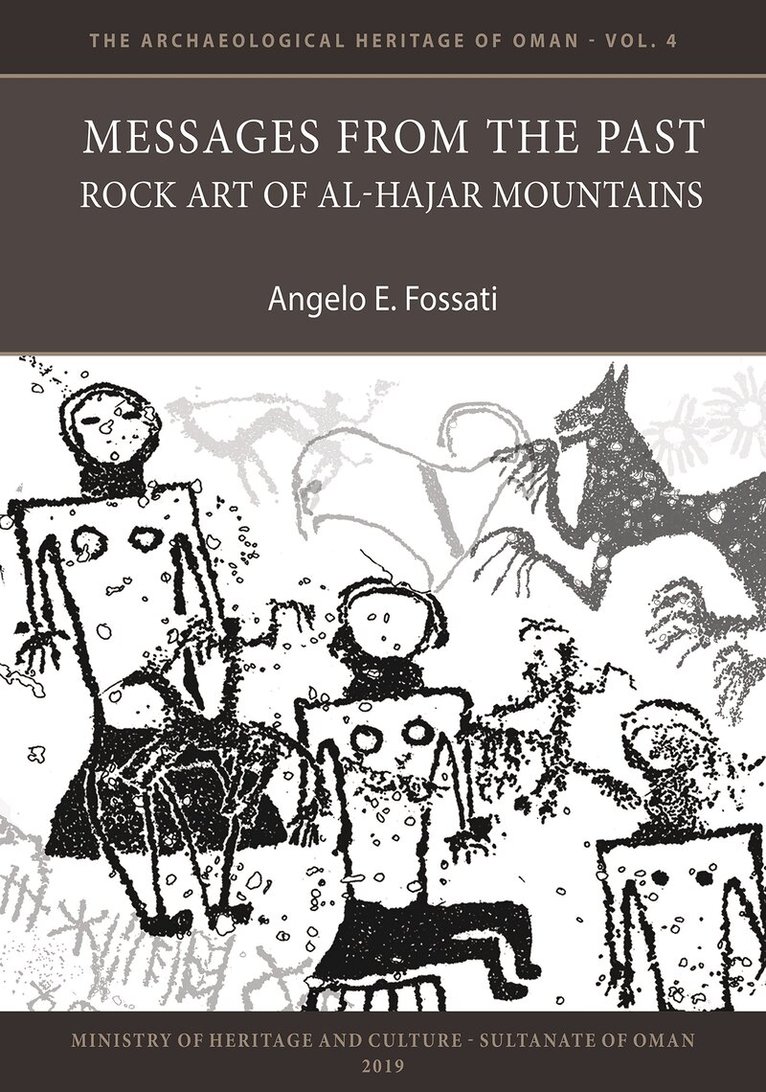
Messages from the Past: Rock Art of Al-Hajar Mountains
Häftad, Engelska, 2019
875 kr
Skickas
Turtles, ibexes, ships, inscriptions... Thousands of engraved and painted figures intrigue visitors in the wadis of Al-Hajar Mountains. Who created these enigmatic figures and when were they made? What are their hidden meanings? For the first time, this volume tries to answer these questions. It is the result of the archaeological surveys and investigations undertaken by the author over the last ten years under the patronage of the Ministry of Heritage and Culture. In this book, the author takes the reader on an in-depth journey into the various themes present in the rock art of Oman. He offers theories on the chronology and interpretation, while exploring the landscape setting of the decorated panels and how best to research these. Several beautiful photographs and scientific tracings of the rock art accompany the text. The volume closes offering to enthusiasts and tourists a series of guided visits with GPS maps to the most interesting and visible rock art sites protected by Royal Decrees of the Sultanate.
Del 9 - The Archaeological Heritage of Oman
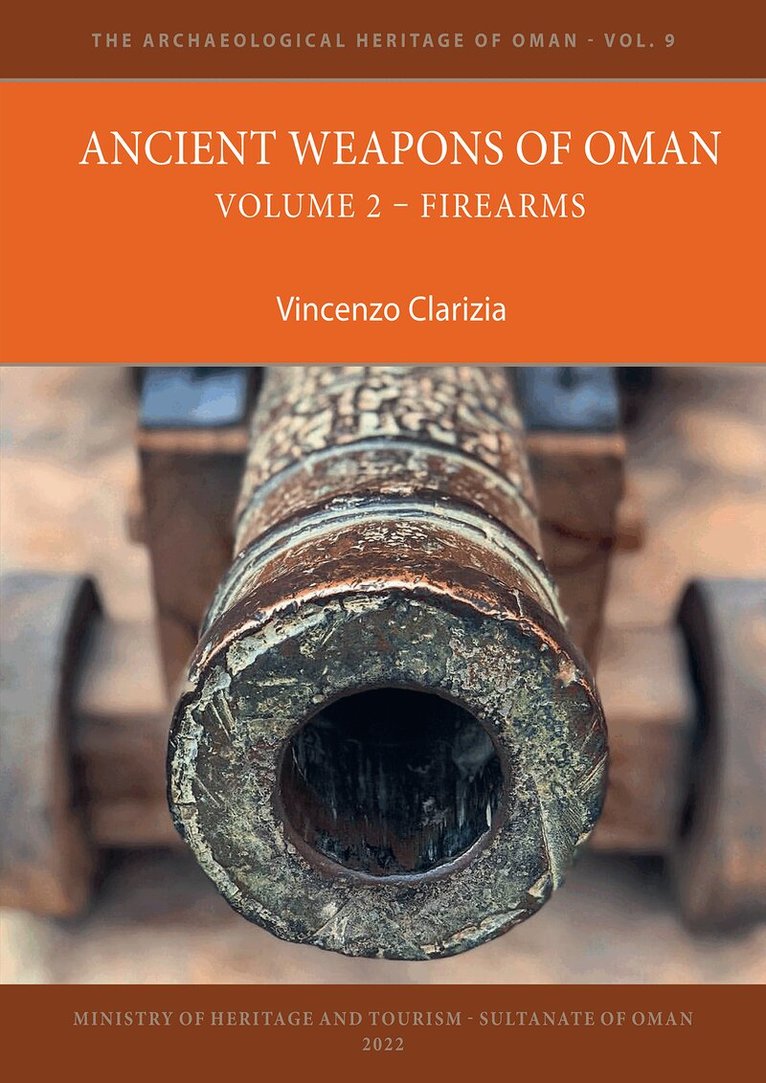
Ancient Weapons of Oman. Volume 2: Firearms
Häftad, Engelska, 2022
606 kr
Skickas
This book presents a detailed overview of the firearms used in Oman over the last four centuries. Portable firearms were brought into the Arabian Gulf by the Portuguese, but there is no trace of these early weapons the region. In Oman, the typical matchlock guns with decorated Indian barrels were highly esteemed and they were passed from generation to generation as a family heritage. Matchlock guns were replaced only by breech-loading Martini Henry rifles at the end of the 19th century, when Muscat became the major firearms’ entrepot in the Arabian Gulf with hundreds of thousands of breech loading rifles re-exported throughout the whole region up to Afghanistan and Persia. The Martini Henry rifle and its variants were by far the most common weapon and Belgian made Martini Henry were specifically engraved for the Muscat market. Cannon entered the country in great number mostly as ordnances on Royal Navy ships and they are now kept in forts, towers and fortified buildings across the entire Oman. The weapons described in this book are mostly from the National Museum and Bait al Zubair Museum in Muscat.
Del 6 - The Archaeological Heritage of Oman
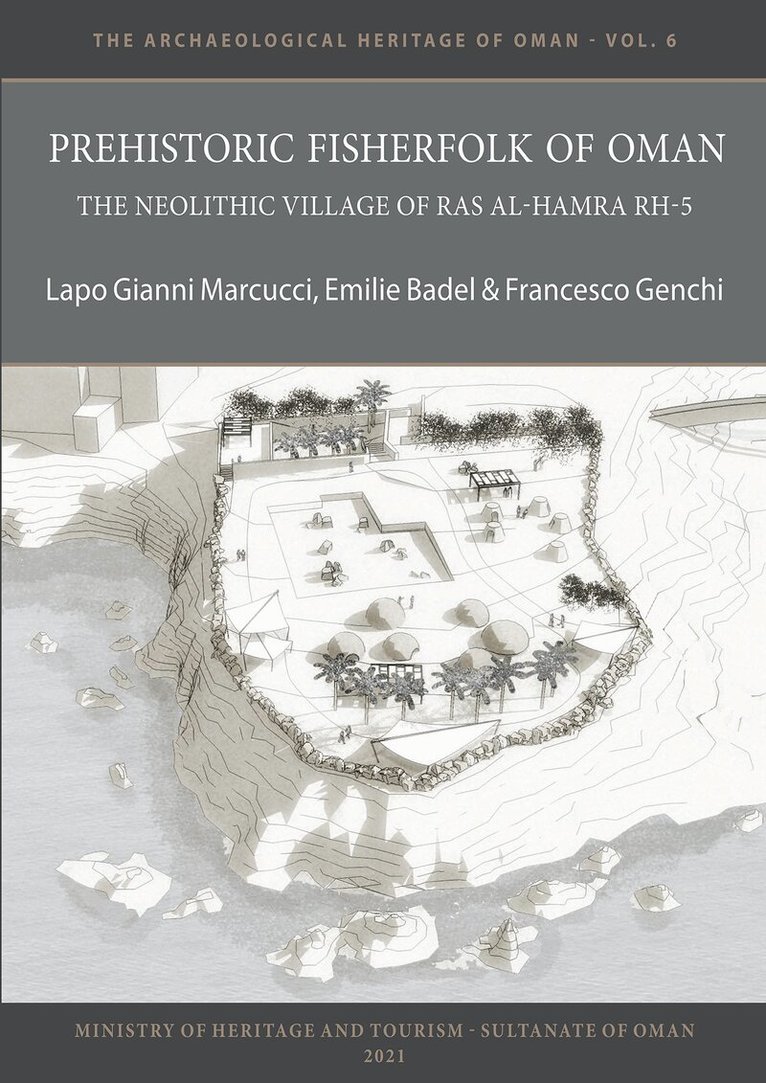
Prehistoric Fisherfolk of Oman: The Neolithic Village of Ras Al-Hamra RH-5
Häftad, Engelska, 2021
755 kr
Skickas
Prehistoric Fisherfolk of Oman reports on excavations at the prehistoric site Ras Al-Hamra RH-5, located on a large promontory in the Qurum area of Muscat, conducted by the Italian Archaeological Mission in Oman with support from the Ministry of Heritage and Tourism. The site dates from the late fifth to the end of the fourth millennia BC and comprises an accumulation of superimposed food discards deriving from continuous and repeated subsistence activities such as fishing, collecting shells, hunting and herding. Dwellings and household installations, including objects of daily use and ornaments, have also been found throughout the occupation sequence. Excavations at RH-5 yielded unprecedented data on the economic and social dynamics of Neolithic societies in eastern Arabia. The exploitation of different ecological niches supplied all the necessary requirements for year-round sedentary human occupation. The lifestyle of fisher-gatherer communities during the Middle Holocene represents a fundamental step of the neolithisation process in Oman.
Del 7 - The Archaeological Heritage of Oman
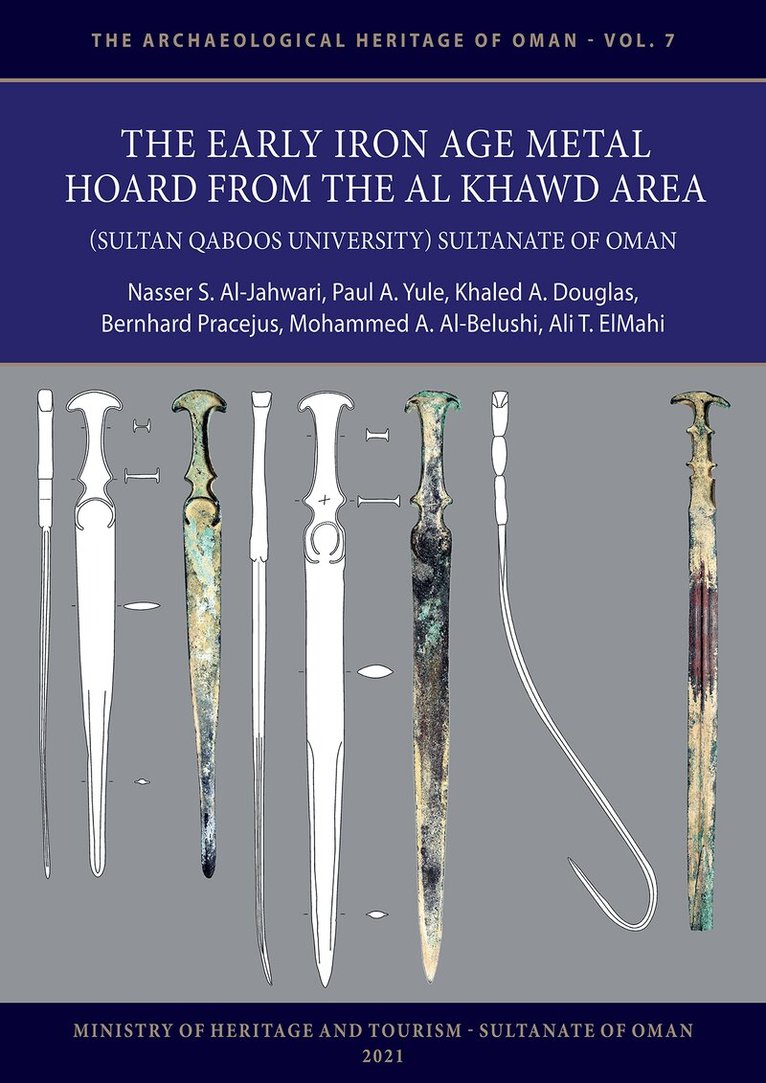
Early Iron Age Metal Hoard from the Al Khawd Area (Sultan Qaboos University), Sultanate of Oman
Häftad, Engelska, 2021
875 kr
Skickas
Numerous metallic artefacts, which anciently were deposited in a hoard, came to light per chance on the campus of the Sultan Qaboos University in Al Khawd, Sultanate of Oman. Mostly fashioned from copper, these arrowheads, axes/adzes, bangles, daggers, knives, socketed lance/ spearheads, metal vessels, razors, rings, swords, and tweezers compare well with numerous documented artefact classes from south-eastern Arabia assigned to the Early Iron Age (1200–300 BCE). Discussion of the international trade between ancient Makan, Dilmun, and Mesopotamia during the 3rd millennium BCE dominates the archaeological literature about Arabia archaeology. The Al Khawd hoard and its contemporaries lend weight to the suggestion that 1st millennium BCE Qadē (the name of south-eastern Arabia at that time) was even more important than Bronze Age Makan in terms of the copper trade volume. A reassessment shows the Early Iron Age by no means to be a dark age, but rather an innovative, successful adaptive period characterised by evident population growth.
Del 11 - The Archaeological Heritage of Oman
Qalhat, a Medieval Port City of Oman
From a Field of Ruins to UNESCO
Häftad, Engelska, 2023
725 kr
Skickas
Although it is one of the main archaeological sites in Oman, the medieval port of Qalhat, near Sur in Ash-Sharqiyah Governorate, has long remained poorly documented. The extensive research initiated in 2008 by the Ministry of Heritage and Tourism (at the time, Heritage and Culture) shed striking light on the history of this famous harbour city, which was the twin capital of the Kingdom of Hormuz from the 13th to the 16th century. Surface surveys and excavations have revealed the plan and chronology of the city and its different districts. Mosques (including the Great Mosque built by Bibi Maryam around 1300) and other religious buildings, fortifications, and water supply systems have been identified and studied. The craft and economic activities of the city and the regional and international commercial links of the port have been reconstructed, as well as the daily life of its inhabitants, revealing the wealth and cosmopolitan character of this ancient Omani metropolis. All these results highlighted the Outstanding Universal Value of the site and eventually led to the inscription of Qalhat on the UNESCO World Heritage List in 2018.
Del 13 - The Archaeological Heritage of Oman
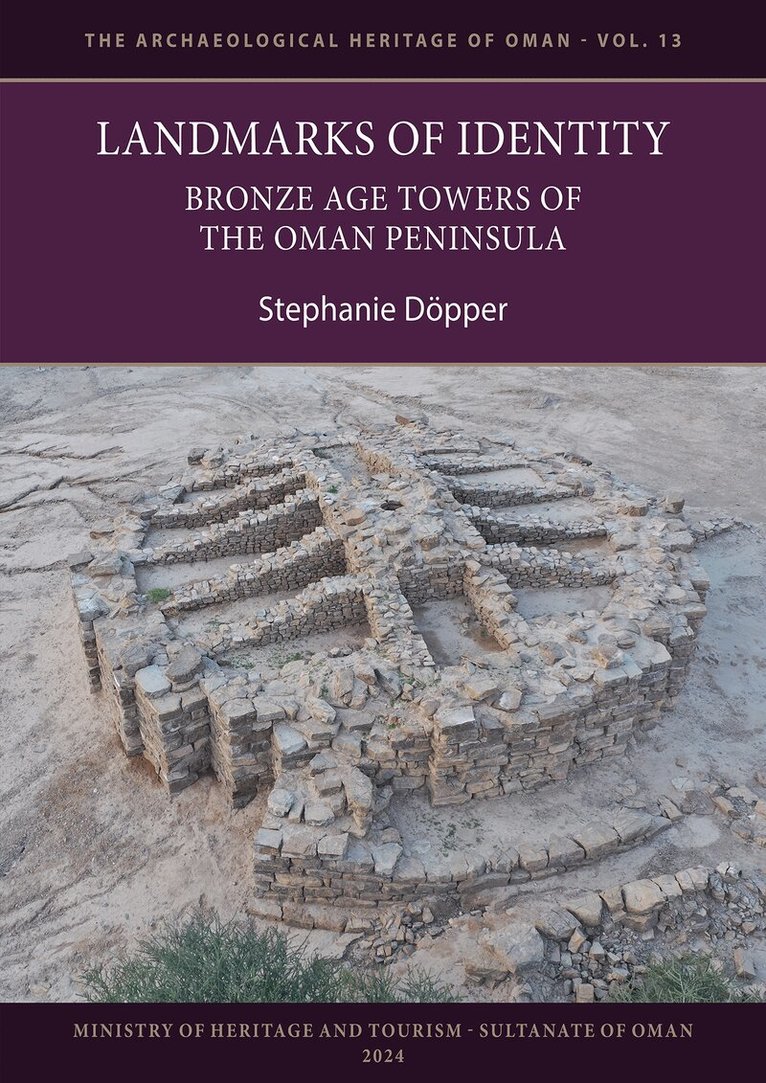
Landmarks of Identity: Bronze Age Towers of the Oman Peninsula
Häftad, Engelska, 2024
725 kr
Skickas
Five thousand years ago, in the Early Bronze Age, monumental stone and mud-brick structures known as towers appeared on the landscape of the Oman Peninsula. Since then, they have served as distinctive landmarks of identity for the people of the region. Despite many years of archaeological research and intensive excavations of some of them, much remains unknown about these impressive structures. This book aims to update the long-standing discussions on these towers and to assess their chronological depth of more than a millennium, with the first of them constructed as early as the end of the 4th millennium BCE and the last substantial building activities at the beginning of the 2nd millennium BCE. The book also reassesses their possible functions, such as defence, refuge, demarcation of property, residence of elites, involvement in complex irrigation systems, arenas for cultic practices, in the light of recent archaeological research. The book will also provide a richly illustrated catalogue with extensive bibliography, research history and coordinates of all the nearly hundred towers known to date in the Sultanate of Oman and the United Arab Emirates, creating a record for researchers and visitors alike.
Del 14 - The Archaeological Heritage of Oman
At the Dawn of History: The Late Pre-Islamic Age in South-Eastern Arabia
The Late Pre-Islamic Age in South-Eastern Arabia
Häftad, Engelska, 2025
979 kr
Skickas
This fresh study thoroughly re-casts the unrecognised Samad Late Iron Age (SLIA) and its archaeological context in the 600 years which flank the year 0 CE, providing valuable insights into the significance and complexities of this enigmatic era. Through meticulous research of archaeological sites and recent discoveries, the authors present an in-depth understanding of the SLIA. A particular focus is given to examining the relationship between the SLIA assemblage and that of the Mleiha/PIR, parsing the cultural connections between these separate yet intertwined archaeological phenomena. By investigating diverse topics such as burial practices, pottery, small finds, trade networks and architecture, this work aims to offer a comprehensive grasp of the material culture and historical scene of the centuries preceding the rise of Islam. With its contribution to the ongoing academic discourse on the archaeology of south-eastern Arabia, this book fills a niche for scholars and enthusiasts seeking archaeological knowledge about this fascinating Arabian period.