UCL Critical Cultural Heritage Series - Böcker
Visar alla böcker i serien UCL Critical Cultural Heritage Series. Handla med fri frakt och snabb leverans.
5 produkter
5 produkter
1 245 kr
Skickas inom 10-15 vardagar
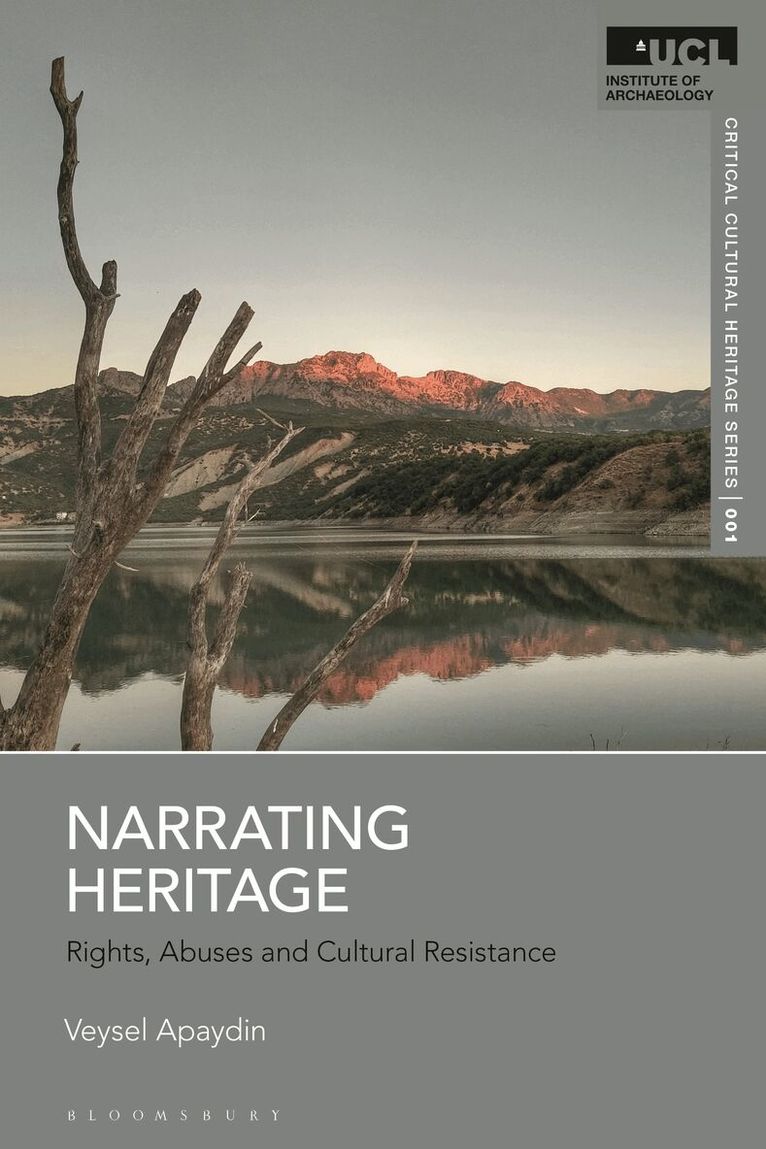
Narrating Heritage critically examines the links among heritage, rights and social justice. This book brings important original ethnographic research and unique case studies together in a coherent and cohesive way to examine patterns and differences of approaches to heritage. It exposes discourses of the uses and abuses of heritage, and provides narratives of persistence, demonstrating the importance of heritage in securing human rights and social justice. Drawing on over ten years of research and ethnographic fieldwork based on six complex case studies from Turkey and comparing them with case studies from across the world, the book explores a variety of social, political, cultural and economic heritage discourses, making explicit the relationship between cultural and natural heritage. This book expands on these discourses by examining the role of violence in heritage, expanding on the concepts of both direct and slow violence. It situates heritage discourse within the sphere of human rights and lays out redistribution, recognition and representation as dimensions of social justice in a heritage context. The case studies in this volume explore multiple themes, from the links between cultural performance and the construction of collective identity and sense of belonging, to the roles of education, learning about other cultures and nationalist use of education. They also discuss the relationship between construction of heritage, space, and access and exclusion, as well as the impact of authoritarianism and heavy neoliberal policies on heritage making.
406 kr
Skickas inom 10-15 vardagar
Narrating Heritage critically examines the links among heritage, rights and social justice. This book brings important original ethnographic research and unique case studies together in a coherent and cohesive way to examine patterns and differences of approaches to heritage. It exposes discourses of the uses and abuses of heritage, and provides narratives of persistence, demonstrating the importance of heritage in securing human rights and social justice. Drawing on over ten years of research and ethnographic fieldwork based on six complex case studies from Turkey and comparing them with case studies from across the world, the book explores a variety of social, political, cultural and economic heritage discourses, making explicit the relationship between cultural and natural heritage. This book expands on these discourses by examining the role of violence in heritage, expanding on the concepts of both direct and slow violence. It situates heritage discourse within the sphere of human rights and lays out redistribution, recognition and representation as dimensions of social justice in a heritage context. The case studies in this volume explore multiple themes, from the links between cultural performance and the construction of collective identity and sense of belonging, to the roles of education, learning about other cultures and nationalist use of education. They also discuss the relationship between construction of heritage, space, and access and exclusion, as well as the impact of authoritarianism and heavy neoliberal policies on heritage making.
1 314 kr
Skickas inom 10-15 vardagar
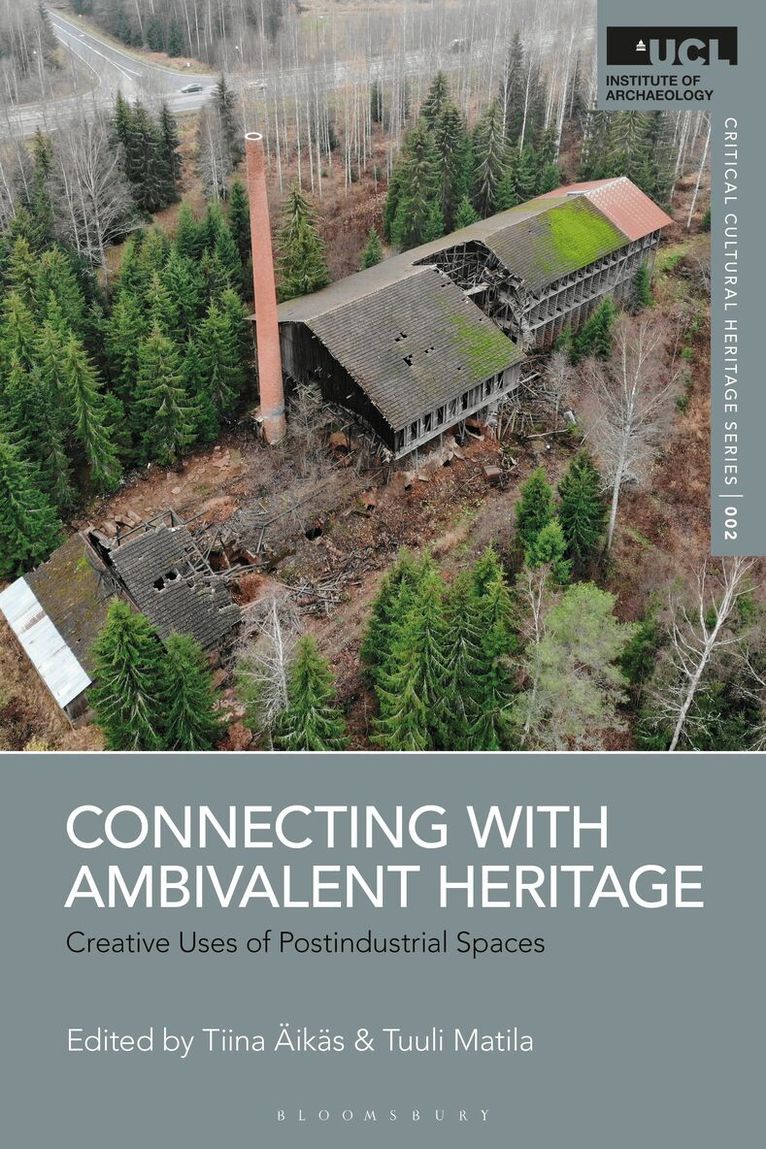
Exploring the difficult and contested sites of deindustrialized society on the brink of transformation to either heritage or wasteland, this open access volume looks at the creative ways that such sites are (re)used and suggests that they are not always merely abject or abandoned. As a result, our understanding of the meanings given to left over spaces is enhanced by an examination of the ways they are used.Ambivalent heritage sites are not always recognized for their potential, although artists and people from different recreational activities, such as industrial sites and parkour, use and experience these places in different ways. The contributors introduce fresh ideas on how to approach these sites and the people invested in them, employing multidisciplinary methodologies from archaeology and heritage studies to ethnography and sociology. Through the use of Northern-European case studies such as a former sanatorium, a prison and the Chornobyl Exclusion Zone, the reader gains a new perspective on these sites of contestation, which are cherished despite their problematic status. The conclusion is that due to the rapid societal change we are experiencing in the contemporary world, heritage professionals must start to acknowledge and deal with the difficulties that ambivalent heritage sites pose.The ebook editions of this book are available open access under a CC BY-NC-ND 4.0 licence on bloomsburycollections.com. Open access was funded by University of Oulu.
406 kr
Skickas inom 10-15 vardagar
Exploring the difficult and contested sites of deindustrialized society on the brink of transformation to either heritage or wasteland, this open access volume looks at the creative ways that such sites are (re)used and suggests that they are not always merely abject or abandoned. As a result, our understanding of the meanings given to left over spaces is enhanced by an examination of the ways they are used.Ambivalent heritage sites are not always recognized for their potential, although artists and people from different recreational activities, such as industrial sites and parkour, use and experience these places in different ways. The contributors introduce fresh ideas on how to approach these sites and the people invested in them, employing multidisciplinary methodologies from archaeology and heritage studies to ethnography and sociology. Through the use of Northern-European case studies such as a former sanatorium, a prison and the Chornobyl Exclusion Zone, the reader gains a new perspective on these sites of contestation, which are cherished despite their problematic status. The conclusion is that due to the rapid societal change we are experiencing in the contemporary world, heritage professionals must start to acknowledge and deal with the difficulties that ambivalent heritage sites pose.The ebook editions of this book are available open access under a CC BY-NC-ND 4.0 licence on bloomsburycollections.com. Open access was funded by University of Oulu.
Eurocentrism, Archaeology and Empire
The Legacy of Heritage Politics in 21st-Century Britain
Inbunden, Engelska, 2026
1 448 kr
Kommande
Exploring the complex relationship between archaeology, Eurocentrism and imperialism over the past 250 years, this book looks at the influence of colonial-era archaeologies on current understandings of the past. It draws on a wide range of evidence from academia, education and the media concerning the production, dissemination and consumption of knowledge in 21st-century Britain. Despite the significant attention both the history of archaeology and critical cultural heritage as fields of social discourse have received since the 1980s, less effort has been made to consider the extent to which the dynamics underpinning disseminations of knowledge from the Imperial Period have survived into the present century. These colonial historiographies are often outdated and even racist, but they permeate into current methodologies and approaches. In particular, this book examines the state of the contemporary research landscape; looks at the presentation of history in school curricula; and provides a large-scale analysis of the use of the past in British media.At a time of increasing political unrest across Europe, this book provides important insights into the pervasive nature of Eurocentric archaeologies, and the ways in which cultural memory can affect social discourse. Moreover, the study outlines the areas in which archaeology and heritage researchers may seek to disrupt misuses and misapplications of the past.