User's Guides to Popular Culture - Böcker
Visar alla böcker i serien User's Guides to Popular Culture. Handla med fri frakt och snabb leverans.
8 produkter
8 produkter
903 kr
Skickas inom 7-10 vardagar
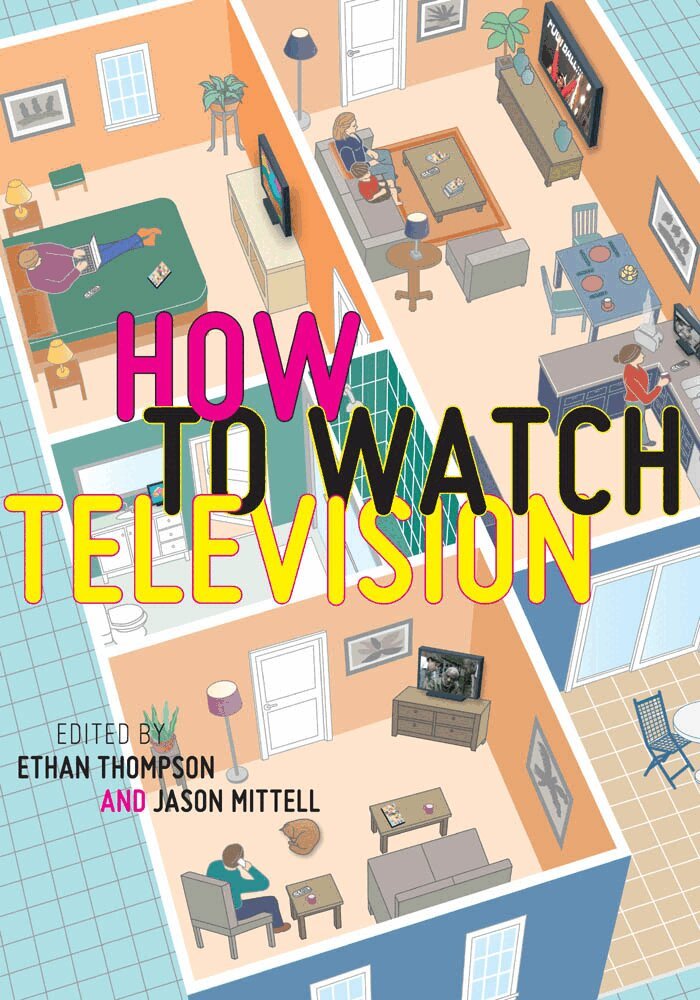
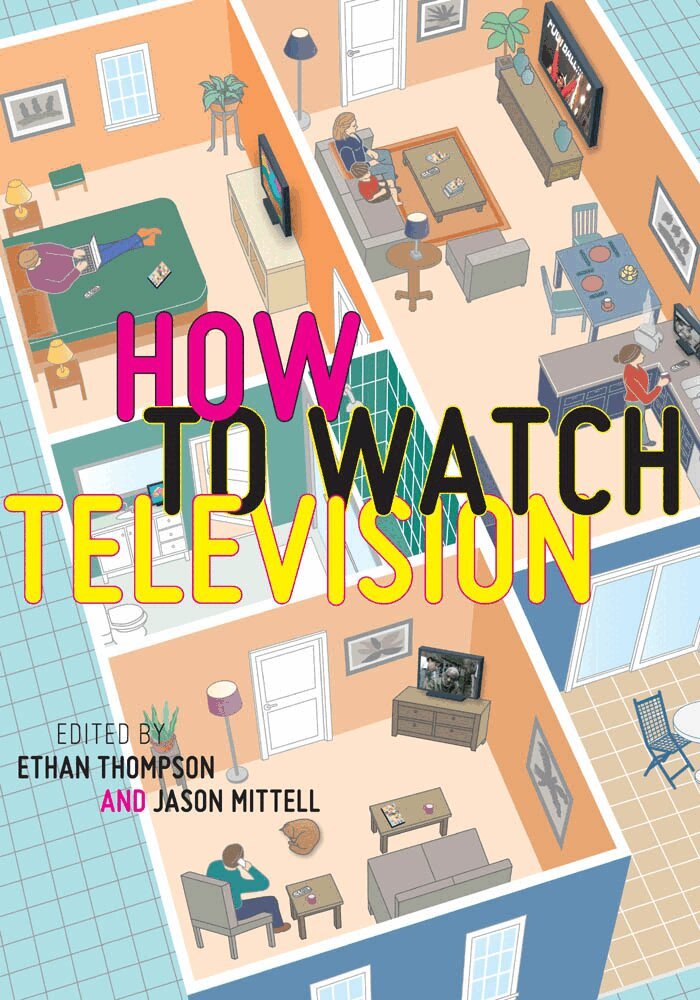
Examines social and cultural phenomena through the lens of different television showsWe all have opinions about the television shows we watch, but television criticism is about much more than simply evaluating the merits of a particular show and deeming it 'good' or 'bad.' Rather, criticism uses the close examination of a television program to explore that program's cultural significance, creative strategies, and its place in a broader social context.How to Watch Television brings together forty original essays from today's leading scholars on television culture, writing about the programs they care (and think) the most about. Each essay focuses on a particular television show, demonstrating one way to read the program and, through it, our media culture. The essays model how to practice media criticism in accessible language, providing critical insights through analysis—suggesting a way of looking at TV that students and interested viewers might emulate. The contributors discuss a wide range of television programs past and present, covering many formats and genres, spanning fiction and non-fiction, broadcast and cable, providing a broad representation of the programs that are likely to be covered in a media studies course. While the book primarily focuses on American television, important programs with international origins and transnational circulation are also covered.Addressing television series from the medium's earliest days to contemporary online transformations of television, How to Watch Television is designed to engender classroom discussion among television critics of all backgrounds.
310 kr
Skickas inom 7-10 vardagar
Examines social and cultural phenomena through the lens of different television showsWe all have opinions about the television shows we watch, but television criticism is about much more than simply evaluating the merits of a particular show and deeming it 'good' or 'bad.' Rather, criticism uses the close examination of a television program to explore that program's cultural significance, creative strategies, and its place in a broader social context.How to Watch Television brings together forty original essays from today's leading scholars on television culture, writing about the programs they care (and think) the most about. Each essay focuses on a particular television show, demonstrating one way to read the program and, through it, our media culture. The essays model how to practice media criticism in accessible language, providing critical insights through analysis—suggesting a way of looking at TV that students and interested viewers might emulate. The contributors discuss a wide range of television programs past and present, covering many formats and genres, spanning fiction and non-fiction, broadcast and cable, providing a broad representation of the programs that are likely to be covered in a media studies course. While the book primarily focuses on American television, important programs with international origins and transnational circulation are also covered.Addressing television series from the medium's earliest days to contemporary online transformations of television, How to Watch Television is designed to engender classroom discussion among television critics of all backgrounds.
1 063 kr
Skickas inom 10-15 vardagar
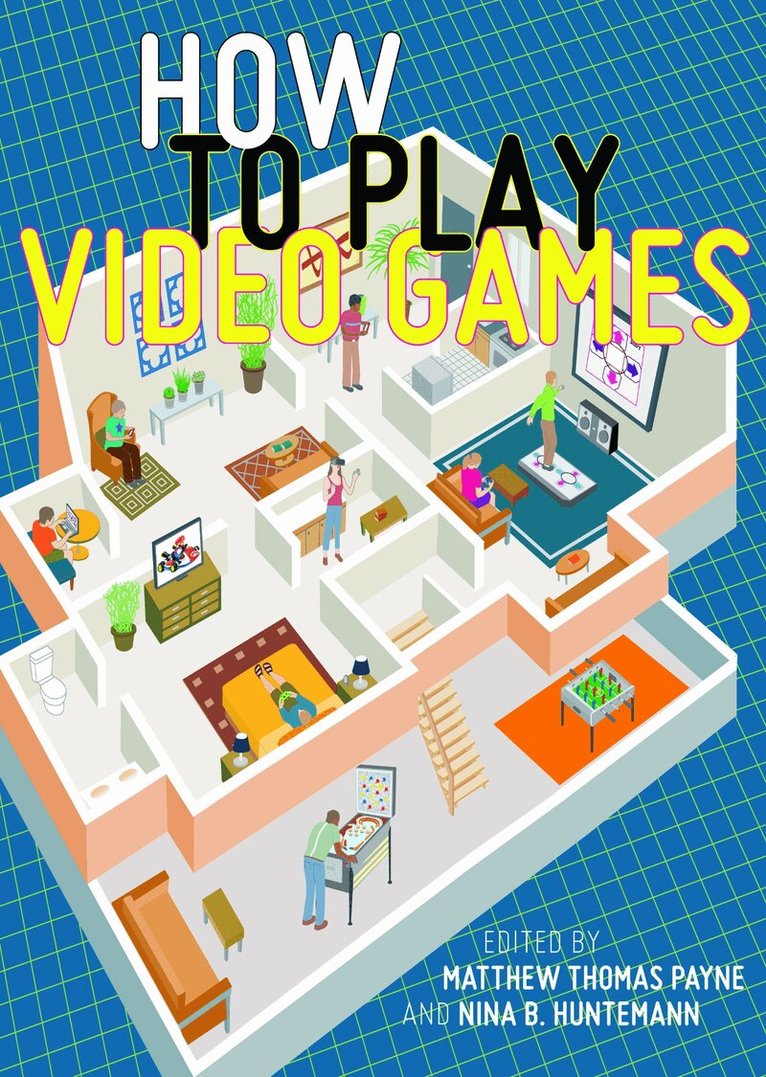
Forty original contributions on games and gaming culture What does Pokémon Go tell us about globalization? What does Tetris teach us about rules? Is feminism boosted or bashed by Kim Kardashian: Hollywood? How does BioShock Infinite help us navigate world-building?From arcades to Atari, and phone apps to virtual reality headsets, video games have been at the epicenter of our ever-evolving technological reality. Unlike other media technologies, video games demand engagement like no other, which begs the question—what is the role that video games play in our lives, from our homes, to our phones, and on global culture writ large? How to Play Video Games brings together forty original essays from today's leading scholars on video game culture, writing about the games they know best and what they mean in broader social and cultural contexts. Read about avatars in Grand Theft Auto V, or music in The Legend of Zelda: Ocarina of Time. See how Age of Empires taught a generation about postcolonialism, and how Borderlands exposes the seedy underbelly of capitalism. These essays suggest that understanding video games in a critical context provides a new way to engage in contemporary culture. They are a must read for fans and students of the medium.
363 kr
Skickas inom 7-10 vardagar
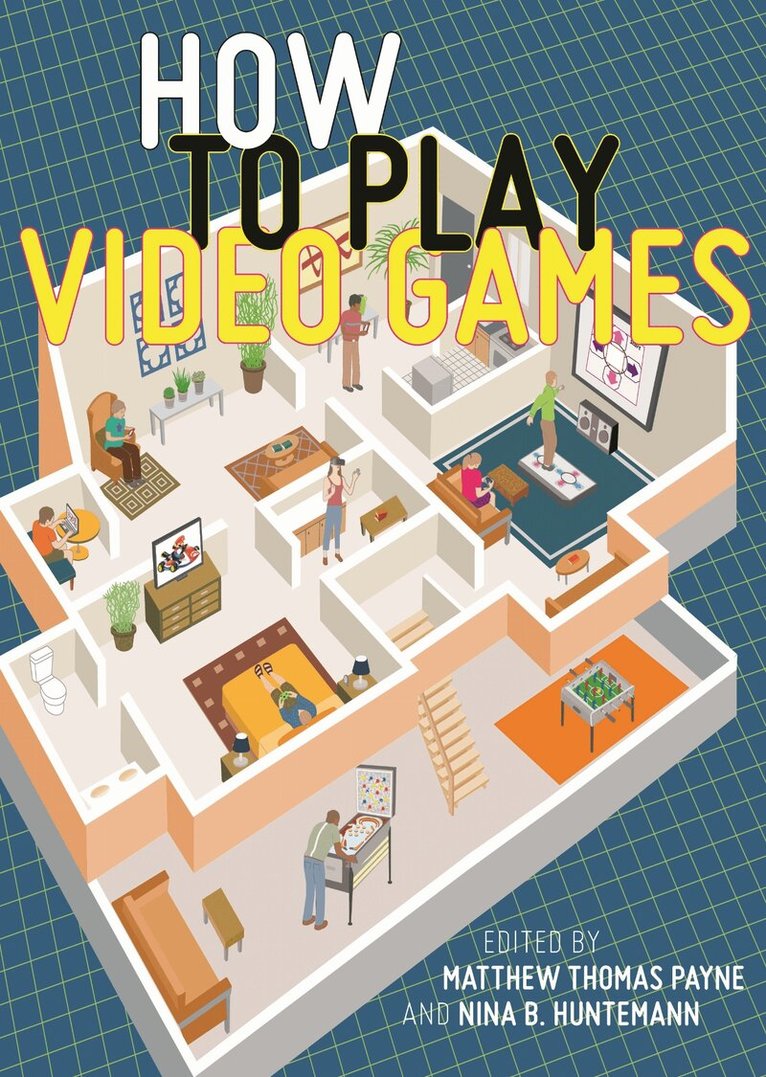
Forty original contributions on games and gaming culture What does Pokémon Go tell us about globalization? What does Tetris teach us about rules? Is feminism boosted or bashed by Kim Kardashian: Hollywood? How does BioShock Infinite help us navigate world-building?From arcades to Atari, and phone apps to virtual reality headsets, video games have been at the epicenter of our ever-evolving technological reality. Unlike other media technologies, video games demand engagement like no other, which begs the question—what is the role that video games play in our lives, from our homes, to our phones, and on global culture writ large? How to Play Video Games brings together forty original essays from today's leading scholars on video game culture, writing about the games they know best and what they mean in broader social and cultural contexts. Read about avatars in Grand Theft Auto V, or music in The Legend of Zelda: Ocarina of Time. See how Age of Empires taught a generation about postcolonialism, and how Borderlands exposes the seedy underbelly of capitalism. These essays suggest that understanding video games in a critical context provides a new way to engage in contemporary culture. They are a must read for fans and students of the medium.
1 078 kr
Kommande
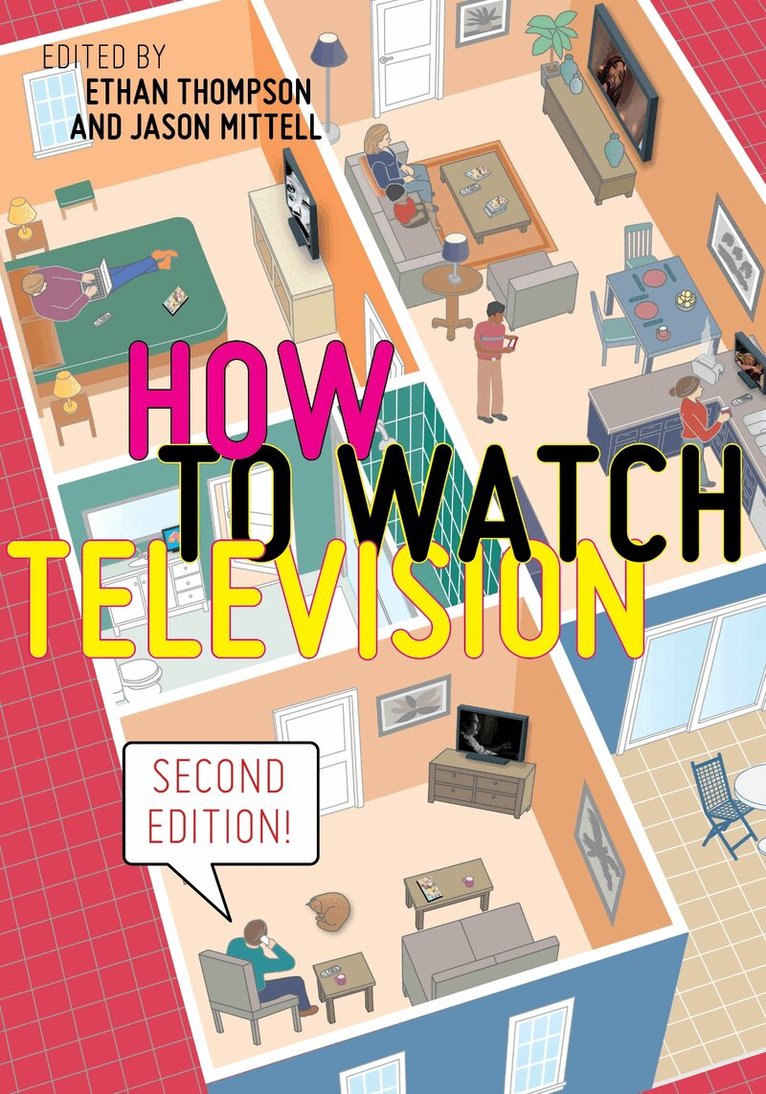
A new edition that brings the ways we watch and think about television up to the presentWe all have opinions about the television shows we watch, but television criticism is about much more than simply evaluating the merits of a particular show and deeming it "good" or "bad." Rather, criticism uses the close examination of a television program to explore that program's cultural significance, creative strategies, and its place in a broader social context.How to Watch Television, Second Edition brings together forty original essays – more than half of which are new to this edition – from today's leading scholars on television culture, who write about the programs they care (and think) the most about. Each essay focuses on a single television show, demonstrating one way to read the program and, through it, our media culture. From fashioning blackness in Empire to representation in Orange is the New Black and from the role of the reboot in Gilmore Girls to the function of changing political atmospheres in Roseanne, these essays model how to practice media criticism in accessible language, providing critical insights through analysis—suggesting a way of looking at TV that students and interested viewers might emulate. The contributors discuss a wide range of television programs past and present, covering many formats and genres, spanning fiction and non-fiction, broadcast, streaming, and cable. Addressing shows from TV's earliest days to contemporary online transformations of the medium, How to Watch Television, Second Edition is designed to engender classroom discussion among television critics of all backgrounds.To access additional essays from the first edition, visit the "links" tab at nyupress.org/9781479898817/how-to-watch-television-second-edition/.
347 kr
Kommande
A new edition that brings the ways we watch and think about television up to the presentWe all have opinions about the television shows we watch, but television criticism is about much more than simply evaluating the merits of a particular show and deeming it "good" or "bad." Rather, criticism uses the close examination of a television program to explore that program's cultural significance, creative strategies, and its place in a broader social context.How to Watch Television, Second Edition brings together forty original essays – more than half of which are new to this edition – from today's leading scholars on television culture, who write about the programs they care (and think) the most about. Each essay focuses on a single television show, demonstrating one way to read the program and, through it, our media culture. From fashioning blackness in Empire to representation in Orange is the New Black and from the role of the reboot in Gilmore Girls to the function of changing political atmospheres in Roseanne, these essays model how to practice media criticism in accessible language, providing critical insights through analysis—suggesting a way of looking at TV that students and interested viewers might emulate. The contributors discuss a wide range of television programs past and present, covering many formats and genres, spanning fiction and non-fiction, broadcast, streaming, and cable. Addressing shows from TV's earliest days to contemporary online transformations of the medium, How to Watch Television, Second Edition is designed to engender classroom discussion among television critics of all backgrounds.To access additional essays from the first edition, visit the "links" tab at nyupress.org/9781479898817/how-to-watch-television-second-edition/.
704 kr
Skickas
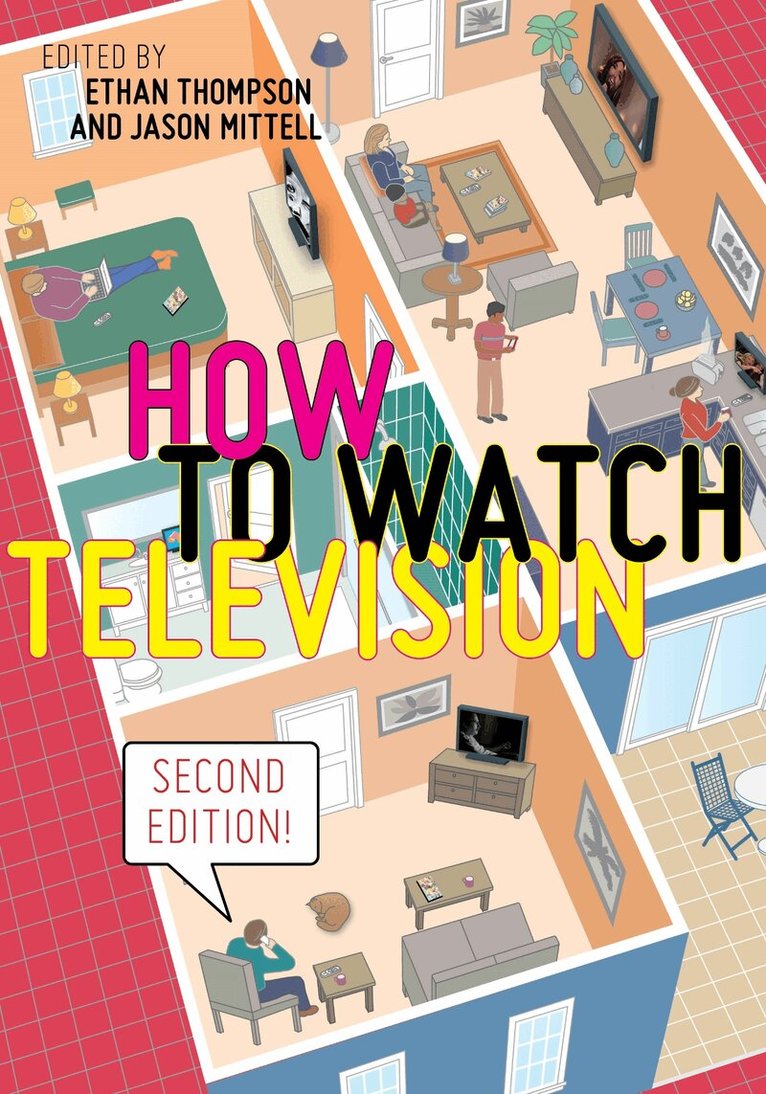
A new edition that brings the ways we watch and think about television up to the presentWe all have opinions about the television shows we watch, but television criticism is about much more than simply evaluating the merits of a particular show and deeming it "good" or "bad." Rather, criticism uses the close examination of a television program to explore that program's cultural significance, creative strategies, and its place in a broader social context.How to Watch Television, Second Edition brings together forty original essays—more than half of which are new to this edition—from today's leading scholars on television culture, who write about the programs they care (and think) the most about. Each essay focuses on a single television show, demonstrating one way to read the program and, through it, our media culture. From fashioning blackness in Empire to representation in Orange is the New Black and from the role of the reboot in Gilmore Girls to the function of changing political atmospheres in Roseanne, these essays model how to practice media criticism in accessible language, providing critical insights through analysis—suggesting a way of looking at TV that students and interested viewers might emulate. The contributors discuss a wide range of television programs past and present, covering many formats and genres, spanning fiction and non-fiction, broadcast, streaming, and cable. Addressing shows from TV's earliest days to contemporary online transformations of the medium, How to Watch Television, Second Edition is designed to engender classroom discussion among television critics of all backgrounds.To access additional essays from the first edition, visit the "links" tab at nyupress.org/9781479898817/how-to-watch-television-second-edition/.
350 kr
Skickas inom 7-10 vardagar
A new edition that brings the ways we watch and think about television up to the presentWe all have opinions about the television shows we watch, but television criticism is about much more than simply evaluating the merits of a particular show and deeming it "good" or "bad." Rather, criticism uses the close examination of a television program to explore that program's cultural significance, creative strategies, and its place in a broader social context.How to Watch Television, Second Edition brings together forty original essays—more than half of which are new to this edition—from today's leading scholars on television culture, who write about the programs they care (and think) the most about. Each essay focuses on a single television show, demonstrating one way to read the program and, through it, our media culture. From fashioning blackness in Empire to representation in Orange is the New Black and from the role of the reboot in Gilmore Girls to the function of changing political atmospheres in Roseanne, these essays model how to practice media criticism in accessible language, providing critical insights through analysis—suggesting a way of looking at TV that students and interested viewers might emulate. The contributors discuss a wide range of television programs past and present, covering many formats and genres, spanning fiction and non-fiction, broadcast, streaming, and cable. Addressing shows from TV's earliest days to contemporary online transformations of the medium, How to Watch Television, Second Edition is designed to engender classroom discussion among television critics of all backgrounds.To access additional essays from the first edition, visit the "links" tab at nyupress.org/9781479898817/how-to-watch-television-second-edition/.