What is this thing called? - Böcker
Visar alla böcker i serien What is this thing called?. Handla med fri frakt och snabb leverans.
20 produkter
20 produkter
487 kr
What is knowledge? Where does it come from? What kinds of knowledge are there? Can we know anything at all? What is the practical relevance of learning about epistemology?This lucid and engaging introduction grapples with these central questions in the theory of knowledge, offering a clear, non-partisan view of the main themes of epistemology. Both traditional issues and contemporary ideas are discussed in 22 easily digestible chapters, each of which concludes with a useful summary of the main ideas discussed, study questions, annotated further reading, and a guide to internet resources.Each chapter also features text boxes providing bite-sized summaries of key concepts and major philosophers, and clear and interesting examples are used throughout. The book concludes with an annotated guide to general introductions to epistemology, a glossary of key terms, and a summary of the main examples used in epistemology. This is an ideal first textbook in the theory of knowledge for undergraduates coming to philosophy for the first time.This fifth edition has been revised throughout and features a new part devoted to social epistemology. In addition, the text as a whole has been refreshed to keep it up-to-date with current developments.
2 103 kr
Skickas inom 10-15 vardagar
What is this thing called Global Justice? is a clear and engaging introduction to this widely studied and important topic. It explores the fundamental concepts, issues and arguments at the heart of global justice, including: world povertyeconomic inequalitynationalismhuman rightshumanitarian interventionimmigrationglobal democracy and governanceclimate changereparationshealth justiceinternational justice.This second edition has been updated throughout and includes two new chapters: on ethical and moral debates concerning reparations and on global health justice. The chapters on world poverty, human rights, just war, borders, climate justice, and global democracy have also been substantially revised and updated.Centered on real world problems, this textbook helps students to understand that global justice is not only a field of philosophical inquiry but also of practical importance. Each chapter concludes with a helpful summary of the main ideas discussed, study questions and a further reading guide.
553 kr
Skickas inom 10-15 vardagar
What is this thing called Global Justice? is a clear and engaging introduction to this widely studied and important topic. It explores the fundamental concepts, issues and arguments at the heart of global justice, including: world povertyeconomic inequalitynationalismhuman rightshumanitarian interventionimmigrationglobal democracy and governanceclimate changereparationshealth justiceinternational justice.This second edition has been updated throughout and includes two new chapters: on ethical and moral debates concerning reparations and on global health justice. The chapters on world poverty, human rights, just war, borders, climate justice, and global democracy have also been substantially revised and updated.Centered on real world problems, this textbook helps students to understand that global justice is not only a field of philosophical inquiry but also of practical importance. Each chapter concludes with a helpful summary of the main ideas discussed, study questions and a further reading guide.
2 418 kr
Skickas inom 10-15 vardagar
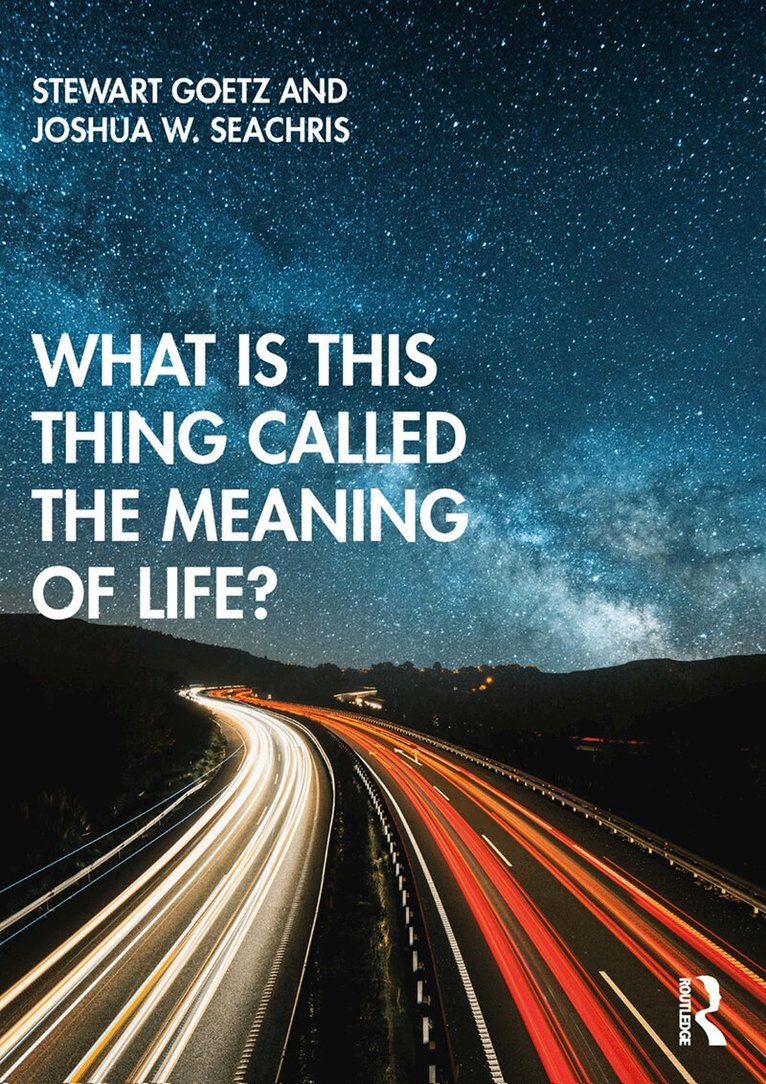
What are we asking when we ask, "What is the meaning of life?"? Can there be meaning without God? Is a happy life a meaningful life? Can an immoral life be meaningful? Does our suffering have meaning? Does death threaten meaning?What is this thing called The Meaning of Life? provides an engaging and stimulating introduction to philosophical thinking about life’s meaning. Goetz and Seachris provide the reader with accessible examples, before looking at the main theoretical approaches to meaning and key philosophers associated with them. Topics covered include: What does the question, "What is the meaning of life?", even mean?Does life have a purpose?What is valuable? Do we matter?Does life (or my life) make any sense?Is there any meaning in suffering?Does death threaten meaning?Would immortality be good or bad news for us?With boxed summaries of key concepts and noteworthy examples, discussion questions, and suggestions for further reading included within each chapter, this book is the ideal introduction to life’s meaning for philosophy students coming to the subject for the first time.
636 kr
Skickas inom 10-15 vardagar
What are we asking when we ask, "What is the meaning of life?"? Can there be meaning without God? Is a happy life a meaningful life? Can an immoral life be meaningful? Does our suffering have meaning? Does death threaten meaning?What is this thing called The Meaning of Life? provides an engaging and stimulating introduction to philosophical thinking about life’s meaning. Goetz and Seachris provide the reader with accessible examples, before looking at the main theoretical approaches to meaning and key philosophers associated with them. Topics covered include: What does the question, "What is the meaning of life?", even mean?Does life have a purpose?What is valuable? Do we matter?Does life (or my life) make any sense?Is there any meaning in suffering?Does death threaten meaning?Would immortality be good or bad news for us?With boxed summaries of key concepts and noteworthy examples, discussion questions, and suggestions for further reading included within each chapter, this book is the ideal introduction to life’s meaning for philosophy students coming to the subject for the first time.
2 103 kr
Skickas inom 10-15 vardagar
What is morality? How do we define what is right and wrong? How does moral theory help us deal with ethical issues in the world around us?This second edition provides an engaging and stimulating introduction to philosophical thinking about morality. Christopher Bennett provides the reader with accessible examples of contemporary and relevant ethical problems, before looking at the main theoretical approaches and key philosophers associated with them. Topics covered include:life and death issues such as abortion and global poverty;the meaning of life; whether life is sacred and which lives matter; major moral theories such as utilitarianism, Kantian ethics and virtue ethics;critiques of morality from Marx and NietzscheWhat is this Thing Called Ethics? has been thoroughly revised and updated throughout, with a new final chapter on meta-ethics.With boxed case studies, discussion questions and further reading included within each chapter this textbook is the ideal introduction to ethics for philosophy students coming to the subject for the first time.
689 kr
Skickas inom 10-15 vardagar
What is morality? How do we define what is right and wrong? How does moral theory help us deal with ethical issues in the world around us?This second edition provides an engaging and stimulating introduction to philosophical thinking about morality. Christopher Bennett provides the reader with accessible examples of contemporary and relevant ethical problems, before looking at the main theoretical approaches and key philosophers associated with them. Topics covered include:life and death issues such as abortion and global poverty;the meaning of life; whether life is sacred and which lives matter; major moral theories such as utilitarianism, Kantian ethics and virtue ethics;critiques of morality from Marx and NietzscheWhat is this Thing Called Ethics? has been thoroughly revised and updated throughout, with a new final chapter on meta-ethics.With boxed case studies, discussion questions and further reading included within each chapter this textbook is the ideal introduction to ethics for philosophy students coming to the subject for the first time.
1 459 kr
Tillfälligt slut
What is this thing called Philosophy? is the definitive textbook for all who want a thorough introduction to the field. It introduces philosophy using a question-led approach that reflects the discursive nature of the discipline. Edited by Duncan Pritchard, each section is written by a high-profile contributor focusing on a key area of philosophy, and contains three or four question-based chapters offering an accessible point of engagement. The core areas of philosophy covered are: EthicsPolitical PhilosophyAestheticsEpistemologyPhilosophy of MindMetaphysicsPhilosophy of SciencePhilosophy of ReligionThe Meaning of Life.The accompanying Routledge companion website features valuable online resources for both instructors and students including links to audio and video material, multiple-choice questions, interactive flashcards, essay questions and annotated further reading. This is the essential textbook for students approaching the study of philosophy for the first time.
830 kr
Tillfälligt slut
What is this thing called Philosophy? is the definitive textbook for all who want a thorough introduction to the field. It introduces philosophy using a question-led approach that reflects the discursive nature of the discipline. Edited by Duncan Pritchard, each section is written by a high-profile contributor focusing on a key area of philosophy, and contains three or four question-based chapters offering an accessible point of engagement. The core areas of philosophy covered are: EthicsPolitical PhilosophyAestheticsEpistemologyPhilosophy of MindMetaphysicsPhilosophy of SciencePhilosophy of ReligionThe Meaning of Life.The accompanying Routledge companion website features valuable online resources for both instructors and students including links to audio and video material, multiple-choice questions, interactive flashcards, essay questions and annotated further reading. This is the essential textbook for students approaching the study of philosophy for the first time.
567 kr
Skickas inom 10-15 vardagar
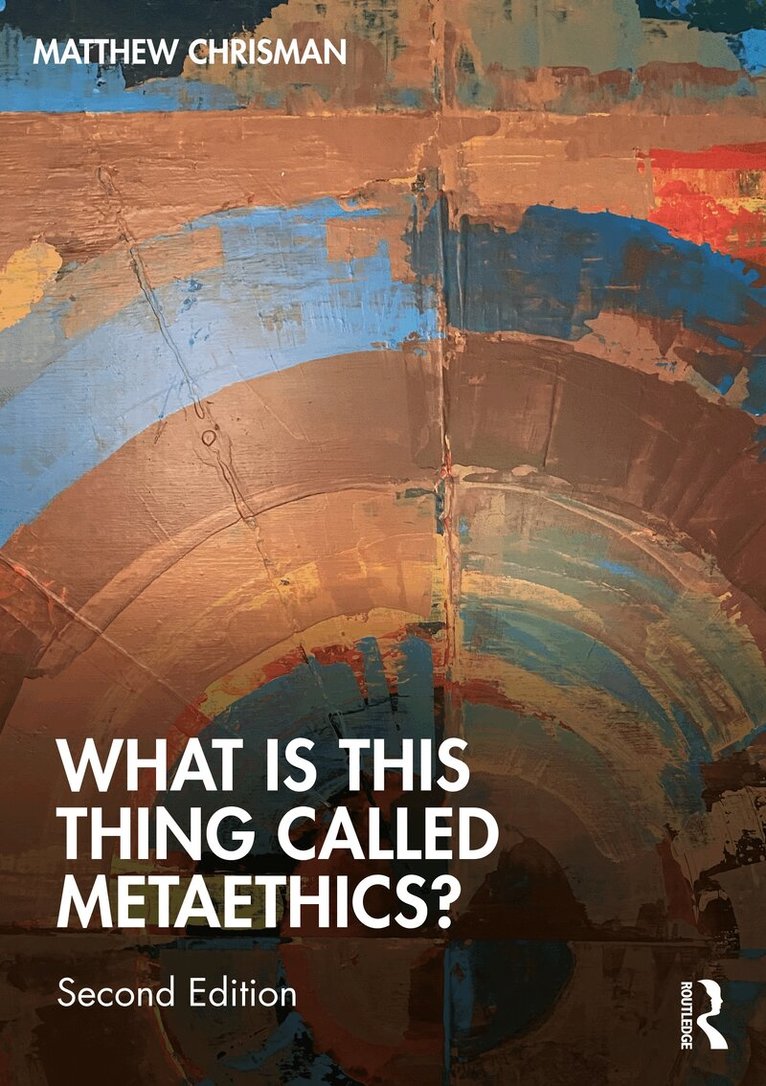
What makes something morally right? Where do our ethical standards come from? Are they relative to cultures or timeless and universal? Are there any objective moral facts? What is goodness? If there are moral facts, how do we learn about them? What do we mean when we say someone ought to do something? These are all questions in metaethics, the branch of ethics that investigates the status of morality, the nature of ethical value, the possibility of ethical knowledge, and the meaning of ethical statements. To the uninitiated it can appear abstract and far removed from its two more concrete cousins, ethical theory and applied ethics, yet it is one of the fastest-growing and most exciting areas of ethics.What is this thing called Metaethics? demystifies this important subject and is ideal for students coming to it for the first time. Beginning with a brief overview of metaethics and the development of a "conceptual toolkit," Matthew Chrisman introduces and assesses the following key topics:ethical reality: including questions about naturalism and non-naturalism, moral facts, and the distinction between realism and antirealismethical language: does language represent reality? What mental states are expressed by moral statements?moral psychology: the theory of motivation and the connection between moral judgement and motivationmoral knowledge: intuitionist and coherentist moral epistemologies, and theories of objectivity and relativism in metaethicsprominent metaethical theories: naturalism, nonnaturalism, error-theory, and expressivismnew directions in metaethics, including non-traditional theories, thick ethical concepts, and extensions to metaepistemology and metanormative theoryThe Second Edition has been completely revised and updated throughout. This includes a new thematic organization of the core chapters, many new examples, a newly written final chapter including discussion of thick ethical concepts and all-things-considered normativity, updated references to recent scholarly literature, improved learning resources, an expanded glossary of terms, and much more.Additional features such as chapter summaries, questions of understanding, and suggestions for further reading make What is this thing called Metaethics? an ideal introduction to metaethics.
2 103 kr
Skickas inom 10-15 vardagar
What makes something morally right? Where do our ethical standards come from? Are they relative to cultures or timeless and universal? Are there any objective moral facts? What is goodness? If there are moral facts, how do we learn about them? What do we mean when we say someone ought to do something? These are all questions in metaethics, the branch of ethics that investigates the status of morality, the nature of ethical value, the possibility of ethical knowledge, and the meaning of ethical statements. To the uninitiated it can appear abstract and far removed from its two more concrete cousins, ethical theory and applied ethics, yet it is one of the fastest-growing and most exciting areas of ethics.What is this thing called Metaethics? demystifies this important subject and is ideal for students coming to it for the first time. Beginning with a brief overview of metaethics and the development of a "conceptual toolkit," Matthew Chrisman introduces and assesses the following key topics:ethical reality: including questions about naturalism and non-naturalism, moral facts, and the distinction between realism and antirealismethical language: does language represent reality? What mental states are expressed by moral statements?moral psychology: the theory of motivation and the connection between moral judgement and motivationmoral knowledge: intuitionist and coherentist moral epistemologies, and theories of objectivity and relativism in metaethicsprominent metaethical theories: naturalism, nonnaturalism, error-theory, and expressivismnew directions in metaethics, including non-traditional theories, thick ethical concepts, and extensions to metaepistemology and metanormative theoryThe Second Edition has been completely revised and updated throughout. This includes a new thematic organization of the core chapters, many new examples, a newly written final chapter including discussion of thick ethical concepts and all-things-considered normativity, updated references to recent scholarly literature, improved learning resources, an expanded glossary of terms, and much more.Additional features such as chapter summaries, questions of understanding, and suggestions for further reading make What is this thing called Metaethics? an ideal introduction to metaethics.
1 954 kr
Skickas inom 10-15 vardagar
What is knowledge? Where does it come from? What kinds of knowledge are there? Can we know anything at all? What is the practical relevance of learning about epistemology?This lucid and engaging introduction grapples with these central questions in the theory of knowledge, offering a clear, non-partisan view of the main themes of epistemology. Both traditional issues and contemporary ideas are discussed in 22 easily digestible chapters, each of which concludes with a useful summary of the main ideas discussed, study questions, annotated further reading, and a guide to internet resources.Each chapter also features text boxes providing bite-sized summaries of key concepts and major philosophers, and clear and interesting examples are used throughout. The book concludes with an annotated guide to general introductions to epistemology, a glossary of key terms, and a summary of the main examples used in epistemology. This is an ideal first textbook in the theory of knowledge for undergraduates coming to philosophy for the first time.This fifth edition has been revised throughout and features a new part devoted to social epistemology. In addition, the text as a whole has been refreshed to keep it up-to-date with current developments.
580 kr
Skickas inom 10-15 vardagar
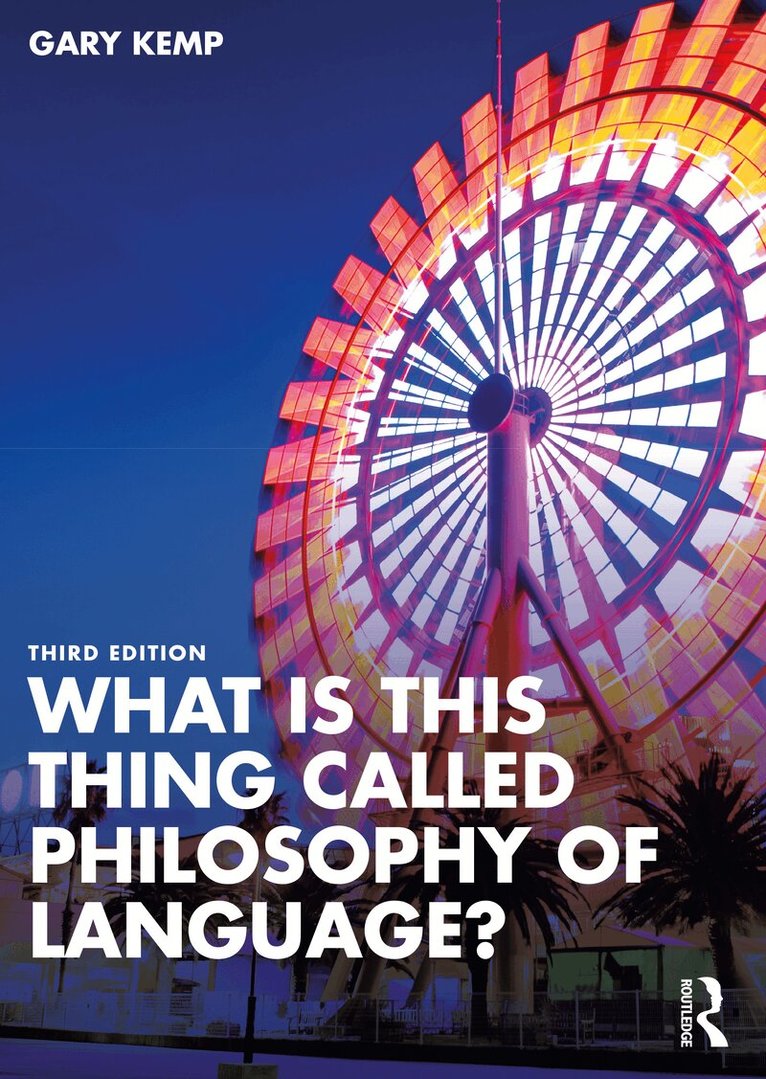
Philosophy of language explores some of the most abstract yet most fundamental questions in philosophy. The ideas of some of the subject's great founding figures, such as Gottlob Frege, Ludwig Wittgenstein and Bertrand Russell, as well as of more recent figures such as Saul Kripke and Hilary Putnam, are central to a great many philosophical debates to this day and are widely studied. In this clear and carefully structured introduction to the subject Gary Kemp explains the following key topics:the basic nature of philosophy of language, its concepts and its historical developmentFrege’s theory of sense and reference; Russell's theory of definite descriptionsWittgenstein's Tractatus, Ayer, and the Logical Positivistsrecent perspectives including Kripke, Kaplan, Putnam, Chomsky, Quine and Davidson; arguments concerning translation, necessity, indexicals, rigid designation and natural kindsthe pragmatics of language, including speech-acts, presupposition and conversational implicaturepuzzles surrounding the propositional attitudes (sentences which ascribe beliefs to people)the challenges presented by the later Wittgensteincontemporary directions, including contextualism, fictional objects and the phenomenon of slursThe third edition has been thoroughly revised throughout and includes a new chapter on Noam Chomsky's theory of Universal Grammar. In addition, the concluding chapter on modern directions in philosophy of language has been expanded to two chapters, and which now cover crucial emergent areas of study such as slurs, conceptual engineering and experimental philosophy.Chapter summaries, annotated further reading and a glossary make What is this thing called Philosophy of Language? an indispensable introduction to those teaching philosophy of language and will be particularly useful for students coming to the subject for the first time.
2 151 kr
Skickas inom 10-15 vardagar
Philosophy of language explores some of the most abstract yet most fundamental questions in philosophy. The ideas of some of the subject's great founding figures, such as Gottlob Frege, Ludwig Wittgenstein and Bertrand Russell, as well as of more recent figures such as Saul Kripke and Hilary Putnam, are central to a great many philosophical debates to this day and are widely studied. In this clear and carefully structured introduction to the subject Gary Kemp explains the following key topics:the basic nature of philosophy of language, its concepts and its historical developmentFrege’s theory of sense and reference; Russell's theory of definite descriptionsWittgenstein's Tractatus, Ayer, and the Logical Positivistsrecent perspectives including Kripke, Kaplan, Putnam, Chomsky, Quine and Davidson; arguments concerning translation, necessity, indexicals, rigid designation and natural kindsthe pragmatics of language, including speech-acts, presupposition and conversational implicaturepuzzles surrounding the propositional attitudes (sentences which ascribe beliefs to people)the challenges presented by the later Wittgensteincontemporary directions, including contextualism, fictional objects and the phenomenon of slursThe third edition has been thoroughly revised throughout and includes a new chapter on Noam Chomsky's theory of Universal Grammar. In addition, the concluding chapter on modern directions in philosophy of language has been expanded to two chapters, and which now cover crucial emergent areas of study such as slurs, conceptual engineering and experimental philosophy.Chapter summaries, annotated further reading and a glossary make What is this thing called Philosophy of Language? an indispensable introduction to those teaching philosophy of language and will be particularly useful for students coming to the subject for the first time.
580 kr
Skickas inom 10-15 vardagar
What is this thing called Philosophy? is the definitive textbook for all who want a thorough introduction to the field. It introduces philosophy using a question-led approach that reflects the discursive nature of the discipline. Edited by Duncan Pritchard, each section is written by a high-profile contributor focusing on a key area of philosophy, and contains three or four question-based chapters offering an accessible point of engagement.The core areas of philosophy introduced and explained are:EthicsPolitical PhilosophyAestheticsEpistemologyPhilosophy of MindPhilosophy of LanguageMetaphysicsPhilosophy of SciencePhilosophy of ReligionThe Meaning of LifeThis second edition has been revised throughout, with chapters being brought up to date and improved. There is also a new section on the philosophy of language and the addition of 'spotlight' questions at the end of each section, as well as an updated Introduction and Glossary of Key Terms.An outstanding textbook written by experienced teachers, What is this thing called Philosophy? is ideal for students approaching philosophy for the first time.
2 103 kr
Skickas inom 10-15 vardagar
What is this thing called Philosophy? is the definitive textbook for all who want a thorough introduction to the field. It introduces philosophy using a question-led approach that reflects the discursive nature of the discipline. Edited by Duncan Pritchard, each section is written by a high-profile contributor focusing on a key area of philosophy, and contains three or four question-based chapters offering an accessible point of engagement.The core areas of philosophy introduced and explained are:EthicsPolitical PhilosophyAestheticsEpistemologyPhilosophy of MindPhilosophy of LanguageMetaphysicsPhilosophy of SciencePhilosophy of ReligionThe Meaning of LifeThis second edition has been revised throughout, with chapters being brought up to date and improved. There is also a new section on the philosophy of language and the addition of 'spotlight' questions at the end of each section, as well as an updated Introduction and Glossary of Key Terms.An outstanding textbook written by experienced teachers, What is this thing called Philosophy? is ideal for students approaching philosophy for the first time.
2 103 kr
Skickas inom 10-15 vardagar
What is this thing called Philosophy of Religion? grapples with the core topics studied on philosophy of religion undergraduate courses including: the meaning of religious language, including 20th century developments the nature of the Divine, including divine power, wisdom and action arguments for the existence of the Divine challenges to belief in the Divine, including the problems of evil, divine hiddenness and religious diversity believing without arguments arguments for life after death, including reincarnation.In addition to the in-depth coverage of the key themes within the subject area Elizabeth Burns explores the topics from the perspectives of the five main world religions, introducing students to the work of scholars from a variety of religious traditions and interpretations of belief.What is this thing called Philosophy of Religion? is the ideal introduction for those approaching the philosophy of religion for the first time, containing many helpful student-friendly features, such as a glossary of important terms, study questions and further reading.
567 kr
Skickas inom 10-15 vardagar
What is this thing called Philosophy of Religion? grapples with the core topics studied on philosophy of religion undergraduate courses including: the meaning of religious language, including 20th century developments the nature of the Divine, including divine power, wisdom and action arguments for the existence of the Divine challenges to belief in the Divine, including the problems of evil, divine hiddenness and religious diversity believing without arguments arguments for life after death, including reincarnation.In addition to the in-depth coverage of the key themes within the subject area Elizabeth Burns explores the topics from the perspectives of the five main world religions, introducing students to the work of scholars from a variety of religious traditions and interpretations of belief.What is this thing called Philosophy of Religion? is the ideal introduction for those approaching the philosophy of religion for the first time, containing many helpful student-friendly features, such as a glossary of important terms, study questions and further reading.
2 035 kr
Skickas inom 10-15 vardagar
How did our universe come to be? Does God exist? Does time flow? What are we? Do we have free will? What is truth? Metaphysics is concerned with the nature of ourselves and the world around us. This clear and accessible introduction covers the central topics in metaphysics in a concise but comprehensive way. Brian Garrett discusses the crucial concepts and arguments of metaphysics in a highly readable manner. He addresses the following key areas of metaphysics: • God • Existence • Modality • Universals and particulars • Facts • Causation • Time • Puzzles of material constitution • Free will & determinism• Fatalism• Personal identity • Truth This third edition has been thoroughly revised. Most chapters include new and updated material, and there are now two chapters devoted to attacks on free will and fatalism. What is this thing called Metaphysics? contains many helpful student-friendly features, such as a glossary of important terms, study questions, annotated further reading, and a guide to web resources. Text boxes provide bite-sized summaries of key concepts and major philosophers, and clear and interesting examples are used throughout.
567 kr
Skickas inom 10-15 vardagar
How did our universe come to be? Does God exist? Does time flow? What are we? Do we have free will? What is truth? Metaphysics is concerned with the nature of ourselves and the world around us. This clear and accessible introduction covers the central topics in metaphysics in a concise but comprehensive way. Brian Garrett discusses the crucial concepts and arguments of metaphysics in a highly readable manner. He addresses the following key areas of metaphysics: • God • Existence • Modality • Universals and particulars • Facts • Causation • Time • Puzzles of material constitution • Free will & determinism• Fatalism• Personal identity • Truth This third edition has been thoroughly revised. Most chapters include new and updated material, and there are now two chapters devoted to attacks on free will and fatalism. What is this thing called Metaphysics? contains many helpful student-friendly features, such as a glossary of important terms, study questions, annotated further reading, and a guide to web resources. Text boxes provide bite-sized summaries of key concepts and major philosophers, and clear and interesting examples are used throughout.