Women and Leadership – serie
Visar alla böcker i serien Women and Leadership. Handla med fri frakt och snabb leverans.
14 produkter
14 produkter
Häftad, Engelska, 2014
484 kr
Skickas inom 5-8 vardagar
Women and Leadership in Higher Education is the first volume in a new series of books (Women and Leadership: Research, Theory, and Practice) that will be published in upcoming years to inform leadership scholars and practitioners. This book links theory, research, and practice of women’s leadership in various higher education contexts and offers suggestions for future leadership development strategies. This volume focuses on the field of higher education, particularly within the context of the United States—a sector that serves a majority of students at all degree levels who are women, yet lacks parity by women in senior leadership roles.The book’s fifteen chapters present both hard facts regarding the current demographic realities within higher education and fresh thinking about how progress can and must be made in order for U.S. higher education to benefit from the perspectives of women at the senior leadership table. The book’s opening section provides data and analysis in addressing “The State of Women and Leadership in Higher Education”; the second section offers descriptions of three effective models for women’s leadership development at the national and institutional levels; the third section draws from recent research to present “Women’s Experiences and Contributions in Higher Education Leadership.” The book concludes with five shorter chapters written by current and former college and university presidents who offer “Lessons from the Trenches” for the benefit of those who follow. In short, the thesis of the book is that our world is changing; higher education collectively, as well as institutions of all types, must change. Bringing more women into leadership is critical to the goal of moving our society and world forward in healthier ways.
Inbunden, Engelska, 2014
828 kr
Skickas inom 5-8 vardagar
Women and Leadership in Higher Education is the first volume in a new series of books (Women and Leadership: Research, Theory, and Practice) that will be published in upcoming years to inform leadership scholars and practitioners. This book links theory, research, and practice of women’s leadership in various higher education contexts and offers suggestions for future leadership development strategies. This volume focuses on the field of higher education, particularly within the context of the United States—a sector that serves a majority of students at all degree levels who are women, yet lacks parity by women in senior leadership roles.The book’s fifteen chapters present both hard facts regarding the current demographic realities within higher education and fresh thinking about how progress can and must be made in order for U.S. higher education to benefit from the perspectives of women at the senior leadership table. The book’s opening section provides data and analysis in addressing “The State of Women and Leadership in Higher Education”; the second section offers descriptions of three effective models for women’s leadership development at the national and institutional levels; the third section draws from recent research to present “Women’s Experiences and Contributions in Higher Education Leadership.” The book concludes with five shorter chapters written by current and former college and university presidents who offer “Lessons from the Trenches” for the benefit of those who follow. In short, the thesis of the book is that our world is changing; higher education collectively, as well as institutions of all types, must change. Bringing more women into leadership is critical to the goal of moving our society and world forward in healthier ways.
Häftad, Engelska, 2015
620 kr
Skickas inom 5-8 vardagar
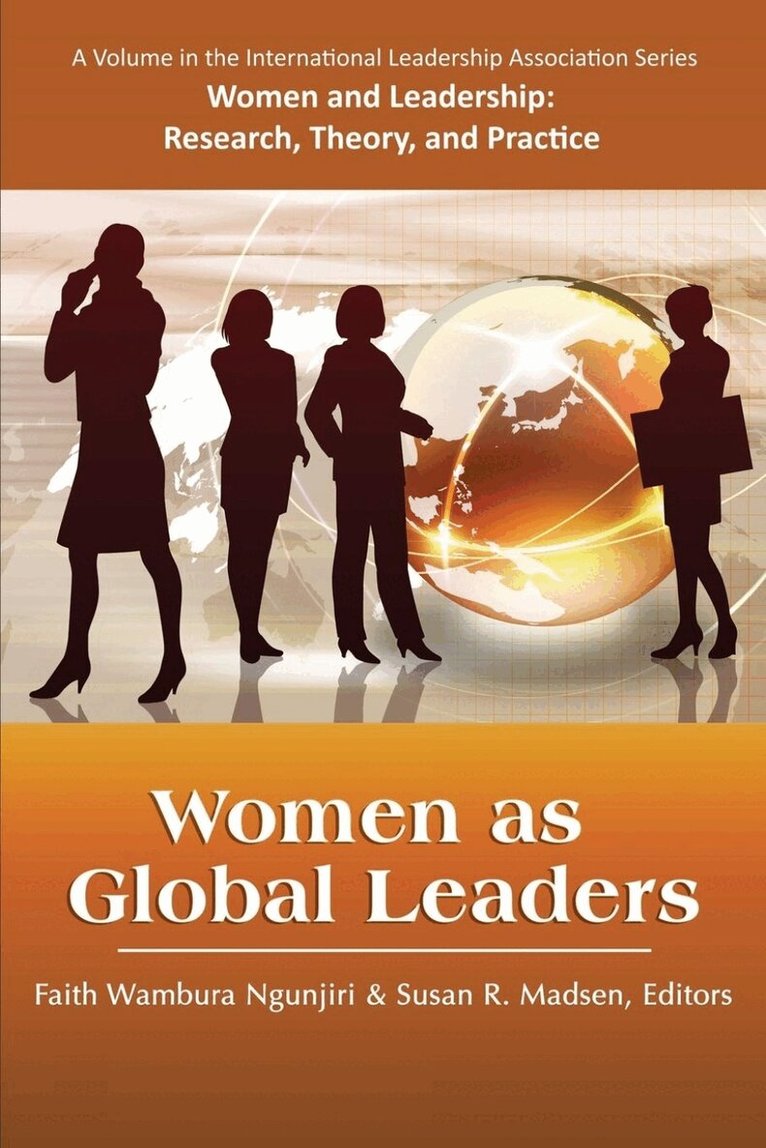
Women as Global Leaders is the second volume in the new Women and Leadership: Research, Theory, and Practice book series published for the International Leadership Association by IAP. Global leadership is an emerging area of research, with only a small but growing published literature base. More specifically, the topic of women’s advances and adventures in leading within the global context is barely covered in the existing leadership literature. Although few women are serving in global leadership roles in corporate and non-profit arenas, and as heads of nations, that number is growing (e.g., Indira Nooyi at PepsiCo, Sheryl Sandberg at Facebook, Marissa Mayer at Yahoo, Ellen Johnson Sirleaf as president of Liberia, Angela Merkel as chancellor of Germany).The purpose of this volume is to provide the reader with current conceptualizations and theory related to women as global leaders, recent empirical investigations of the phenomenon, analysis of effective global leadership development programs, and portraits of women who lead, or have led, in a global role. The volume is divided into four sections. The first section covers the state of women as global leaders, containing chapters by Joyce Osland and Nancy Adler, pioneers in the field of global and/or women’s leadership. The second section describes approaches to women’s global leadership. The third section offers an analysis of programs that are useful in developing women as global leaders, with the final section profiling women as global leaders, including Margaret Thatcher, Nobel Laureate Malala Yousfazai, and Golda Meir. As Barbara Kellerman noted in the Foreword, "this book... should be understood as a collection whose time has come, precisely because women now have opportunities to lead that are far more expansive than they were even in the recent past. Though their numbers remain low, they are able in some cases to exercise leadership not only as outsiders, but also as insiders, from the very positions of power and authority to which men forever have had access."
Inbunden, Engelska, 2015
1 097 kr
Skickas inom 5-8 vardagar
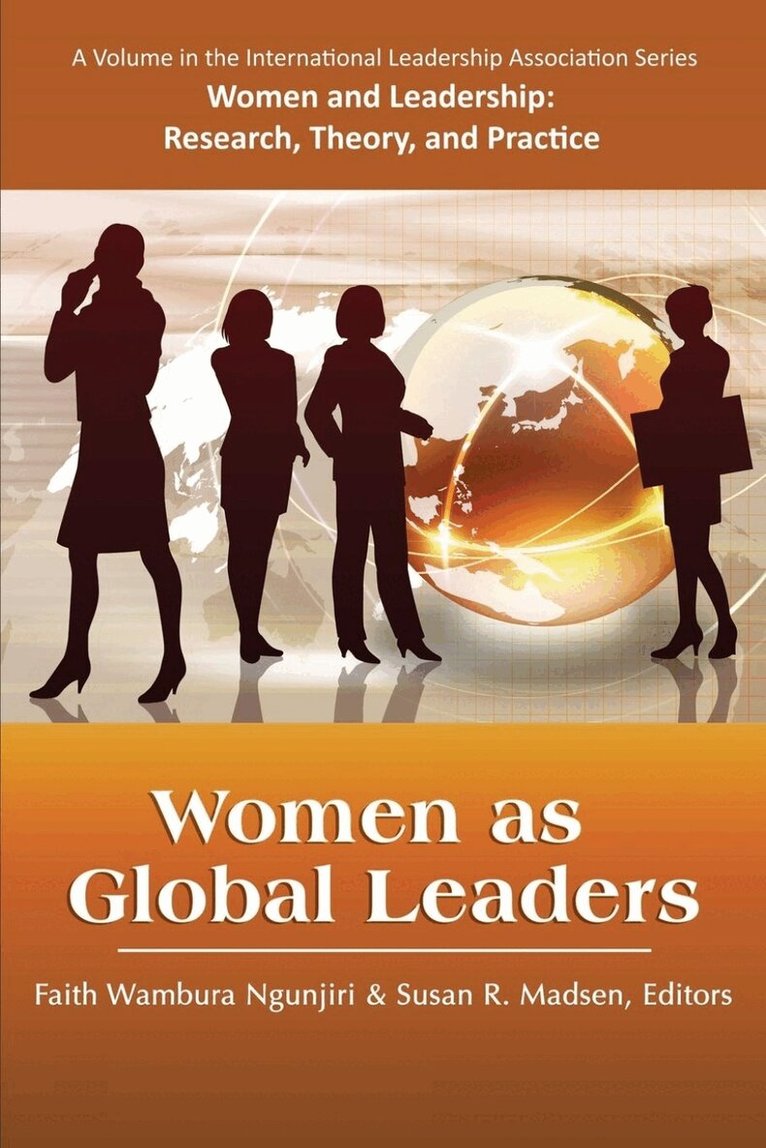
Women as Global Leaders is the second volume in the new Women and Leadership: Research, Theory, and Practice book series published for the International Leadership Association by IAP. Global leadership is an emerging area of research, with only a small but growing published literature base. More specifically, the topic of women’s advances and adventures in leading within the global context is barely covered in the existing leadership literature. Although few women are serving in global leadership roles in corporate and non-profit arenas, and as heads of nations, that number is growing (e.g., Indira Nooyi at PepsiCo, Sheryl Sandberg at Facebook, Marissa Mayer at Yahoo, Ellen Johnson Sirleaf as president of Liberia, Angela Merkel as chancellor of Germany).The purpose of this volume is to provide the reader with current conceptualizations and theory related to women as global leaders, recent empirical investigations of the phenomenon, analysis of effective global leadership development programs, and portraits of women who lead, or have led, in a global role. The volume is divided into four sections. The first section covers the state of women as global leaders, containing chapters by Joyce Osland and Nancy Adler, pioneers in the field of global and/or women’s leadership. The second section describes approaches to women’s global leadership. The third section offers an analysis of programs that are useful in developing women as global leaders, with the final section profiling women as global leaders, including Margaret Thatcher, Nobel Laureate Malala Yousfazai, and Golda Meir. As Barbara Kellerman noted in the Foreword, "this book... should be understood as a collection whose time has come, precisely because women now have opportunities to lead that are far more expansive than they were even in the recent past. Though their numbers remain low, they are able in some cases to exercise leadership not only as outsiders, but also as insiders, from the very positions of power and authority to which men forever have had access."
Häftad, Engelska, 2018
622 kr
Skickas inom 5-8 vardagar
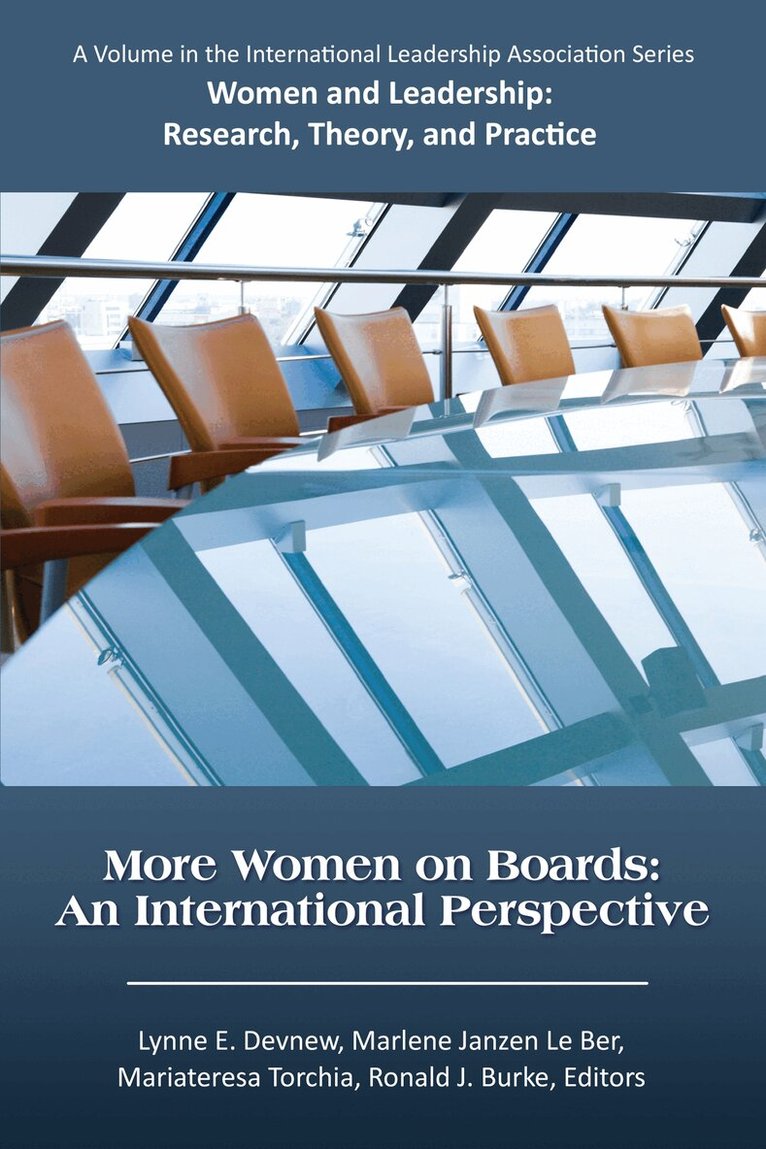
More Women on Boards: An International Perspective is the seventh volume in the Women and Leadership: Research, Theory, and Practice book series. The purpose of this volume is to explore the complexity of issues related to increasing the number of women on boards of directors around the world: how these issues have been understood; how they have been more and less successfully addressed in different countries and industries; and how they are similar, and yet different, as a results of cultural and legal differences. In the Introduction and 18 chapters included in this book, 42 researchers, activists, and practitioners who were raised or work today in at least 17 countries on 6 continents seek to answer the questions: “Why have women on boards?” “Why is adding women to boards so challenging?” “What actions increase the number of women on boards?” and “What can we learn from situations where there are women board members?”In seeking to answer these questions, the authors summarize previously existing research and share the results of their own recent qualitative and quantitative research studies conducted in many different countries. Both “fix the woman” and “fix the society” challenges and solutions are explored. Stories of women who have successfully joined and, in many cases, led boards of directors are shared. It is clear to us, and we believe will be clear to those who read this book, that there is no single program that will lead to gender equality on boards; however we believe that the authors in this volume provide a rich variety of research and well supported suggestions for addressing the challenges. When local cultures are considered and multiple suggestions implemented as appropriate, we are confident we will, together, increase the number of women on boards throughout the world.
Inbunden, Engelska, 2018
1 100 kr
Skickas inom 5-8 vardagar
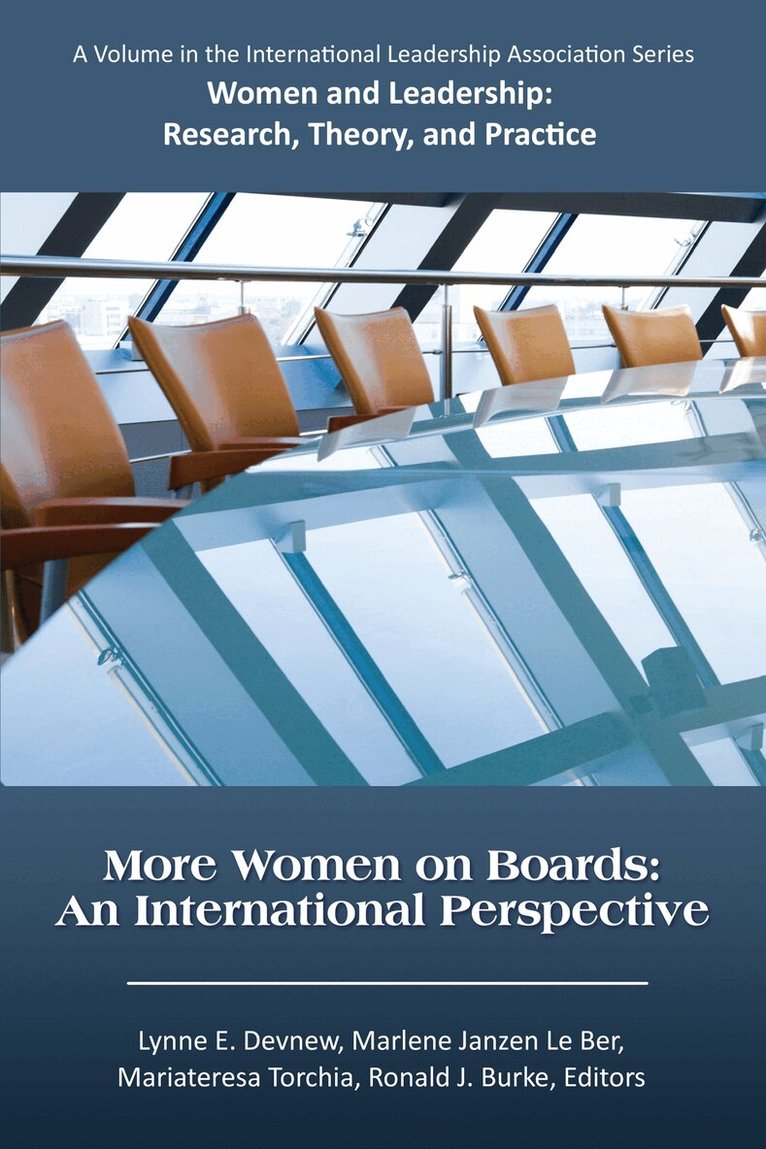
More Women on Boards: An International Perspective is the seventh volume in the Women and Leadership: Research, Theory, and Practice book series. The purpose of this volume is to explore the complexity of issues related to increasing the number of women on boards of directors around the world: how these issues have been understood; how they have been more and less successfully addressed in different countries and industries; and how they are similar, and yet different, as a results of cultural and legal differences. In the Introduction and 18 chapters included in this book, 42 researchers, activists, and practitioners who were raised or work today in at least 17 countries on 6 continents seek to answer the questions: “Why have women on boards?” “Why is adding women to boards so challenging?” “What actions increase the number of women on boards?” and “What can we learn from situations where there are women board members?”In seeking to answer these questions, the authors summarize previously existing research and share the results of their own recent qualitative and quantitative research studies conducted in many different countries. Both “fix the woman” and “fix the society” challenges and solutions are explored. Stories of women who have successfully joined and, in many cases, led boards of directors are shared. It is clear to us, and we believe will be clear to those who read this book, that there is no single program that will lead to gender equality on boards; however we believe that the authors in this volume provide a rich variety of research and well supported suggestions for addressing the challenges. When local cultures are considered and multiple suggestions implemented as appropriate, we are confident we will, together, increase the number of women on boards throughout the world.
Häftad, Engelska, 2015
640 kr
Skickas inom 5-8 vardagar
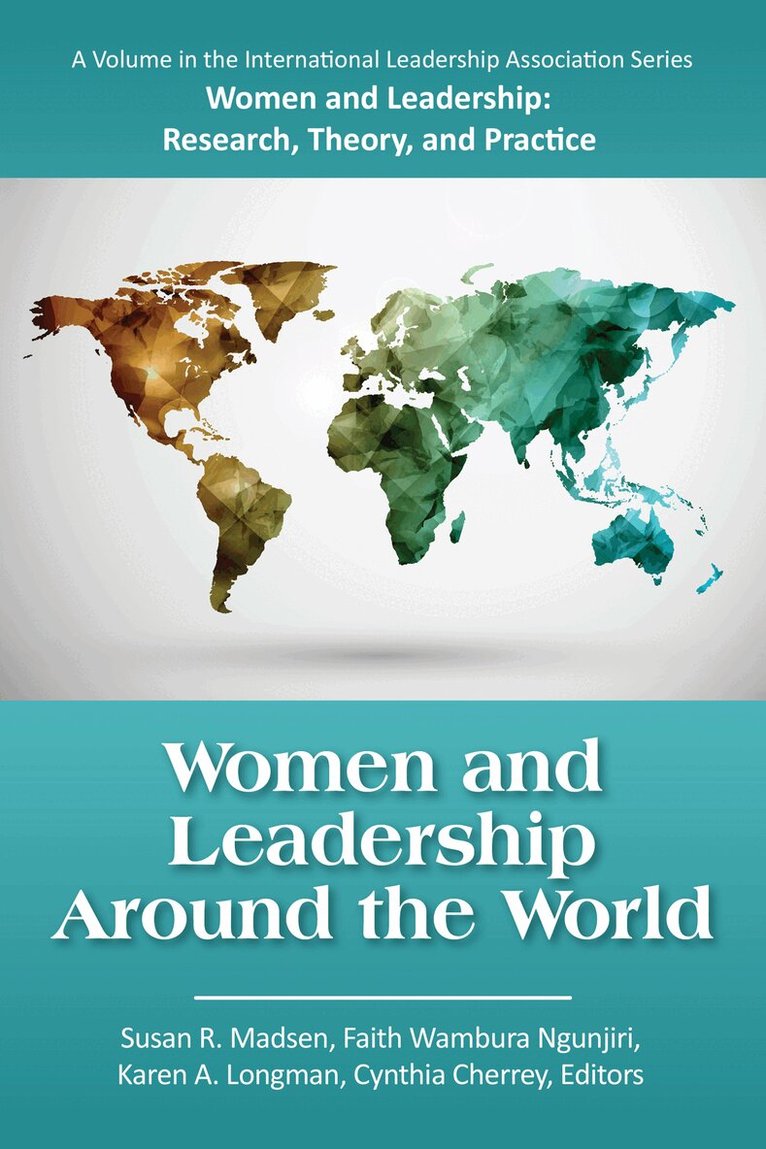
Women and Leadership around the World is the third volume in a new series of books (Women and Leadership: Research, Theory, and Practice) that will is now being published to inform leadership scholars and practitioners. The purpose of this volume is to explore areas of women’s leadership in four regions around the world: the Middle East, Europe, North America, and Asia Pacific. Hence, we have included 14 chapters that cover a wide range of important topics relevant to women and leadership within specific contexts around the world. Our goal for this volume is to provide readers with explorations of women’s experiences as leaders, including recent research studies, analysis and interpretation of statistics unpacking the status of women in various sectors and countries, stories of influential women leaders with national or local spheres of influence, and including recommendations for positive change to increase women’s access to positions of authority. The volume contributors use various theories and conceptualizations to problematize, historicize, and analyze women’s limited access to power, and their agency as leaders from the grassroots to the national scene, from education to non-profits and business organizations.Overall, the book contributes interpretations of the status of women in various countries, presenting the stories behind the numbers and statistics and uncovering not only challenges but also opportunities for resiliency and effectiveness as leaders. The authors offer recommendations for change that cross national boundaries, such as structural changes in organizations that would open the door for more women to access positions of authority and be effective as leaders. It is rare to find a book with such a diverse array of topics and countries, making this a timely contribution to the literature on women and leadership. The authors remind us to continue to expand the literature base on women and leadership, drawing from both qualitative and quantitative studies as well as conceptual explorations of women as leaders in different countries, regions, indigenous communities, and across different sectors. The more we know, the better informed will be our efforts to create appropriate leadership development activities and experiences for emerging women leaders and girls around the world. This book contributes significantly to that very effort.
Inbunden, Engelska, 2015
1 132 kr
Skickas inom 5-8 vardagar
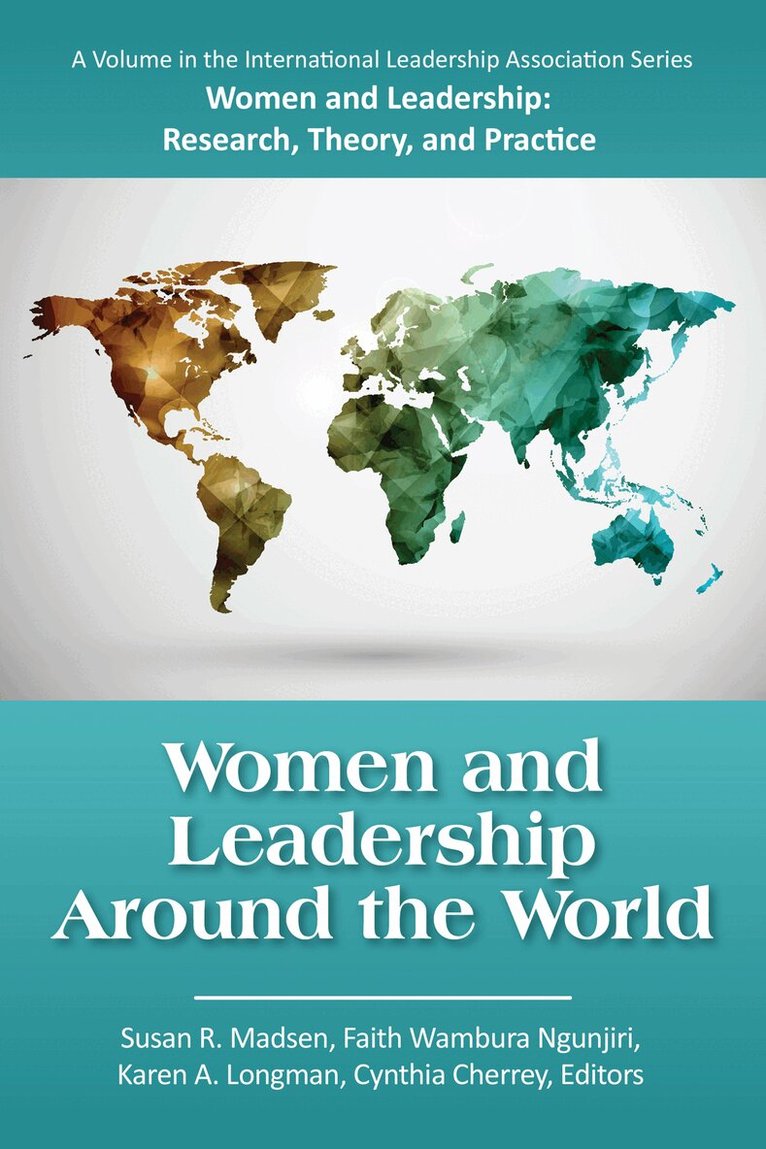
Women and Leadership around the World is the third volume in a new series of books (Women and Leadership: Research, Theory, and Practice) that will is now being published to inform leadership scholars and practitioners. The purpose of this volume is to explore areas of women’s leadership in four regions around the world: the Middle East, Europe, North America, and Asia Pacific. Hence, we have included 14 chapters that cover a wide range of important topics relevant to women and leadership within specific contexts around the world. Our goal for this volume is to provide readers with explorations of women’s experiences as leaders, including recent research studies, analysis and interpretation of statistics unpacking the status of women in various sectors and countries, stories of influential women leaders with national or local spheres of influence, and including recommendations for positive change to increase women’s access to positions of authority. The volume contributors use various theories and conceptualizations to problematize, historicize, and analyze women’s limited access to power, and their agency as leaders from the grassroots to the national scene, from education to non-profits and business organizations.Overall, the book contributes interpretations of the status of women in various countries, presenting the stories behind the numbers and statistics and uncovering not only challenges but also opportunities for resiliency and effectiveness as leaders. The authors offer recommendations for change that cross national boundaries, such as structural changes in organizations that would open the door for more women to access positions of authority and be effective as leaders. It is rare to find a book with such a diverse array of topics and countries, making this a timely contribution to the literature on women and leadership. The authors remind us to continue to expand the literature base on women and leadership, drawing from both qualitative and quantitative studies as well as conceptual explorations of women as leaders in different countries, regions, indigenous communities, and across different sectors. The more we know, the better informed will be our efforts to create appropriate leadership development activities and experiences for emerging women leaders and girls around the world. This book contributes significantly to that very effort.
Häftad, Engelska, 2016
622 kr
Skickas inom 5-8 vardagar
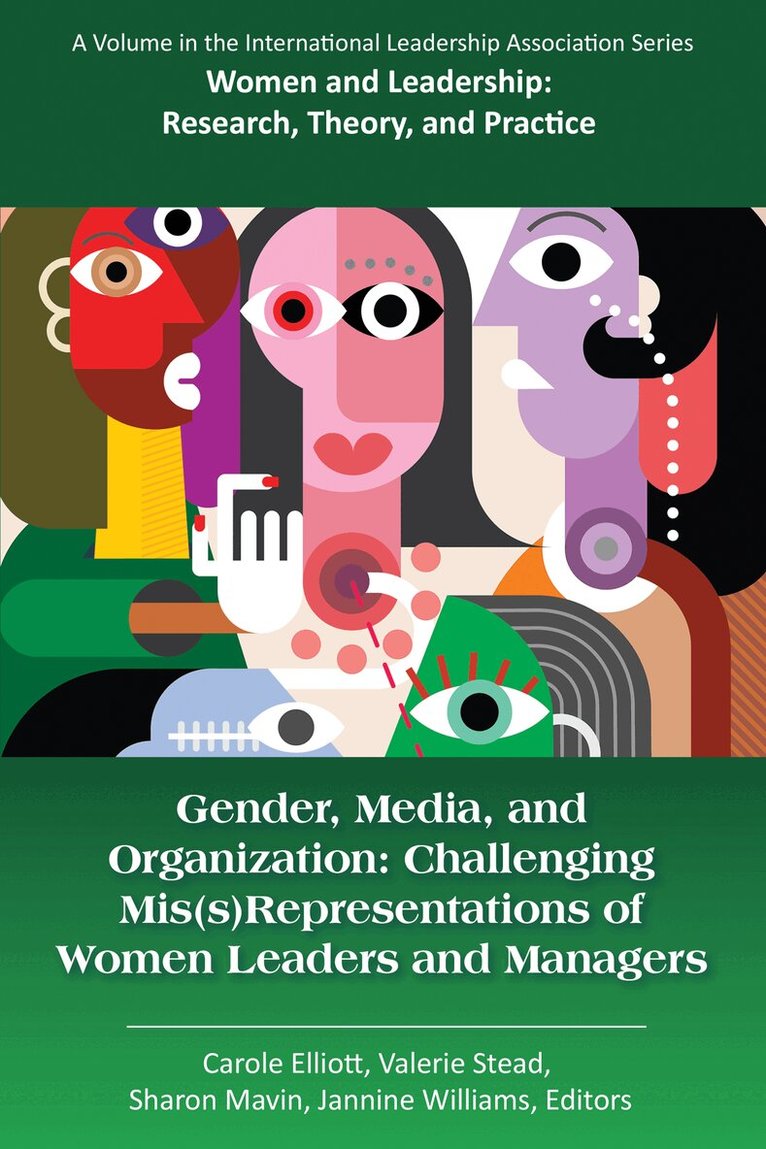
Gender, Media, and Organization: Challenging Mis(s)Representations of Women Leaders and Managers is the fourth volume in the Women and Leadership: Research, Theory, and Practice series. This cross-disciplinary series from the International Leadership Association draws from current research findings, development practices, pedagogy, and lived experience to deliver provocative thinking that enhances leadership knowledge and improves leadership development of women around the world. This volume addresses the lack of critical attention in leadership research to how women leaders and professionals are represented in the media. The volume acts as a companion piece to a Seminar Series, funded by the UK’s Economic and Social Sciences Research Council (ESRC), to address this gap in the research. The lack of research interrogation of gendered media representations of women leaders and professionals is a surprising omission given the wealth of evidence from stakeholders outside academia revealing that women, and women leaders, continue to be underrepresented across all forms of media outlet. This volume contributes to social change, equality, and economic performance by raising consciousness about women’s lack of representation in the media and challenges gendered mis(s)representations of women professionals and leaders in the media through the presentation of a range of empirical investigations and methodological approaches. The volume contributors use various theories and conceptualizations to problematize and analyze women’s limited representation in the media, and the gendered representations of women professionals and leaders.Together, the volume’s 14 chapters reflect the beginning of a rich, diverse, emergent strand of academic research that interrogates relationships between the media in its multiple forms and women’s leadership. Illuminating the positioning of women leaders and professionals as both complex and problematic, these chapters offer an important agenda for management and organization scholars. They attest to the need to describe and make visible women’s mis(s)representations in the media while drawing attention to the importance of situating these mis(s) representations in the broader social, economic, historical, cultural, and political context as a means to gain insight into their development and evolution. As a rich and diverse site of research, examination of the media calls for a broad methodological repertoire. The chapters in this book draw from multiple sources and include, among others, the development of thematic analysis to illuminate stereotypes, the use of critical discourse analysis to understand professional women’s experience, a rhetorical analysis of the covers of Time magazine, and an interrogation of the power dynamics manifested in the media’s practice of nicknaming women leaders.Gender, Media, and Organization is a first step in stimulating further research that poses critical questions concerning gendered and sexualized representations of women leaders in textual and visual forms, and considers the media’s influence on gender equality and social justice. The chapters offer fruitful avenues for future research to continue the momentum of challenging gendered media representations of women leaders and professionals.
Inbunden, Engelska, 2016
1 100 kr
Skickas inom 5-8 vardagar
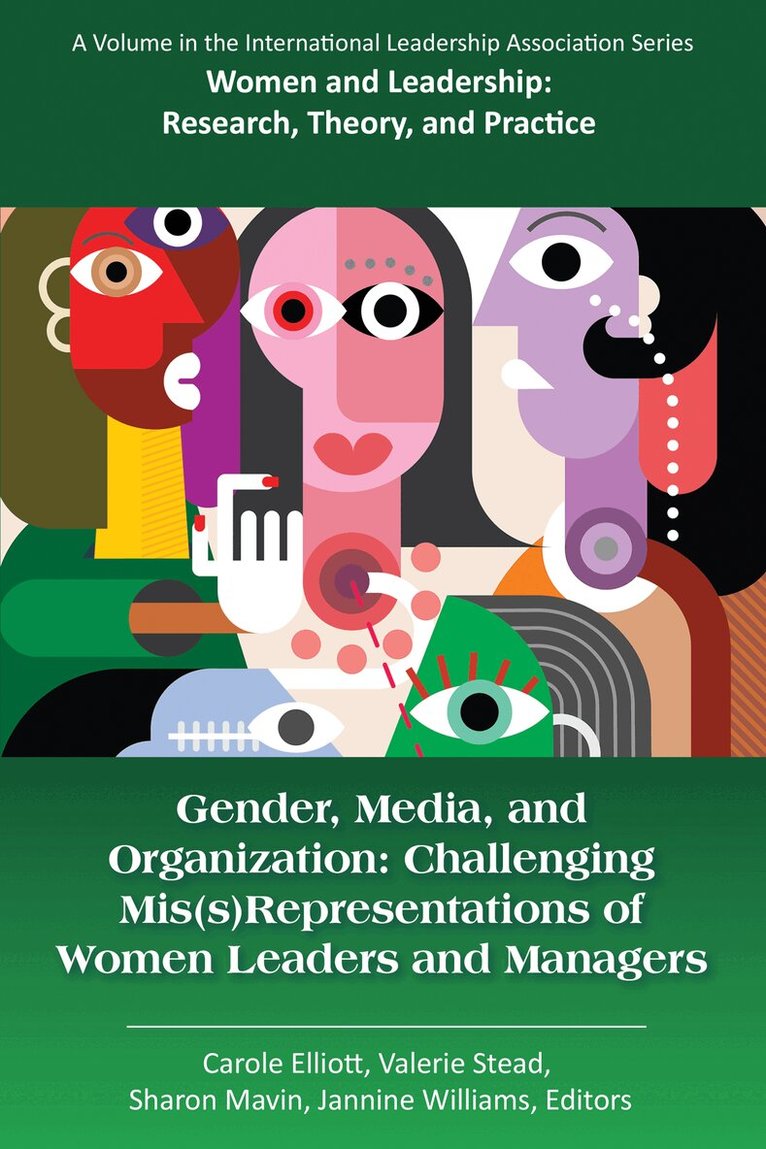
Gender, Media, and Organization: Challenging Mis(s)Representations of Women Leaders and Managers is the fourth volume in the Women and Leadership: Research, Theory, and Practice series. This cross-disciplinary series from the International Leadership Association draws from current research findings, development practices, pedagogy, and lived experience to deliver provocative thinking that enhances leadership knowledge and improves leadership development of women around the world. This volume addresses the lack of critical attention in leadership research to how women leaders and professionals are represented in the media. The volume acts as a companion piece to a Seminar Series, funded by the UK’s Economic and Social Sciences Research Council (ESRC), to address this gap in the research. The lack of research interrogation of gendered media representations of women leaders and professionals is a surprising omission given the wealth of evidence from stakeholders outside academia revealing that women, and women leaders, continue to be underrepresented across all forms of media outlet. This volume contributes to social change, equality, and economic performance by raising consciousness about women’s lack of representation in the media and challenges gendered mis(s)representations of women professionals and leaders in the media through the presentation of a range of empirical investigations and methodological approaches. The volume contributors use various theories and conceptualizations to problematize and analyze women’s limited representation in the media, and the gendered representations of women professionals and leaders.Together, the volume’s 14 chapters reflect the beginning of a rich, diverse, emergent strand of academic research that interrogates relationships between the media in its multiple forms and women’s leadership. Illuminating the positioning of women leaders and professionals as both complex and problematic, these chapters offer an important agenda for management and organization scholars. They attest to the need to describe and make visible women’s mis(s)representations in the media while drawing attention to the importance of situating these mis(s) representations in the broader social, economic, historical, cultural, and political context as a means to gain insight into their development and evolution. As a rich and diverse site of research, examination of the media calls for a broad methodological repertoire. The chapters in this book draw from multiple sources and include, among others, the development of thematic analysis to illuminate stereotypes, the use of critical discourse analysis to understand professional women’s experience, a rhetorical analysis of the covers of Time magazine, and an interrogation of the power dynamics manifested in the media’s practice of nicknaming women leaders.Gender, Media, and Organization is a first step in stimulating further research that poses critical questions concerning gendered and sexualized representations of women leaders in textual and visual forms, and considers the media’s influence on gender equality and social justice. The chapters offer fruitful avenues for future research to continue the momentum of challenging gendered media representations of women leaders and professionals.
Häftad, Engelska, 2017
622 kr
Skickas inom 5-8 vardagar
Theorizing Women and Leadership: New Insights and Contributions from Multiple Perspectives is the fifth volume in the Women and Leadership: Research, Theory, and Practice series. This cross-disciplinary series, from the International Leadership Association, enhances leadership knowledge and improves leadership development of women around the world. The purpose of this volume is to provide a forum for women to theorize about women’s leadership in multiple ways and in multiple contexts. Theorizing has been a viewed as a gendered activity (Swedberg, 2014), and this series of chapters seeks to upend that imbalance. The chapters are written by women who represent multiple disciplines, cultures, races, and subject positions. The diversity extends into research paradigm and method, and the chapters combine to illuminate the multiple ways of knowing about and being a woman leader.Twenty-first century leadership scholars acknowledge the importance of context, and many are considering post-heroic leadership models based on relationships rather than traits. This volume contributes to this discussion by offering a diverse array of perspectives and ways of knowing about leadership and leading. The purpose of the volume is to provide readers with not only interesting new ideas about women and leadership, but also to highlight the diverse epistemologies that can contribute to theorizing about women leaders. Some chapters represent typical social scientific practices and processes, while others represent newer knowledge forms and ways of knowing. The volume contributors adopt various epistemological positions, ranging from objective researcher to embedded co-participant. The chapters link their new findings to existing empirical or conceptual work and illustrate how the findings extend, amend, contradict, or confirm existing research. The diversity of the chapters is one of the volume’s strengths because it illuminates the multiple ways that leadership theory for women can be advanced.Typically, research based on a realist perspective is more valued in the academy. This perspective has indeed generated robust information about leadership in general and women’s leadership in particular. However, readers of this volume are offered an opportunity to explore multiple ways of knowing, different ways of researching, and are invited to de-center researcher objectivity. The authors of the chapters offer conceptual and empirical findings, illuminate multiple and alternative research practices, and in the end suggest future directions for quantitative, qualitative, and mixed-methods research.
Inbunden, Engelska, 2017
1 100 kr
Skickas inom 5-8 vardagar
Theorizing Women and Leadership: New Insights and Contributions from Multiple Perspectives is the fifth volume in the Women and Leadership: Research, Theory, and Practice series. This cross-disciplinary series, from the International Leadership Association, enhances leadership knowledge and improves leadership development of women around the world. The purpose of this volume is to provide a forum for women to theorize about women’s leadership in multiple ways and in multiple contexts. Theorizing has been a viewed as a gendered activity (Swedberg, 2014), and this series of chapters seeks to upend that imbalance. The chapters are written by women who represent multiple disciplines, cultures, races, and subject positions. The diversity extends into research paradigm and method, and the chapters combine to illuminate the multiple ways of knowing about and being a woman leader.Twenty-first century leadership scholars acknowledge the importance of context, and many are considering post-heroic leadership models based on relationships rather than traits. This volume contributes to this discussion by offering a diverse array of perspectives and ways of knowing about leadership and leading. The purpose of the volume is to provide readers with not only interesting new ideas about women and leadership, but also to highlight the diverse epistemologies that can contribute to theorizing about women leaders. Some chapters represent typical social scientific practices and processes, while others represent newer knowledge forms and ways of knowing. The volume contributors adopt various epistemological positions, ranging from objective researcher to embedded co-participant. The chapters link their new findings to existing empirical or conceptual work and illustrate how the findings extend, amend, contradict, or confirm existing research. The diversity of the chapters is one of the volume’s strengths because it illuminates the multiple ways that leadership theory for women can be advanced.Typically, research based on a realist perspective is more valued in the academy. This perspective has indeed generated robust information about leadership in general and women’s leadership in particular. However, readers of this volume are offered an opportunity to explore multiple ways of knowing, different ways of researching, and are invited to de-center researcher objectivity. The authors of the chapters offer conceptual and empirical findings, illuminate multiple and alternative research practices, and in the end suggest future directions for quantitative, qualitative, and mixed-methods research.
Häftad, Engelska, 2017
690 kr
Skickas inom 5-8 vardagar
Gender, Communication, and the Leadership Gap is the sixth volume in the Women and Leadership: Research, Theory, and Practice series. This cross-disciplinary series, from the International Leadership Association, enhances leadership knowledge and improves leadership development of women around the world. The purpose of this volume is to highlight connections between the fields of communication and leadership to help address the problem of underrepresentation of women in leadership. Readers will profit from the accessible writing style as they encounter cutting-edge scholarship on gender and leadership. Chapters of note cover microaggressions, authentic leadership, courageous leadership, inclusive leadership, implicit bias, career barriers and levers, impression management, and the visual rhetoric of famous women leaders.Because women in leadership positions occupy a contested landscape, one goal of this collection is to clarify the contradictory communication dynamics that occur in everyday interactions, in national and international contexts, and when leadership is digital. Another goal is to illuminate the complexities of leadership identity, intersectionality, and perceptions that become obstacles on the path to leadership.The renowned thinkers and scholars in this volume hail from both Leadership and Communication disciplines. The book begins with Sally Helgesen and Brenda J. Allen. Helgesen, co-author of The Female Vision: Women’s Real Power at Work, discusses the two-fold challenge women face as they struggle to articulate their visions. Her chapter offers six practices women can use to relieve this struggle. Allen, author of the groundbreaking book, Difference Matters: Communicating Social Identity, discusses the implications of how inclusive leadership matters to women and what it means to think about women as people who embody both dominant and non-dominant social identity categories. She then offers practical communication strategies and an intersectional ethic to the six signature traits of highly inclusive leaders.Each chapter includes practical solutions from a communication and leadership perspective that all readers can employ to advance the work of equality. Some solutions will be of use in organizational contexts, such as leadership development and training initiatives, or tools to change organizational culture. Some solutions will be of use to individuals, such as how to identify and respond productively to micro-aggressions or how to be cautious rather than optimistic about practicing authentic leadership. The writing in this volume also reflects a range of styles, from in-depth scholarship that produces new knowledge to shorter forums that feature interesting ideas worth considering.
Inbunden, Engelska, 2017
1 168 kr
Skickas inom 5-8 vardagar
Gender, Communication, and the Leadership Gap is the sixth volume in the Women and Leadership: Research, Theory, and Practice series. This cross-disciplinary series, from the International Leadership Association, enhances leadership knowledge and improves leadership development of women around the world. The purpose of this volume is to highlight connections between the fields of communication and leadership to help address the problem of underrepresentation of women in leadership. Readers will profit from the accessible writing style as they encounter cutting-edge scholarship on gender and leadership. Chapters of note cover microaggressions, authentic leadership, courageous leadership, inclusive leadership, implicit bias, career barriers and levers, impression management, and the visual rhetoric of famous women leaders.Because women in leadership positions occupy a contested landscape, one goal of this collection is to clarify the contradictory communication dynamics that occur in everyday interactions, in national and international contexts, and when leadership is digital. Another goal is to illuminate the complexities of leadership identity, intersectionality, and perceptions that become obstacles on the path to leadership.The renowned thinkers and scholars in this volume hail from both Leadership and Communication disciplines. The book begins with Sally Helgesen and Brenda J. Allen. Helgesen, co-author of The Female Vision: Women’s Real Power at Work, discusses the two-fold challenge women face as they struggle to articulate their visions. Her chapter offers six practices women can use to relieve this struggle. Allen, author of the groundbreaking book, Difference Matters: Communicating Social Identity, discusses the implications of how inclusive leadership matters to women and what it means to think about women as people who embody both dominant and non-dominant social identity categories. She then offers practical communication strategies and an intersectional ethic to the six signature traits of highly inclusive leaders.Each chapter includes practical solutions from a communication and leadership perspective that all readers can employ to advance the work of equality. Some solutions will be of use in organizational contexts, such as leadership development and training initiatives, or tools to change organizational culture. Some solutions will be of use to individuals, such as how to identify and respond productively to micro-aggressions or how to be cautious rather than optimistic about practicing authentic leadership. The writing in this volume also reflects a range of styles, from in-depth scholarship that produces new knowledge to shorter forums that feature interesting ideas worth considering.