E-bok, Engelska, 2019
Trumping Politics as Usual
Av Valerie Sperling, Robert G. Boatright
473 kr
Läs direkt i Bokus Reader – eller ladda ned till din enhet
Beskrivning
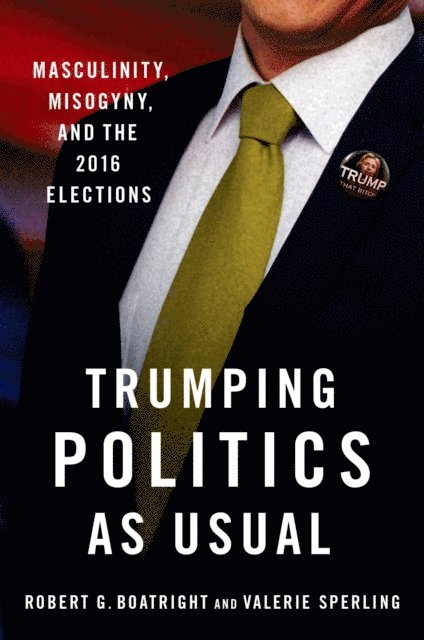
In many elections, candidates frame their appeals in gendered ways--they compete, for instance, over who is more "masculine." This is the case for male and female candidates alike. In the 2016 presidential election, however, the stark choice between the first major-party female candidate and a man who exhibited a persistent pattern of misogyny made the use of gender more prominent than in any previous election in the United States. Presidential campaigns often have an impact on downballot Congressional races, but the 2016 election provided a new opportunity to see the effects of misogyny. While much has been written about the 2016 election--and the shadow of 2016 clearly affected the pool of candidates in the 2018 midterms--this book looks at how the Trump and Clinton campaigns actually changed the behavior of more conventional candidates for Congress in 2016 and 2018.
Over the past decade, those who study political parties have sought to understand changes in the relationship between groups and parties and how these changes have affected the ability of parties to develop coherent campaign strategies. The clear need for rapid adjustments in party strategy in the 2016 election provides an ideal means of testing whether today''s political parties are more able or less able to respond to unexpected events. This book argues that Donald Trump''s candidacy radically altered the nature of the 2016 congressional campaigns in two ways. First, it changed the issues of contention in many of these races. Trump''s provocative calls for building a wall along the Mexican border and temporarily prohibiting immigration from Muslim countries inserted issues of race and ethnicity into elections and forced candidates to respond to his proposals. Most consequentially, however, Trump''s attacks on women--including television personalities, politicians, and, at times, private citizens--alienated numerous potential supporters and placed many of his supporters (and downballot Republican candidates in particular) on the defensive. Second, expectations that Trump would lose the election influenced how candidates for lower office campaigned and how willing they were to connect their fortunes to those of their party''s nominee. The fact that Trump was expected to lose--and was expected to lose in large part because of his misogyny--caused both major parties to direct more of their resources toward congressional races, and led many Republican candidates, especially women, to distance themselves from Trump. This book explores how the Trump and Clinton campaigns used gender as a political weapon, and how the presidential race changed the ways in which House and Senate campaigns were waged in 2016 and 2018.
Over the past decade, those who study political parties have sought to understand changes in the relationship between groups and parties and how these changes have affected the ability of parties to develop coherent campaign strategies. The clear need for rapid adjustments in party strategy in the 2016 election provides an ideal means of testing whether today''s political parties are more able or less able to respond to unexpected events. This book argues that Donald Trump''s candidacy radically altered the nature of the 2016 congressional campaigns in two ways. First, it changed the issues of contention in many of these races. Trump''s provocative calls for building a wall along the Mexican border and temporarily prohibiting immigration from Muslim countries inserted issues of race and ethnicity into elections and forced candidates to respond to his proposals. Most consequentially, however, Trump''s attacks on women--including television personalities, politicians, and, at times, private citizens--alienated numerous potential supporters and placed many of his supporters (and downballot Republican candidates in particular) on the defensive. Second, expectations that Trump would lose the election influenced how candidates for lower office campaigned and how willing they were to connect their fortunes to those of their party''s nominee. The fact that Trump was expected to lose--and was expected to lose in large part because of his misogyny--caused both major parties to direct more of their resources toward congressional races, and led many Republican candidates, especially women, to distance themselves from Trump. This book explores how the Trump and Clinton campaigns used gender as a political weapon, and how the presidential race changed the ways in which House and Senate campaigns were waged in 2016 and 2018.
Produktinformation
- Utgivningsdatum: 2019-09-06
- Språk: Engelska
- Filformat: EPUB
- Kopieringsskydd: LCP
- ISBN: 9780190065850
- Förlag: Oxford University Press
Utforska kategorier
Betyg & recensioner
0 recensioner
Inga recensioner tillgängliga.