• Fri frakt över 249 kr
  • •
  • Snabba leveranser
  • •
  • Billiga böcker
Kundservice

Du är på sajten för privatpersoner.

Företag, bibliotek eller offentlig verksamhet?

Du handlar på classic.bokus.com, där alla dina funktioner finns intakta.
Till classic.bokus.com
Bokus logotyp. Gå till startsidan.
  • Erbjudanden
  • Nyheter
  • Student
  • Topplistor
  • Barn & ungdom
  • Bokus Play
  • E-böcker
  • Pocketböcker
  • Spel & pussel

10% rabatt på allt med kod NYSTART10 →

Sidfot

Mina sidor

    Hjälp

    • Kundservice
    • Vanliga frågor och svar
    • Frakt och leverans
    • Retur vid ångerrätt
    • Reklamera vara
    • Betalning
    • Köpvillkor
    • Allmänna villkor
    • Information om webbplatsens tillgänglighet

    Om Bokus

    • Om oss
    • Pressrum
    • För studenter
    • För företag
    • För bibliotek och offentlig verksamhet
    • För leverantörer
    • Hållbarhet

    Populärt

    • Aktuella erbjudanden
    • Presentkort
    • Studentlitteratur
    • Nya böcker
    • Topplistor
    • Signerade böcker
    • Engelska böcker

    Inspiration

    • Boktips
    • BookTok
    • Populära bokserier
    • Barnbokskaraktärer
    • Populära författare
    Logotyp för Bokus
    Följ oss på Facebook (extern länk)Följ oss på Instagram (extern länk)Följ oss på YouTube (extern länk)Följ oss på TikTok (extern länk)
    bokus @ CookiesAnpassa cookiesIntegritetspolicyKöpvillkor
    Till Citymail hemsida (extern länk)Till Budbee hemsida (extern länk)Till Postnord hemsida (extern länk)Till Schenker hemsida (extern länk)Till Early Bird hemsida (extern länk)Till Walleys hemsida (extern länk)
    1. Medicin
    2. Medicin: allmänt
    3. Den medicinska professionen
    4. Medicinsk etik och läkaretik

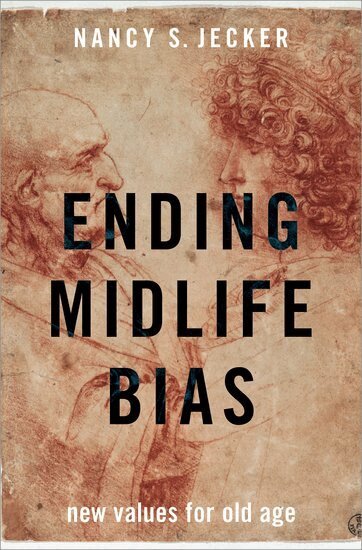
    Ending Midlife Bias

    New Values for Old Age

    AvNancy S. Jecker

    Inbunden, Engelska, 2020

    707 kr

    Beställningsvara. Skickas inom 5-8 vardagar. Fri frakt över 249 kr.

    Fler format och utgåvor

    E-bok

    409 kr

    E-bok

    409 kr

    Beskrivning

    We live at a time when the human lifespan has increased like never before. As average lifespans stretch to new lengths, what impact should this have on our values? Should our values change over the course of our ever-increasing lifespans? Nancy S. Jecker coins the term, the life stage relativity of values, to capture the idea that at different stages of our lives, different ethical concerns shift to the foreground. During early life, infants and small children hold dear the value of being cared for and nurtured by someone they trust--and their vulnerability and dependency make these the right values for them. By early adulthood and continuing into midlife, the capacity for greater physical and emotional independence gives people reason to place more emphasis on autonomy and the ability to freely choose and carry out their plan of life. During old age, heightened risk for chronic disease and disability gives us a reason to shift our focus again, emphasizing safeguarding our central capabilities and keeping our dignity and self-respect intact.Despite different values becoming central at different stages of life, we often assume the standpoint of someone in midlife, who is in the midst of planning a future adulthood that stretches out before them. Jecker coins the term, midlife bias, to refer to the privileging of midlife. Midlife bias occurs when we assume that autonomy should be our central aim at all life stages and give it priority in a wide range of ethical decisions. The privileging of midlife raises fundamental problems of fairness. It also suggests the possibility of large gaps in the ethical principles and theories at hand. Ending Midlife Bias: New Values for Old Age addresses these concerns in a step-wise fashion, focusing on later life. Jecker first introduces a philosophical framework that extends moral theorizing to older adults, addressing midlife bias, the life stage relativity of values, human capabilities and dignity, time's passage, the narrative self, and justice between old and young. She then turns to policy and practice and explores ethical issues in bioethics, long term care, personal robotic assistants, care of the dying and newly dead, ageism in medical research, the allocation of healthcare, mandatory retirement, and the future of population aging.

    Produktinformation

    • Utgivningsdatum:2020-06-29
    • Mått:236 x 163 x 30 mm
    • Vikt:998 g
    • Format:Inbunden
    • Språk:Engelska
    • Antal sidor:360
    • Förlag:OUP USA
    • ISBN:9780190949075

    Utforska kategorier

    • Medicinsk etik och läkaretik inom Medicin
    • Filosofiska discipliner inom Filosofi och religion

    Mer om författaren

    Nancy S. Jecker is a Professor of bioethics and philosophy at the University of Washington School of Medicine, Department of Bioethics and Humanities. She holds a Visiting Professorship at the University of Johannesburg, African Centre for Epistemology and Philosophy of Science, and past visiting professorships at the National University of Singapore Center for Biomedical Ethics and the Chinese University of Hong Kong Centre for Bioethics. She is a three-time Rockefeller Foundation awardee, two-time National Endowment for the Humanities awardee, Brocher Foundation Visiting Researcher, and Japanese Society for the Promotion of Science International Fellow. Dr. Jecker was elected to the board of directors for the International Association of Bioethics (2019-2021) and the American Society for Bioethics and Humanities (2017-2019).

    Recensioner i media

    The book is clearly written, thoroughly referenced, historically grounded, and thought provoking. Jecker's text will be welcomed by anyone with an interest in bioethics or aging who is willing to question the dominance customarily given to autonomy across the life-span. Recommended. Upper-division undergraduates. Graduate students, faculty, and professionals. General readers.

    Innehållsförteckning

    • Part I: The Philosophical FrameworkChapter 1: Values Across the LifespanChapter 2: What Matters for Individuals in Later Life?Chapter 3: The Preferred Account of Human CapabilitiesChapter 4: Time's Passage and the Narrative SelfChapter 5: Justice Between Old and Young Part II: Policy and Practice Chapter 6: Healthcare Across the Lifespan Chapter 7: Who Cares? Chapter 8: What Cares?Chapter 9: Ageism Chapter 10: The Dying, the Newly Dead, and the Long GoneChapter 11: Future People Chapter 12: Conclusion