
Capital, Investment, and Innovation in the Roman World
AvPaul Erdkamp,Koenraad Verboven
Inbunden, Engelska, 2020
Del i serien Oxford Studies on the Roman Economy
2 878 kr
Beställningsvara. Skickas inom 5-8 vardagar. Fri frakt över 249 kr.
Fler format och utgåvor
Beskrivning
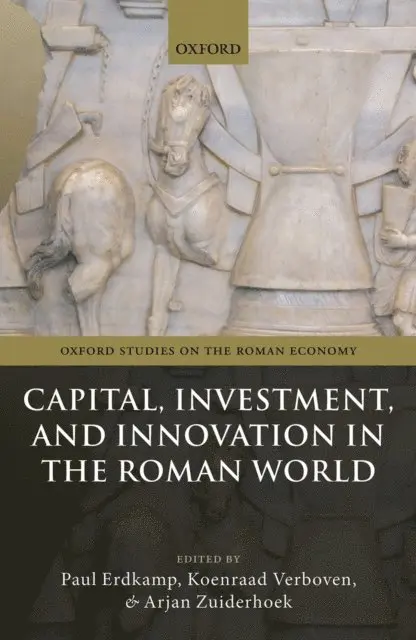
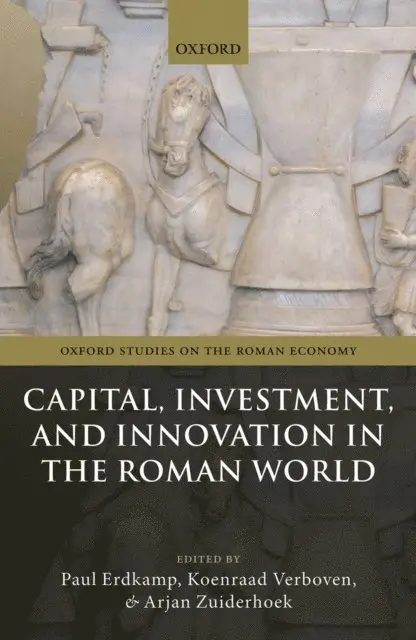
Investment in capital, both physical and financial, and innovation in its uses are often considered the linchpin of modern economic growth, while credit and credit markets now seem to determine the wealth - as well as the fate - of nations. Yet was it always thus? The Roman economy was large, complex, and sophisticated, but in terms of its structural properties did it look anything like the economies we know and are familiar with today? Through consideration of the allocation and uses of capital and credit and the role of innovation in the Roman world, the individual essays comprising this volume go straight to the heart of the matter, exploring such questions as how capital in its various forms was generated, allocated, and employed in the Roman economy; whether the Romans had markets for capital goods and credit; and whether investment in capital led to innovation and productivity growth. Their authors consider multiple aspects of capital use in agriculture, water management, trade, and urban production, and of credit provision, finance, and human capital, covering different periods of Roman history and ranging geographically across Italy and elsewhere in the Roman world. Utilizing many different types of written and archaeological evidence, and employing a range of modern theoretical perspectives and methodologies, the contributors, an expert international team of historians and archaeologists, have produced the first book-length contribution to focus exclusively on (physical and financial) capital in the Roman world; a volume that is aimed not only at specialists in the field, but also at economic historians and archaeologists specializing in other periods and places.
Produktinformation
Utforska kategorier
Mer om författaren
Recensioner i media
Innehållsförteckning
Hoppa över listan
Mer från samma författare
Ownership and Exploitation of Land and Natural Resources in the Roman World
Arjan Zuiderhoek, Koenraad Verboven, Paul Erdkamp
E-bok
20151 518 kr
Ownership and Exploitation of Land and Natural Resources in the Roman World
ERDKAMP ET AL, Paul Erdkamp, Koenraad Verboven, Arjan Zuiderhoek
Inbunden, 2015
3 017 kr
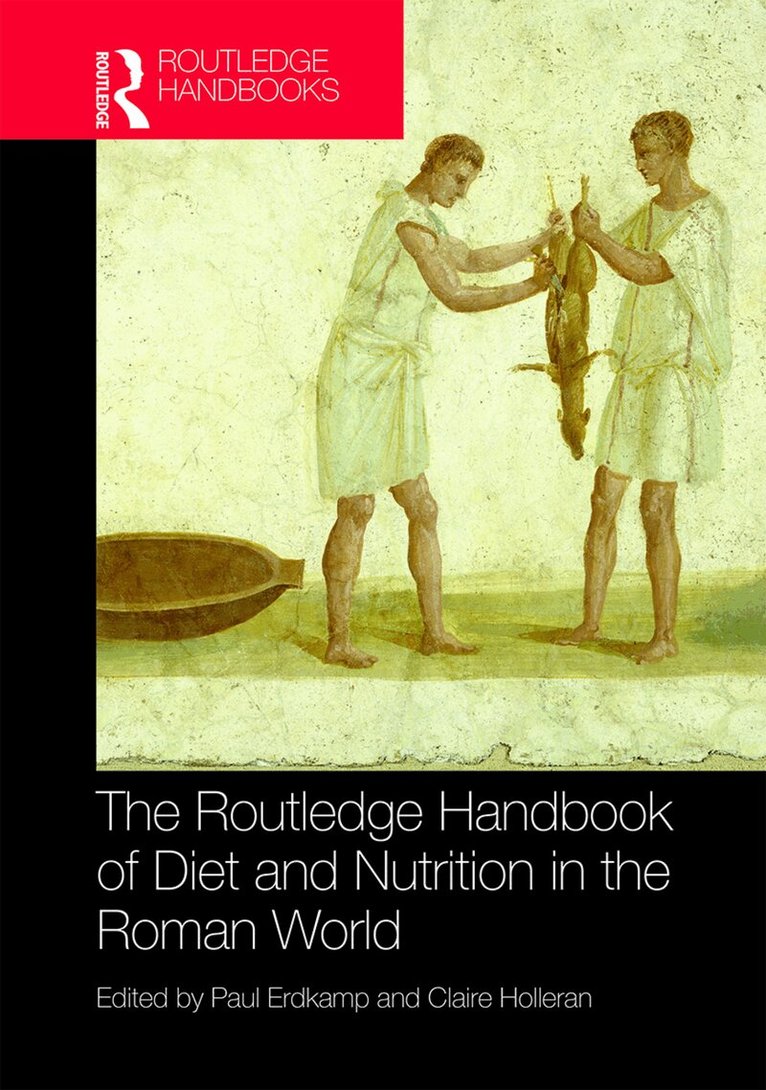
Routledge Handbook of Diet and Nutrition in the Roman World
Paul Erdkamp, Claire Holleran
Inbunden, 2018
3 836 kr
Routledge Handbook of Diet and Nutrition in the Roman World
Paul Erdkamp, Claire Holleran
Häftad, 2021
773 kr
Hoppa över listan

Mer från samma serie
The Economy of Roman Religion
Andrew Wilson, Andrew Wilson, Nick Ray, Angela Trentacoste
Inbunden, 2023
1 330 kr
Ownership and Exploitation of Land and Natural Resources in the Roman World
ERDKAMP ET AL, Paul Erdkamp, Koenraad Verboven, Arjan Zuiderhoek
Inbunden, 2015
3 017 kr
Hoppa över listan

Du kanske också är intresserad av
- 10% rabatt på allt
Capital, Investment, and Innovation in the Roman World
Arjan Zuiderhoek, Koenraad Verboven, Paul Erdkamp
E-bok
20202 014 kr
Capital, Investment, and Innovation in the Roman World
Arjan Zuiderhoek, Koenraad Verboven, Paul Erdkamp
E-bok
20201 993 kr
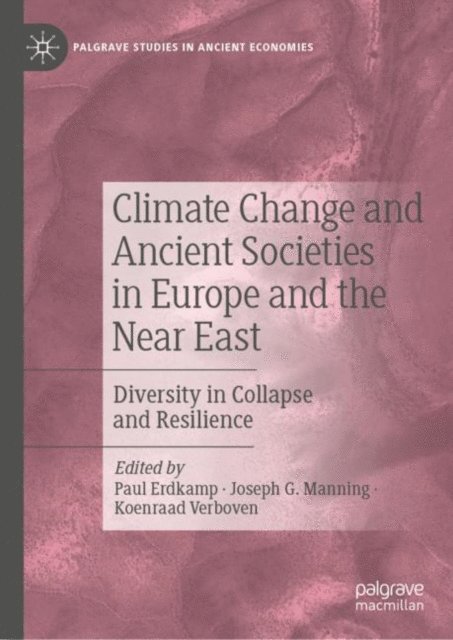
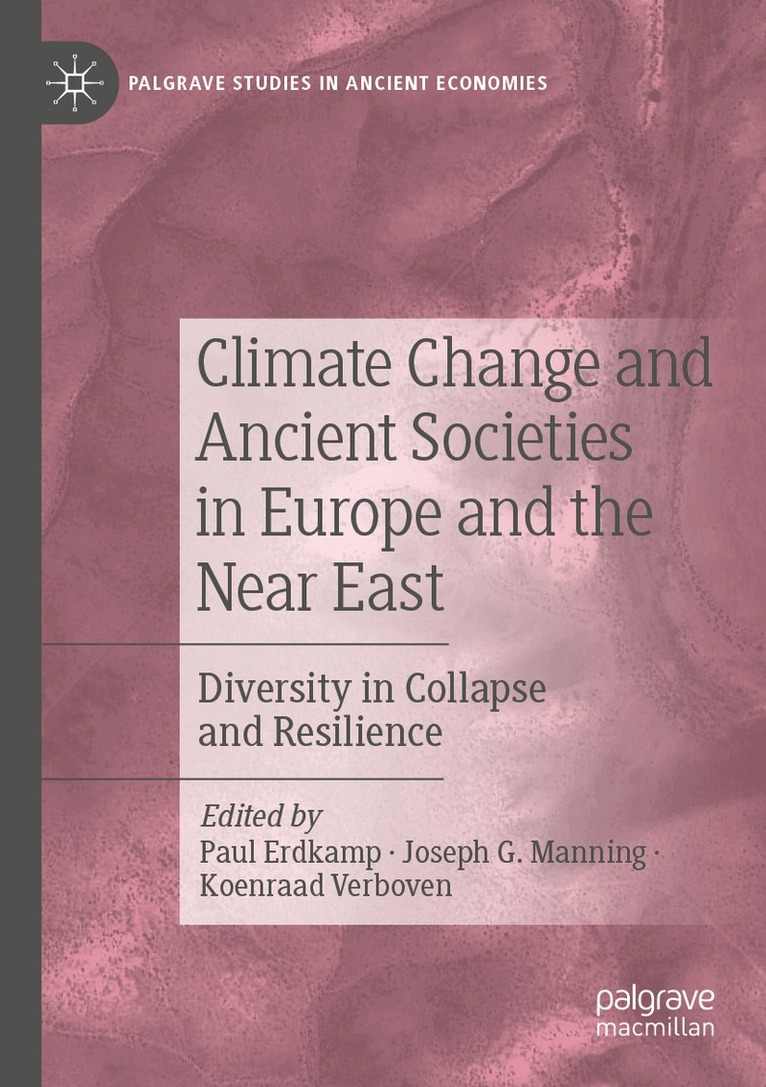
Climate Change and Ancient Societies in Europe and the Near East
Koenraad Verboven, Joseph G. Manning, Paul Erdkamp
E-bok
20212 619 kr
Ownership and Exploitation of Land and Natural Resources in the Roman World
Arjan Zuiderhoek, Koenraad Verboven, Paul Erdkamp
E-bok
20151 518 kr
Ownership and Exploitation of Land and Natural Resources in the Roman World
ERDKAMP ET AL, Paul Erdkamp, Koenraad Verboven, Arjan Zuiderhoek
Inbunden, 2015
3 017 kr
Climate Change and Ancient Societies in Europe and the Near East
Paul Erdkamp, Joseph G. Manning, Koenraad Verboven
Häftad, 2022
1 067 kr
Climate Change and Ancient Societies in Europe and the Near East
Paul Erdkamp, Joseph G. Manning, Koenraad Verboven
Inbunden, 2021
1 059 kr
Legal and Economic Practice in the Roman World, Volume I
Koenraad Verboven, Emilia Mataix Ferrandiz
E-bok
20262 430 kr